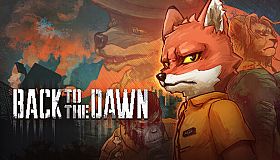


Back to the Dawn is a pixel-art prison-escape RPG set inside a maximum-security facility populated by anthropomorphic animals. Players assume the role of either Thomas, a framed journalist fox, or Bob, an undercover panther detective, and must navigate daily prison life while planning an escape over a strict 21-day period. The experience blends time management, social interactions, and RPG progression in a single-player format focused on meaningful choices and multiple endings.
Gameplay
The core loop revolves around structuring each day around fixed routines such as morning headcount, work assignments, meals, recreation periods, and evening lockdown. These scheduled blocks create natural windows for building relationships with the 47 inmates, completing quests, or advancing personal skills. Four core attributes-Strength, Agility, Intelligence, and Charisma-govern outcomes through dice-based checks that influence everything from convincing guards to succeeding in physical tasks or negotiations.
Prison factions add layers of strategy. The Big Foot Gang controls the weight pit and boxing matches under elephant leader Jumbo. The Sharp Tooth Gang dominates the basketball court and television room led by lion Alex. The Black Claw Gang runs loan-shark operations with chimpanzee Caesar at the helm. Aligning with or opposing these groups affects access to resources and escape opportunities. Additional systems include crafting, training sessions, and occasional phone-call mechanics that support the overarching goal of breaking out through one of several routes, each carrying distinct risks and narrative consequences.
Game Modes
Three distinct modes shape the experience before play begins. White Mode functions as an easier story-focused option that supplies helpful items to reduce difficulty. Black Mode serves as the standard difficulty setting recommended for most players. Gray Mode removes the memory-recall saving feature, limiting reloads and emphasizing permanent consequences for decisions. These options allow tailoring the balance between narrative accessibility and high-stakes decision making without altering the underlying 21-day structure or core systems.
Narrative and Progression
Over 100 handcrafted quests and more than 500,000 words of dialogue drive the story across two distinct protagonist paths. Each character begins with unique stats, backstories, and specialty abilities that influence available strategies. Progression occurs through attribute growth, faction standing, and discovery of hidden prison secrets. Combat appears in limited contexts but remains deliberately punishing, encouraging players to favor social manipulation and preparation over direct confrontation. Multiple escape routes and endings reward experimentation across replays.
Is It Worth Playing?
Player reception has been strongly positive, with Steam reviews reaching 95 percent approval from over 1,200 ratings. The combination of tight time pressure, deep social systems, and replayable structure appeals to fans of choice-driven RPGs and prison-management simulations. Those who enjoy anthropomorphic character designs, dice-resolution mechanics, and long-form narratives will find substantial depth in the 20-plus hour campaigns. The game maintains active support following its release, with consistent updates preserving the core experience on PC. It suits players seeking a focused single-player title that prioritizes strategic planning and consequence over open-world freedom or multiplayer elements.