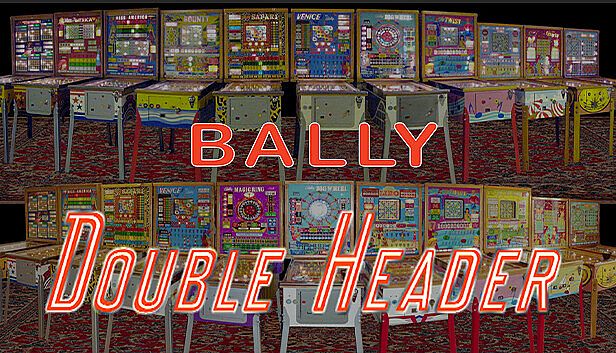



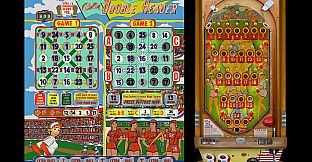
Bingo Pinball Gameroom - Bally Double Header stands out as a simulation game that brings the charm of a classic 1956 electro-mechanical machine to PC players. This title recreates the original Bally Double Header, blending pinball elements with bingo mechanics in a single-player format. Released in 2023, it captures the essence of mid-20th-century arcade entertainment, where strategy meets chance in forming winning patterns on a virtual bingo card.
Gameplay
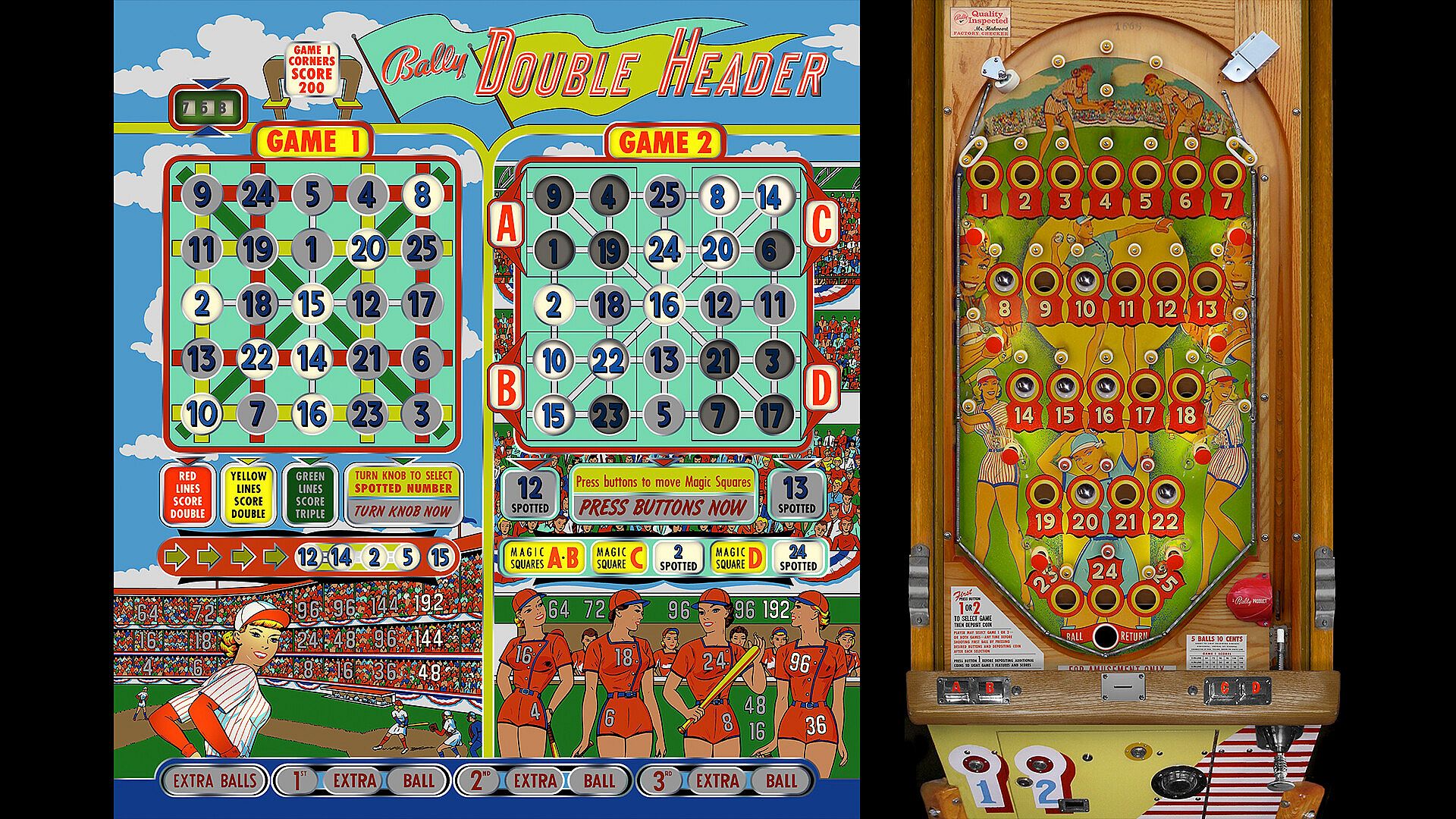
In this simulation, you take control of a digital version of the Double Header machine, which features a playfield with 25 holes. The core loop involves shooting a single ball that travels down the playfield, landing in one of the numbered holes to light corresponding spots on the bingo card displayed on the backglass. Success depends on forming lines of three, four, or five lit numbers, with payouts based on the odds and scores that advance as you play.
Controls mimic the original setup, allowing you to influence outcomes through features like spotting numbers before shooting. Extra balls, up to a maximum of three, extend your chances to build better combinations. The game emphasizes strategic decisions, such as when to use advancing odds to boost potential rewards, all while replicating the mechanical sounds and visuals of the era.
Game Modes
The simulation offers flexibility with two main modes that can be played separately or together, sharing the same playfield. Game 1 focuses on select-a-spot mechanics with a single card, where you choose numbers from grouped feature levels before play. It includes colored line multipliers, doubling scores on red and yellow horizontal or vertical lines, and tripling them on green diagonals.
Game 2 centers on magic squares, letting you rotate wheels behind the backglass to rearrange numbers on the card. This mode allows spotting up to four numbers and aims for in-line scoring without the colored multipliers. Combining both modes adds complexity, as actions in one affect the shared elements.
Features and Mechanics
Key mechanics include spot numbers that light automatically for an edge, and in-line scoring that rewards specific patterns. The magic squares feature stands out, with each square consisting of four numbers on rotatable wheels, starting in corner positions known as turning corners. As you progress, odds steps increase up to eight levels, and scores can reach super, double, triple, or quadruple values based on your setup.
The machine's design supports a maximum payout of 576, tied to how well you align lit numbers. These elements create a blend of skill and luck, faithful to the original hardware's limitations and quirks.
Is It Worth Playing?
This simulation appeals to those interested in retro gaming history, particularly fans of bingo pinball hybrids from the 1950s. Its dual-mode structure provides variety in a compact package, making it suitable for short sessions focused on strategy and nostalgia. Without ongoing updates or multiplayer options, it suits solo players seeking an authentic recreation rather than modern twists. If you enjoy mechanical simulations that highlight vintage arcade ingenuity, it delivers a focused experience worth exploring for its historical accuracy.