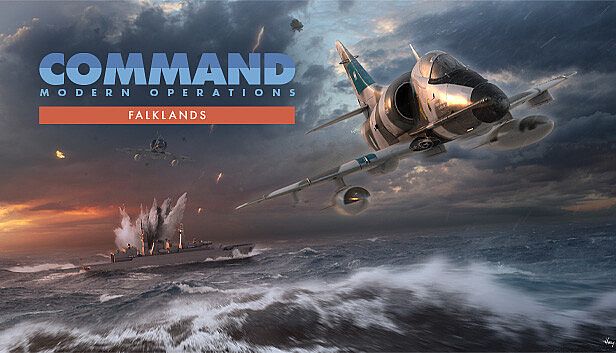














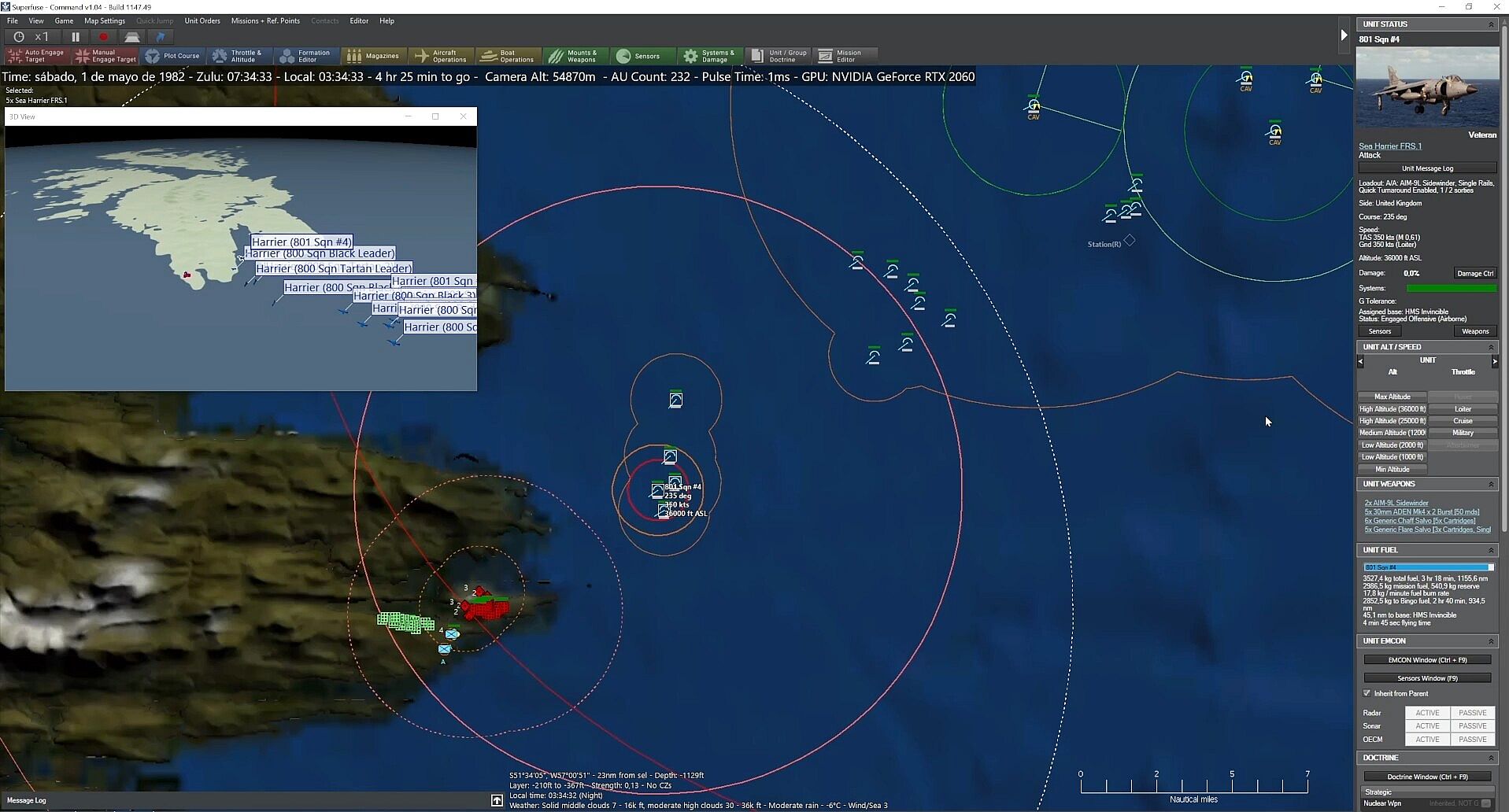
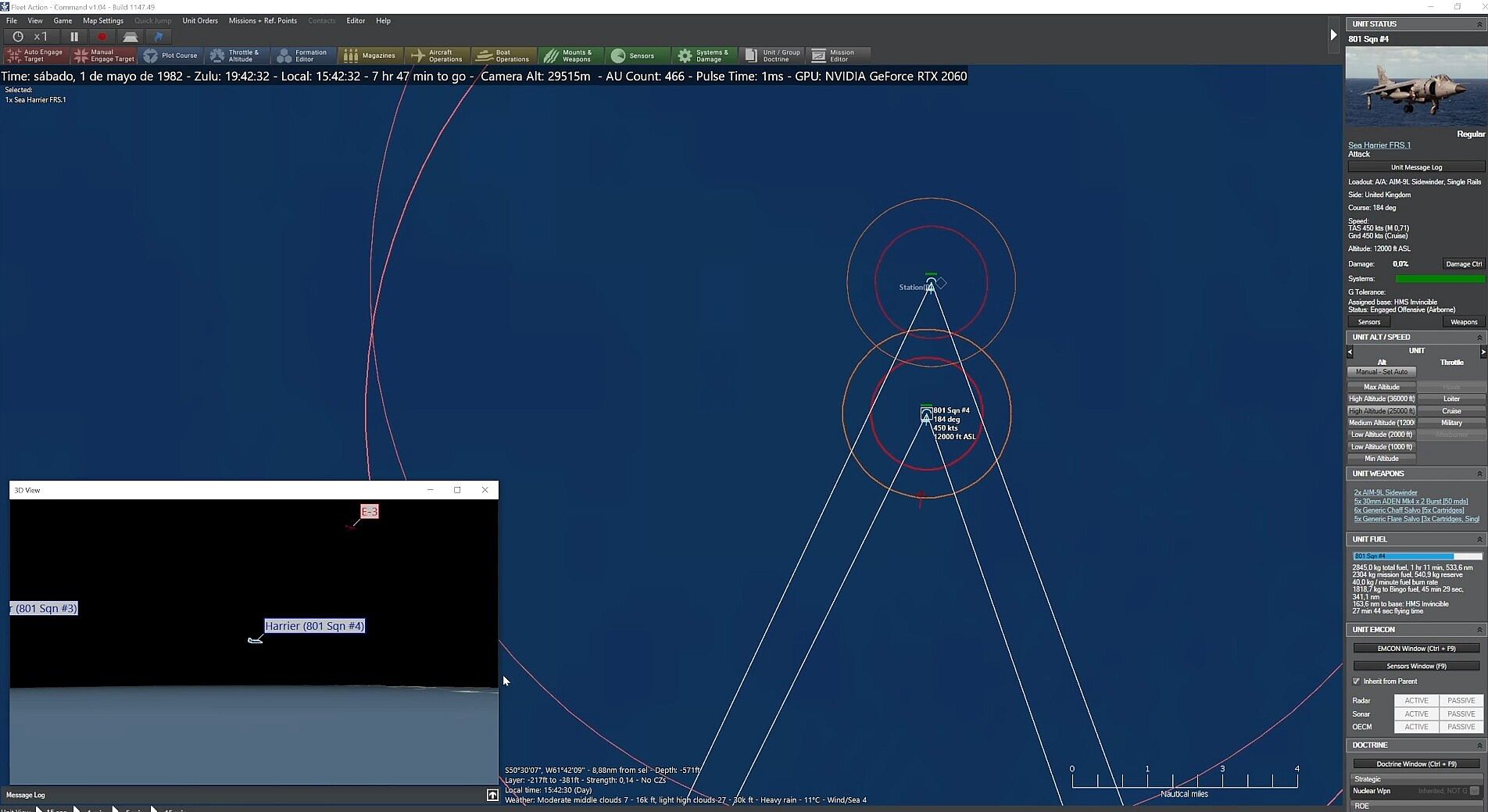
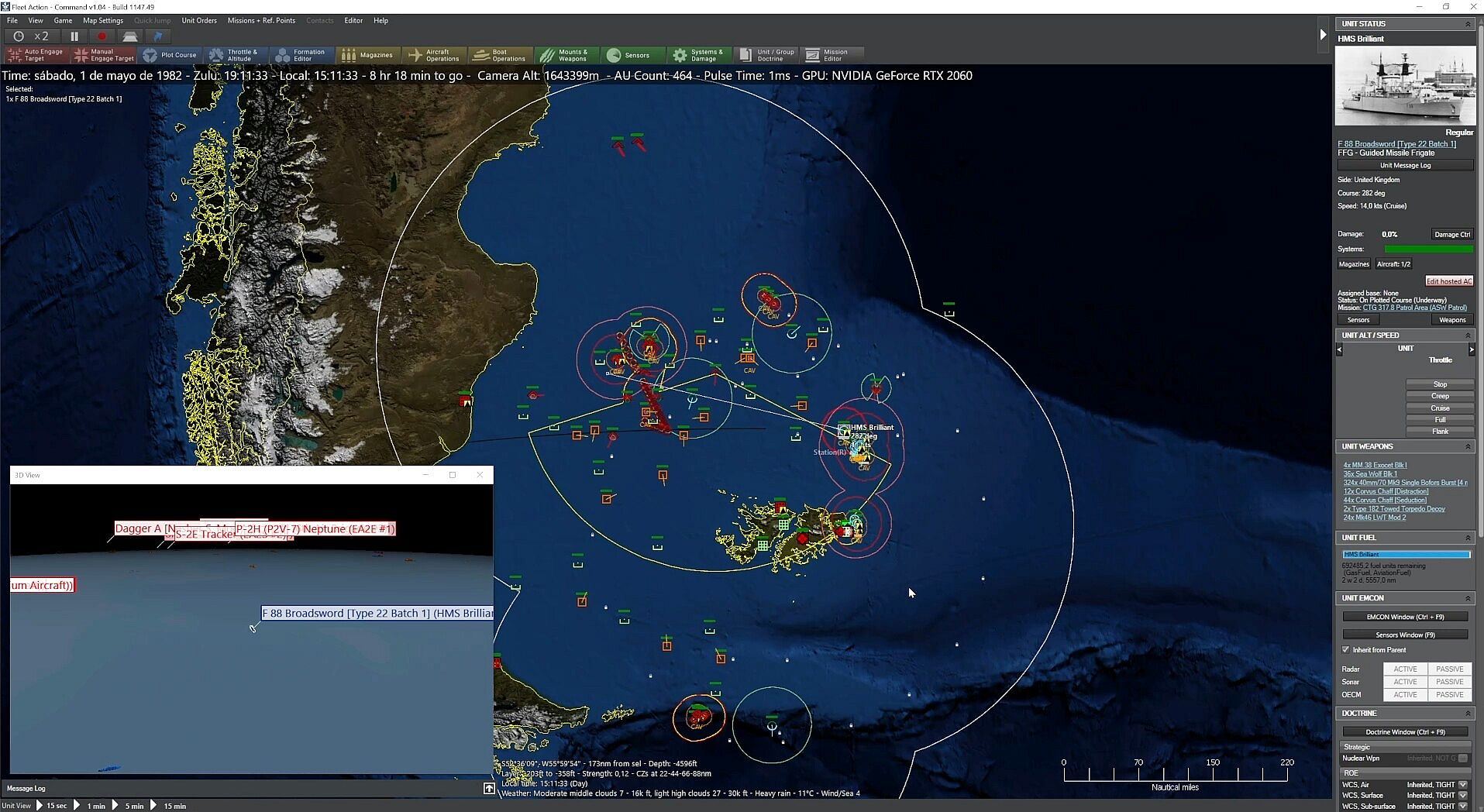
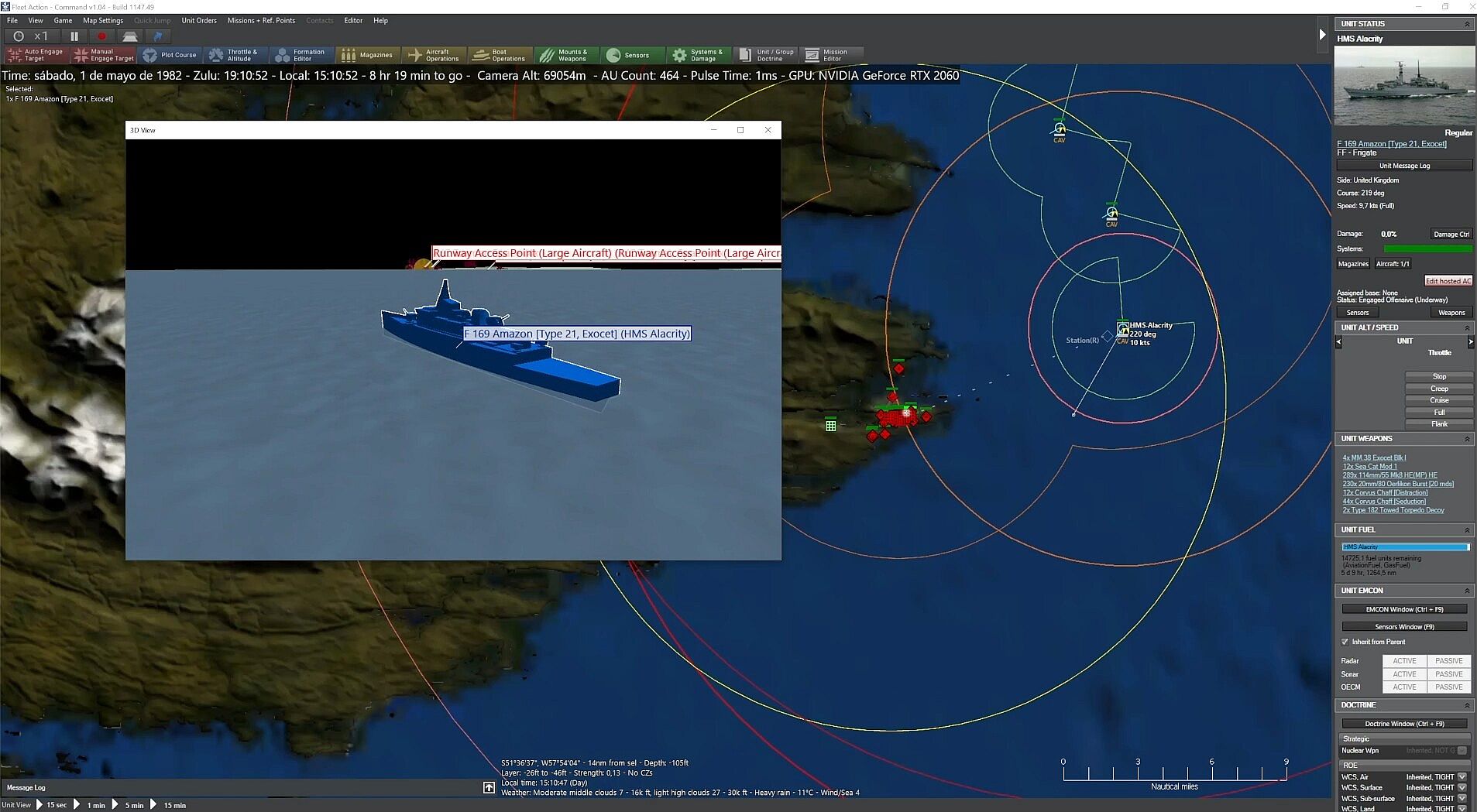
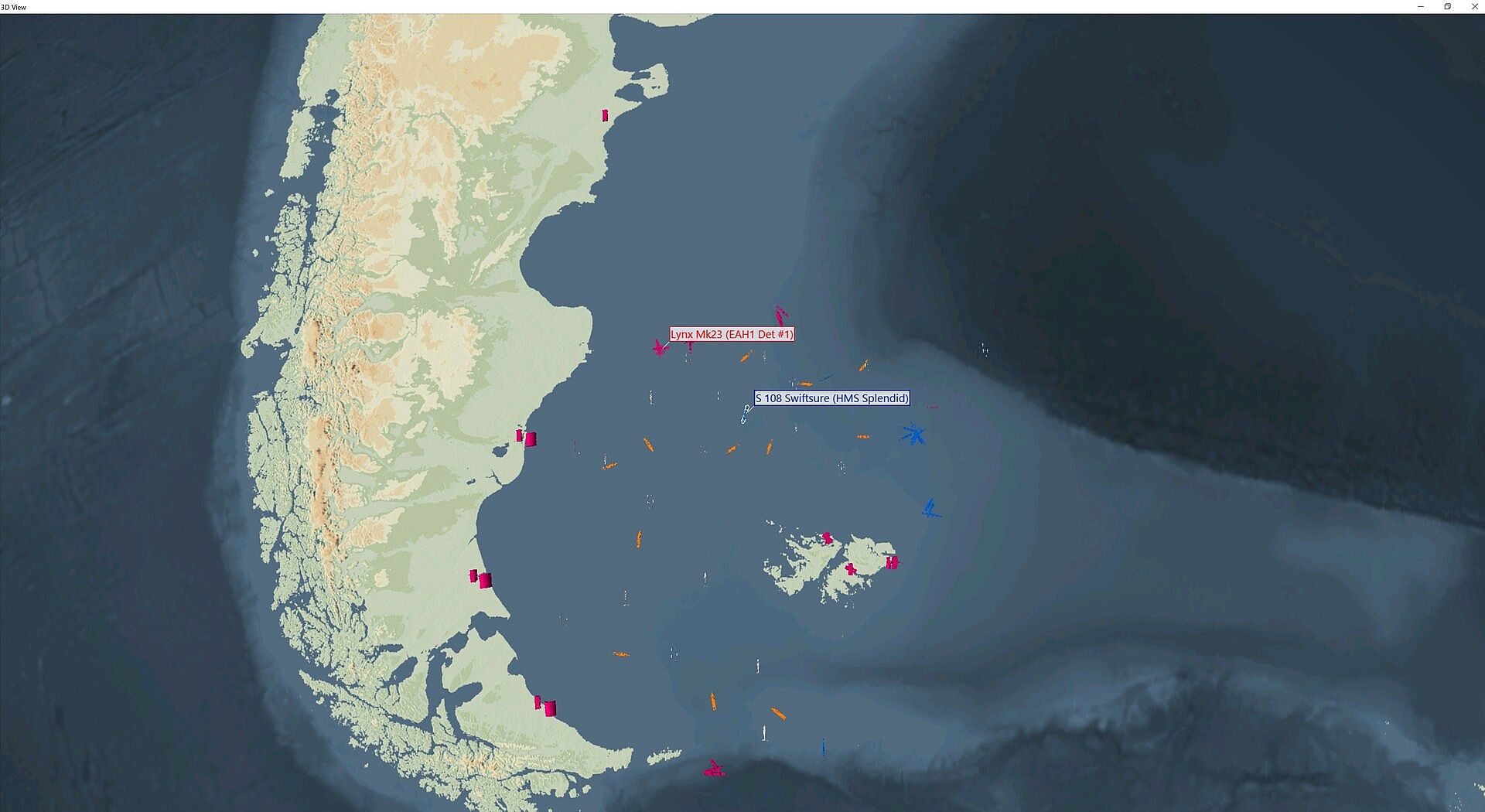
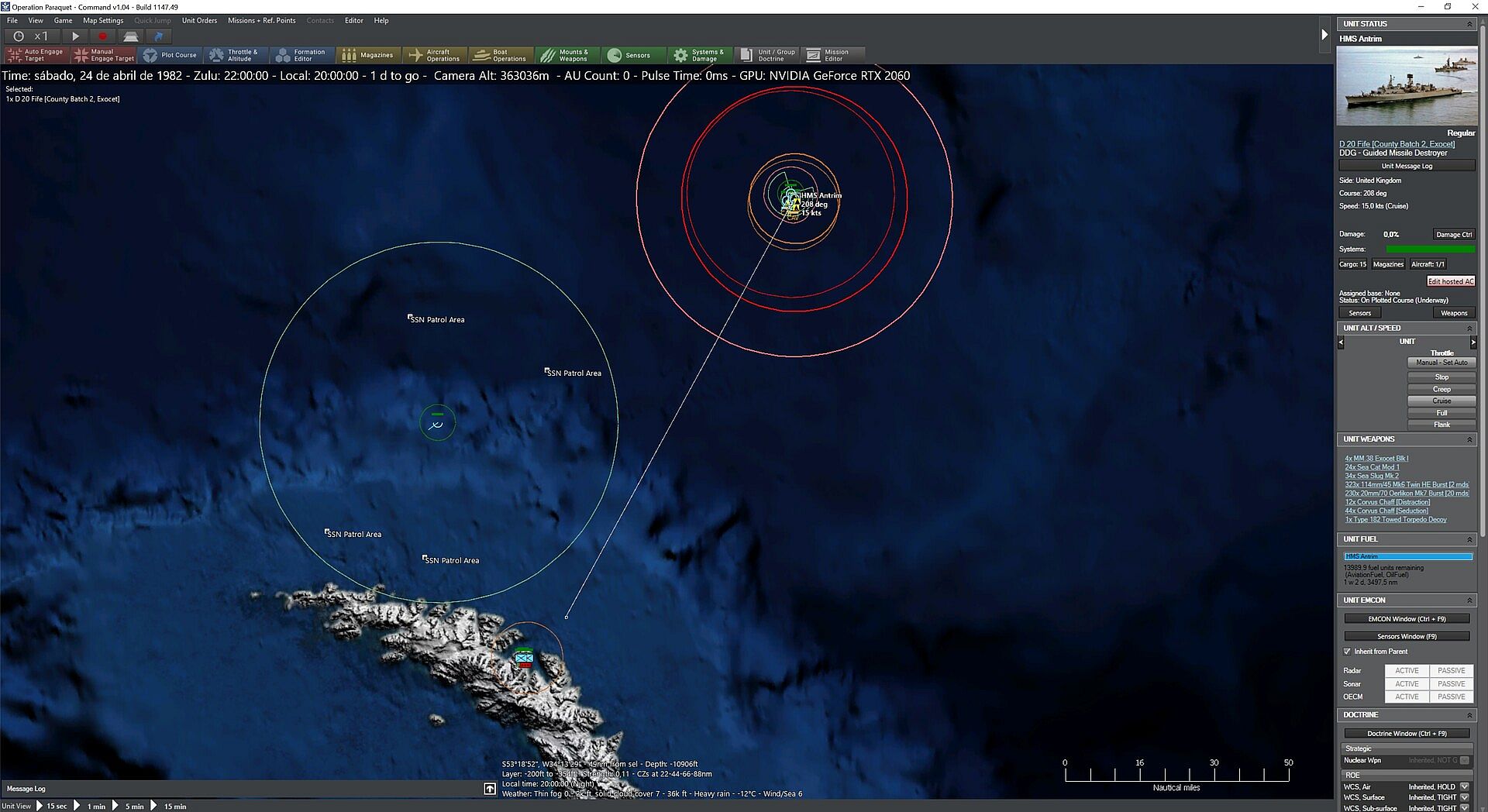
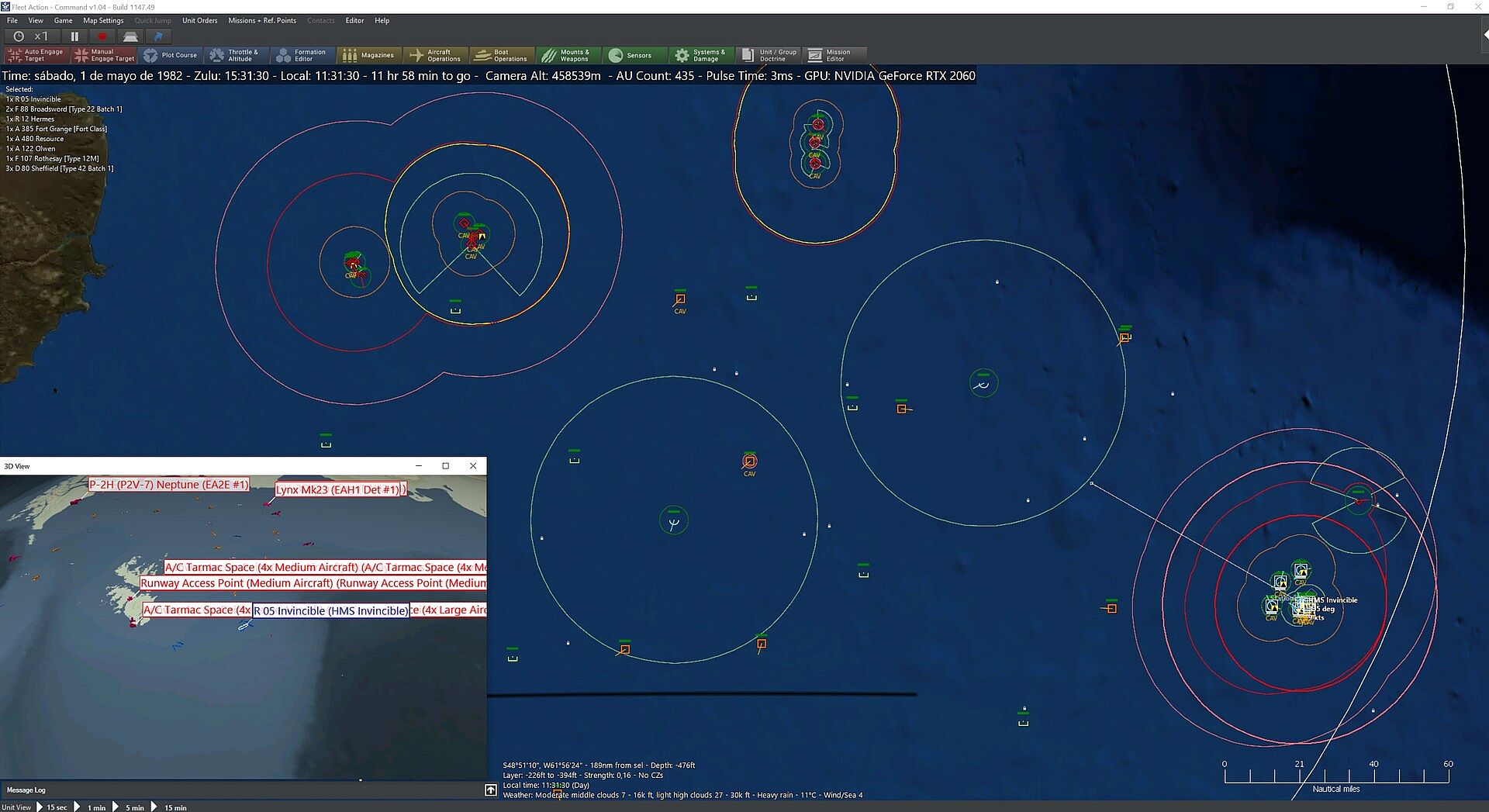
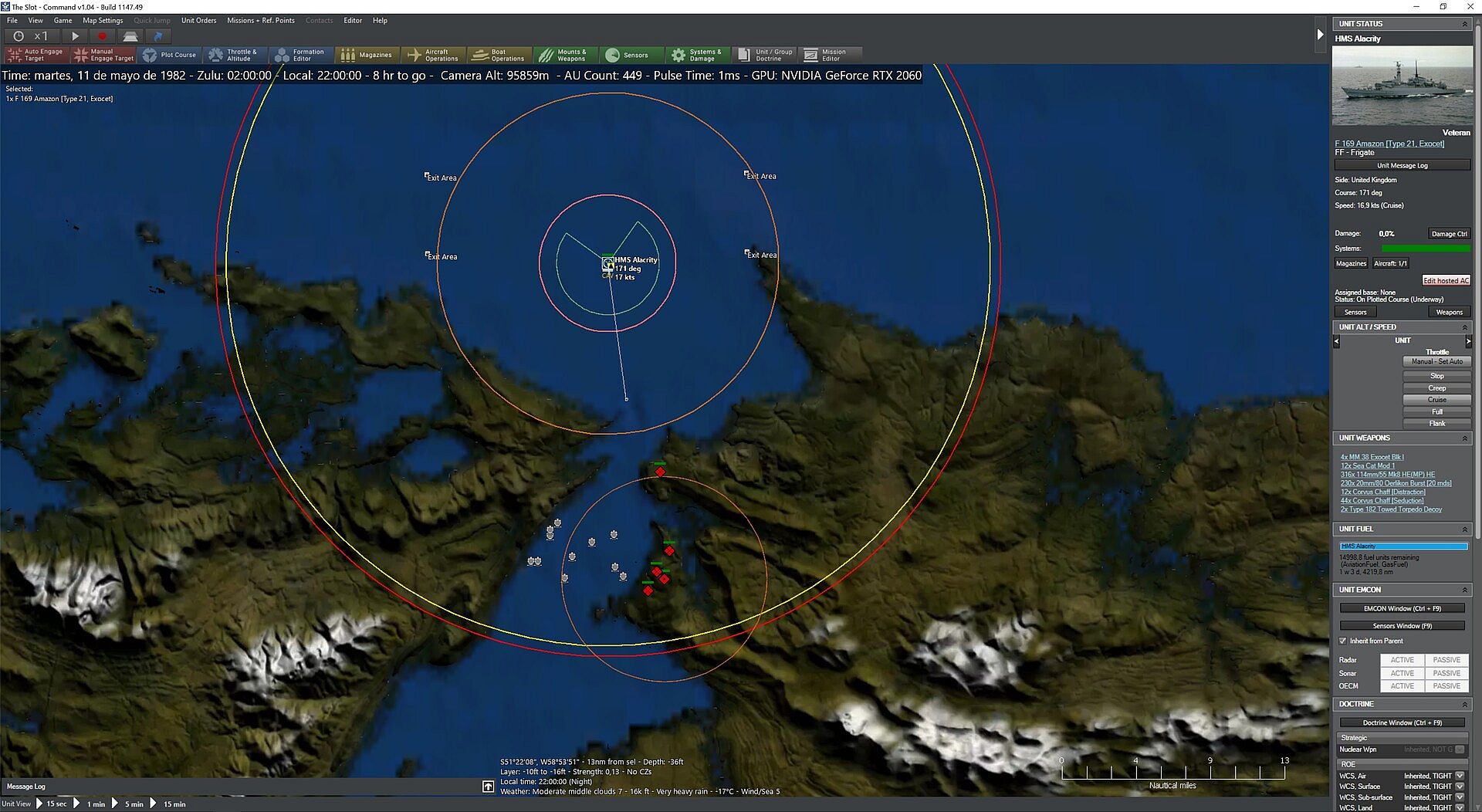
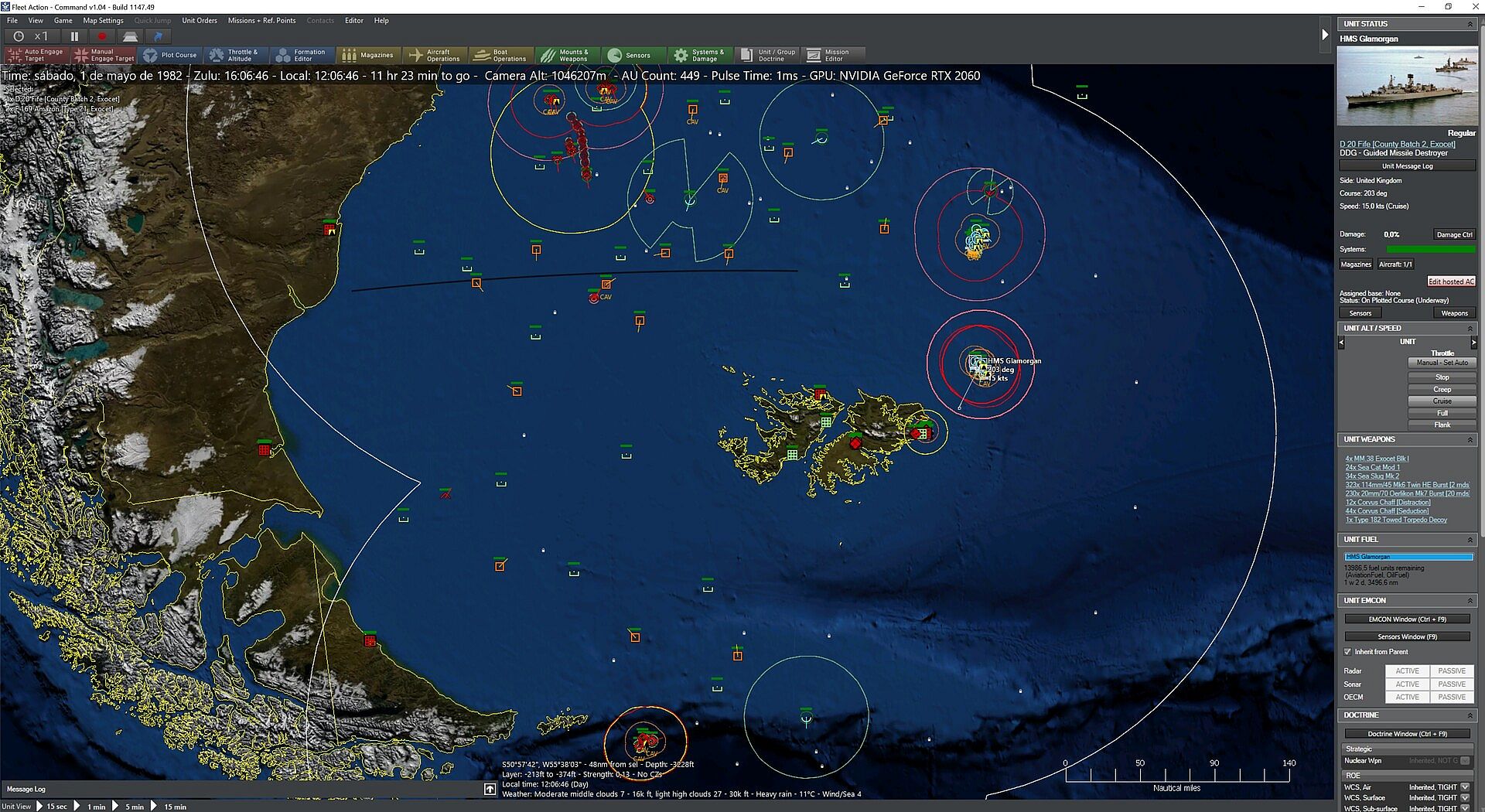
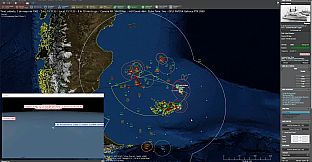
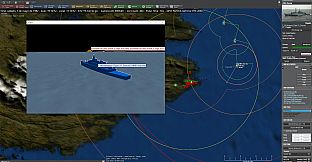
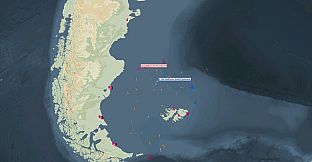
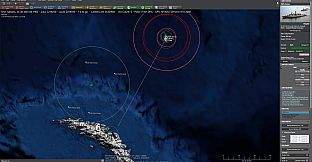
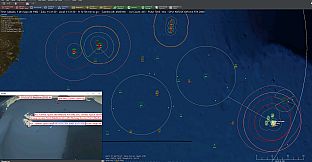
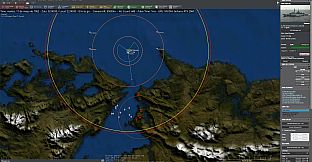
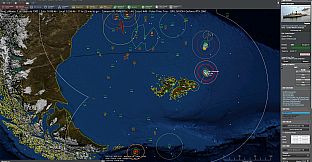
Command:MO - Falklands is a detailed military simulation set during the 1982 conflict between the United Kingdom and Argentina over the Falkland Islands. Players take command of naval, air, and ground forces in a series of historical and hypothetical engagements that recreate key phases of the war. The game emphasizes realistic command decisions across air, surface, and underwater domains, with scenarios built around actual events from the invasion through the final British recapture efforts.
Gameplay
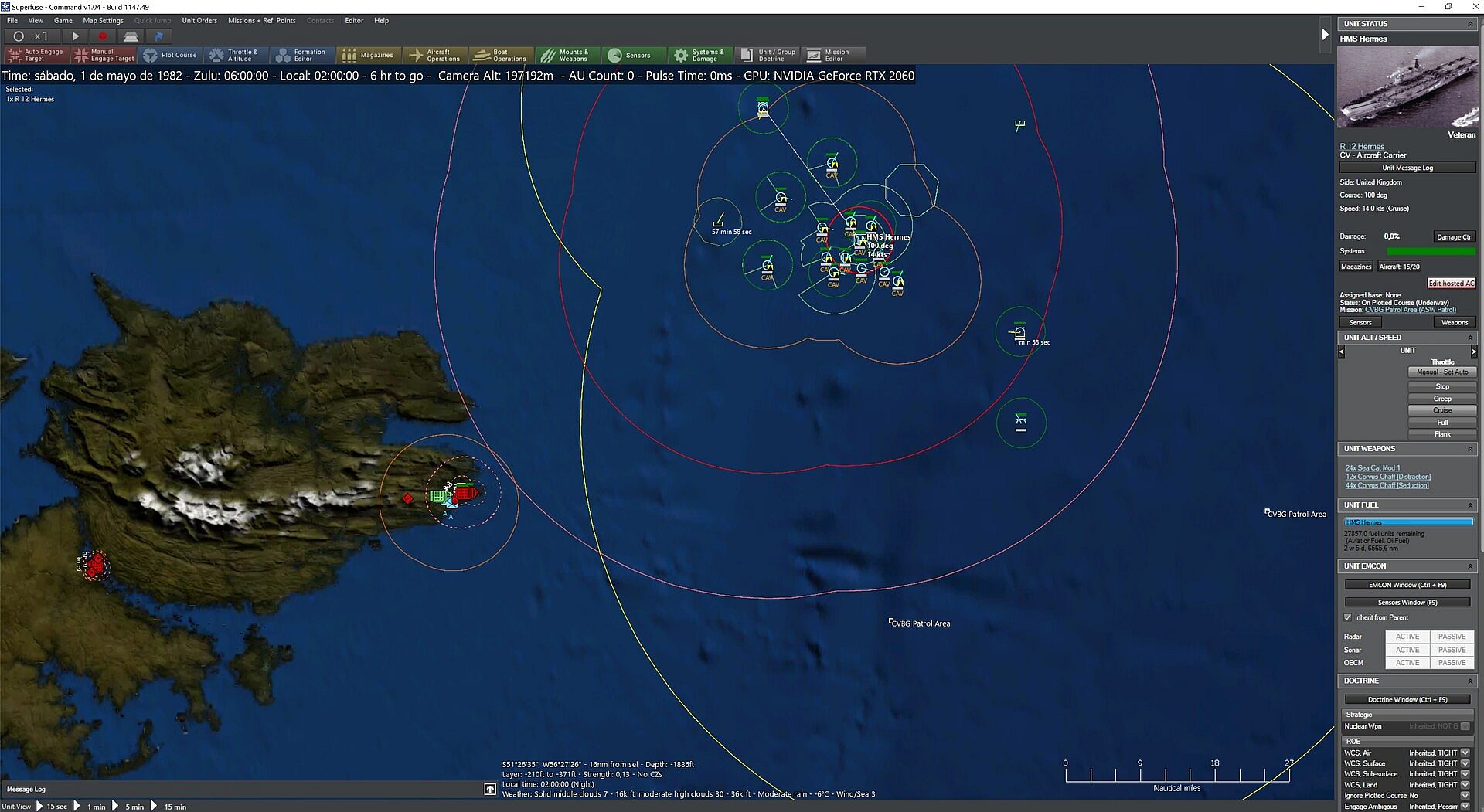
The core loop revolves around planning and executing operations with authentic units from both sides. Players manage fleets, aircraft squadrons, and amphibious forces while accounting for factors like detection ranges, weapon effectiveness, and logistical constraints. Combat unfolds in real time or accelerated modes, requiring careful positioning of assets to counter threats from missiles, submarines, and opposing air power. Historical units receive accurate performance data, and the simulation includes options to incorporate equipment that was retired or never fielded during the actual conflict.
Scenarios draw directly from the timeline of the war, starting with the initial Argentine landings and progressing through naval clashes and land battles. A Falklands War veteran contributed to scenario design, ensuring operational details align with documented tactics and challenges faced by commanders. Players issue orders to individual ships, planes, and task groups, balancing offensive strikes with defensive measures against incoming attacks.
Game Modes
The primary experience consists of standalone scenarios that players can load individually. There are thirteen core scenarios covering major operations of the war, plus two bonus scenarios that introduce additional units unavailable in 1982. These bonus missions expand the available forces for experimentation while maintaining the same simulation rules.
Each scenario functions as a self-contained operation where success depends on achieving specific objectives under realistic constraints. The structure supports replay through different approaches to force allocation and timing, though the underlying mechanics remain consistent across all missions. No separate multiplayer or persistent campaign modes are included beyond this scenario framework.
Historical Context and Units
The simulation incorporates the political and military backdrop of the period, including the Argentine invasion on April 2, 1982, and the subsequent British task force response. Players handle real equipment such as Type 42 destroyers, Sea Harrier aircraft, and Argentine Super Etendards, along with submarines and amphibious vessels. Management extends to units that had been decommissioned or were planned but not operational at the time, allowing for alternate outcomes in the bonus content.
Air operations focus on carrier-based strikes and reconnaissance, surface combat involves missile exchanges and gunnery, and underwater elements require sonar management and torpedo employment. The multi-sided nature of the conflict appears through opposing force deployments that players must counter with coordinated responses.
Is It Worth Playing?
This simulation suits players who seek in-depth command experiences with precise modeling of 1980s naval and air warfare. The scenario count provides substantial content for repeated play, particularly for those interested in the Falklands conflict specifically. Its complexity demands familiarity with military simulation interfaces and a willingness to study unit capabilities before each mission.
Reception centers on the accuracy of the historical modeling and the value of the veteran-designed scenarios for dedicated wargamers. Those preferring faster-paced or less technical titles may find the learning curve and deliberate pace limiting. The game remains available as a standalone purchase focused on this single theater, with no ongoing seasonal updates or expansions beyond the included missions.