















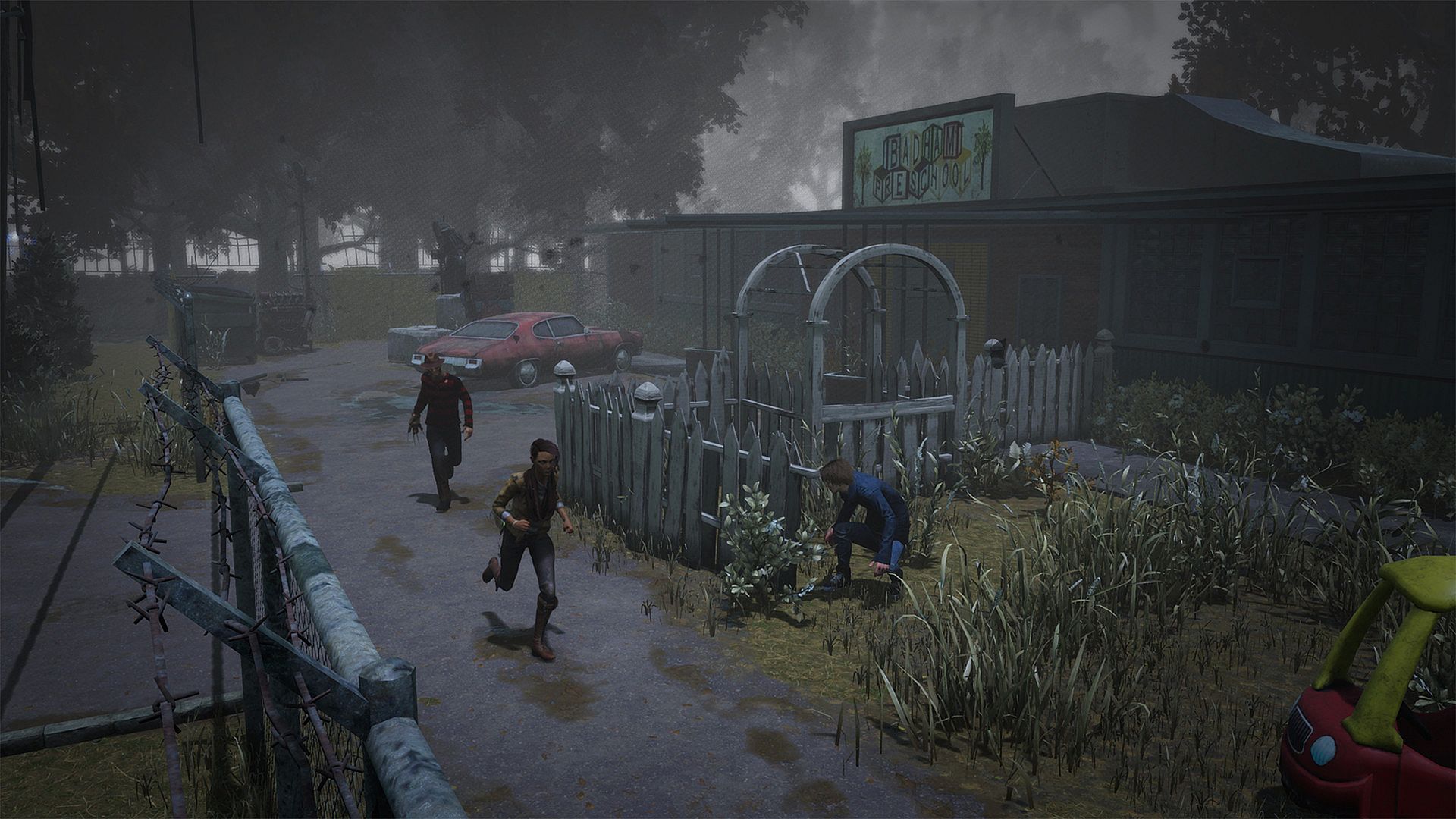
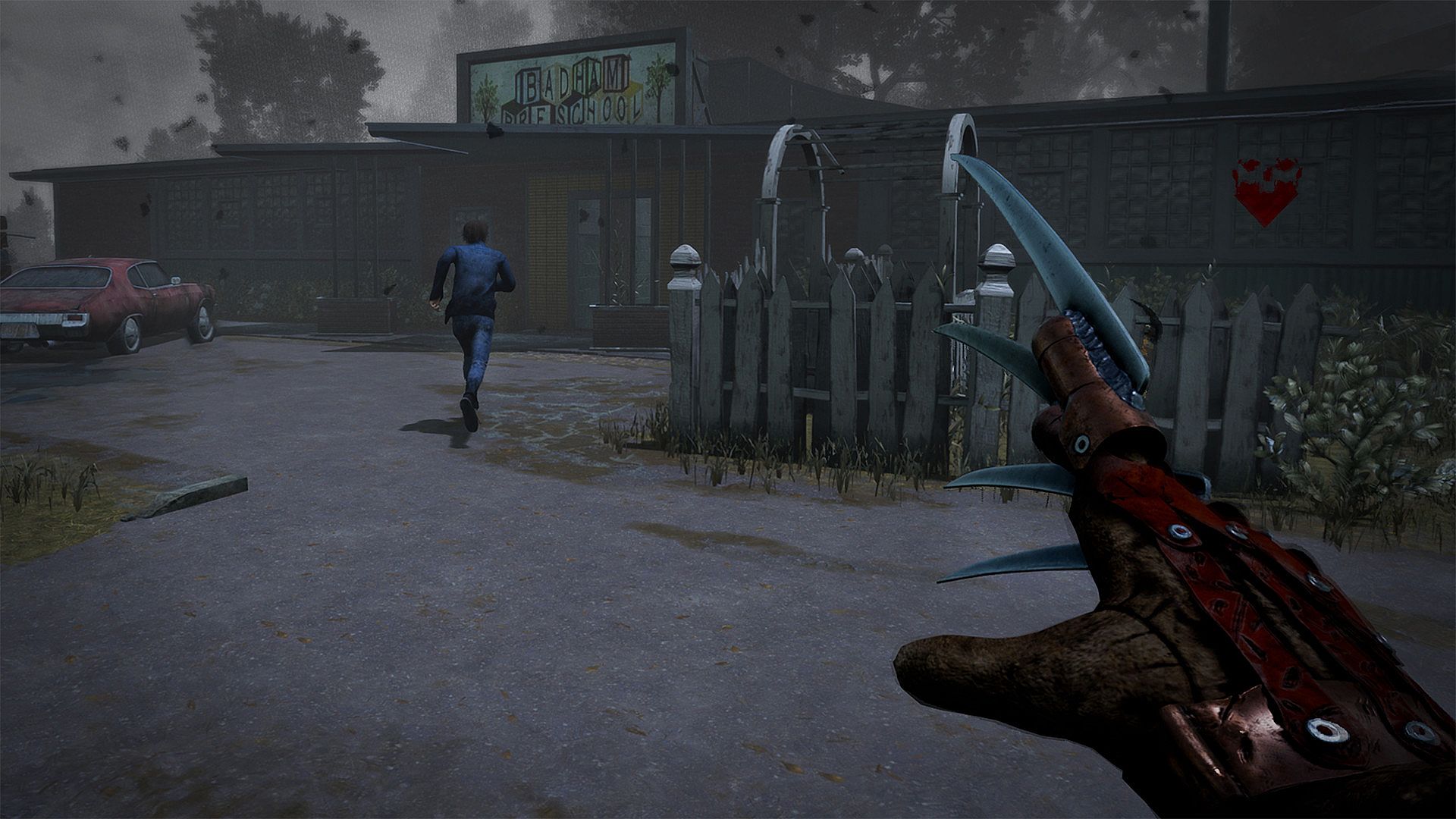
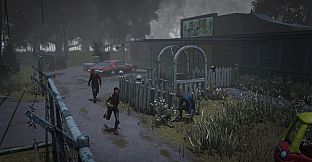
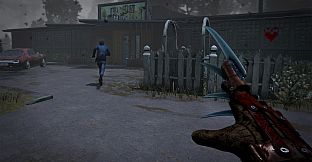
Dead by Daylight is an asymmetrical multiplayer horror game set on PC where one player controls a Killer and four others play as Survivors in tense matches. The A Nightmare on Elm Street chapter adds Freddy Krueger as a new Killer, Quentin Smith as a Survivor, and the Badham Preschool map to the existing roster of trials.
Gameplay
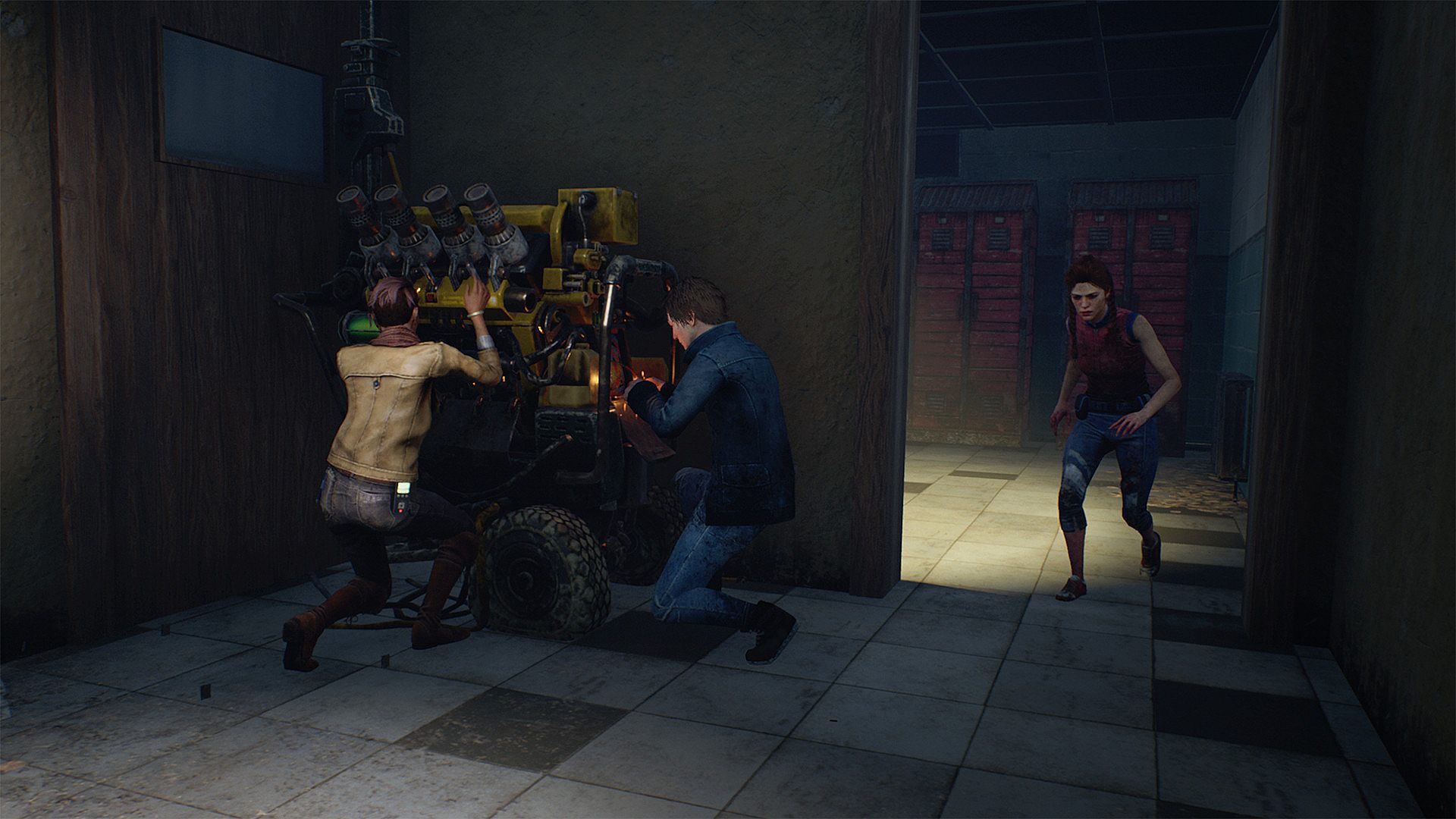
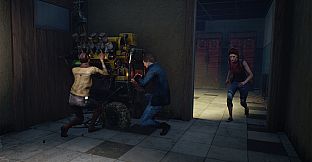
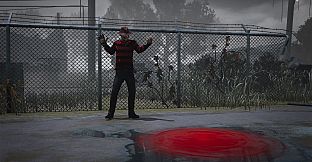
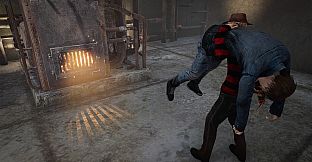
The core loop centers on Survivors repairing generators to power exit gates while avoiding the Killer, who aims to hook and sacrifice them to the Entity. This chapter introduces Freddy Krueger, whose Dream Demon ability forces Survivors into a Dream World state through passive microsleep effects that build over time. Awake Survivors see only intermittent glimpses of the Killer until they fully enter the dream realm, where Freddy gains clearer visibility and new tools.
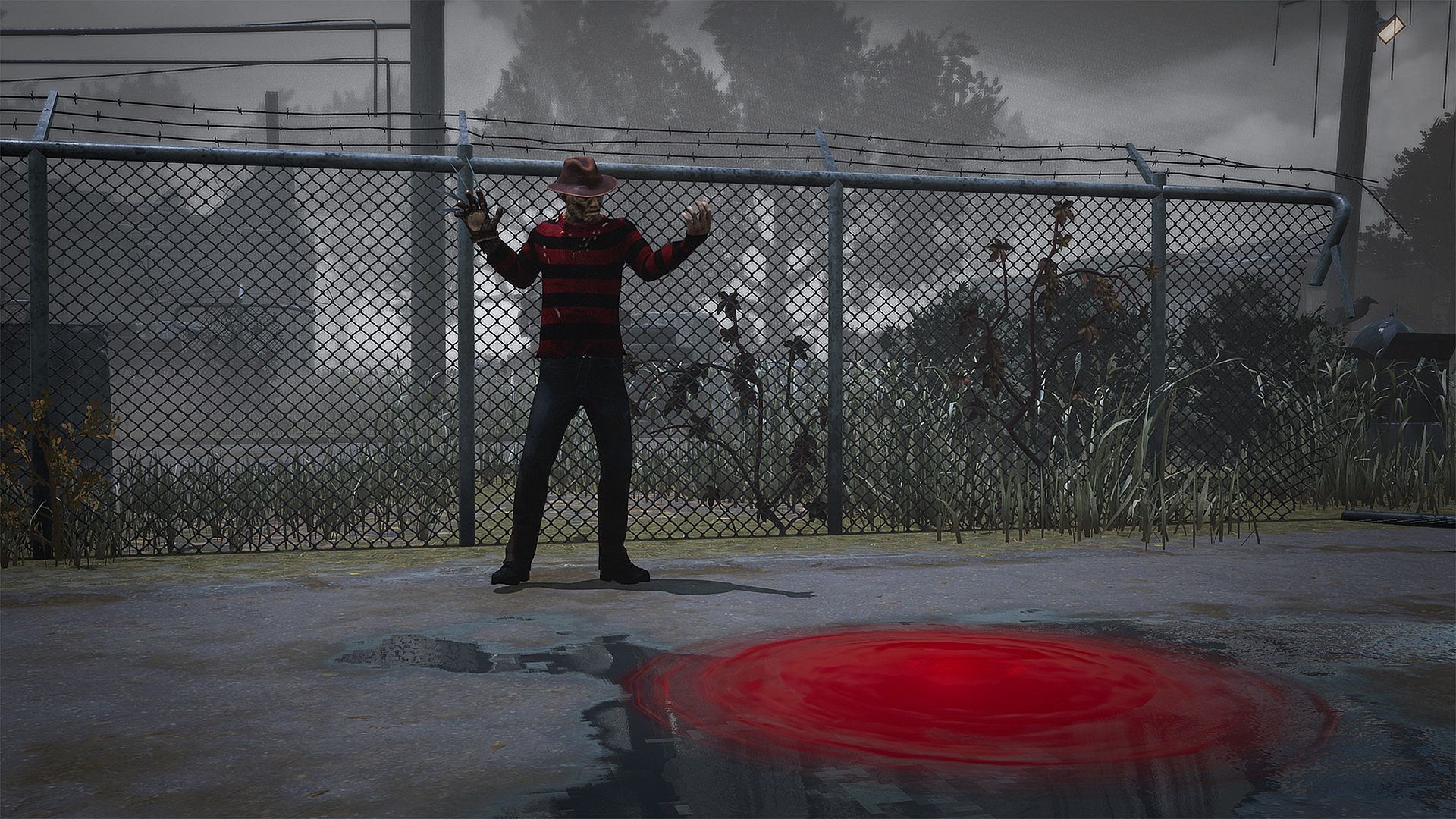
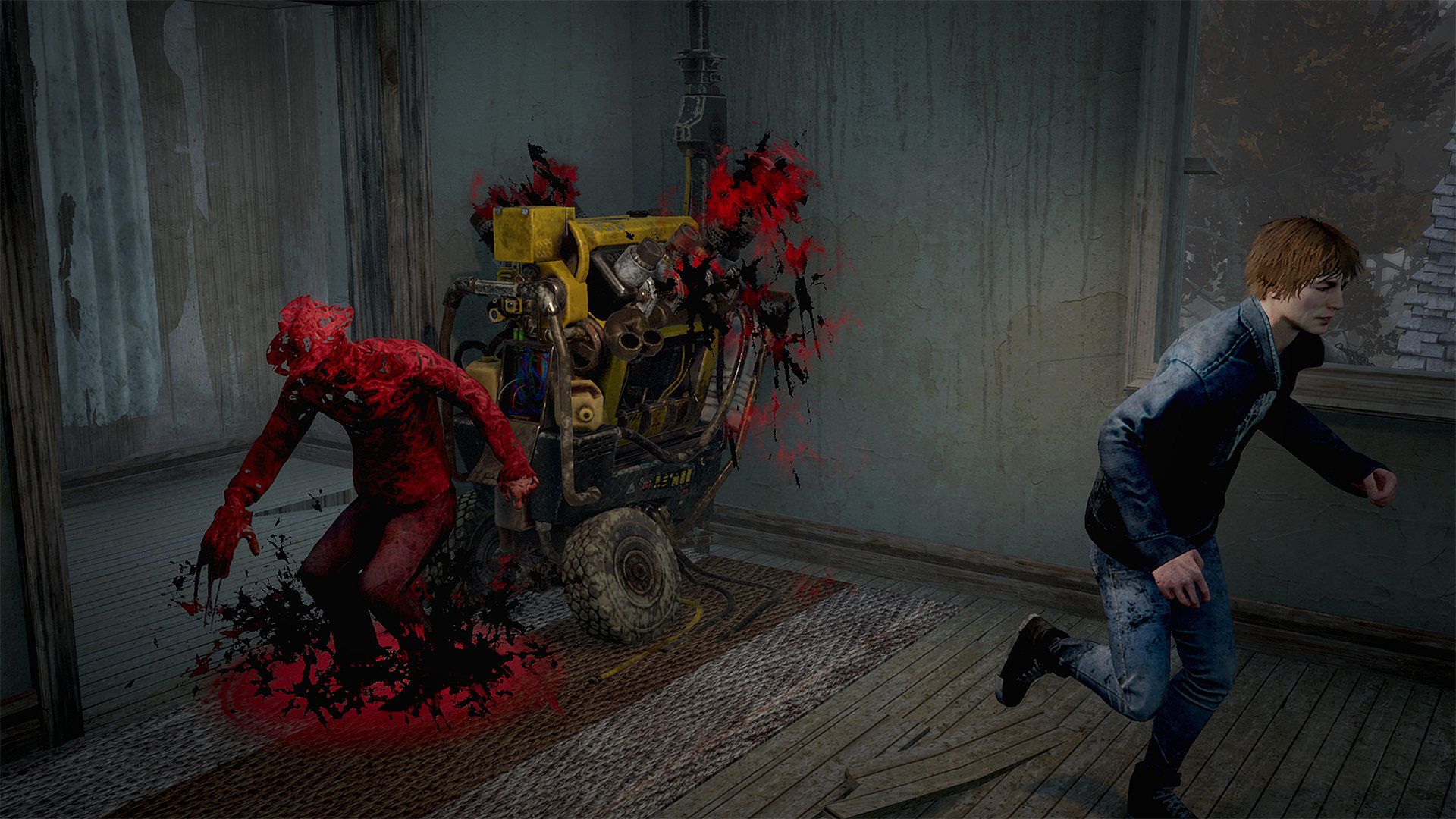
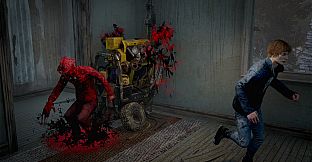
In the Dream World, Freddy can use Dream Projection to create an illusion of himself near a generator, causing blood to erupt from it and potentially disrupting repairs. Dream Snares act as ground traps that slow Survivors who cross them and prevent quick window vaults. Awake Survivors remain unaffected by these traps. Escape from the Dream World occurs through failing a skill check, receiving help from another Survivor, or reaching an alarm clock that rings in the trial.
Freddy brings three perks that shape his playstyle. Fire Up increases his speed for pick-ups, drops, pallet breaks, generator breaks, and vaults after each generator repair completed by Survivors. Remember Me lets him obsess over one Survivor, extending exit gate opening times with each hit on that target while leaving the obsession unaffected. Blood Warden activates after hooking a Survivor to block open exit gates temporarily and reveals auras of Survivors near the exits.
Quentin Smith counters the sleep theme with his own set of perks. Pharmacy speeds up chest searches, reduces noise, and guarantees an emergency med-kit on the first successful search. Vigil accelerates recovery from exhausted, hemorrhage, mangled, hindered, and blindness effects for Quentin and nearby allies. Wake Up! reveals exit gates to him once all generators are powered, shows his aura to other Survivors while opening gates, and speeds up gate opening during that phase.
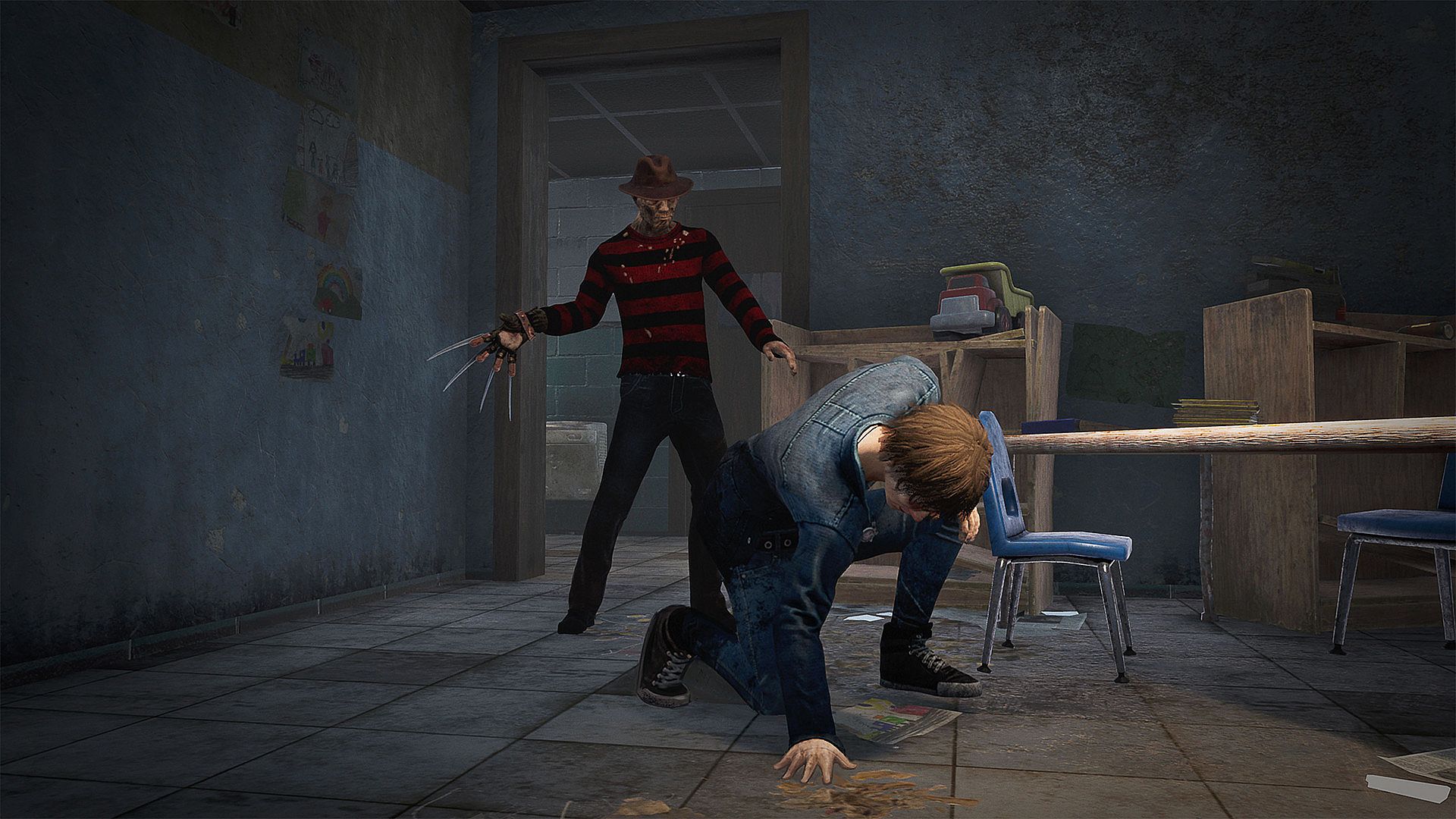
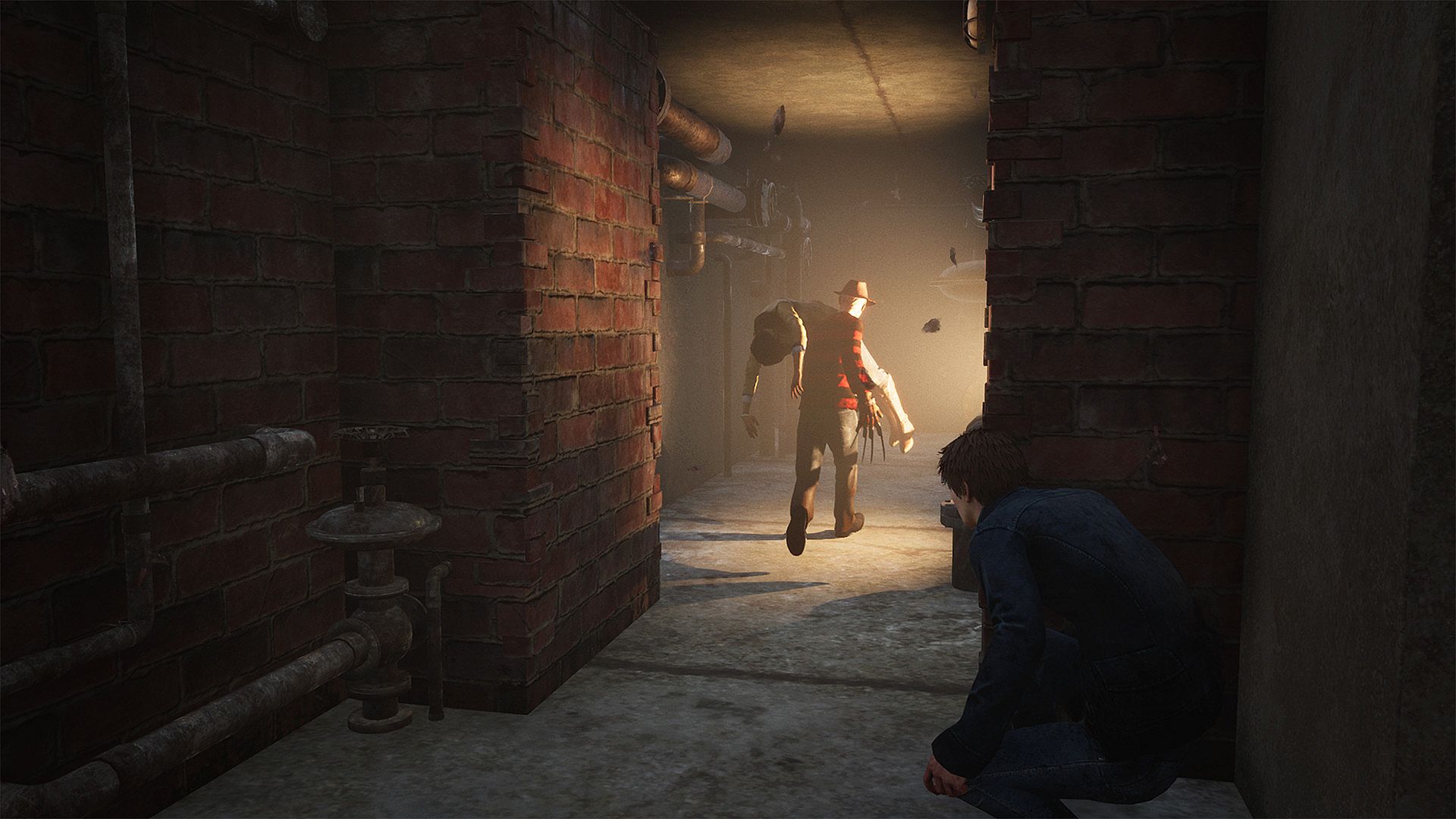
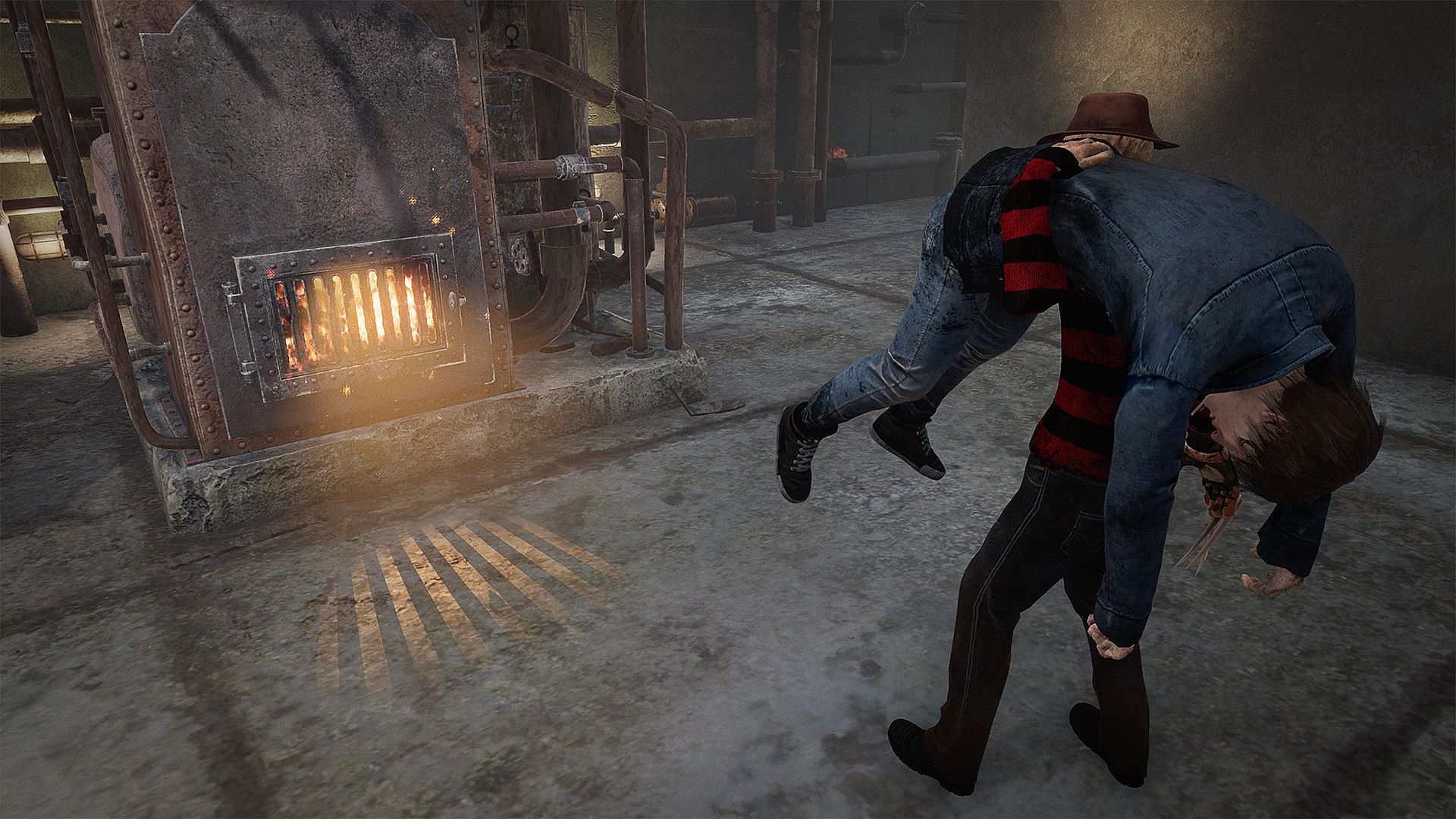
The Badham Preschool map recreates the Springwood location with abandoned hallways, scattered toys, and a boiler room that ties directly into Freddy's lore. The environment emphasizes tight indoor spaces and outdoor areas that influence chase dynamics and generator placement.
Game Modes
Matches take place in the standard trial format where Survivors work together to complete objectives and escape while the Killer patrols the map. This structure remains consistent across all chapters, including this one, with no unique modes tied exclusively to A Nightmare on Elm Street.
Rotating alternative modes appear periodically in the game and retain the base 4v1 asymmetry while altering rules such as visibility or loadout restrictions. These modes cycle in and out of availability without changing the fundamental generator repair and escape goals.
Key Mechanics and Features
The Dream World state creates a distinct layer of strategy, requiring Survivors to manage sleep progression alongside standard objectives. Freddy's projection and snare tools reward map awareness and timing, while Quentin's perks support team sustain and faster escapes once gates activate.
Perk synergies across the chapter encourage varied builds. Killer players can combine Fire Up with slowdown effects to pressure repairs, and Survivor players often pair Vigil with other recovery tools for prolonged chases. The map's layout supports both stealth approaches and direct confrontations depending on player positioning.
Is It Worth Playing?
This chapter integrates an iconic horror character into the established trial system through unique dream-based mechanics that differentiate Freddy from other Killers. The addition of Quentin and the preschool map expands available options for both sides without requiring changes to core progression.
Players who enjoy asymmetric horror with layered abilities and map-specific interactions find value in the chapter's design. Those seeking straightforward chases may note the map's indoor focus as a shift in pacing compared to more open environments. The game continues to receive updates and new content years after this chapter's release, keeping the overall experience active for returning and new participants.
Recommendation depends on preference for horror-themed multiplayer where one side holds significant power advantages. The chapter delivers its promised theme through verified systems like microsleep and dream traps that alter standard gameplay flow in measurable ways.