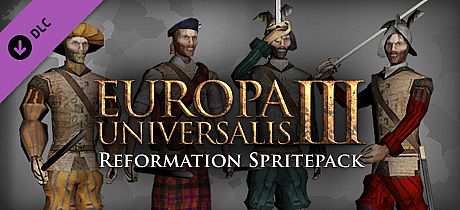













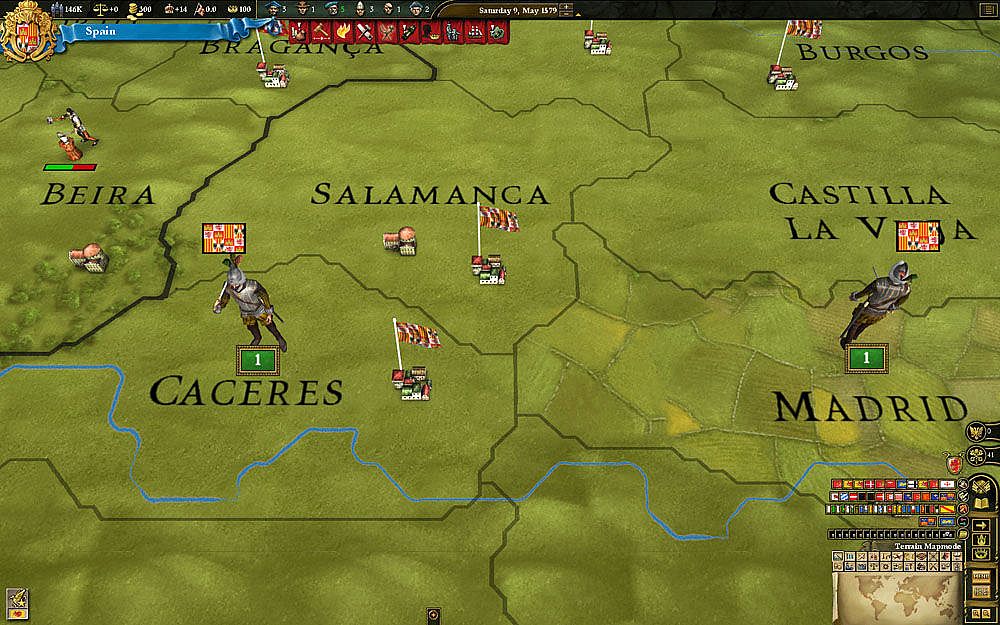
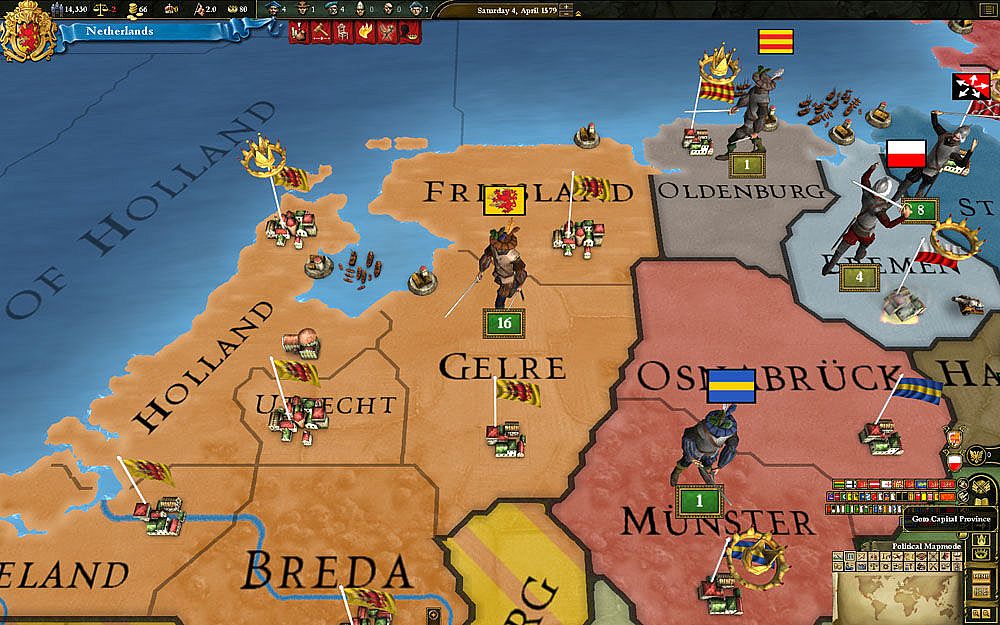
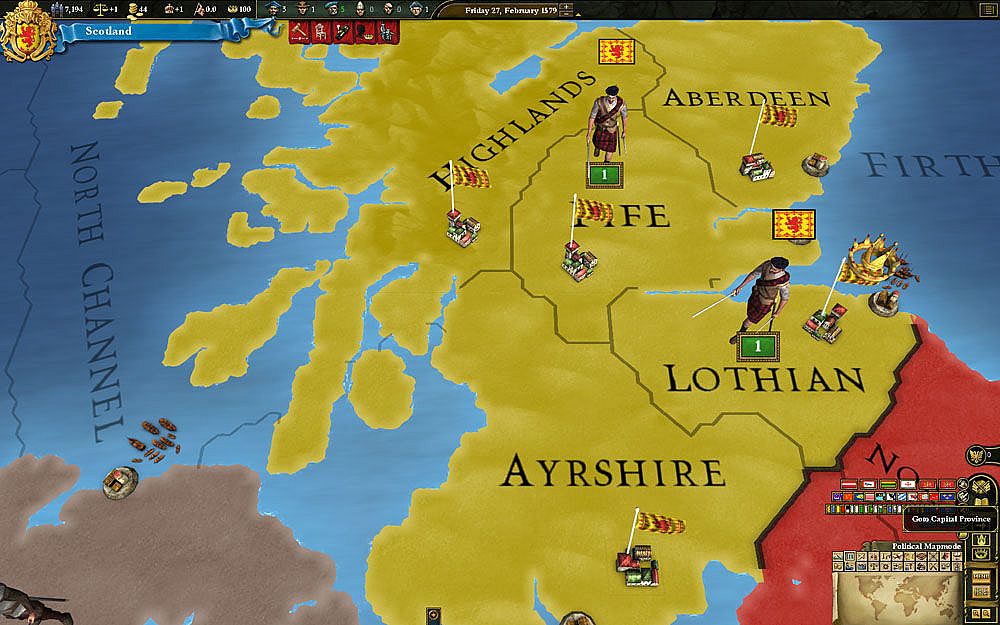
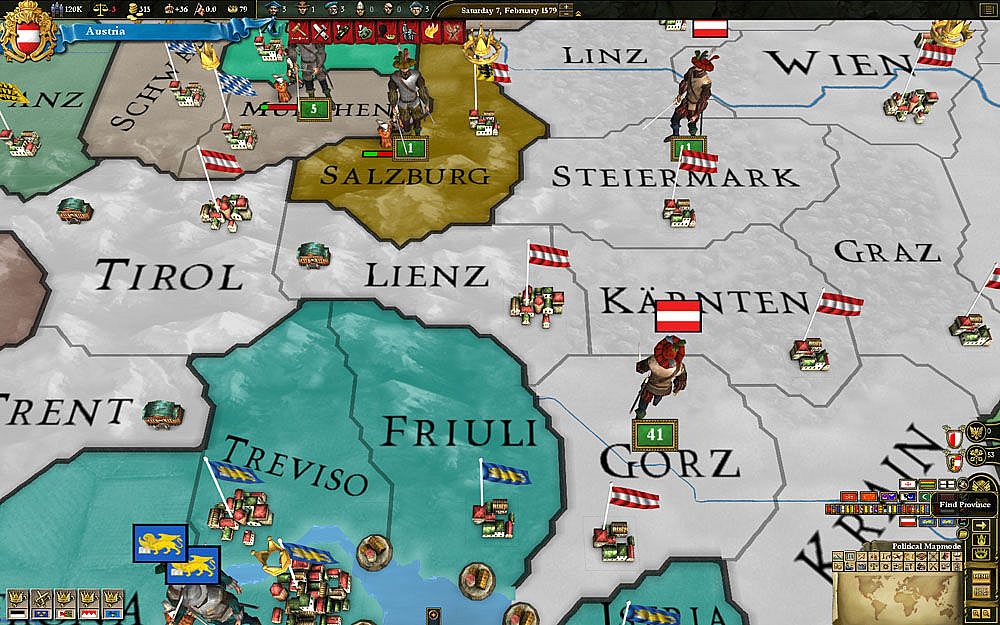
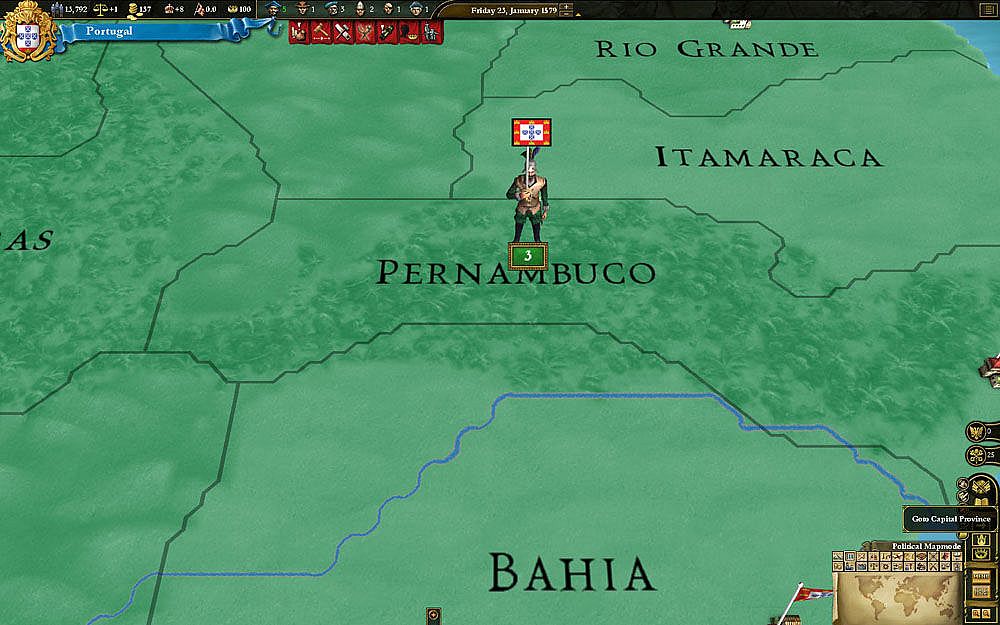
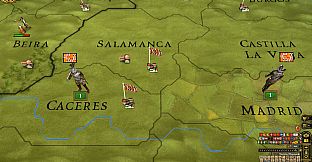
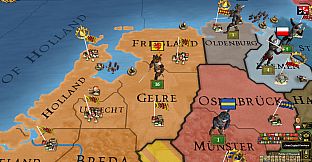
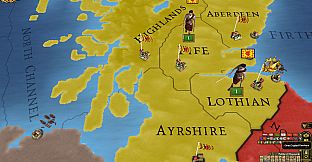
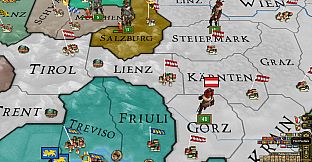
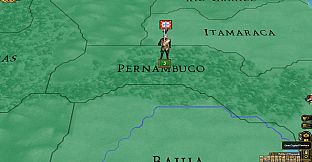
Europa Universalis III: Reformation SpritePack enhances the visual elements of a classic grand strategy game, focusing on unit appearances during a key historical period. This add-on brings detailed sprites to life for Western nations in the Reformation era from 1530 to 1625, adding authenticity to military units across various countries.
Gameplay
In Europa Universalis III, players take control of a historical nation and guide it through centuries of development. The core loop involves managing resources, expanding territory, and balancing internal stability while engaging with global events. Mechanics include diplomacy for forming alliances or declaring wars, trade systems to build economic power, and exploration to discover new lands. Warfare requires strategic planning with armies and navies, influenced by technology levels and leader attributes. Religion plays a role in national unity and international relations, especially during periods of reform. The game runs in real-time but allows pausing for careful decision-making, making it accessible for those who prefer thoughtful pacing over rapid action.
Colonization is another key feature, where players send explorers to claim overseas territories and establish colonies. Government types affect policies and stability, with options to shift between monarchies, republics, and other forms. Events and decisions pop up based on historical contexts, requiring players to adapt strategies. The Reformation SpritePack specifically updates unit visuals for this era, equipping models with period-appropriate gear like rapiers and comb morions, which heighten the atmospheric detail during conflicts and expansions.
Game Modes
The primary mode in Europa Universalis III is the single-player campaign, where you select a starting nation and play through from 1399 to 1820. This sandbox setup lets you pursue goals like world domination or economic dominance without strict objectives. Multiplayer mode supports up to 32 players, allowing cooperative or competitive sessions over networks, where participants control different nations in the same world.
Expansions introduce variations, such as enhanced scenarios in add-ons like Divine Wind, which refine Eastern nation mechanics but maintain the core campaign structure. There are no predefined quick matches or battle modes; instead, the focus remains on long-term strategy across the full timeline.
Key Mechanics and Factions
Factions in the game represent historical nations, from major powers like France and England to smaller entities like Venice or Scotland. Each has unique starting positions, national ideas, and cultural traits that influence gameplay. Mechanics around factions include forming personal unions through royal marriages or inheriting territories. The Reformation era highlights religious tensions, with mechanics for converting provinces or dealing with heresies.
The sprite pack adds specific unit sprites for nations such as Dutch, French, Spanish, British, Portuguese, English, Danish, Prussian, Scottish, Swedish, Austrian, Venetian, and Scandinavian groups, plus generic German and Western uniforms. These visual updates include animations that make battles feel more grounded in the 16th and 17th centuries.
Is It Worth Playing?
For enthusiasts of deep historical strategy, Europa Universalis III remains a solid choice due to its comprehensive systems and replayability. Player reviews often praise its depth, with user scores on aggregation sites reflecting strong approval for the strategic freedom it provides. The game receives ongoing appreciation in communities for its modding potential, keeping it relevant despite its age. If you enjoy managing empires over long periods and don't mind an older interface, this title offers substantial value, especially with visual enhancements like the Reformation SpritePack that improve immersion in specific eras.