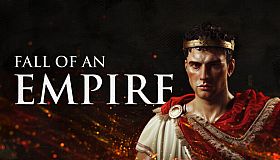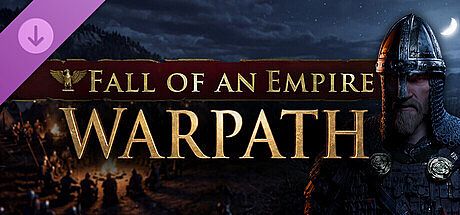


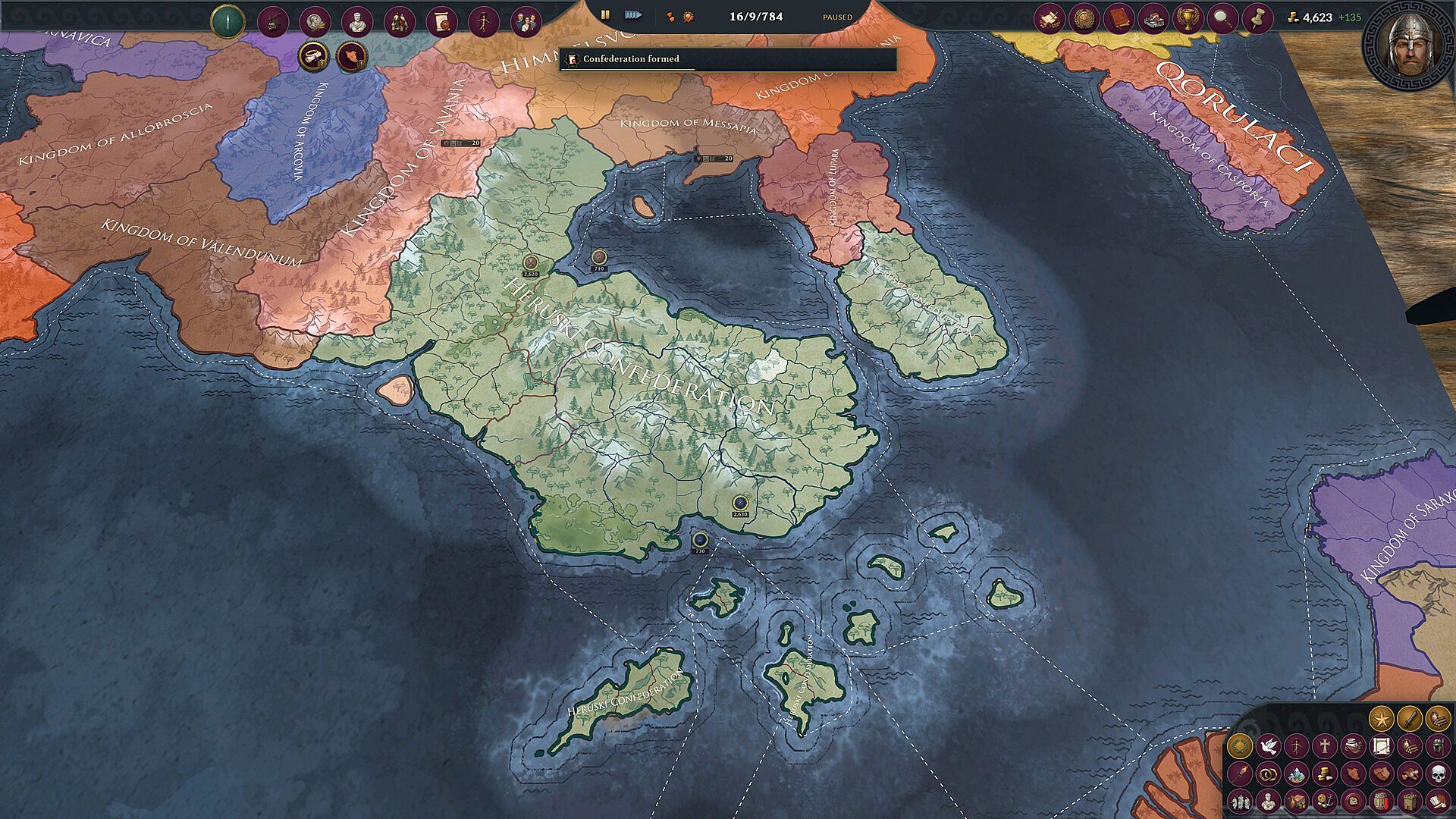
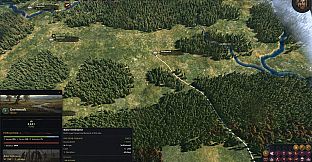
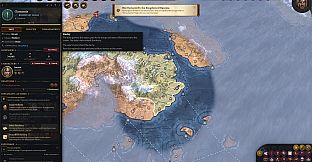
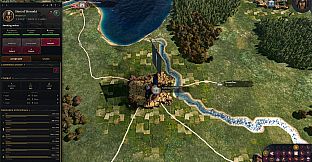
Fall of an Empire - Warpath is a strategy, RPG, and simulation game set in the twilight years of a crumbling ancient empire. Players take command of tribal groups such as mountain kingdoms, desert tribes, or steppe hordes, guiding them from scattered clans toward lasting legacies through conquest, diplomacy, and cultural evolution. The core experience centers on the Grand Campaign, where the empire's provinces fracture and its armies weaken, opening opportunities for ambitious chieftains to seize power and reshape the map.
Gameplay
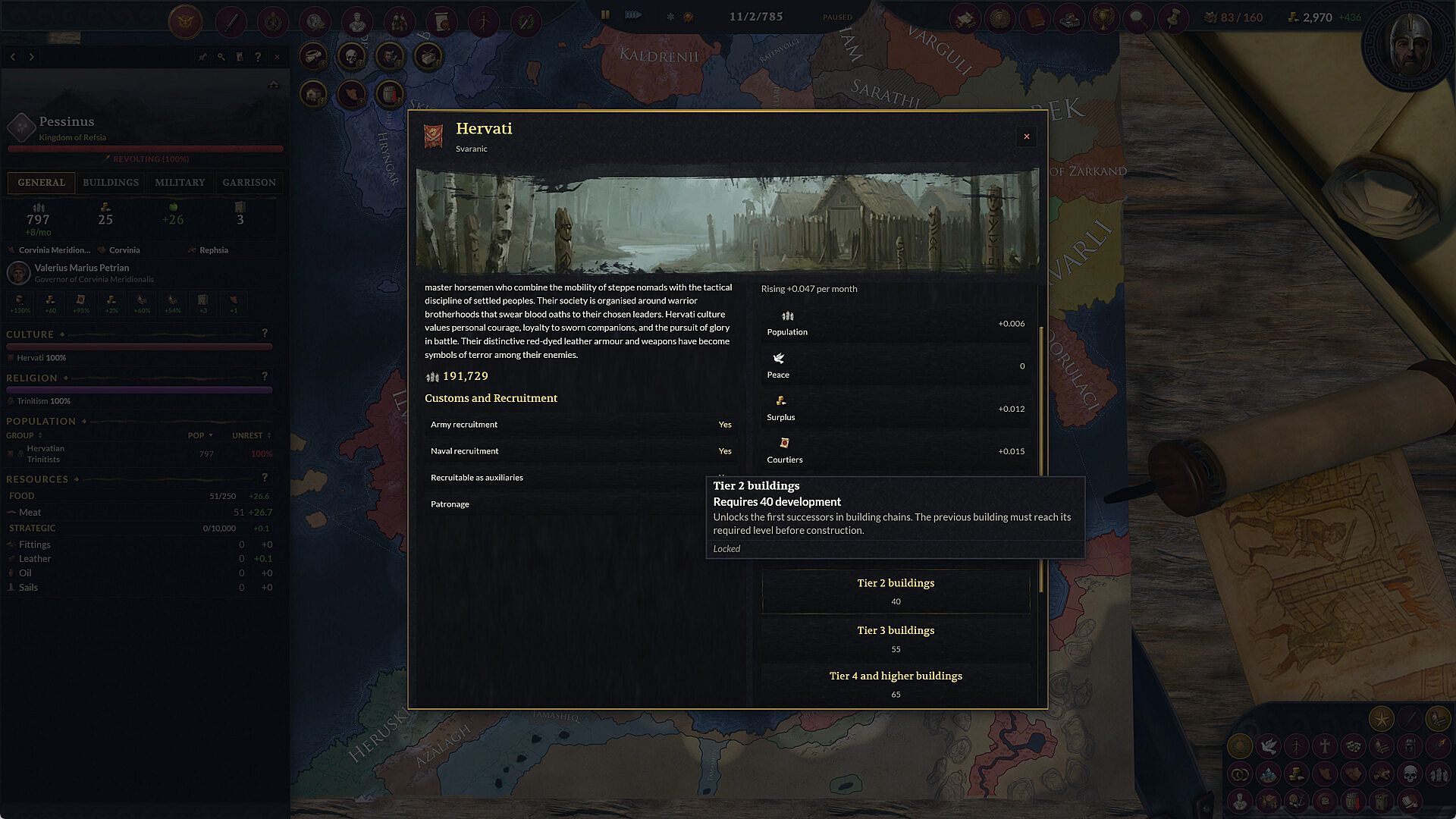
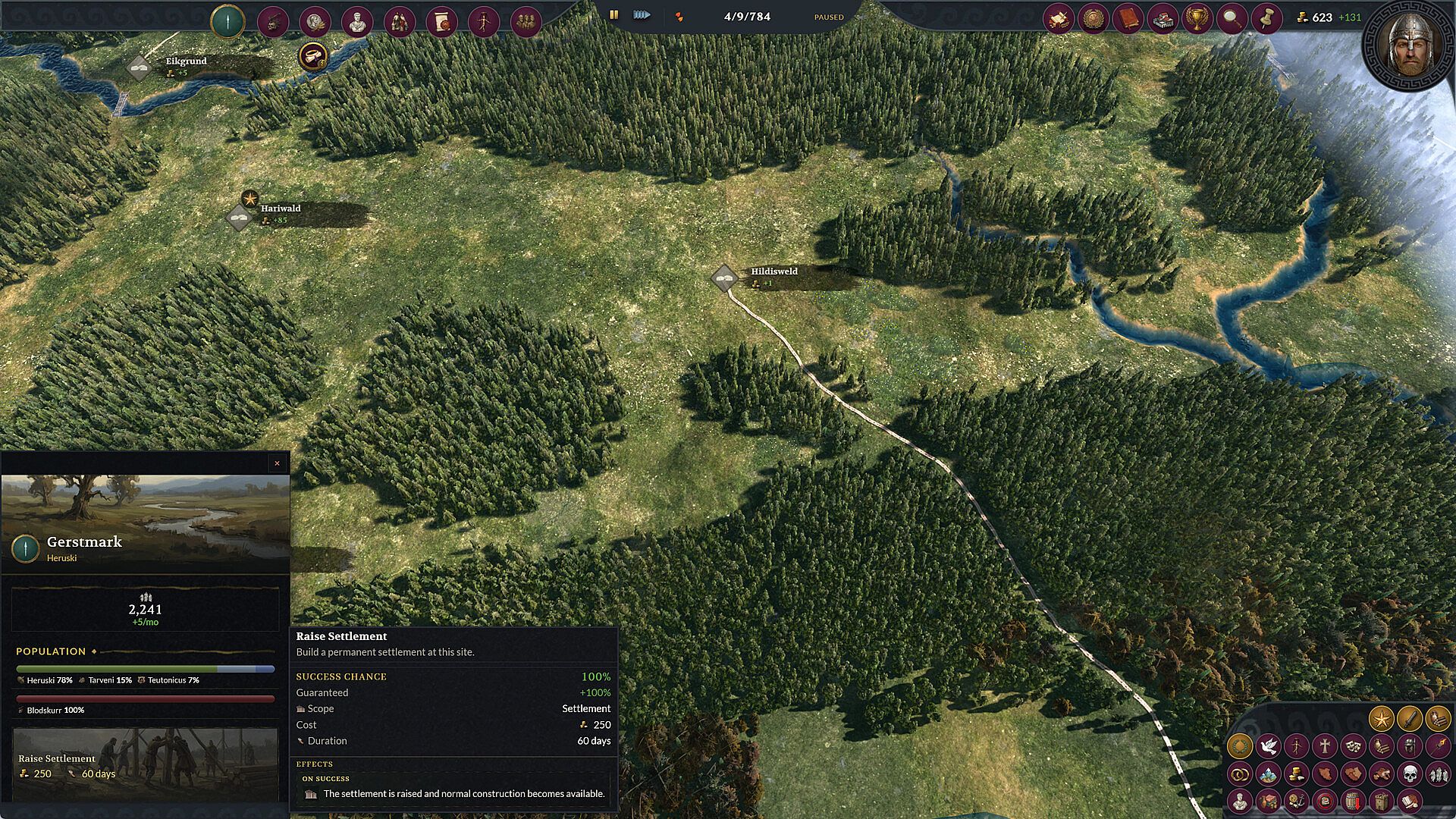
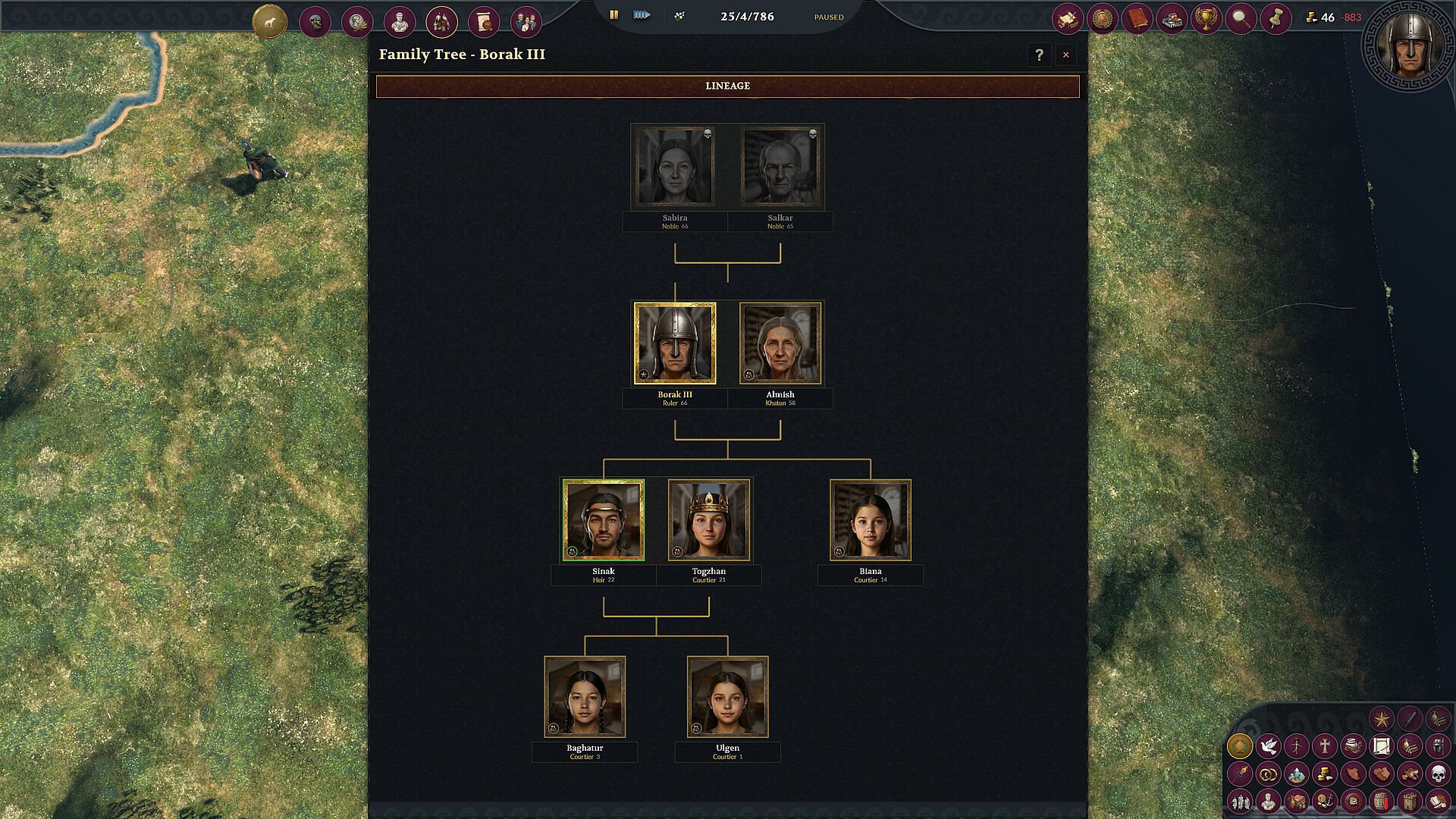
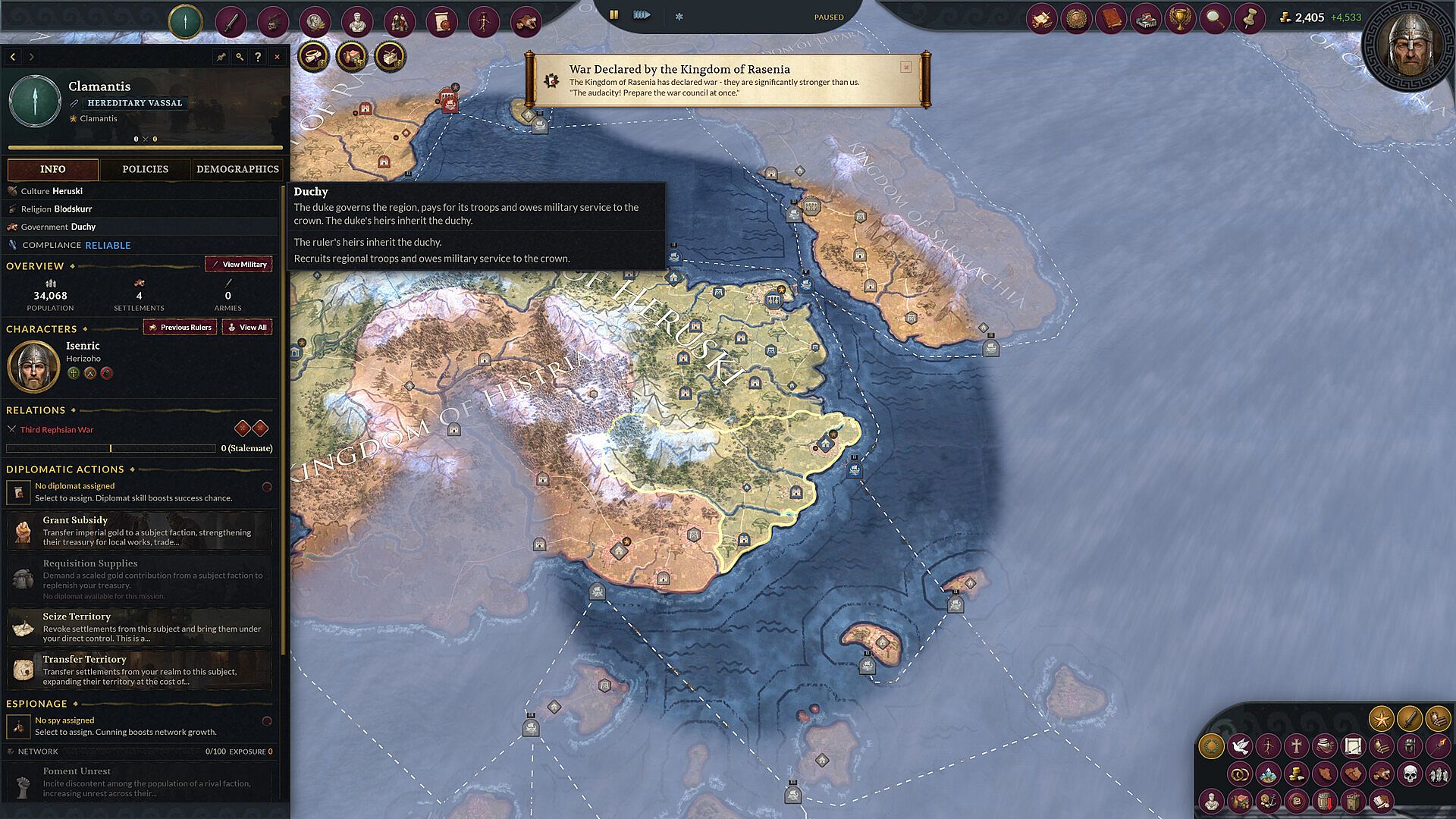
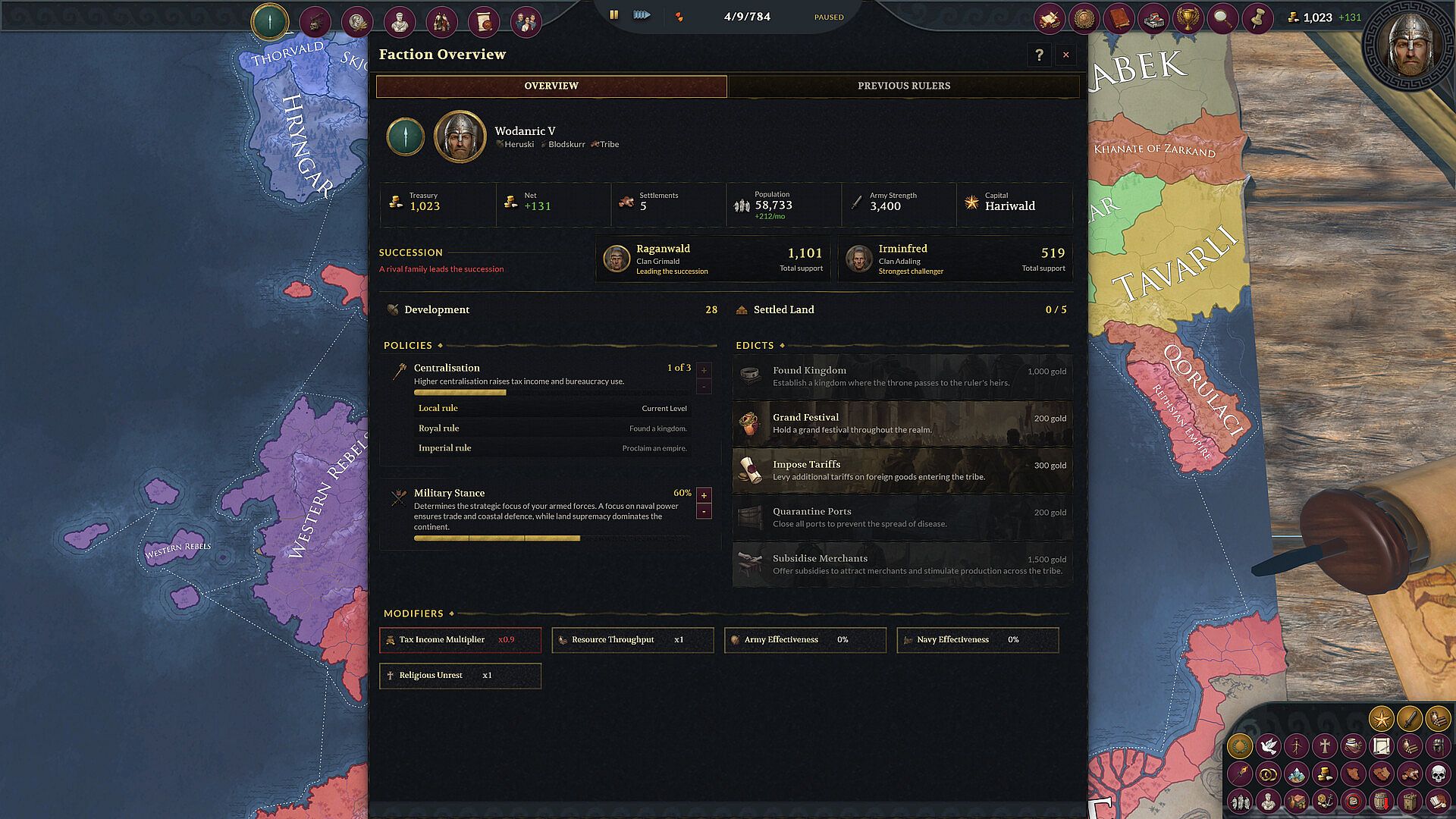
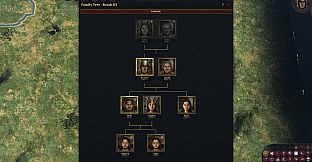
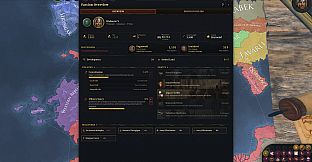
Core systems revolve around building and maintaining a realm from tribal roots. Players establish cities, secure succession for heirs, and foster cultural development through trade, military victories, and interactions with conquered populations. New hybrid cultures can form as settlers integrate with defeated groups, altering societal traits over time. Feudal structures allow land grants to noble families in exchange for military support, though these vassals pursue independent goals that may lead to internal conflict or rebellion.
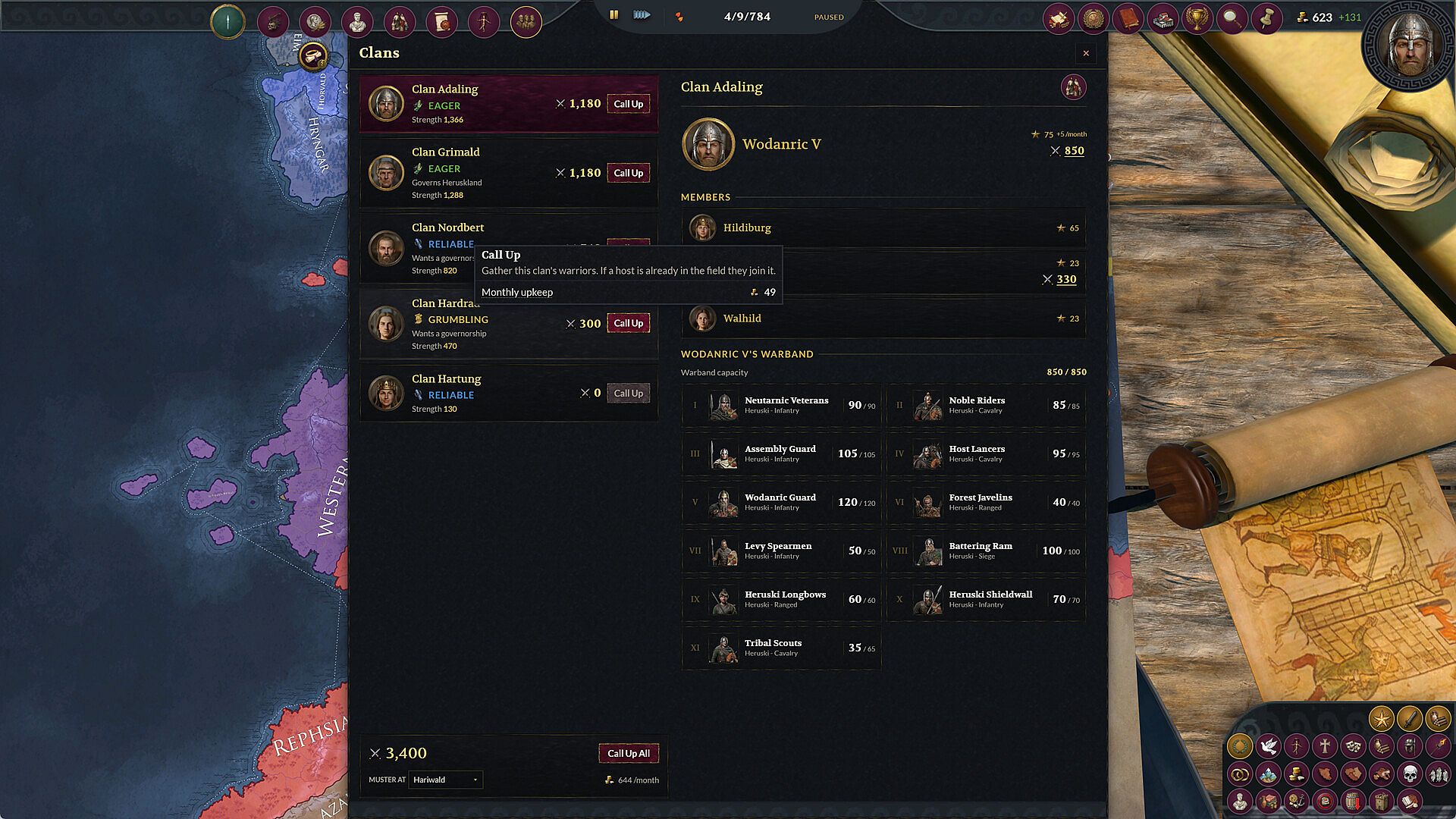
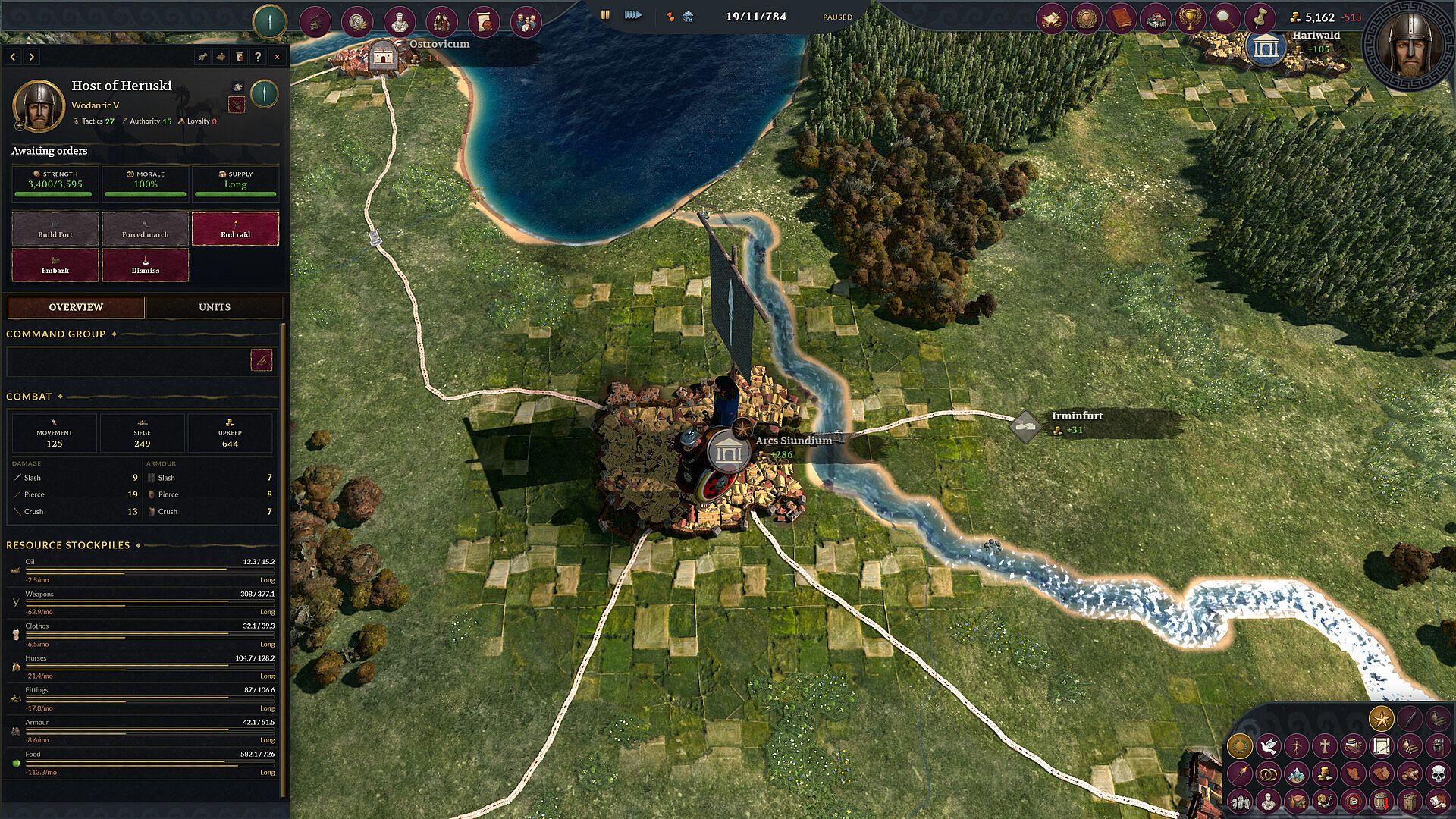
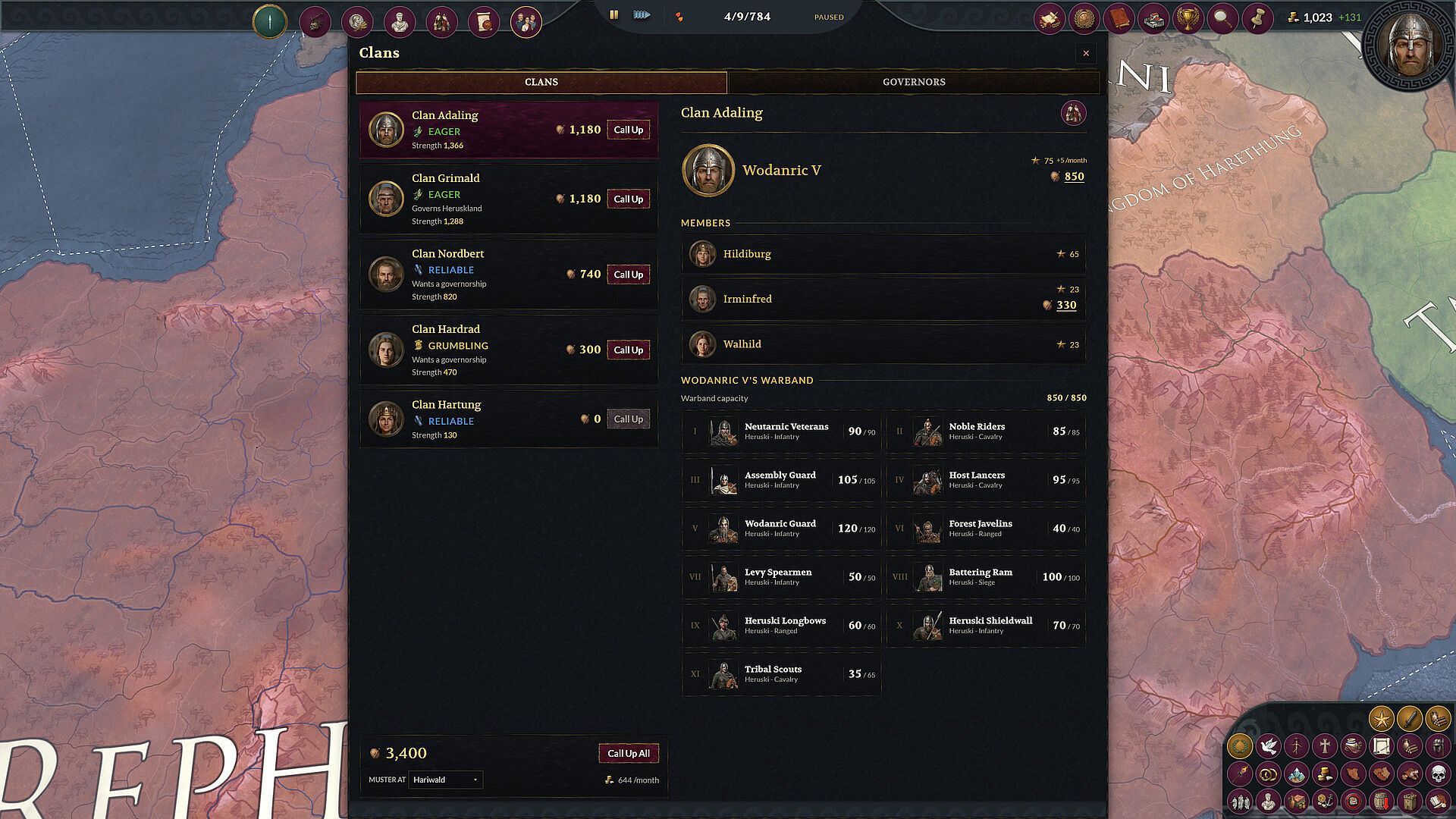
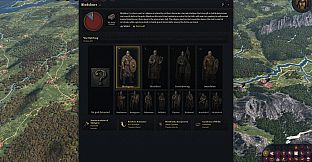
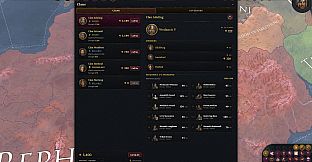
Raiding forms another key loop. Armies target neighboring provinces to extract resources and prestige, which in turn expands the leader's influence and warband size. Successful campaigns convert plunder into greater authority and recruitment power. Tribal loyalty mechanics require managing clan disputes, arranging alliances through marriage, and distributing rewards to prevent fractures that could split forces across generations. A single assassination or disputed succession can ignite prolonged internal strife.
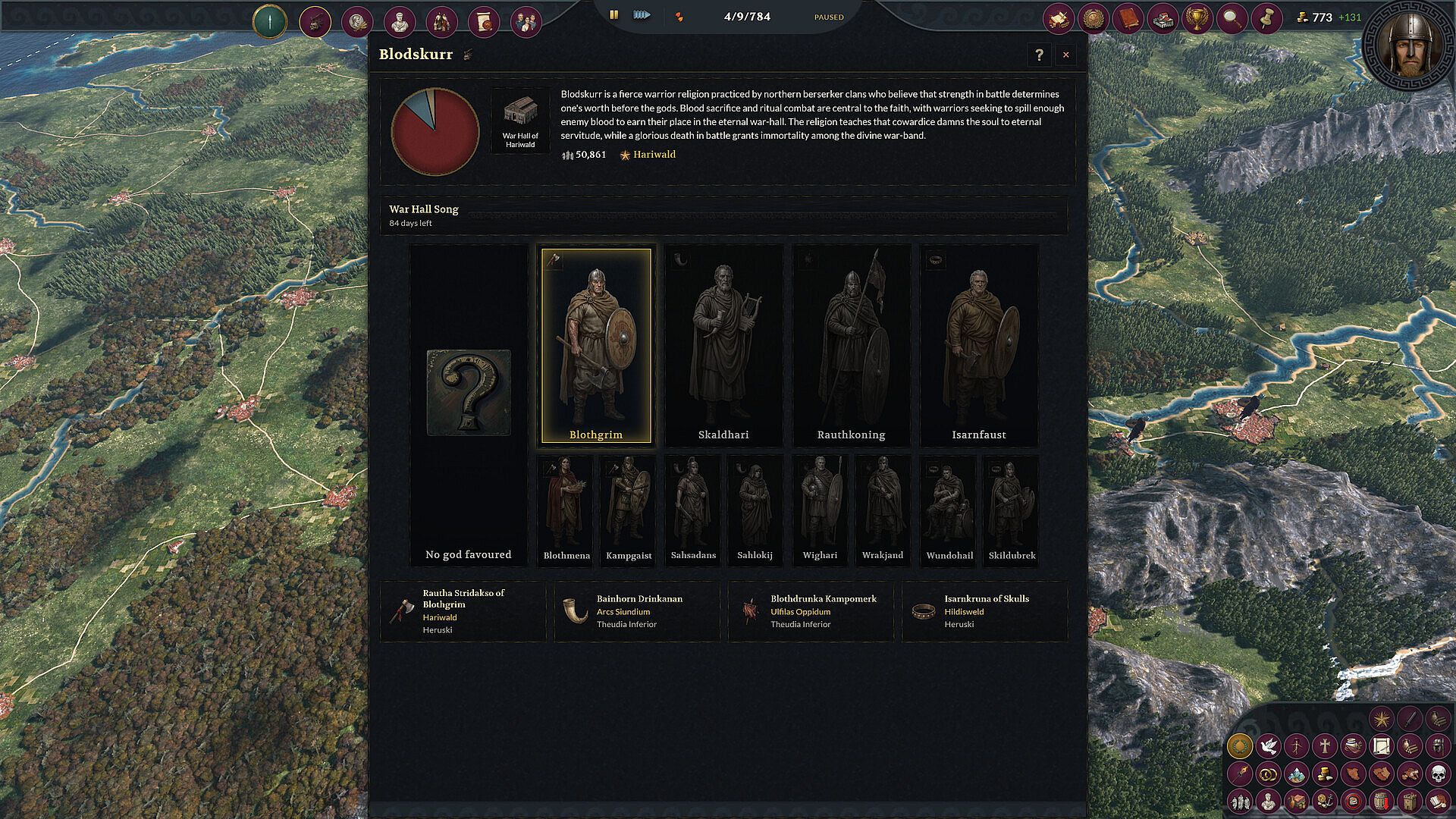
Religious elements add distinct layers. Players reclaim holy sites and artifacts while dedicating the realm to specific deities. Each choice imposes unique requirements and grants targeted advantages, supported by festivals and rites that reinforce cultural identity. Service as foederati offers another path, binding warriors to imperial campaigns in return for protection and exposure to advanced civilization, though this ties the tribe's fate to an emperor facing multiple threats.
Game Modes
The primary mode is the Grand Campaign. Every faction on the campaign map becomes playable with Warpath, shifting focus from imperial administration to tribal leadership. New events and decisions emphasize clan management, raiding economics, and religious devotion rather than provincial governance. These additions integrate with existing systems such as hybrid culture formation and vassal autonomy, which also apply to the base game.
Single-player focus defines the experience. No multiplayer components appear in the verified details. Campaign progression rewards long-term planning around succession, resource allocation, and diplomatic positioning amid a dynamic empire in decline.
Factions and Cultural Development
Playable groups span mountain kingdoms, desert tribes, and steppe hordes, each starting with distinct starting positions and challenges. Mountain factions may emphasize defensive strongholds and resource extraction from rugged terrain. Desert groups focus on mobility and trade routes. Steppe hordes leverage cavalry and rapid expansion. All factions share access to feudal delegation, raiding incentives, and religious dedication mechanics, yet events tailor outcomes to tribal contexts.
Cultural evolution emerges naturally. Conquest and settlement blend traditions, producing new societal profiles that influence military capabilities, economic output, and diplomatic options. Players observe these shifts across generations as realms expand and stabilize.
Is It Worth Playing?
Fall of an Empire - Warpath suits players who enjoy character-driven grand strategy with deep internal politics and flexible progression paths. The expansion broadens the Grand Campaign by making non-imperial factions fully viable, introducing mechanics around clan loyalty, raiding economies, and religious commitments that differentiate tribal play from imperial rule. Features such as foederati service and hybrid cultures extend to the base game at no additional cost, enhancing overall depth for existing owners.
Release occurs on November 12, 2026. At this stage no user reviews or aggregated ratings exist. Those drawn to simulation elements involving succession risks, vassal management, and cultural adaptation will find the most direct appeal. The single-player structure rewards methodical decision-making over multiple campaign turns rather than quick sessions.