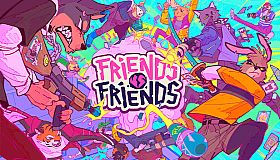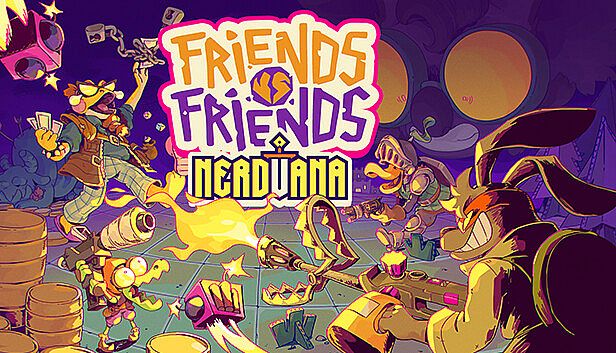














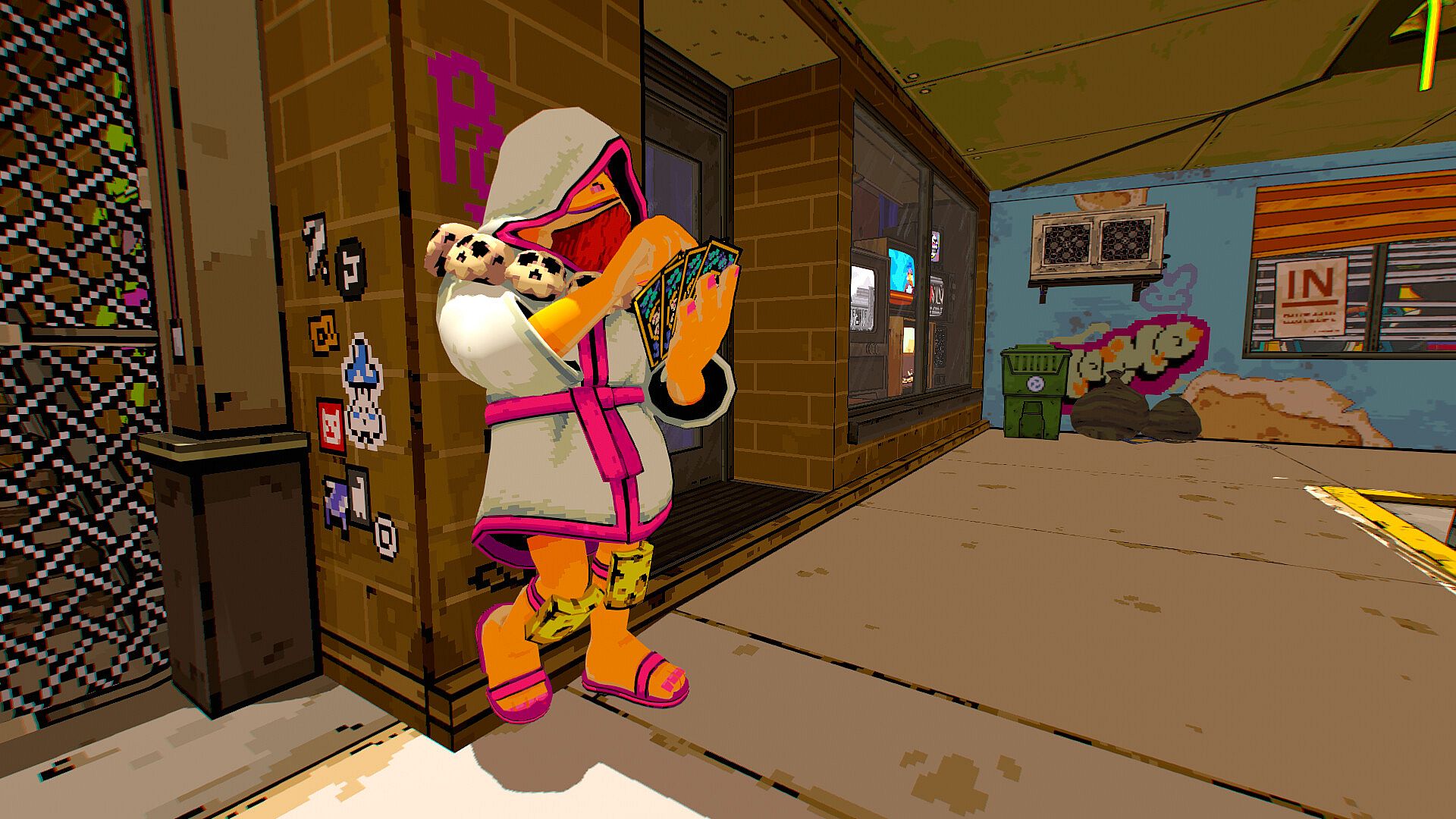
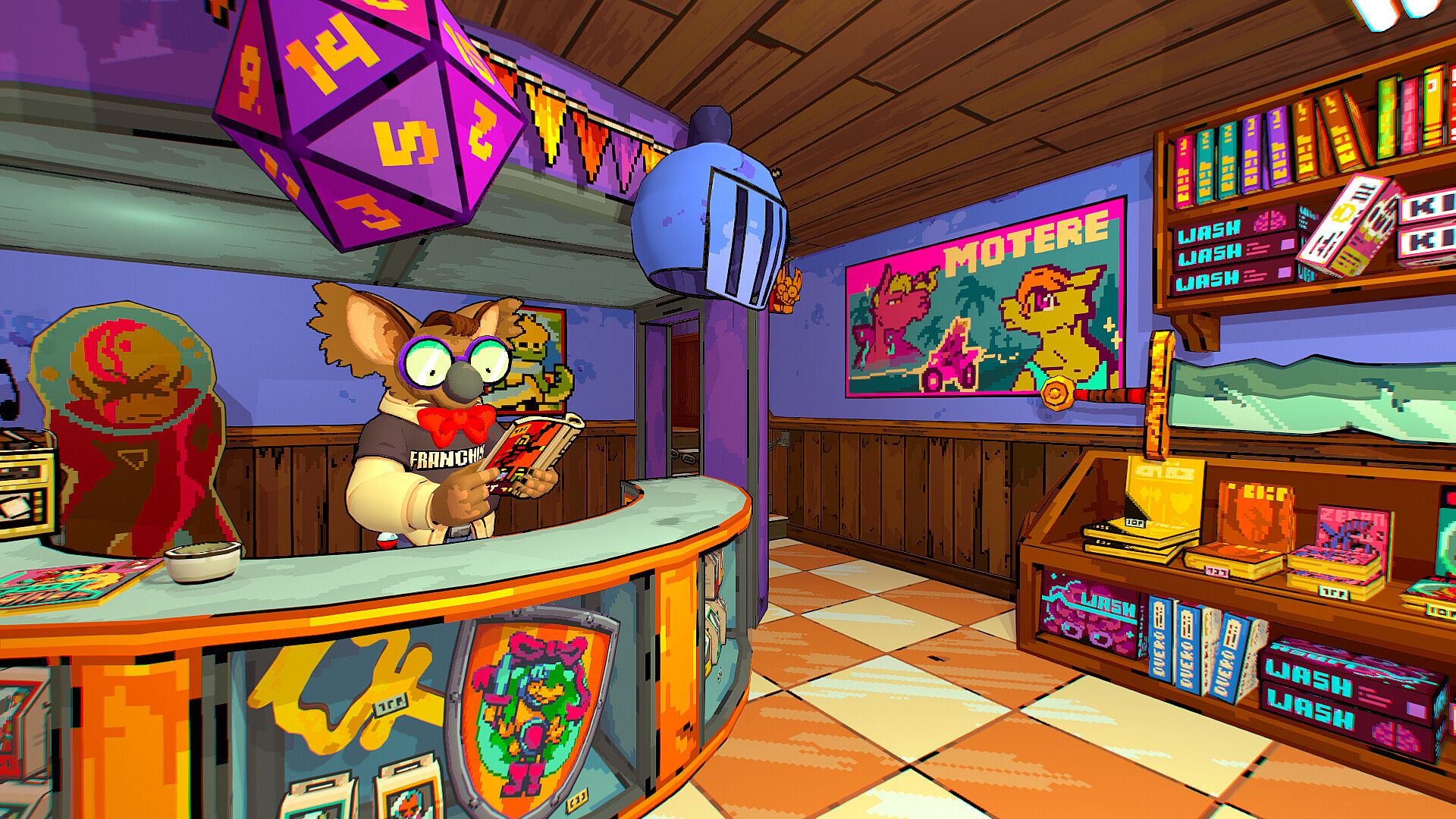
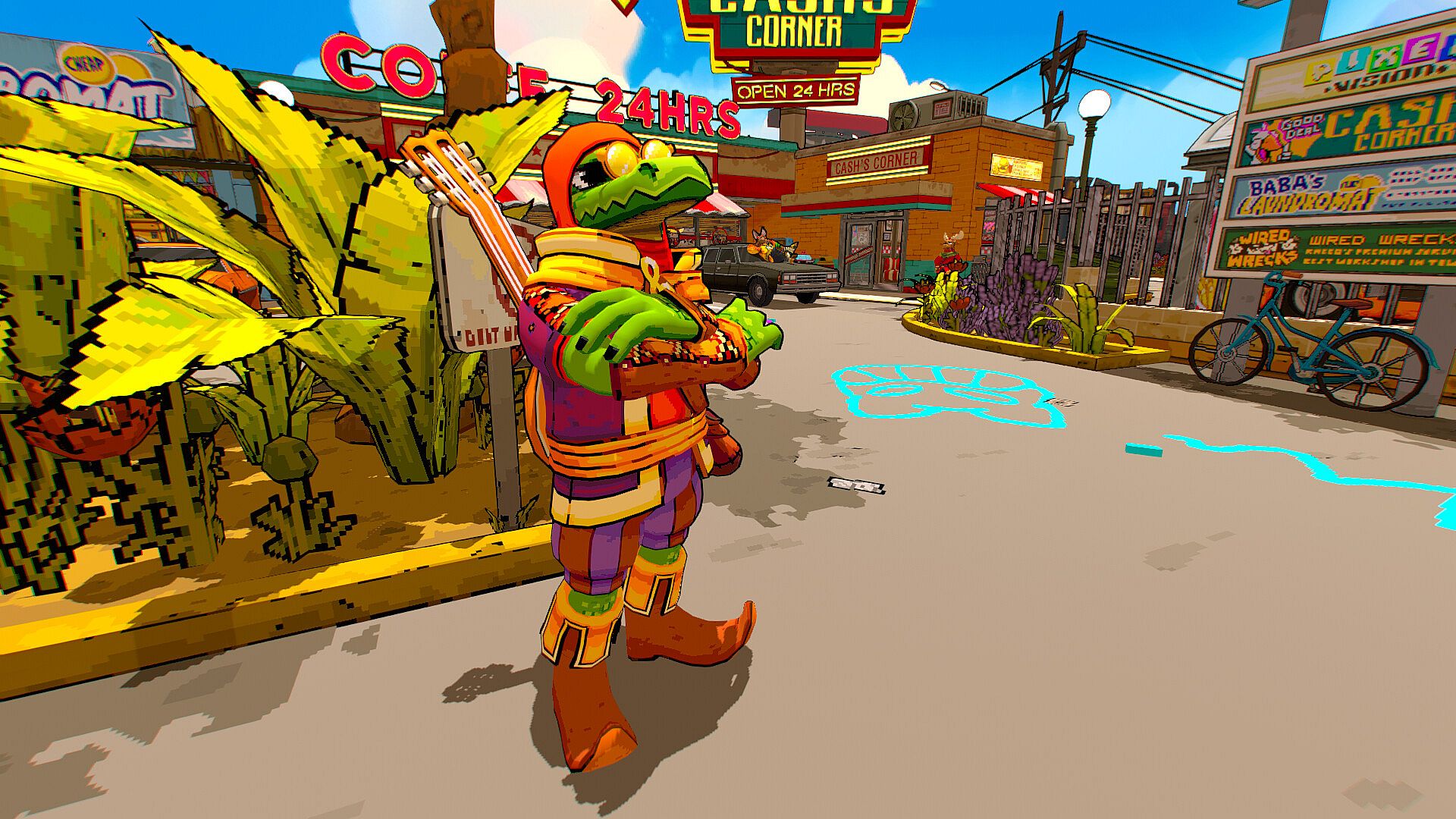
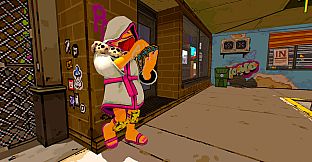
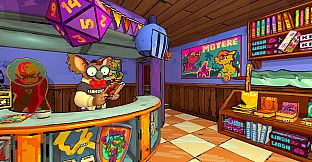
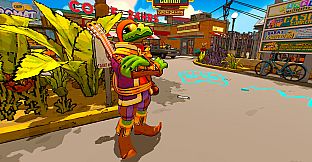
Friends vs Friends: Nerdvana is an action indie title for PC that blends fast-paced first-person shooting with deck-building mechanics in online matches. The game places players in control of anthropomorphic animal characters who wield cursed trading cards during combat. Each character brings a unique passive skill to the fight, while decks of at least 25 cards determine the abilities and weapons available each round. Battles unfold over up to five rounds, with the first side to secure three round wins claiming victory. The Nerdvana update expands this foundation by adding a new map called Tabletop along with fresh cards, quest chains, and visual options tied to the Nerdvana Comics setting.
Gameplay
Matches revolve around drawing a hand of cards at the start of each round. These cards deliver immediate effects such as powerful weapons, movement boosts, or penalties inflicted on opponents. Deck construction requires balancing card costs and synergies, with players able to level up and upgrade cards over time. Character passives add another layer, altering how certain cards perform or providing consistent advantages throughout a match. The Nerdvana content introduces five new Hama Chains that guide players through themed objectives, plus additional cards that expand tactical options for existing characters like Duck, DJ Newton, and Haru.
Combat emphasizes quick decision-making and adaptation because card draws are random each round. Successful play involves anticipating opponent strategies while managing limited resources across the round limit. The update also supplies new card back variations that personalize the deck appearance without altering mechanics. Overall the loop rewards experimentation with different character and deck combinations in repeated short sessions.
Game Modes
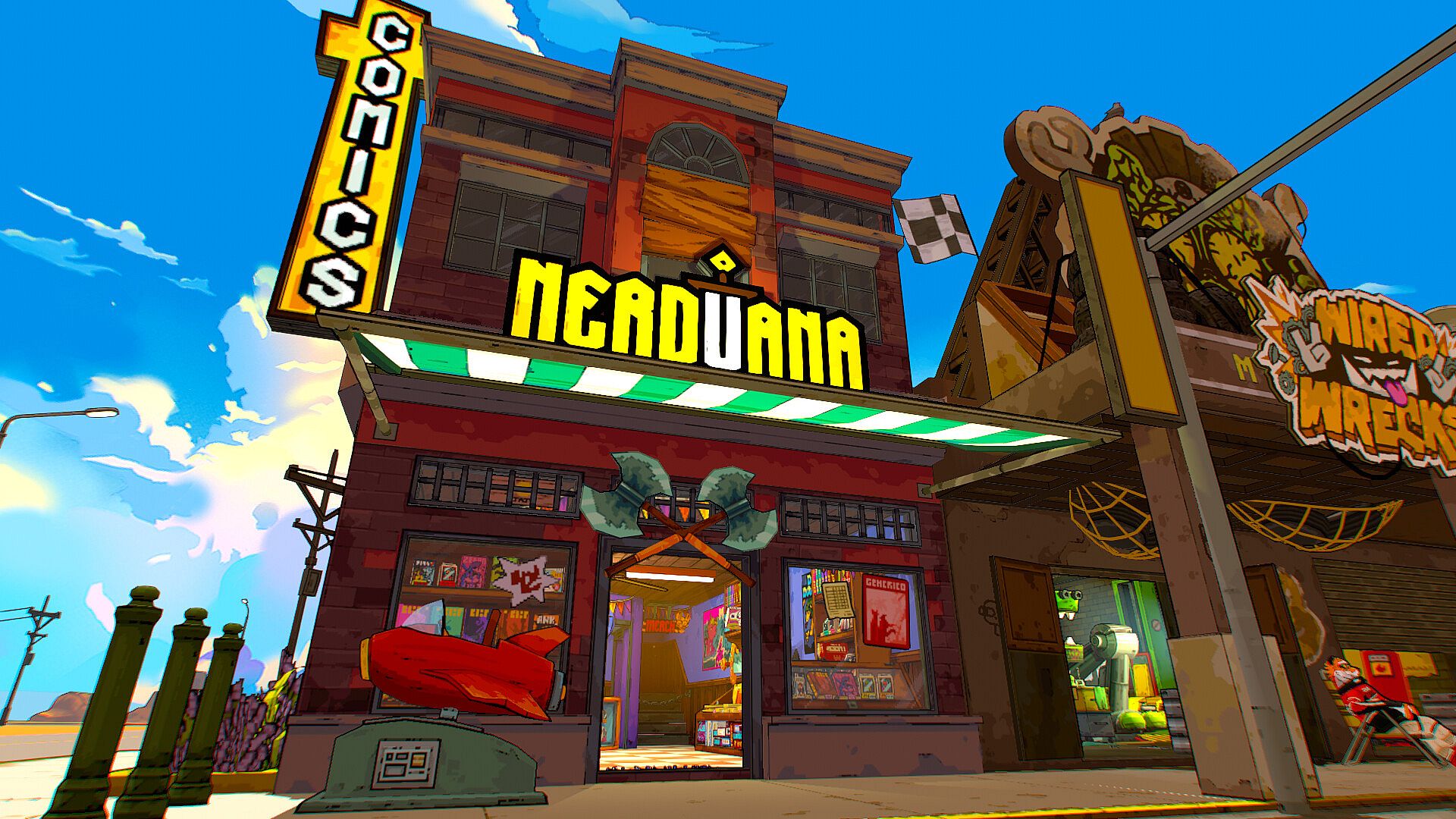
Core competitive play centers on 1v1 and 2v2 formats where teams or solo players queue for matchmaking or set up private lobbies. These modes keep engagements focused and readable compared to larger groups. Free-for-all options and 3v3 matches appear in some contexts, allowing varied group sizes for casual or organized play. The Tabletop map added in the Nerdvana update provides a distinct environment that fits the comic-shop theme and supports all existing modes without changing core rules.
Private matches remain available for groups that want to play together without public queues. The system supports both ranked progression through player levels and unranked sessions for relaxed testing of new cards or characters. Quest chains from the update integrate into these modes by offering additional goals that reward completion with cosmetics and further card access.
Characters and Progression
A roster of distinct animal characters forms the foundation, each equipped with a signature passive ability that influences card usage or combat flow. Progression occurs through player levels that unlock new cards and upgrades for previously owned ones. The Nerdvana release specifically adds three new skins for Duck, DJ Newton, and Haru, along with two additional skins for Ribberto Mulligan. These options let players customize appearance while the underlying abilities stay consistent.
Deck building continues to evolve as new cards from the update enter the pool. Five new card back variations provide further personalization. Players refine loadouts over multiple matches, testing how fresh cards interact with established strategies on the expanded map selection.
Is It Worth Playing?
The game maintains a steady player base with concurrent counts typically in the dozens to low hundreds, supported by ongoing content additions such as the Nerdvana update. Overall user reception sits in the very positive range across thousands of reviews, with recent feedback remaining mostly positive. The combination of shooting and deck building creates a distinctive loop that appeals to those who enjoy short, replayable PvP sessions with strategic depth.
Players seeking tight 1v1 or 2v2 combat paired with card customization will find consistent value here. The presence of private match support and regular map and card additions keeps the experience fresh for groups that play together. Those who prefer larger-scale battles or single-player campaigns may find the focused formats less suitable. Current support through updates like the five new cards and quest chains indicates continued development interest.