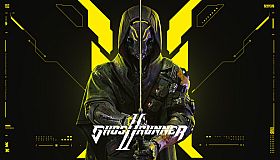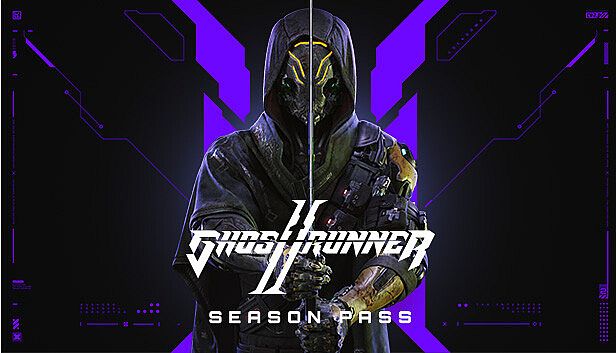



















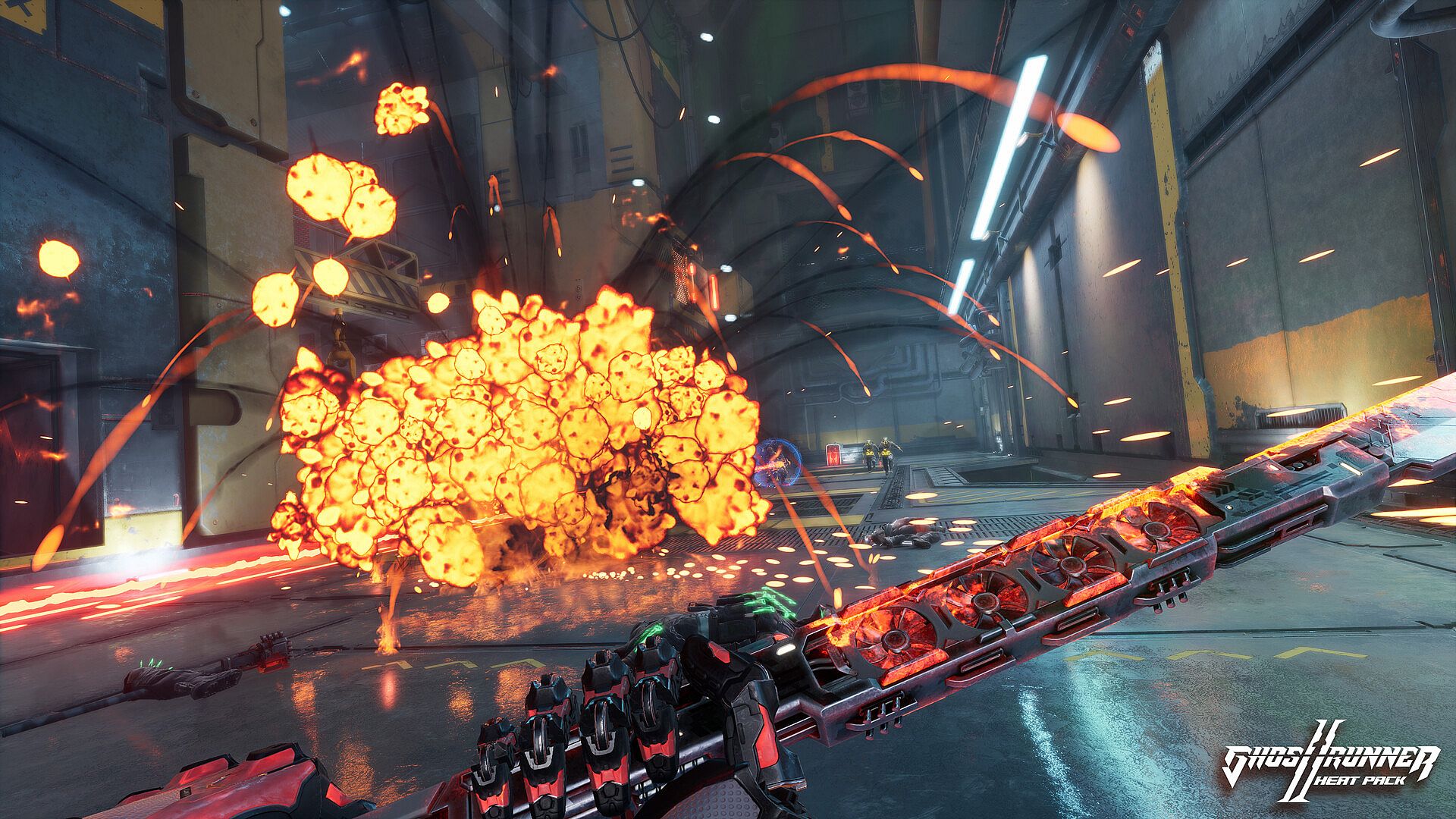
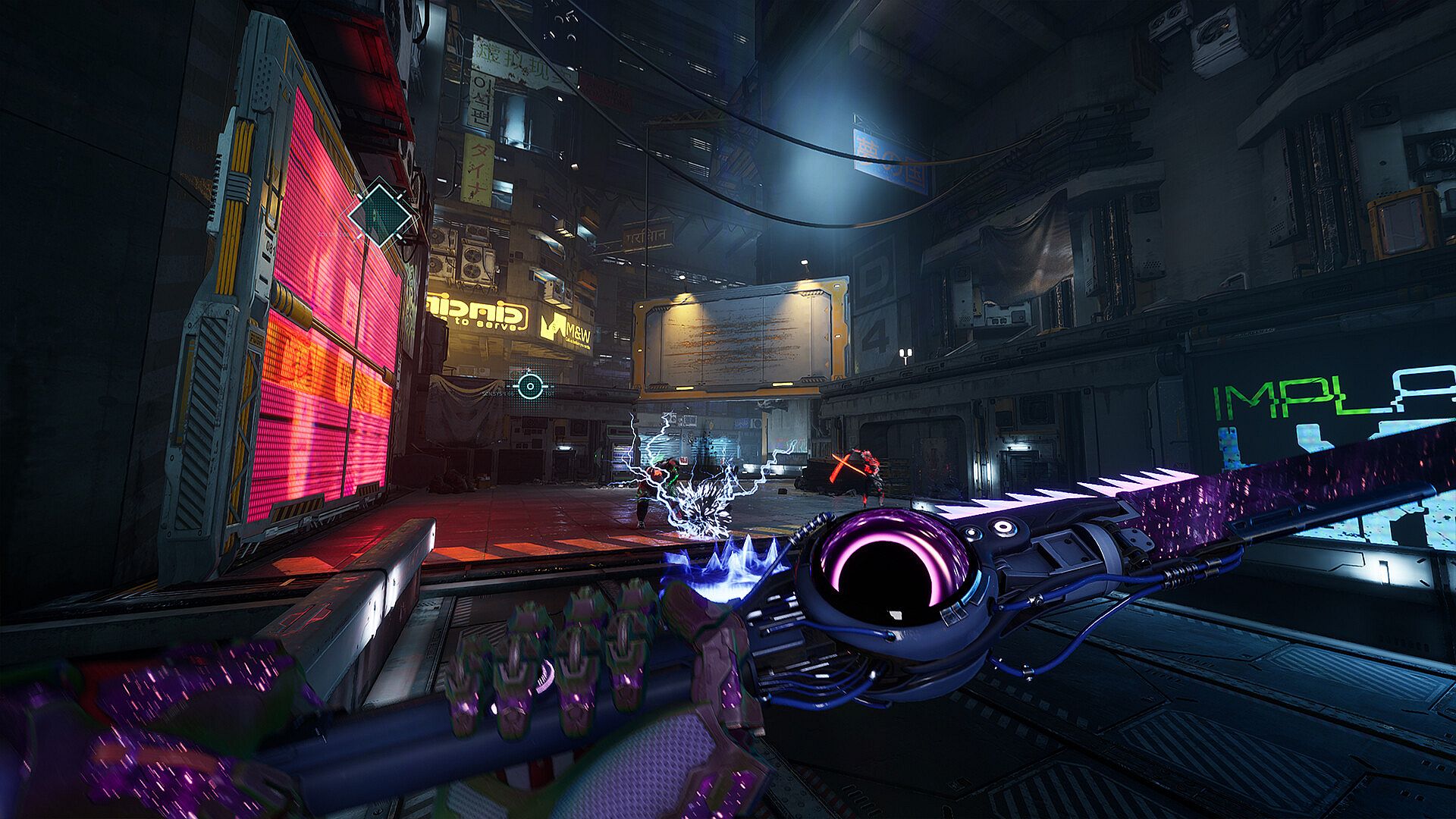
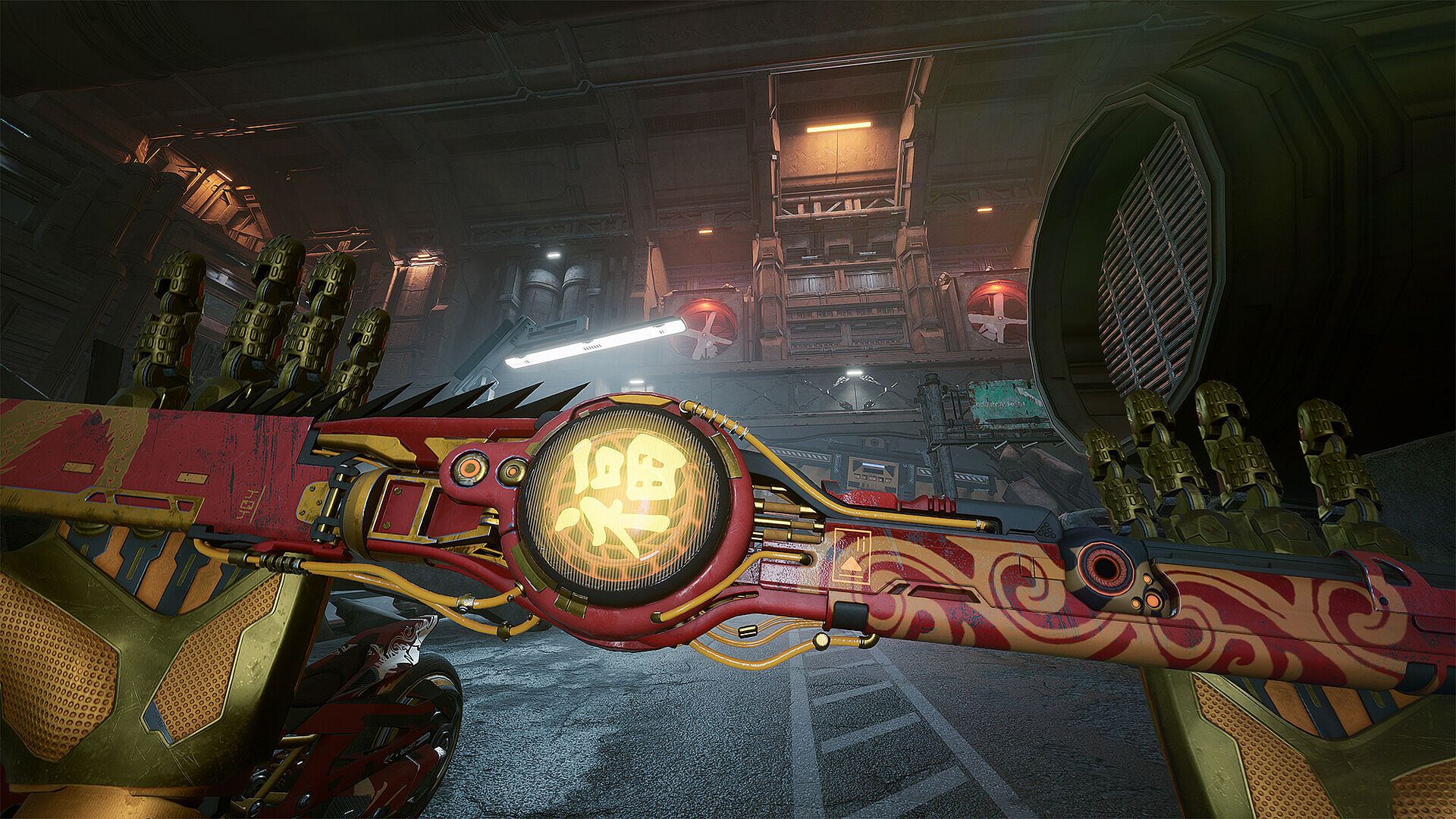
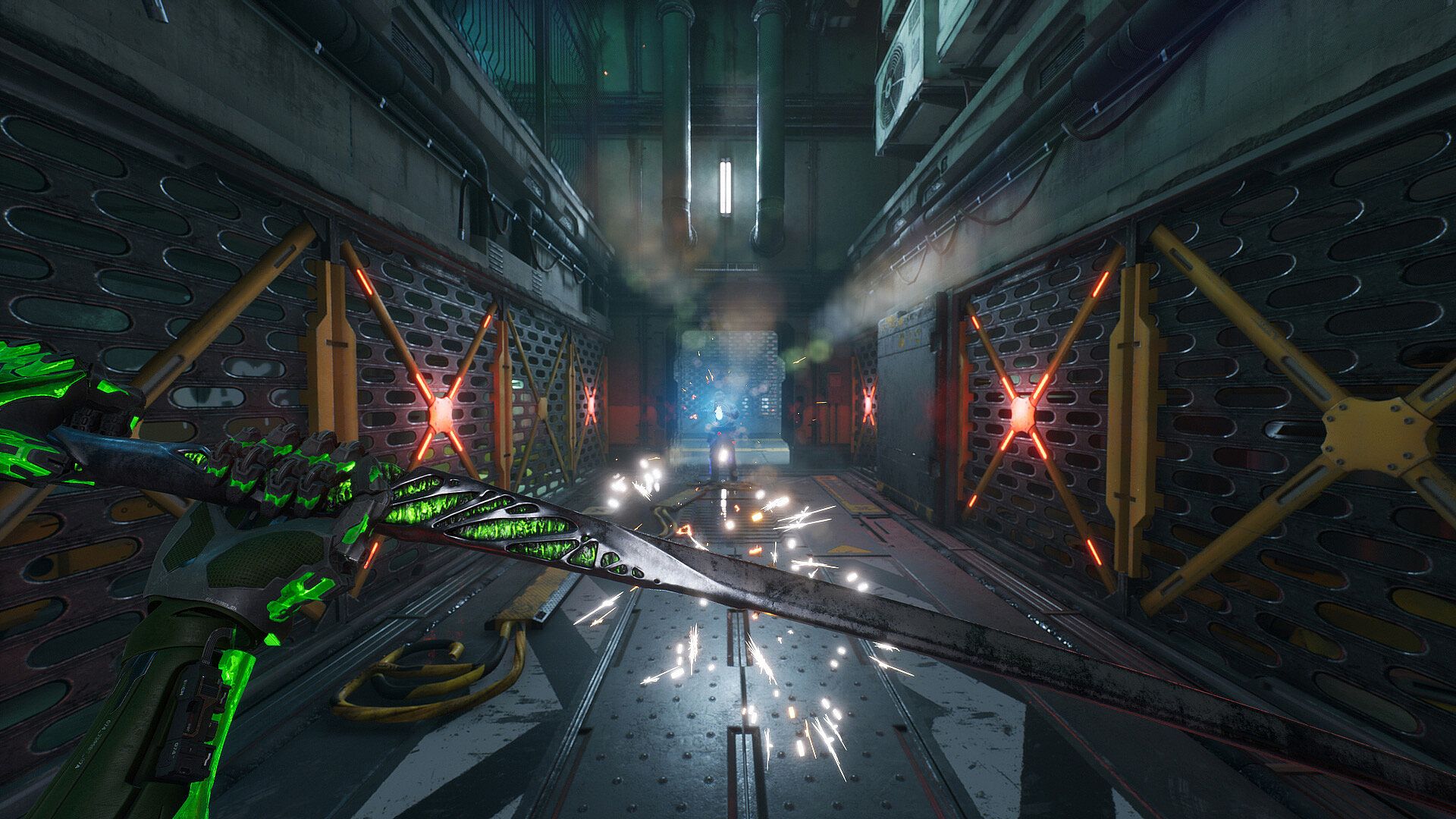
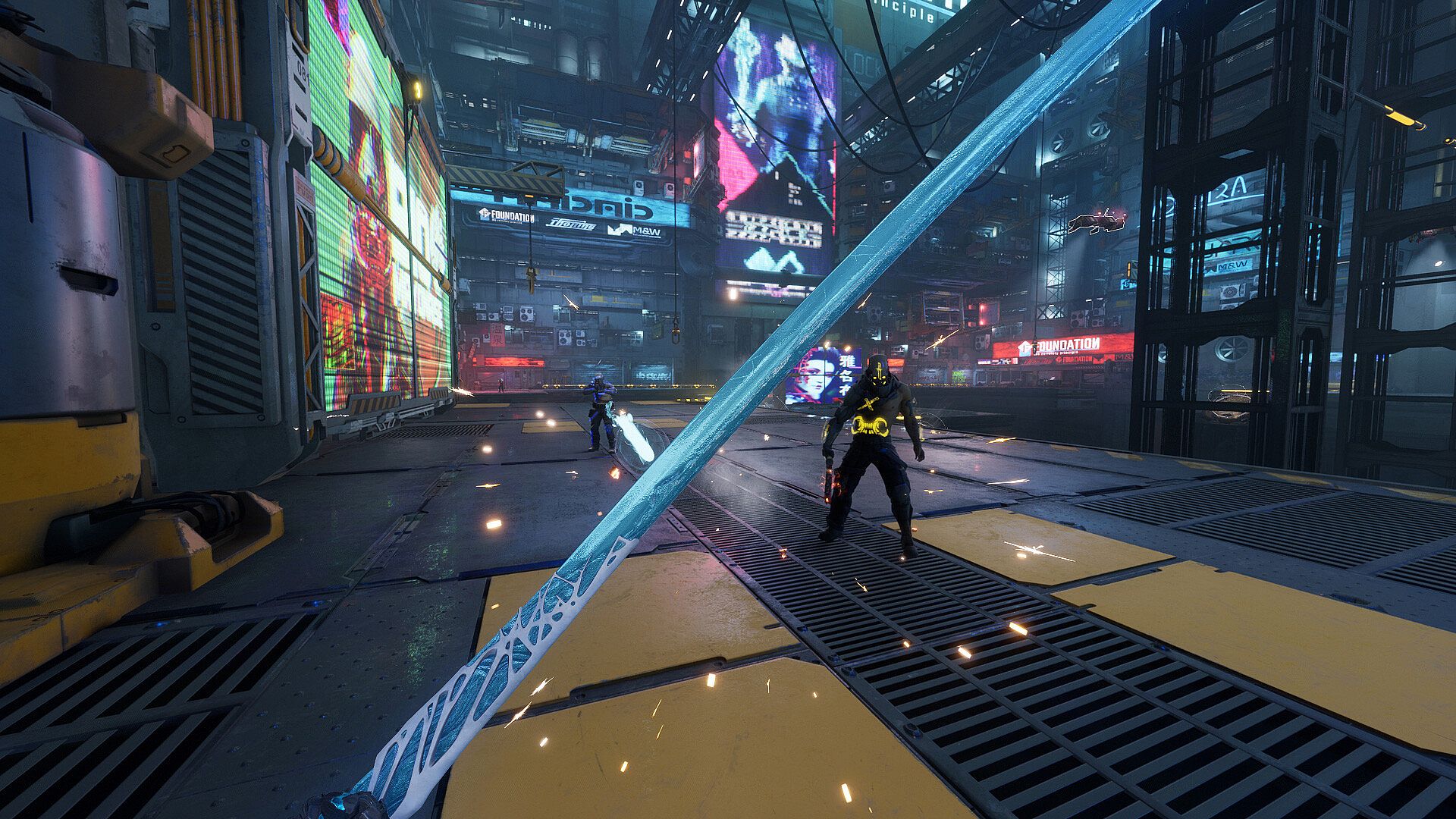
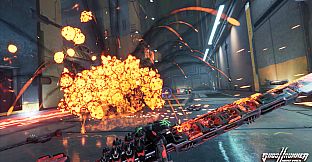
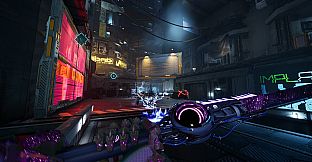
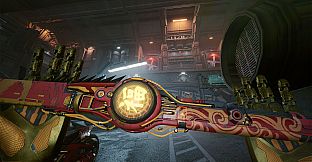
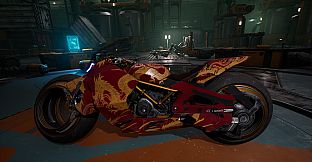
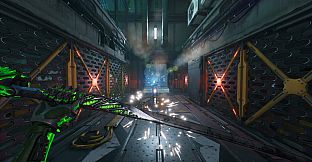
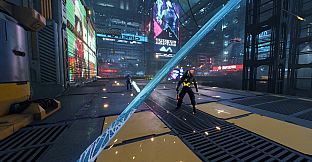
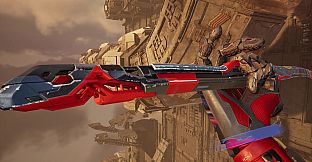
Ghostrunner 2 is a first-person action game that places players in the role of a cybernetic assassin navigating a post-apocalyptic cyberpunk setting. The experience centers on high-speed movement combined with precise combat encounters where both the player and enemies fall to a single strike. This setup creates a loop of rapid decision-making, timing, and spatial awareness as levels unfold through linear sequences of platforming and fights.
Gameplay
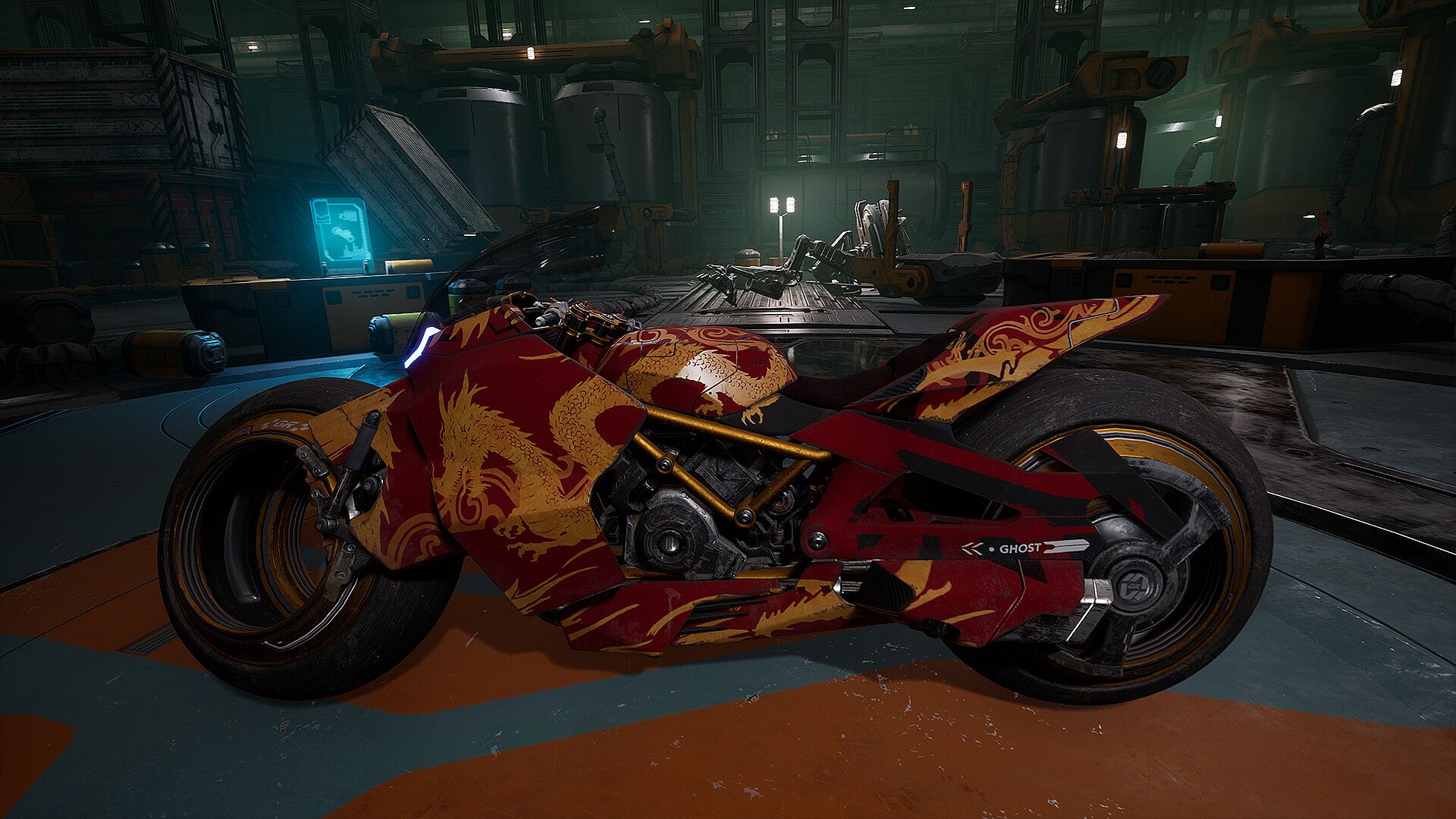
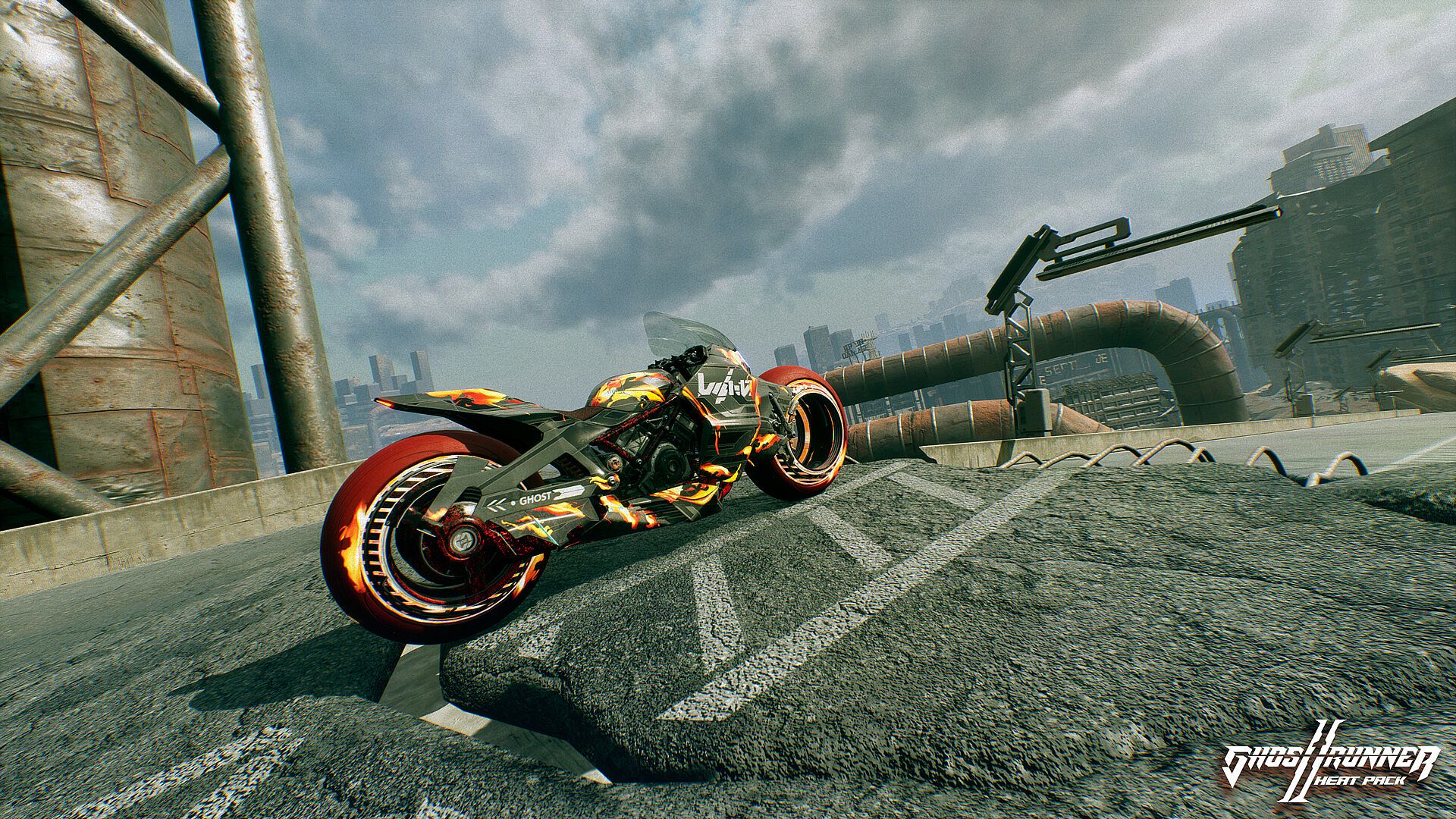
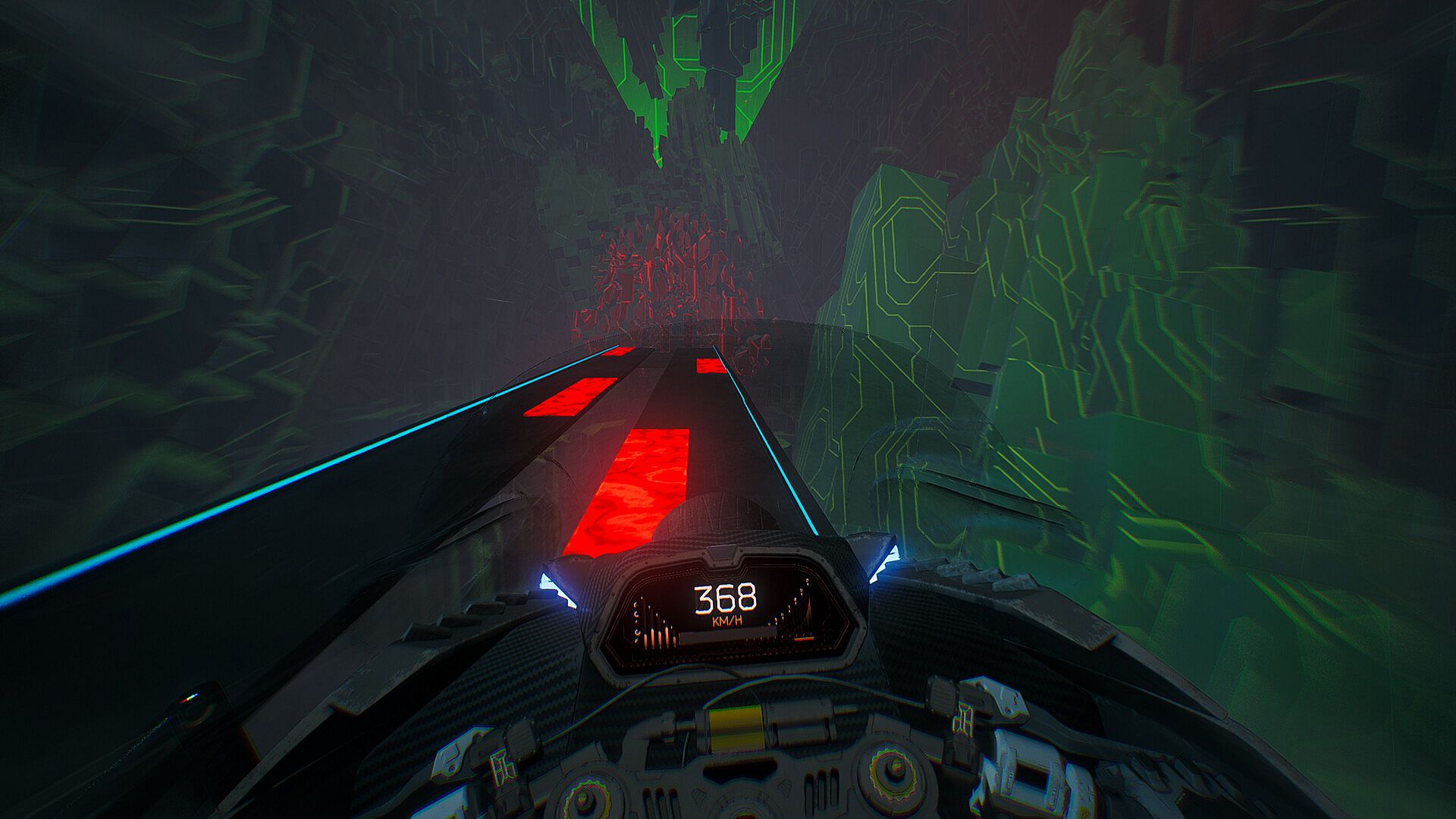
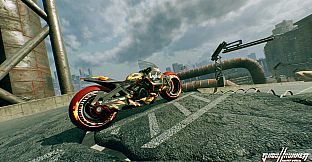
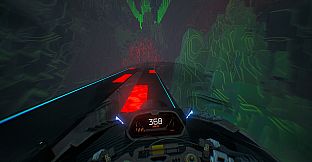
Core movement relies on fluid parkour traversal across vertical and horizontal surfaces, with abilities that allow wall-running, grappling, and momentum-based jumps. Combat integrates directly into these sequences, requiring players to chain attacks, use projectile tools like shurikens, and exploit environmental hazards to dispatch groups of foes efficiently. Motorcycle sections extend the action into vehicular segments that emphasize speed and obstacle avoidance while maintaining the same one-hit lethality rules.
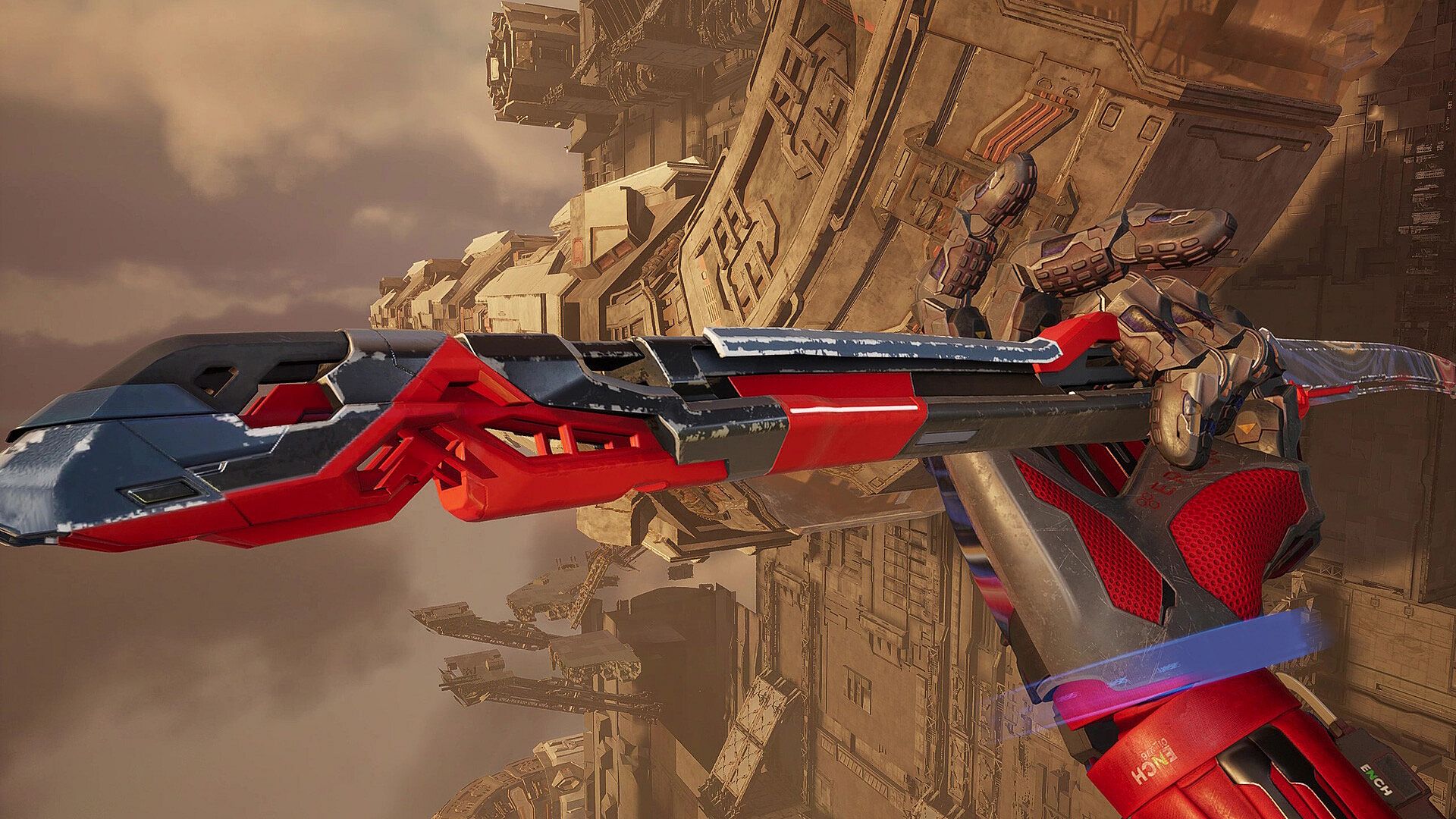
New systems introduce additional powers and upgrades that expand combat options without altering the fundamental risk-reward structure. Environmental puzzles appear in select areas, demanding careful observation of surroundings to progress. The overall loop rewards repeated attempts through generous checkpoints that reset only the current segment, encouraging refinement of routes and attack patterns.
Game Modes
The main campaign delivers a structured narrative progression across multiple chapters filled with combat arenas and parkour challenges. Each section mixes these elements in varying proportions, with motorcycle rides providing occasional shifts in pace and perspective.
Rogue Runner serves as a separate roguelike mode that randomizes encounters drawn from the campaign's enemies, upgrades, and level elements. Runs focus on survival through procedurally arranged challenges, offering replayability beyond the linear story path. Endless Moto Mode adds an ongoing motorcycle-focused experience that emphasizes sustained high-speed navigation and combat integration.
Story and Setting
The narrative follows the protagonist's journey through a dystopian world shaped by the aftermath of prior events in the series universe. Dialogue and environmental storytelling reveal details about factions and the central conflict, though the emphasis remains on action rather than extended cutscenes. Levels feature distinct visual themes that reinforce the cyberpunk atmosphere through neon-lit interiors and ruined exteriors.
Is It Worth Playing?
Player feedback highlights the responsive controls and satisfying precision required for success, with many noting the quick retry loop that keeps frustration manageable despite the high difficulty. The combination of parkour, combat, and motorcycle elements provides consistent variety across the campaign length of roughly ten to twelve hours.
Reception remains generally favorable across critic and user aggregates, with praise directed at the refined movement systems and the addition of Rogue Runner for extended play. Those who appreciate demanding single-player action titles with tight mechanics and no multiplayer components will find the most value here. The post-launch addition of Endless Moto Mode further extends options for players seeking focused vehicular challenges. Overall, the game suits individuals comfortable with trial-and-error progression in a fast-paced cyberpunk action format.