












Greak: Memories of Azur stands as a single-player puzzle platformer adventure that incorporates action, indie design, RPG progression, and exploration across a hand-drawn fantasy setting. Players guide three siblings through an interconnected world threatened by an invasion, relying on character switching to overcome obstacles and advance the narrative.
Gameplay
The core loop centers on alternating control among three distinct characters, each equipped with unique abilities that enable navigation, puzzle solving, and combat. Switching between them allows access to different movement styles and tools needed to traverse vertical and horizontal spaces in the side-scrolling environments. Puzzles often require coordinated use of these abilities to collect scattered airship components scattered throughout the map.
Exploration rewards thorough searching of the magical lands of Azur, where new areas open as abilities expand. Combat involves straightforward encounters with various enemies, emphasizing timing and positioning over complex combos. Additional systems include a cooking mechanic that ties into resource management and story moments, adding layers to the adventure without overwhelming the platforming focus.
Progression builds through ability unlocks and world connectivity typical of the genre, encouraging backtracking to previously inaccessible sections once new skills are acquired.
Game Modes
The experience remains strictly single-player, with no cooperative or competitive options available. All content unfolds in a linear yet interconnected campaign structure where players manage the three characters in sequence or combination to complete objectives. This setup emphasizes puzzle platforming and light action sequences over any multiplayer interactions.
Progression follows a main quest line focused on rescuing allies and assembling the airship, supported by side activities such as questing and item collection that enhance the RPG elements.
Art and Presentation
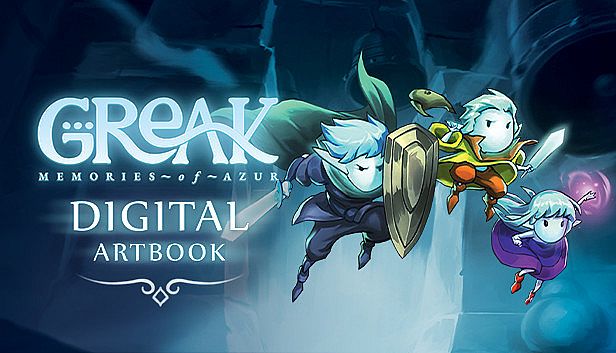
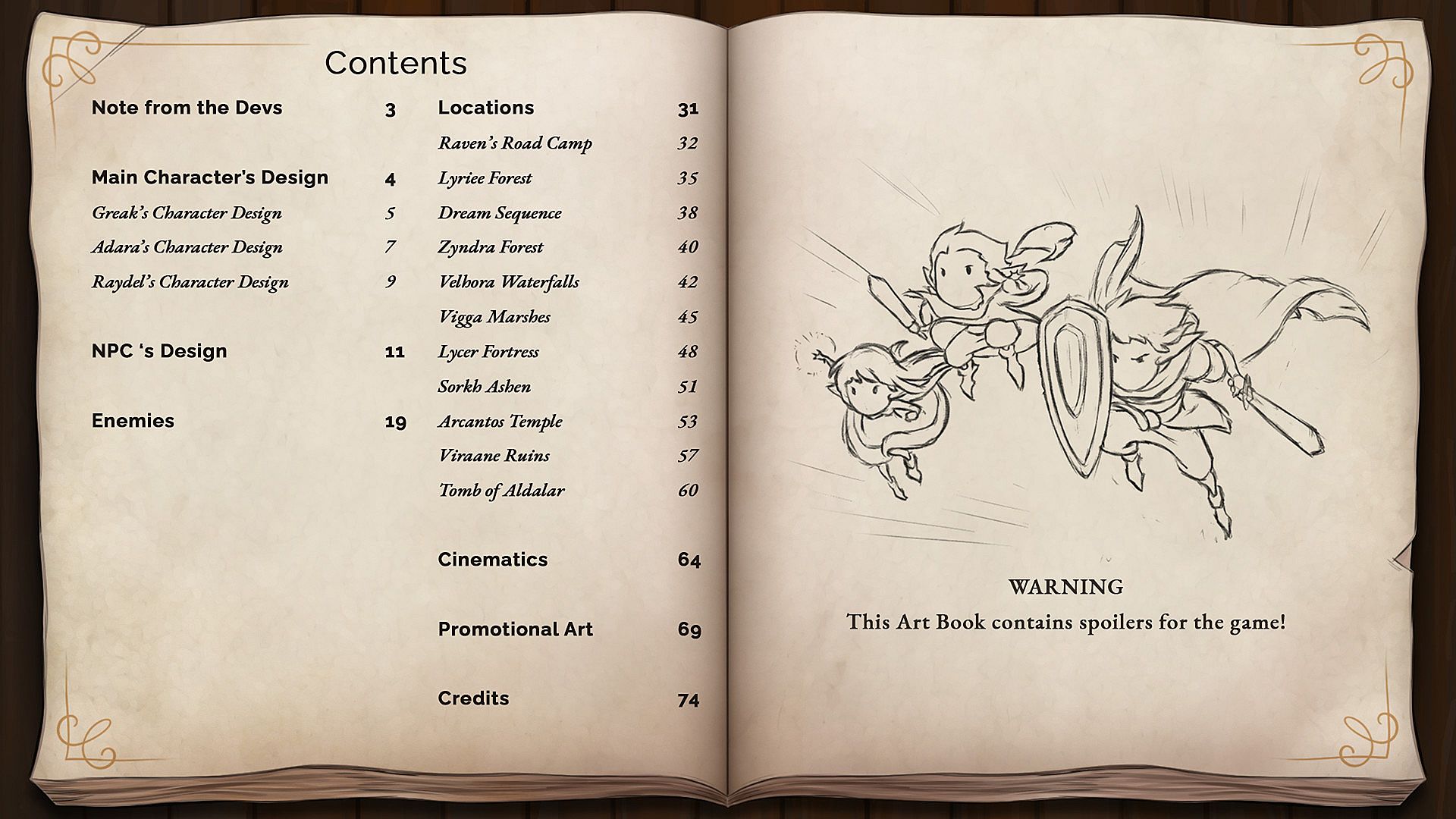
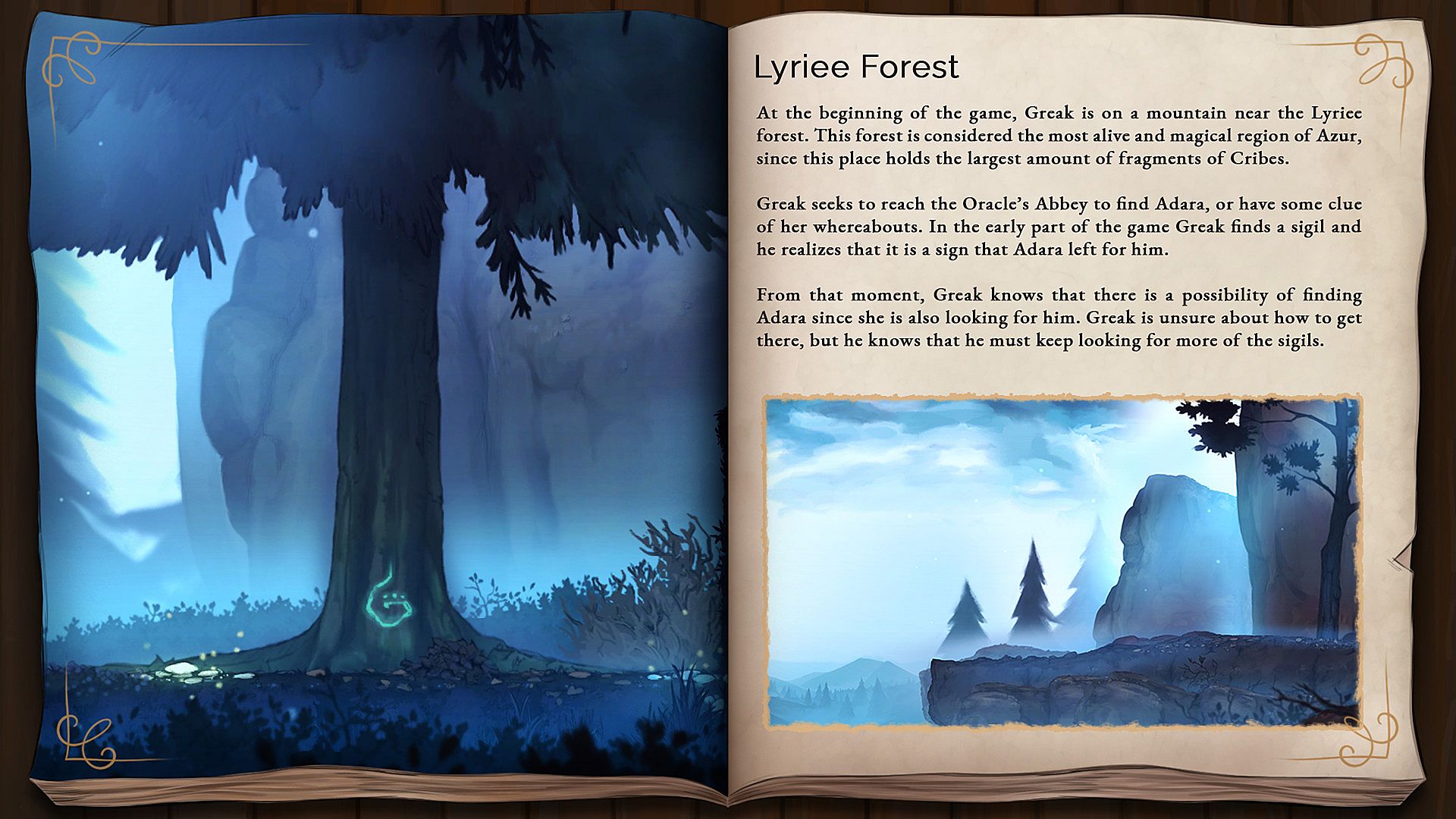
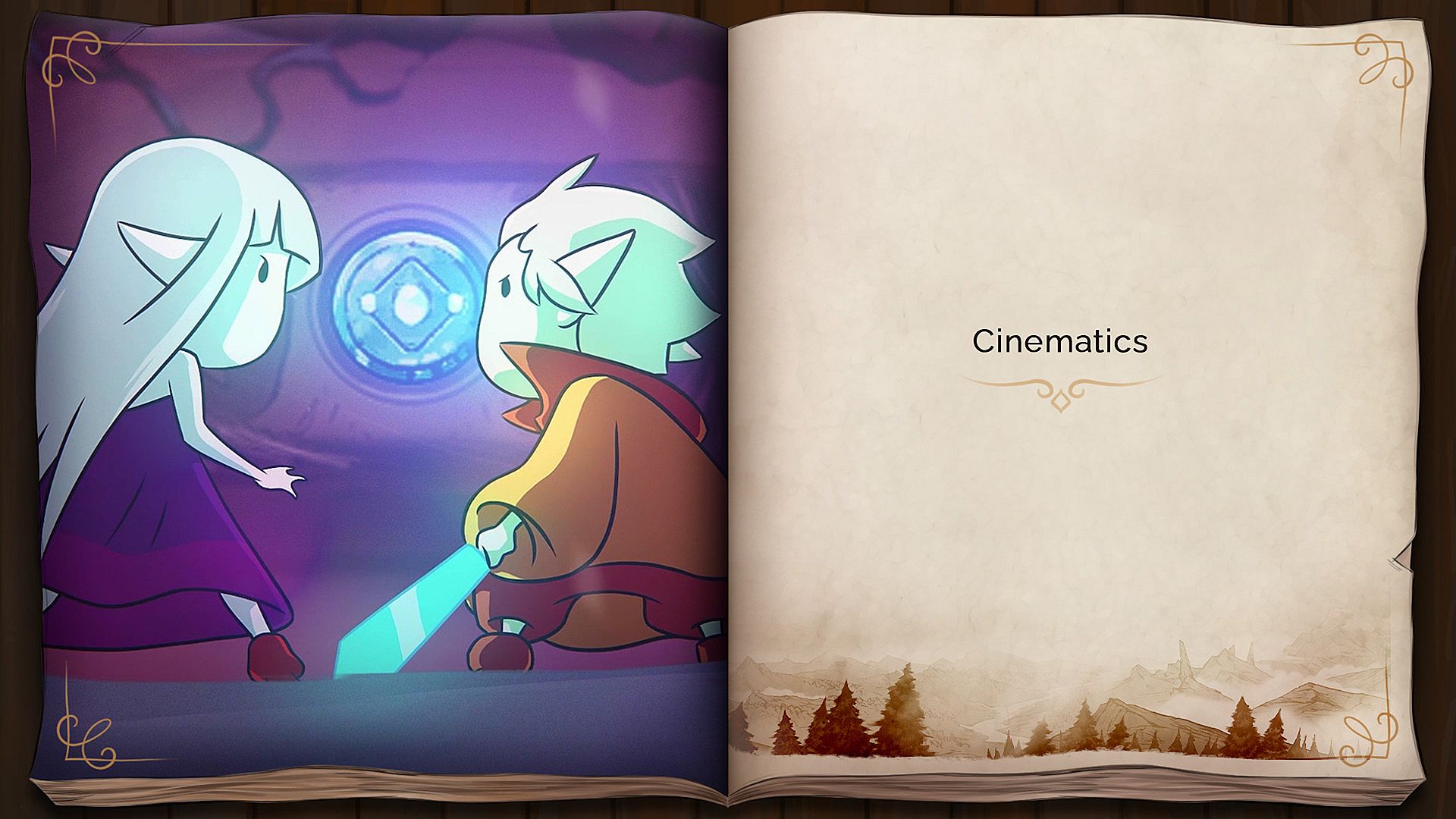
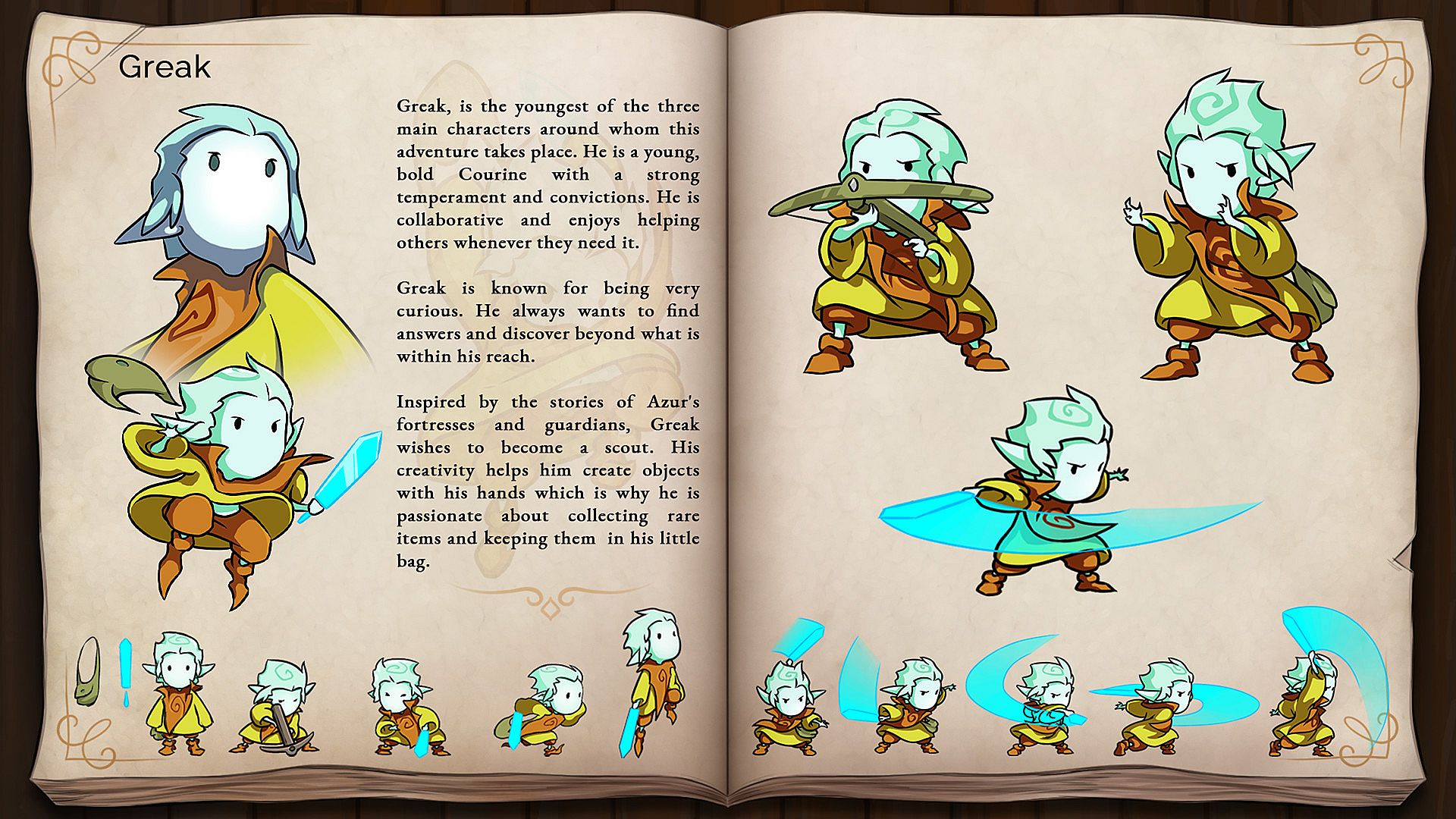
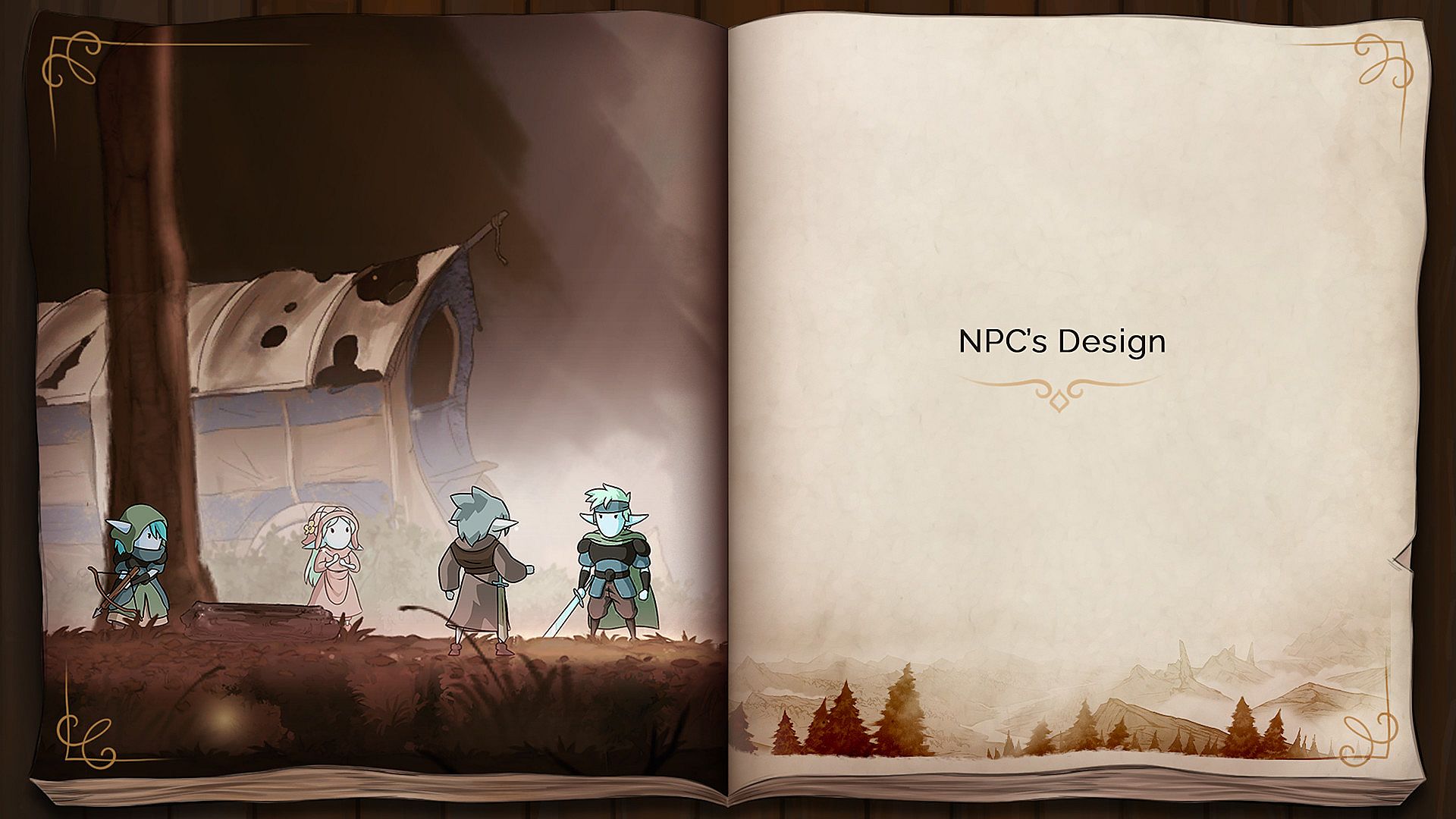
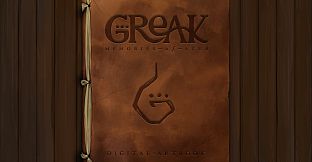
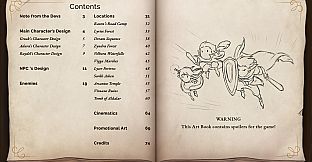
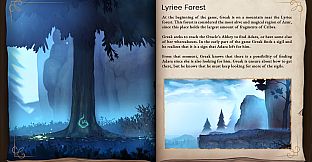
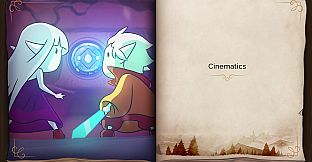
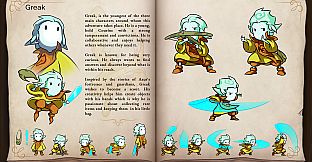
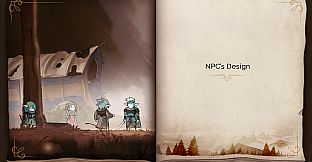
Hand-drawn visuals define the presentation, showcasing detailed character designs and environmental artwork across the world of Azur. A companion digital artbook compiles 73 pages of these illustrations into a single PDF file, providing a dedicated look at the creative process behind the characters and settings. The file integrates directly with the game installation for easy access through standard file browsing methods.
Animations highlight the distinct personalities of the three siblings, supporting the emotional tone of the story involving family bonds amid conflict with invading forces known as the Urlag.
Is It Worth Playing?
Players seeking a focused single-player puzzle platformer with character-switching mechanics will find a compact experience suited to short sessions or full playthroughs. The blend of exploration, light combat, and puzzle elements appeals to those who enjoy indie adventures with RPG touches like questing and resource systems.
Patches have addressed movement and balance issues since launch, maintaining the game's availability on PC. Reception highlights the visual charm and straightforward gameplay loop, though some note the puzzles lean toward accessibility rather than high difficulty. Those drawn to hand-drawn aesthetics and sibling-driven stories will likely appreciate the package, especially with the included artbook adding value for collectors of the artwork.