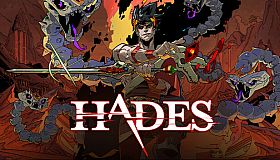



Hades is a roguelike action RPG developed by Supergiant Games for PC. Players take control of Zagreus, the immortal son of Hades, in repeated attempts to escape the Underworld through combat and progression systems that carry forward across runs. The experience blends fast-paced hack and slash action with narrative elements that unfold gradually between attempts.
Gameplay
Combat centers on a combination of primary attacks, special moves, a dash for mobility and brief invulnerability, a ranged cast ability, and summons drawn from Olympian gods. Each run generates a sequence of rooms filled with enemies and rewards, leading to boss encounters that mark the end of each region. Weapons vary in playstyle and can be upgraded or swapped between attempts through permanent unlocks purchased with resources collected during runs.
Boons from gods such as Zeus, Athena, and Poseidon modify abilities in synergistic ways, creating varied builds that change how combat feels from one escape attempt to the next. Resources like obols are lost on death, but other currencies allow lasting improvements to attributes, new weapons, and additional options at the House of Hades. The Mirror of Night serves as a hub for these upgrades, encouraging experimentation with different loadouts over time.
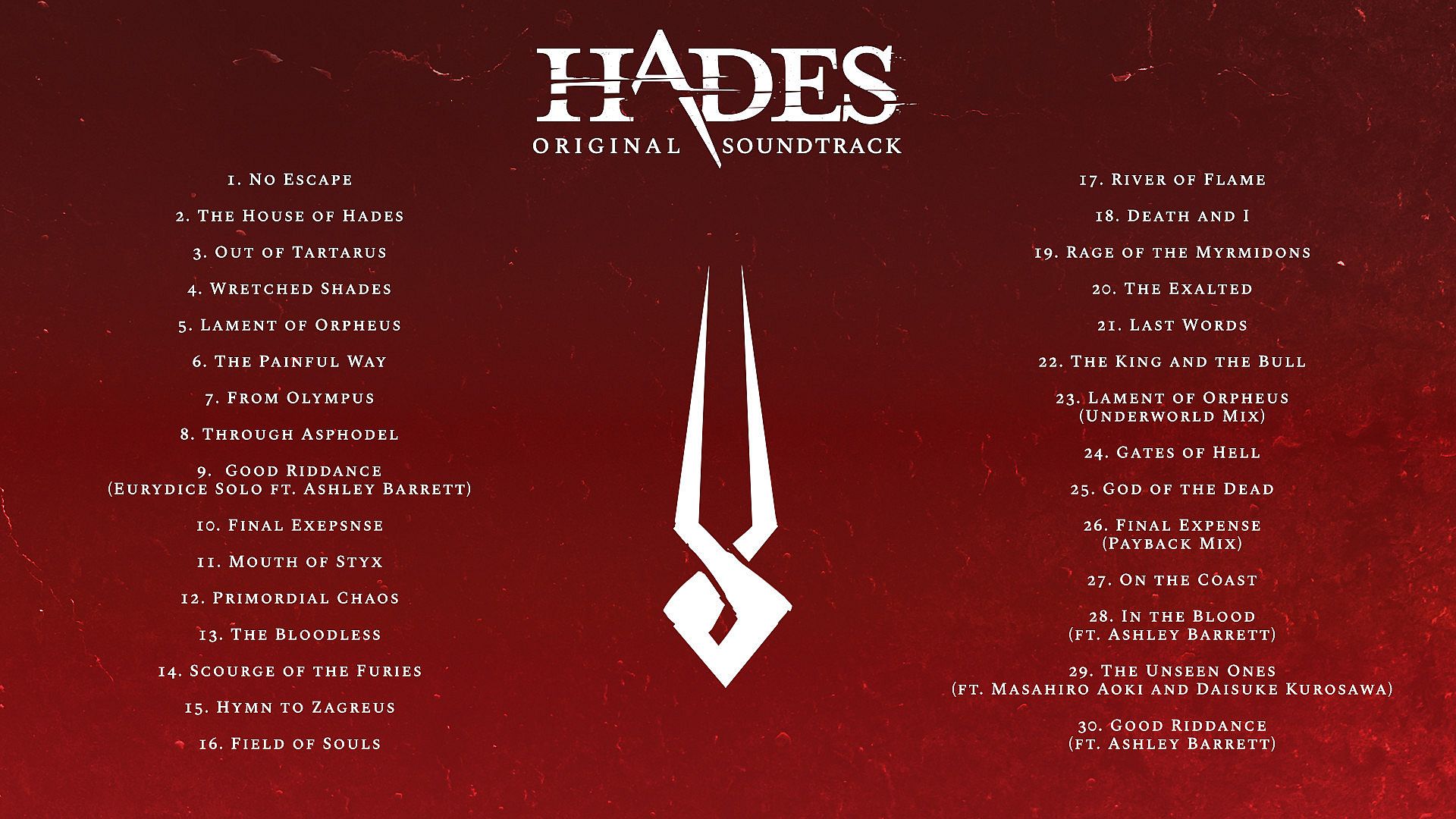
The soundtrack by Darren Korb, featuring vocals from Ashley Barrett and orchestral recordings from Abbey Road Studios, underscores the intensity of each encounter with dynamic, blood-pumping tracks that shift alongside the action. Remastered for standalone listening, the music integrates tightly with the combat rhythm and exploration of the Underworld regions.
Game Modes
The core experience is a single-player roguelike dungeon crawler with no multiplayer components. Runs progress through four main regions of the Underworld: Tartarus, Asphodel, Elysium, and the Temple of Styx, each introducing distinct enemy types and environmental challenges. Boss fights against figures like the Furies, the Lernaean Hydra, Theseus and Asterius, and Hades himself cap each region.
Difficulty options include God Mode, which increases resilience with each death, and Hell Mode for heightened challenge. The Pact of Punishment adds further modifiers in later stages, allowing players to adjust the run's intensity while pursuing different goals or story branches. These systems support repeated play without altering the fundamental single-player structure.
Story and Progression
Narrative advances through conversations at the House of Hades and encounters with characters such as Sisyphus, Eurydice, and Patroclus. Zagreus seeks to reach his mother Persephone in the mortal world, aided by Olympians who grant boons during runs. Permanent progression unlocks new dialogue options, weapons, and story events that reveal more about the gods and the Underworld over dozens of attempts.
Each failure returns Zagreus to the starting area with retained upgrades, turning death into a tool for learning enemy patterns and refining strategies. The combination of randomized room layouts and fixed story beats creates a loop where mechanical improvement directly supports narrative discovery.
Is It Worth Playing?
Hades delivers consistent replay value through its weapon variety, boon combinations, and layered progression that rewards continued attempts. The single-player focus suits those who enjoy mastering combat systems and uncovering story details at their own pace. Difficulty modifiers make the game accessible for different skill levels while preserving the core challenge of escaping the Underworld.
Support continues years after release with the game maintaining an active player base on PC. The integration of high-quality music, detailed art, and character interactions adds depth that keeps runs engaging long after initial completion. Players drawn to action RPG elements combined with roguelike structure will find substantial content in the verified systems and ongoing replay opportunities.