

No More Room in Hell is a free-to-play co-operative survival horror game built on the Source engine. It places small teams of survivors in zombie-infested environments where every decision carries weight and one mistake can end a run. The experience emphasizes realistic resource management, limited ammunition, and the constant threat of infection over fast-paced action.
Gameplay
Combat feels deliberate and punishing. Firearms deliver stopping power but carry scarce ammo, so players often rely on melee weapons to conserve resources. Headshots matter, and zombies can overwhelm isolated individuals quickly. Infection spreads through bites, forcing careful positioning and teamwork to avoid spreading the virus among the group. Proximity-based voice communication limits how far teammates can coordinate, which heightens tension during longer treks across maps. Respawn systems vary by difficulty, with classic mode restricting second chances and requiring strong coordination to recover fallen allies.
Game Modes
Objective mode requires groups to complete a series of map-specific tasks before reaching an extraction point. These tasks range from simple actions like unlocking doors to more involved sequences that open new paths or secure supplies. Each playthrough can differ slightly due to dynamic elements. Survival mode shifts focus to defense, with players holding designated zones against escalating waves of undead. Success depends on protecting key areas across multiple rounds while managing dwindling supplies and rotating positions to avoid being overrun.
Atmosphere and Audio
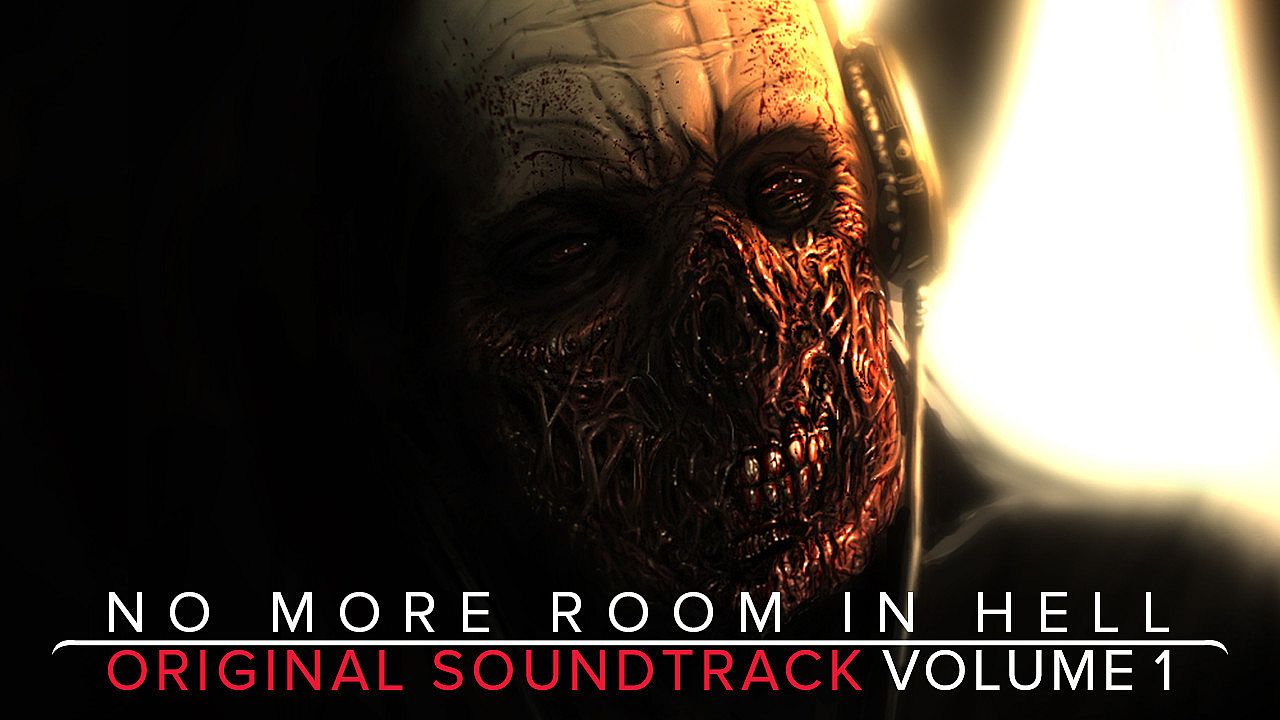
The game builds dread through its sound design and level layout rather than jump scares. Empty streets, distant moans, and the echo of footsteps create constant unease. The original soundtrack, released as a separate album with remastered tracks, captures this mood and serves as effective background listening even outside the game. Maps feature varied urban and rural settings that reward exploration for hidden supplies while punishing reckless movement.
Multiplayer and Community
Matches support up to eight players who must work together without traditional matchmaking crutches. Teams form organically through in-game communication, and the limited distance on voice chat encourages staying close. The title remains feature complete with ongoing community map support and no removal plans, keeping servers active for both new and returning players.
Is It Worth Playing?
Players seeking a grounded co-operative zombie survival experience will find strong value here. The emphasis on teamwork, resource scarcity, and realistic mechanics sets it apart from faster arcade-style shooters. Reception highlights the intense atmosphere and satisfying cooperation, especially for those who enjoy slower, more methodical sessions. As a free title with no pay-to-win elements, it offers easy entry for anyone interested in the genre. Those who prefer high-mobility combat or solo play may find the pace and requirements less appealing, but dedicated groups consistently report rewarding sessions across both game modes.