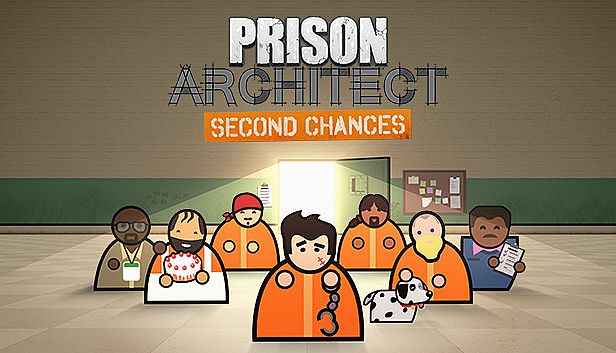






















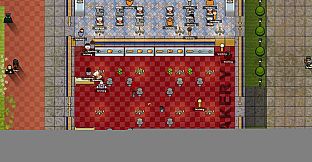
Prison Architect Second Chances is a strategy and simulation game that centers on managing a prison with an emphasis on inmate reform and rehabilitation. Players design facilities, oversee daily operations, and implement systems that influence inmate behavior over time. The experience blends construction, resource management, and long term planning in a single player environment on PC.
Gameplay
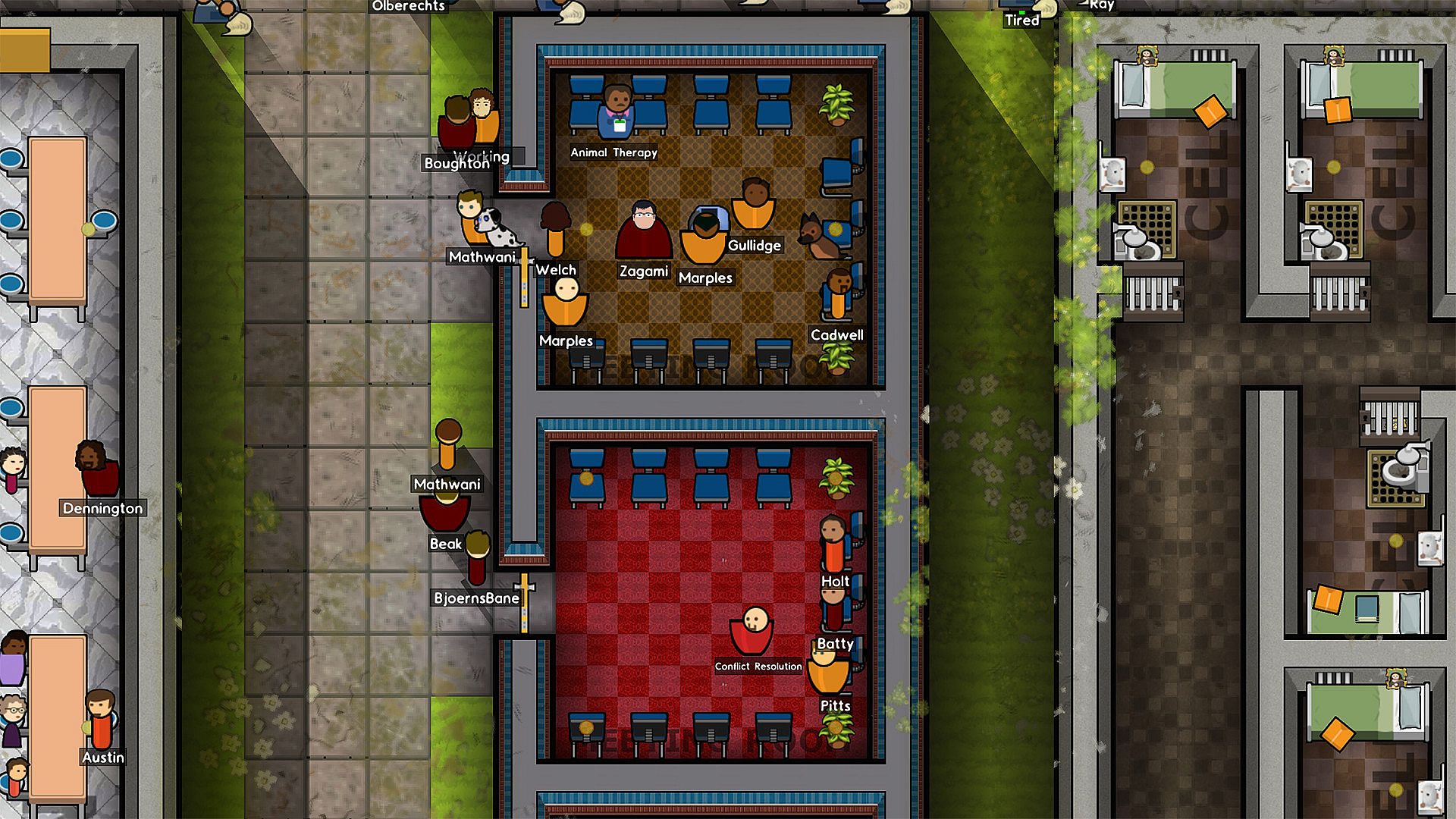
The core loop involves building and expanding prison infrastructure while introducing rehabilitation initiatives. Inmates participate in targeted programs designed to address negative traits and improve conduct. These efforts can lead to sentence reductions for positive actions or extensions for misconduct. Reoffenders return to the facility, prompting adjustments in management strategies and financial outcomes for the player.
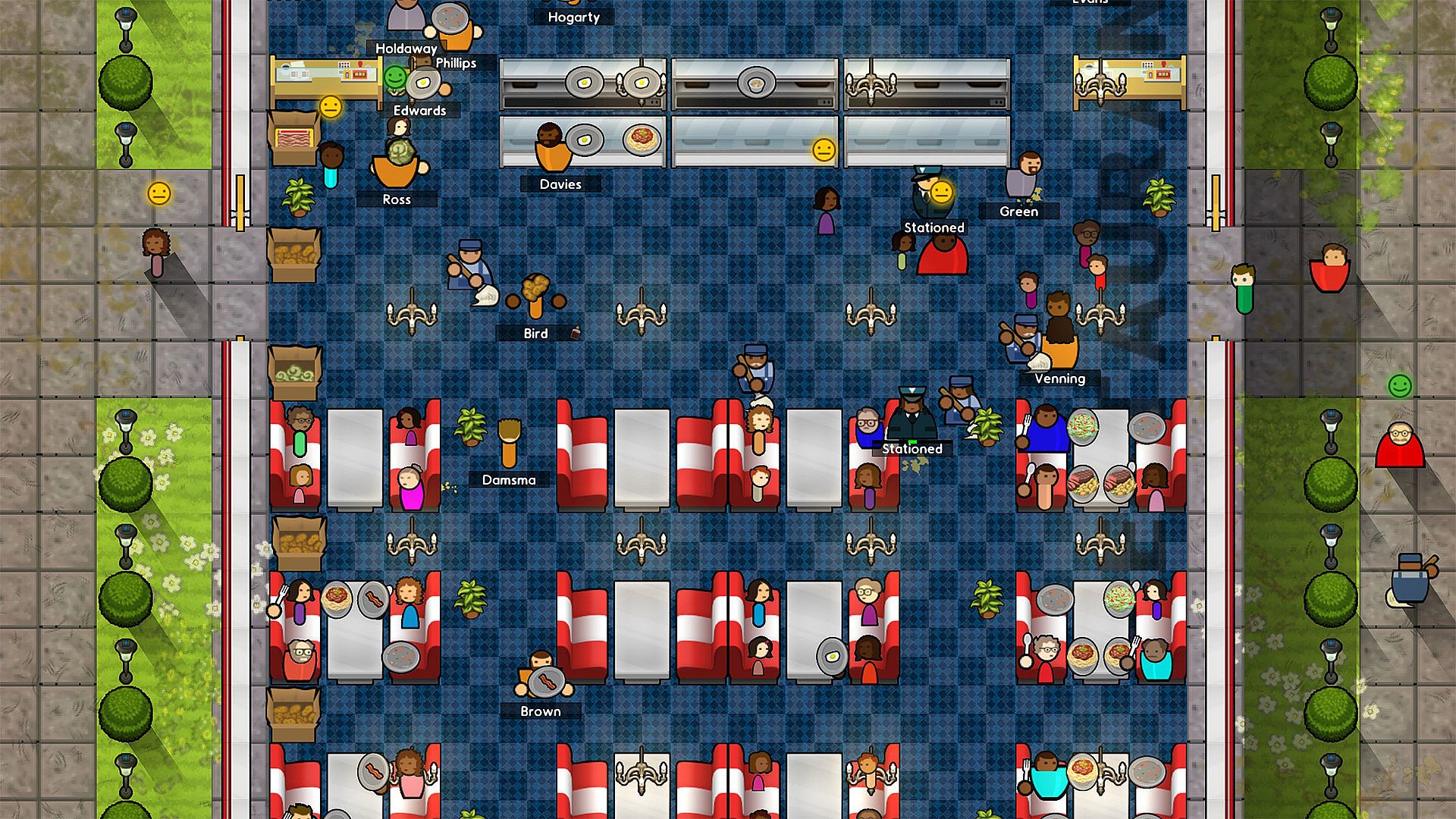
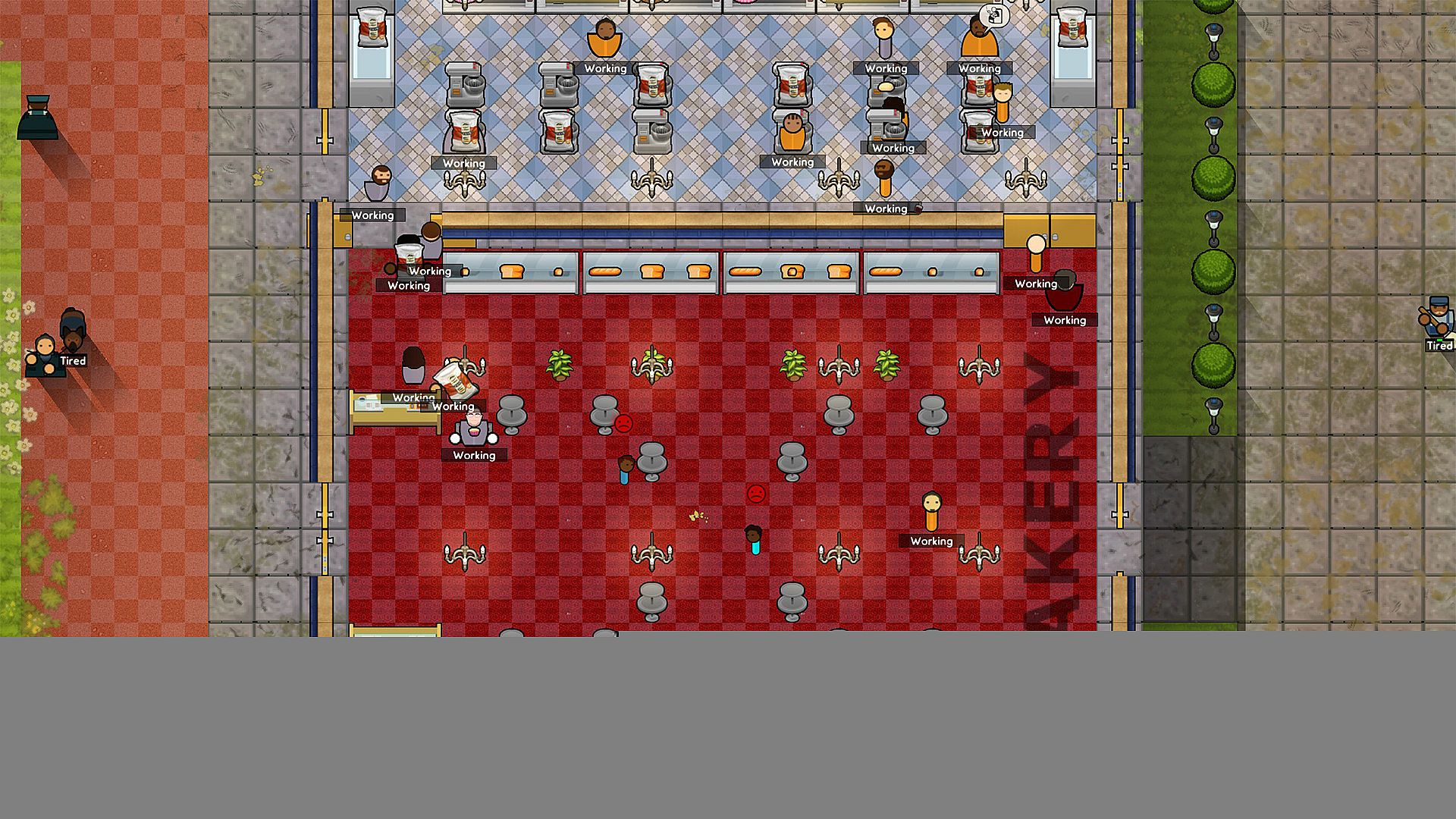
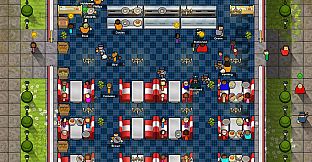
Work credentials earned through training allow select inmates to operate as vendors. This setup creates inmate run spaces such as bakeries and restaurants that serve both prisoners and visitors. The system integrates with existing routines, adding layers of economic activity and behavioral tracking within the simulation.
Game Modes
Prison Architect Second Chances supports ongoing prison management sessions where players balance security needs with reform goals. The simulation runs continuously, allowing adjustments to programs and facilities as inmate populations evolve. Focus remains on monitoring reoffending rates and optimizing rehabilitation pathways across extended play periods.
Key Systems and Mechanics
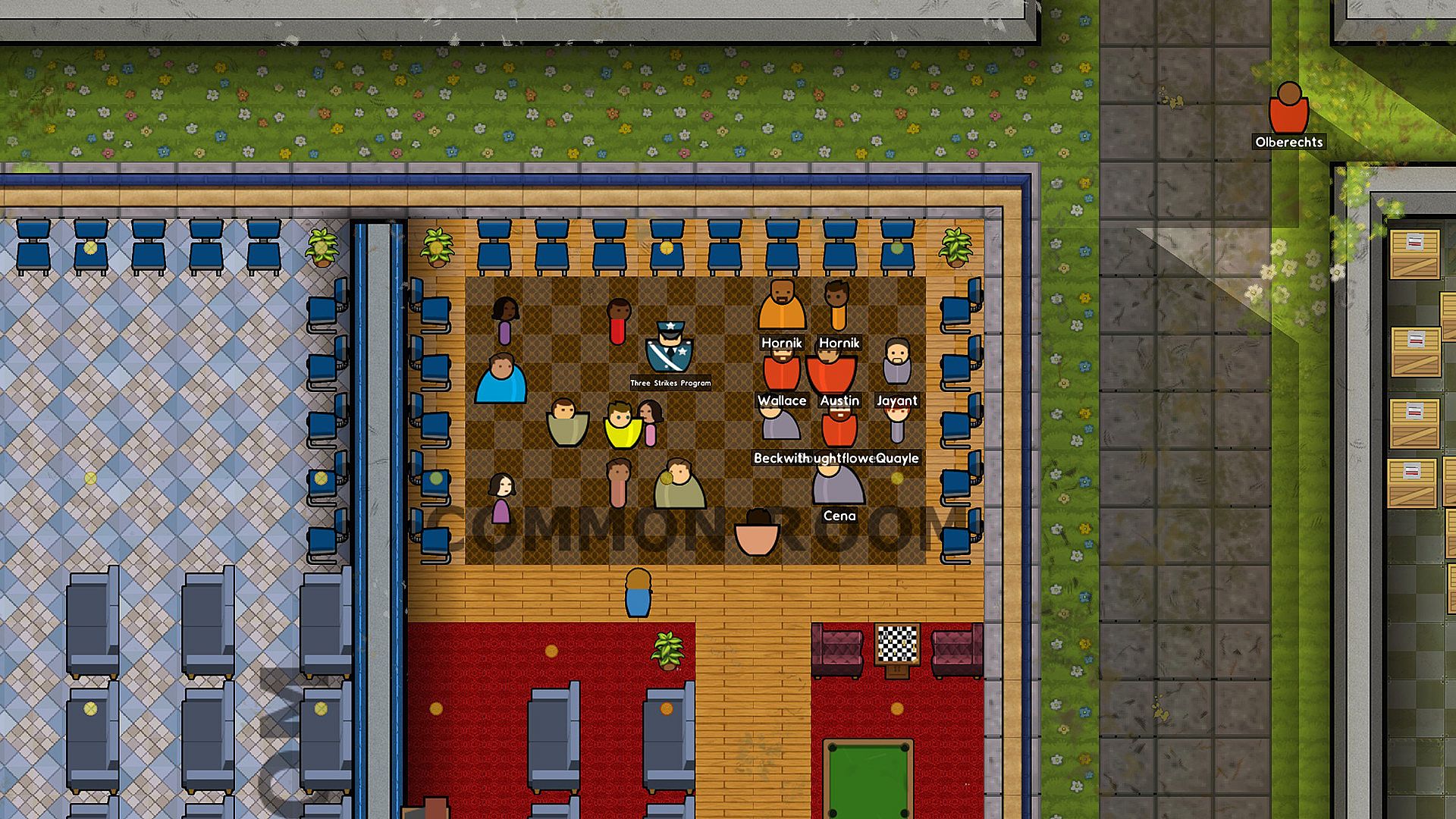
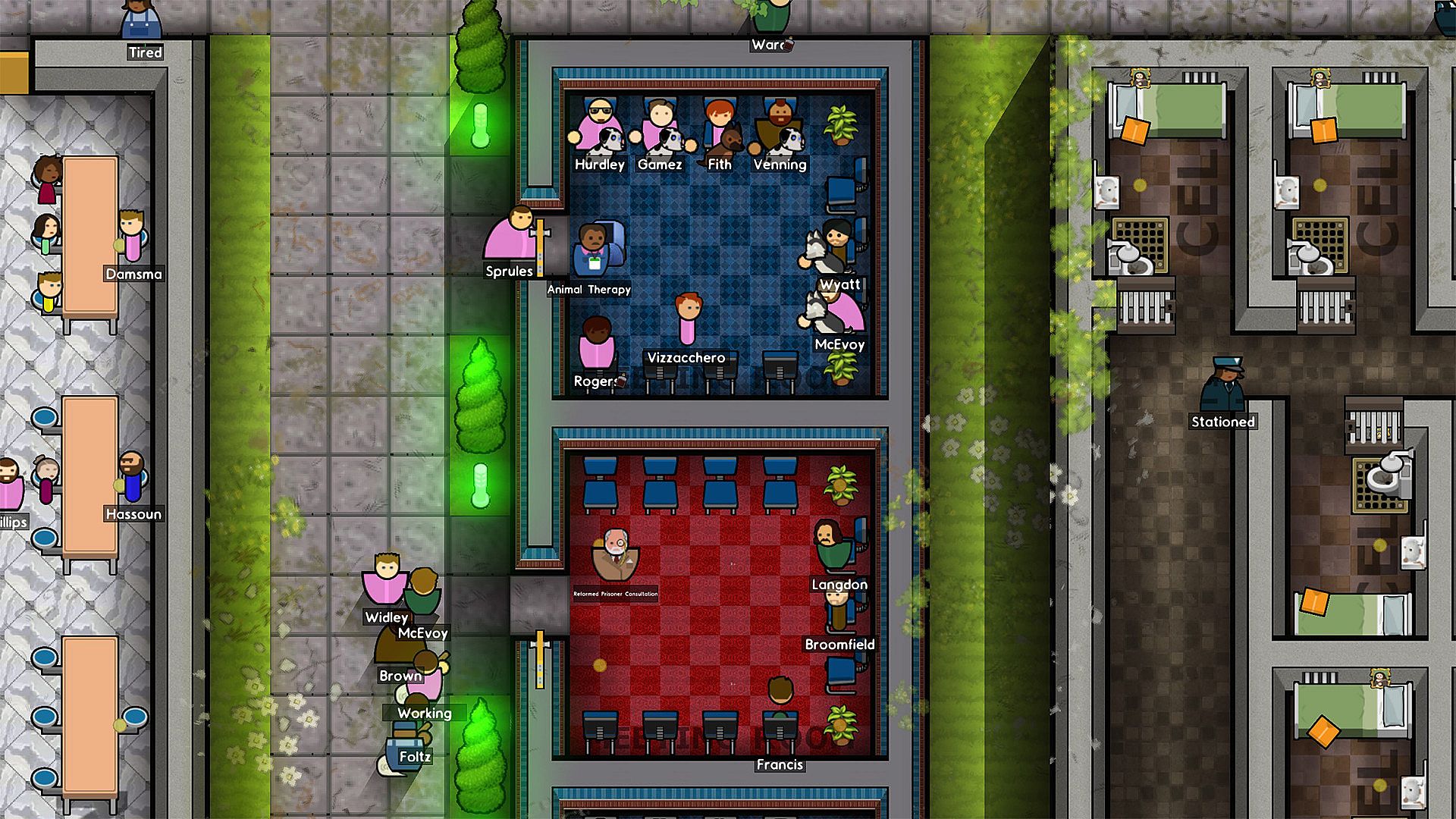
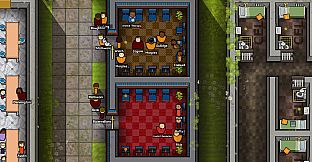
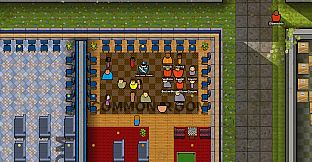
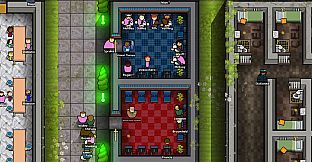
Reform programs form a central pillar, including options like animal therapy sessions, civilian meetings, and conflict resolution classes led by former prisoners. Additional initiatives such as the three strikes program and reformed prisoner consultations help strip away problematic reputations and behaviors. These elements tie directly into sentence modifications and overall facility performance.
Inmate work programs build practical skills that translate into vendor roles. Rooms dedicated to these activities, including meeting spaces alongside food service areas, generate new interactions and revenue streams. Players track progress through dedicated menus that display reoffending statistics for the entire population.
Is It Worth Playing?
This title suits players who enjoy detailed management simulations with a focus on behavioral systems and incremental improvements. The rehabilitation mechanics add meaningful choices to prison oversight, rewarding careful program selection and facility design. Reception shows mixed results among users, reflecting varied preferences for the added layers of tracking and consequences. Those drawn to strategy titles centered on reform and operational depth will find the systems engaging for extended sessions. Availability on PC makes it accessible for those with the base simulation experience.