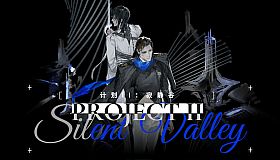


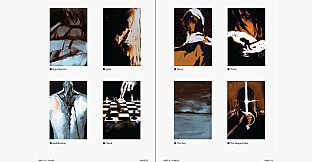
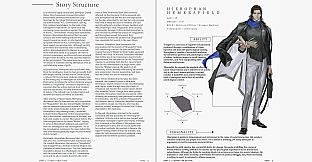
Project II: Silent Valley stands as an indie RPG adventure presented as a linear semi-open world dystopian visual novel. Players take on the role of US Navy Officer Hierophan, teaming with the humanoid weapon Osprey to investigate a conspiracy at the underwater base Silent Valley while seeking answers about a missing friend named Ochira. The experience unfolds in a parallel dystopian America divided between the militarized Nodomain Consortium and remnants of the former government, blending narrative focus with exploration and card-based encounters.
Gameplay
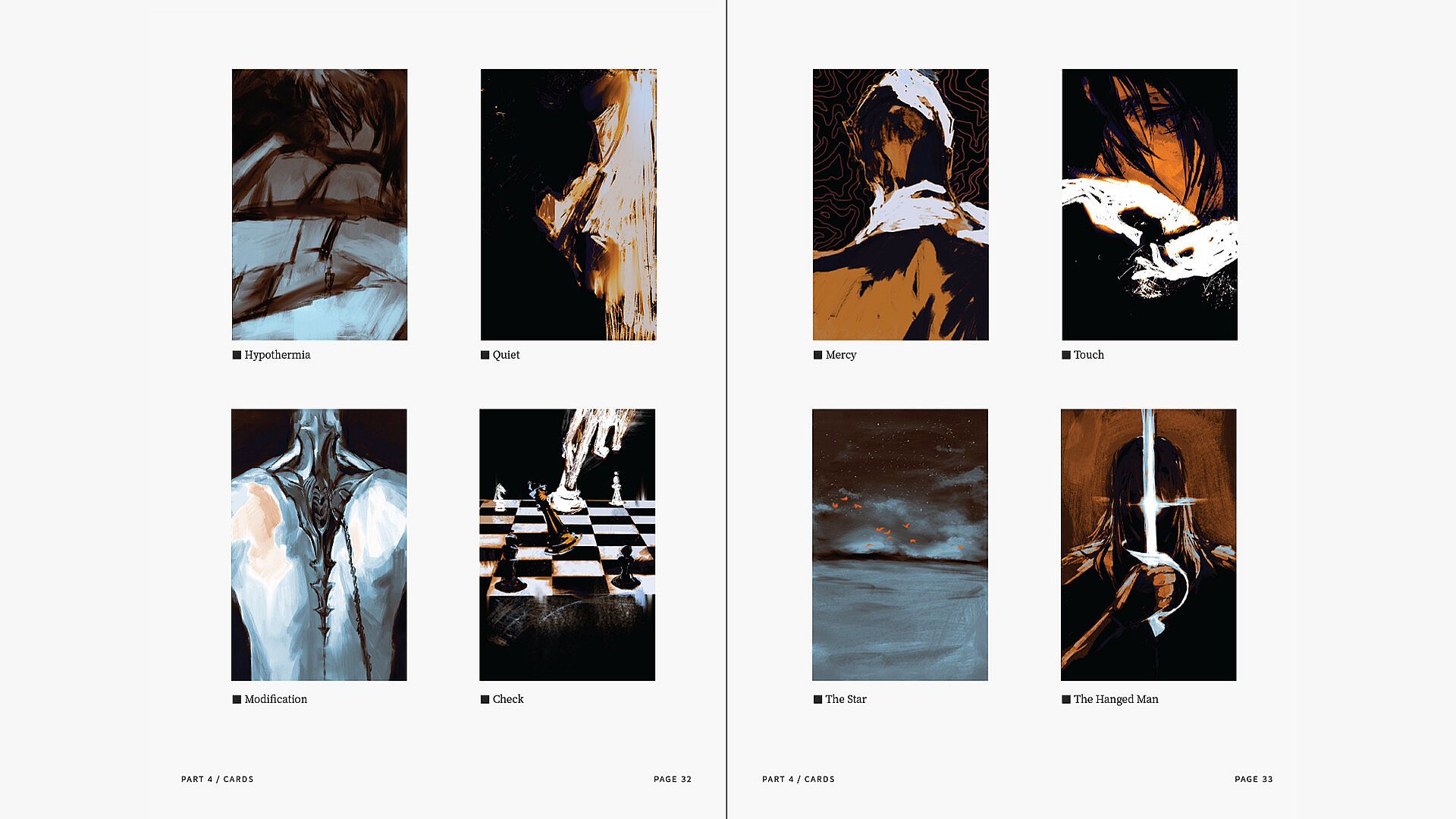
The core loop centers on narrative progression through dialogue and choices, supported by freeform exploration of environments. Players move through rooms and areas to uncover hidden character conversations, classified documents, and military archives. A companion character provides analysis on collected materials, adding depth to the investigative elements. Card combat integrates as a strategic layer during key story moments, drawing from a pool of 80 unique cards. Each card carries its own lore and abilities, creating duels that mix planning with elements of chance to resolve intelligence confrontations and advance the plot.
Exploration encourages thorough searching, as every location holds potential secrets that tie into the broader worldbuilding. The system rewards attention to detail without requiring backtracking in a strictly linear structure. Card battles emphasize combo execution and deck management to handle opponents encountered at the base, turning confrontations into extensions of the story rather than separate interruptions.
Game Modes
The game operates entirely in single-player format. No separate multiplayer or competitive modes exist. Instead, the experience combines visual novel storytelling with integrated exploration segments and card combat sequences. These elements flow together as part of one continuous narrative path, allowing players to shift between dialogue-heavy sections, open-area investigation, and tactical card duels without switching modes manually.
Progression follows a semi-linear structure that opens limited exploration spaces while keeping the main story on track. Card battles serve as pivotal story gates, where outcomes influence how events unfold. This unified approach keeps the focus on character interactions and plot revelations across the dystopian setting.
World and Lore
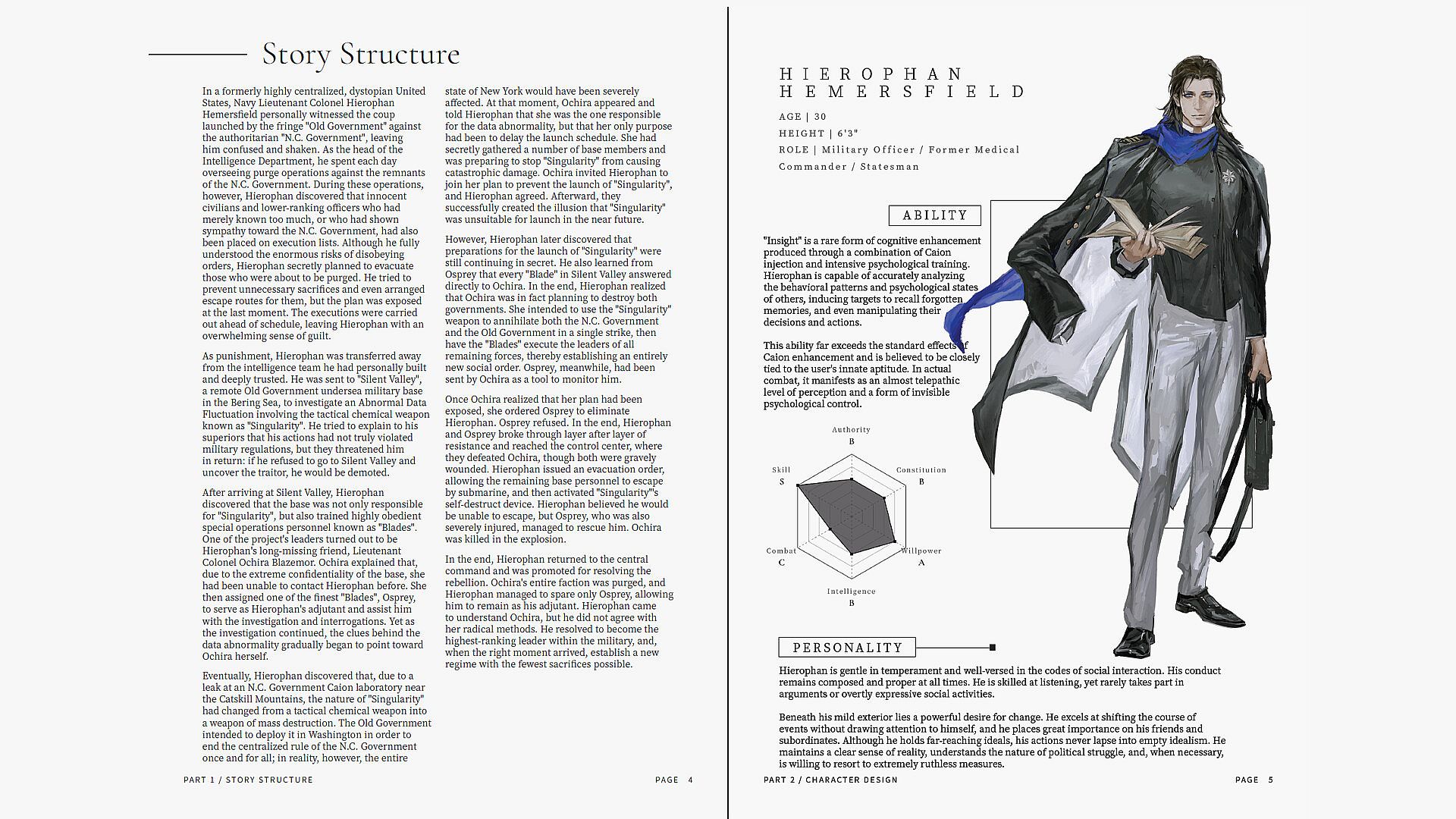
The setting draws from a fractured parallel United States where corporate and military powers hold sway. Underwater facilities like Silent Valley form the central hub, filled with personnel, files, and environmental details that reveal layers of the conspiracy. Character designs and world concepts emphasize the contrast between the docile Osprey and the tense atmosphere of the base, supported by illustrations and structural notes that expand on the story framework.
Additional materials collect development insights into story structure, character artwork, map layouts, and unused card ideas. These elements provide context for the final game's narrative choices and visual style without altering core mechanics.
Is It Worth Playing?
Project II: Silent Valley suits players who appreciate narrative-driven visual novels that incorporate light strategic combat and exploratory discovery. The blend of dialogue, investigation, and card duels creates a focused single-player experience centered on uncovering hidden truths in a dystopian environment. Early user feedback shows complete approval across available reviews, reflecting satisfaction with the storytelling and mechanical integration.
Those seeking pure action or multiplayer options will find less appeal here, while fans of character-focused adventures with tactical card elements stand to gain the most. The game remains available on PC with ongoing support reflected in its recent release and positive reception.