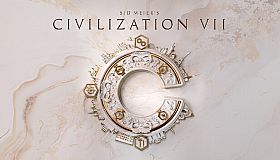


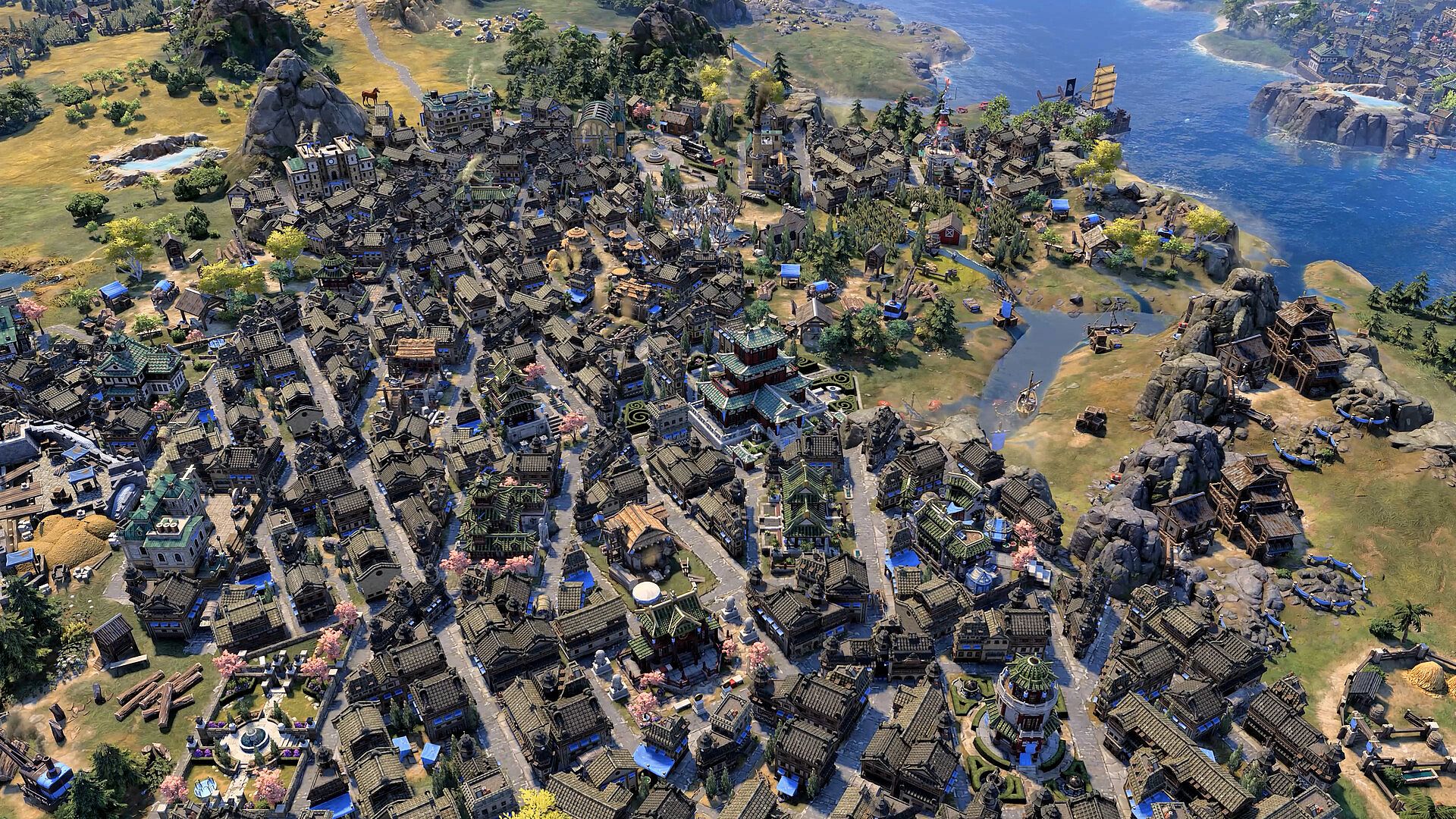
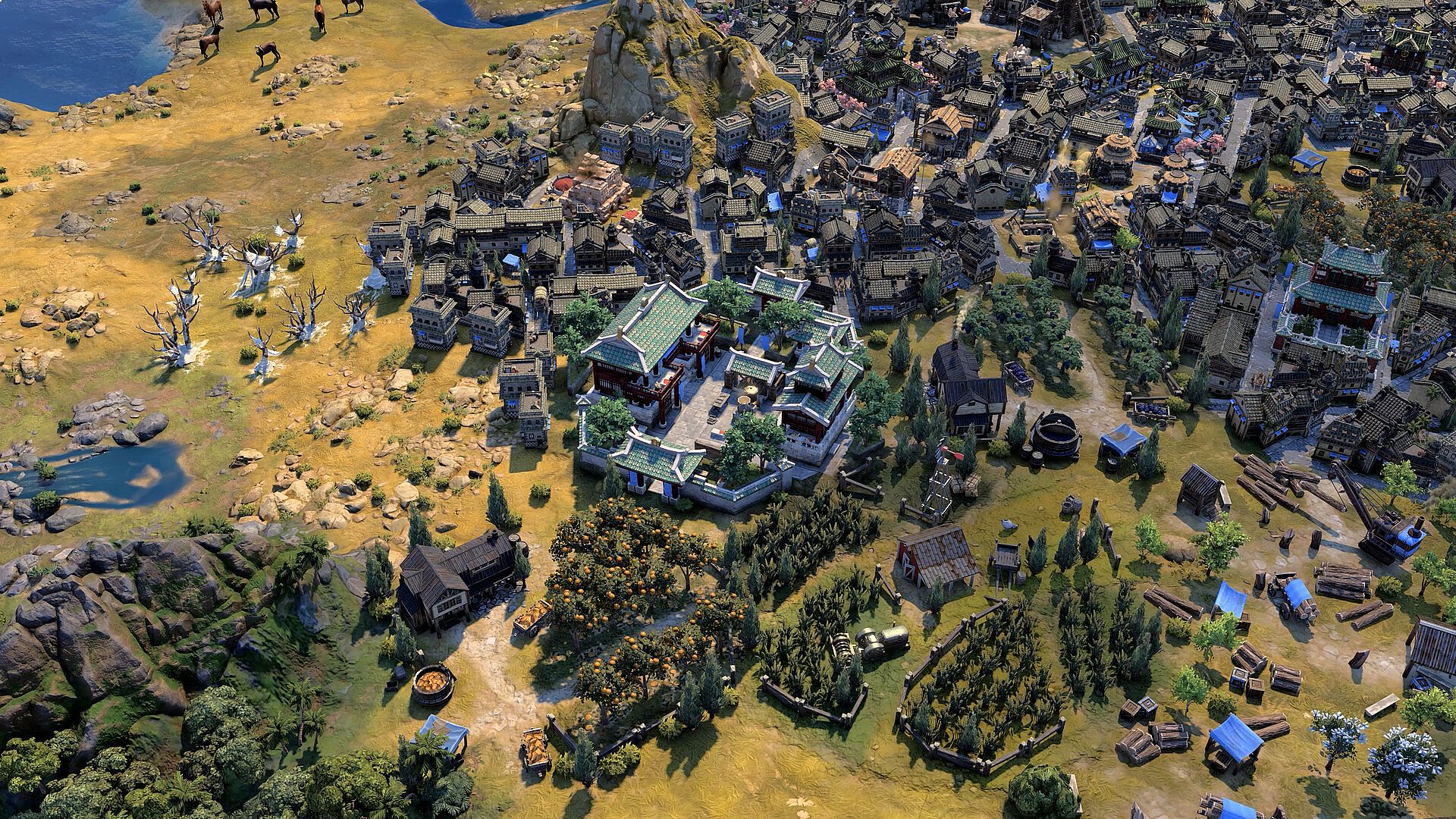
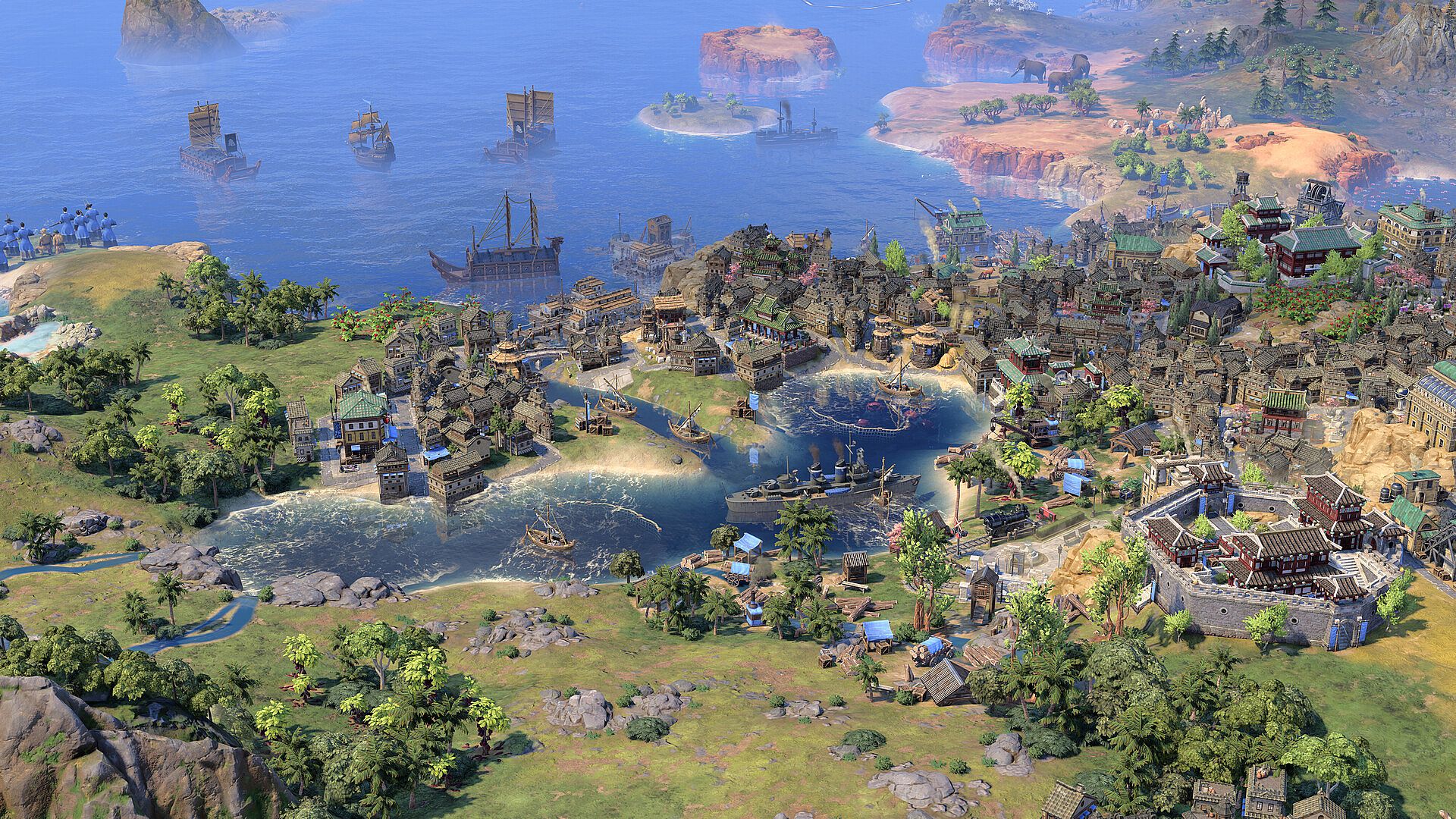
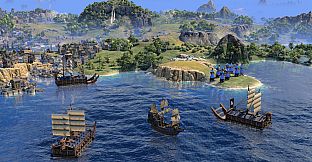
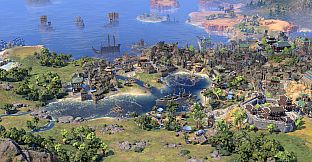
Sid Meier's Civilization VII: Joseon Pack adds a new civilization option to the core strategy and simulation experience on PC. Players lead the Joseon Dynasty through centuries of development, emphasizing stability, scholarly traditions, and selective adaptation of external ideas while maintaining strong defenses.
Gameplay
The Joseon civilization carries Cultural and Expansionist attributes. Its unique ability, Munchi, operates differently across the three ages. In the Antiquity Age, the capital gains an increased specialist limit while other cities see a decrease, and the civilization starts with a set city limit. Towns allow purchases of tier 1 science and culture buildings. The Exploration Age brings a slightly increased city limit at the start along with the same specialist adjustments. The Modern Age, serving as the apex, further boosts the capital's specialist limit and maintains the other restrictions with the adjusted city limit.
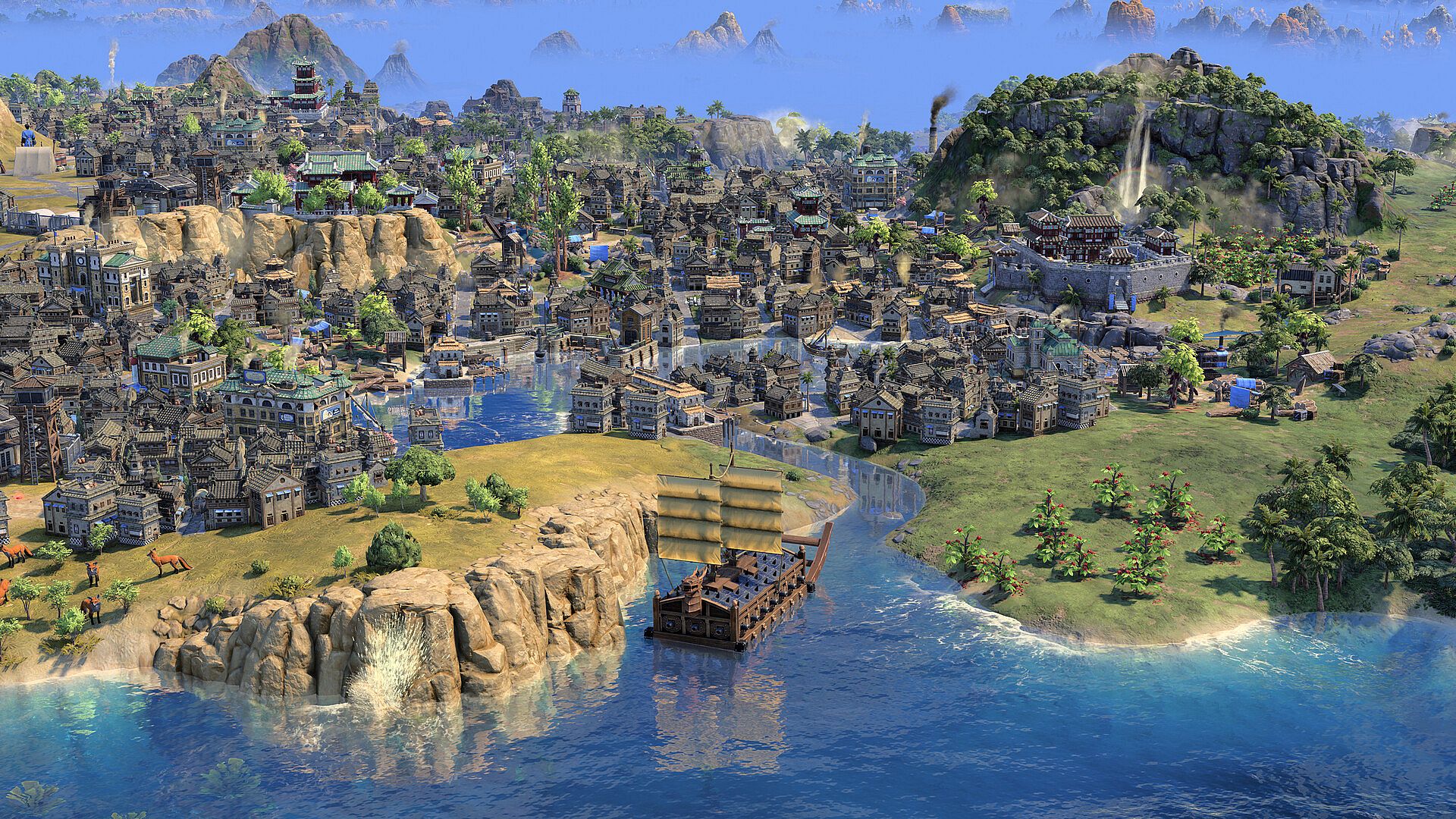
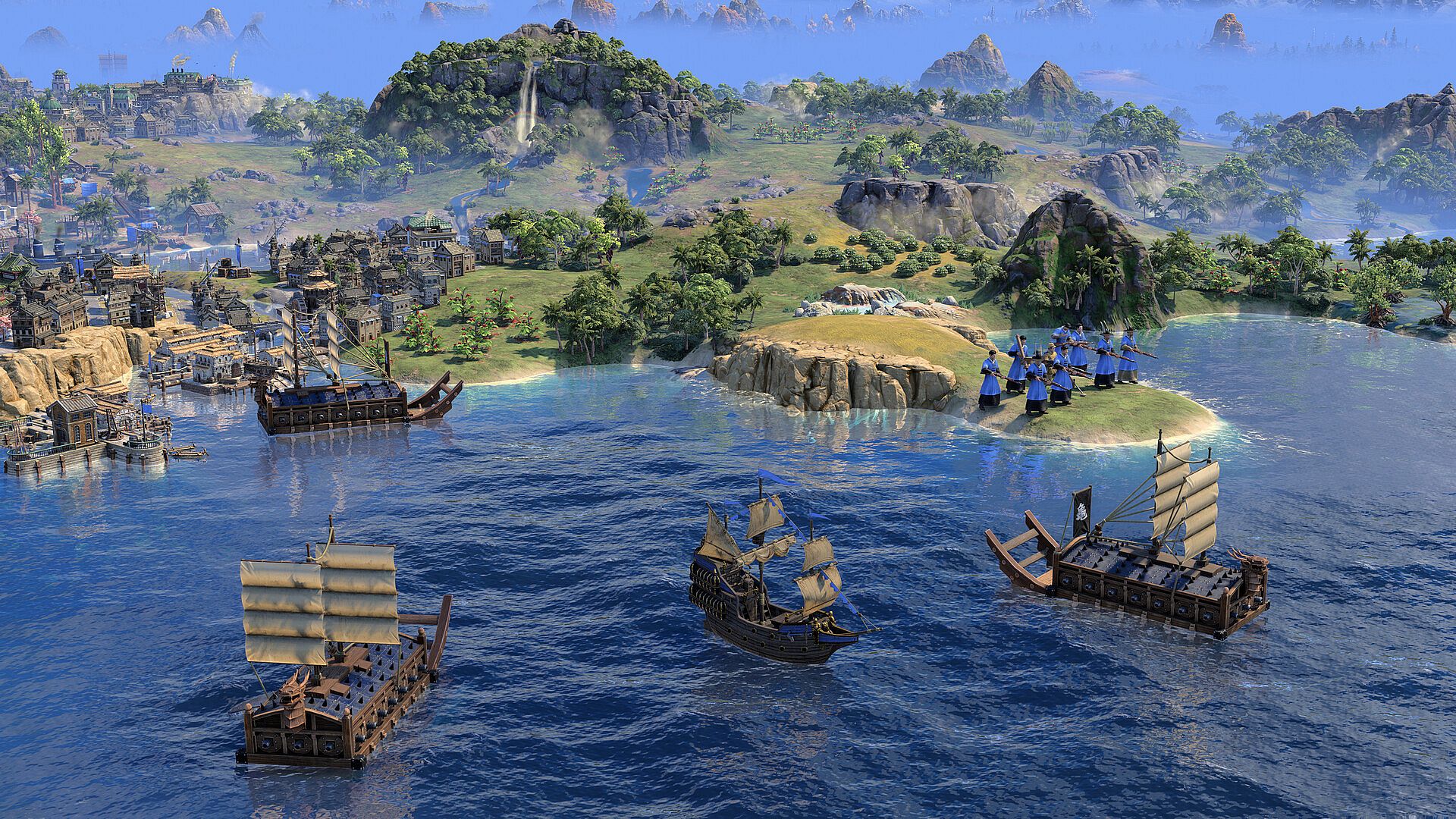
Two unique units support Joseon play. The Jangyongyoung serves as a civilian commander unit, while the Turtle Ship functions as a heavy naval military unit suited for defensive naval operations. The associated wonder, Hwaseong, provides additional benefits tied to the civilization's focus on structured development and defense.
Core mechanics revolve around managing specialists, city growth limits, and building purchases in towns to support long-term cultural and scientific progress. The pack integrates directly into the existing age progression system without altering base rules for other civilizations.
Game Modes
Players can pursue their goals in single-player sessions that span the full age sequence from Antiquity through Exploration to the Modern Age. Multiplayer support allows up to eight participants in online matches when the feature is enabled.
The Joseon options fit into standard empire-building sessions where decisions on city placement, specialist allocation, and naval defense shape outcomes across the ages. No separate standalone modes exist for the pack itself; it enhances the primary experience for those selecting this civilization.
The Joseon Dynasty in Context
Founded in 1392, the Joseon period emphasized Confucian principles, internal order, and resistance to repeated invasions from neighboring powers. The civilization's design reflects this history through mechanics that reward concentrated development in the capital and cautious expansion elsewhere. Selective access to science and culture buildings in towns encourages focused investment rather than rapid sprawl.
The Turtle Ship and Jangyongyoung units align with historical strengths in naval defense and military organization. Hwaseong adds a landmark element that complements the defensive and cultural priorities. This setup suits players interested in methodical progress over aggressive early conquest.
Is It Worth Playing?
The base game launched in February 2025 and maintains ongoing support through periodic content additions like this pack. Reception for the core title shows mixed player feedback alongside generally positive critical notes on its visual presentation and strategic depth.
The Joseon Pack appeals most to those who enjoy civilizations with clear specialization in cultural output and controlled expansion. Its age-specific adjustments to specialist limits and building access create distinct play patterns that reward planning around the capital's role. Those seeking variety in naval defense options or historical Korean representation will find targeted value here. The content requires ownership of the base game and integrates seamlessly for existing players.