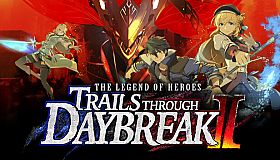



The Legend of Heroes: Trails through Daybreak II stands as a turn-based RPG set in the expansive Trails series, following the adventures of Van Arkride in the Republic of Calvard. This installment picks up after the events of the first game, delving into mysteries involving a demonic entity known as Grendel and a series of murders. With a focus on character-driven narratives and strategic battles, it appeals to those who appreciate detailed world-building in their role-playing experiences.
Gameplay
Combat forms the core of the experience, blending real-time action with turn-based strategy. In field encounters, players engage enemies directly, using attacks, dodges, quick arts for magic, and charged strikes to handle simpler threats. Larger battles shift to turn-based mode, where positioning and resource management come into play through skills, arts, crafts, and shard boosts. An advantage gauge influences the transition, rewarding effective real-time actions with bonuses in the structured fights.
Exploration encourages thorough investigation of Calvard's environments, with side activities like fishing adding layers to the atmosphere. Progression involves deep customization, allowing players to experiment with team compositions and abilities. Boss encounters always use the turn-based system, ensuring tactical depth without overwhelming chaos.
Game Modes
The primary mode revolves around the single-player story campaign, guiding players through chapters filled with quests and narrative branches. For additional challenges, Endless Dungeon offers a space to test teams against waves of foes without story constraints.
Another key mode is Märchen Garten, a virtual realm with fantasy levels that provide addictive side content. Here, players tackle procedural challenges, collect rewards, and refine strategies in a self-contained environment separate from the main plot.
Combat Mechanics and Factions
Factions such as the Spriggans, freelance operatives like protagonist Van Arkride, and the Bracers, including A-rank members like Elaine Auclair, shape interactions and alliances. Mechanics like the Grendel transformation introduce powerful demonic forms for specific scenarios, tying into the murder mystery theme.
Resource management remains crucial, with players balancing abilities to maintain momentum in battles. The hybrid system evolves from the previous entry, making fights more fluid while preserving strategic elements.
Is It Worth Playing?
With a Metascore of 76 based on 34 critic reviews and a user score of 6.1 from 70 ratings, reception highlights strong combat as a standout feature, often described as addictive and improved over the predecessor. Critics praise the seamless battle transitions and character development, though some note pacing issues in the story and occasional filler content.
If turn-based RPGs with hybrid mechanics and deep customization suit your style, this title delivers engaging gameplay in a connected series universe. Newcomers benefit from built-in recaps, making it accessible, while veterans find value in the expanded Calvard setting. However, those seeking groundbreaking narratives might find it reliable rather than revolutionary.