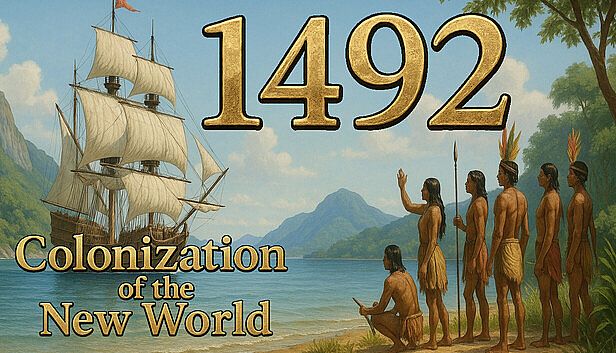




1492 - Colonization of the New World is a turn-based strategy simulation game that puts you in command of European explorers venturing into uncharted territories during the Age of Discovery. You take on the role of a colonial leader, building settlements, managing resources, and navigating diplomatic tensions to forge a new nation.
Gameplay
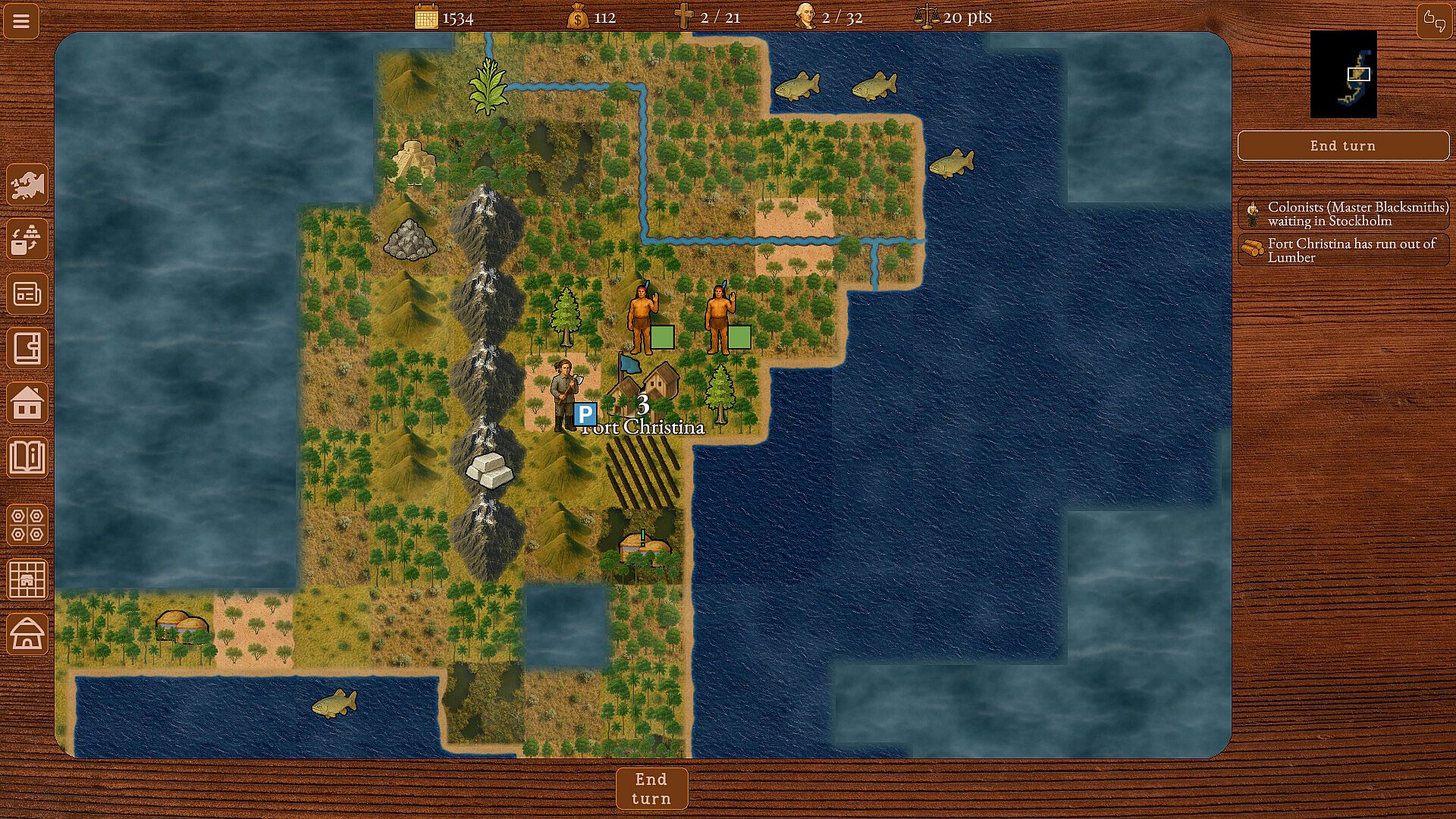
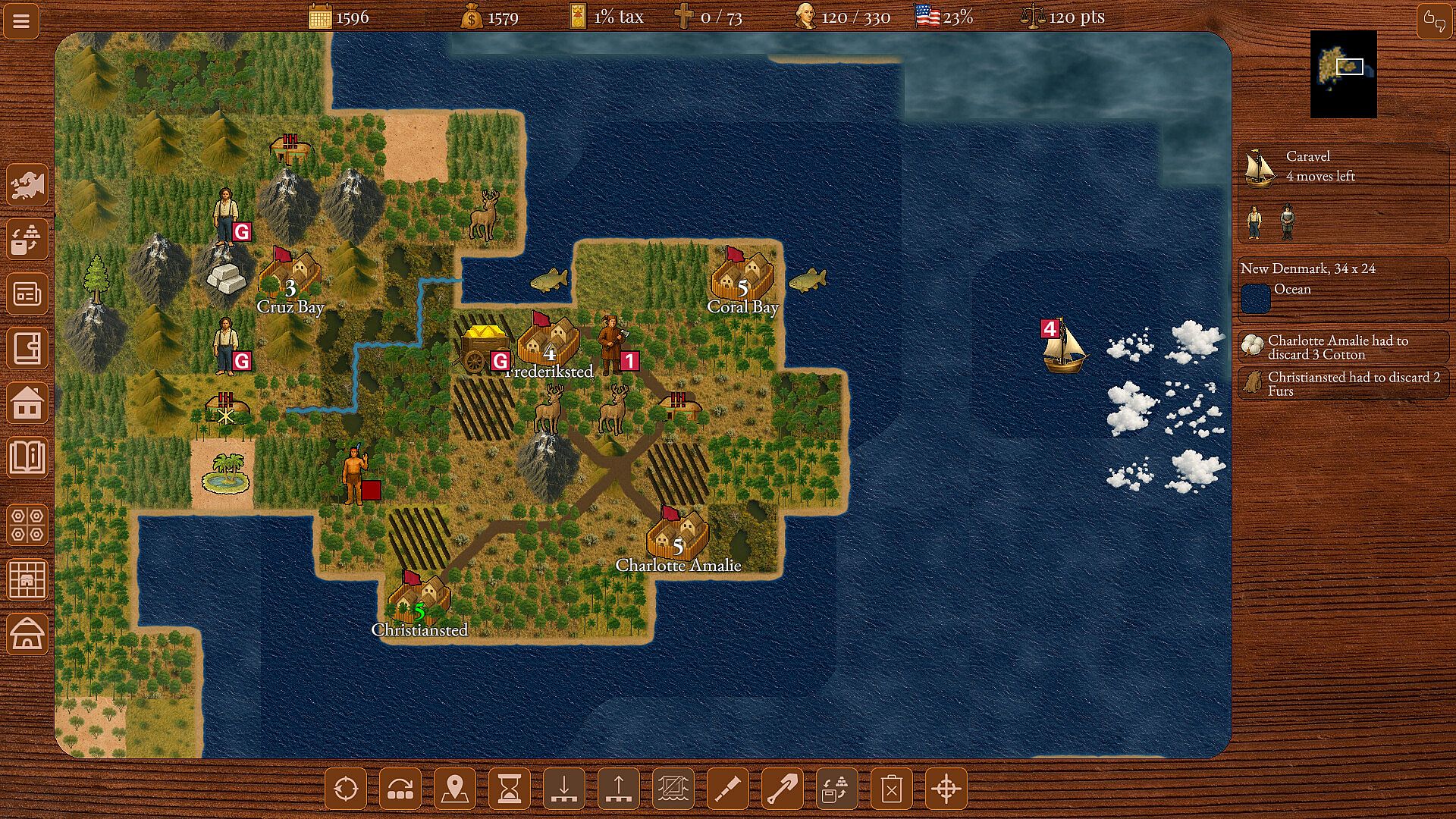
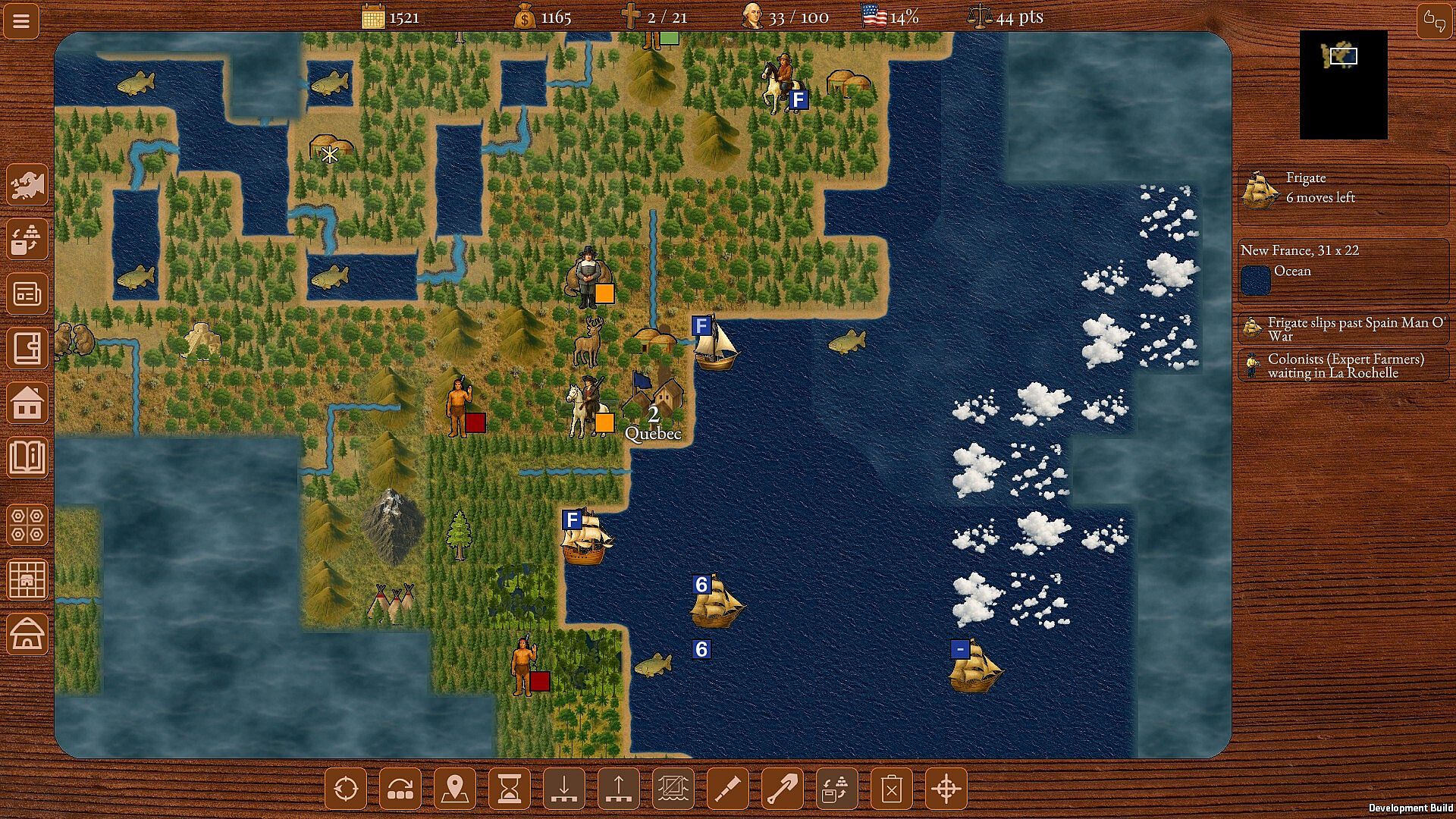
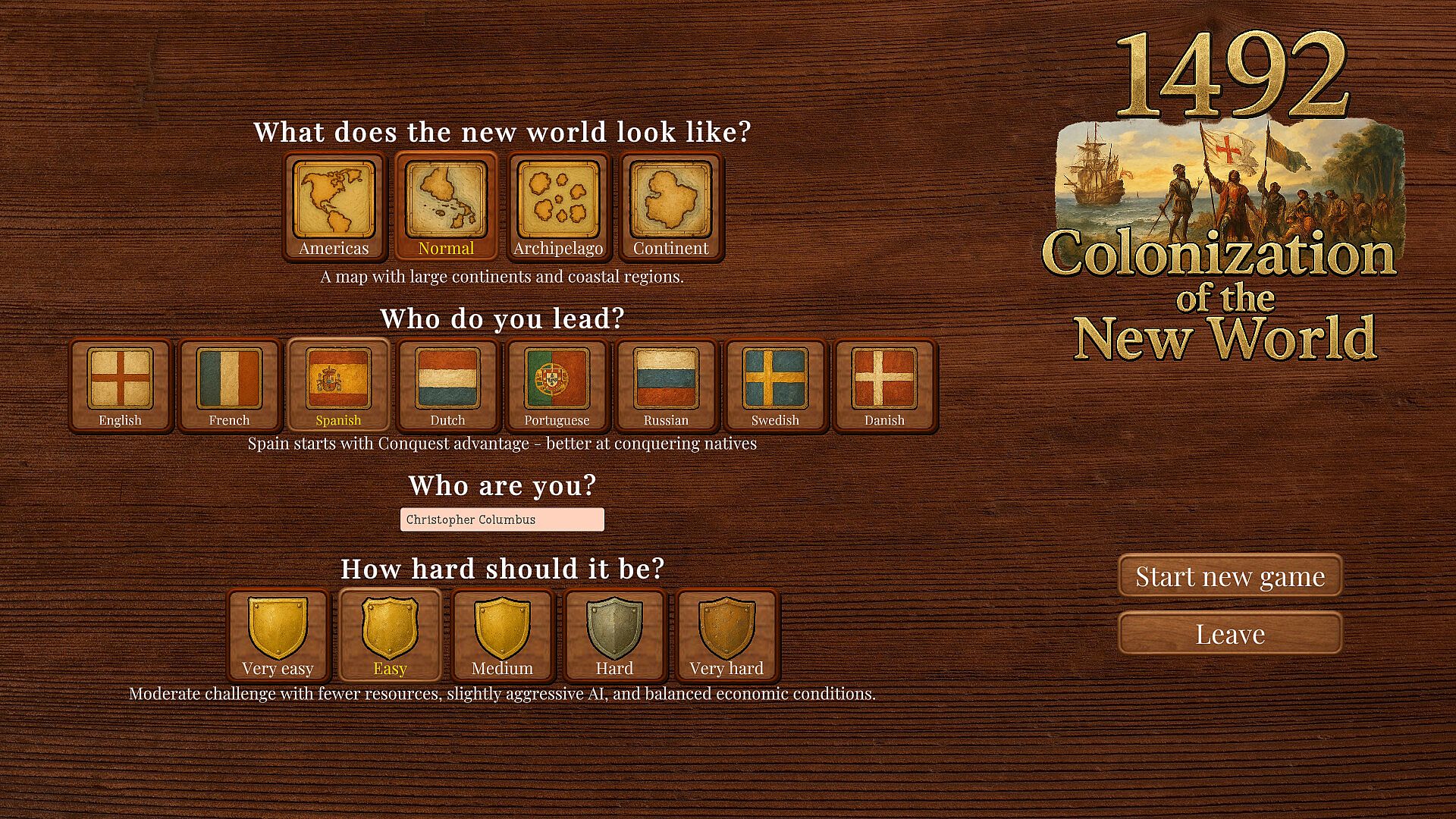
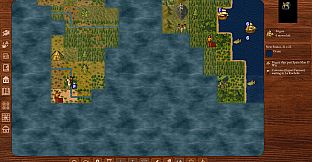
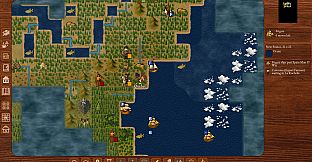
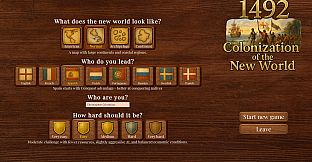
In this strategy title, every turn counts as you establish colonies on a vast, procedurally generated map representing the Americas. You start by selecting one of eight European nations, each bringing distinct advantages like bonuses to trade or military strength. Core mechanics revolve around resource management, where you assign colonists to harvest timber, ore, and crops, then process them into goods for trade.
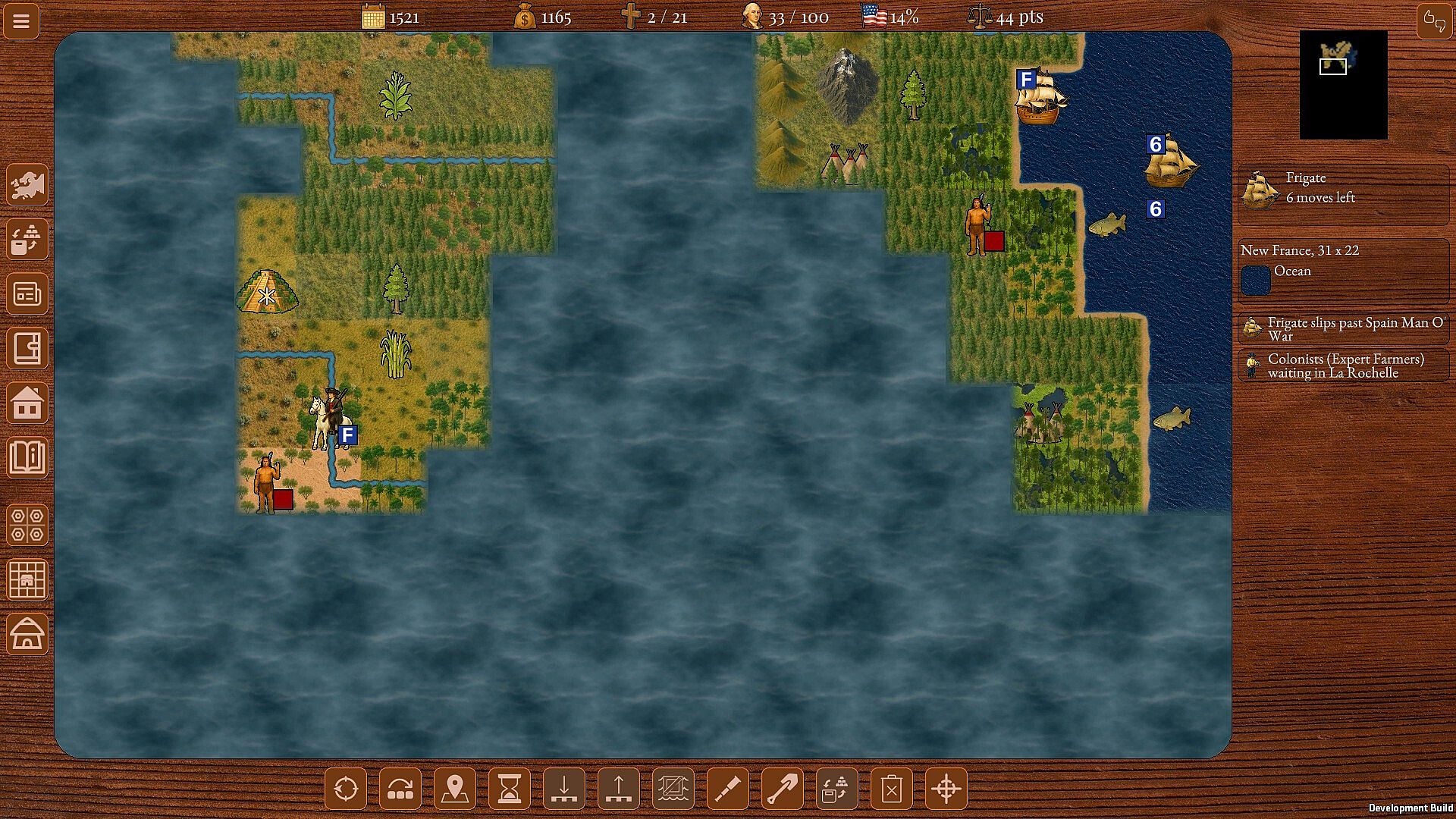
Diplomacy plays a key role, allowing alliances with native tribes for mutual benefits or leading to conflicts over territory. As your settlements grow, you recruit specialists such as farmers, craftsmen, and soldiers to optimize production and defense. The economic system emphasizes trade routes back to Europe, balancing imports of tools and exports of commodities to fund expansion.
Technological and cultural advancements unlock through research and events, paving the way for independence. Combat occurs in a tactical layer, with units like dragoons and artillery clashing in turn-based battles. Quality-of-life updates include refined interfaces for easier management of large empires.
Game Modes
The game centers on a single-player campaign mode, where you guide your chosen nation from initial voyages to declaring independence. This mode supports multiple victory paths, such as economic dominance or military conquest, with emergent scenarios arising from random events and rival actions.
While there are no dedicated multiplayer options, the campaign allows for varied playthroughs based on nation selection and strategic choices, encouraging replayability through different historical what-ifs.
Factions and Mechanics
Eight European factions, including powers like Spain, England, and France, each offer unique strengths that influence gameplay. For instance, some excel in exploration speed, while others boost religious conversions among natives.
Mechanics extend to detailed population dynamics, where colonists can rebel if mismanaged, and environmental factors like terrain affect settlement viability. Trade networks require careful planning to avoid shortages, and interactions with rivals can escalate to full-scale wars.
Is It Worth Playing?
If you enjoy deep strategy games with historical themes, this title delivers a faithful recreation of classic colonization mechanics, updated with modern visuals and tweaks for smoother play. It appeals to fans of turn-based empire-building who appreciate managing economies and diplomacy over fast-paced action.
Player feedback highlights strong gameplay fidelity to its inspirations, though some note limited innovations beyond the core formula. With ongoing refinements since release, it suits those seeking a thoughtful simulation of colonial history, making it a solid choice for strategy enthusiasts looking to test their leadership in a new world setting.