




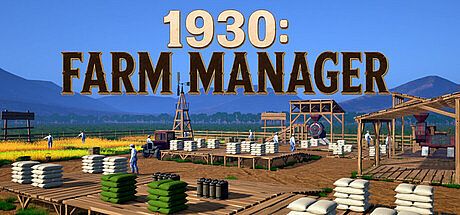



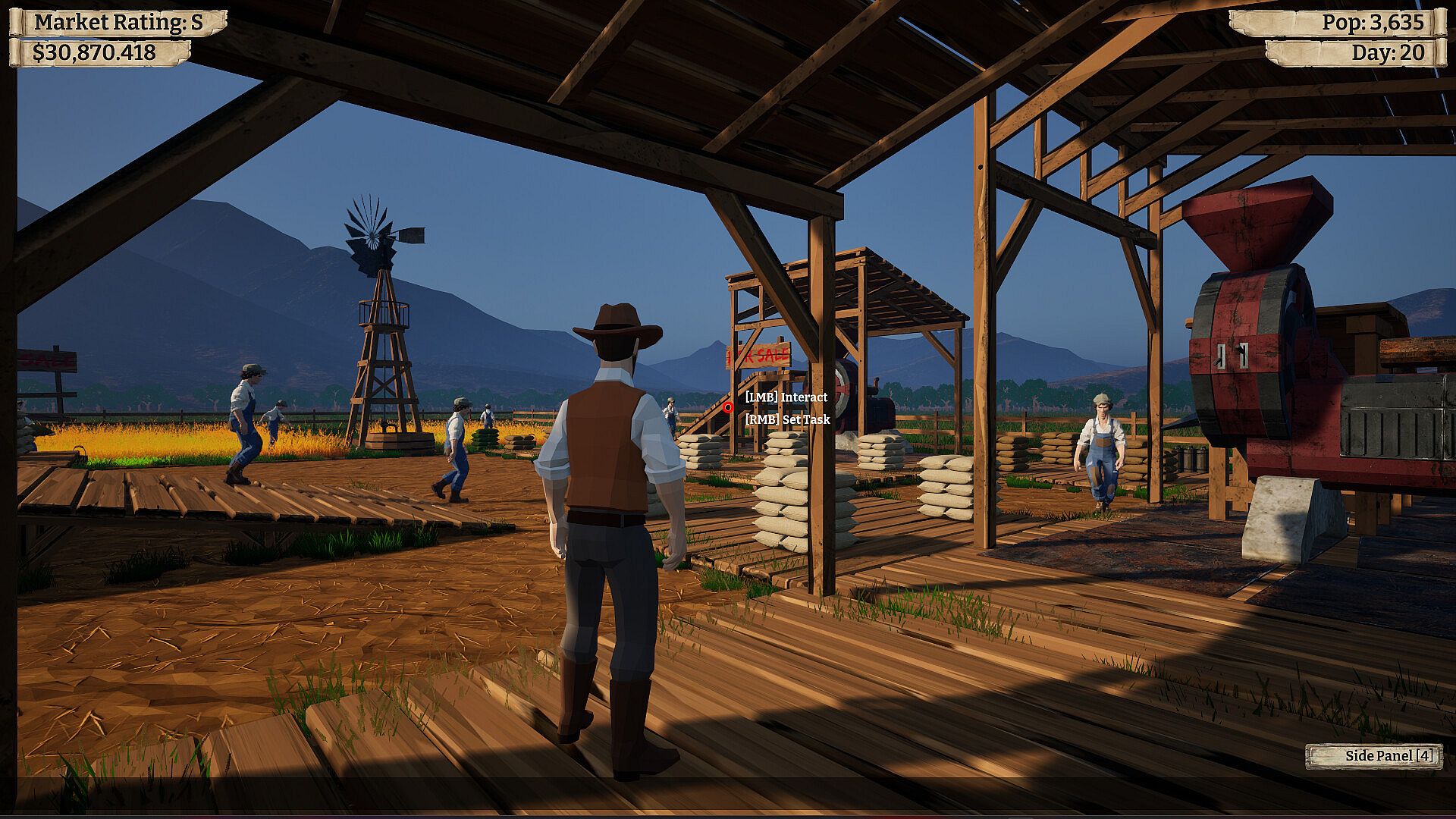
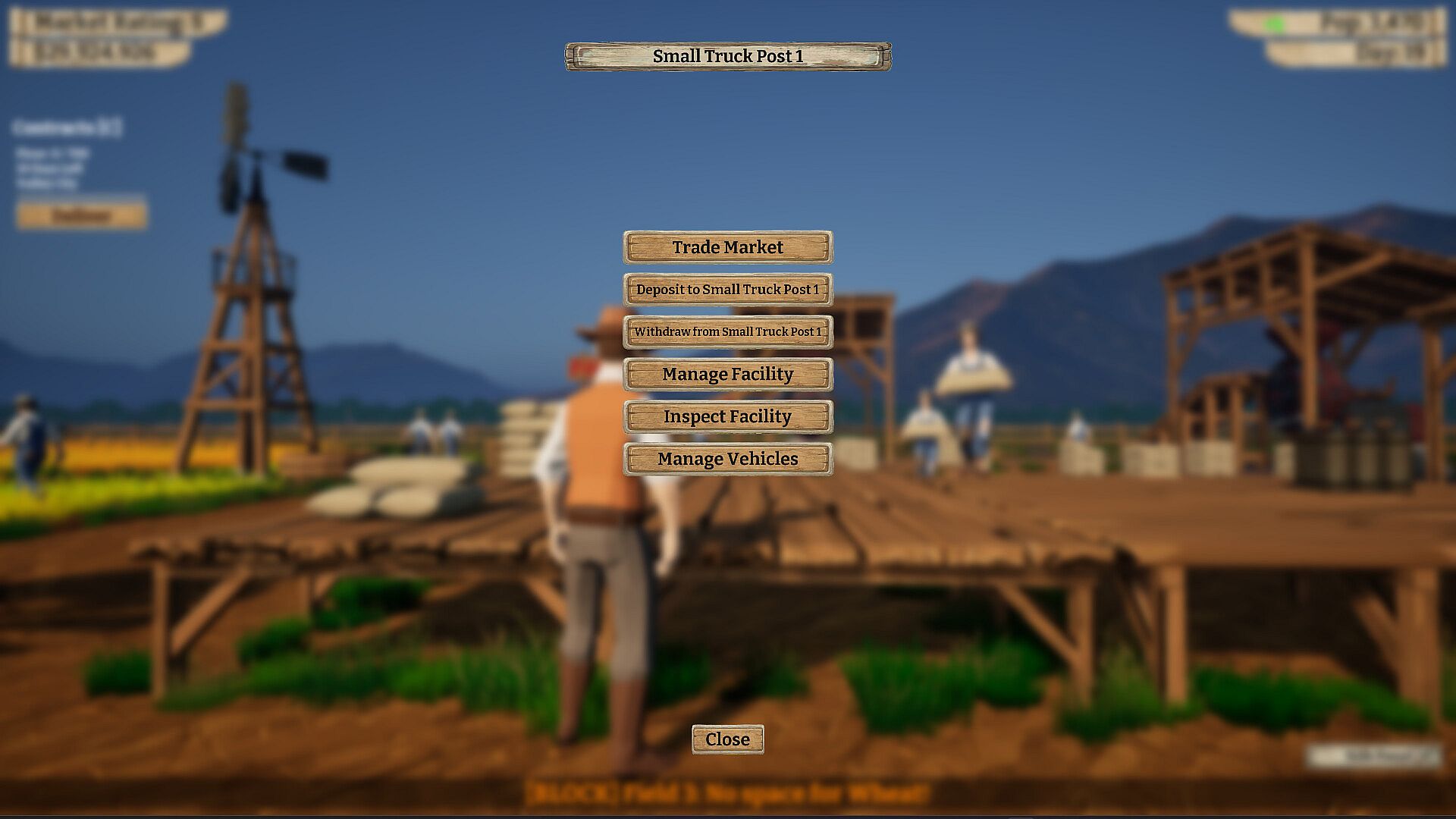
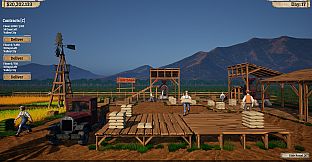
1930: Farm Manager is a strategy and simulation game set in 1930s America where players build a wheat and flour enterprise from an empty plot of land. The experience centers on resource management, worker coordination, and production chains in a single-player environment that emphasizes physical logistics over abstract numbers.
Gameplay
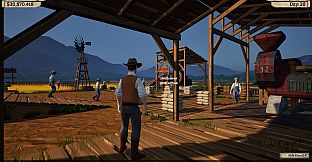
The core loop begins with bare land and requires players to establish fields, secure water through wells, construct storage facilities, and set up a Trade Post. From there, expansion moves into flour production via a mill and supporting transport infrastructure. Each building addition addresses one operational need while generating demands for labor, supplies, and space that must be balanced carefully.
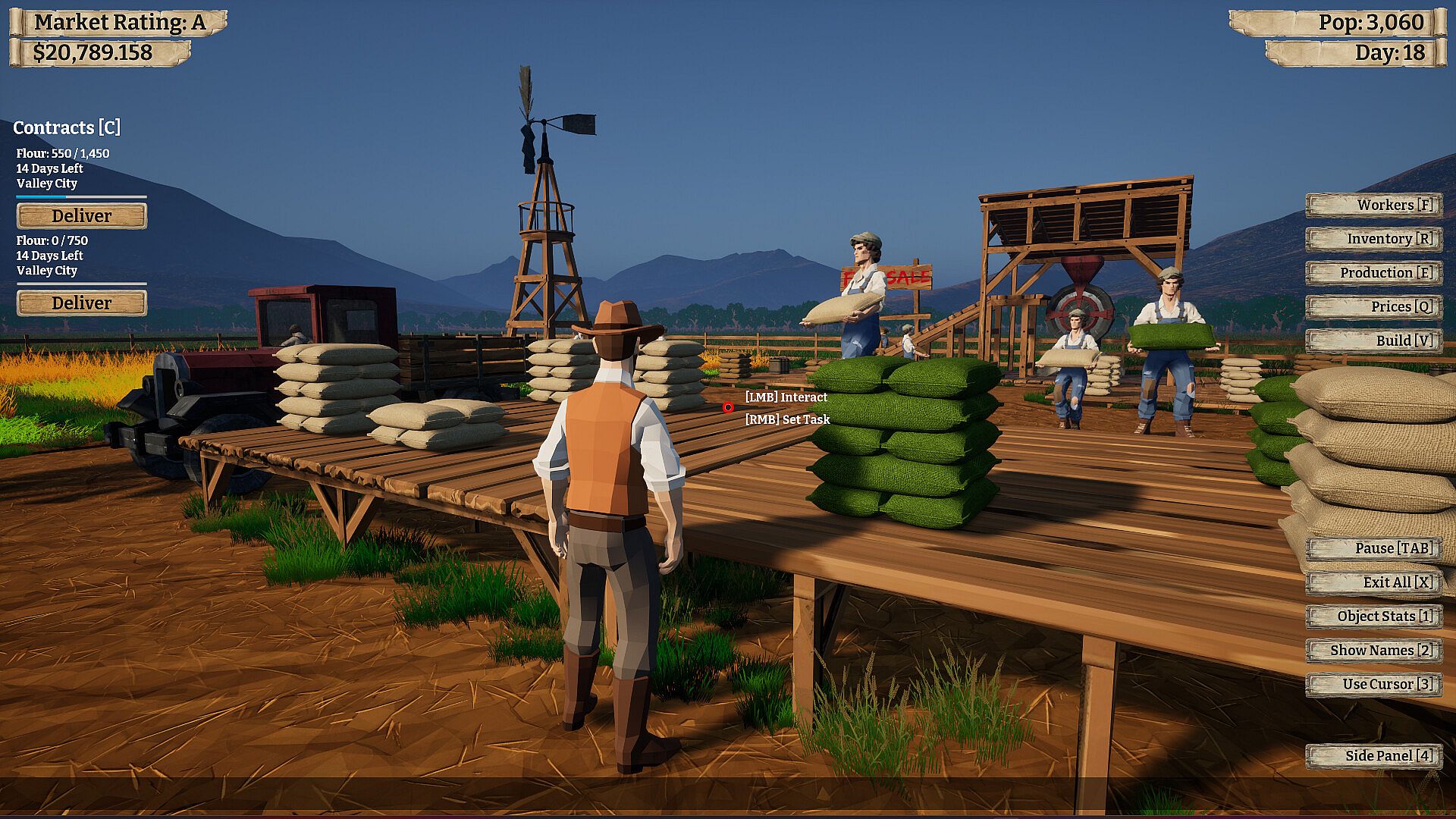
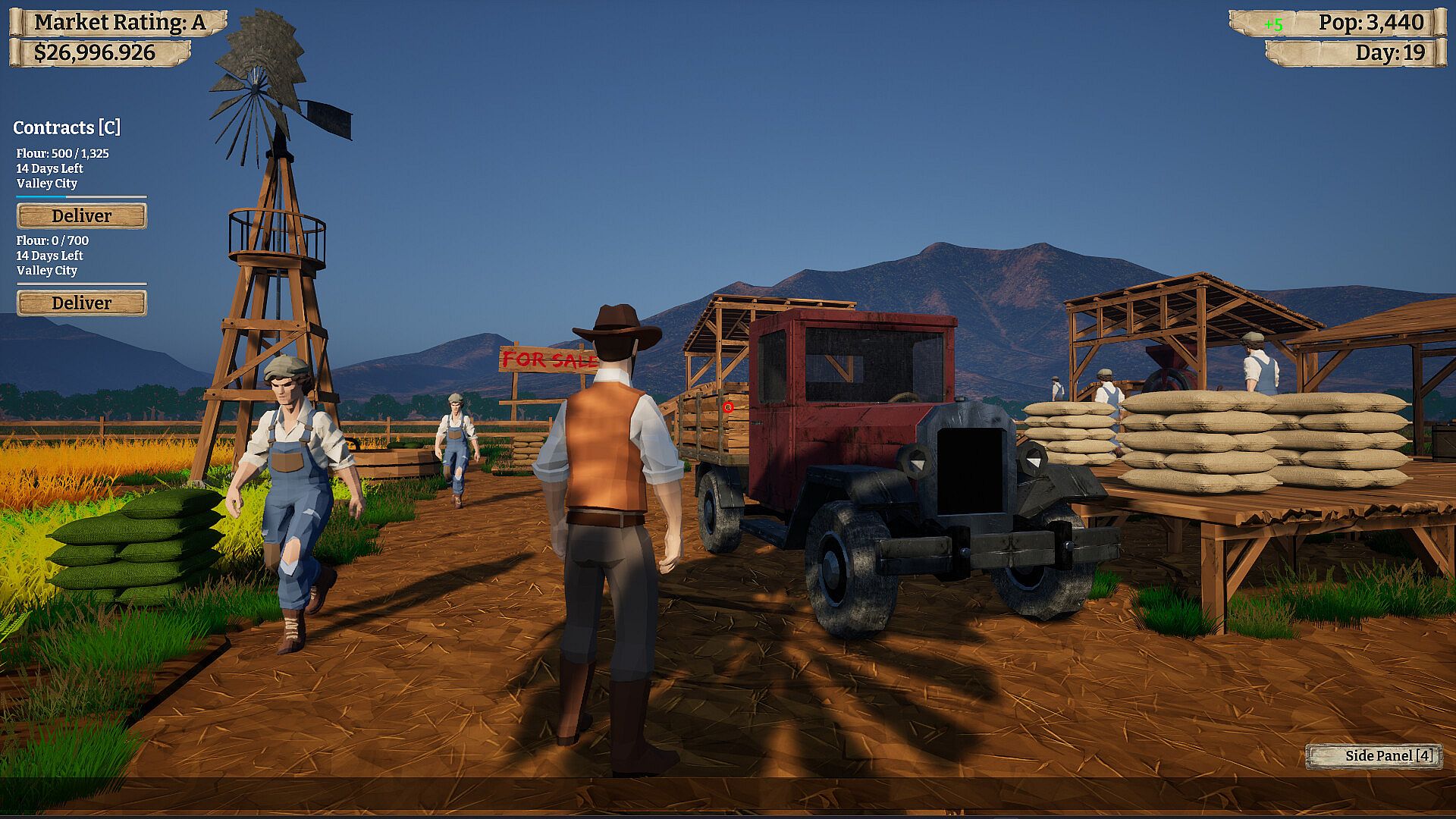
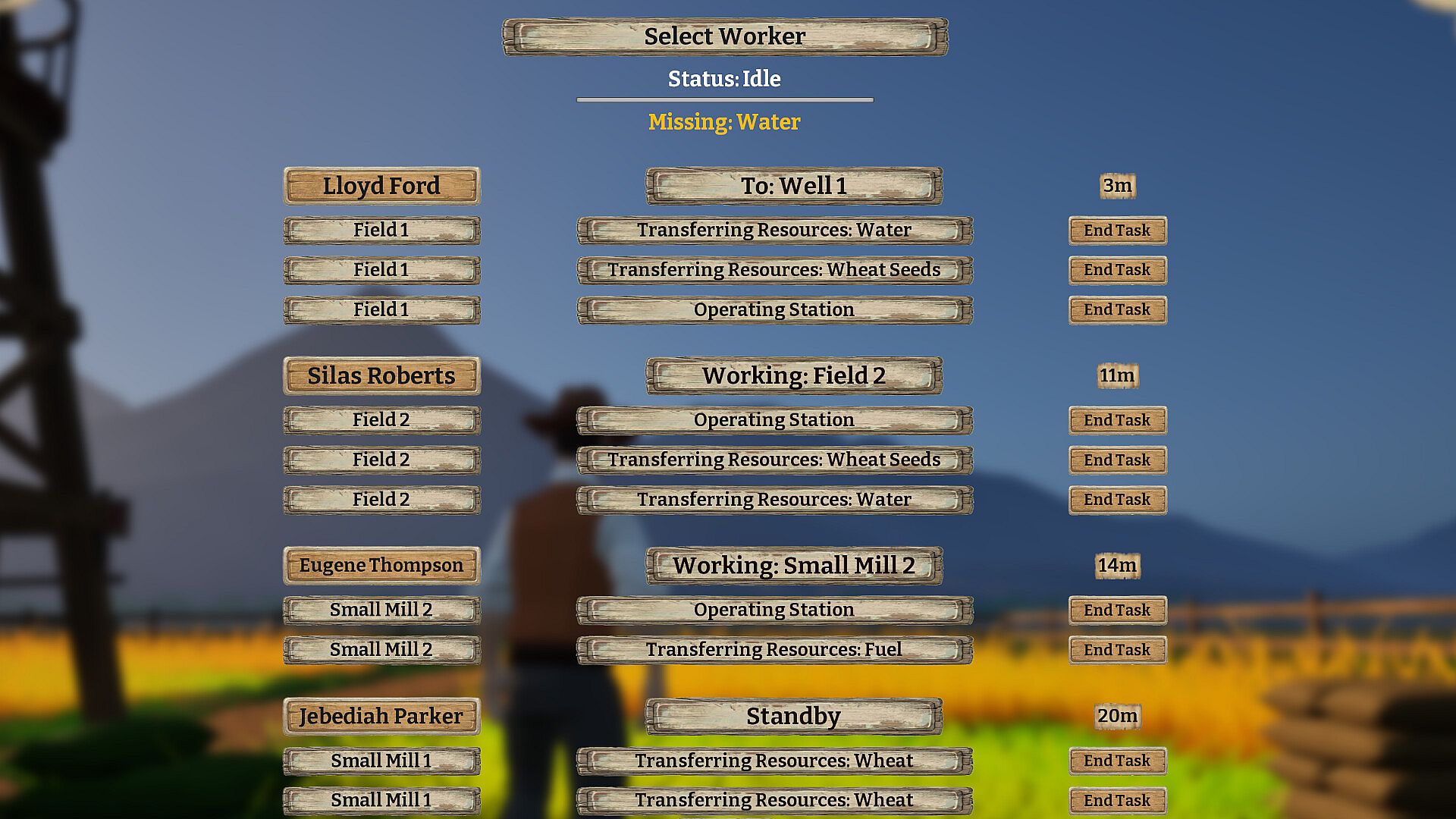
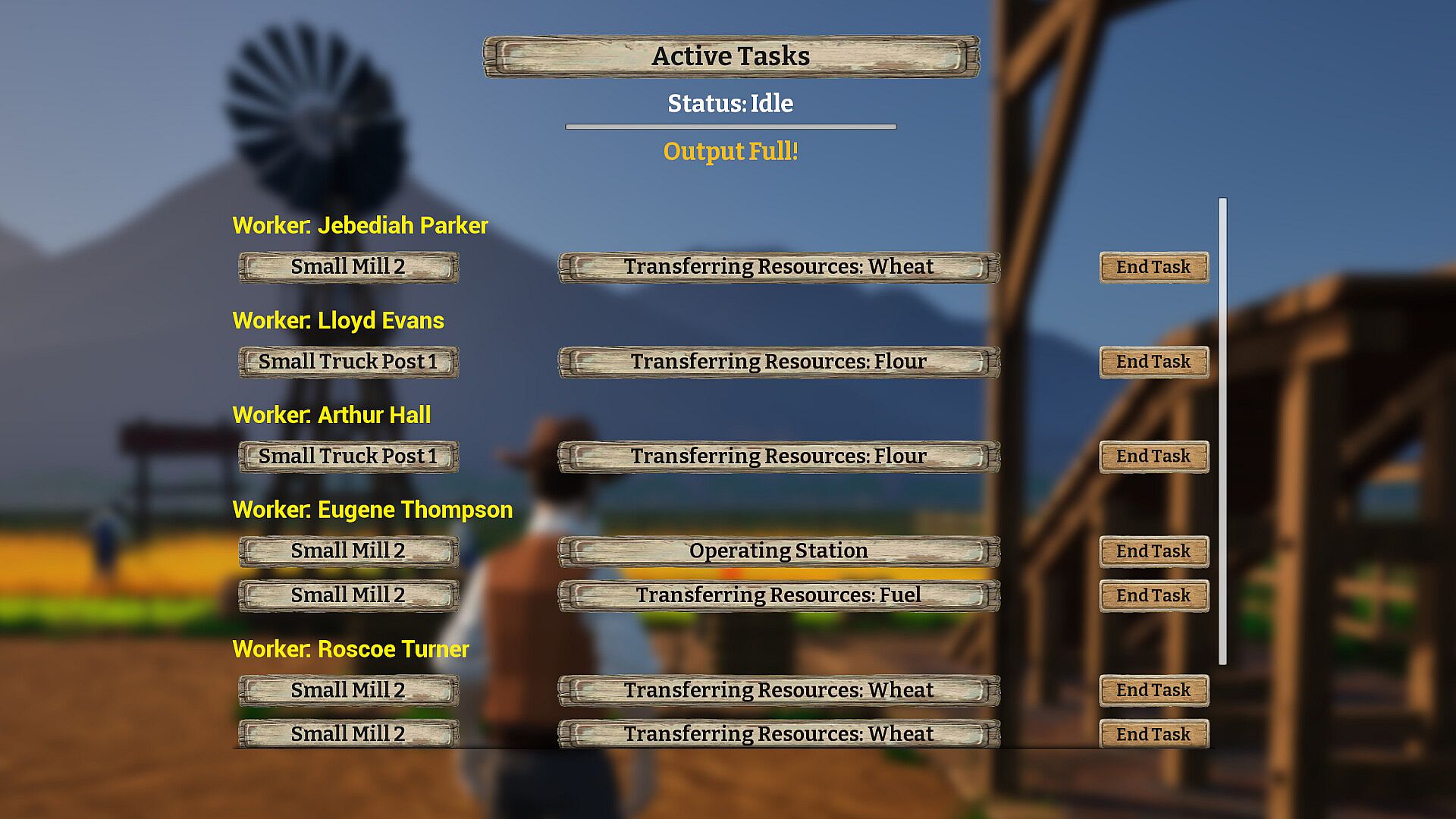
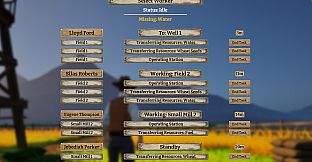
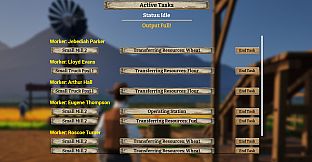
Workers form the heart of operations. Players hire staff through a management menu, encounter them in the game world, and assign multiple tasks with priorities and routines. Payment occurs daily, and unpaid wages can lead to workers leaving if finances falter. Dismissals remain possible when plans shift. Keeping seed, fuel, fertilizer, and water stocked prevents bottlenecks across fields, storage, and the mill.
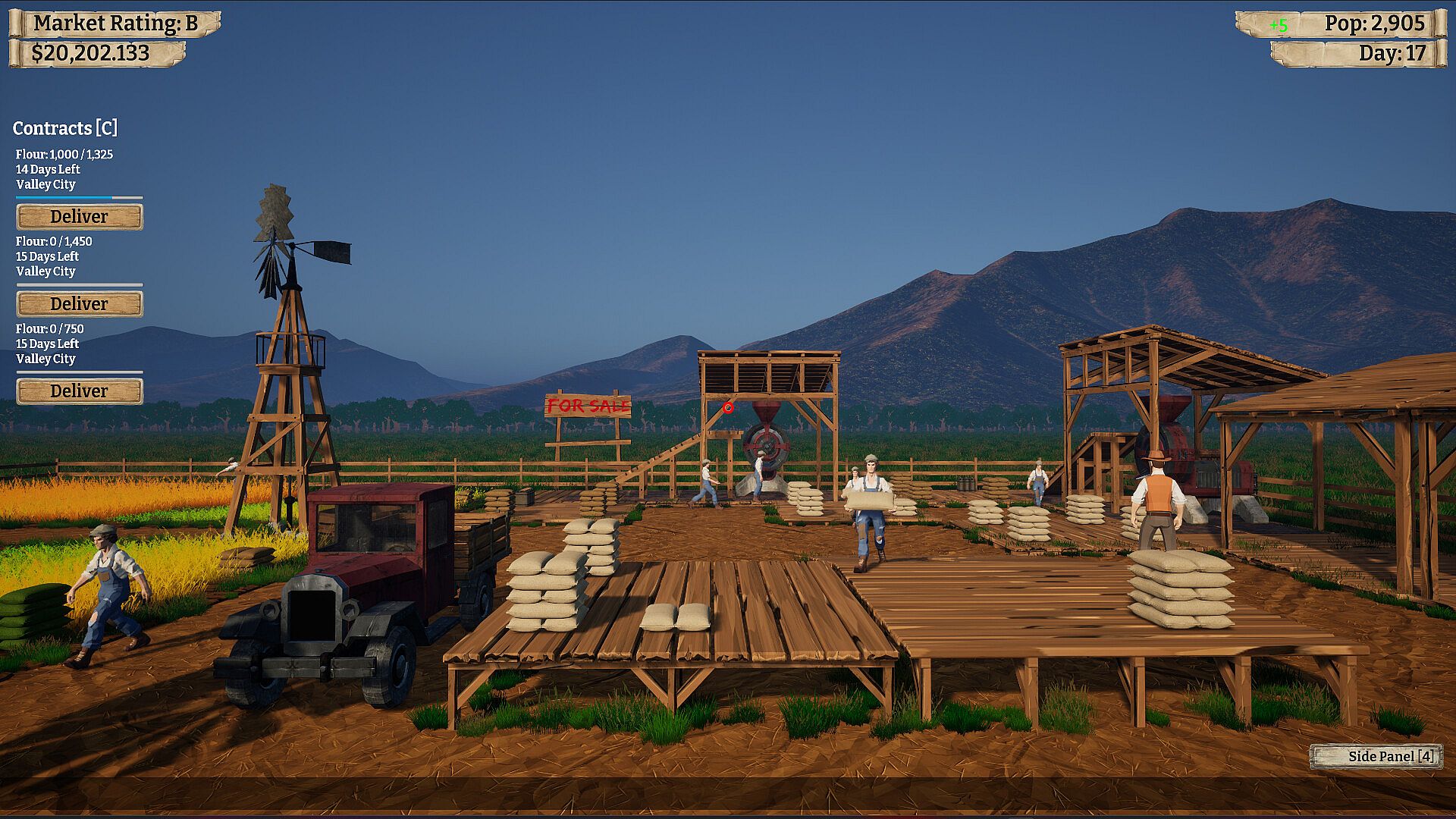
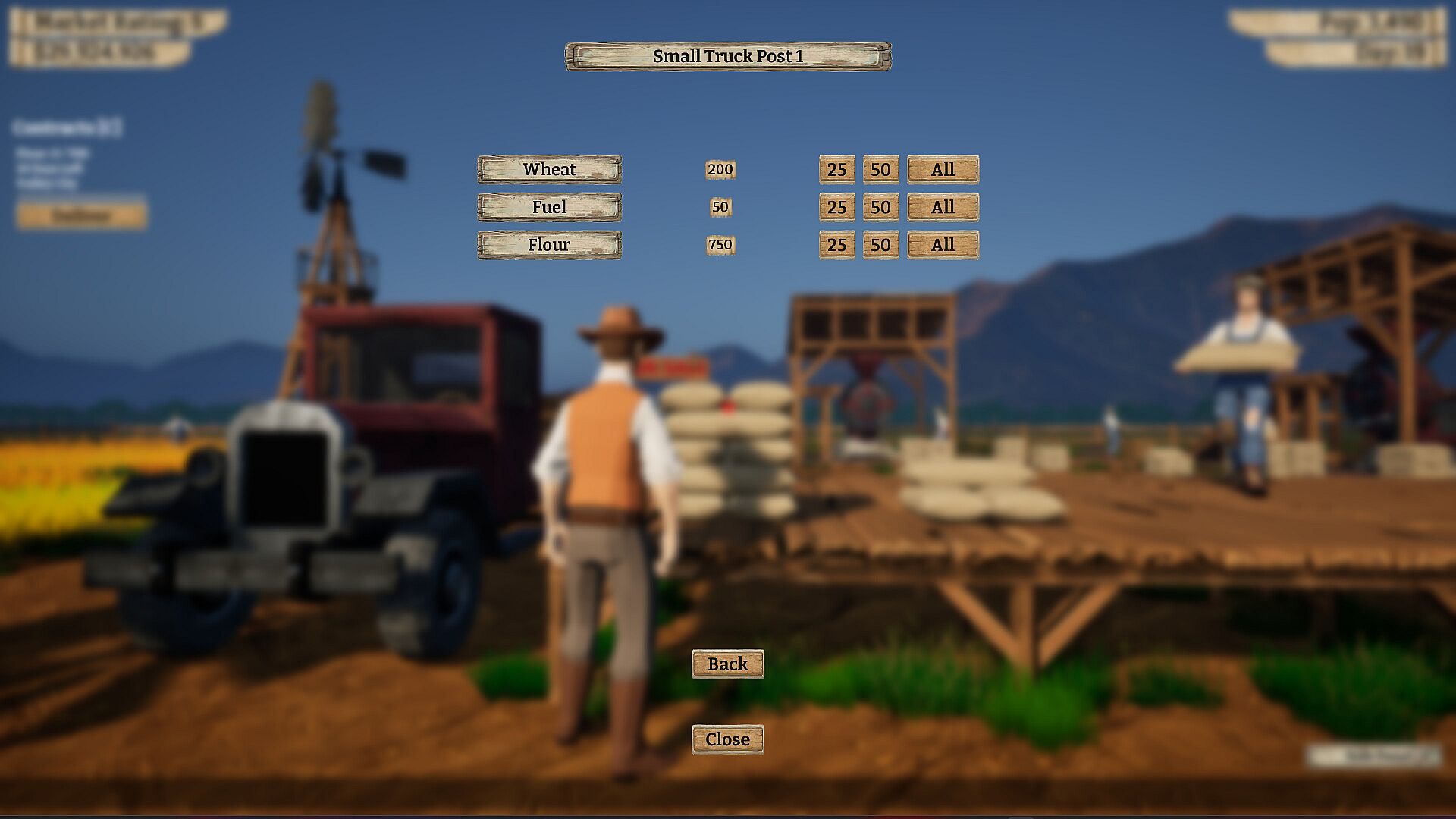
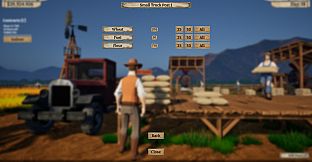
Goods exist as physical objects in the world. Sacks and containers occupy real space, and workers or vehicles transport them between locations. Limited building capacity means production halts without timely deliveries. As the operation scales, trucks improve efficiency, and additional properties can be acquired to expand the network, with Truck Posts linking sites for shared resources.
Advanced systems unlock with growth, including irrigation networks and greater automation in milling. The player role evolves from hands-on survival of a small setup to overseeing multiple locations, vehicles, and supply flows.
Game Modes
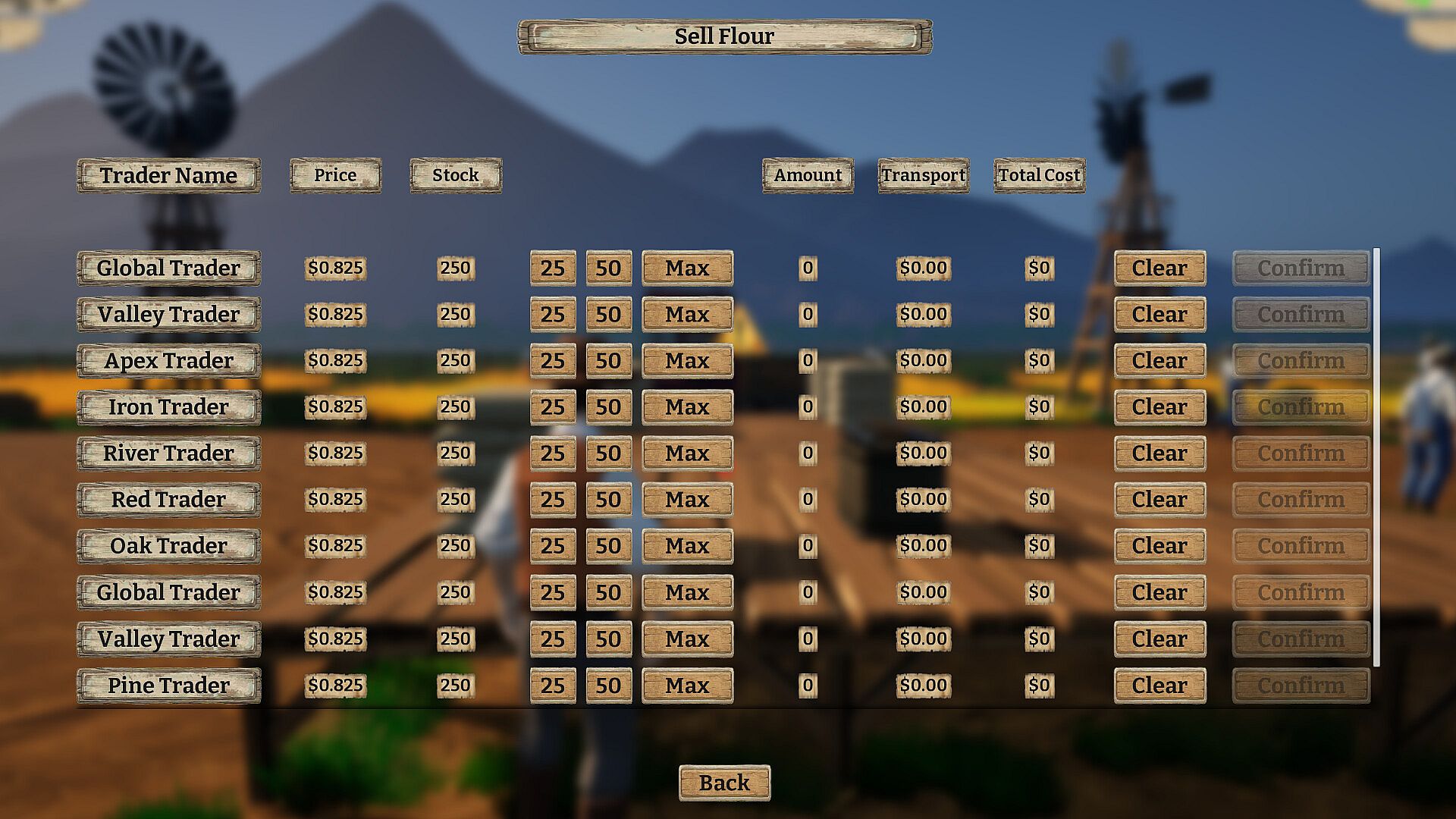
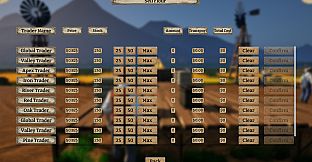
No separate named game modes appear in the available details. The experience unfolds as a continuous management simulation where players direct a single farm operation that can expand across nearby properties. Sales decisions integrate directly into the main loop, letting players choose between city contracts with fixed targets or open-market trading that reacts to supply and demand.
Market dynamics add strategic depth. Large sales volumes influence prices and future demand, requiring timing and volume considerations. Contracts offer predictable goals, while market sales introduce variability that rewards careful planning of production cycles and storage use.
Building and Expansion Systems
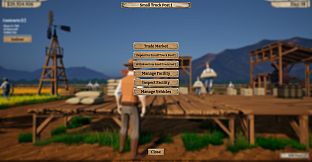
Progression relies on solving interconnected problems. Initial setups focus on basic fields and water access, followed by storage and trading posts. Flour production introduces mills and transport needs that tie back to worker availability and supply chains. Purchasing bankrupt neighboring properties allows gradual integration into a larger network supported by dedicated Truck Posts.
Irrigation and automation features become available as scale increases, shifting emphasis toward coordination across sites rather than individual tasks. Every expansion step creates new requirements for organization, preventing unchecked growth without corresponding infrastructure.
Resource and Worker Management
Physical placement of resources drives decision-making. Storage limits and transport capacity must match production volume to avoid slowdowns. Workers handle multiple roles but require payment and clear priorities to maintain efficiency across harvesting, milling, and distribution.
Financial management ties directly to daily operations. Running out of funds leads to accumulating unpaid wages and potential staff departures. This system encourages balanced scaling where revenue from flour sales supports ongoing labor and expansion costs.
Is It Worth Playing?
1930: Farm Manager suits players who enjoy detailed strategy simulations focused on logistics, workforce oversight, and production chains. The emphasis on physical resource movement and worker routines creates a hands-on management feel distinct from more abstracted farming titles. Those drawn to building systems from the ground up in a historical setting will find the core loop rewarding through its interconnected challenges.
The game targets single-player audiences interested in long-term planning and optimization rather than action or competition. Its indie simulation approach rewards careful organization without relying on external multipliers or randomized events beyond the described market mechanics. Availability on PC makes it accessible for those seeking a focused management experience centered on 1930s agricultural enterprise building.












