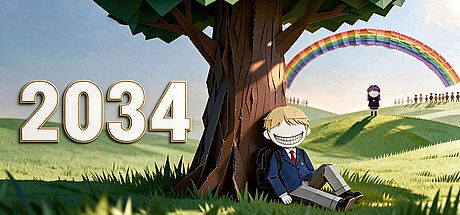


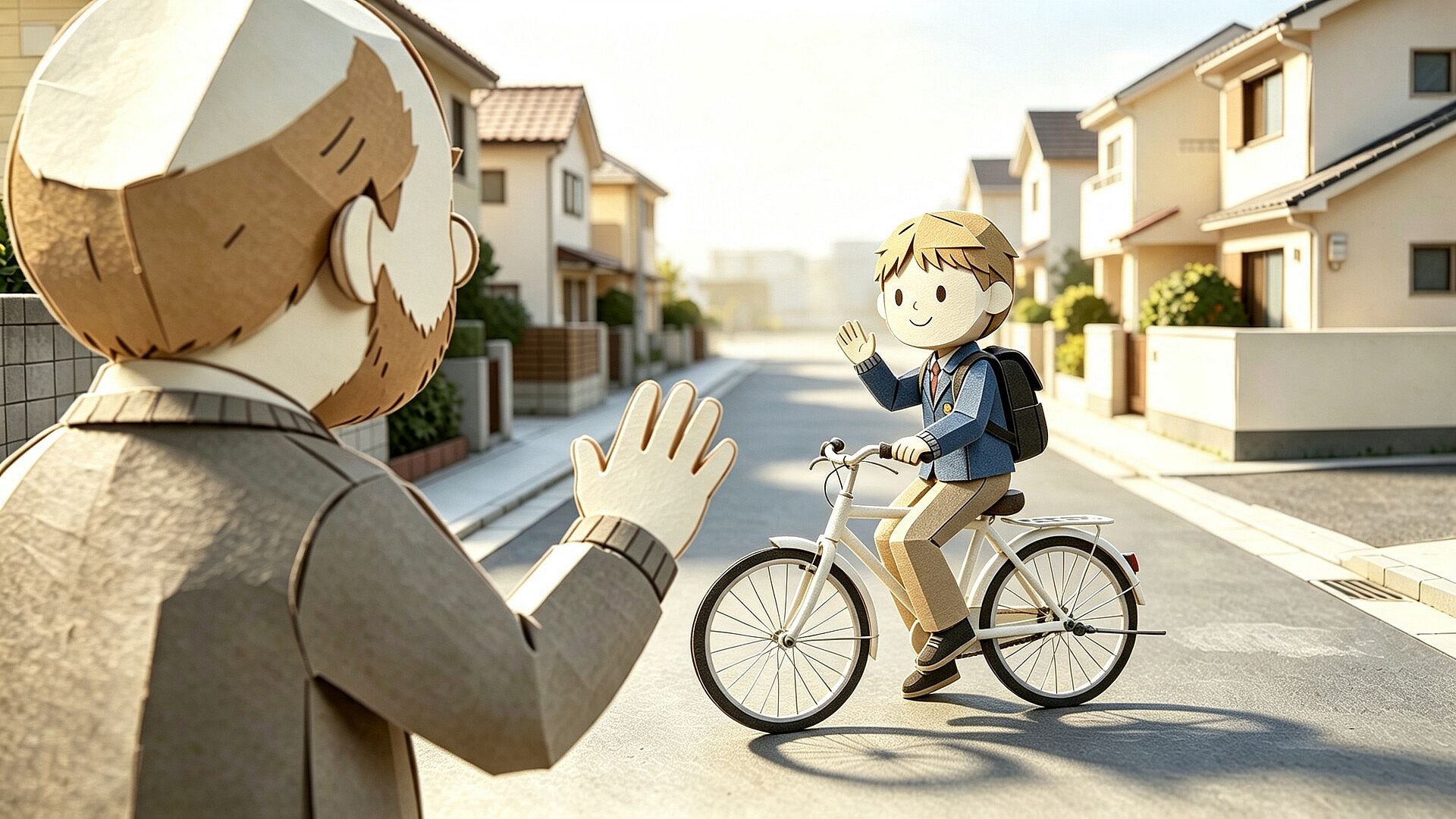
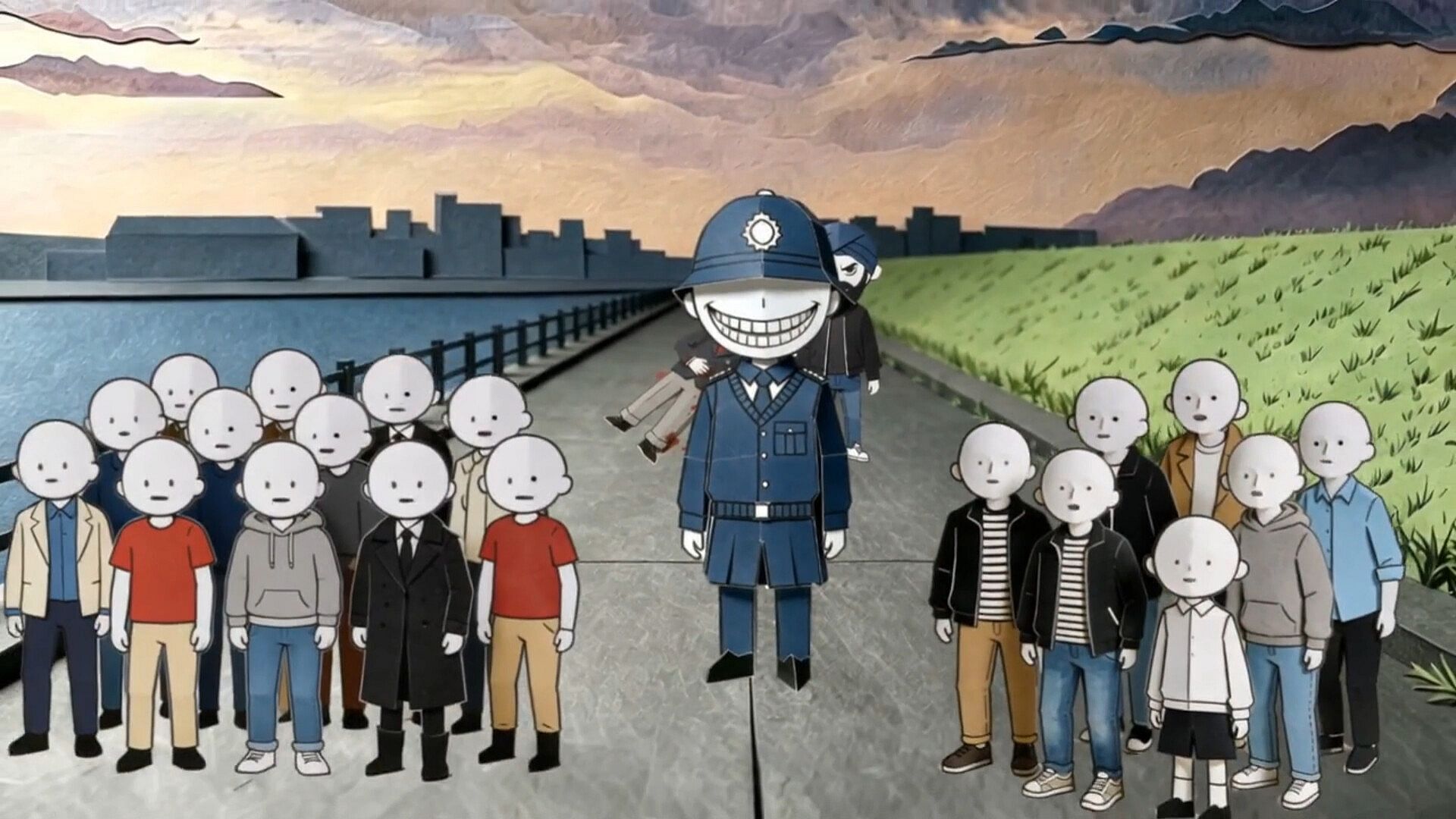
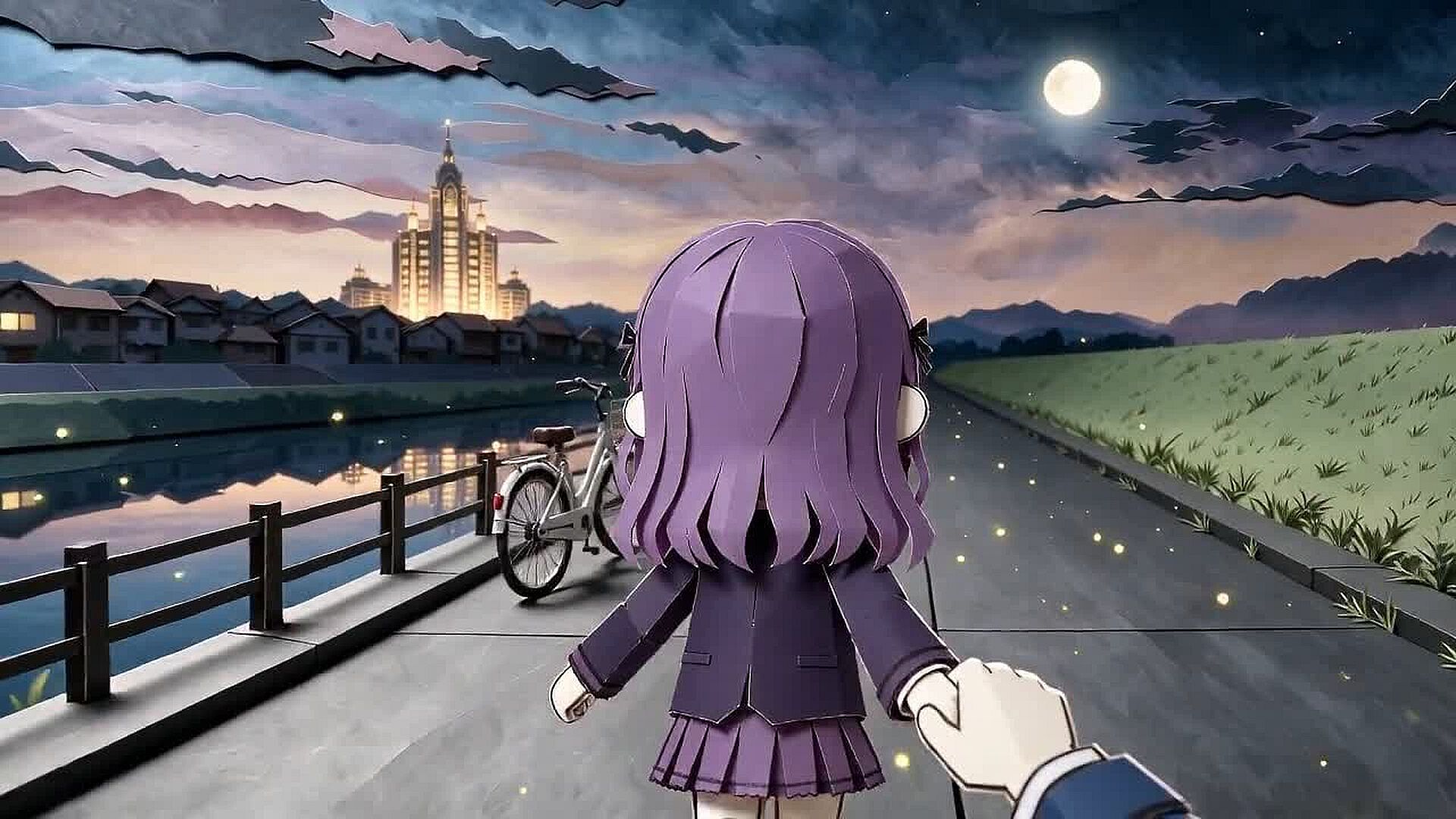
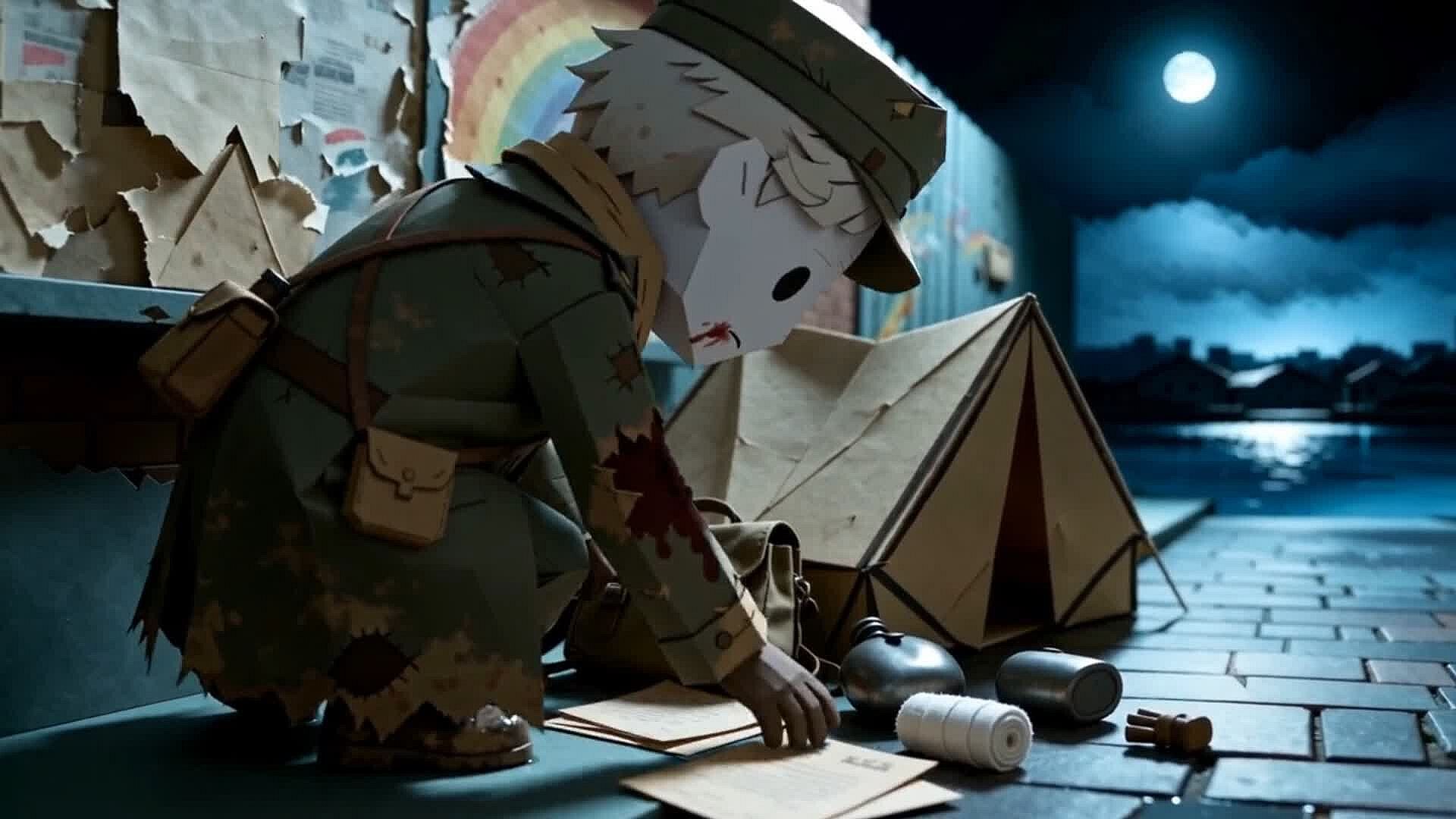
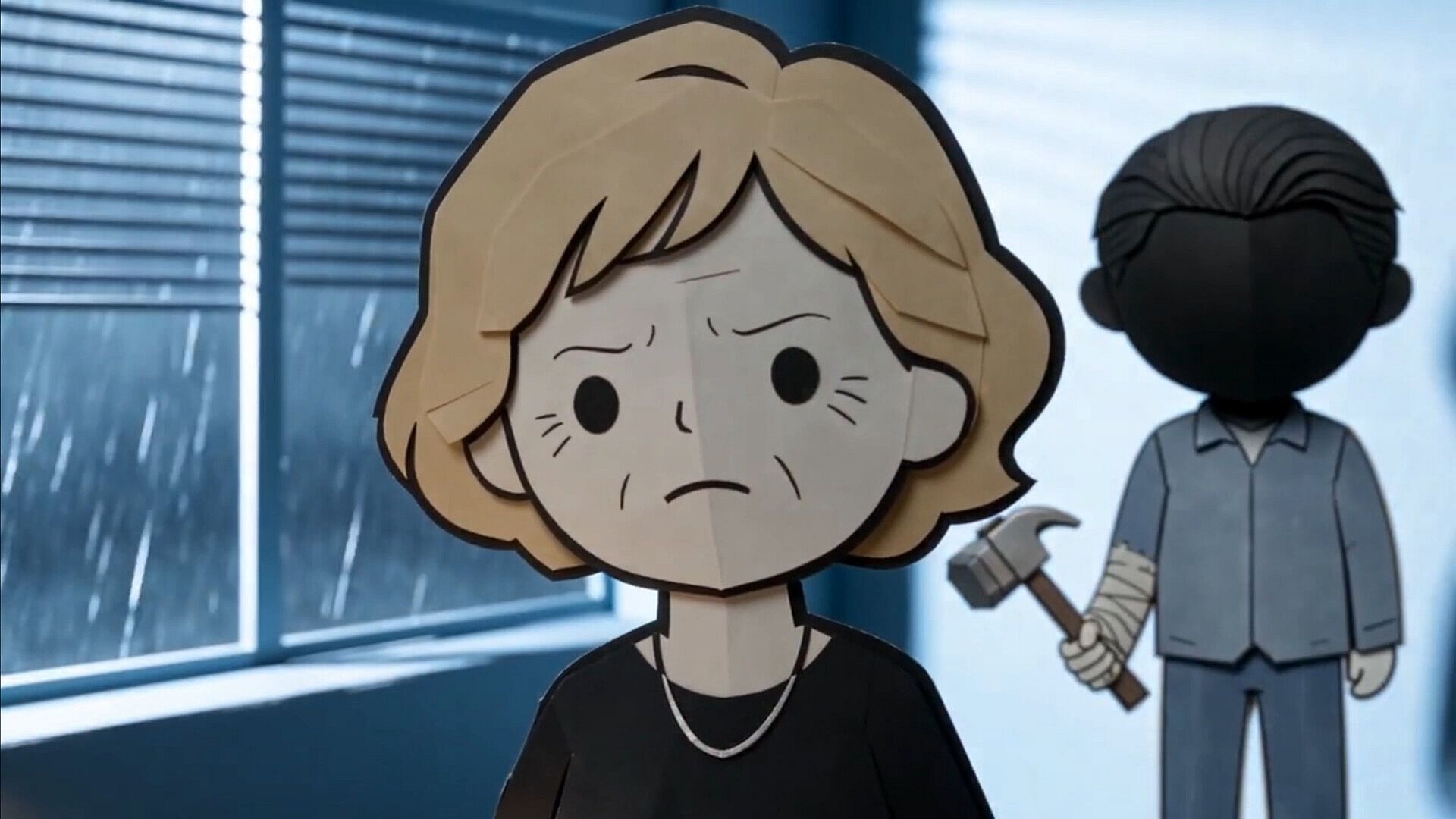
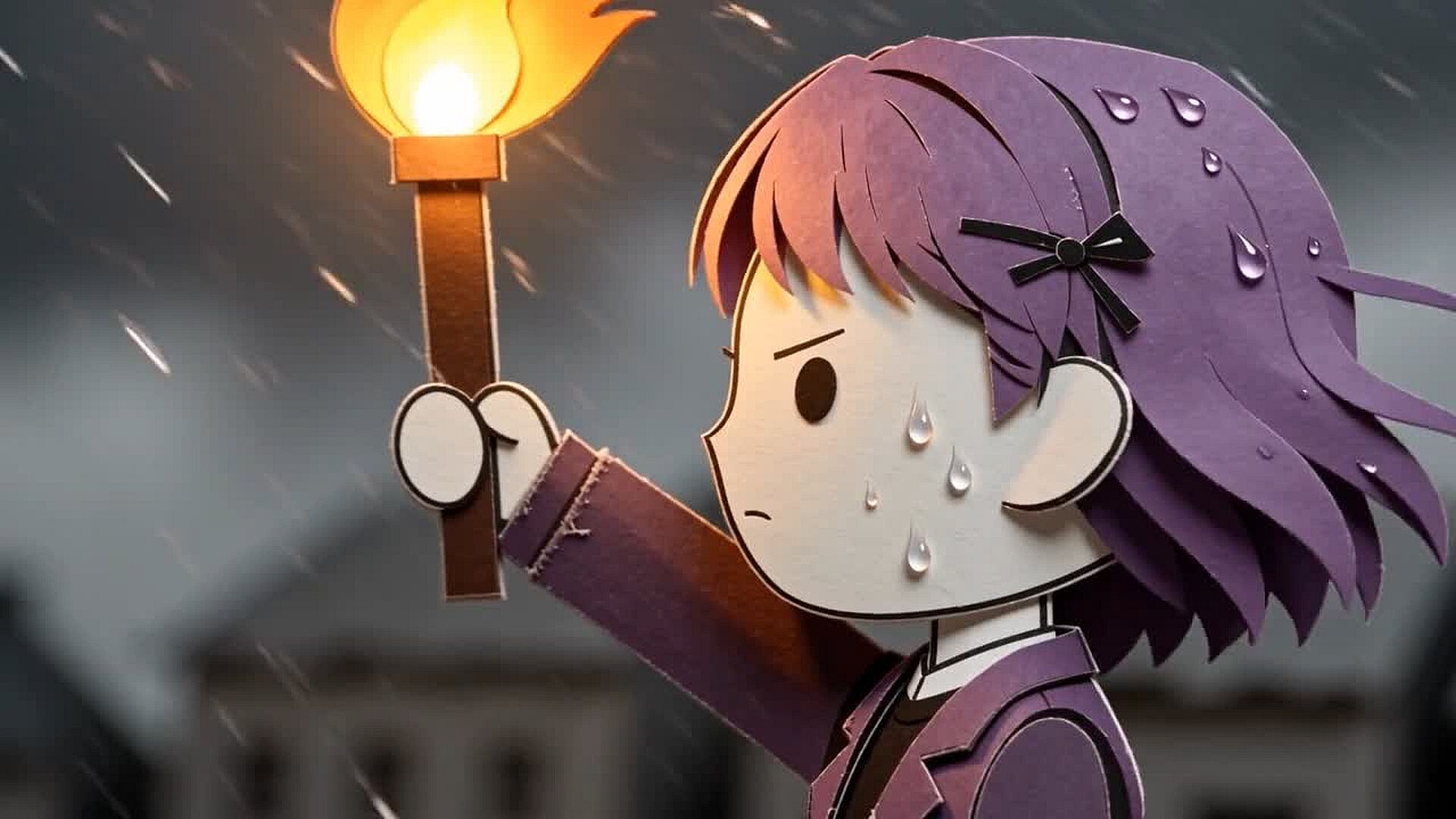
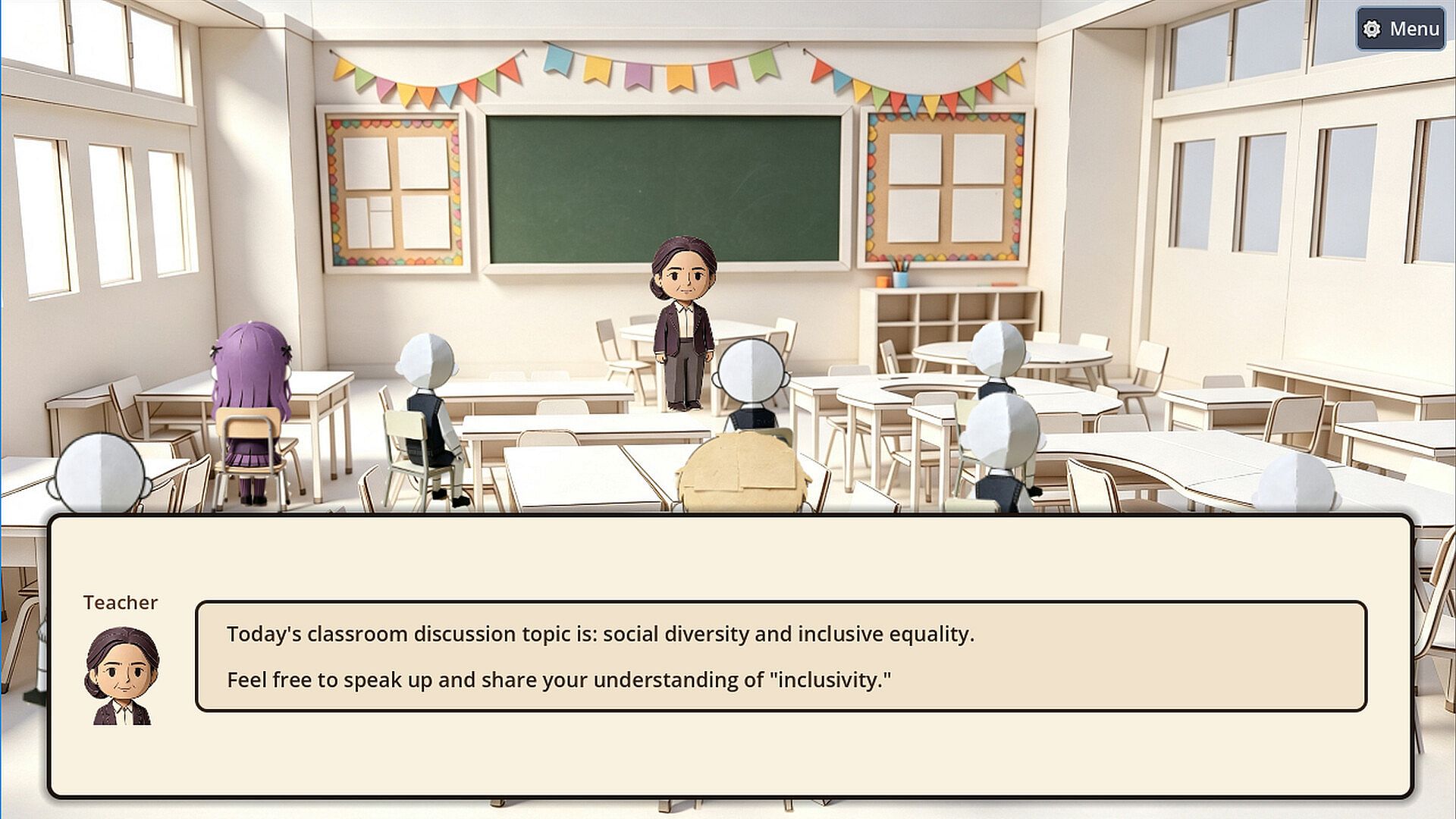
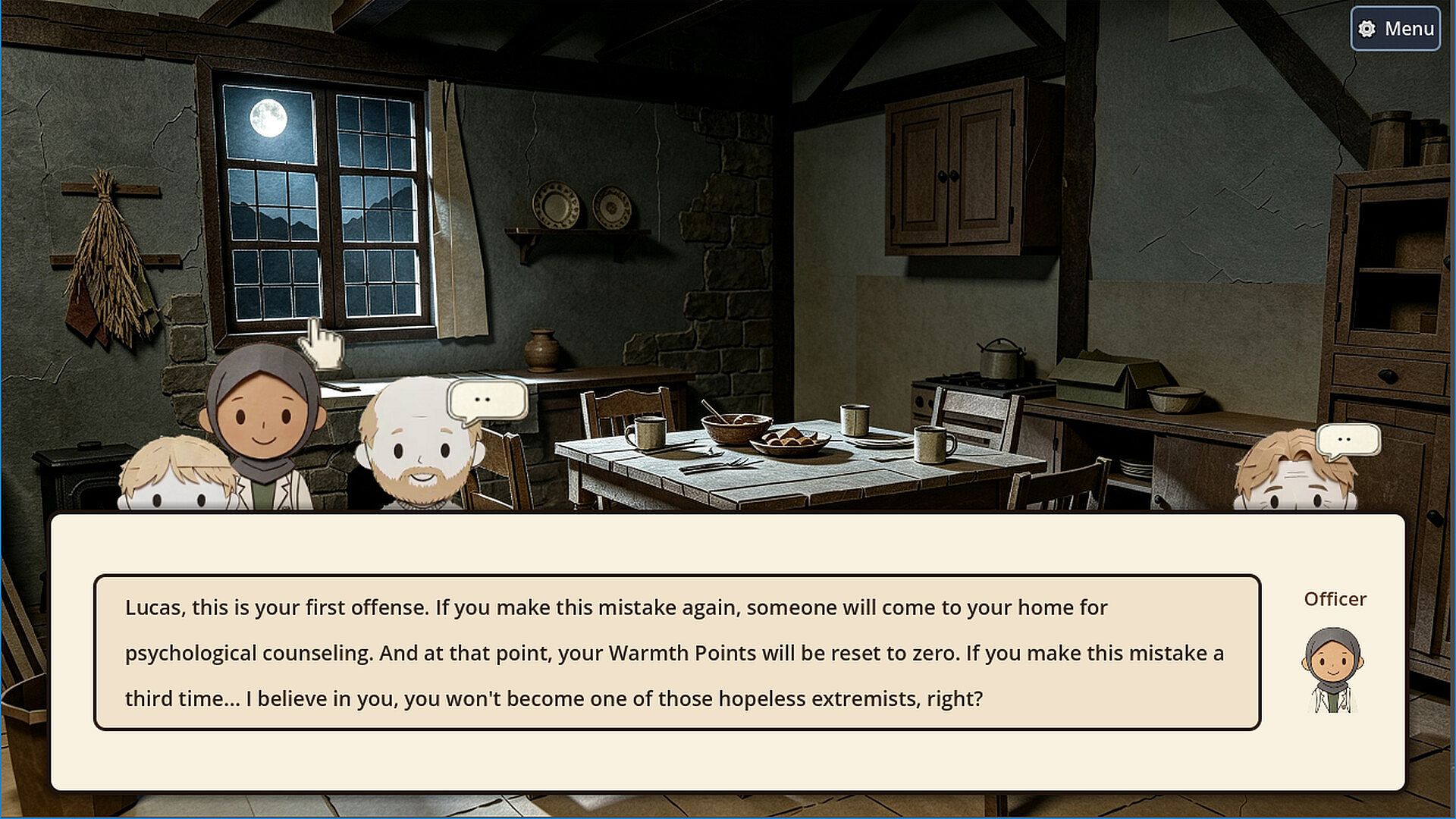
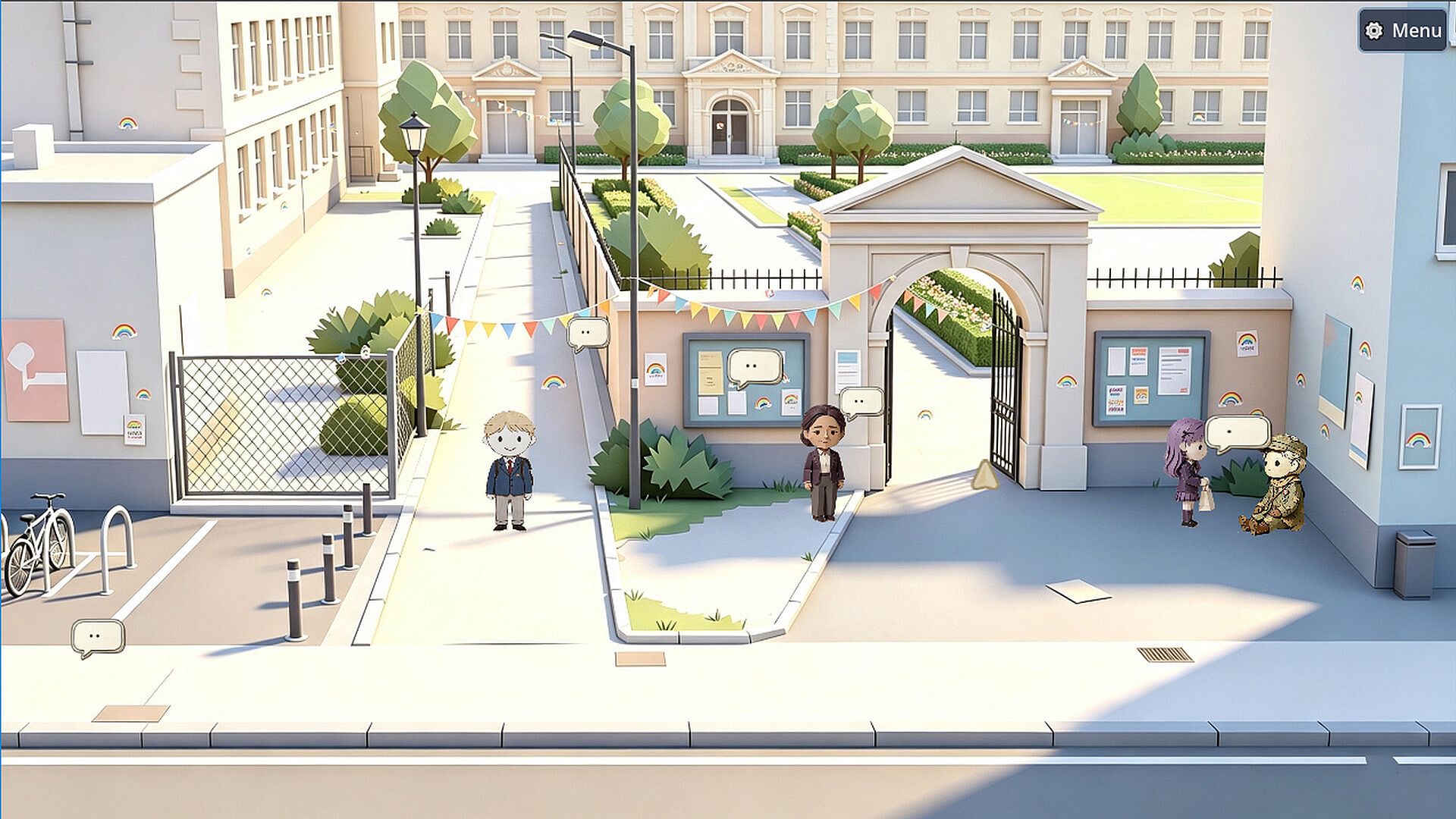
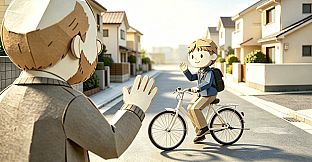
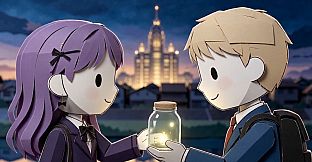
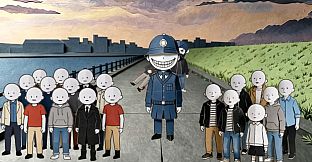
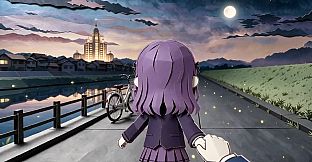
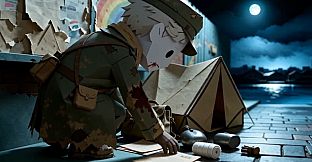
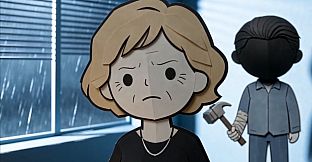

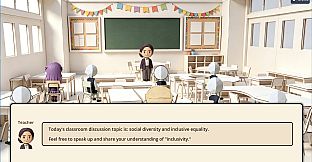
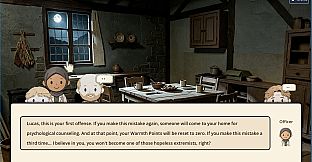
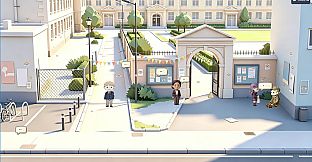
2034 is an indie RPG set in a meticulously constructed paper world that appears flawless on the surface. Players step into the role of Lucas, a fair-haired boy attending school amid rigid daily routines, where the environment consists entirely of die-cut cardstock slopes, layered paper rainbows, and stylized figures moving in unchanging patterns. The experience centers on uncovering hidden truths beneath this facade through observation and interaction.
Gameplay
The core loop involves exploring the paper-crafted environments as anomalies begin to appear. Light seeps through page gaps, structures warp, and fragments of memory surface during school life and beyond the city edges. Players examine these details to reveal layers of the world, turning pages in a literal and figurative sense to access deeper narrative elements. Puzzle solving arises naturally from interacting with out-of-place lines, shattered paper fragments, and rule inconsistencies that hint at larger structures.
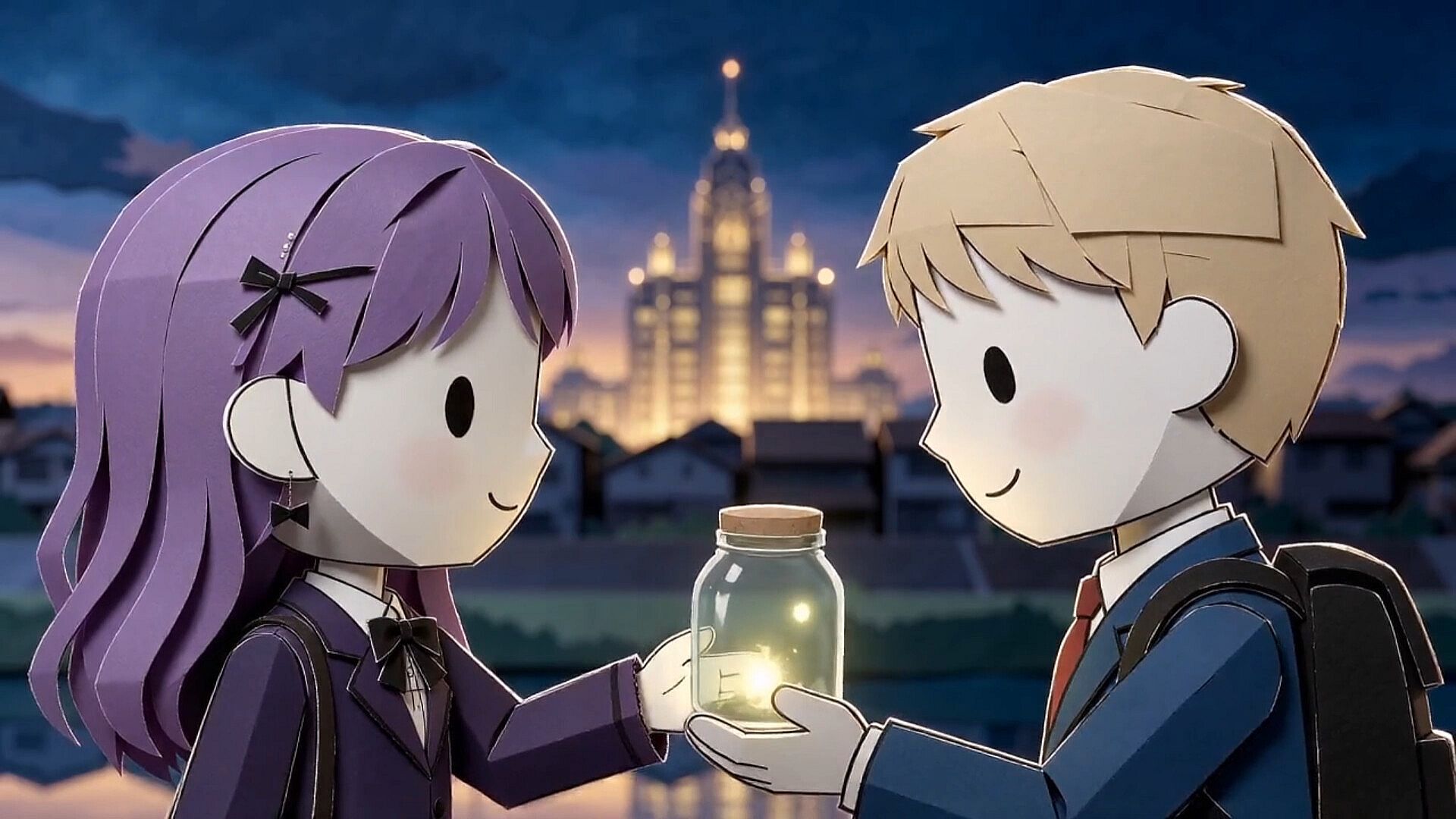
Switching perspectives to Lilith, the purple-haired girl who shares similar suspicions, allows access to different regions and memory pieces. Choices made during exploration fold into alternate branches, altering how the story progresses and what truths come to light. The 2.5D diorama style emphasizes handcrafted textures in every scene, though the overall presentation remains straightforward without complex systems layered on top.
Game Modes
2034 operates as a single-player narrative experience without separate competitive or cooperative modes. The focus stays on sequential discovery across the paper layers, where progress comes from piecing together scattered elements rather than completing distinct challenges or objectives in isolated formats. Branching outcomes emerge from decisions, but these remain part of the continuous story thread instead of modular gameplay variants.
Narrative Structure
The story builds like stacked cardstock, starting with small school-ground irregularities before expanding to city borders and the world's origins. Each revelation questions prior assumptions, revealing that even the journey of noticing cracks may form part of a larger, deliberately hidden design. Memory fragments collected across regions tie the two protagonists' paths together, creating a layered plot that rewards careful attention to visual and textual details in the papercraft setting.
Is It Worth Playing?
Players drawn to introspective indie RPGs with strong emphasis on atmosphere and gradual revelation will find the paper world and dual-protagonist setup distinctive. The simple mechanics support the focus on exploration and choice-driven branches without unnecessary complexity. Those seeking polished visuals or extensive mechanical depth may find the unpolished elements noticeable, yet the unique aesthetic provides consistent immersion for those who appreciate handcrafted presentation over technical refinement. Availability on PC makes it accessible for anyone interested in this specific style of narrative-driven title.