




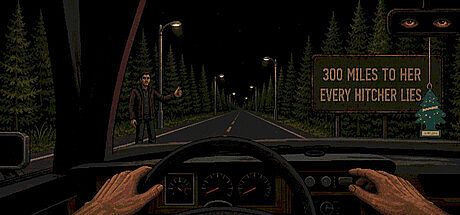


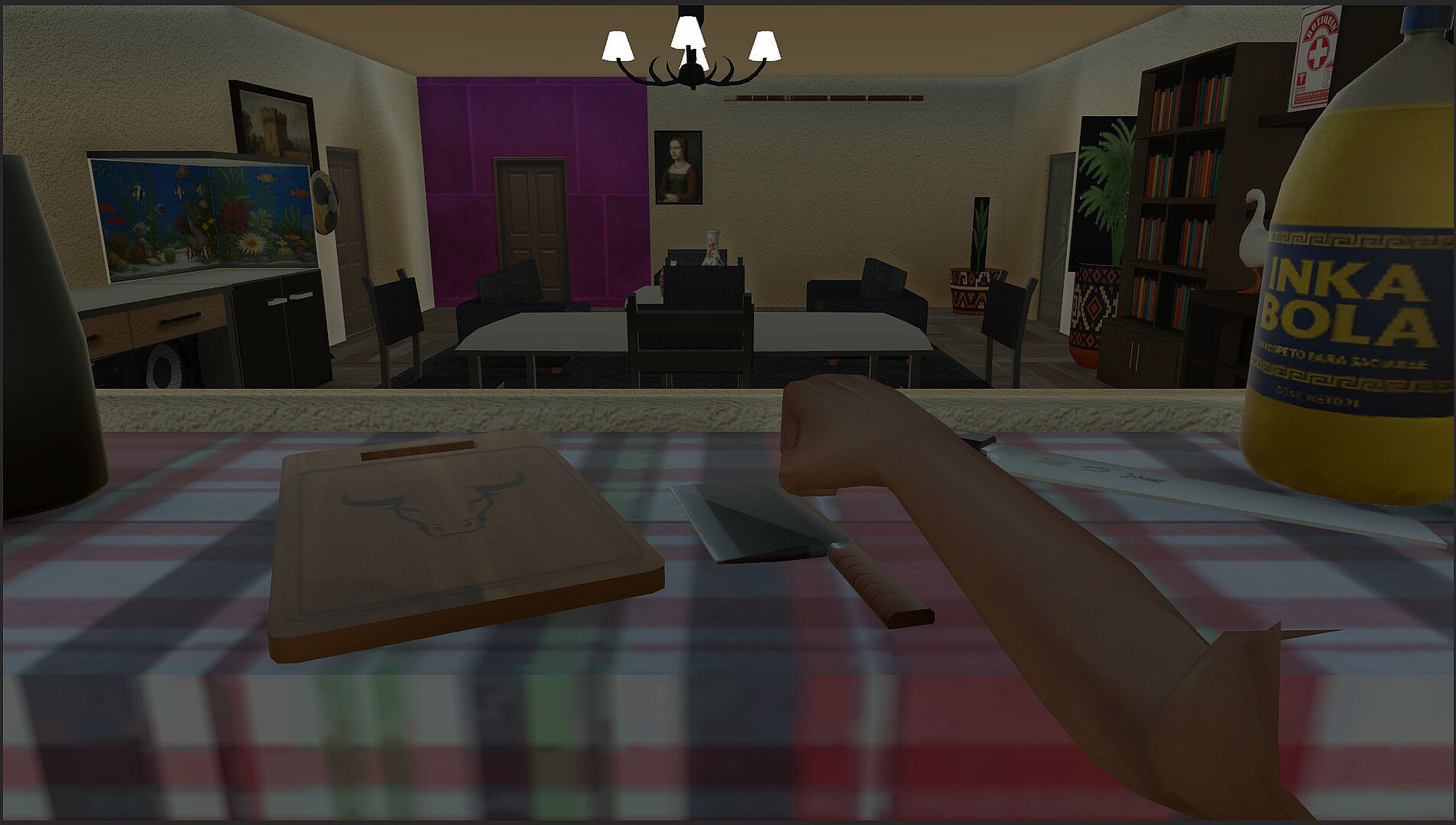
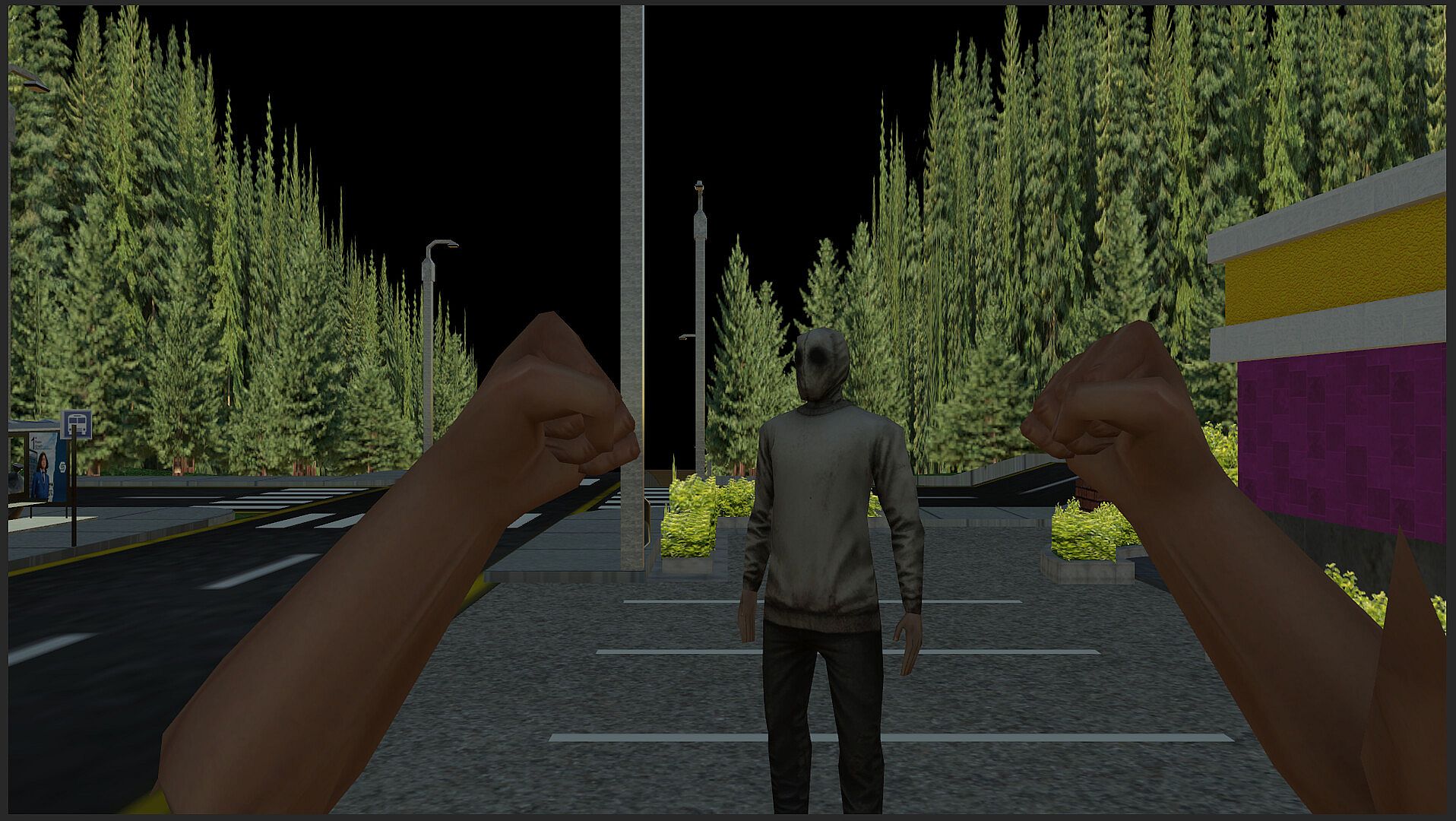
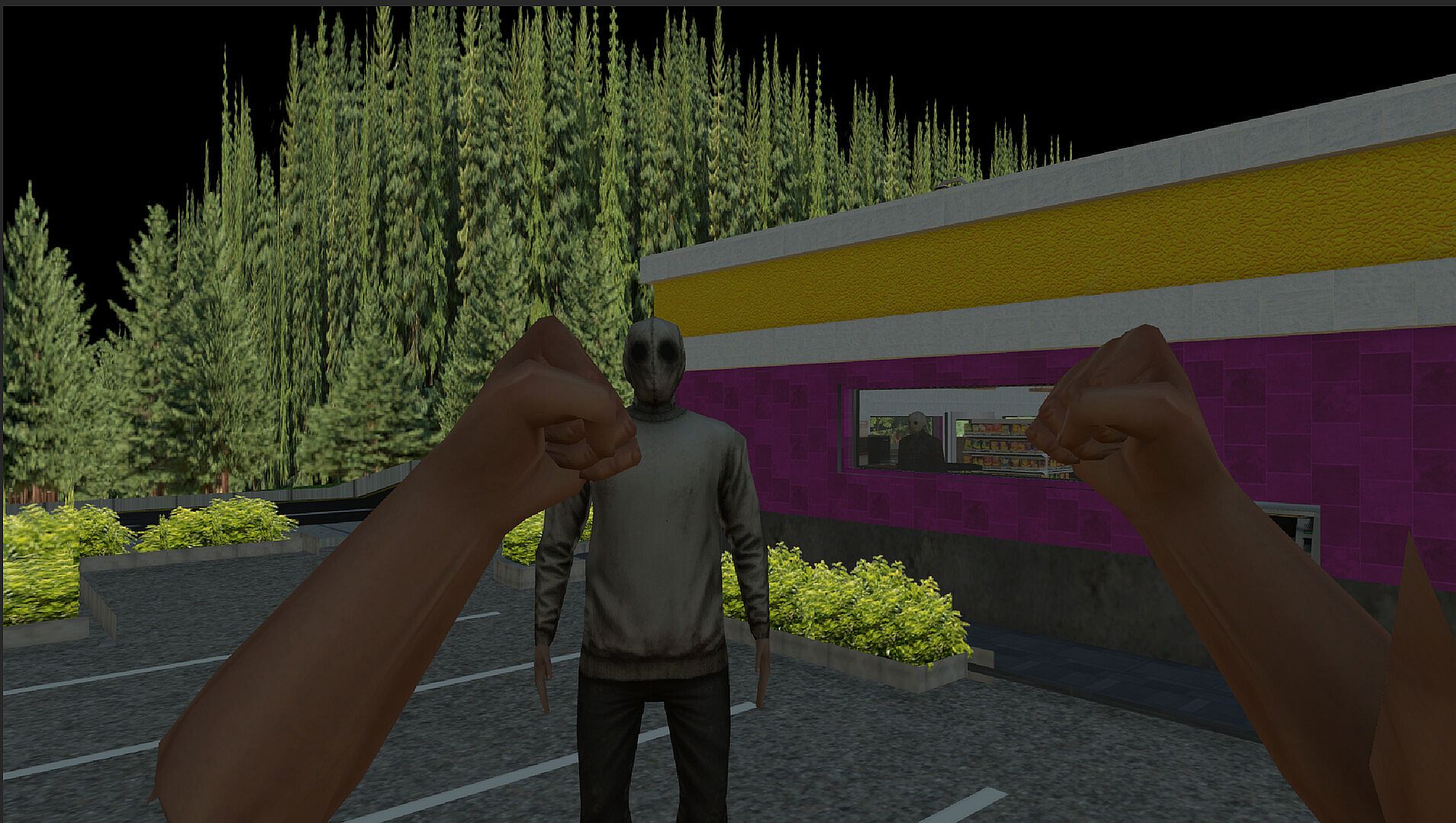


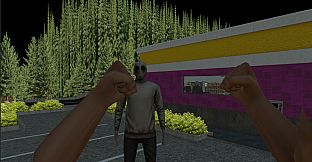
300 Miles to Her: Every Hitcher Lies is an indie simulation adventure game for PC that places players in the driver's seat of a desperate nighttime road trip. The story begins with a frantic 3 AM call from the protagonist's wife, who is 300 miles away amid reports of chaos. With little time to prepare, the player grabs random household items, starts the car, and heads onto the highway where fuel management and encounters with strangers become the central challenges.
Gameplay
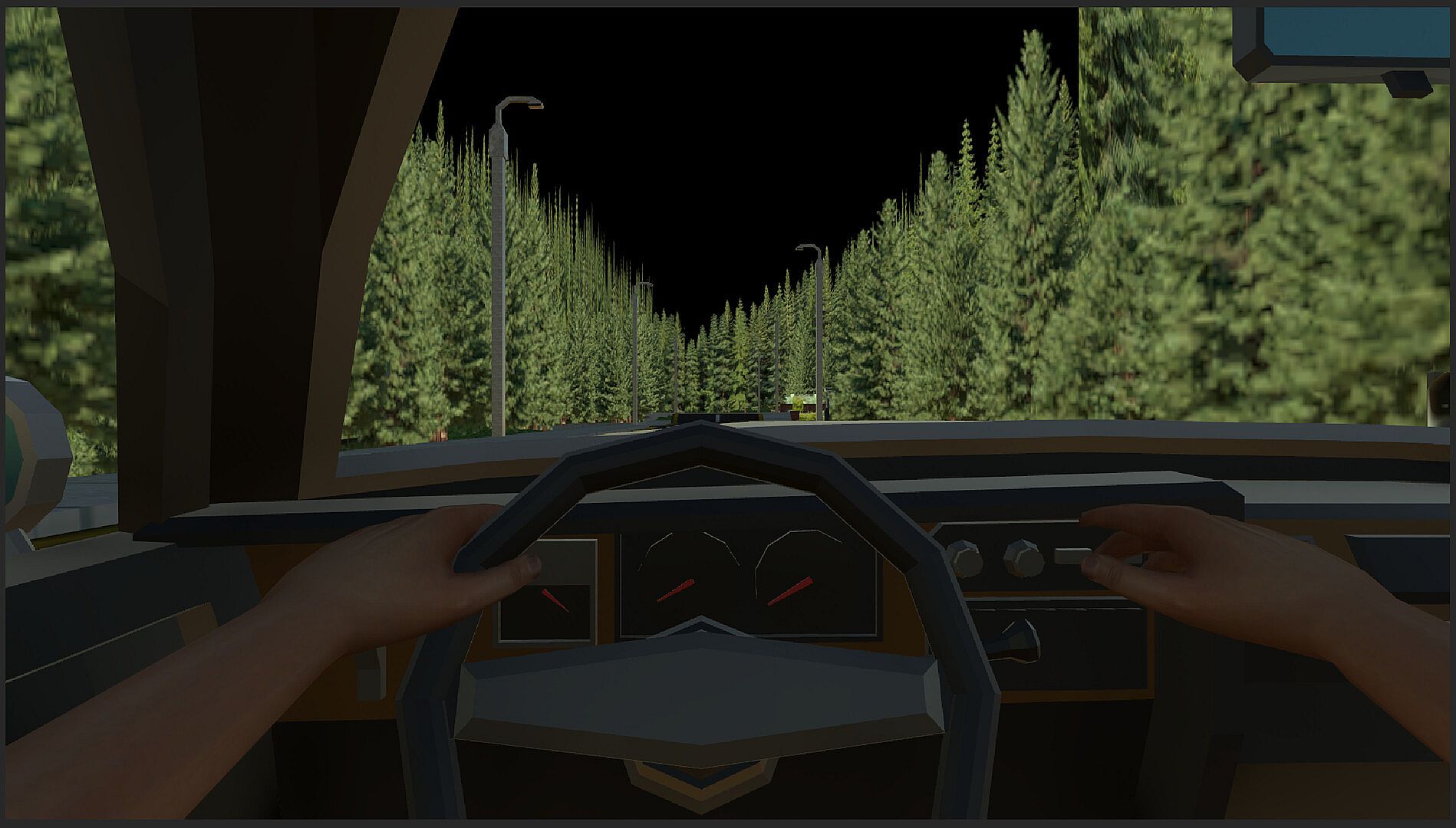
The experience unfolds entirely from inside the vehicle cabin rather than through traditional driving mechanics. Players interact with the car's interior by searching the glovebox, lighting cigarettes, and observing the road ahead as headlights cut through darkness. The core loop revolves around spotting hitchhikers on the shoulder and deciding whether to stop. Each pickup introduces a conversation where the stranger may offer useful supplies or steer the journey toward danger. Success depends on reading the situation carefully because every hitcher conceals information.
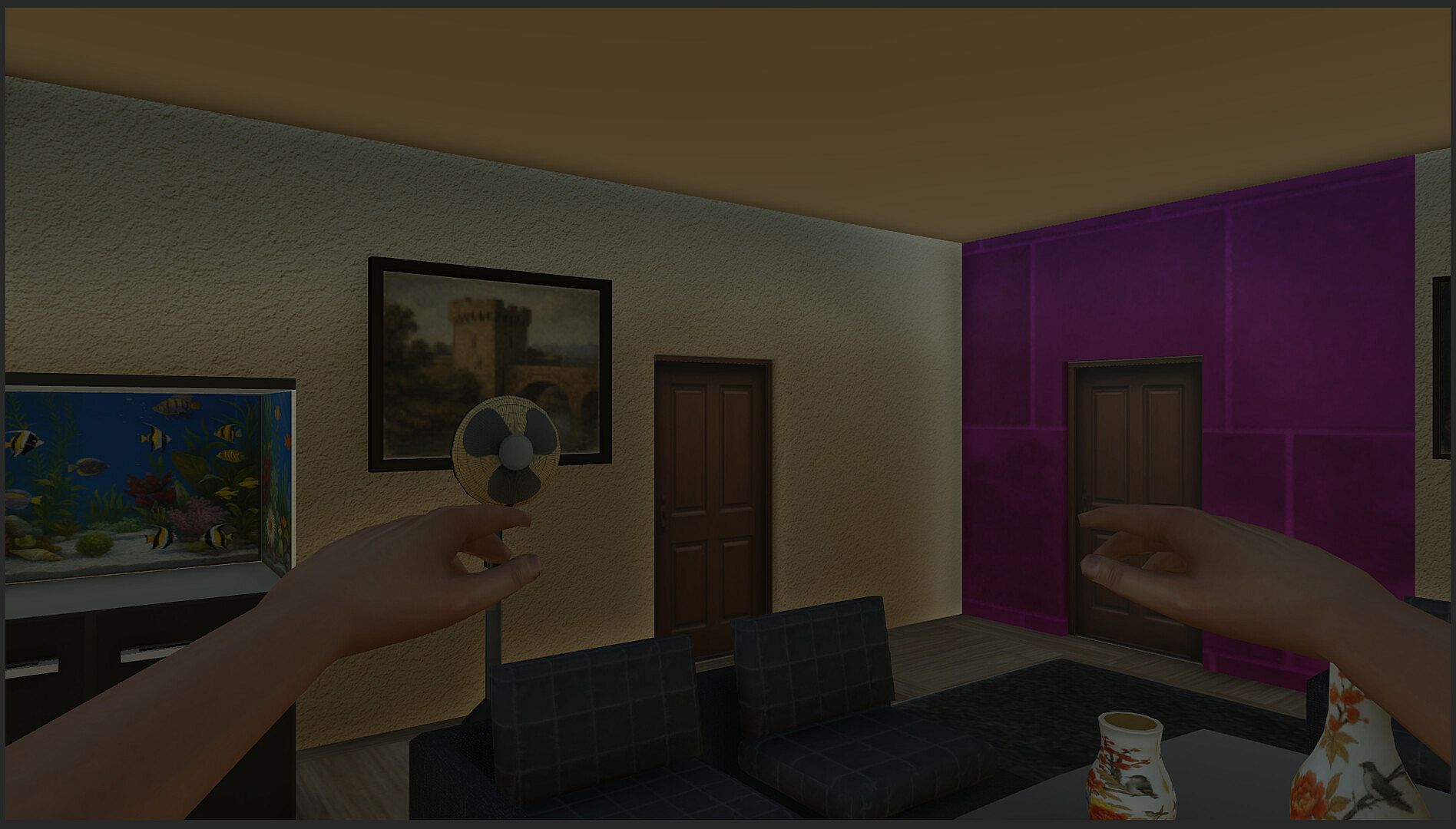
Items collected from the house before departure directly influence what happens on the road. Specific objects determine which hitchhikers appear, which events trigger at stops, and how conversations unfold. Poor choices can lead to abrupt endings such as running out of fuel or violent confrontations at gas stations. The low-poly retro visual style evokes late 1990s aesthetics while maintaining a constant sense of tension through warm, pixelated environments and realistic dread.
Game Modes
The game operates as a single-player narrative simulation built around repeated attempts to reach the destination. Each run presents new combinations of hitchhikers and encounters shaped by the starting inventory. Players manage limited resources like fuel while navigating conversations that carry real consequences. The structure encourages multiple playthroughs because different item selections open alternate paths and outcomes before sunrise arrives.
Core Mechanics and Atmosphere
Resource management and observation form the foundation of progress. The fuel gauge serves as a constant timer, forcing decisions about when to stop and whom to trust. Cabin interactions provide brief moments of calm between high-stakes choices, allowing players to examine personal belongings that carry narrative weight. The retro presentation reinforces the feeling of isolation on an empty highway where every shadow could hide an opportunity or a threat.
Dialogue choices matter because hitchhikers reveal only fragments of truth. Listening closely and cross-referencing information with carried items helps avoid ambushes or dead ends. The system creates a risk-reward loop where accepting a ride might provide needed supplies at the cost of potential betrayal.
Is It Worth Playing?
This title suits players who enjoy narrative-driven simulations that emphasize choice, observation, and consequence over action or combat. The short, replayable structure rewards experimentation with different starting items and careful attention to conversations. Those drawn to atmospheric road-trip stories with retro visuals and high tension will find the core loop engaging across multiple attempts. The game delivers a focused experience centered on survival and decision-making during a single night of travel.











