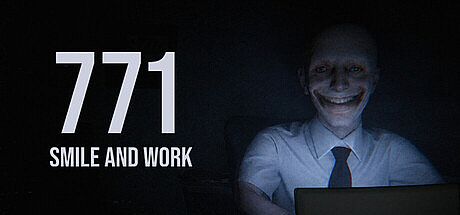


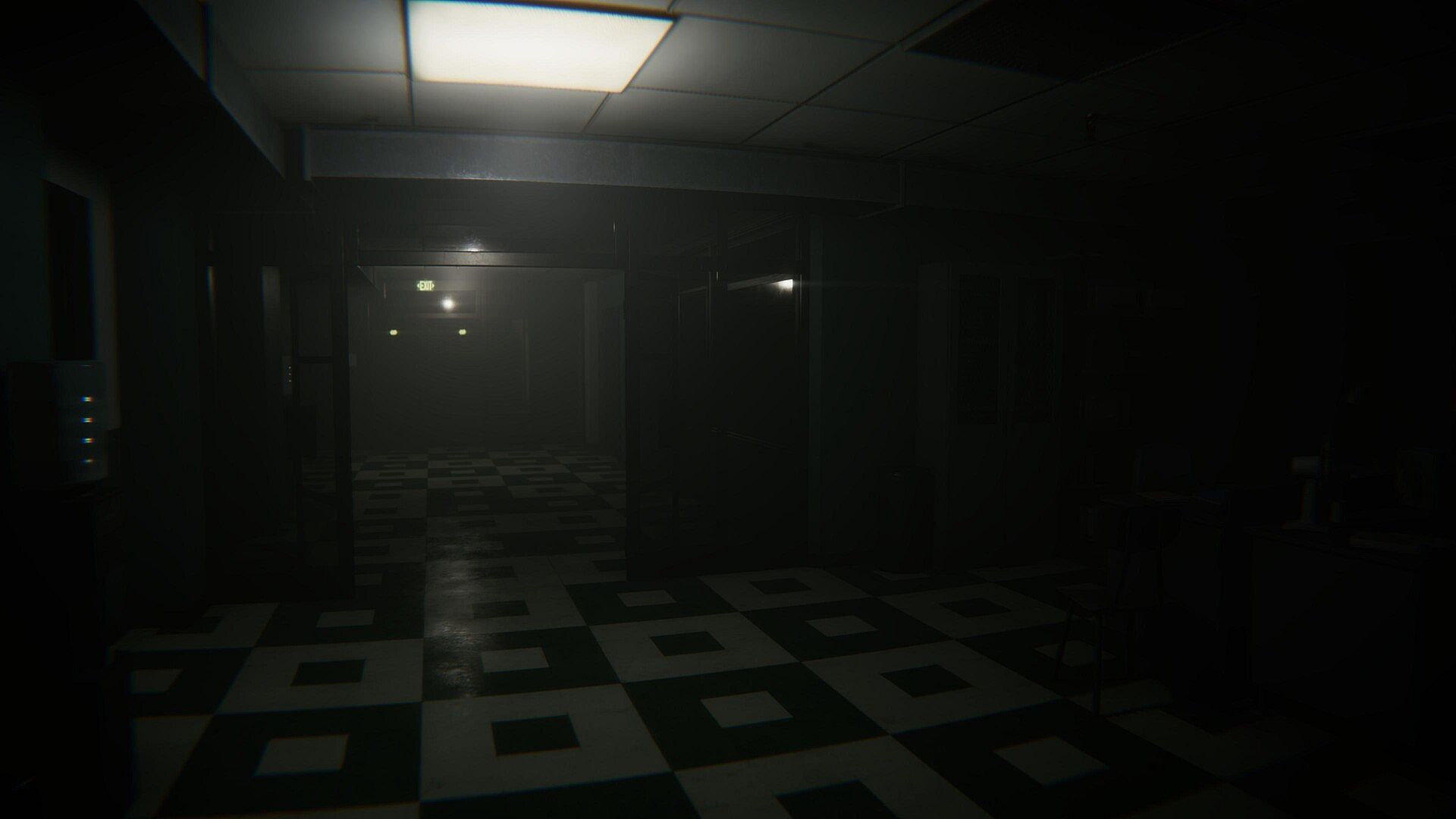
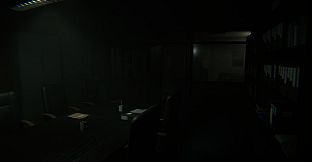
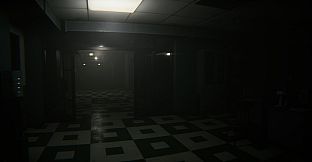
771: Smile and Work is a first-person indie horror game built in the walking simulator style. Players step into the role of an employee summoned for an unexpected night shift at an ordinary office. The experience unfolds over a short session estimated at around 40 minutes, emphasizing atmosphere, sound design, and the tension that builds from routine tasks turning unsettling.
Gameplay
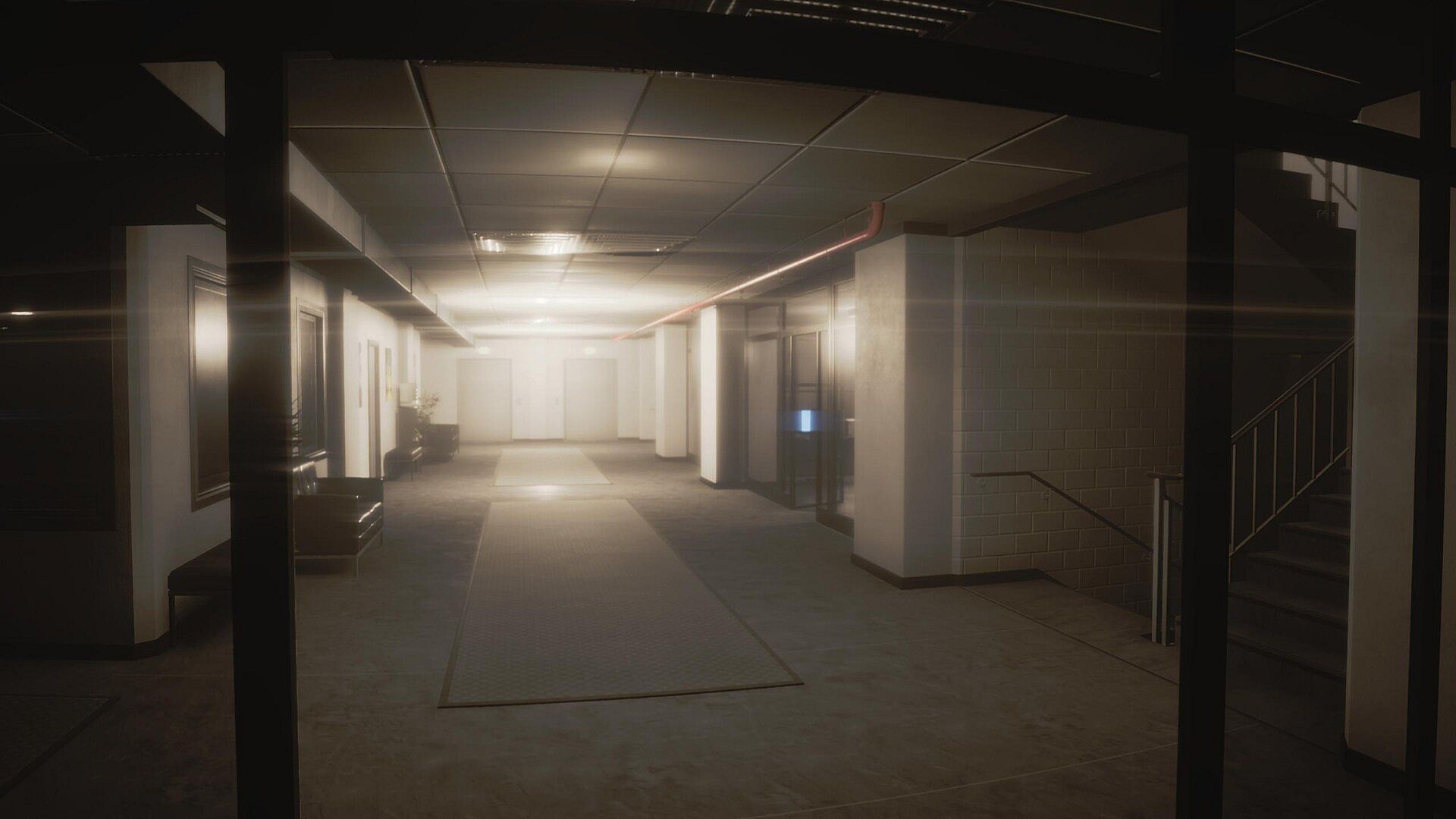
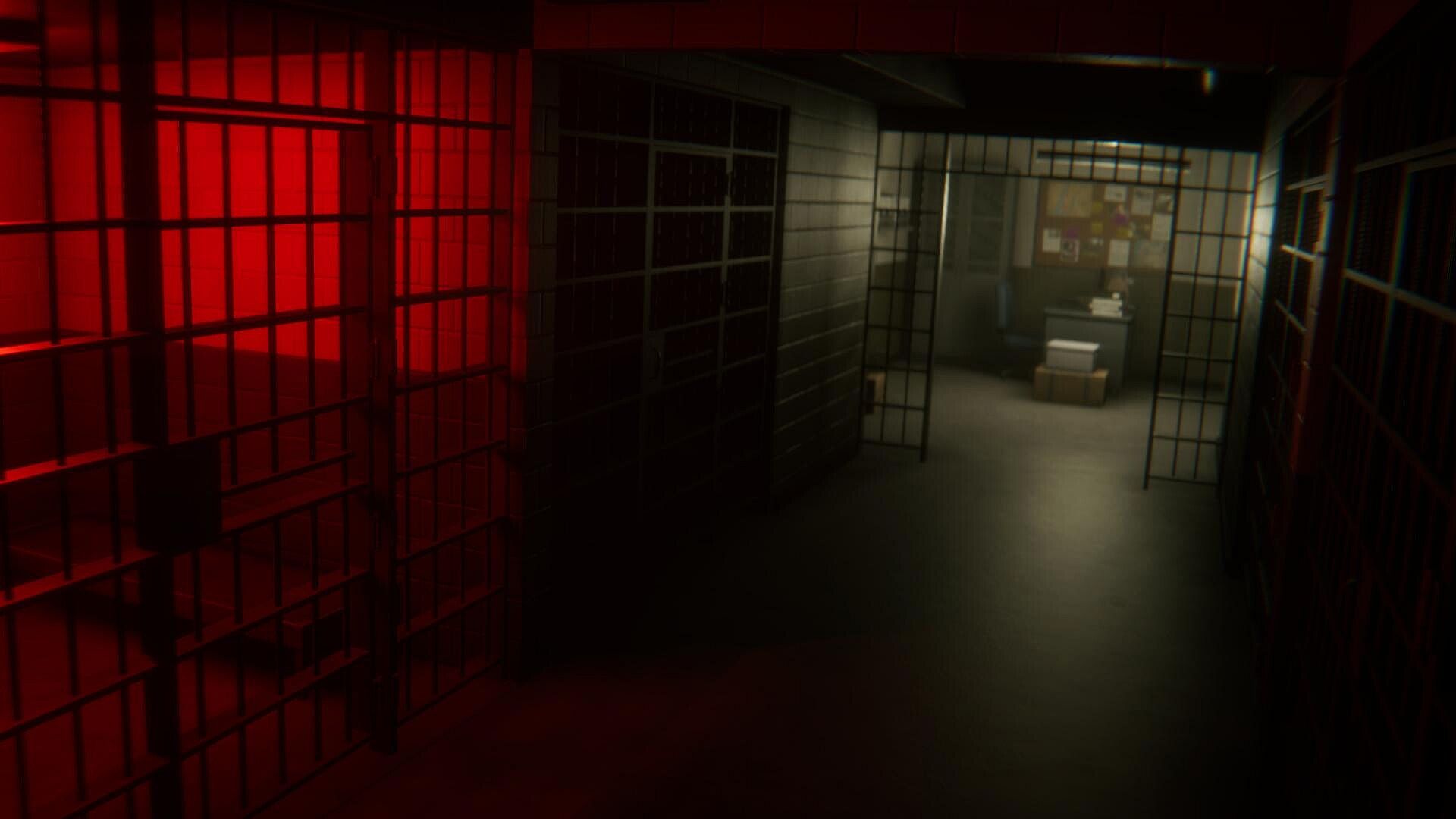
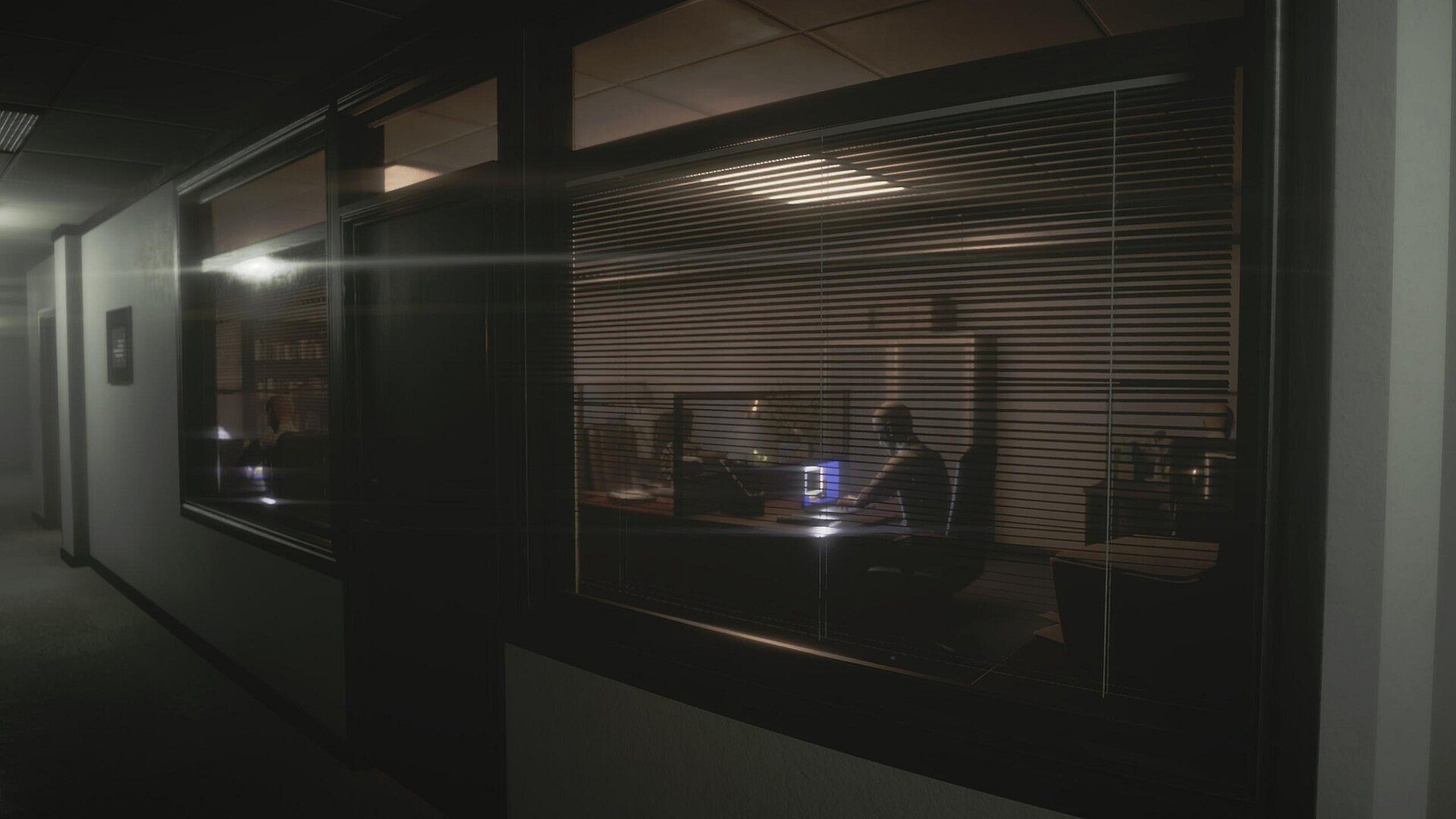
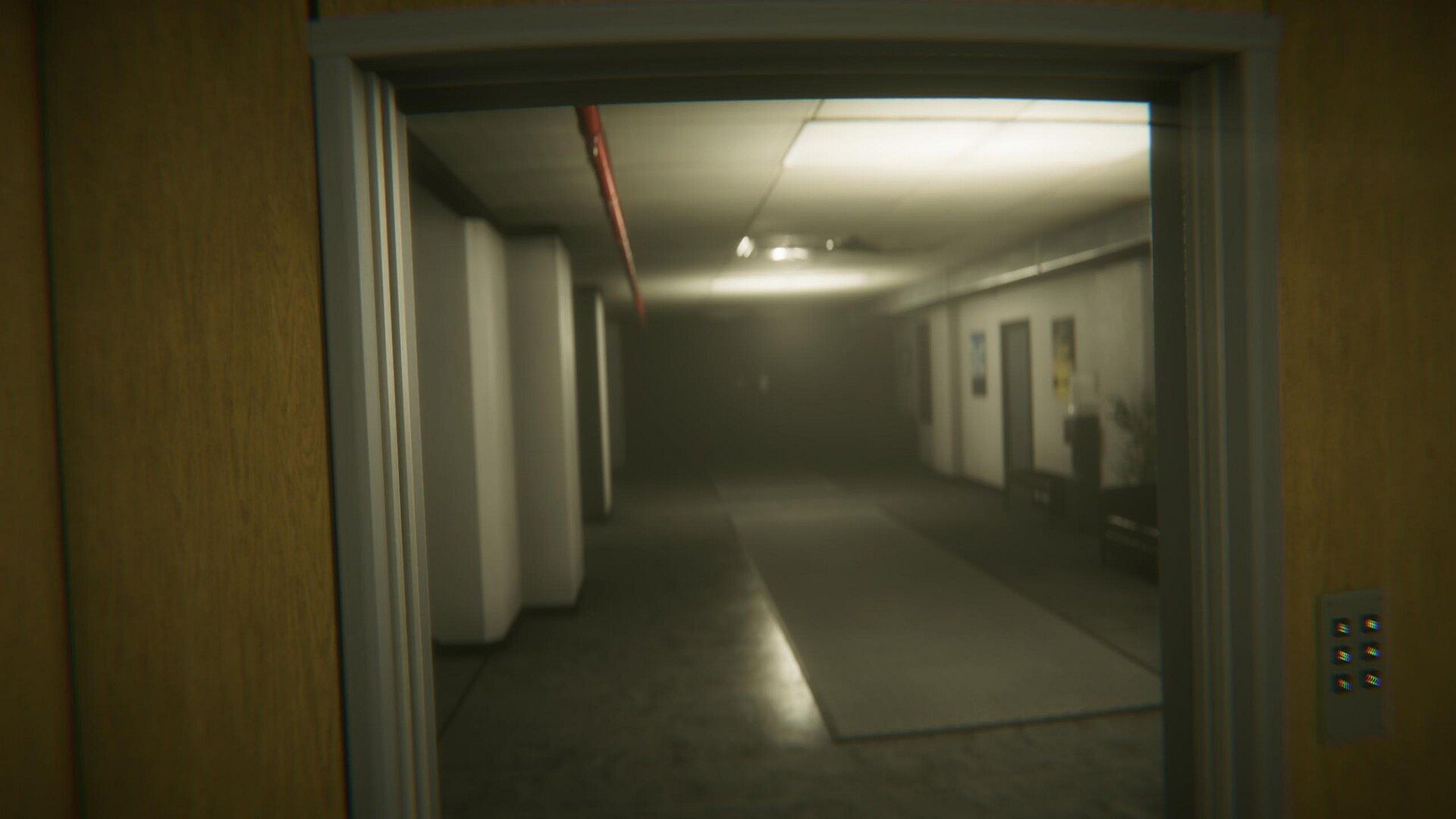
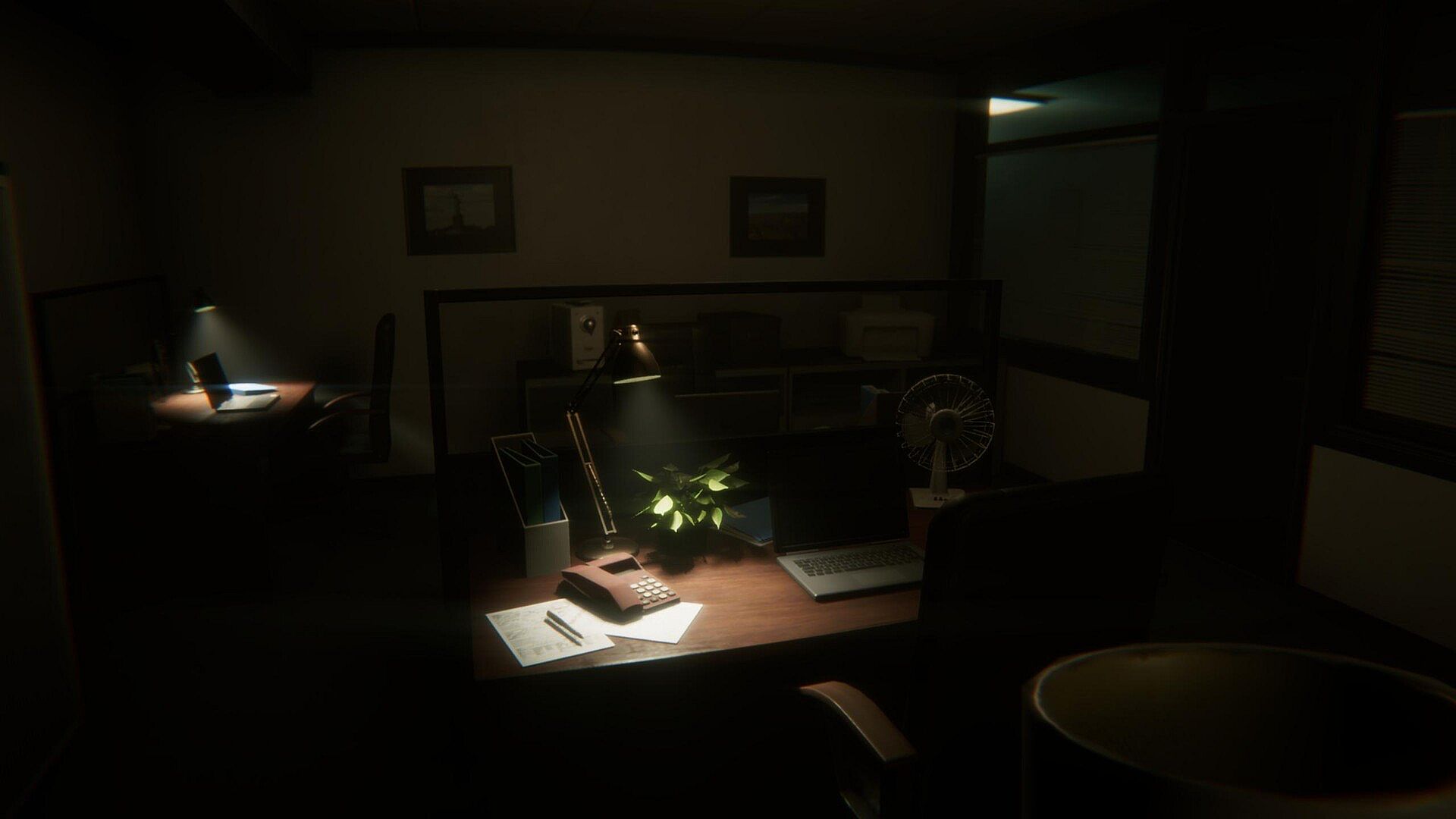
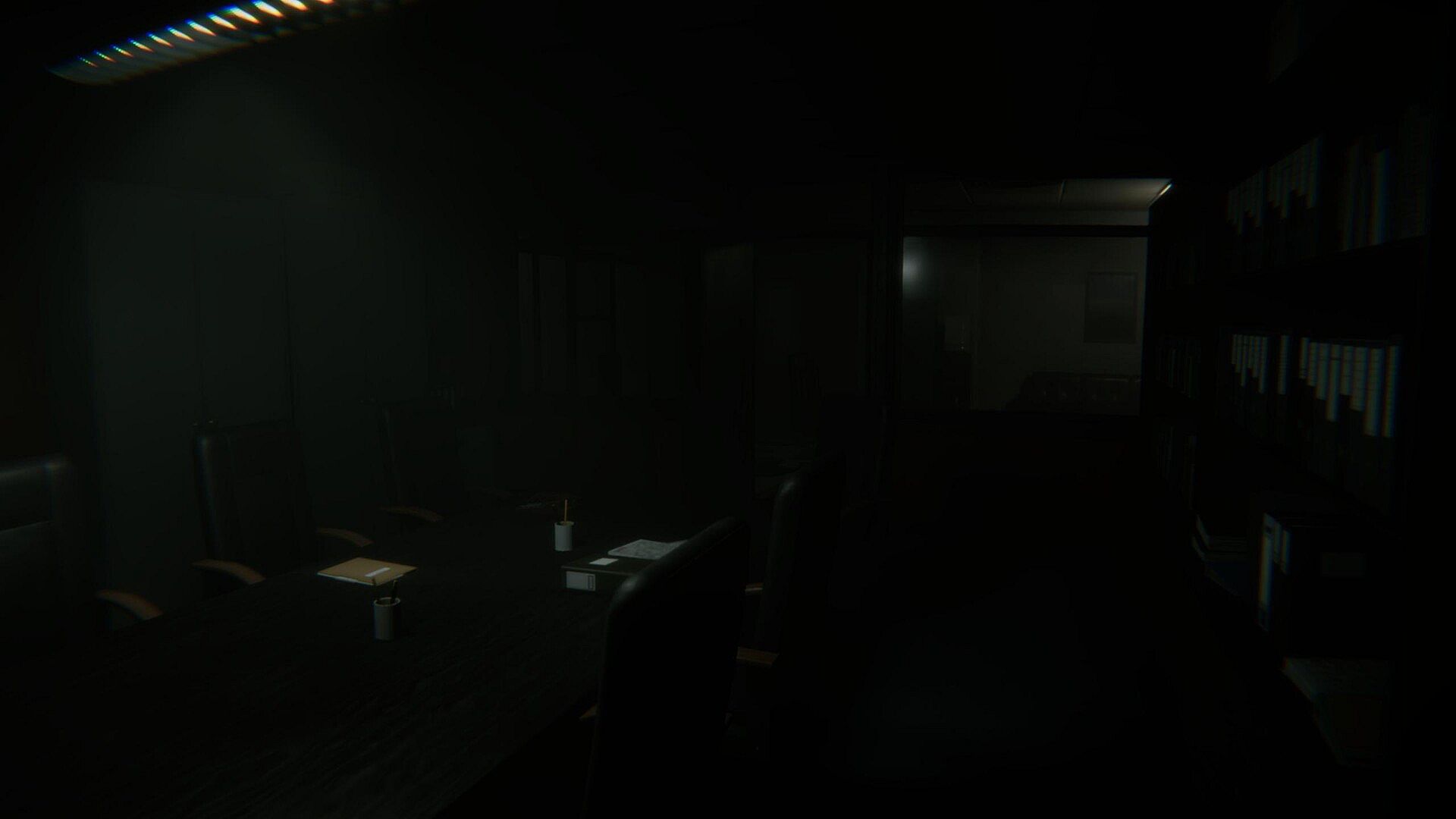
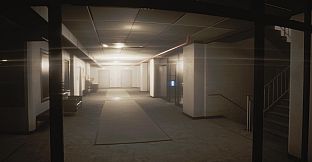
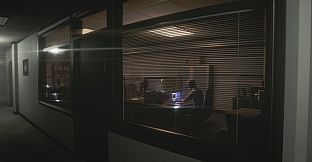
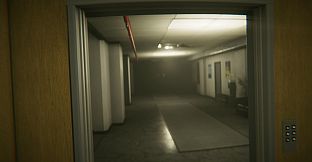
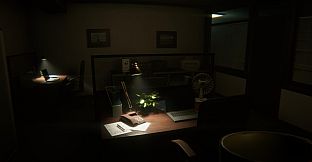
The core loop centers on navigating a realistic office environment during nighttime hours. Players receive instructions from a boss and must complete assigned duties while remaining alert to subtle changes in the surroundings. Movement follows a first-person perspective, with exploration revealing how familiar workspaces take on a different character after dark. High-quality audio cues heighten the sense of unease, and the graphics maintain a grounded, lifelike quality that supports the horror elements without relying on overt spectacle.
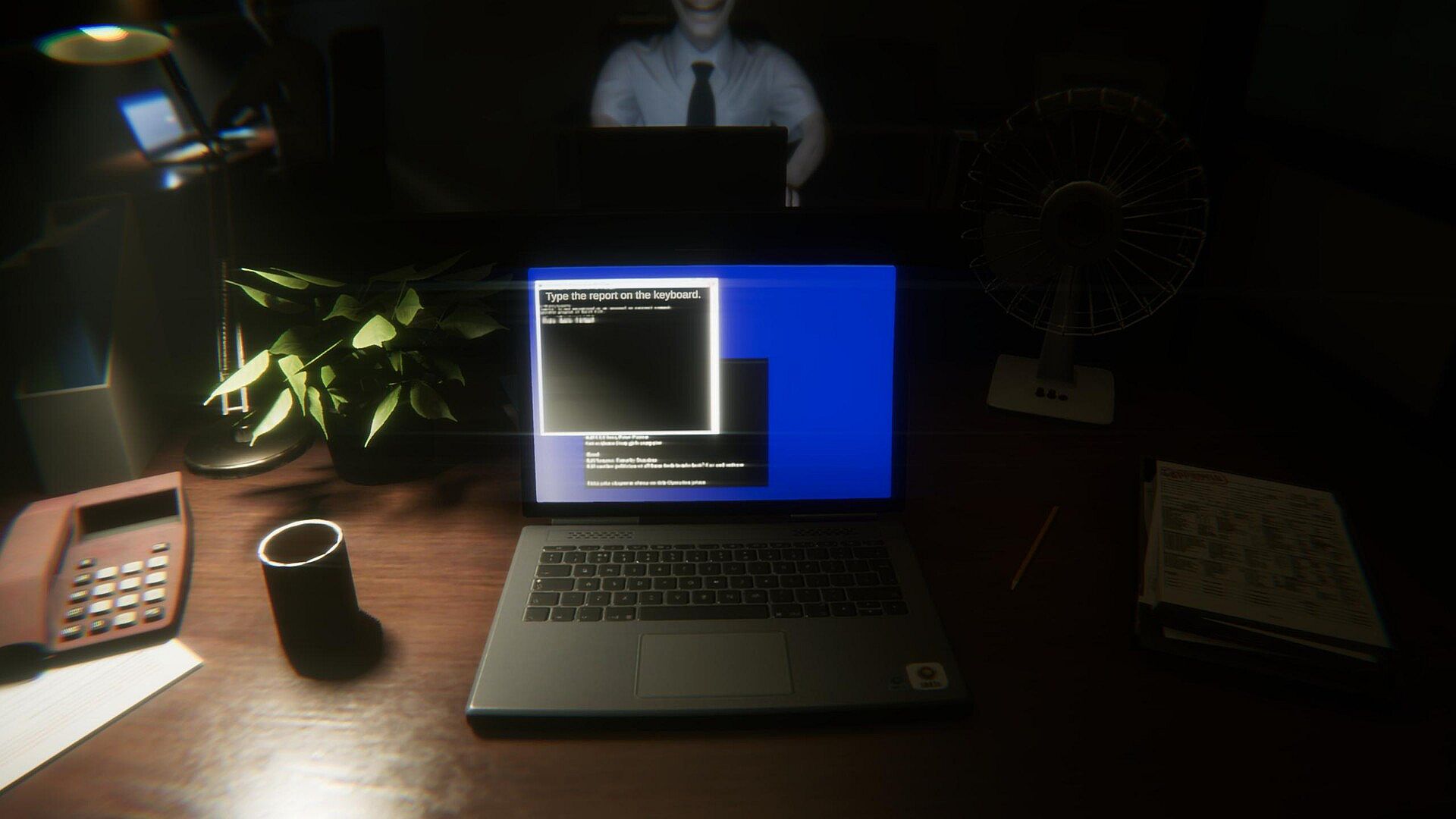
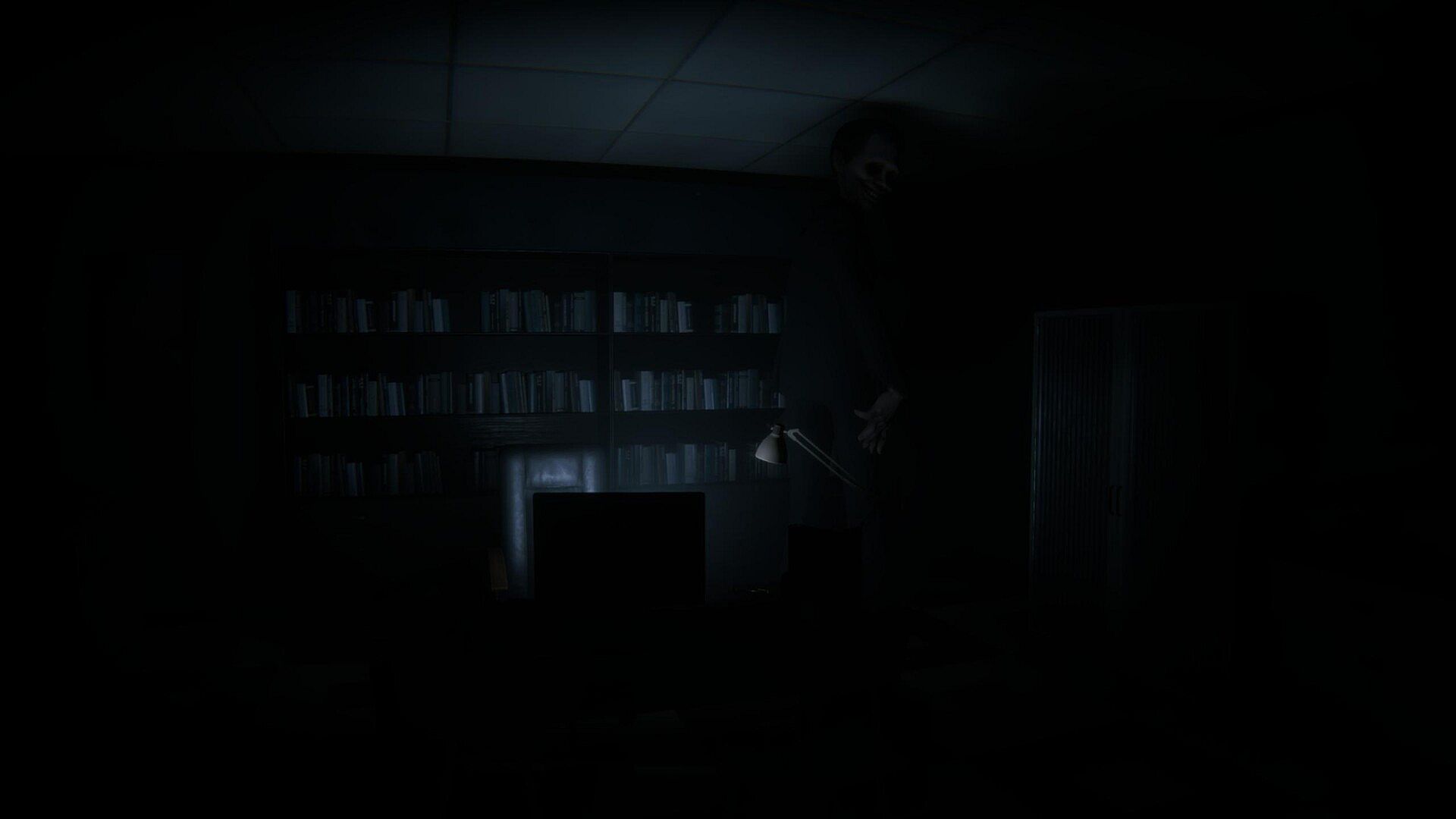
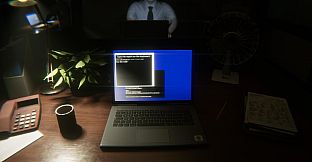
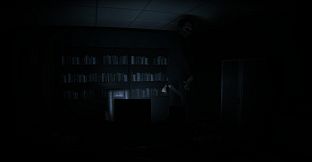
Tasks involve standard office activities such as handling paperwork or following procedural steps. The key rule is straightforward yet persistent: continue working and maintain a smile. Deviations or lapses in attention can lead to disturbing encounters that emerge from behind everyday responsibilities. The short duration keeps the focus tight, allowing the narrative and environmental storytelling to unfold without unnecessary padding.
Game Modes
The game operates as a single-player walking simulator with no separate multiplayer options or distinct modes. The entire experience revolves around one continuous night shift sequence. Progression follows the boss-assigned tasks in order, blending straightforward objectives with moments of heightened tension as ordinary duties intersect with unsettling developments.
This structure suits players seeking a focused, linear horror encounter rather than branching paths or replayable challenges. The emphasis remains on immersion through sound, visuals, and the psychological weight of the workplace setting.
Development and Unique Approach
Seven developers contributed to the project, with each handling their portion over exactly one day. Team members worked sequentially without seeing prior contributions until their turn arrived. This method builds on lessons from an earlier entry in the series and experiments with collaborative constraints to shape the final result.
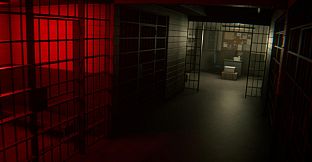
The outcome delivers a cohesive short-form experience that prioritizes atmosphere over extended content. Realistic graphics and detailed audio work together to create an office that feels both mundane and increasingly off-kilter as the shift progresses.
Content Warnings and Accessibility
Flashing lights appear throughout the game and may trigger seizures in individuals with photosensitive epilepsy. The horror elements draw from psychological tension and sudden disturbances rather than constant action, aligning with the walking simulator format.
Controls remain simple, relying on standard first-person movement and interaction prompts. The brief playtime makes it accessible for those interested in a contained horror story without a large time commitment.
Is It Worth Playing?
771: Smile and Work targets fans of short indie horror experiences who enjoy atmospheric walking simulators. The night-shift premise and emphasis on routine tasks turning ominous provide a distinctive hook, supported by the collaborative development story that adds context to the project's origins.
Players who appreciate focused sessions with strong audio design and realistic presentation will find the 40-minute length well-suited to a single sitting. Those seeking longer campaigns, multiple endings, or varied gameplay systems may prefer titles with greater scope. The game stands as a self-contained experiment in constrained development that delivers its horror through subtlety and workplace familiarity.






![Gift Collector [ギフトコレクター]](https://img.xd.deals/capsules_thumbs/b1/be/b1beae2c8ec03cec53f74e441308561964cdfda3_280x160.jpg)