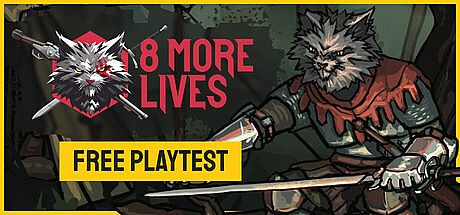


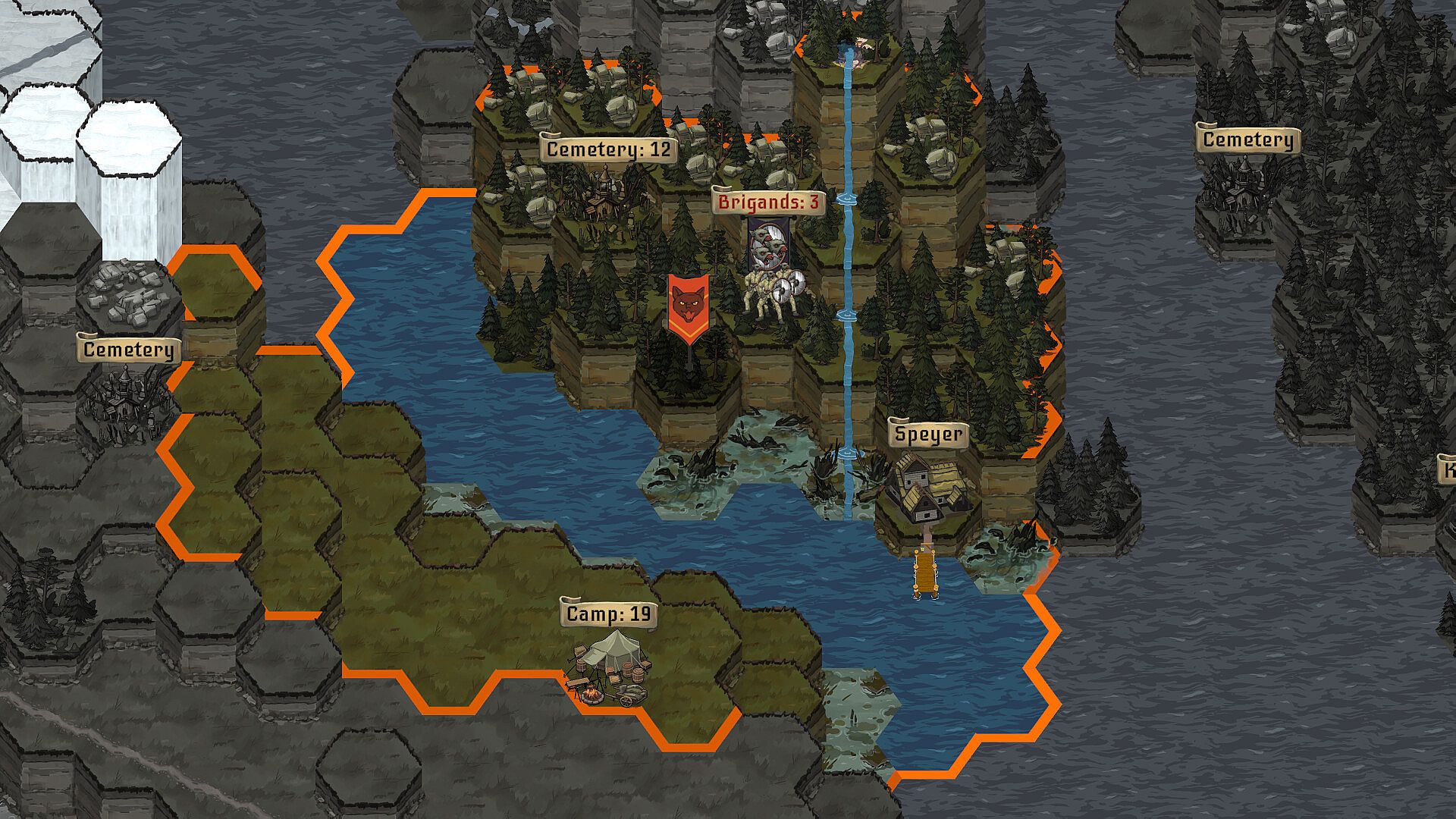
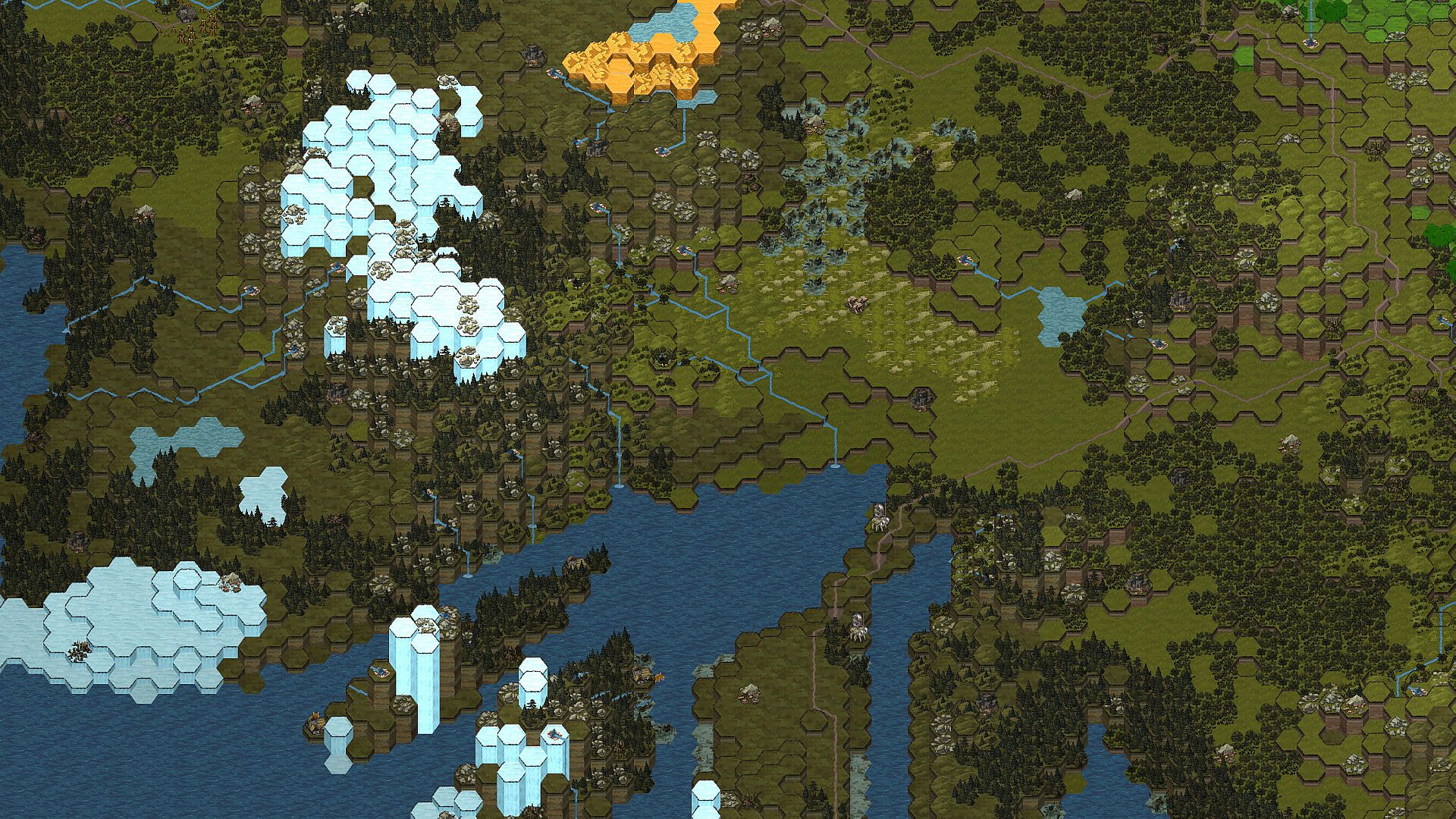
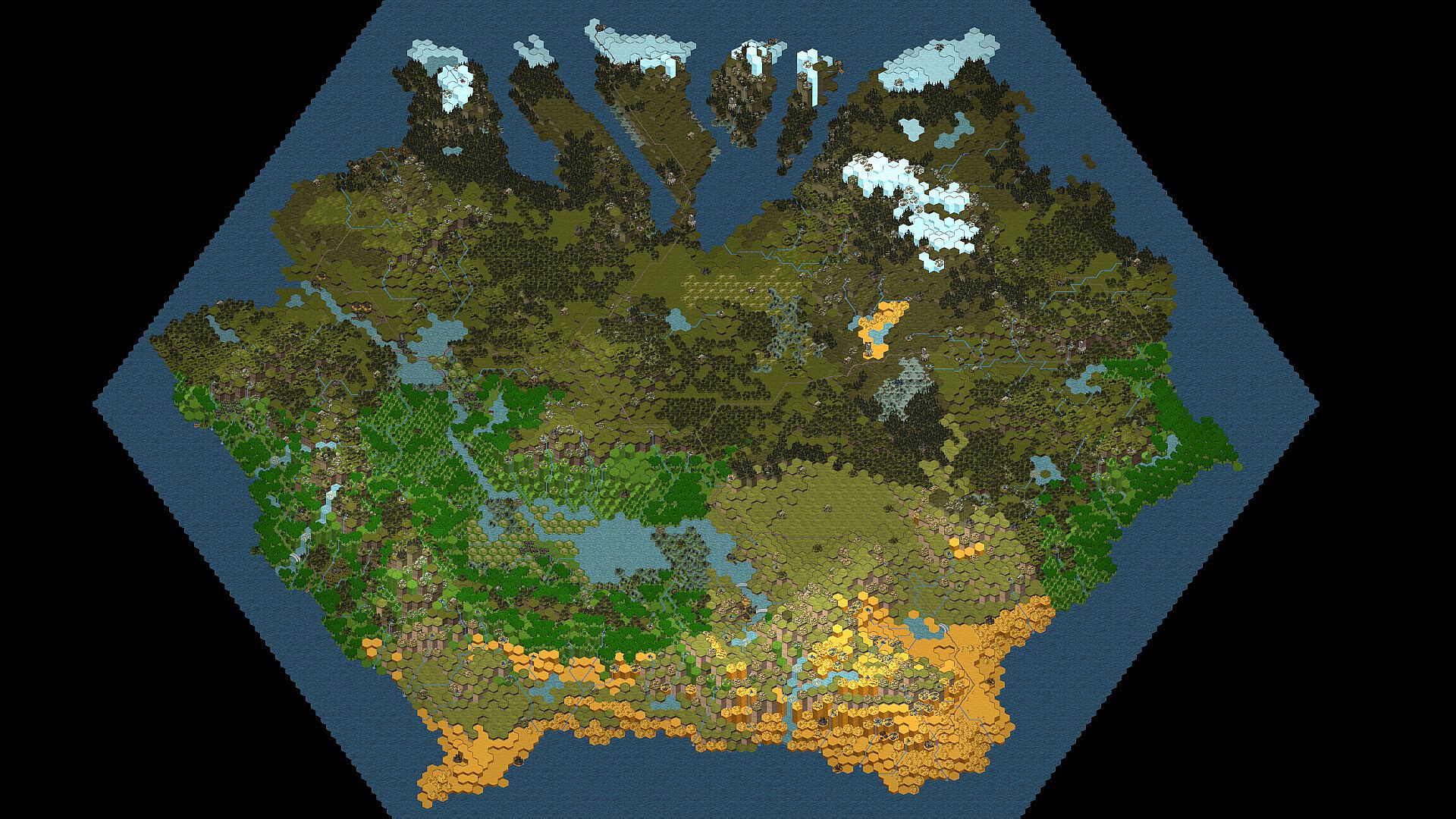
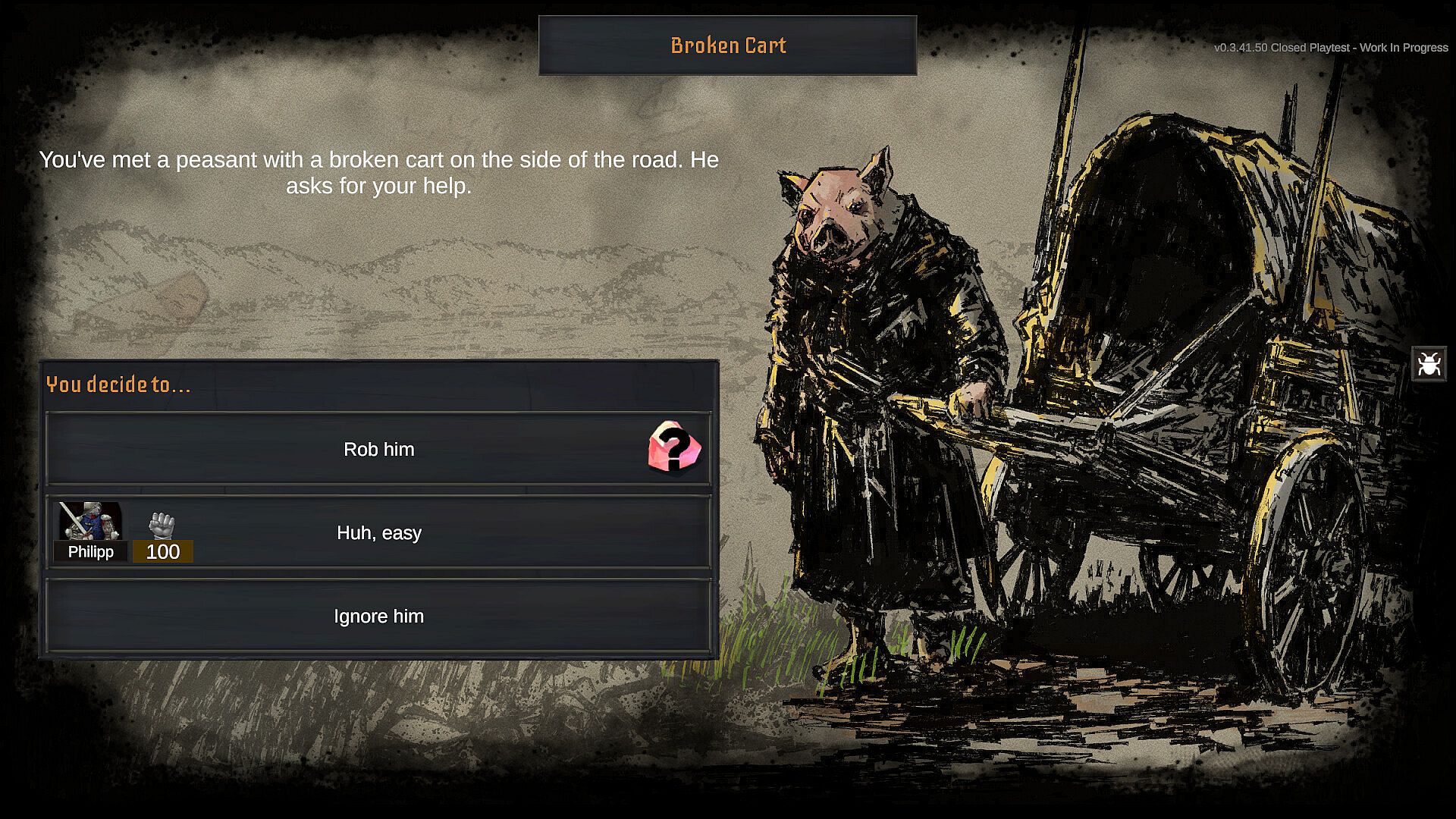
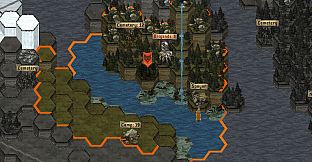
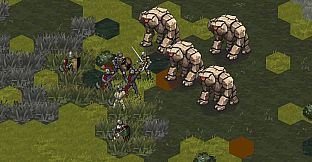
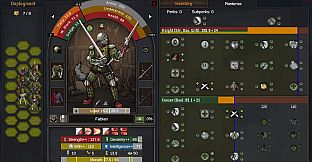
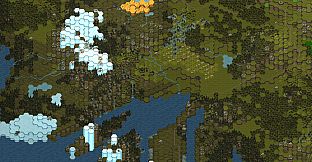
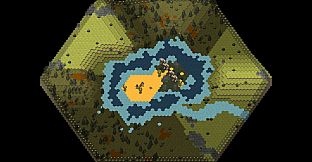
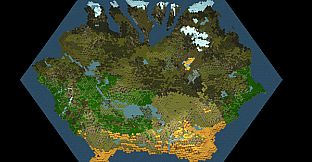
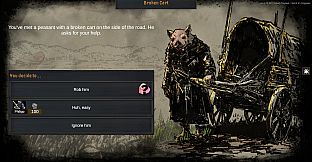
8 More Lives is a turn-based tactical RPG set in a gritty low-magic fantasy world where players lead a company of outcast cat mercenaries. The game blends strategy, indie development, role-playing progression, and simulation elements as mercenaries take contracts, manage resources, and navigate a dangerous landscape filled with brigands, undead, beasts, and other threats. Combat unfolds on hex-based maps that mirror the campaign terrain, while the broader world generates procedurally with settlements, roads, and dynamic events that evolve over time.
Gameplay
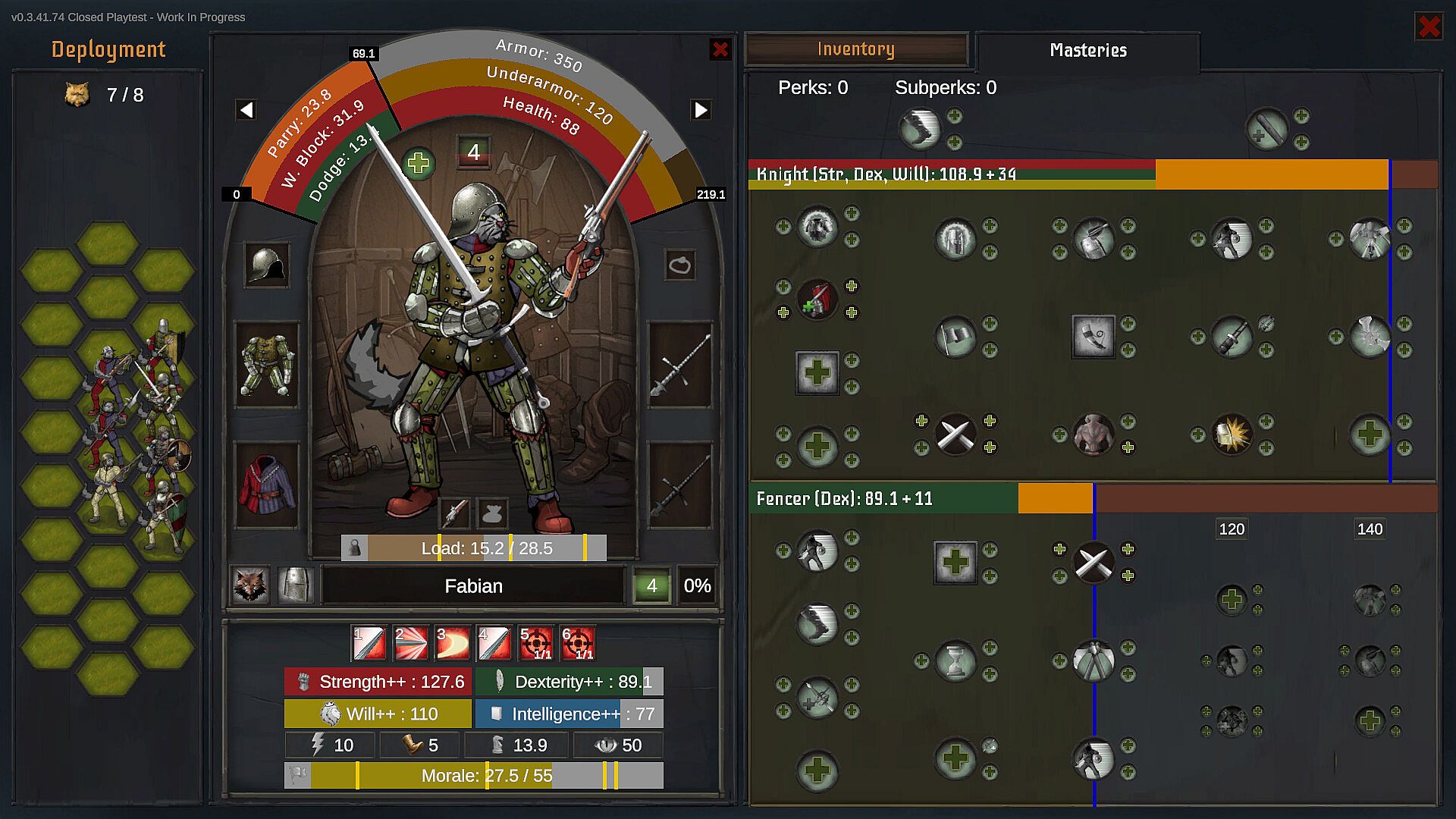
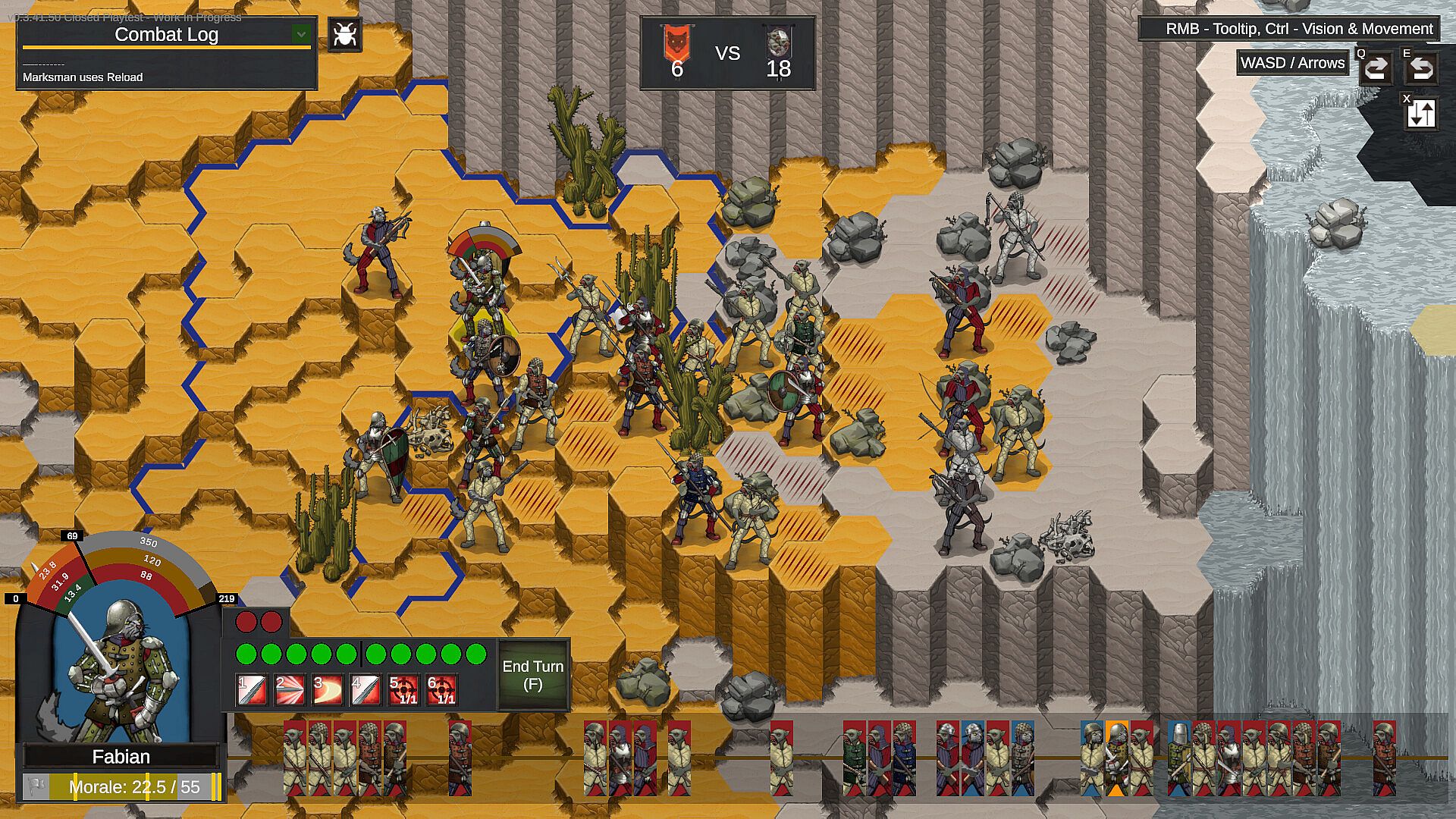
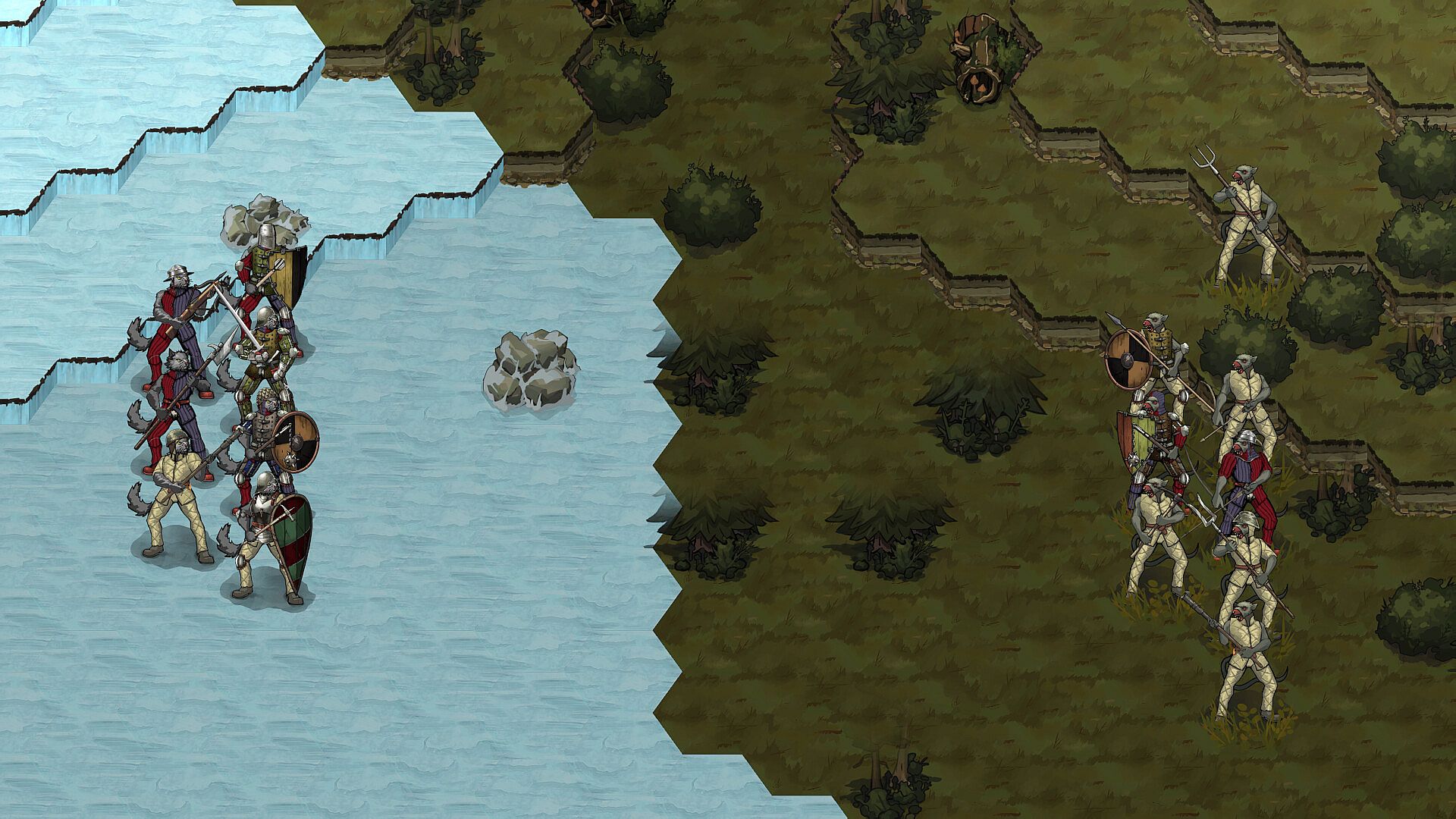
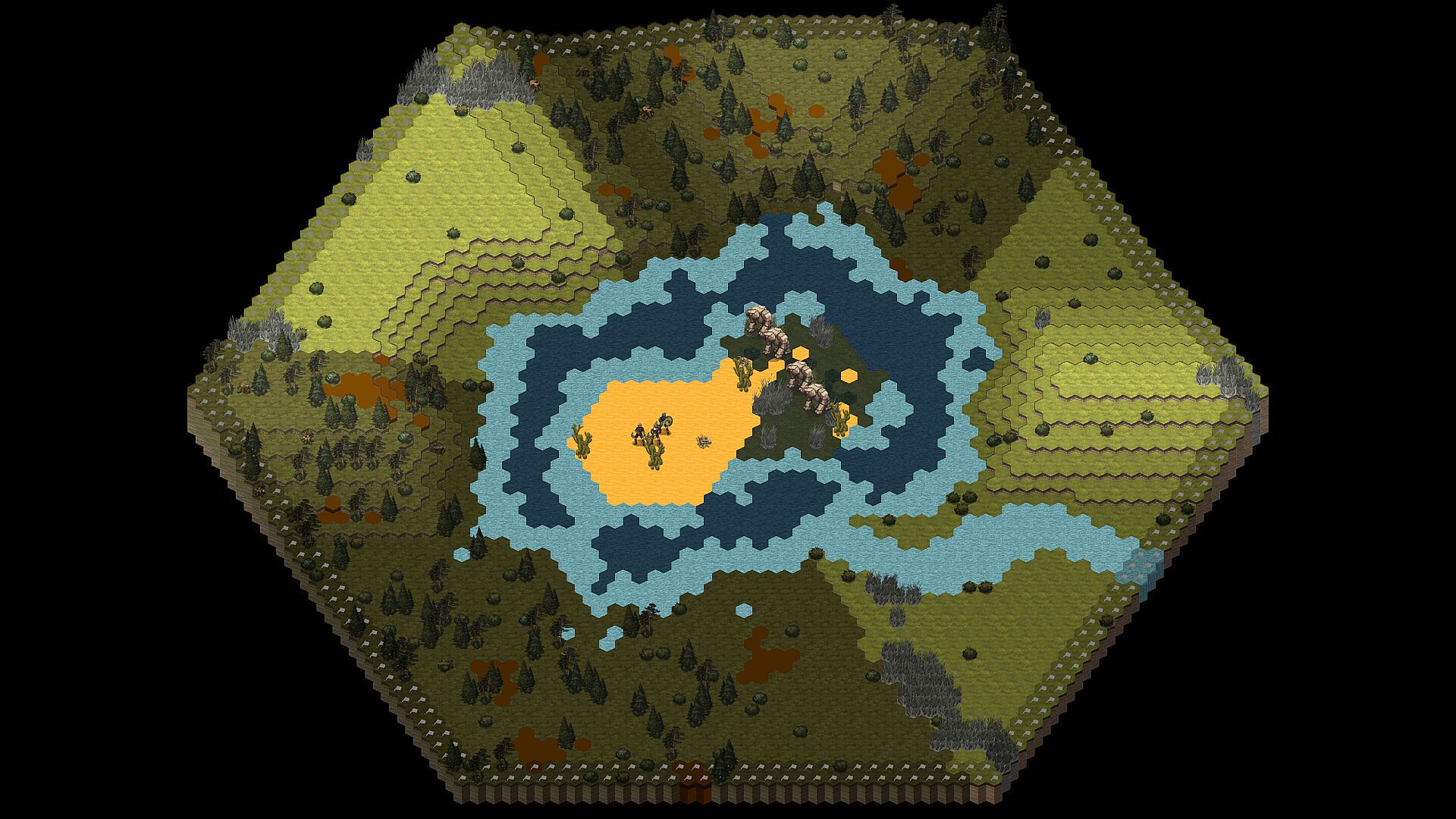
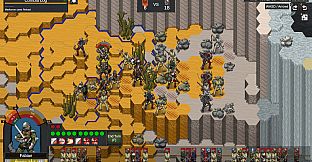
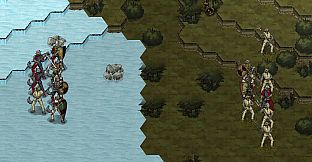
Core gameplay centers on managing a mercenary company through dangerous contracts and exploration. Players recruit individuals with distinct backgrounds, attributes, traits, and weaknesses, then develop them via weapon masteries, perks, and stat gains. Equipment draws from historical arms and layered armor, including spears, swords, polearms, bows, and early gunpowder weapons, with occasional limited magic. Formations and positioning prove critical because battles occur on hex grids shaped by elevation, obstacles, and terrain features from the campaign map.
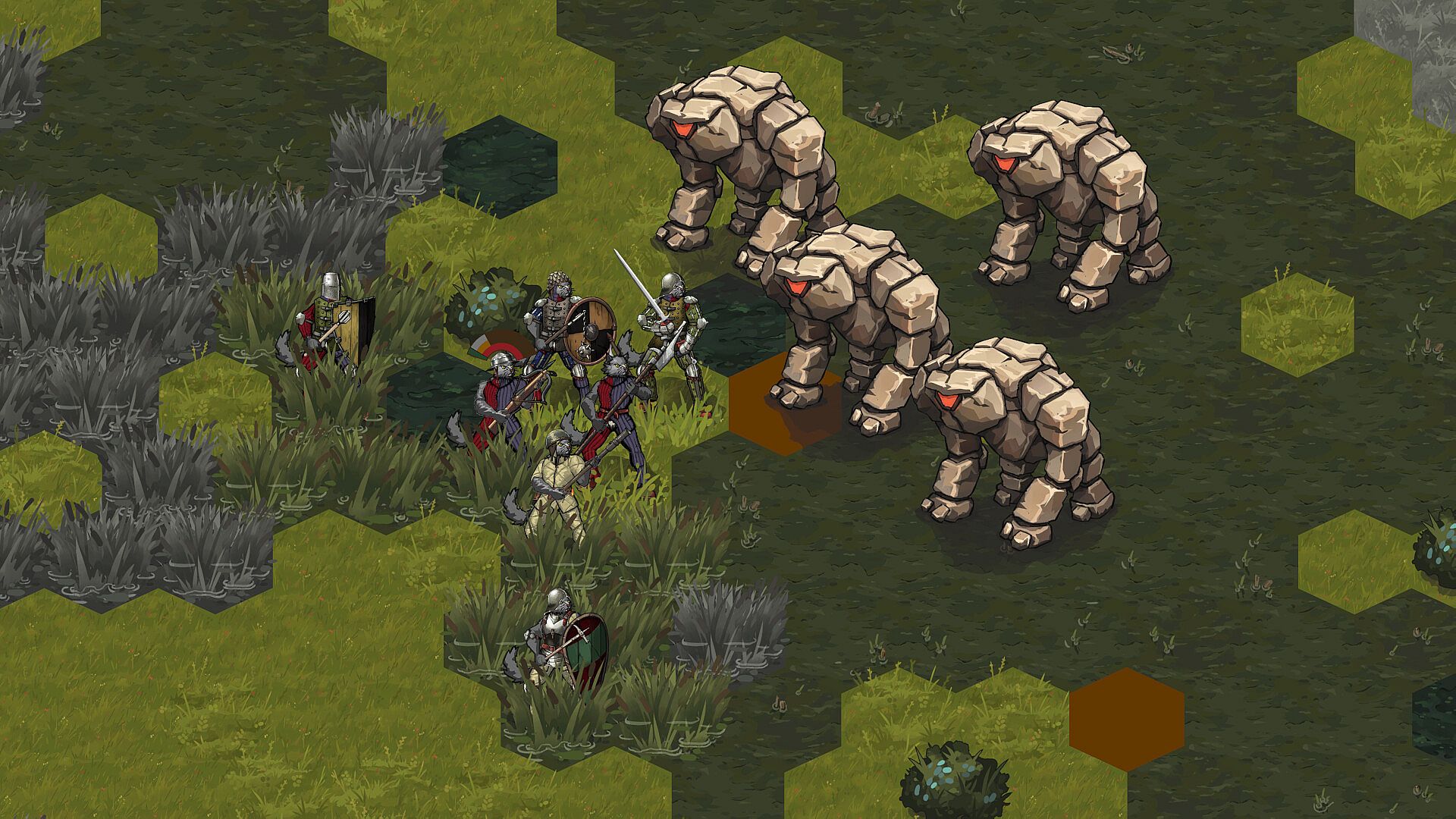
Combat layers multiple defensive systems such as shields, dodging, blocks, parries, and armor that interact differently with various attacks. Larger creatures occupy multiple hexes while swarms share tiles, creating varied tactical challenges. Endurance, initiative, morale, injuries, and equipment condition all influence performance, so veterans can falter when exhausted and frightened units may break ranks. Massive creatures control space aggressively, while precise strikes exploit vulnerabilities that raw power cannot overcome.
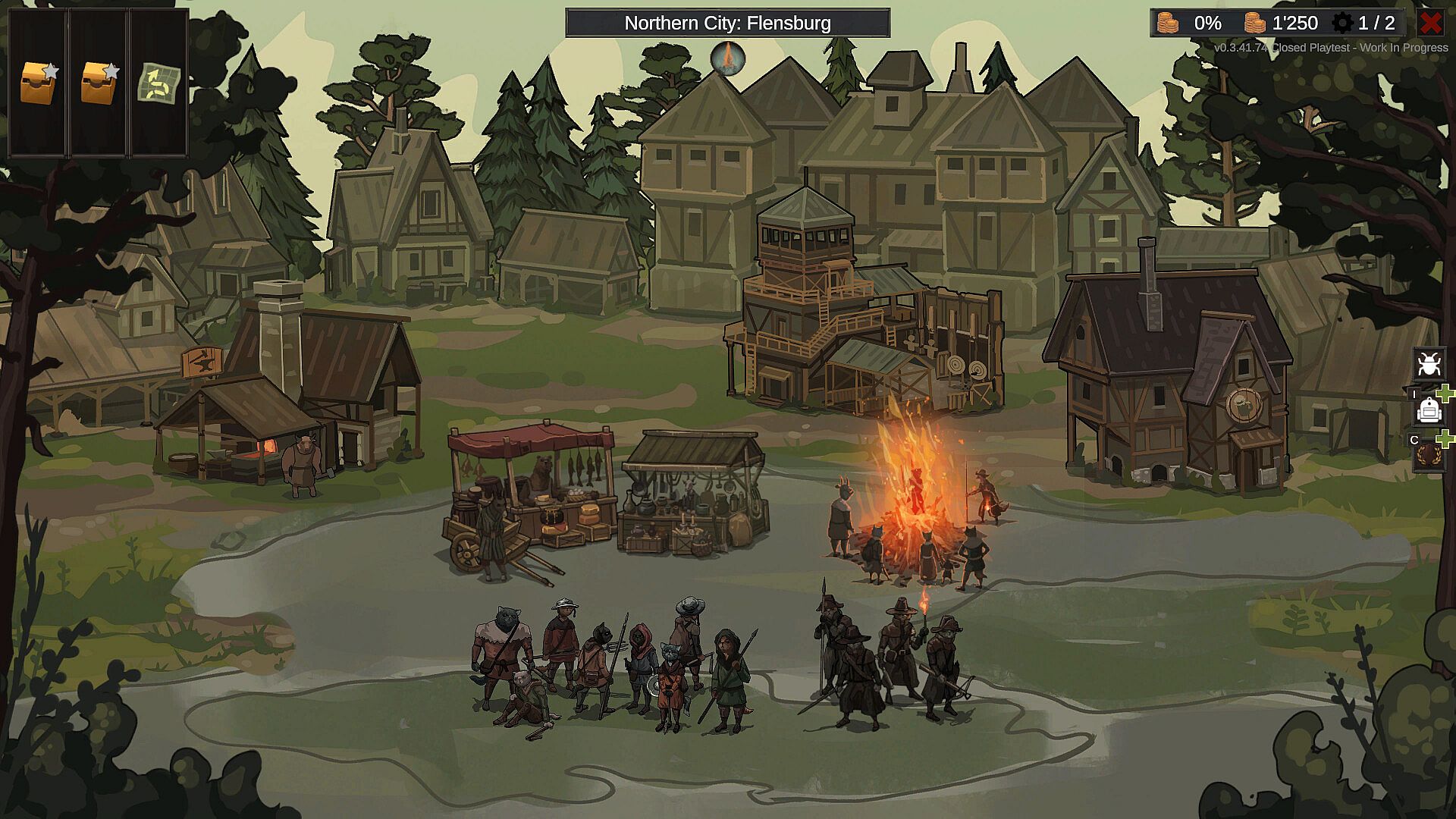
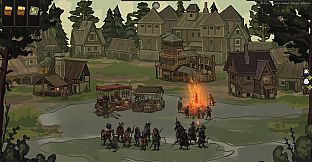
The world simulation adds depth as time passes, companies travel, dangers spread, and events unfold independently. Players decide routes, evaluate contract risks, visit cities for recruitment and trade, and adapt tactics to anticipated threats. Procedural generation ensures each campaign differs in layout and opportunities, with the map reflecting real terrain influences on combat.
Game Modes
The game supports single-player campaigns exclusively. Players build and lead one company through a procedurally generated open world, handling contracts, exploration, and company management without multiplayer or co-op options. Difficulty settings allow customization, including ironman-style runs where saves can be restricted or disabled according to player preference. Procedural seeds and world variety support replayability across multiple campaigns.
Modding receives emphasis during development, with plans for balance changes, art additions, content expansions, and C# script injections once support arrives in early access. Twitch integration exists for streaming interactions, and the developer welcomes suggestions through community channels. No factions receive named mechanics beyond general rival warbands, barons, and night horrors that populate the world.
World and Company Building
Every campaign unfolds across a living procedural environment where settlements, enemy camps, and wilderness areas respond to player actions and the passage of time. Reputation builds through successful contracts, yet survival remains uncertain because wounds, trauma, and equipment damage accumulate. Recovery requires time and supplies, turning every decision about rest versus risk into a meaningful choice.
Recruits arrive as unique individuals rather than class templates. A farmhand, hunter, deserter, or scribe can all become effective fighters, though each follows a different development path based on natural talents and chosen perks. Equipment and tactics must adapt constantly because no single loadout suits every encounter. The company carries forward consequences from prior battles, making veteran retention a priority while new recruits offer fresh potential.
Is It Worth Playing?
8 More Lives targets players who enjoy deep tactical combat, procedural campaigns, and the permanent consequences of mercenary management in the style of Battle Brothers. The single-player focus, customizable difficulty, and emphasis on formation, positioning, and layered defenses deliver a deliberate pace suited to those who value planning over speed. Early development versions through demos and closed playtests have received positive feedback on core systems such as terrain-driven maps and character progression, though the full experience remains in progress ahead of the planned early access release.
Those seeking a living world where daily choices affect long-term company viability will find the simulation elements compelling. Limited player counts in current playtests reflect the pre-release stage, yet the developer continues iterating based on community input. The game suits fans of indie strategy titles who appreciate hex-grid tactics, historical weaponry, and the tension of protecting experienced mercenaries across multiple campaigns.