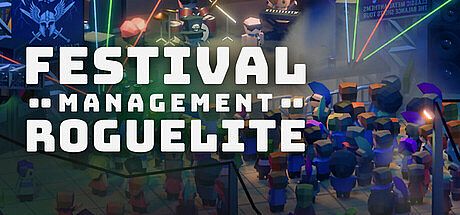


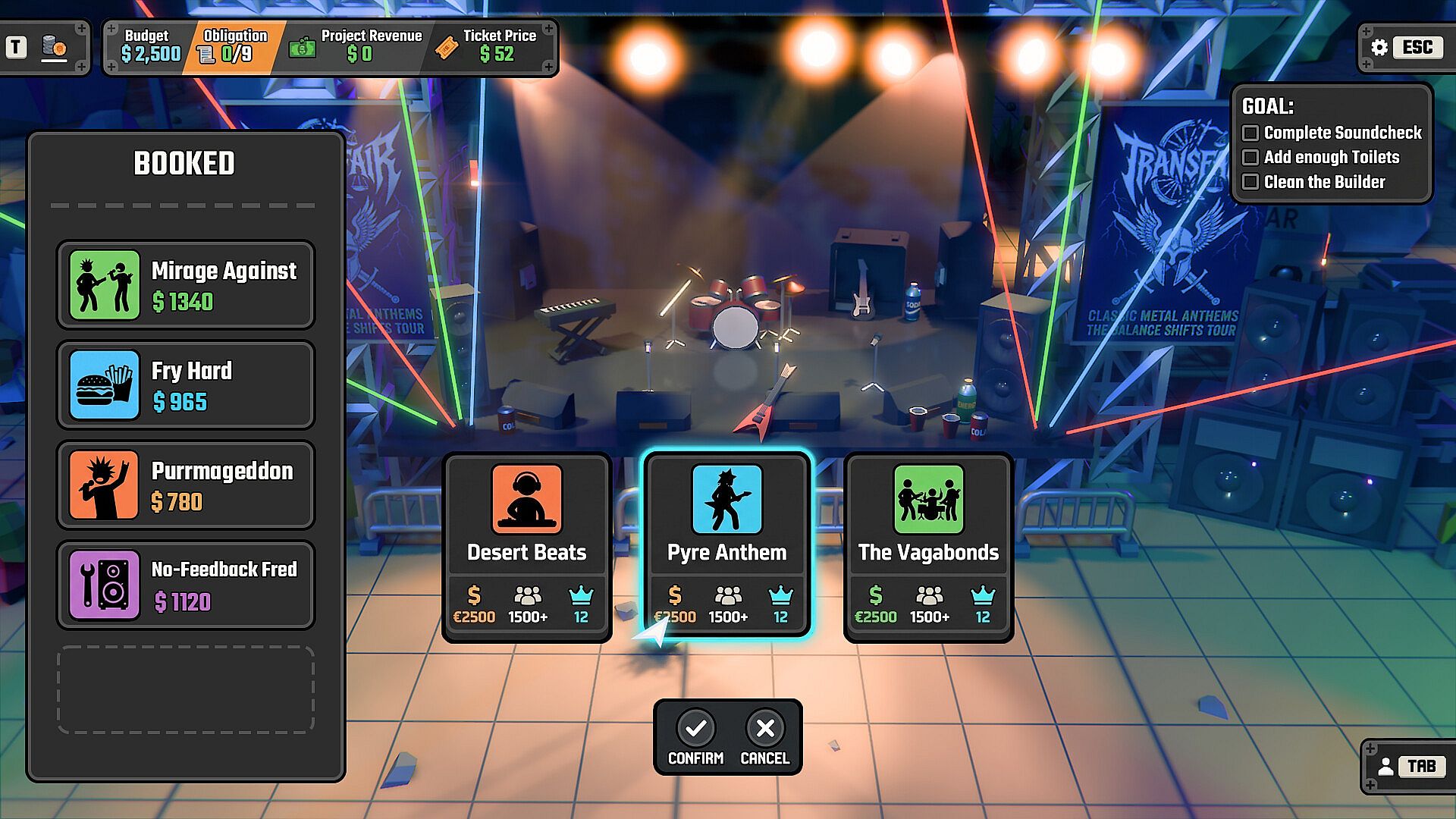
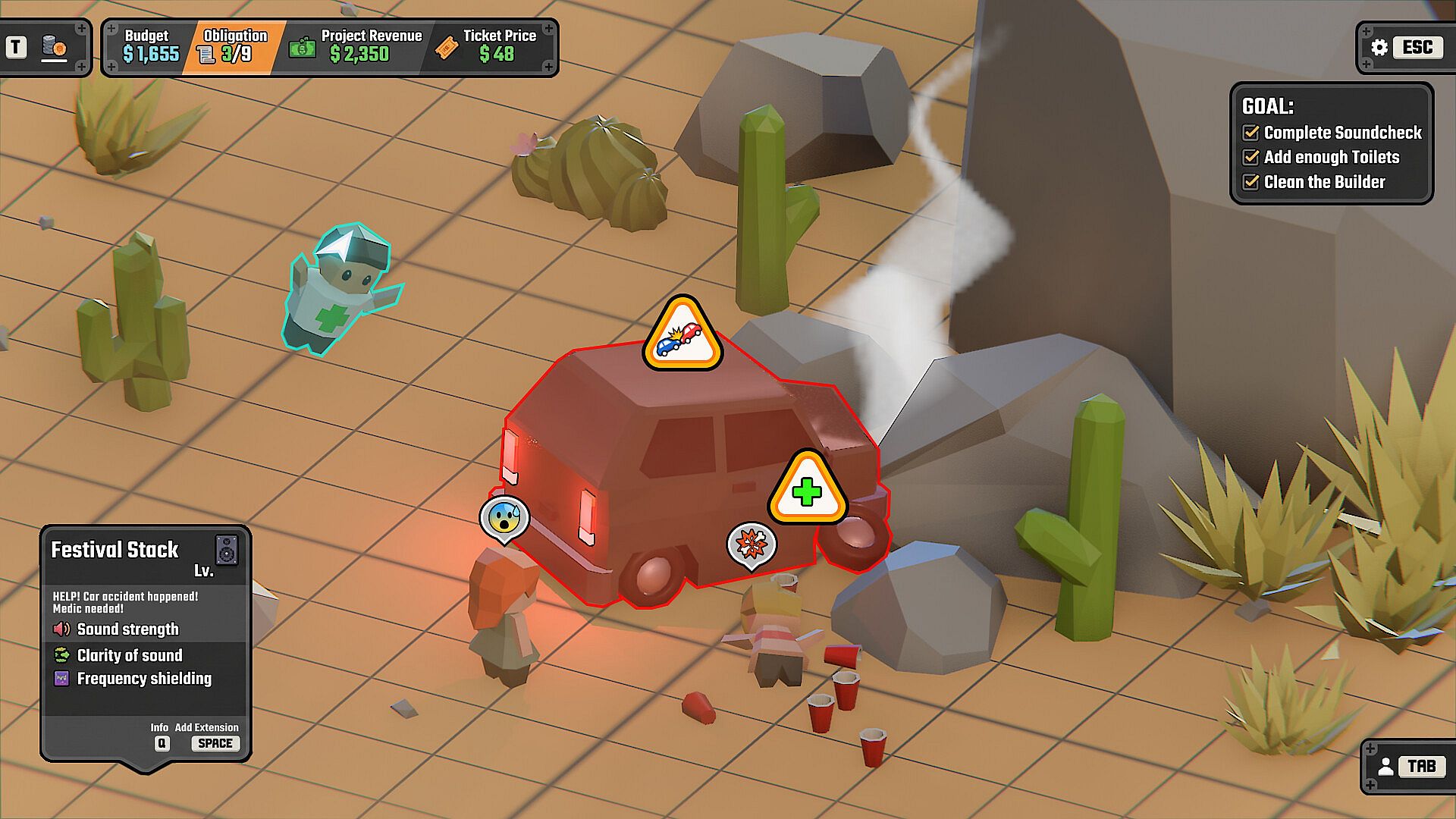
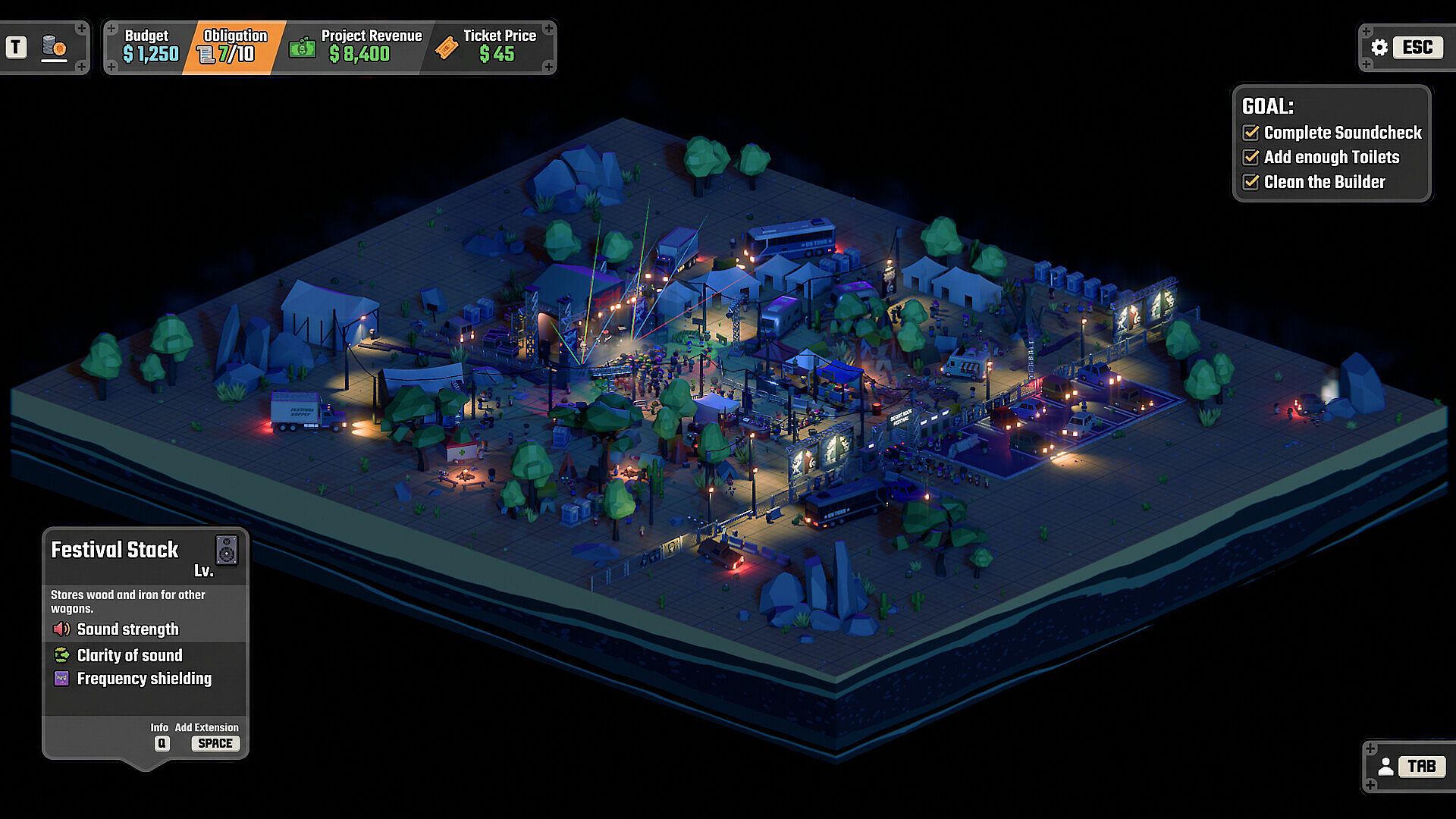
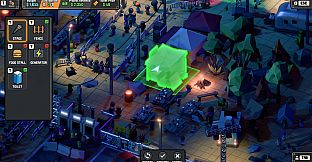
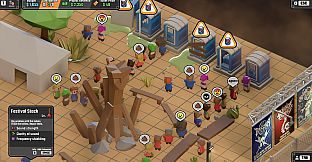
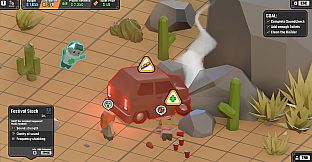
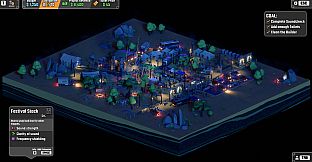
A Festival Management Roguelite is a single-player strategy and simulation game that blends roguelite elements with festival management. Players take on the role of an organizer handed a limited budget, a random venue, and a short window to assemble a lineup before opening the gates. The experience emphasizes quick decisions under pressure rather than long-term planning, with each attempt presenting fresh constraints that force adaptation.
Gameplay
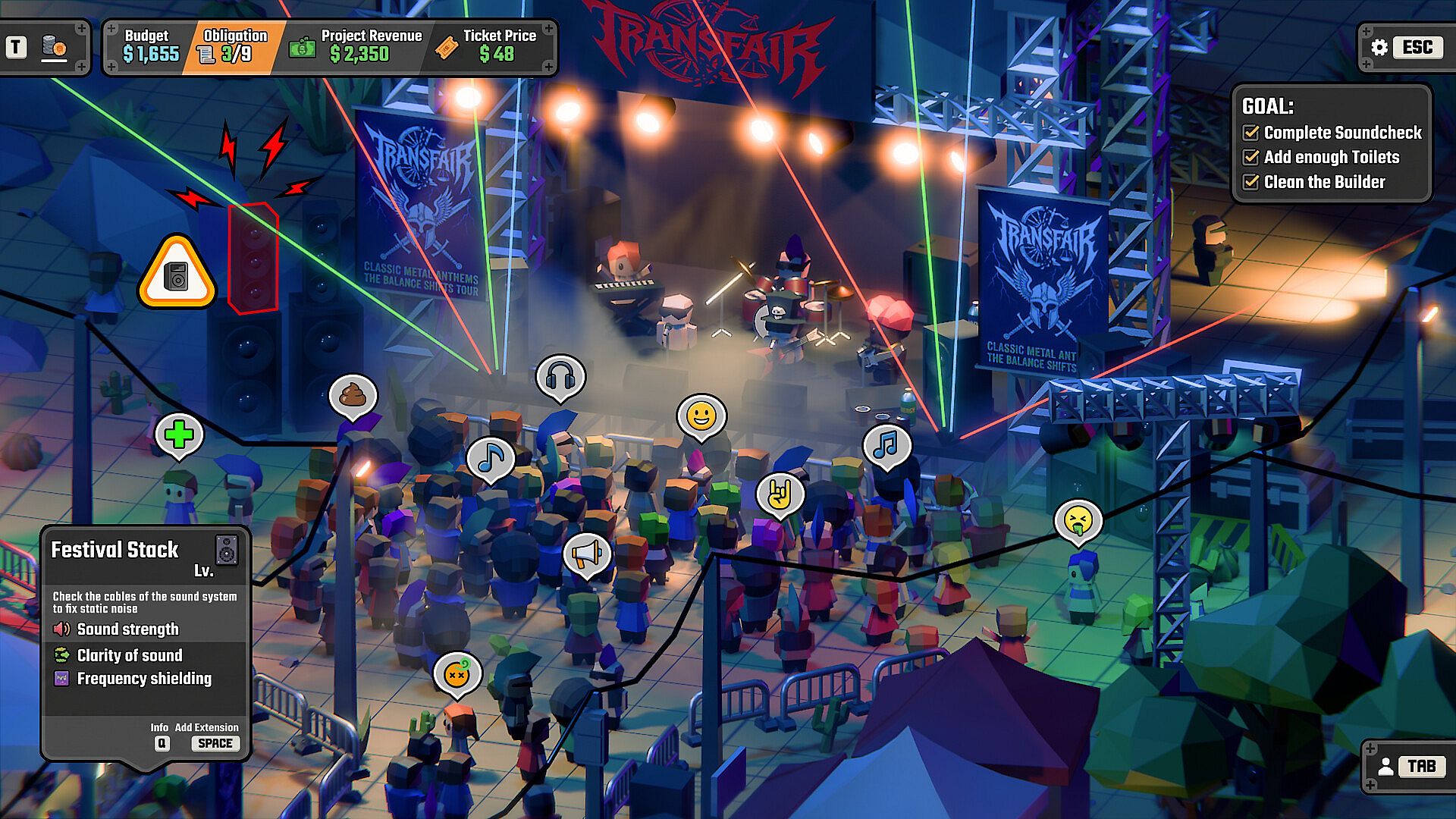
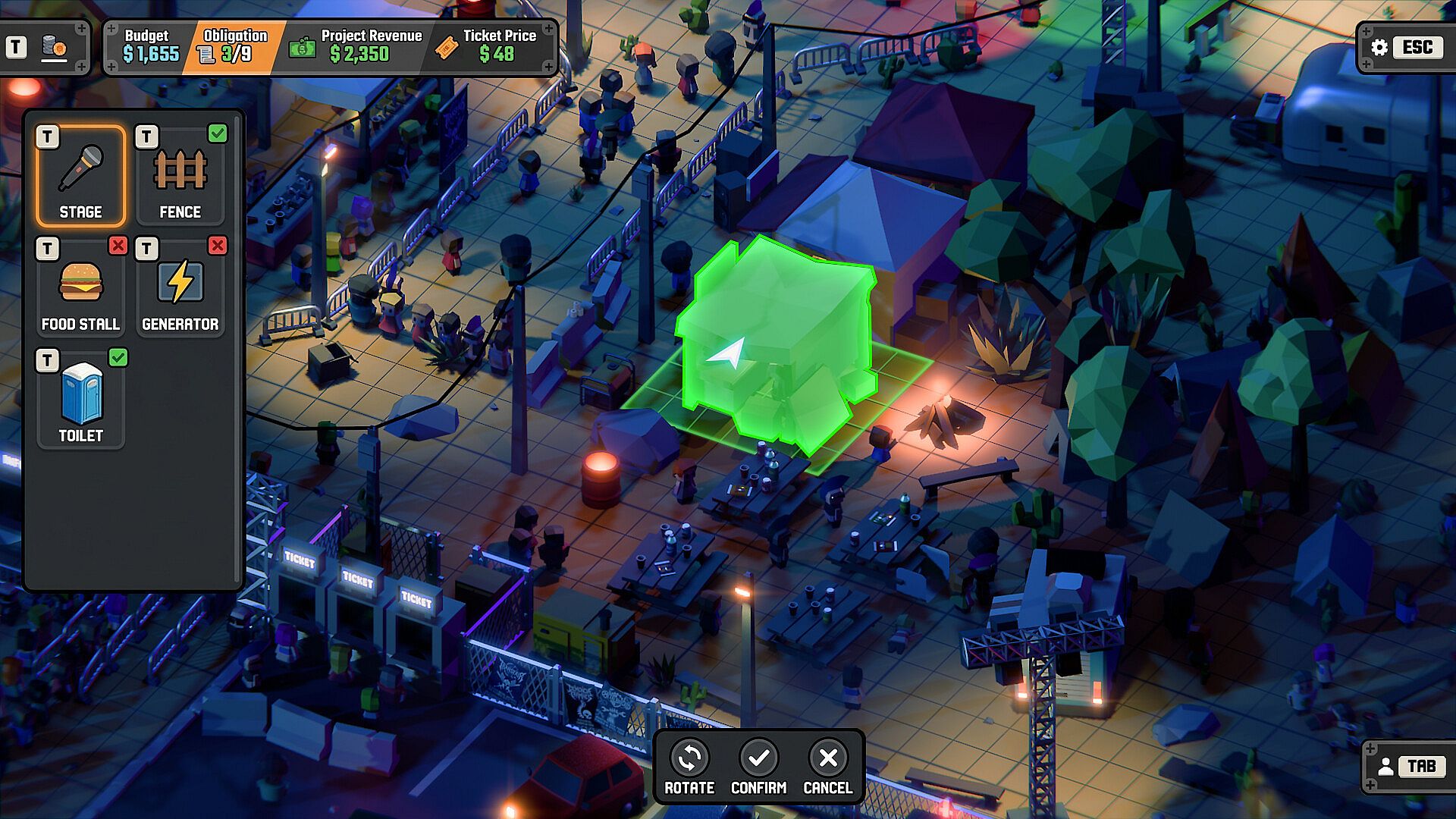
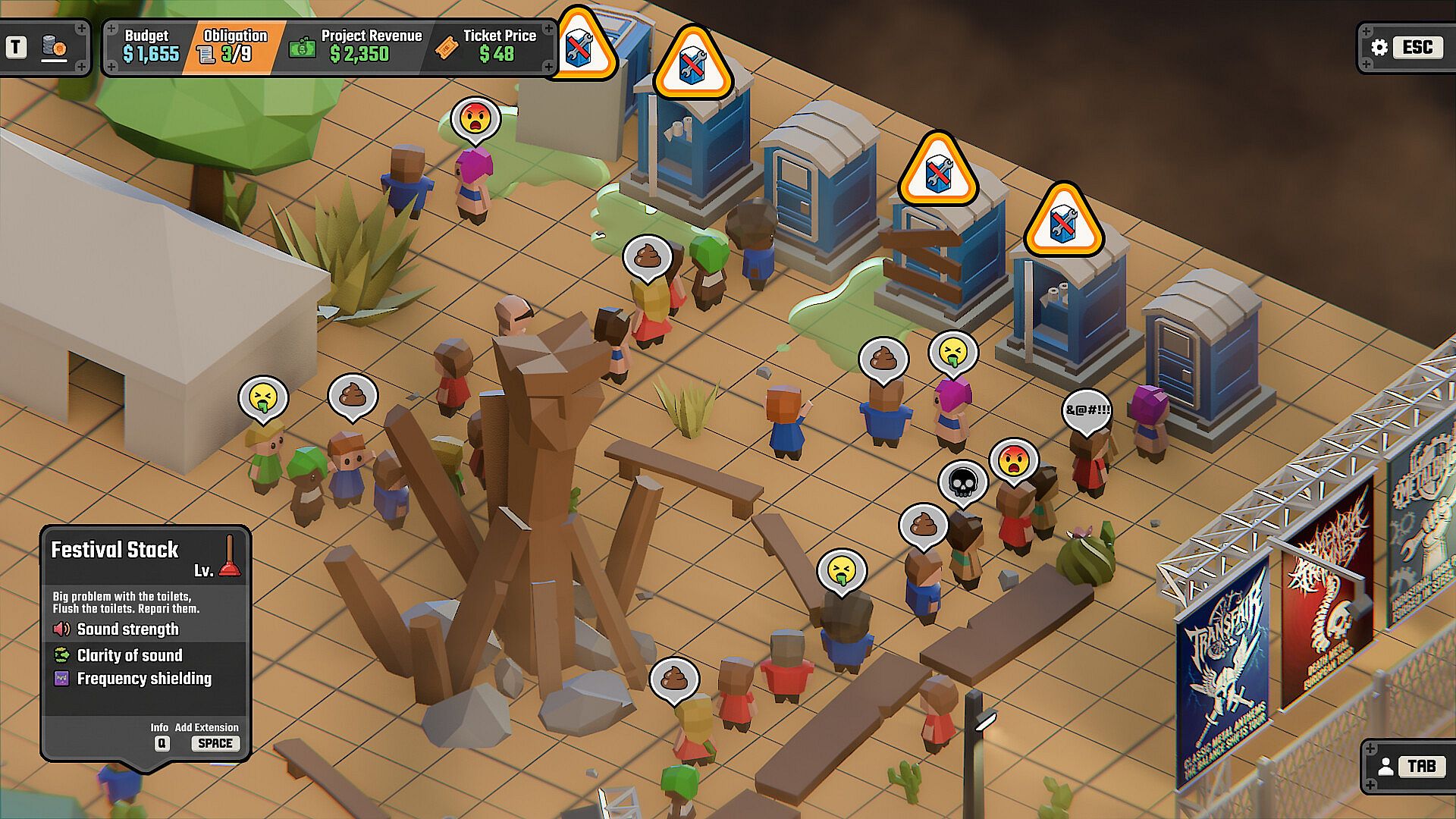
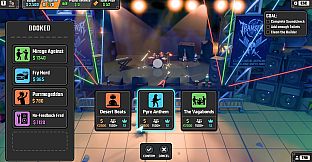
The core loop centers on drafting bands, vendors, crew, and perks from limited choices during the booking phase. Runs last only a few in-game days, pushing players to assemble a viable event from whatever options appear. Once the festival begins, attention shifts to real-time management of crowds, stage logistics, and unexpected issues such as overflowing facilities or performer disputes. Financial tracking runs throughout, with the final settlement determining payouts and long-term consequences for reputation.
Reputation carries forward in limited form even after a failed run, while successful events allow a choice between securing permanent unlocks like new acts or sites and attempting a higher-stakes follow-up. The system tracks past decisions, affecting which bands remain available in later attempts. A living crowd simulation introduces variables that can disrupt even well-prepared lineups, requiring on-the-fly adjustments to staff and stage placements.
Game Modes
The game operates through a continuous chain of roguelite runs rather than separate named modes. Each attempt begins with a new site and draft pool, building toward either a profitable exit or bankruptcy. Players decide at key points whether to cash out reputation for unlocks or continue into riskier territory with larger crowds and names. Seeded runs support direct comparison of outcomes between different play sessions.
Progression relies on reputation earned across attempts, gradually expanding the pool of available acts, vendors, and perks. Bankruptcy ends the current chain but preserves a portion of reputation for the next start. The structure encourages repeated short sessions focused on survival and incremental improvement rather than a single extended campaign.
Key Mechanics
Drafting forms the foundation, with three choices presented at each step and no option to revisit prior selections. Push-your-luck decisions appear at settlement and between runs, where holding onto earnings risks total loss against the potential for bigger rewards. Reputation influences future availability, penalizing choices that shortchange prominent acts by reducing callbacks from desirable performers.
Post-opening chaos demands constant monitoring of multiple systems simultaneously. Staff assignments, stage relocations, and financial forecasts can shift rapidly due to modifiers that emerge during the event. The game includes a roster of fictional bands with distinctive names, adding flavor to the booking process without relying on real-world artists.
Is It Worth Playing?
The title remains in development with a planned release date still to be announced, available for wishlist on its Steam page. Its roguelite structure and management focus target players who enjoy short, high-stakes sessions built around drafting and adaptation rather than relaxed building or long campaigns. Those drawn to simulation games that incorporate permanent progression through reputation and the tension of repeated failures will find the described systems align closely with that preference. The emphasis on unpredictable outcomes and decision consequences provides a distinct take on the genre for interested audiences.