

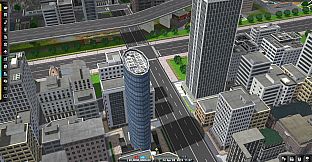
A-Train 9 PRIME LINE is a simulation game centered on railway management and city development. Players take the role of a railway company president tasked with linking separate regions through rail networks, operating trains, and guiding urban expansion across detailed Japanese landscapes.
Gameplay
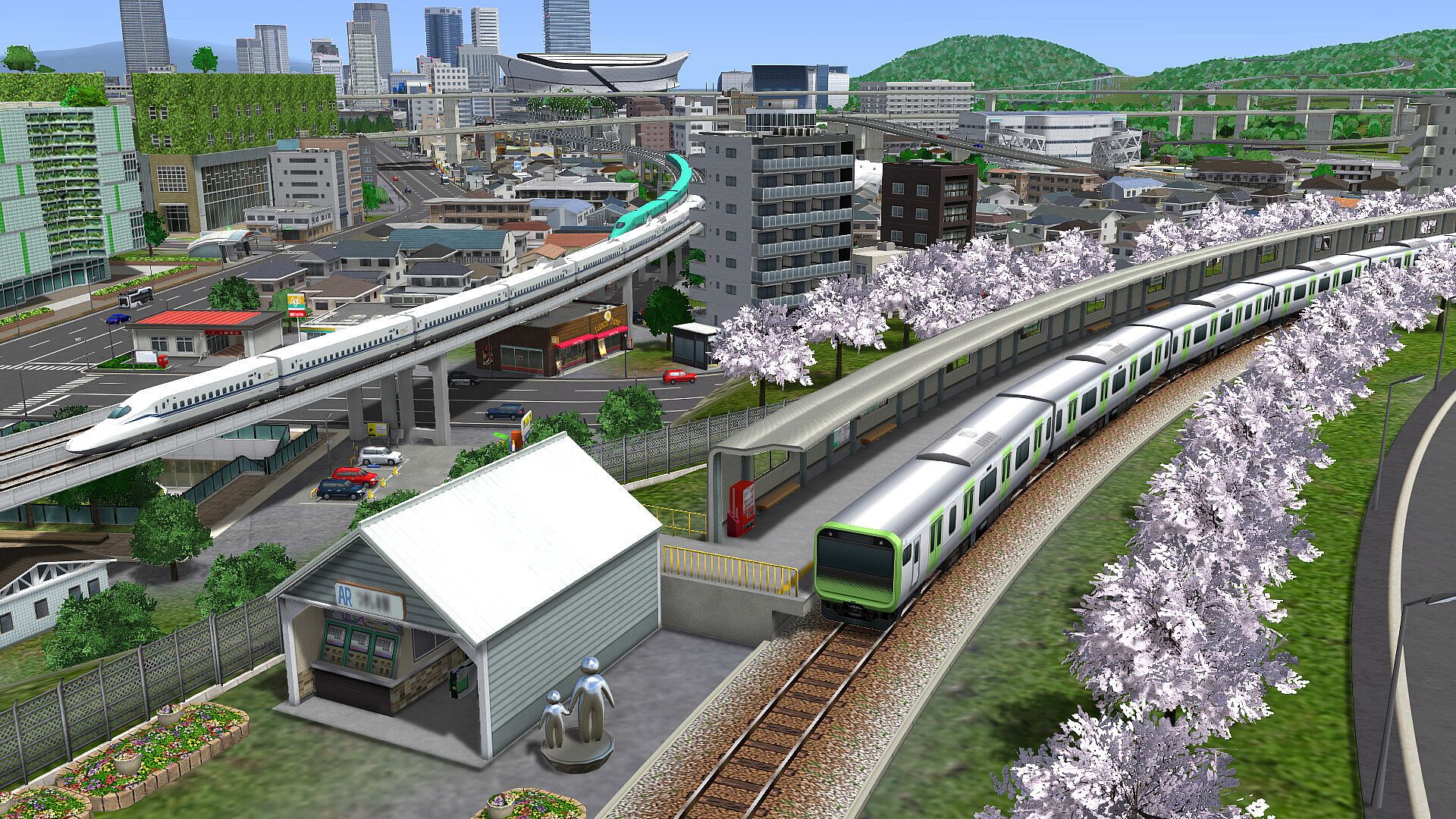
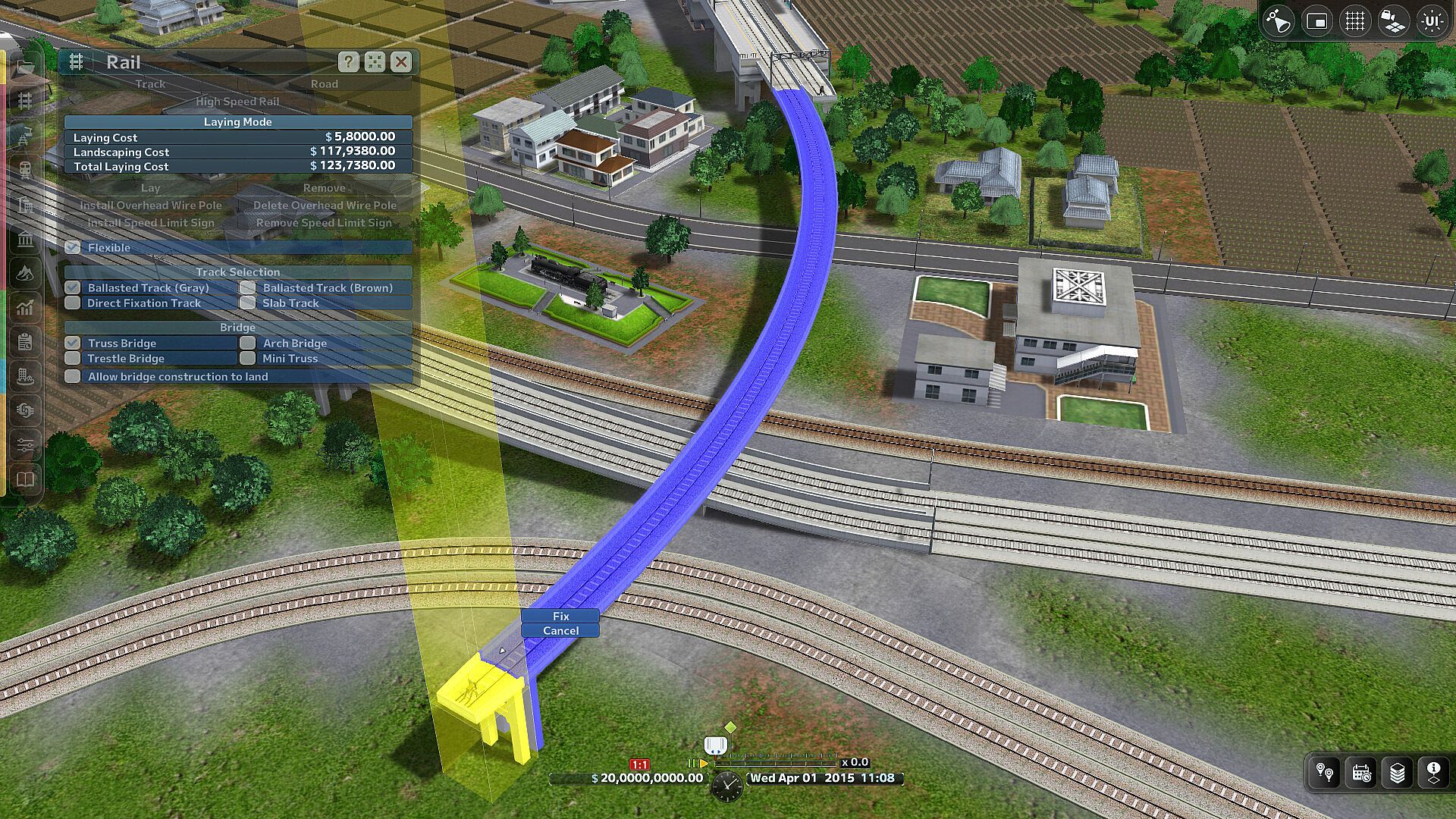
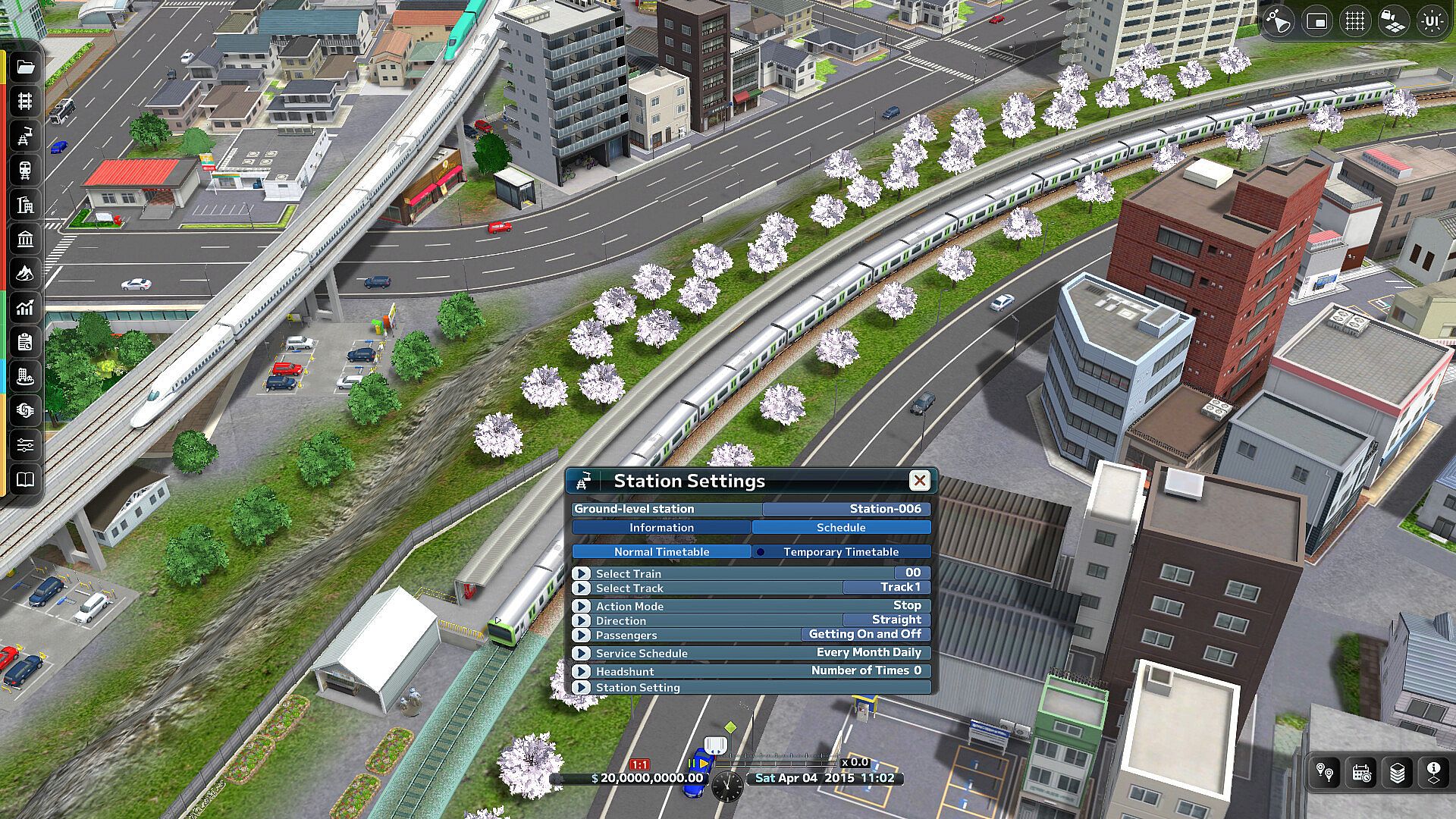
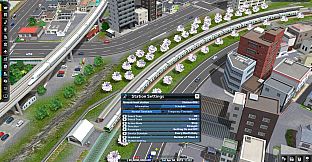
The core loop revolves around planning and constructing rail lines that follow the terrain with adjustable curves and gradients. Tracks can incorporate long, gentle bends and loops that were not possible in earlier entries, while roads receive similar flexibility including options for multi-lane configurations. More than 200 real-world train models are available, with formations extending to 16 cars that support realistic schedules for each individual service. Passenger movement between connected areas triggers building growth, turning quiet zones into active districts and expanding the overall metropolis over time.
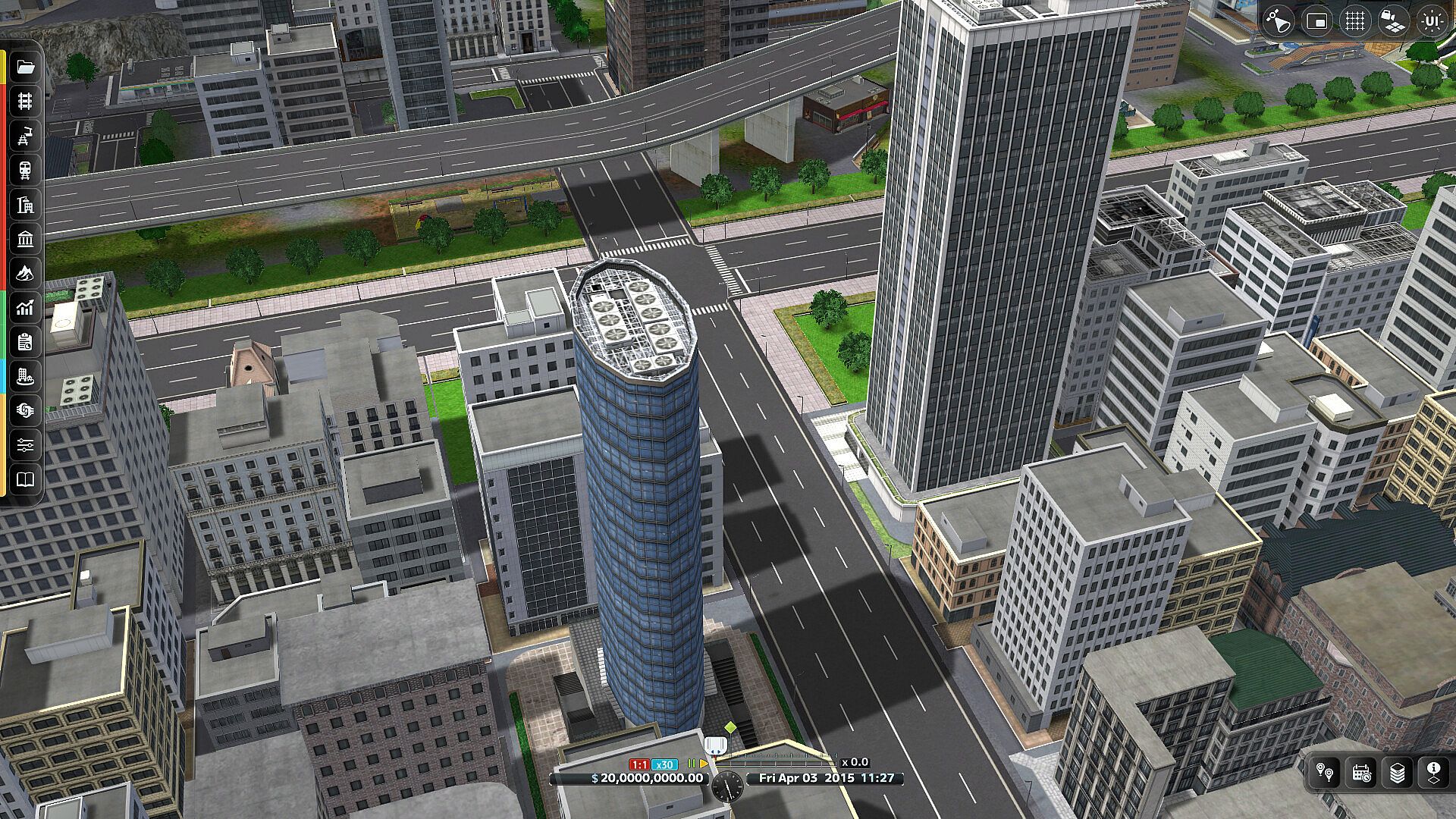
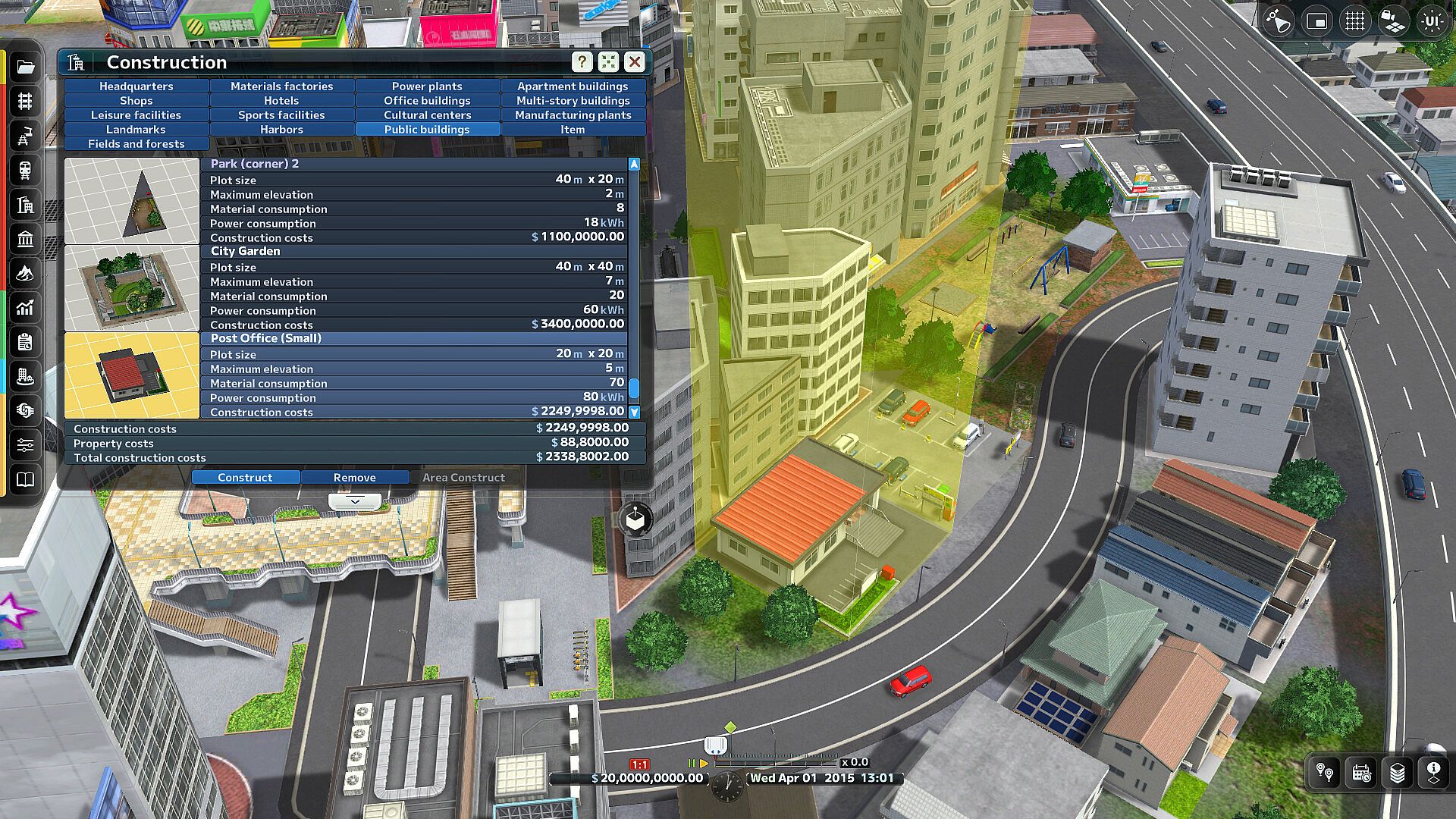
City building incorporates hundreds of structures ranging from roadside shops along major roads to small neighborhood buildings that reflect stages of development. Terrain tools allow extensive reshaping for custom landscapes, from dense urban cores to rural settings. Seasonal shifts alter the appearance of scenery, and players can observe their creations through multiple viewpoints including the train cab, sightseeing vehicles, or elevated perspectives that highlight evolving details.
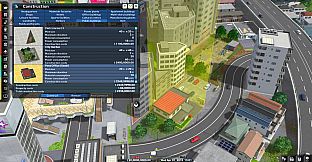
Management extends to financial decisions and operational tweaks that influence how efficiently the network supports city growth. A tutorial map introduces controls and progression for those new to the series, covering everything from basic track placement to advanced scheduling.
Game Modes
Game Mode presents scenario-based challenges where each map carries specific objectives and limited starting funds. Management skills determine how resources are allocated, and multiple paths exist to complete any given scenario. Choices in rail placement and development produce noticeable differences in the resulting city layout, rewarding careful planning and adaptation to real-world inspired conditions.
Construction Mode removes all financial constraints, functioning as a pure creative sandbox. Players can build any combination of urban or rural environments, experiment with terrain alterations, and realize visions that may not align with realistic budgets or constraints. All Game Mode maps remain accessible here for unrestricted exploration and modification.
Railway Operations and Customization
Realistic operations form a central pillar, with every train managed through precise timetables that account for speed, capacity, and route demands. The flexible track system supports four visual styles of rail and introduces curve stations with curved platforms. Road networks gain matching freedom, enabling complex junctions and multi-lane setups that enhance traffic flow in growing cities.
Players can import custom vehicles created in the separate A-Train 9 TRAIN CONSTRUCTION tool or subscribe to community-shared models through the Steam Workshop. These additions integrate directly into existing networks, expanding visual variety and operational options beyond the base selection of licensed trains.
Is It Worth Playing?
A-Train 9 PRIME LINE targets players who enjoy deep, methodical simulation experiences focused on transport networks and incremental city growth. The two distinct modes accommodate both structured challenges and open-ended creativity, while the tutorial lowers the entry barrier for newcomers. Improvements to track flexibility, train lengths, and visual fidelity address longstanding limitations from prior versions in the series.
Those drawn to realistic Japanese railway modeling, detailed timetable management, and the satisfaction of watching a connected network drive organic urban expansion will find substantial depth here. The single-player focus and emphasis on long-term planning suit extended sessions rather than quick play. As a title scheduled for release in December 2026 with no player reviews available yet, its value depends on individual preference for simulation complexity over faster-paced city builders.