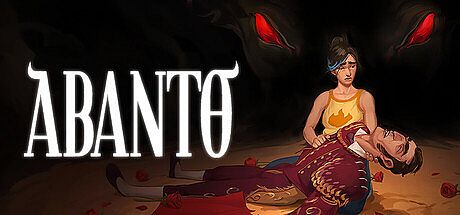


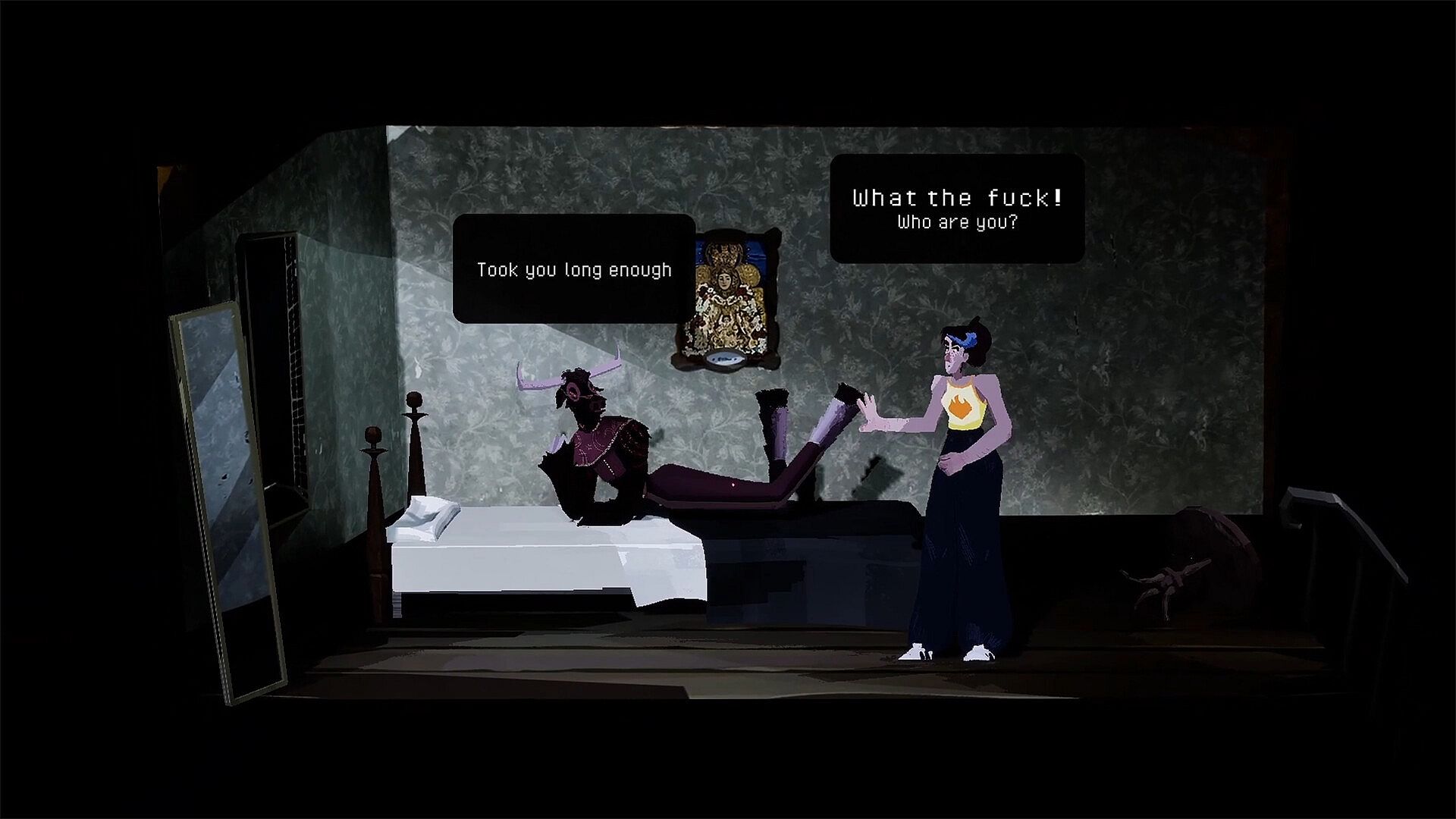
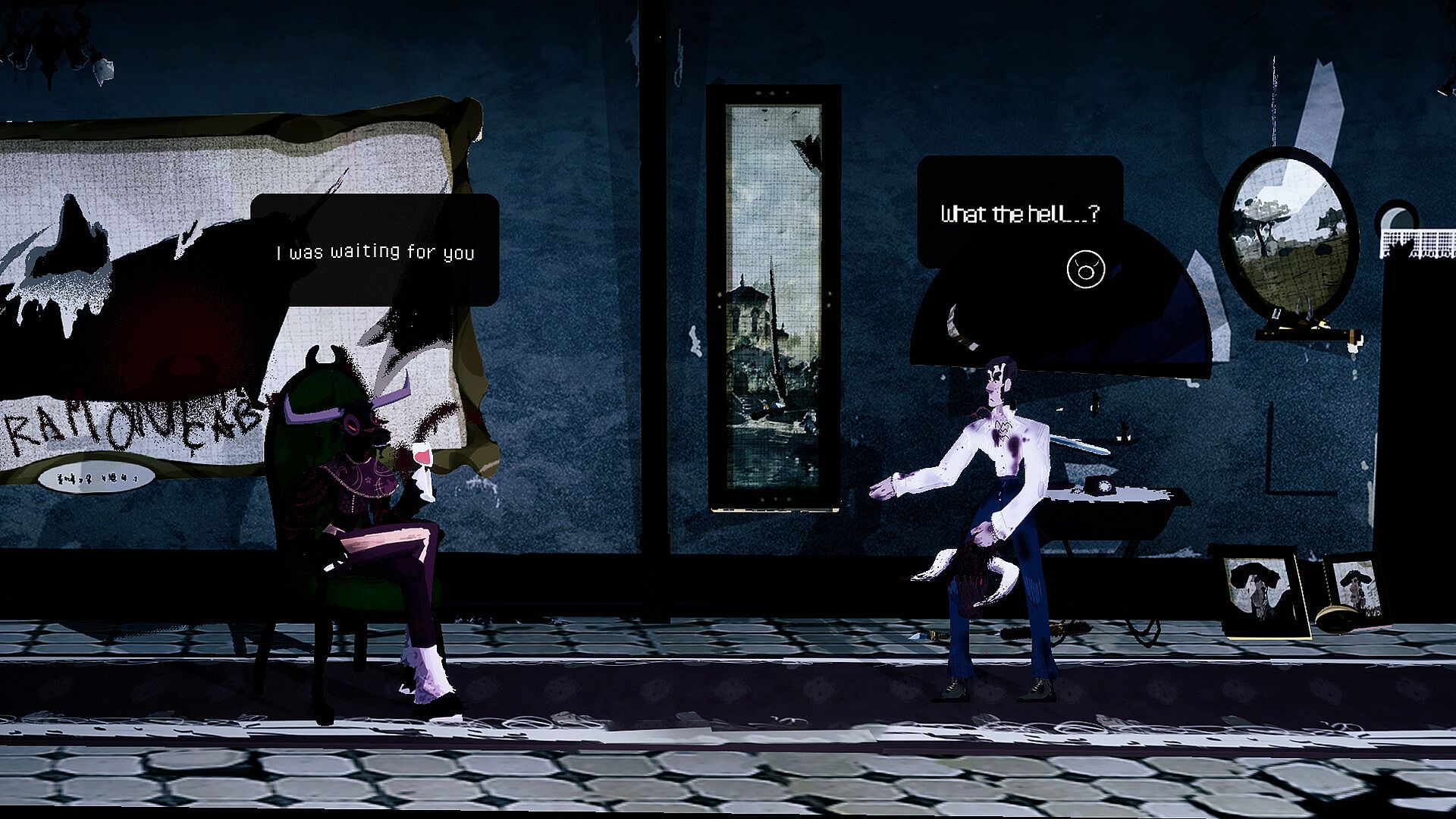
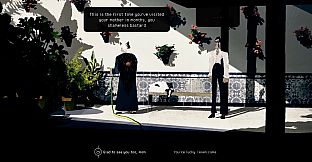
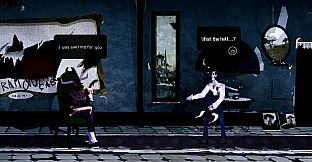
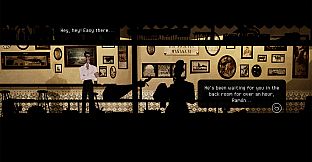
Abanto is an indie narrative adventure game developed for PC that centers on personal reflection, family legacy, and moral choices within a story inspired by Spanish bullfighting culture. Players step into the role of Sofía, a young woman confronting the memories of her late father, a torero named Ramón, in a dreamlike setting shared with a bureaucratic bull named Abanto. The experience unfolds through intimate conversations and pivotal decisions that determine how the past influences the present.
Gameplay
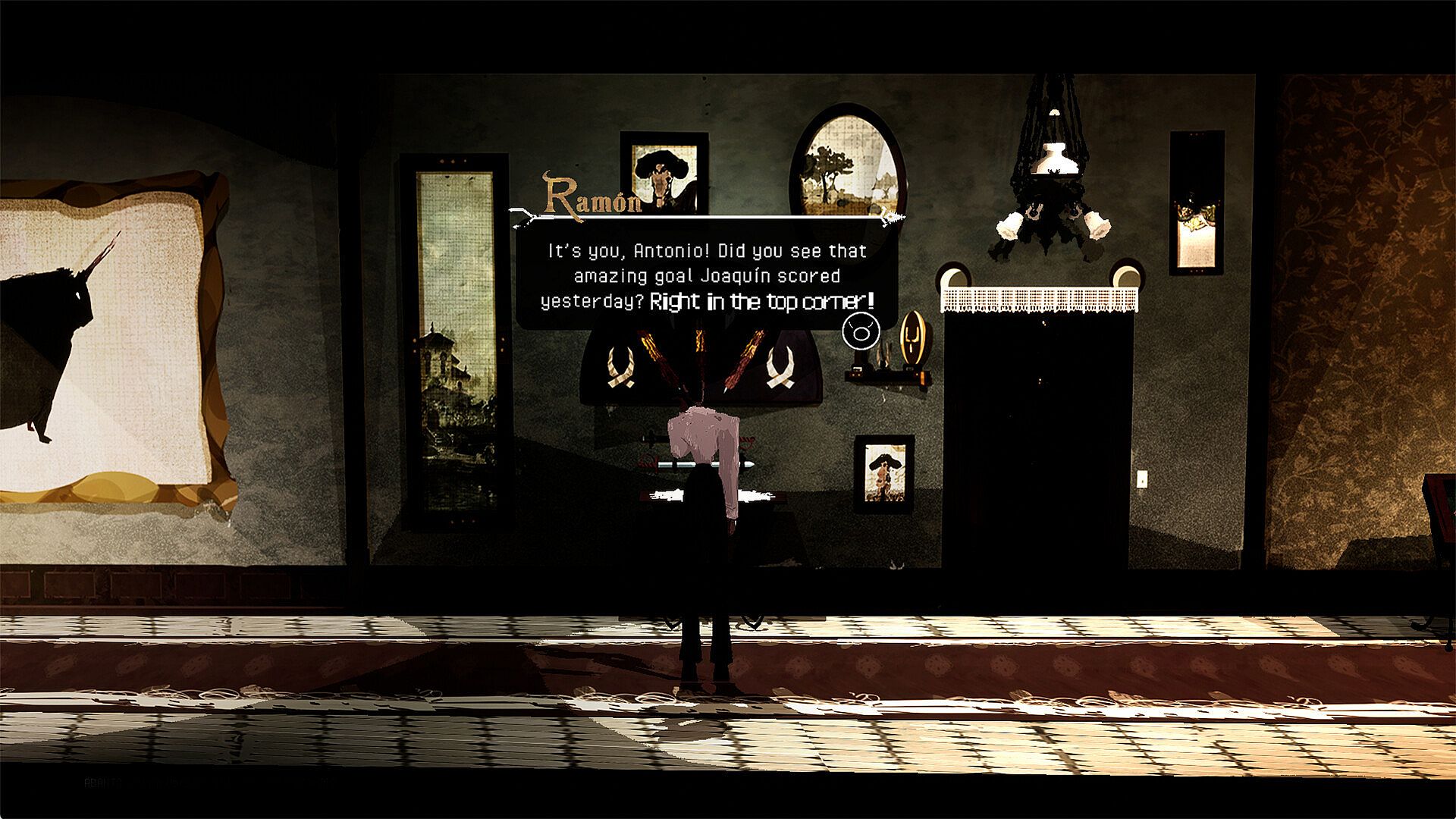
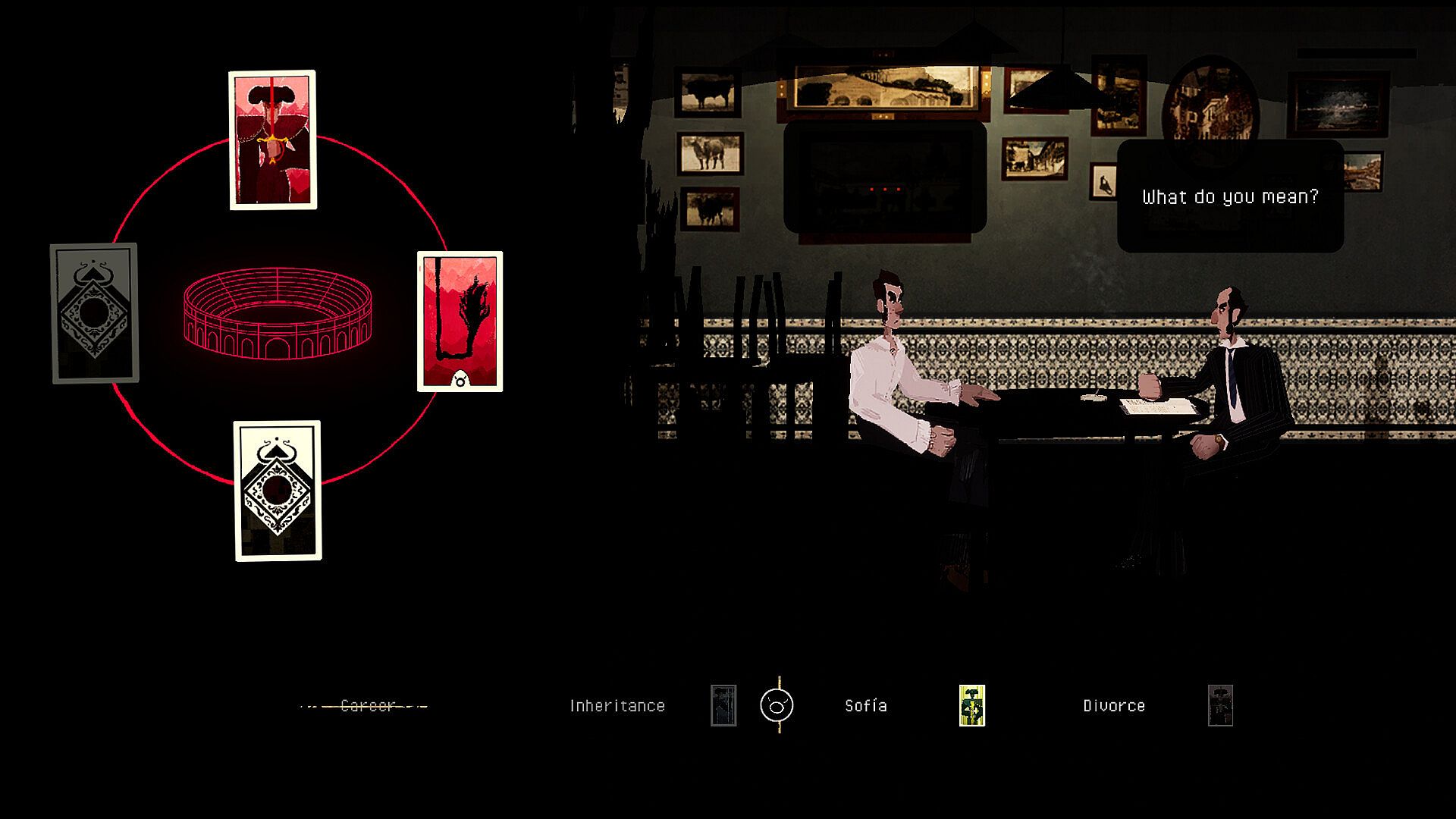
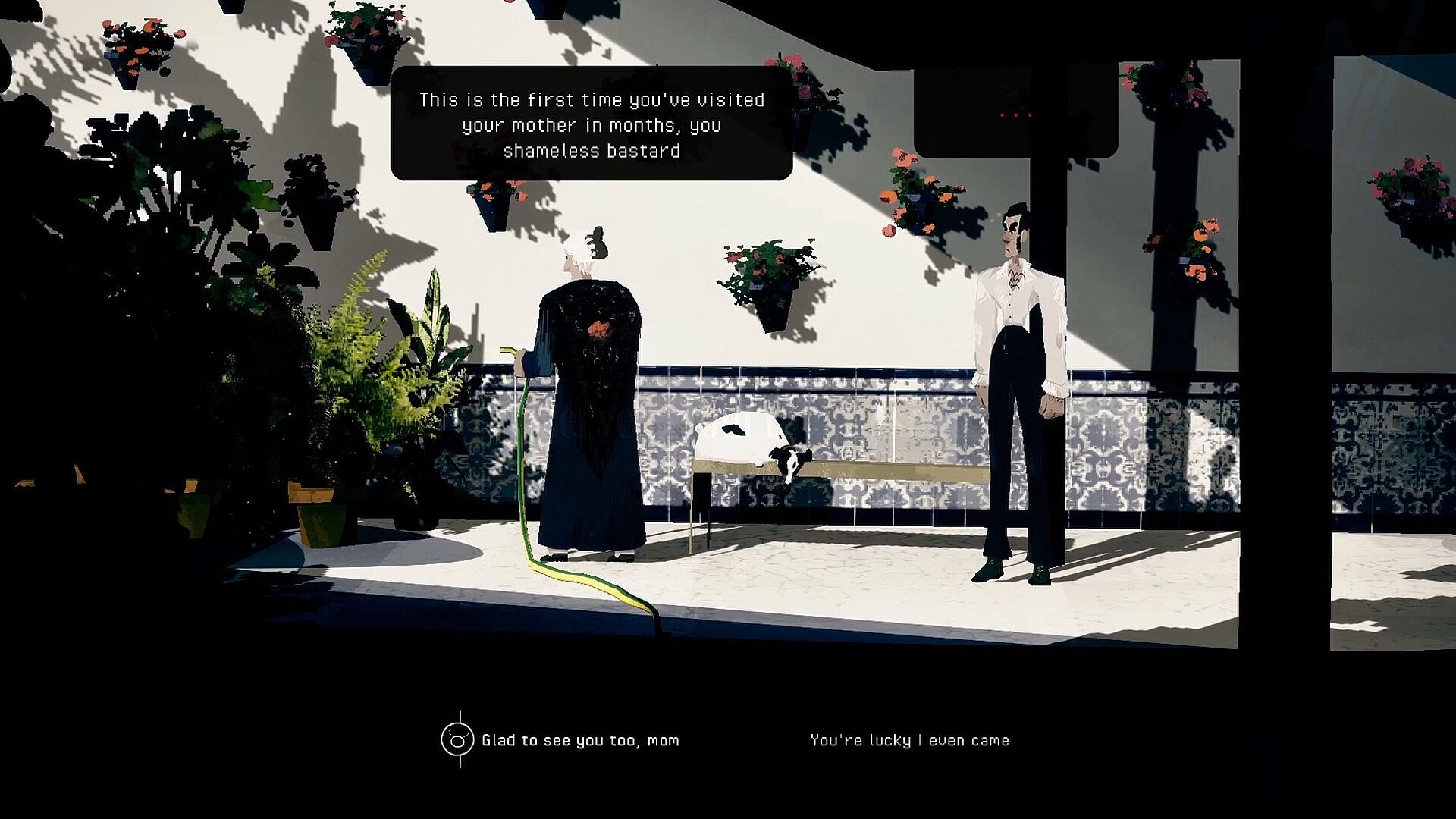
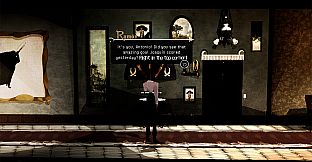
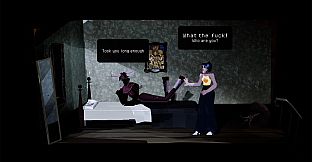
The core loop revolves around exploring fragmented memories tied to five specific bullfights from Ramón's final days. Players navigate a handcrafted environment that blends vibrant details with signs of nostalgia and decay, selecting which characters and moments to engage with during each sequence. Conversations reveal layers of humor, everyday struggles, and deeper emotional truths about ego, loss, and inheritance.
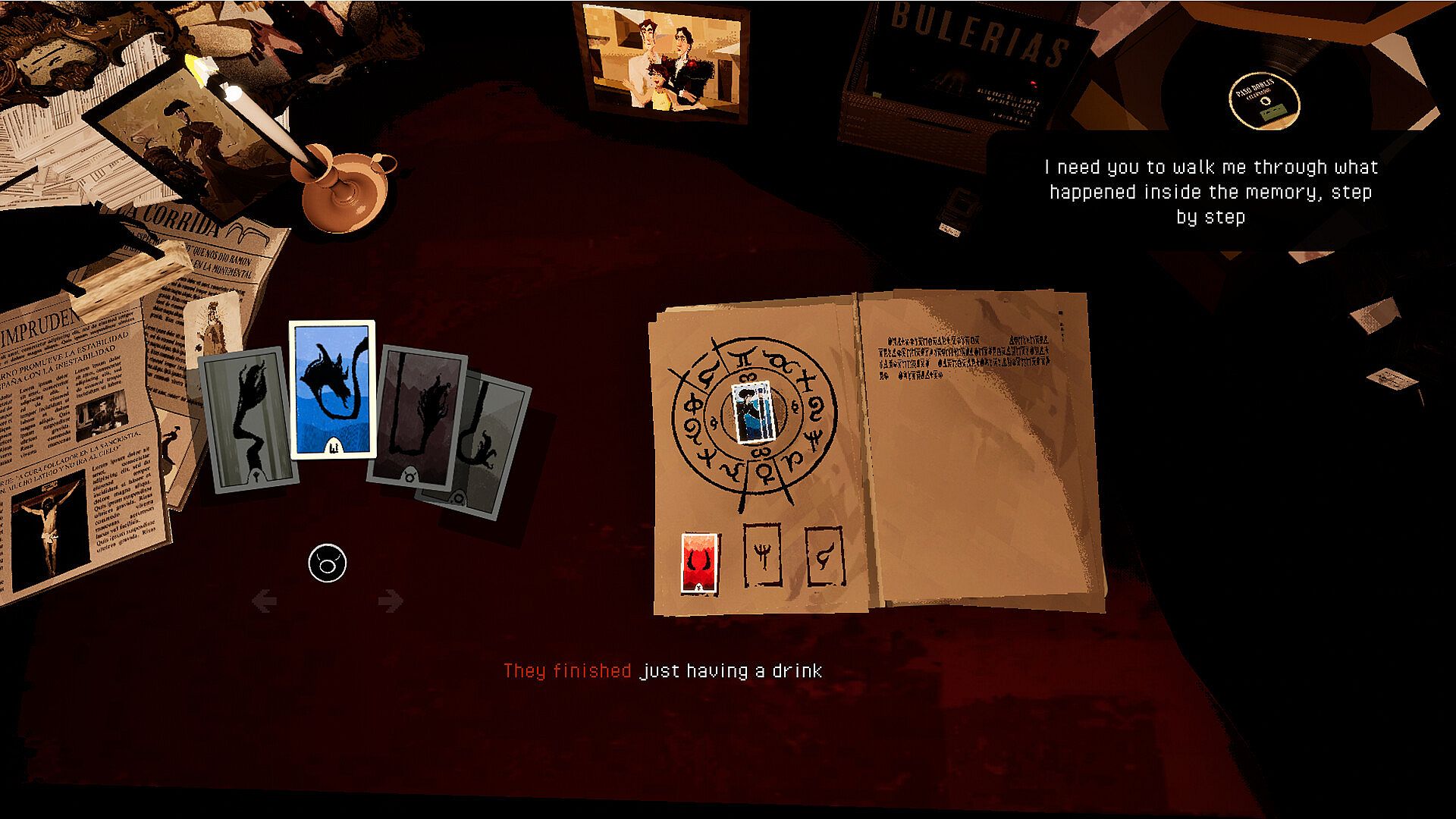
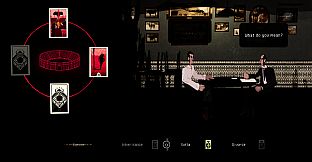
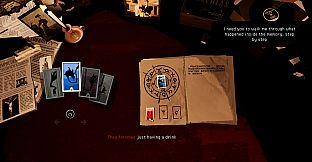
Decision-making forms the heart of progression. Cards drawn from a Spanish deck introduce emotions and dilemmas that directly influence the bull Ramón encounters in each fight. These choices alter the narrative path, unlock new dialogue branches, and contribute to reconstructing the overall memory. Assembling the bull piece by piece through accumulated decisions leads to different revelations about Ramón's life and death, shaping whether his story ends in release or eternal consequence.
The system emphasizes thoughtful pacing over action, encouraging players to weigh the weight of each selection against the human stories presented. Themes of grief, complex family ties, and cultural taboos surface naturally through the dialogue without overt violence or explicit content.
Game Modes
Abanto operates as a single-player narrative experience with no separate multiplayer or competitive elements. The primary structure follows a choice-driven story that branches based on card selections and time allocation among characters. Different paths emerge from these decisions, allowing players to uncover alternate truths about the central events and reach varied conclusions regarding Ramón's fate.
Replay value stems from the memory reconstruction mechanic, where prior choices create distinct versions of the bull and the surrounding recollections. The game presents one cohesive campaign focused on emotional exploration rather than traditional modes like campaigns, arenas, or survival challenges.
Story and Setting
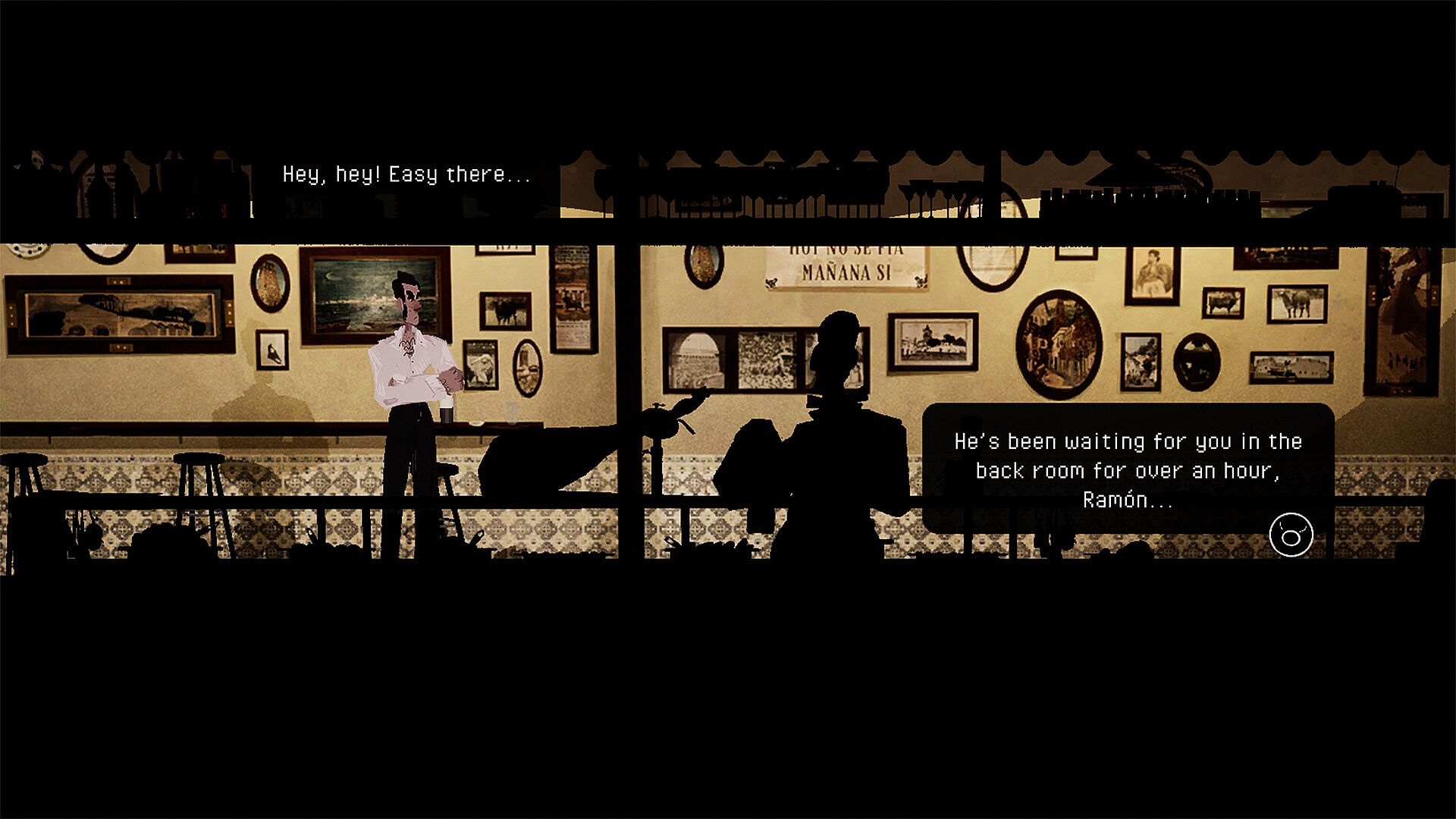
Set in a remote Spanish village and its dreamlike extensions, the world draws from real cultural elements while incorporating magical realist touches. Sofía returns seeking closure on her father's unfinished affairs, only to encounter Abanto and enter the cycle of reliving the past. The handcrafted environments reflect both the warmth of daily life and the erosion of time, supporting conversations that mix lighthearted moments with profound reflections on legacy.
Supporting characters populate these memories with their own small triumphs and absurdities, providing context for Ramón's choices and their lingering effects on his daughter. The narrative invites contemplation on how individual decisions ripple outward long after the person is gone.
Is It Worth Playing?
Abanto targets players who enjoy introspective, story-focused adventures that prioritize dialogue and meaningful choices over combat or exploration challenges. Its unique blend of Spanish cultural themes with card-based decision systems offers a fresh perspective on family dynamics and personal accountability. The game remains in pre-production with a Steam page available for wishlist tracking, and no user reviews or release date have been confirmed yet.
Those drawn to narrative experiences centered on emotional depth and branching outcomes will likely find the mechanics engaging once the title reaches completion. The absence of explicit violence aligns with its focus on character-driven storytelling, making it suitable for audiences seeking thoughtful single-player content rooted in real-world cultural contexts.