


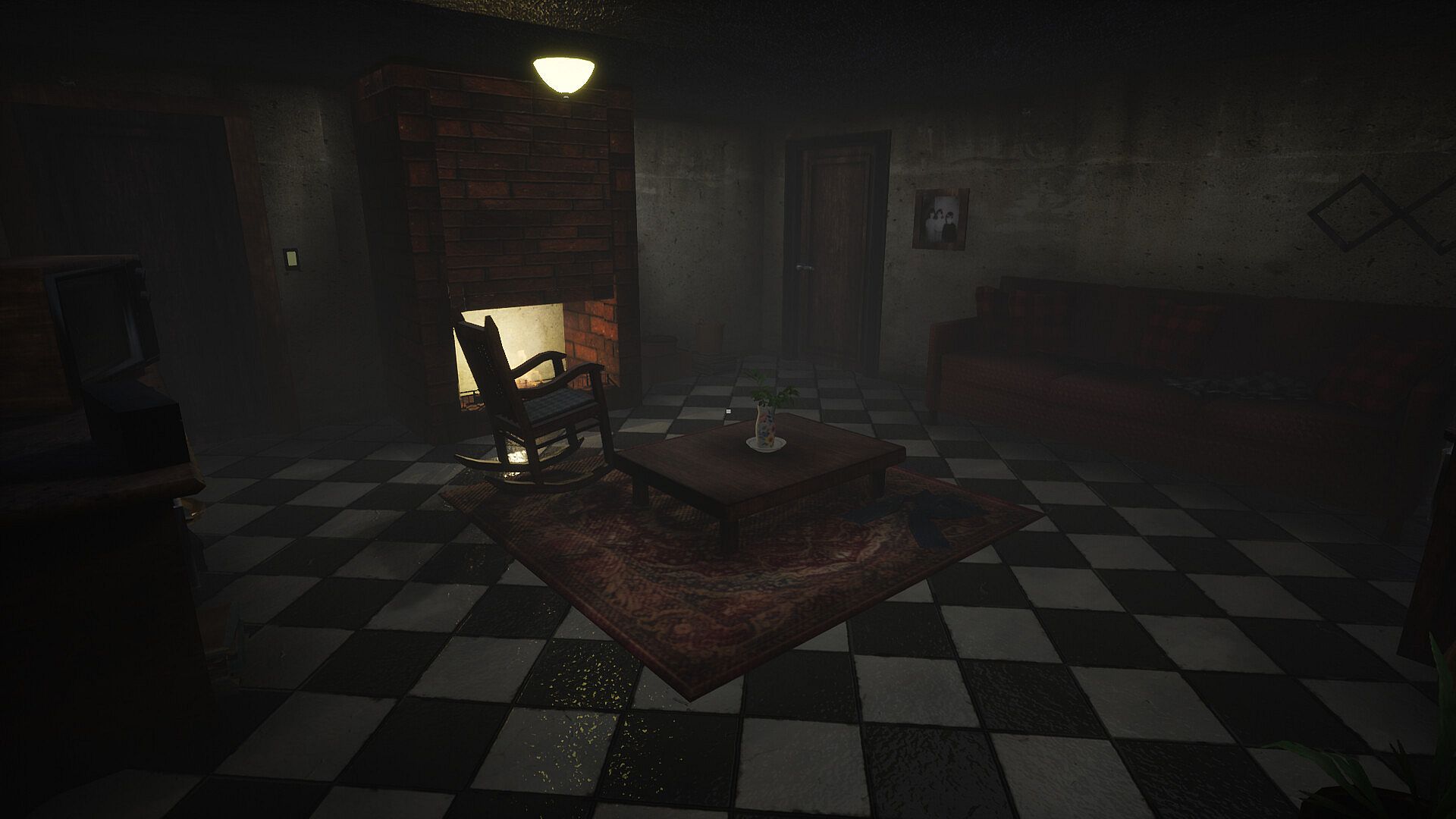
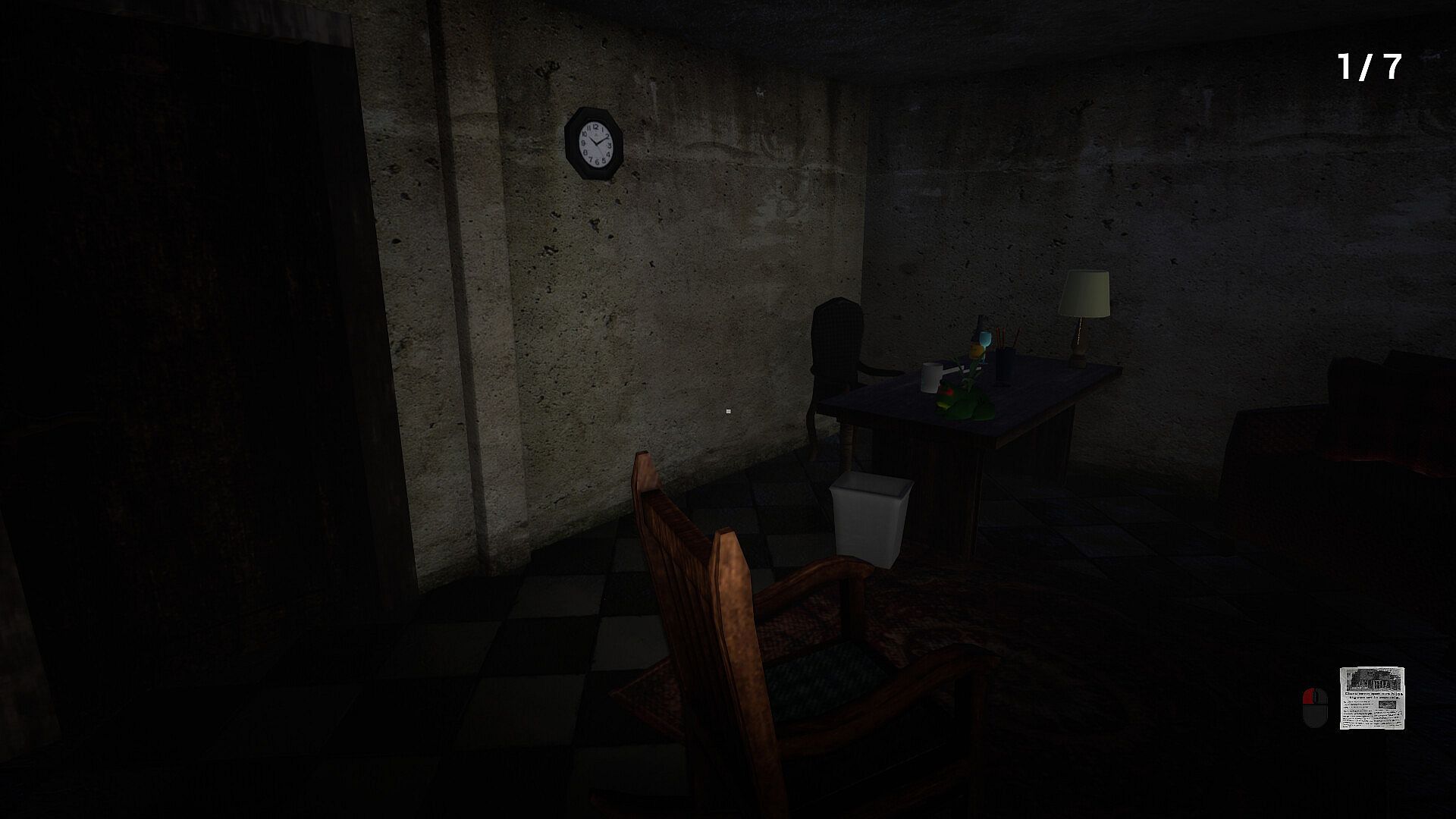
After the Silence is a first-person psychological horror game developed for PC that blends narrative exploration with puzzle-solving in an indie casual package. Set against the backdrop of a 1989 crime that affected a Mexican community, the experience places players in the shoes of Alfredo, a 40-year-old man navigating a nightmare rooted in his personal trauma. The story unfolds through locations drawn from real events, emphasizing immersion and the gradual revelation of hidden truths.
Gameplay
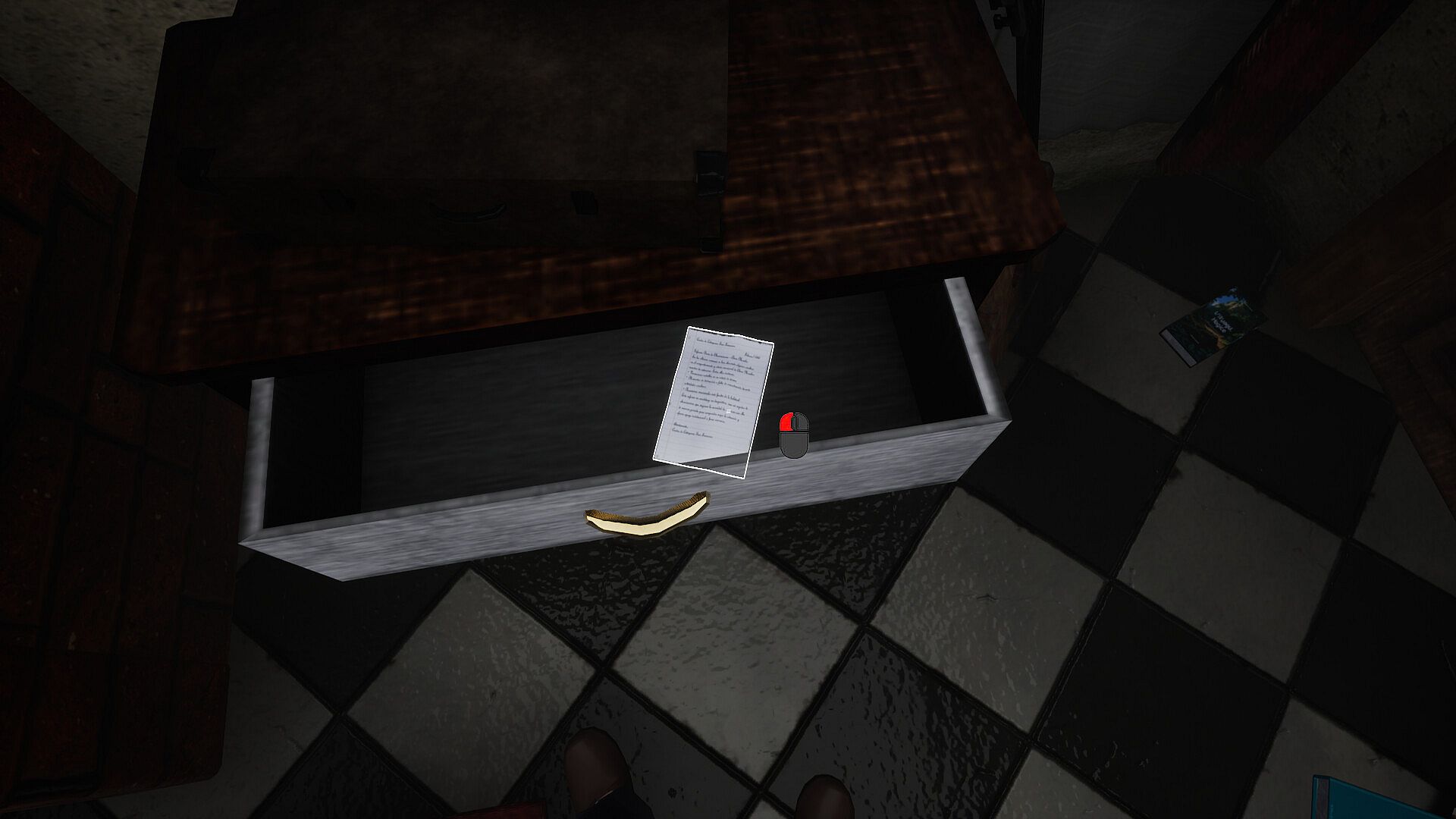
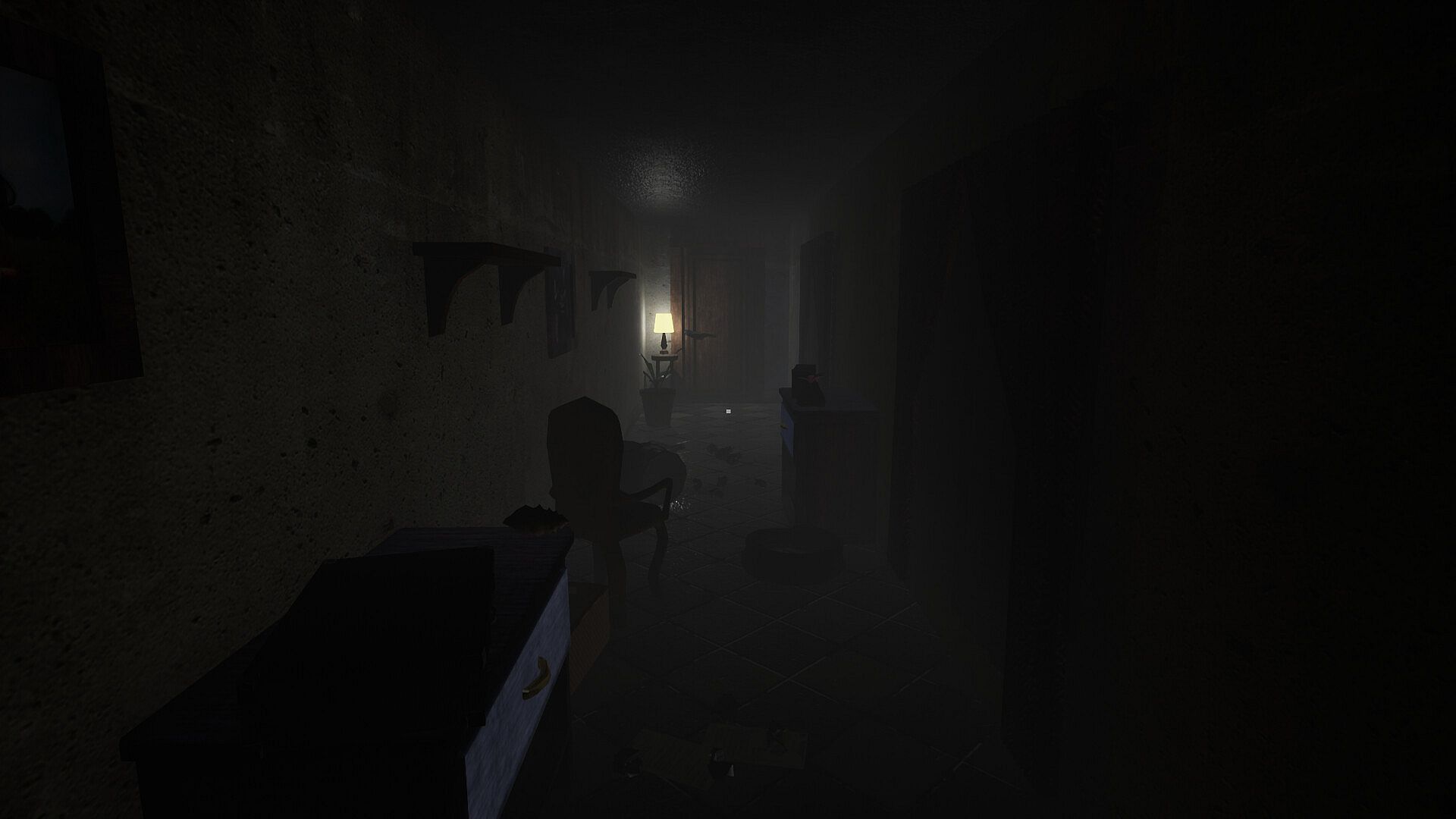
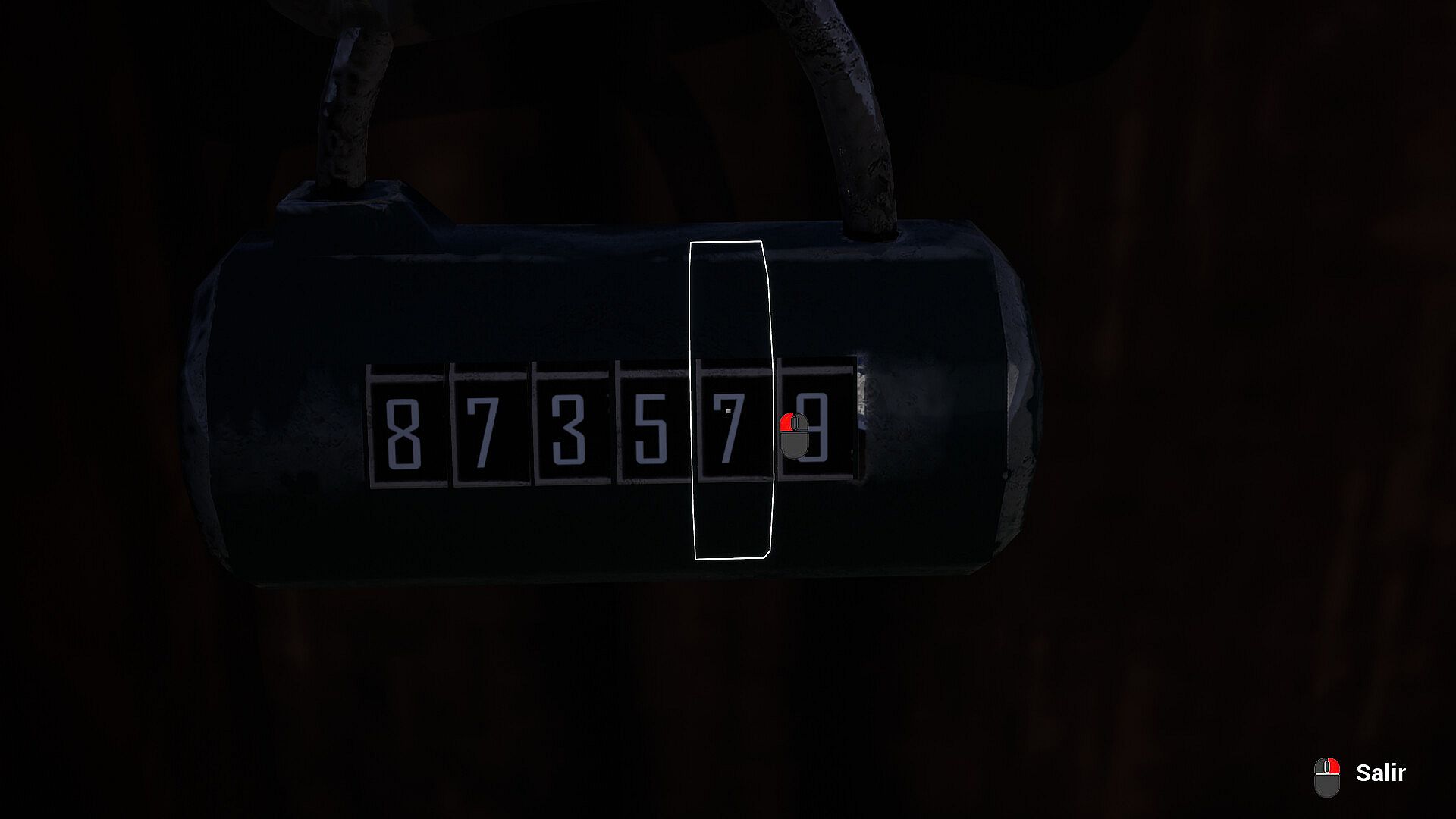
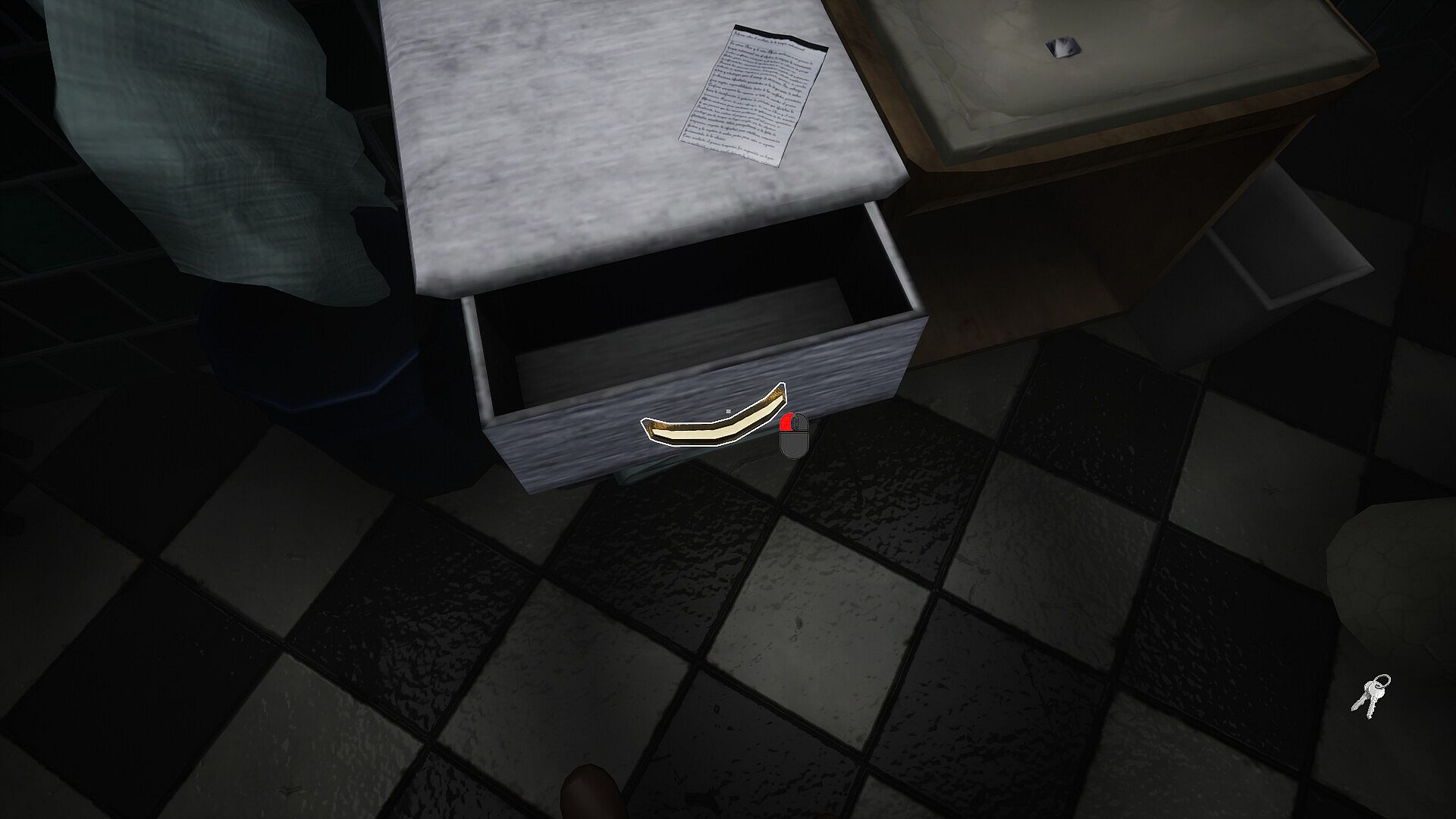
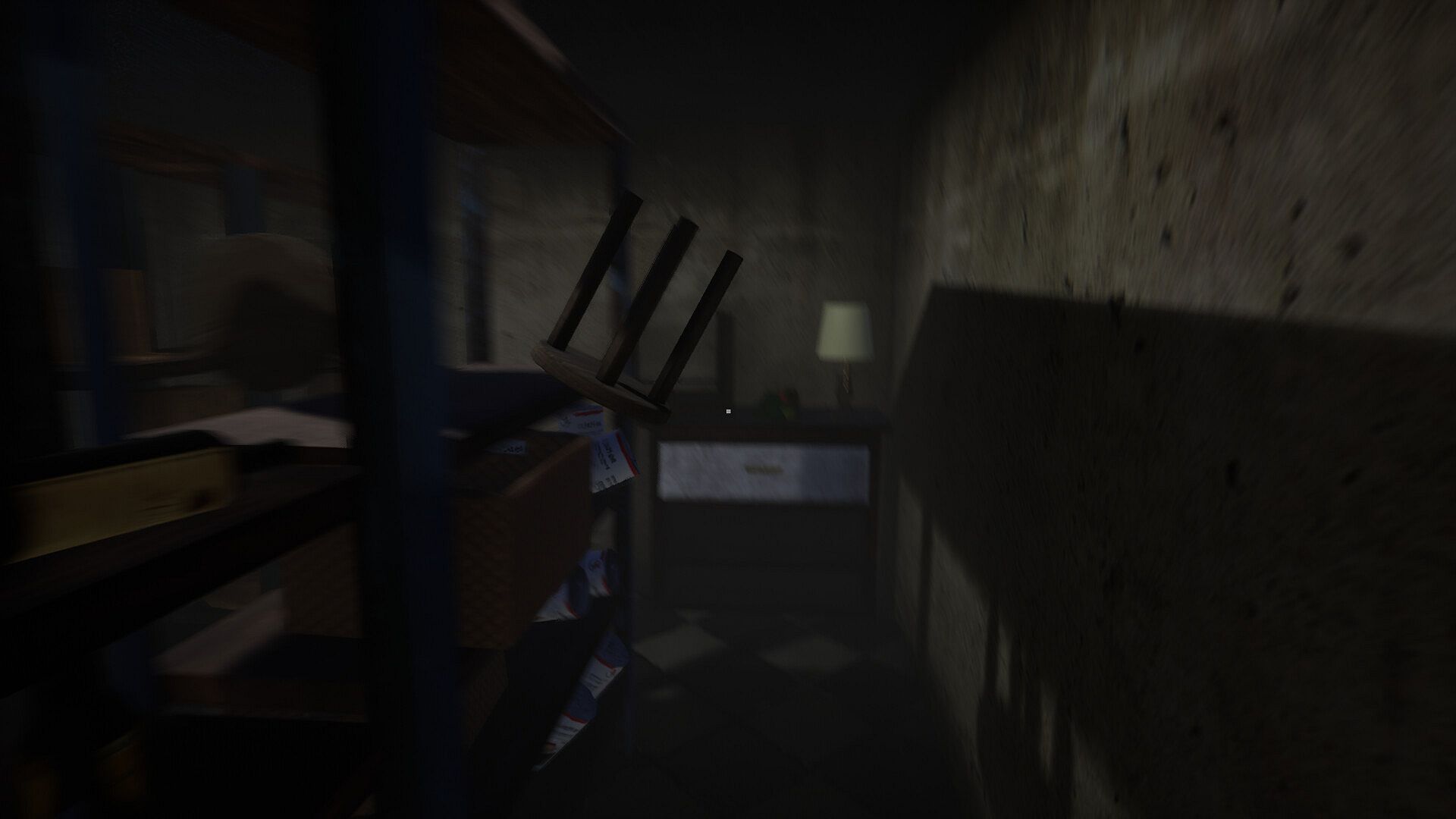
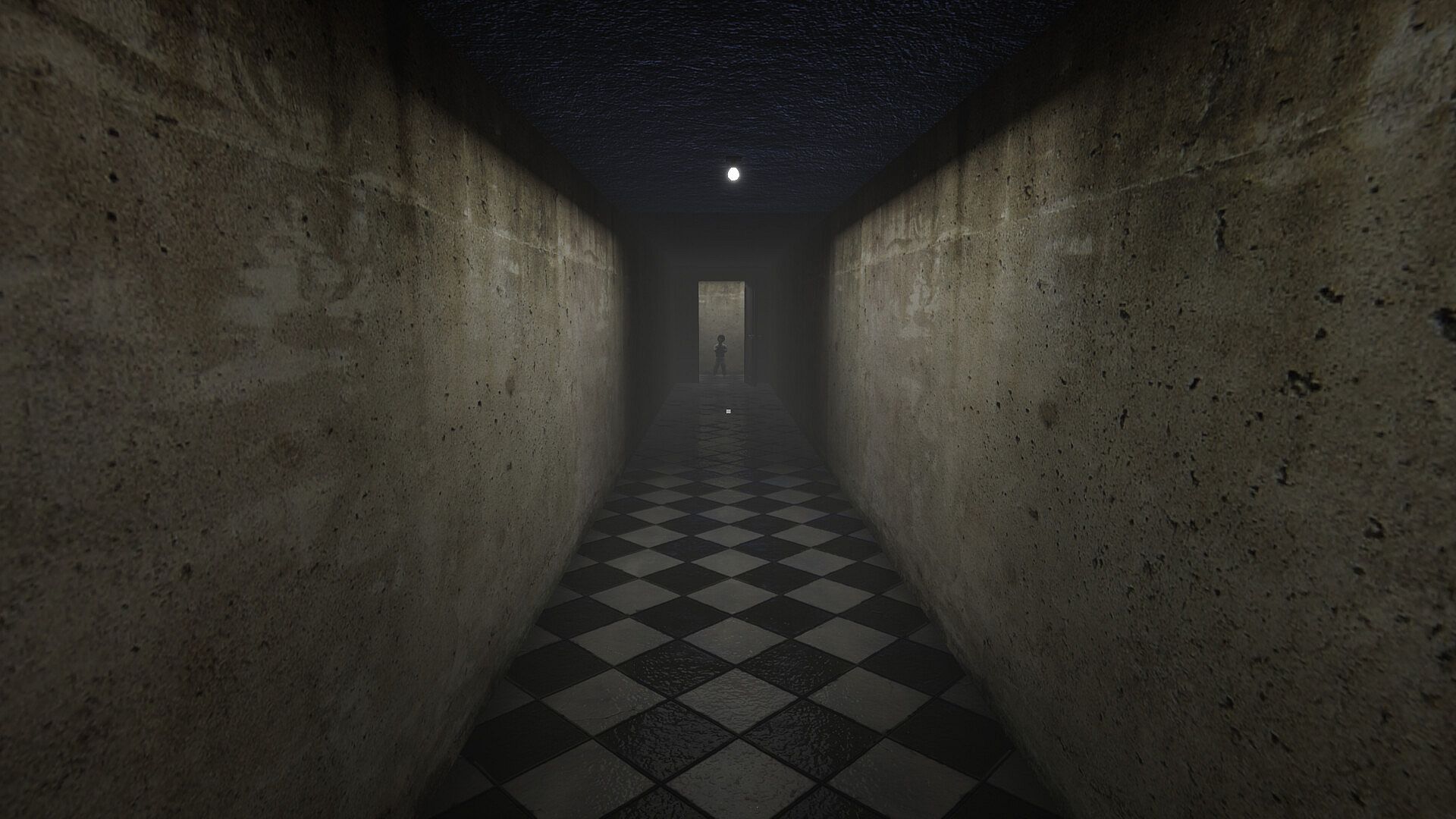
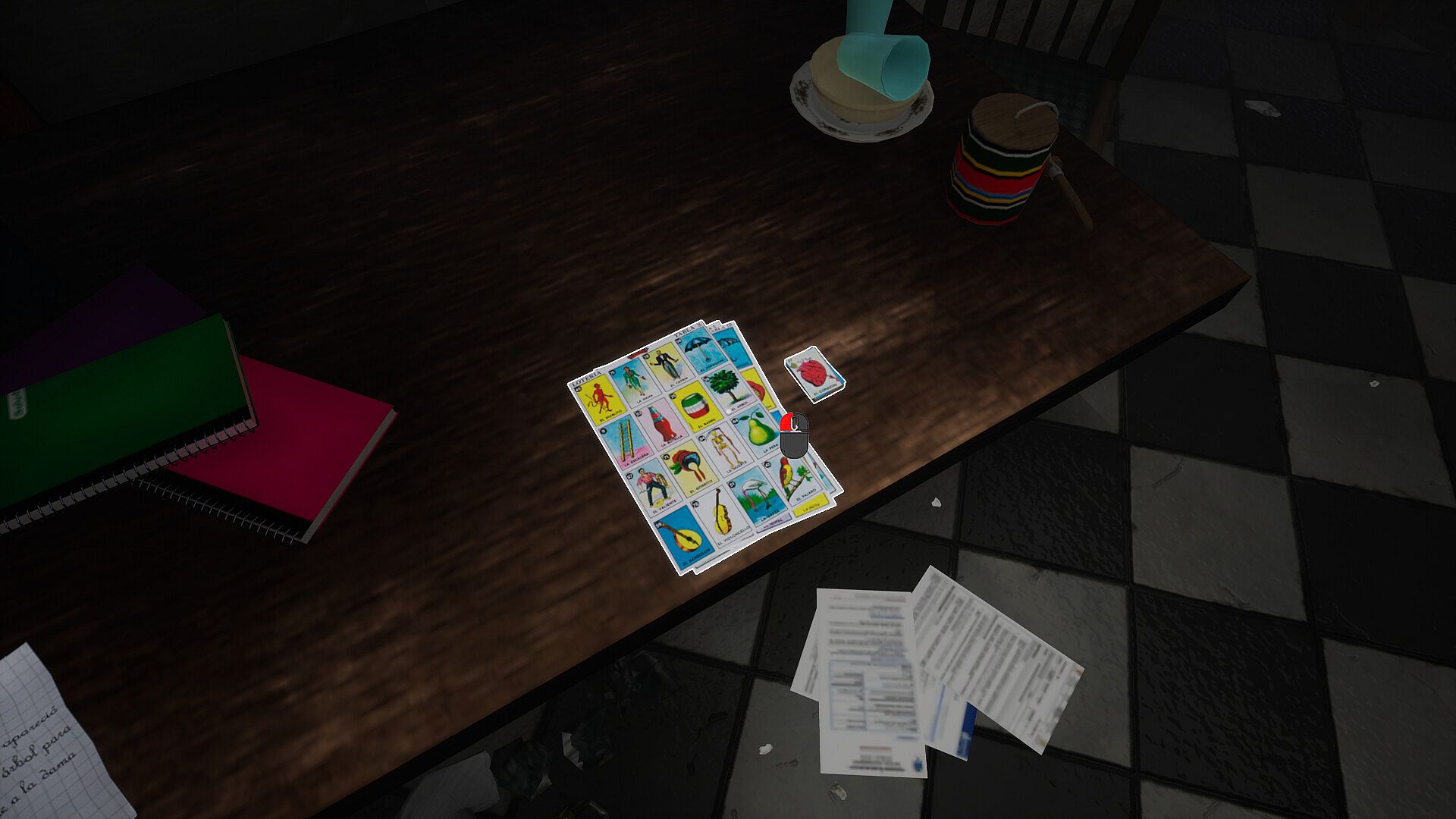
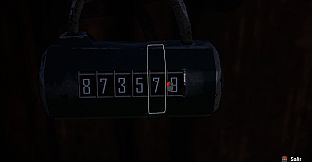
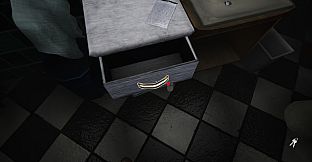
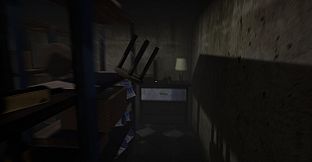
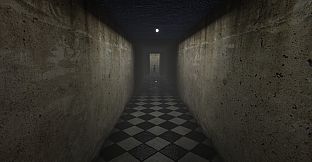
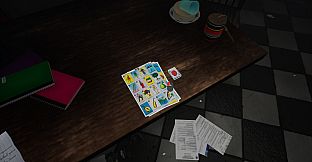
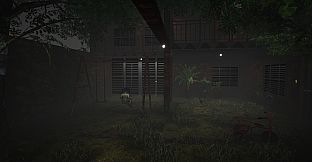
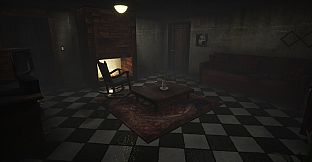
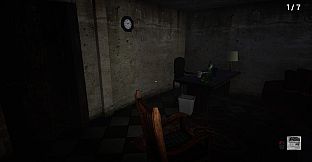
The core loop centers on traversing the interiors of a 1990s Mexican house that shifts and evolves during play. Players move through hallways, locate keys to unlock new areas, and tackle environmental puzzles that tie directly into the unfolding narrative. Exploration reveals forgotten documents and triggers encounters with distorted memories alongside inexplicable phenomena that blur the boundary between what is real and what stems from the protagonist's mind.
Progression relies on careful observation of the surroundings and logical deduction to advance. The home itself acts as a dynamic space where ordinary rooms can transform, forcing players to reinterpret familiar paths and solve challenges that reflect Alfredo's fractured recollections. This structure keeps the focus on atmospheric tension and story discovery rather than combat or resource management.
Game Modes
After the Silence operates entirely as a single-player experience with no multiplayer components or alternate modes. The entire game delivers a linear yet branching narrative journey centered on one character's psychological descent. Players engage with the story through sequential exploration segments that build upon previous discoveries, maintaining a consistent pace without side activities or competitive elements.
The design prioritizes solo engagement, allowing uninterrupted focus on the horror elements and puzzle resolution. This approach suits those seeking a contained, introspective session rather than repeated playthroughs or social features.
Narrative and Setting
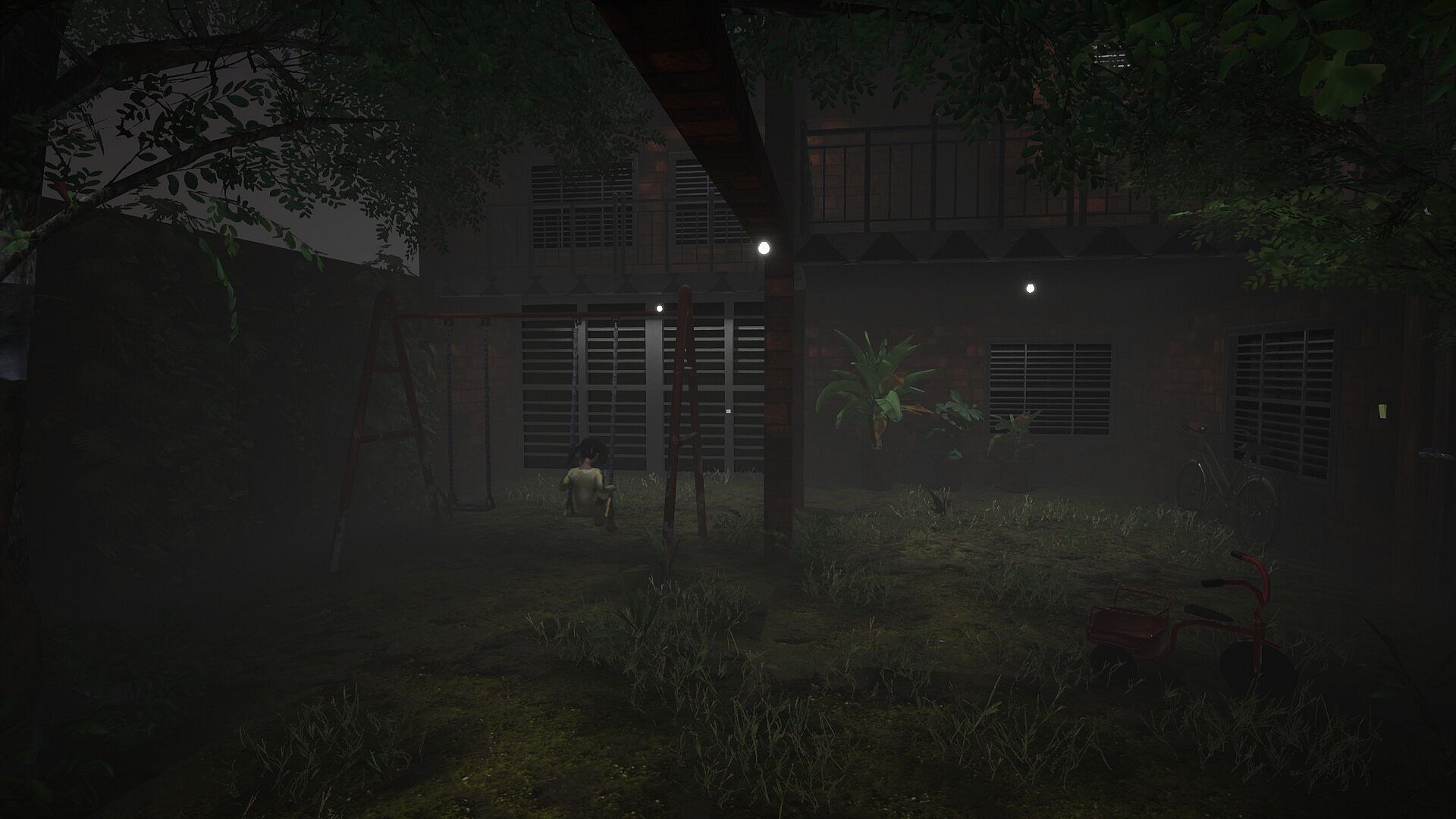
The story draws from a specific historical incident in 1989 Mexico, using it as the foundation for Alfredo's personal nightmare. As exploration continues, layers of the event surface through environmental storytelling and collected items, revealing impacts on multiple lives. The setting remains grounded in realistic domestic spaces that gradually incorporate surreal distortions tied to memory and guilt.
Players piece together the sequence of events by examining documents and navigating altered versions of the same locations. This method creates a sense of discovery that rewards attention to detail without relying on explicit exposition or external guidance.
Is It Worth Playing?
After the Silence targets players who enjoy psychological horror driven by narrative and environmental puzzles in a single-player format. Its indie casual scope keeps the experience focused and accessible, with mechanics centered on exploration and deduction rather than complex systems. The game is scheduled for release on August 25, 2026, and currently has no player reviews available due to its pre-launch status.
Those drawn to stories that examine trauma through changing familiar spaces will find the core loop engaging. The absence of multiplayer or additional modes means the value lies entirely in completing the central narrative once, making it a fit for short, concentrated play sessions. Potential buyers should consider their interest in atmospheric single-player horror before committing, as the title offers no free trials or alternative entry points at this stage.