
























Akatori stands out as a metroidvania action platformer that draws players into a world of exploration and combat, centered around a young monk named Mako and her versatile staff. This indie title combines precise platforming with ability unlocks, set against a backdrop of distorted realms threatened by mysterious storms. Released in early access form, it invites adventurers to navigate interconnected worlds while uncovering a tale of ancient secrets and personal growth.
Gameplay
In Akatori, the core loop revolves around traversing expansive, interconnected areas using Mako's staff for both movement and fighting. The staff serves multiple purposes, allowing you to strike enemies in close combat, glide across gaps, and interact with environmental puzzles. As you progress, unlocking new staff abilities opens up previously inaccessible paths, encouraging backtracking and thorough exploration. Combat feels fluid yet demanding, with encounters against varied foes that require timing and positioning to overcome.
Mechanics emphasize momentum in platforming sections, where sliding down slopes or leaping from heights builds speed for dynamic traversal. Boss fights punctuate the journey, testing your mastery of these systems in larger arenas. The game integrates light puzzle elements, such as activating mechanisms with the staff, to gate progress and reveal hidden areas.
Game Modes
Akatori focuses on a single-player campaign that unfolds through a narrative-driven adventure. There are no separate multiplayer options or competitive modes; instead, the experience centers on solo exploration and story progression. The available demo, titled Chapter One, introduces the initial segments of this campaign, letting you sample the opening locations and core mechanics without commitment.
World and Story
The game spans five distinct worlds, each with unique biomes ranging from lush landscapes to cavernous depths altered by Amber Storms. These storms have twisted the environment, spawning crystals that drive the plot forward while posing threats to inhabitants. Mako's quest involves traveling with a enigmatic red bird sealed in her staff, piecing together the mystery behind the distortions.
Story elements weave through gameplay, revealing details about Mako's background in the Firebird Temple and the bird's unknown motives. Exploration uncovers lore tied to each world's history, blending action with moments of narrative discovery.
Visuals and Sound
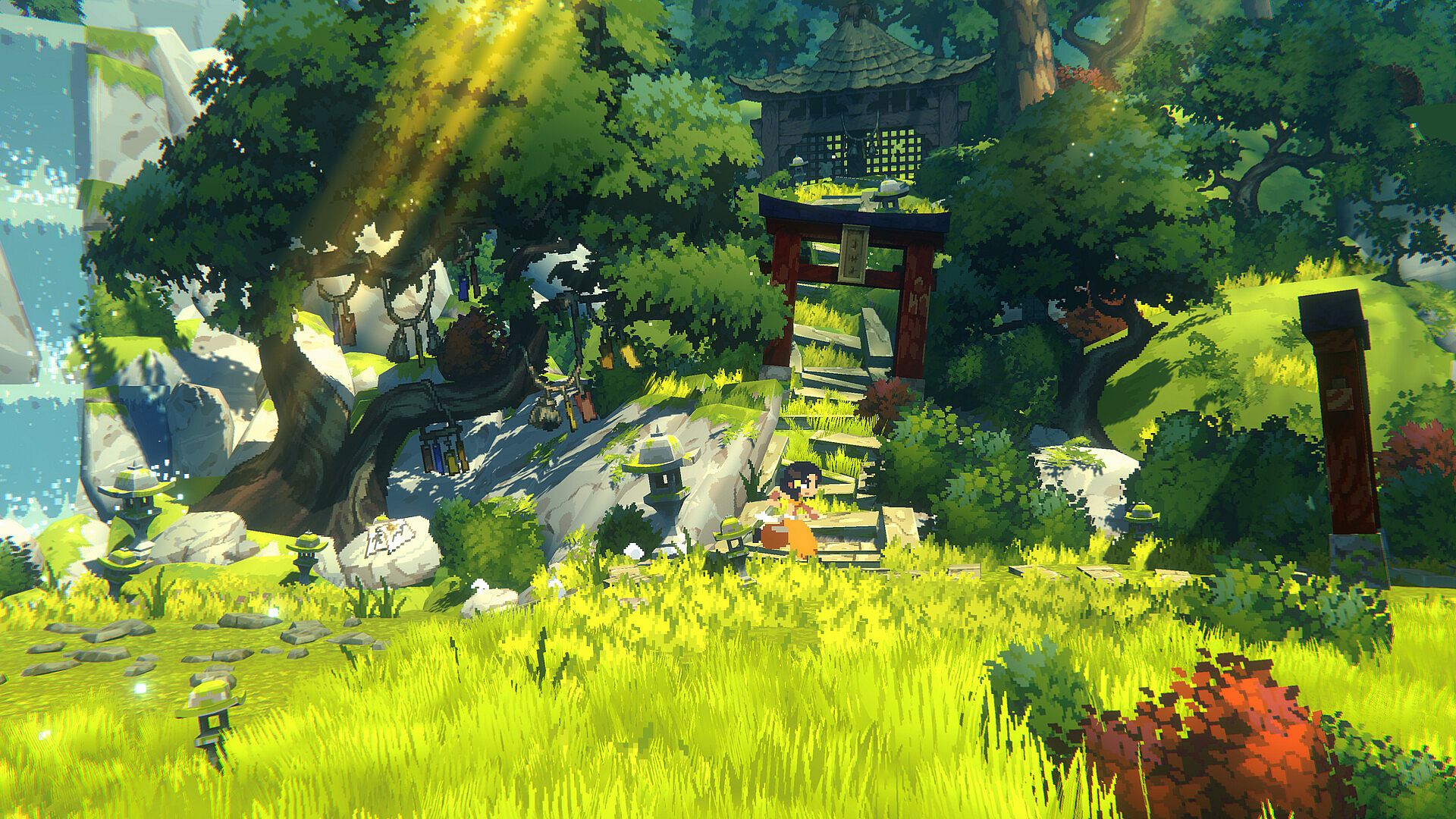
Akatori's presentation mixes crisp pixel art for characters and foregrounds with smooth 3D models in the backgrounds, creating a visually striking 2.5D effect. The art style captures the beauty of warped nature and architectural oddities, encouraging pauses to admire the scenery.
The soundtrack adapts dynamically to on-screen events, shifting from serene melodies during exploration to intense tracks in battles. This responsive audio enhances immersion, signaling changes in pace or danger.
Is It Worth Playing?
For fans of metroidvania titles that prioritize fluid movement and ability progression, Akatori shows strong potential through its demo. Players appreciate the stunning pixel art and the staff's versatile mechanics, though some note that controls can feel loose in early builds. With ongoing development addressing polish, it suits those who enjoy challenging platformers and story-rich adventures.
The free Chapter One demo provides an accessible entry point to test the gameplay, making it easy to decide based on personal taste. If tight combat and expansive worlds appeal, this could be a rewarding pick as updates continue to refine the experience.