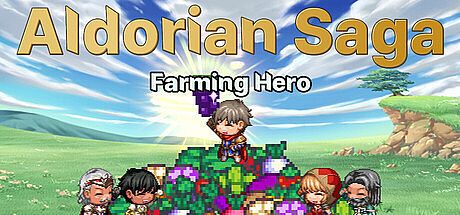


Aldorian Saga: Farming Hero is a single-player RPG with casual elements set on PC. Players take on the role of Lloyd Aldorian, the surviving heir to a royal family, who receives a growth power from a goddess that accelerates plant development. The story begins on a small farm and expands into efforts to reclaim a kingdom through resource management, trade, and eventual military action against a usurper emperor.
Gameplay
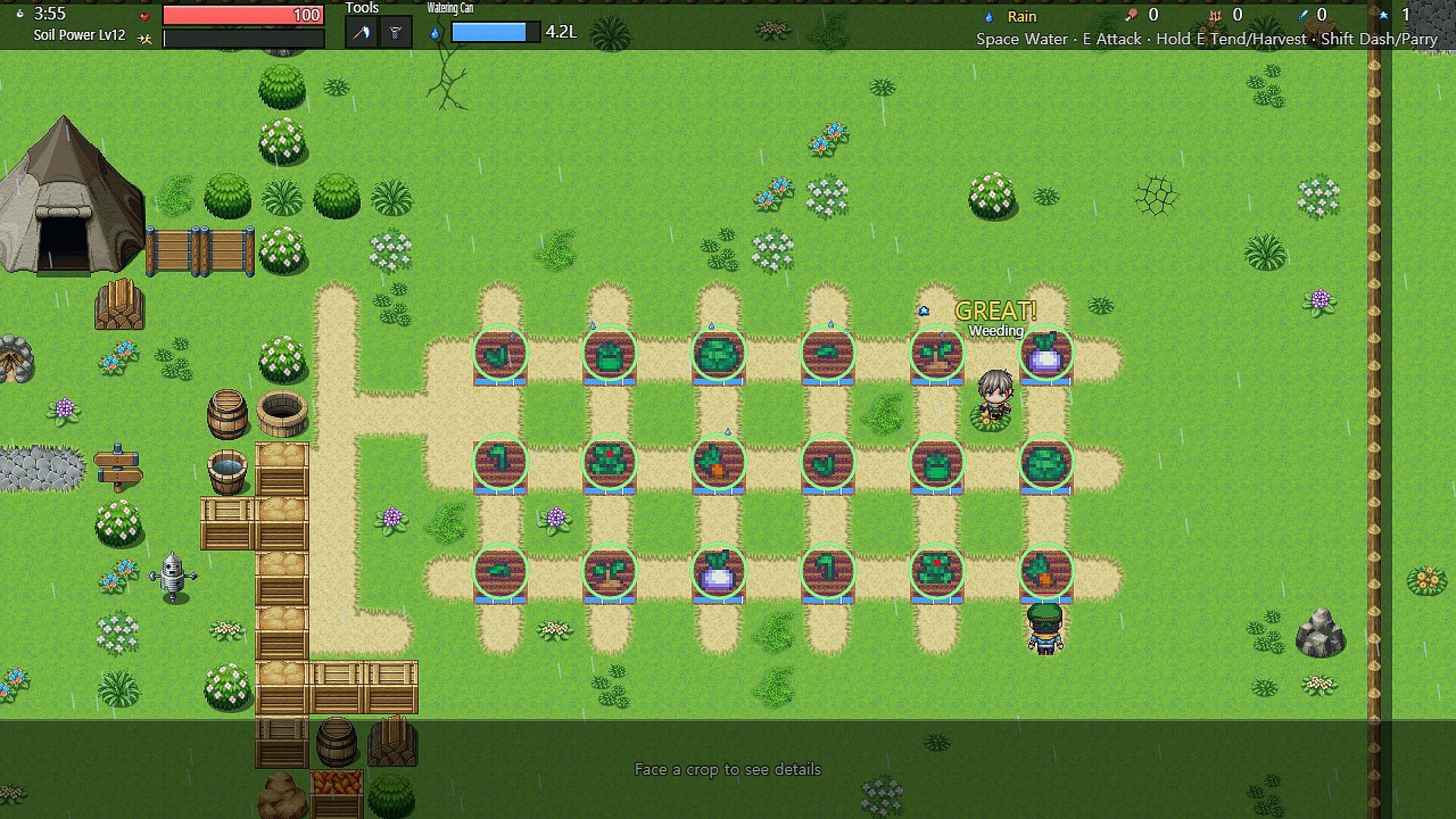
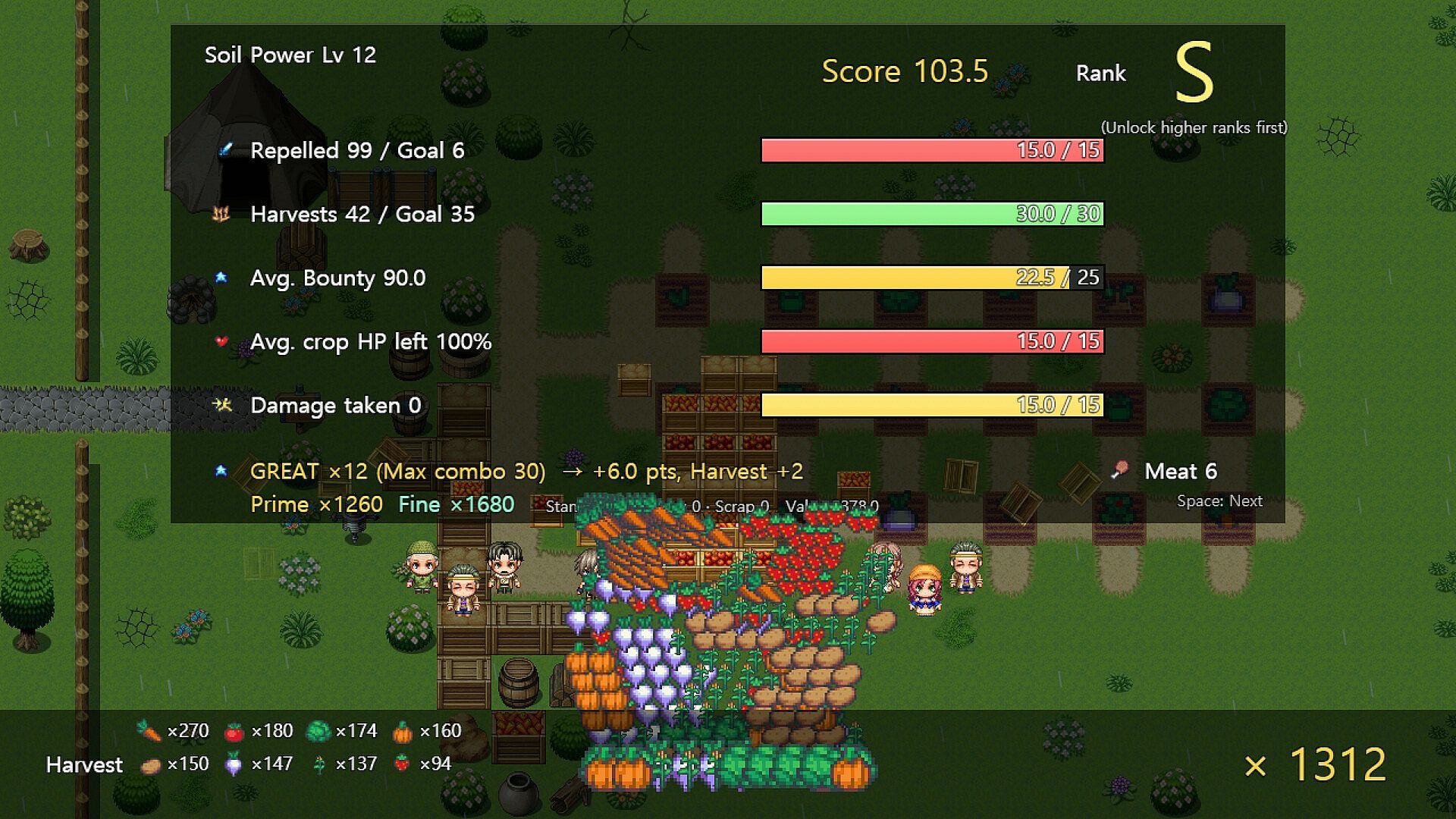
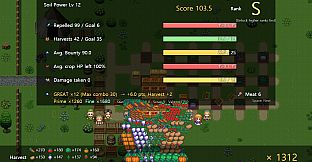
The core loop centers on farming as the foundation for all progress. Blessed farmland allows rapid crop growth, with sessions focused on sowing seeds, watering fields, weeding, and defending against pests, thieves, animals, and trampling beasts. Water levels require careful balance, as both shortages and excesses harm yields. Fifty distinct crops offer varied behaviors, such as grapes that improve with longer growth periods, regrowing lettuce, or tomatoes that repel thieves. Factors like weather, fertilizer, and Soil Power alter each session, while upgrades to tools, companions, and fields increase output. Gold from sales funds further improvements at a Goddess Statue, including seed research and synthesis for stronger varieties. An auto-farm option handles routine harvests to free time for other tasks.
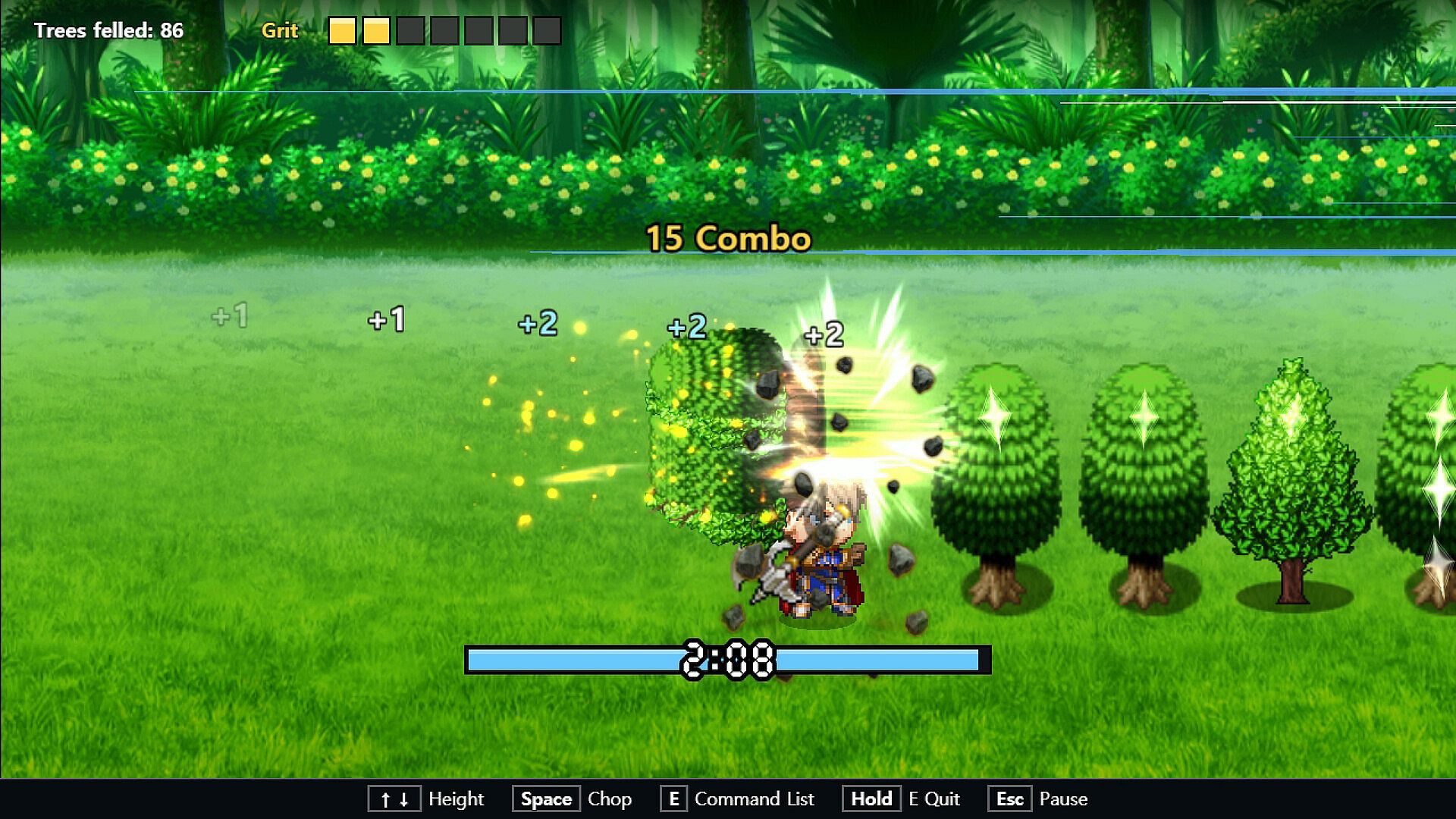
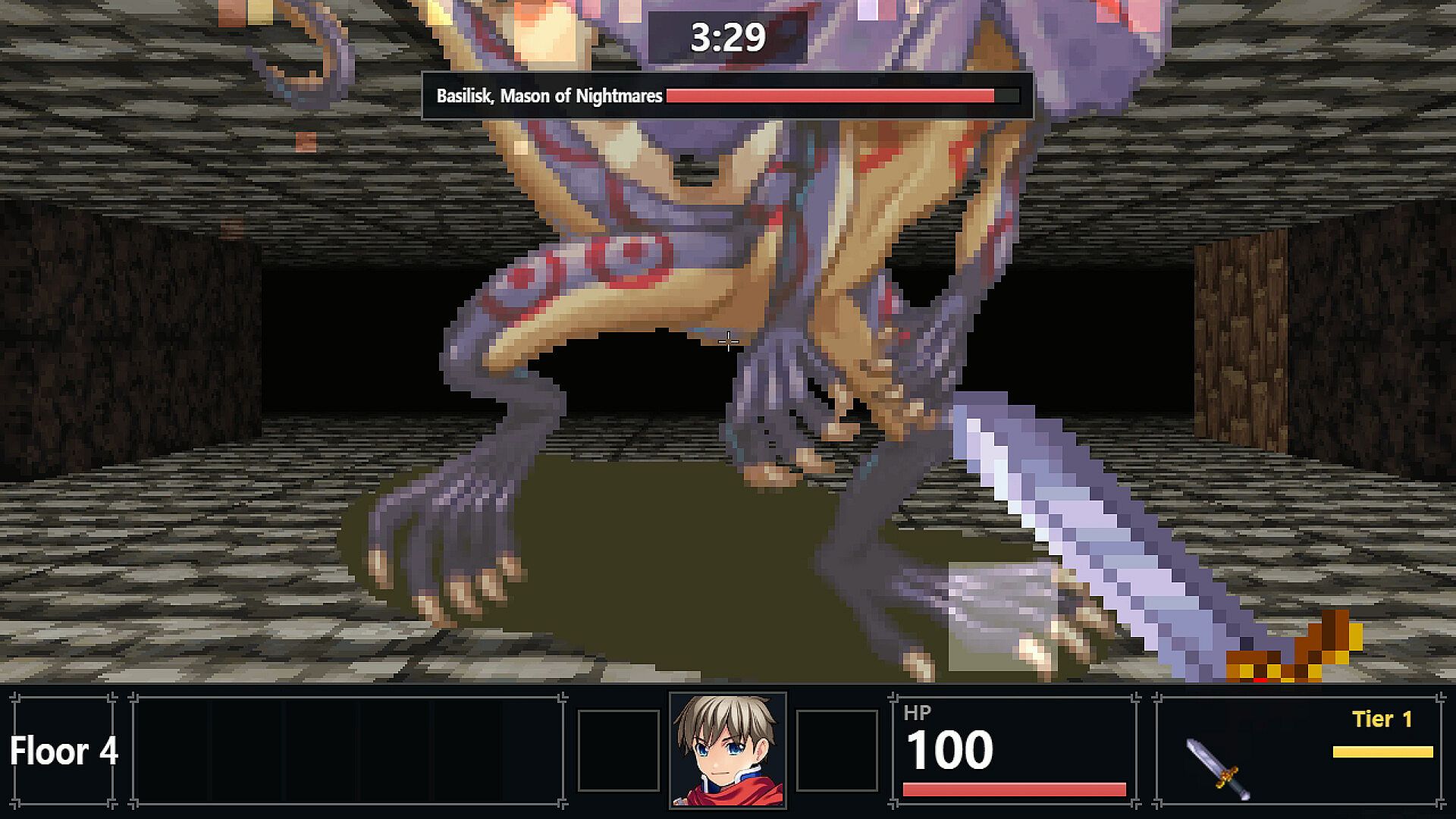
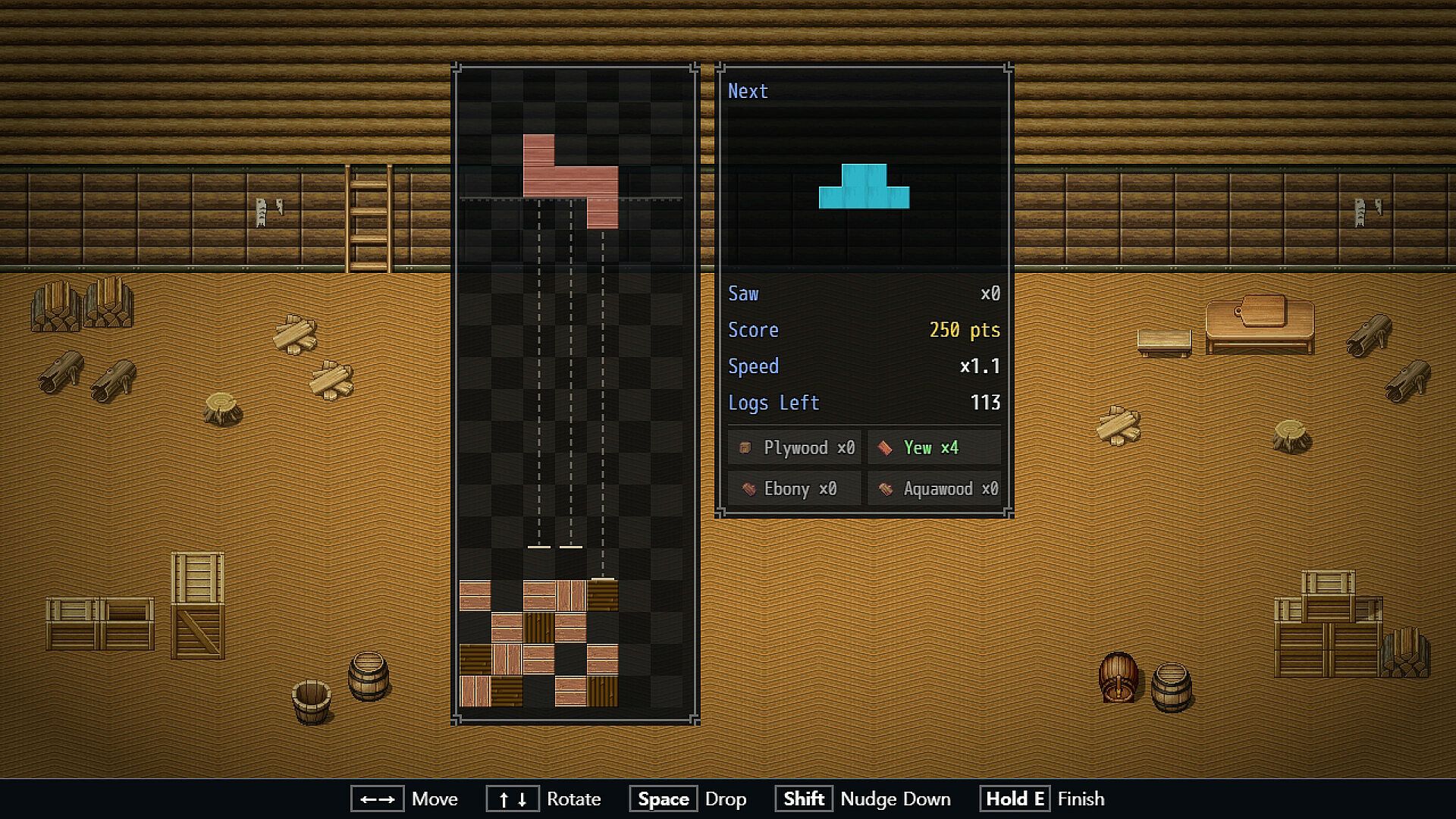
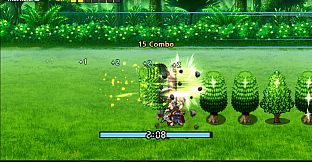
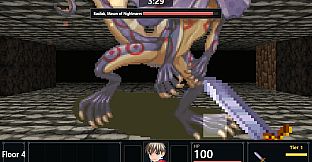
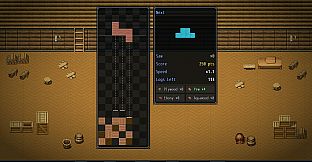
Crafting expands the economy in the Erden Valley through specialized minigames. Logging involves directional inputs and combo finishes for lumber. Mining is a first-person exploration where players fight monsters, locate hidden areas, extract ore, and escape within time limits. The sawmill processes logs by stacking and cutting. The smelting factory lets players design automated belt-and-machine layouts to turn ore into ingots and parts. The alchemy workshop uses keyboard inputs to follow recipes and remove impurities for high-purity goods. These activities build mastery or can run automatically with workers.
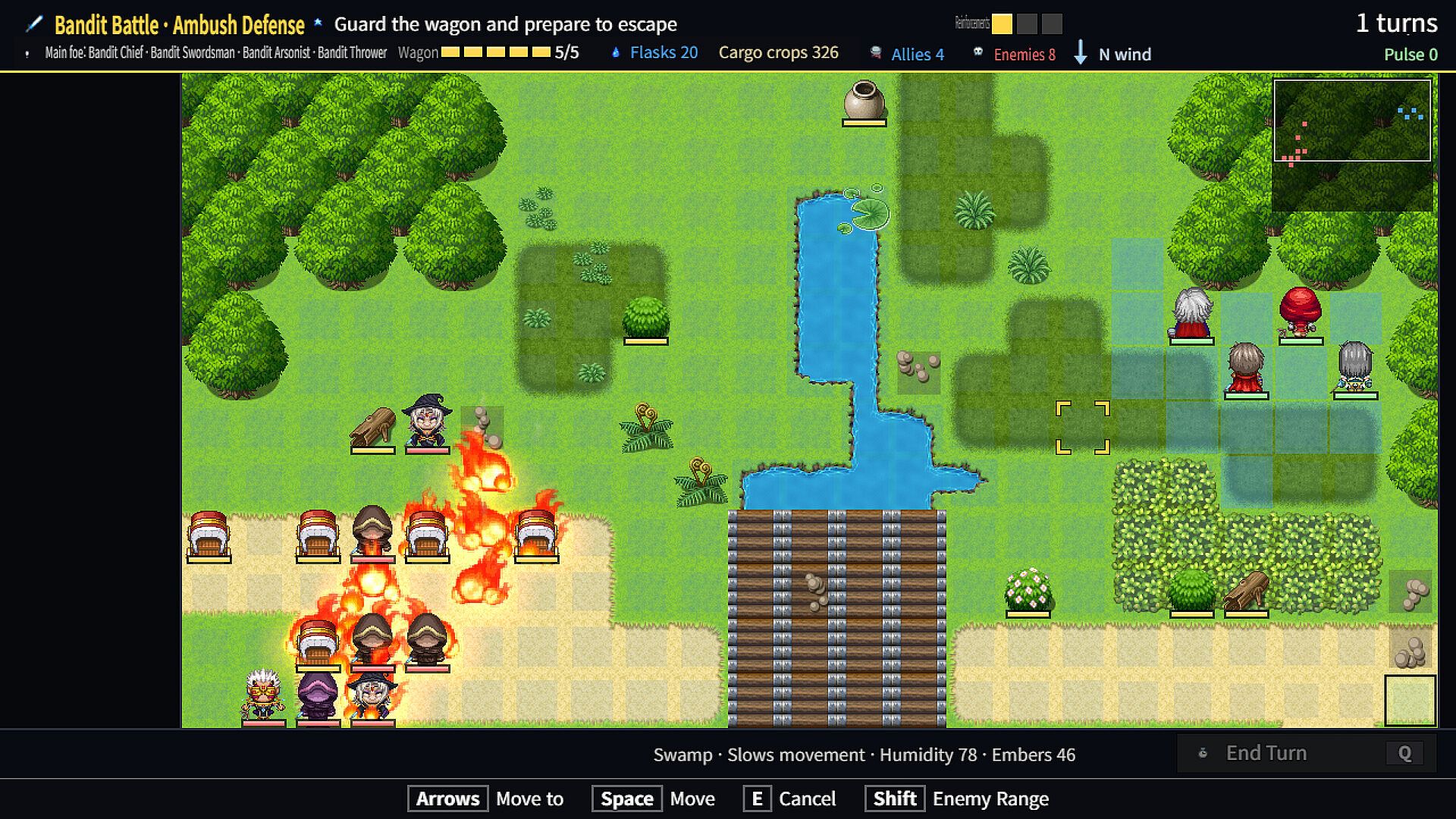
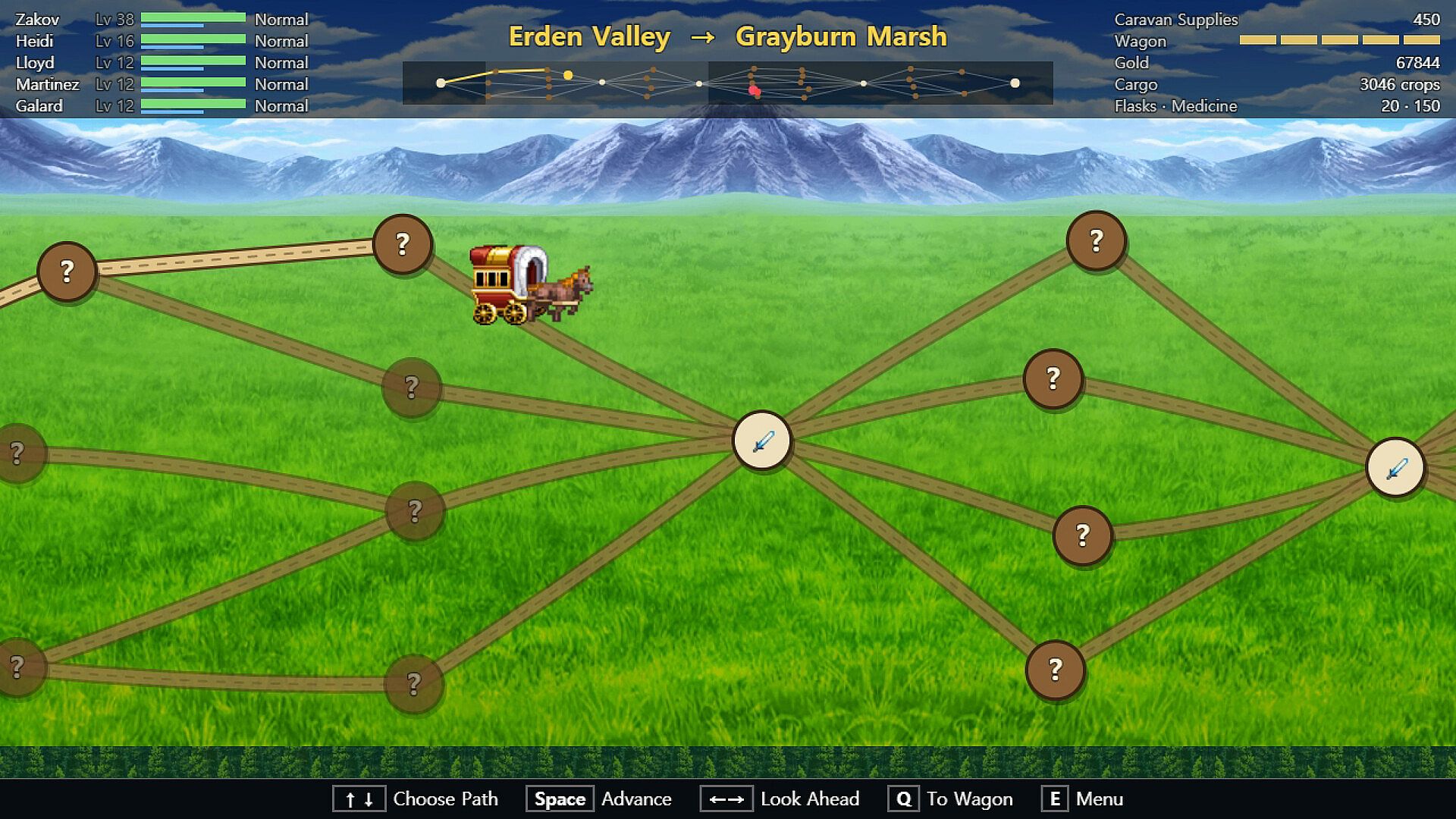
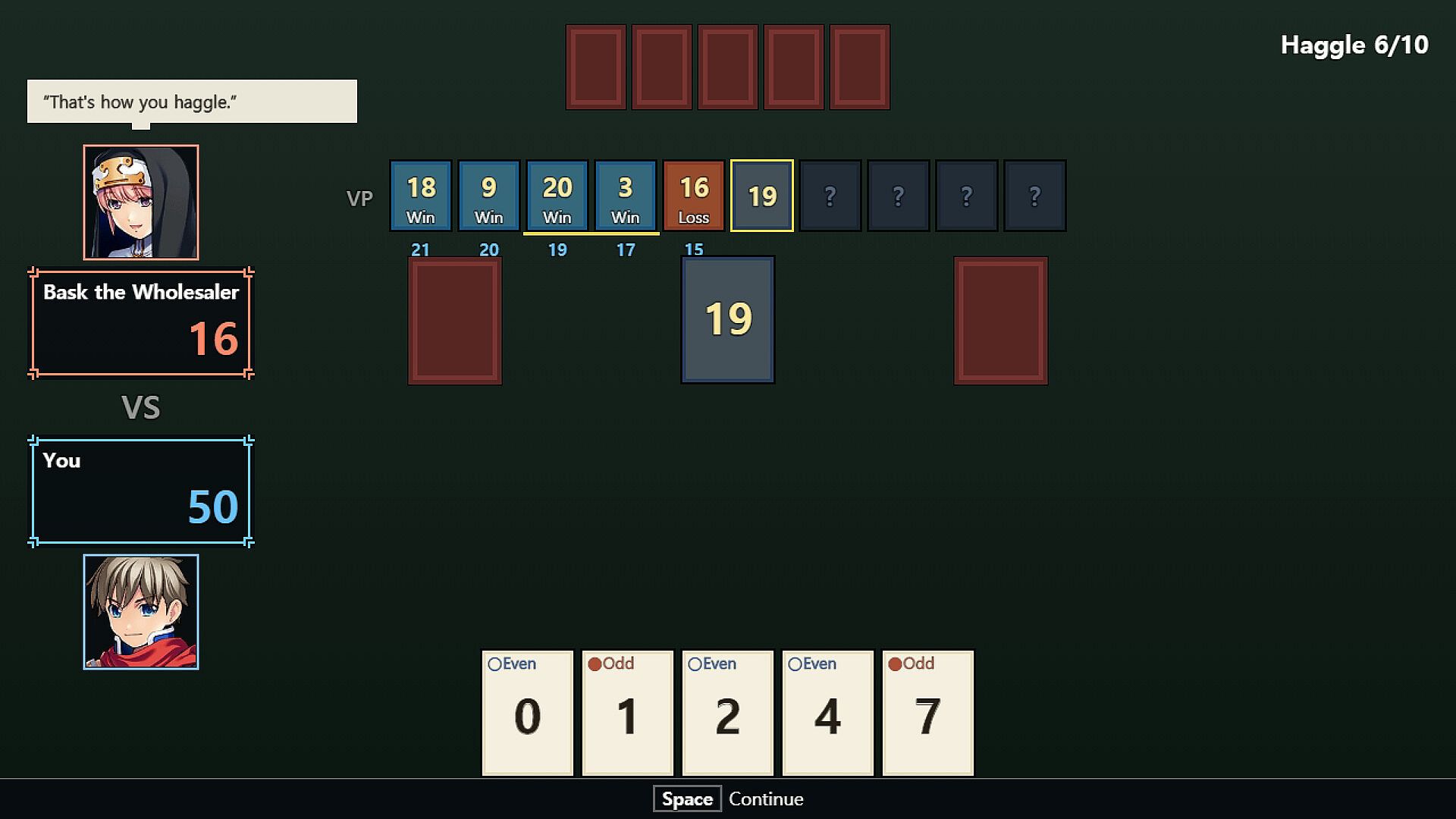
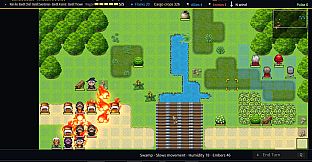
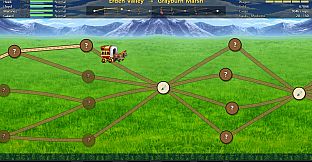
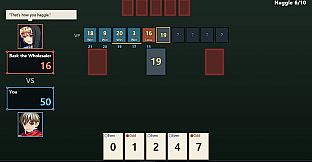
Trade involves loading a wagon with goods and supplies for routes between fiefs. Players navigate forks in the road that trigger over one hundred events, including ambushes and merchant encounters. SRPG-style battles protect the wagon rather than eliminate all foes, with options to overgrow plants or ignite fields. Cooking meals from harvested ingredients sustains the party. At destinations, haggling with wholesalers converts goods into funds, while building intel networks and befriending lords recruits caravan members.
Game Modes
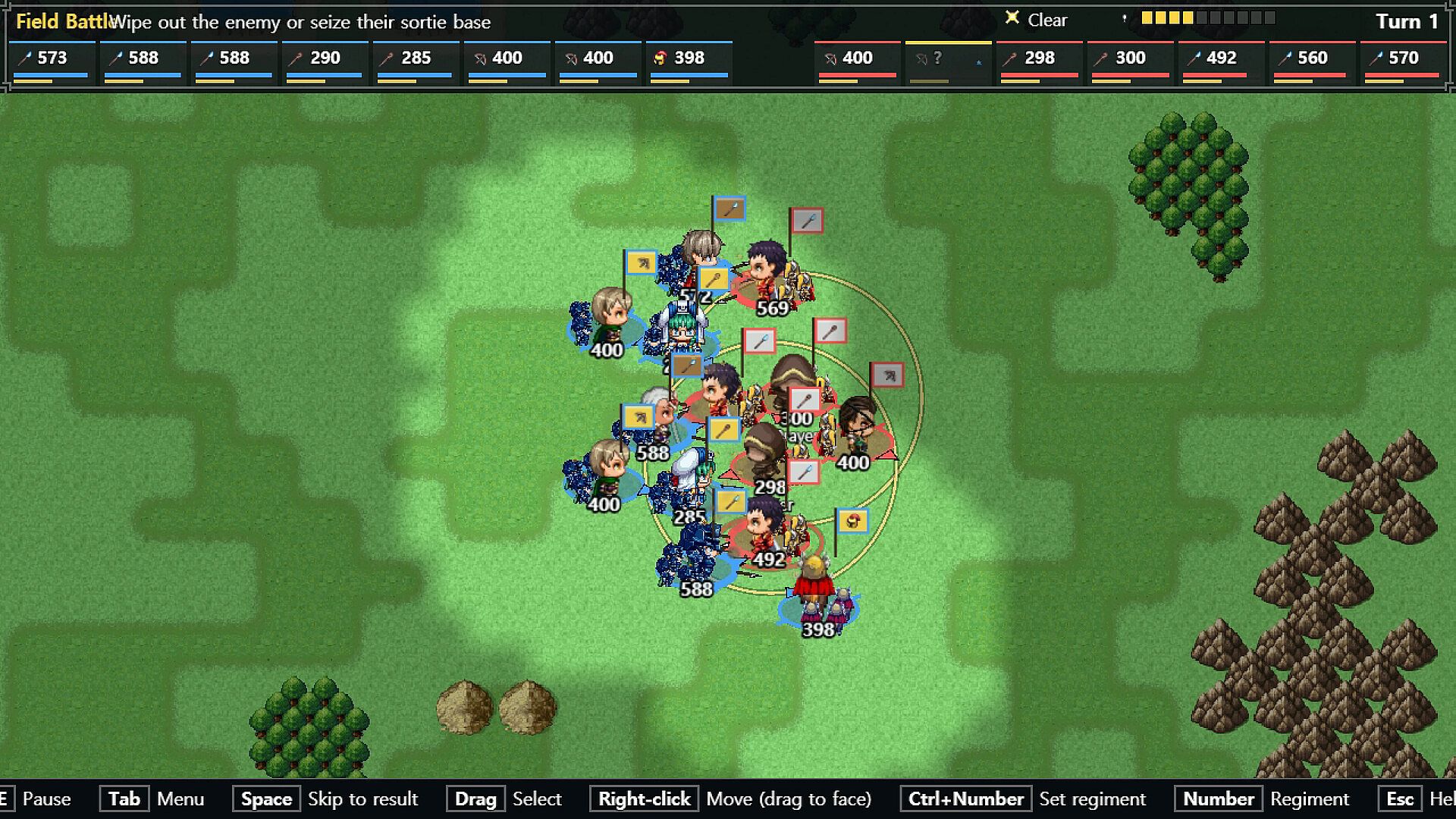
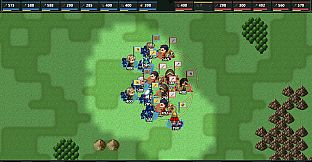
Farming sessions function as repeatable minigames that scale with upgrades and Soil Power levels. Crafting jobs in the valley operate as distinct timed or design challenges that can be completed manually for mastery or delegated. Trade routes serve as procedural adventure segments with branching events and defensive battles. The final campaign phase shifts to large-scale command of infantry, archers, cavalry, and priests, where accumulated supplies directly influence army strength and battlefield outcomes. Story progression unlocks these layers sequentially, with each new trial introducing fresh mechanics tied to resource production or combat.
Story and Progression
The narrative follows Lloyd's journey from a lone farmer to a leader rebuilding supply lines and forces. Early focus remains on field management and valley industries to generate wealth. Mid-game emphasizes caravan management and route risks to secure profits and allies. Late stages prepare for open conflict, with player choices in farming, crafting, and trading influencing available resources and final battle conditions. Essence gathered alongside gold and crops supports broad upgrades across character, fields, and tools.
Is It Worth Playing?
This title suits players who enjoy methodical resource loops combined with varied minigame challenges and a gradual shift toward strategy. The farming foundation provides consistent short sessions, while crafting and trade add layers of decision-making and risk management. Those interested in single-player experiences that blend casual production with light RPG progression and eventual tactical battles will find a cohesive structure. Without widespread player data available, suitability depends on preference for hands-on minigames over pure automation or large-scale multiplayer elements. The PC platform supports the detailed input requirements of the crafting sections effectively.