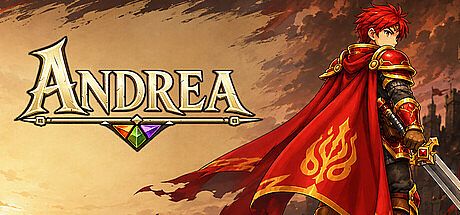


Andrea is a single player strategy RPG adventure set on PC that blends procedural dungeon crawling with deep crafting and character progression systems. Players take on the role of a Traveler navigating a world fractured by the Severance, a cataclysmic event that unleashed primal forces and continues to spread across the land. The core experience revolves around venturing toward the source of this ongoing distortion while managing limited time, making irreversible choices, and building power through runes and gear.
Gameplay
The gameplay centers on exploration under a fog of war where the map reveals paths that exceed the time available for any single attempt. Each decision to fight, craft, or shop consumes time that cannot be recovered, causing enemies ahead to grow stronger as the clock advances. When time expires the map contracts, forcing a final confrontation along the remaining route. This creates constant tension between detours for discovery and direct pushes toward area bosses.
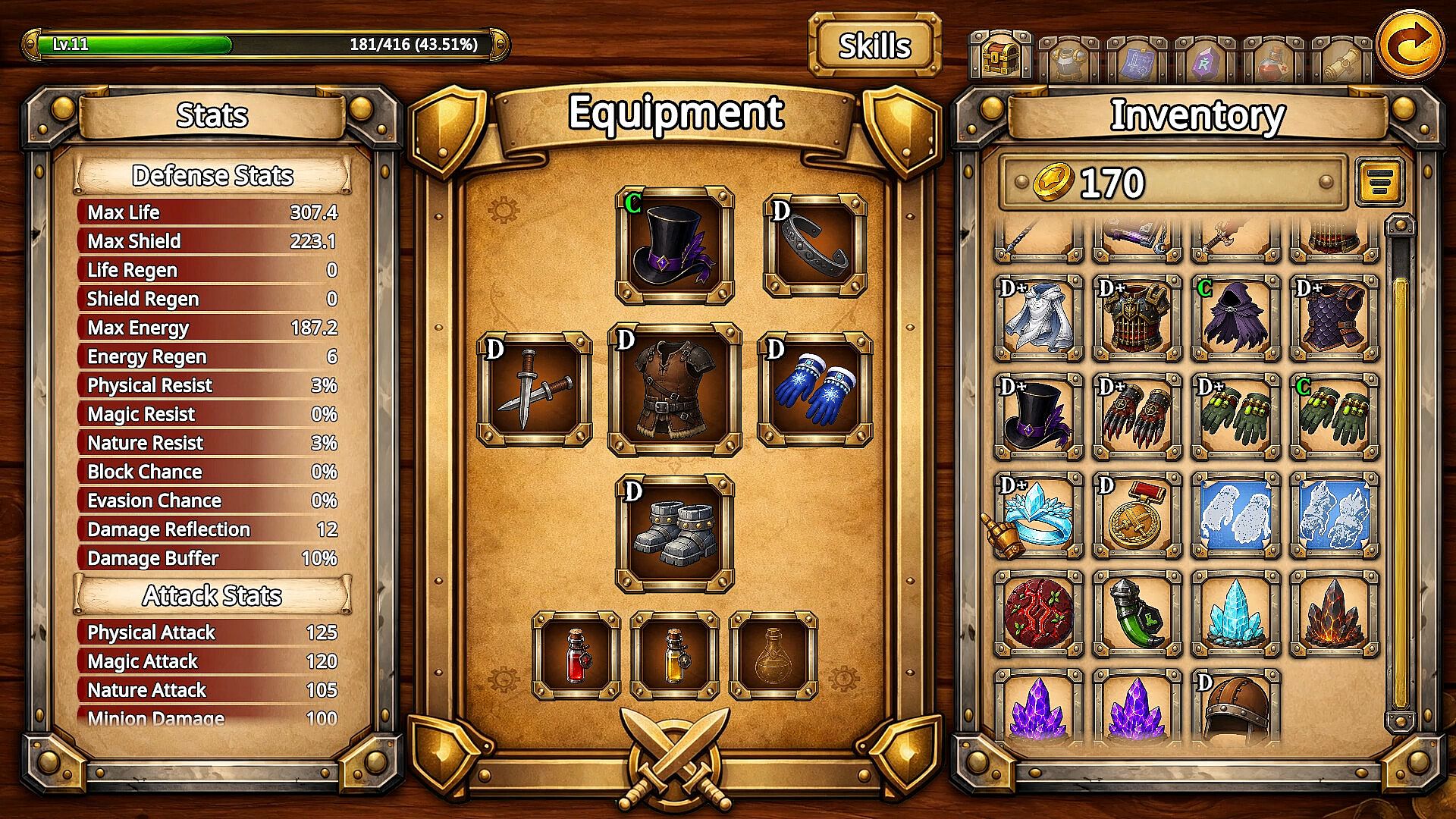
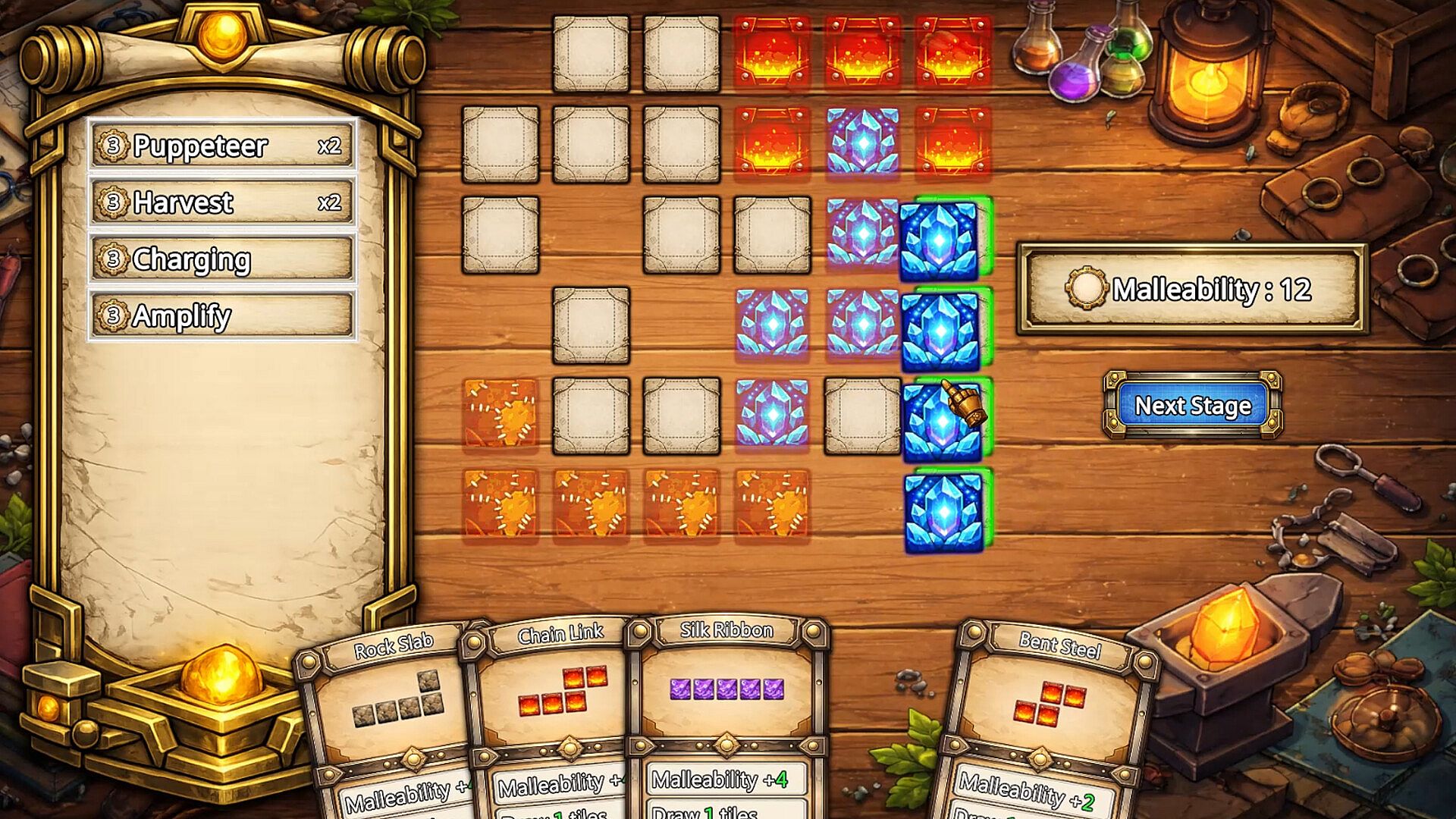
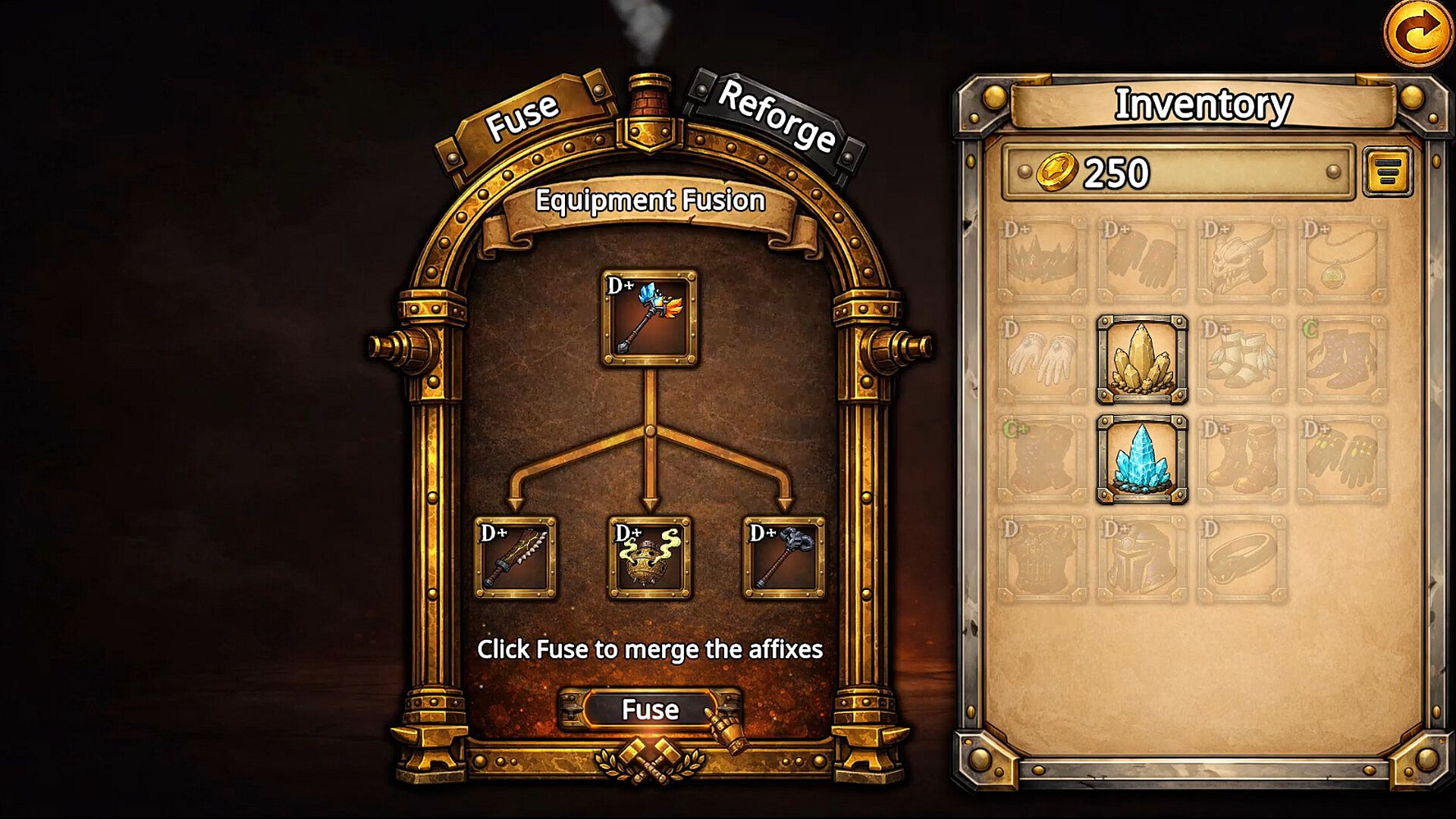
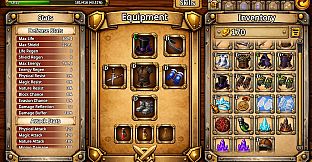
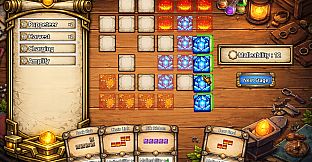
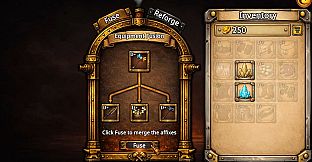
Gear acquisition follows a distinctive system in which enemies drop items without player control over their attributes. Elites and bosses instead provide blueprints that serve as templates. Players arrange material tiles on a crafting board drawn from a shuffled deck, with each placement generating malleability points that determine affix placement and prioritization. The same blueprint can yield entirely different weapons depending on tile arrangement and decisions, turning luck into a negotiable element rather than pure randomness.
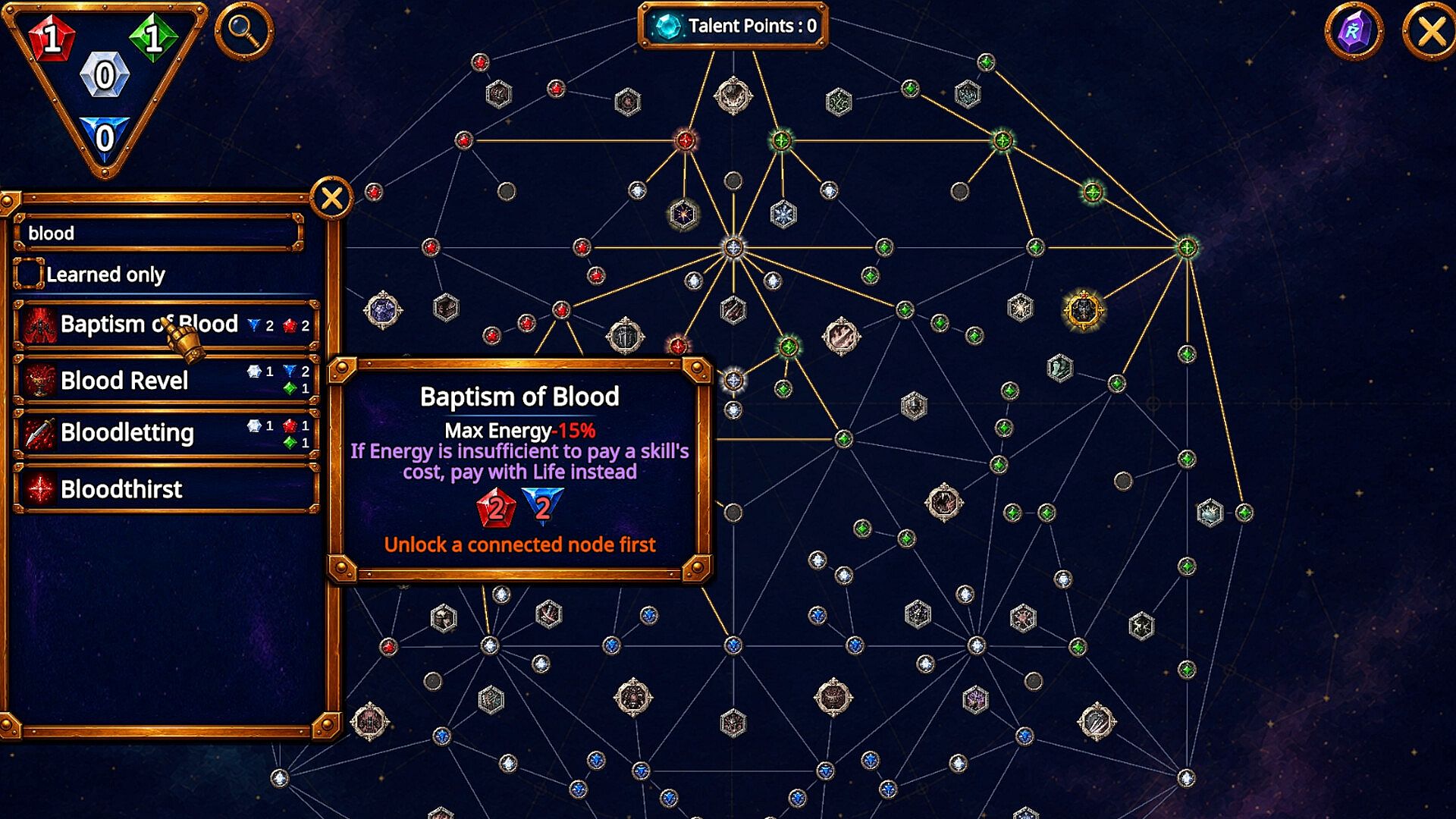
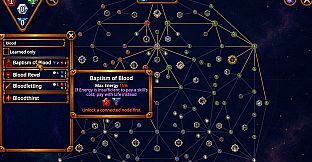
Character development relies on unique talent trees that regenerate with every run. Nodes begin partially blank and fill based on sigils collected during the attempt, which come in four colors and unlock specific core abilities. Points spent cover only a fraction of the tree, and there is no respec option, ensuring every allocation carries permanent weight for that run. Capstone nodes at the end of each tree also vary across attempts.
Game Modes
The primary structure consists of repeated runs into warped territories, each beginning with a fresh character selection from distinct origins such as the Iron Curtain Workshop, the Silent Academy, or the Windsong Plains. Every traveler carries personalized runes, fighting styles, and talent trees that influence approach and survival odds. Success on one attempt advances the Andrea Cycle, which alters subsequent runs by raising costs, strengthening enemies, and enforcing new thresholds that were previously optional.
Progression tracks separately for each character through the Cycle, allowing players to measure depth achieved across multiple attempts. The rules evolve with each cycle turn, introducing fresh challenges that build on prior victories without resetting the underlying systems of time pressure and crafting negotiation.
Core Mechanics and Progression
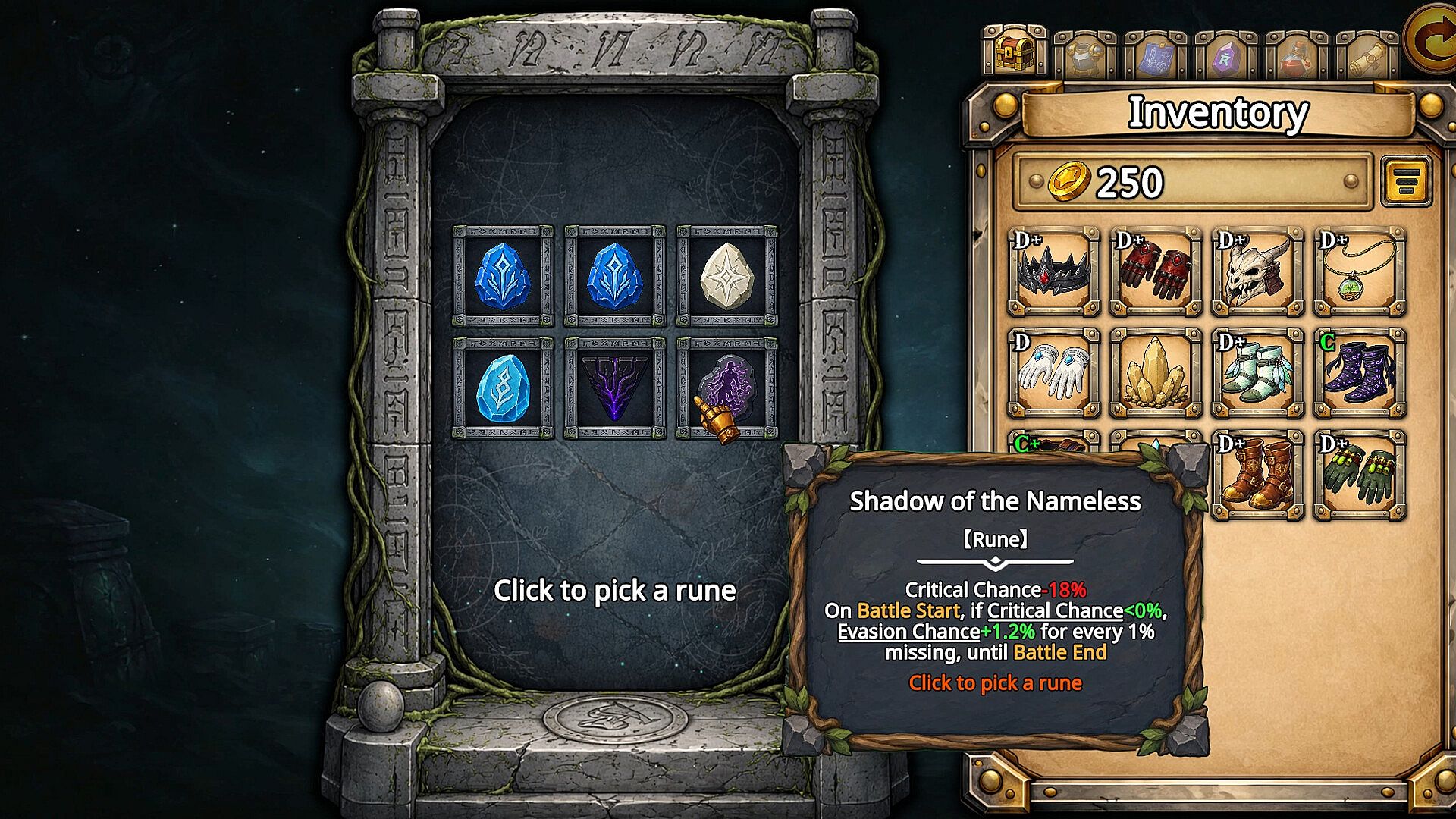
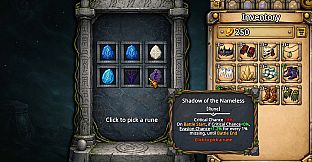
Runes function as frozen fragments of power extracted from the rubble of the Severance, each tied to an obsession or memory. These serve as foundational tools for combat and survival while the distortion continues to expand. The absence of a full map reveal encourages repeated exploration of branching paths, with the knowledge that no two runs will unfold identically due to procedural elements and shifting talent growth.
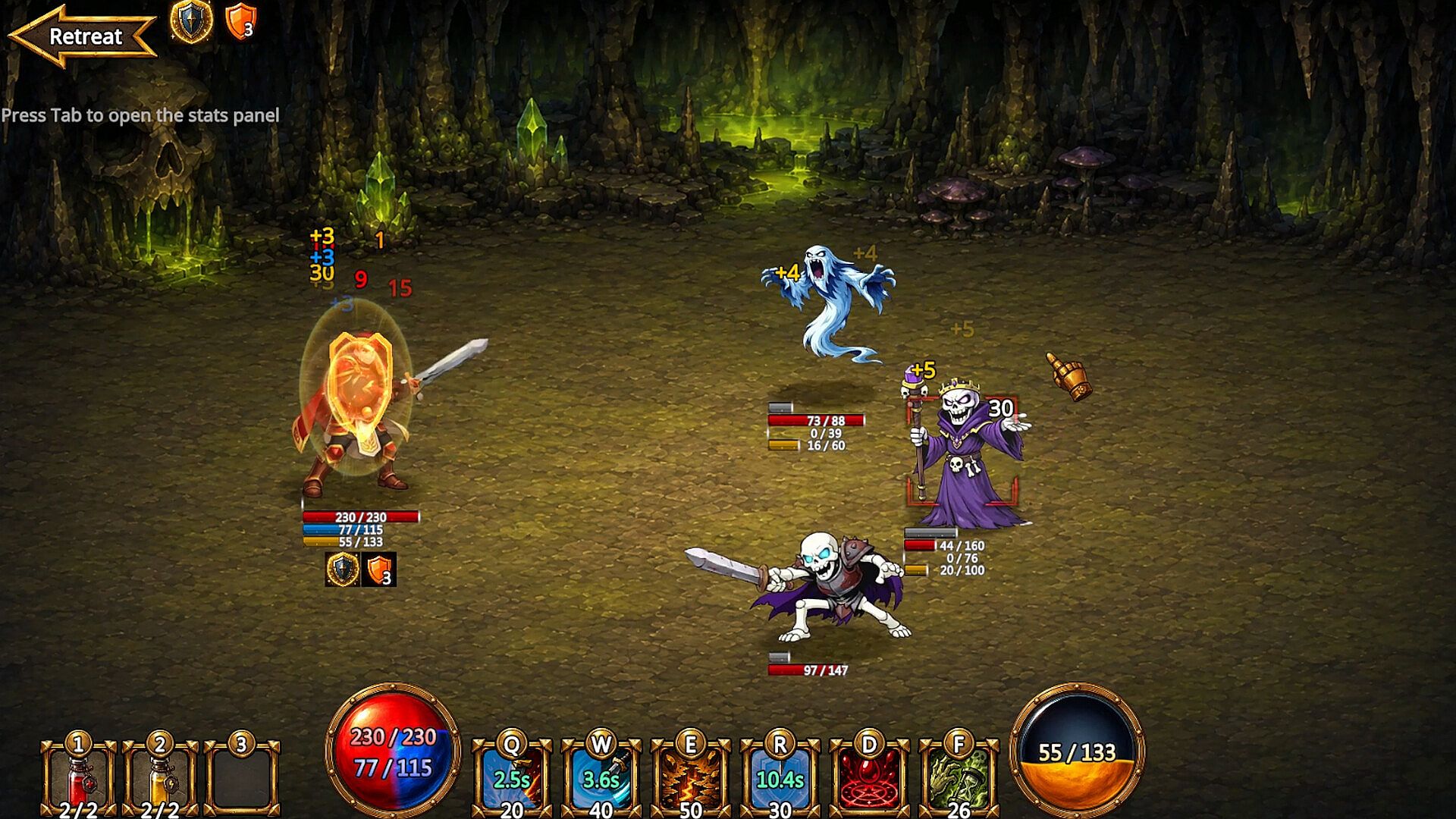
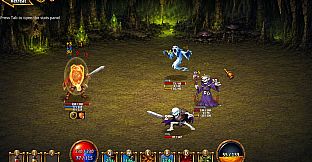
Combat integrates directly with the time and crafting loops, as every engagement deducts from the available window before the map closes. Building effective weapons through blueprint negotiation becomes essential for overcoming increasingly resilient foes encountered deeper in the cycle. The combination of strategy in resource allocation, RPG-style talent customization, and adventure-driven exploration defines the loop without reliance on external luck alone.
Is It Worth Playing?
Andrea suits players who enjoy roguelike runs with meaningful choice consequences in a strategy RPG adventure framework. The emphasis on time management, blueprint crafting that rewards thoughtful placement, and regenerating yet constrained talent trees provides replayability through varied outcomes on the same blueprint or tree. Those who appreciate single player experiences focused on negotiation with procedural systems rather than pure randomization will find the mechanics align with deliberate decision making.
The Andrea Cycle adds long term structure by escalating difficulty and rules after initial successes, encouraging multiple characters and deeper attempts. Availability on PC supports focused sessions without multiplayer elements. The game appeals to those seeking indie titles that prioritize interconnected systems of exploration, crafting, and progression over broader genre conventions.