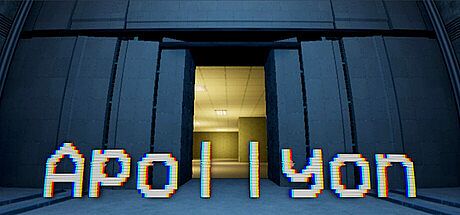


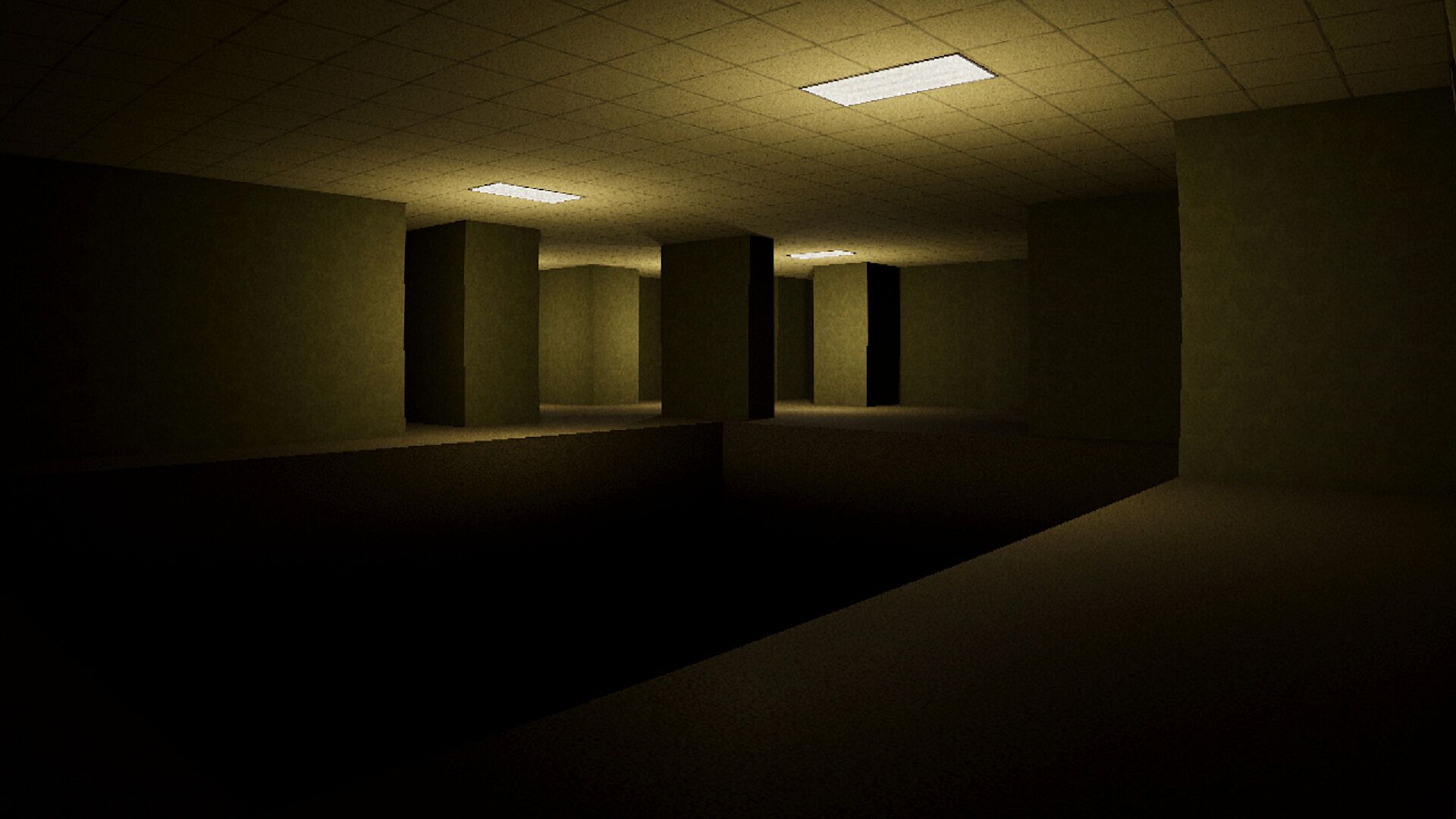
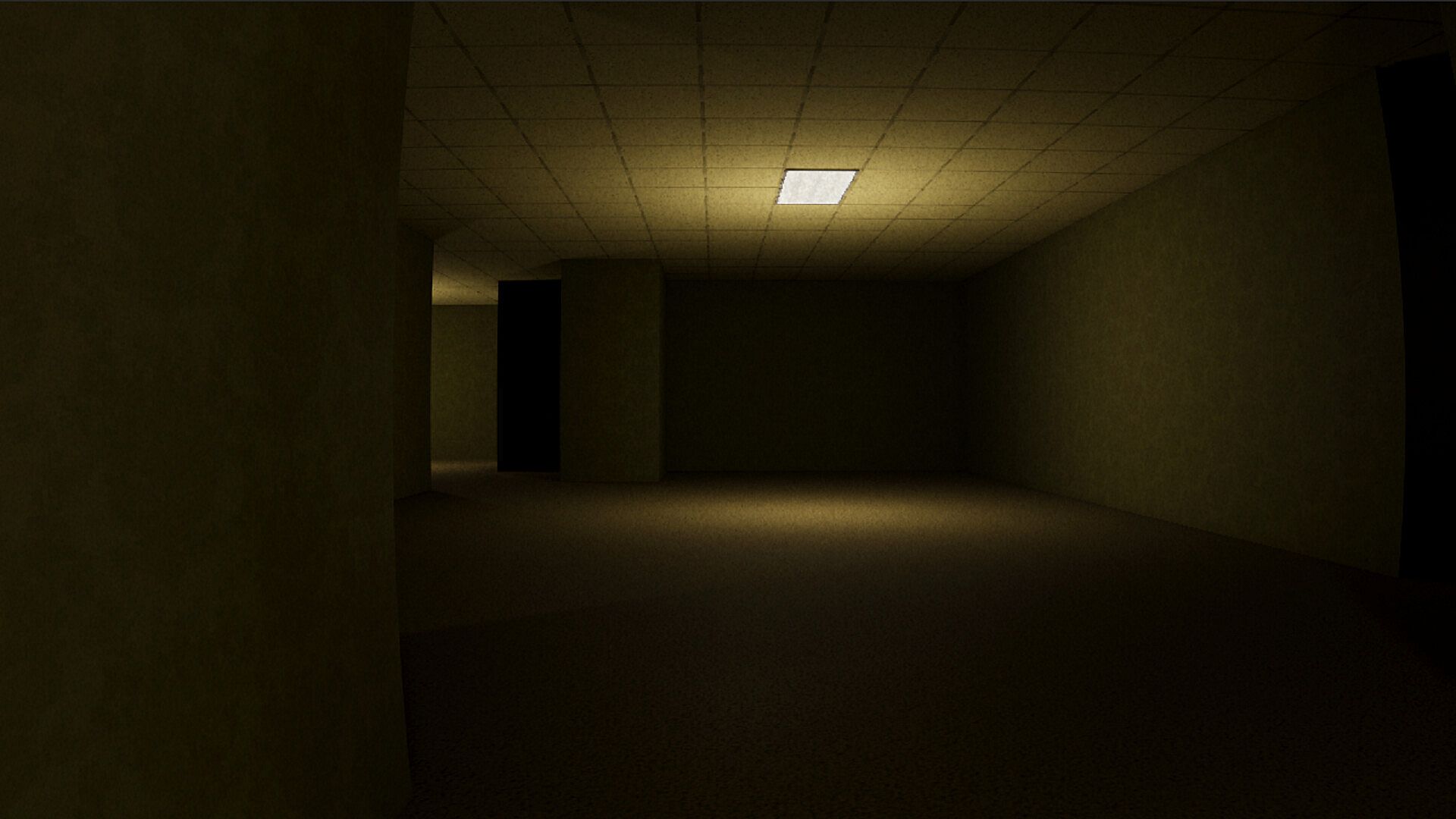
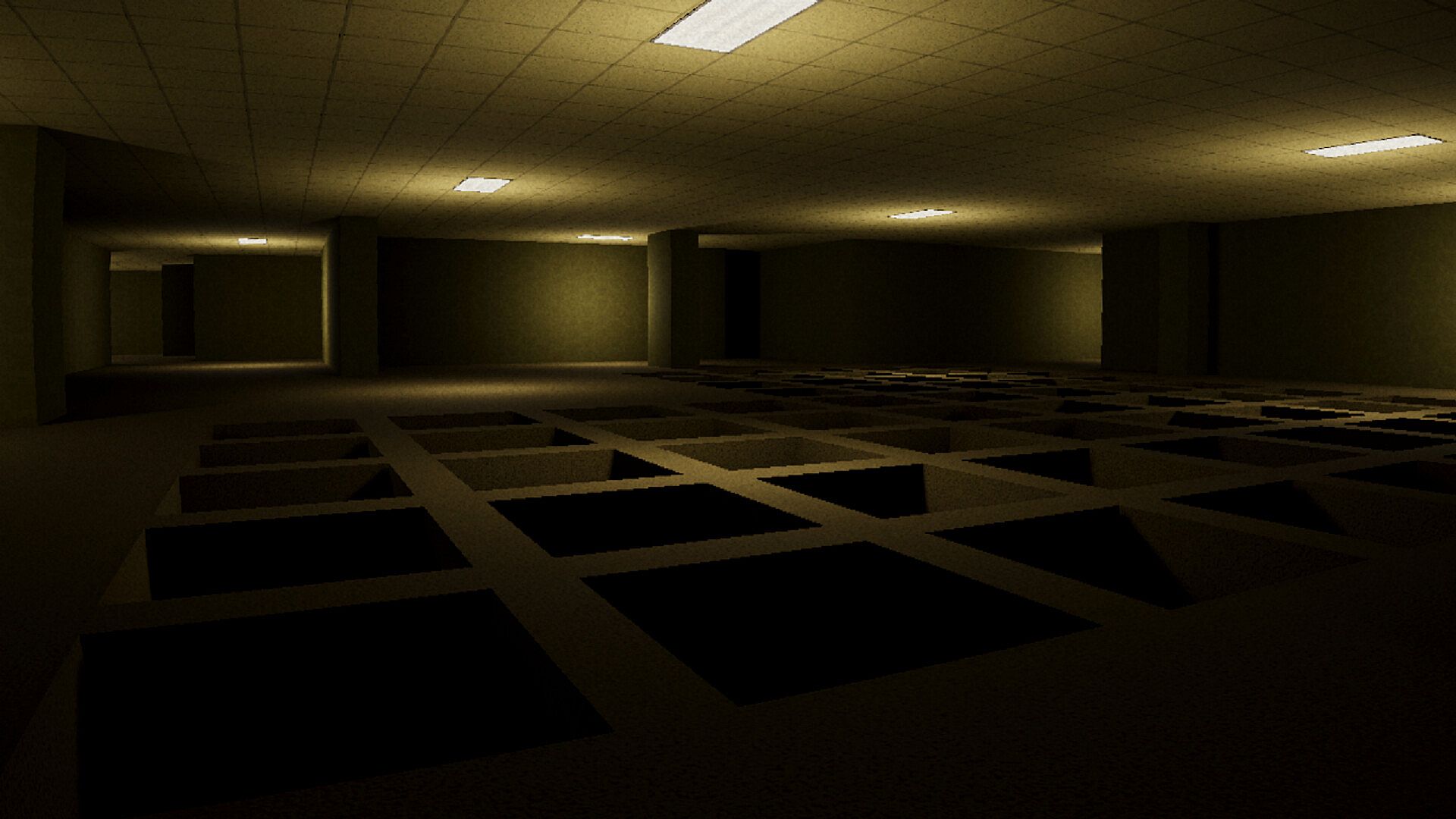
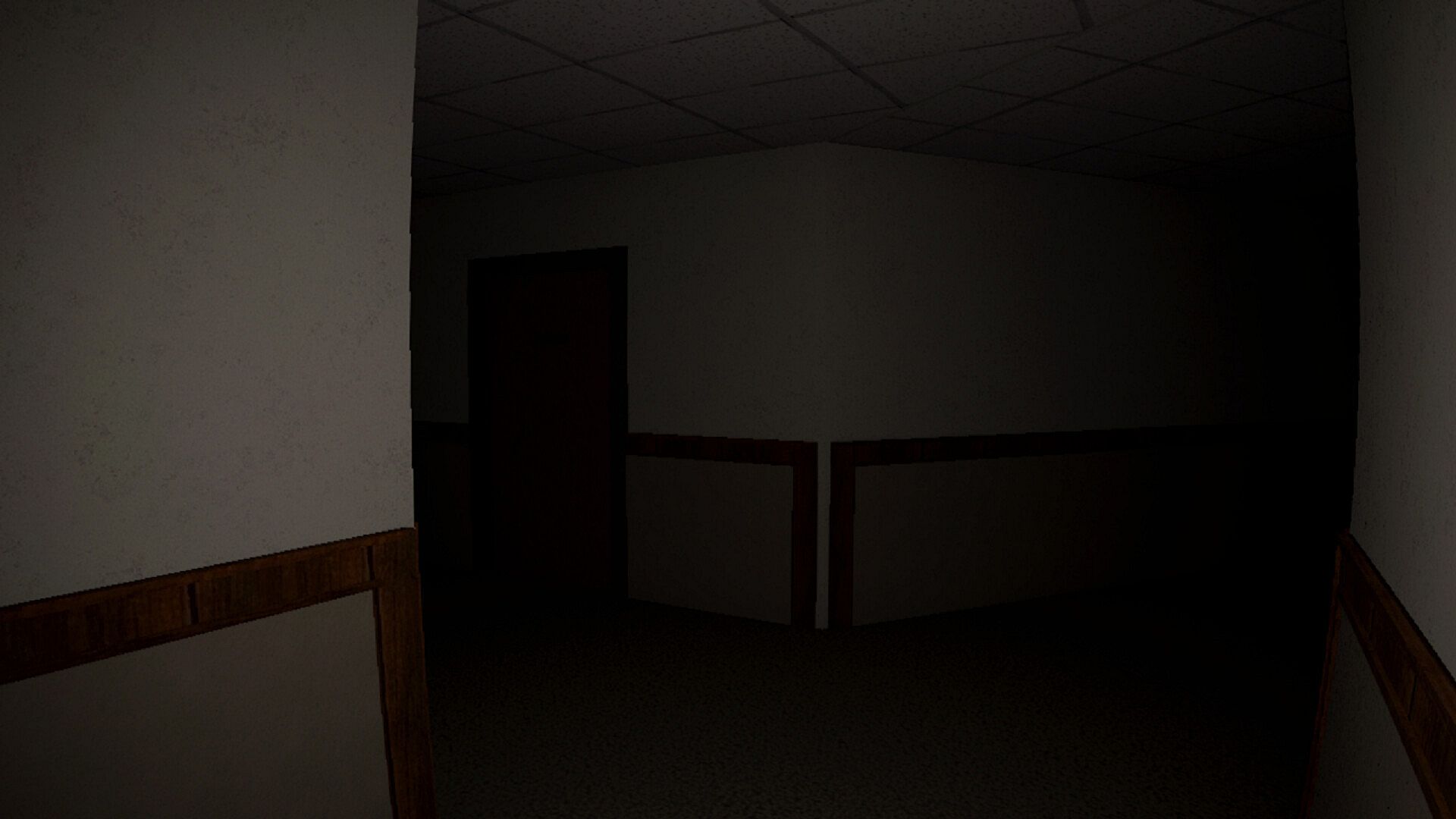
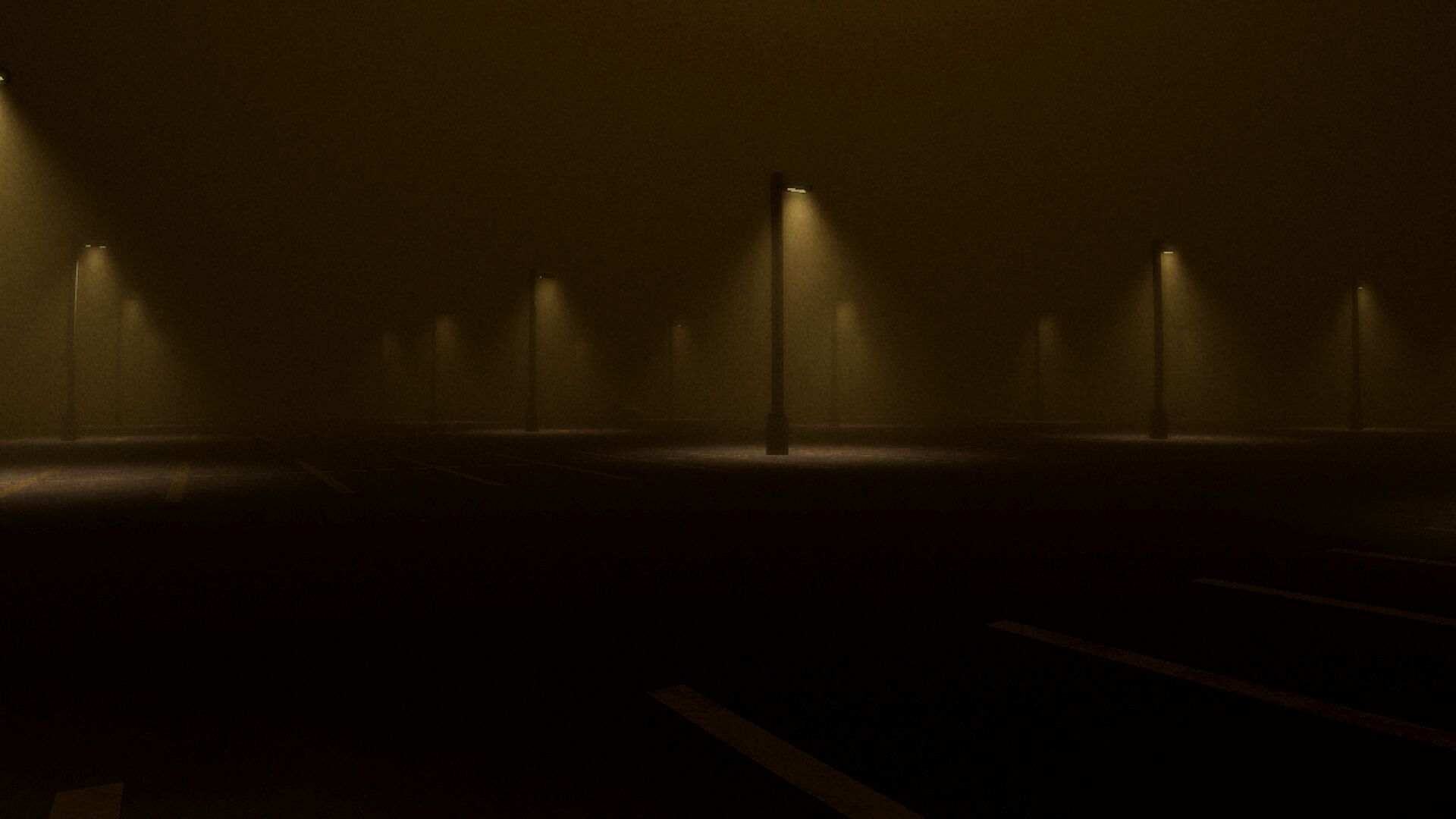
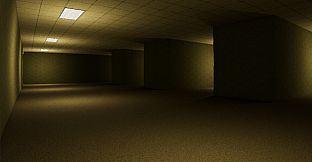
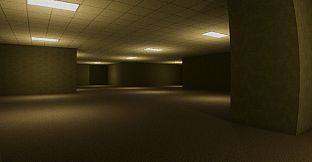
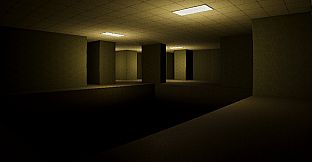
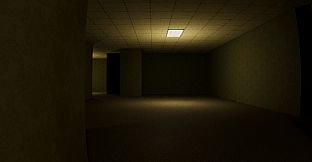
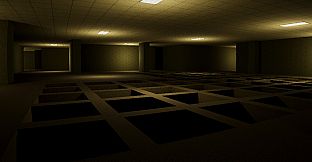
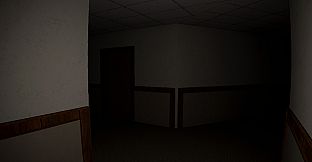

Apollyon is an indie survival horror game developed for PC. Players take on the role of a research team sent into the G.A.T.E facility by P.L.U.T.O in 1979, where the layout defies the original blueprints. Corridors repeat without warning, and rooms appear that were never part of any briefing. The core loop centers on navigating this shifting environment while managing limited resources and group cohesion to reach an exit.
Gameplay
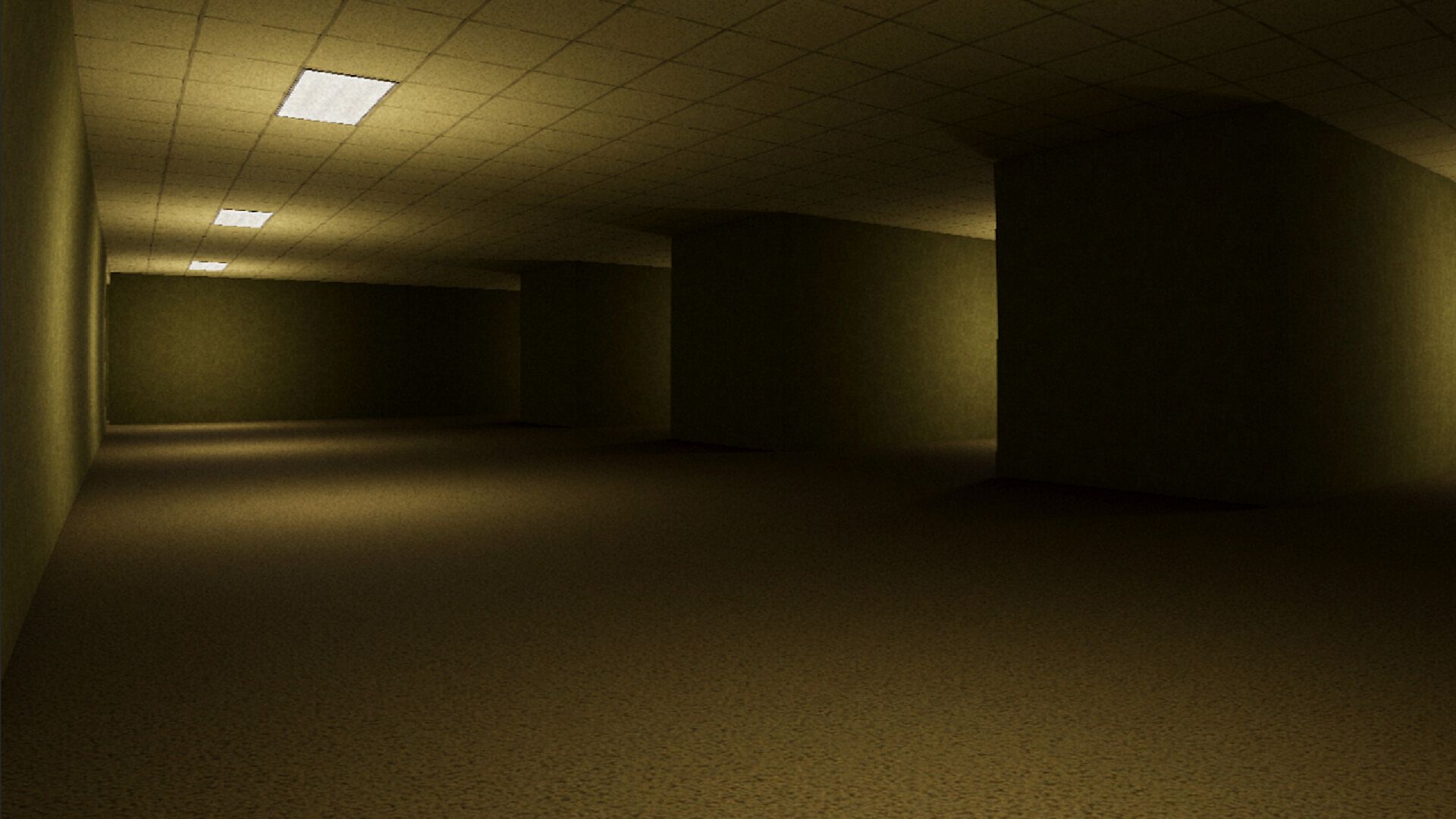
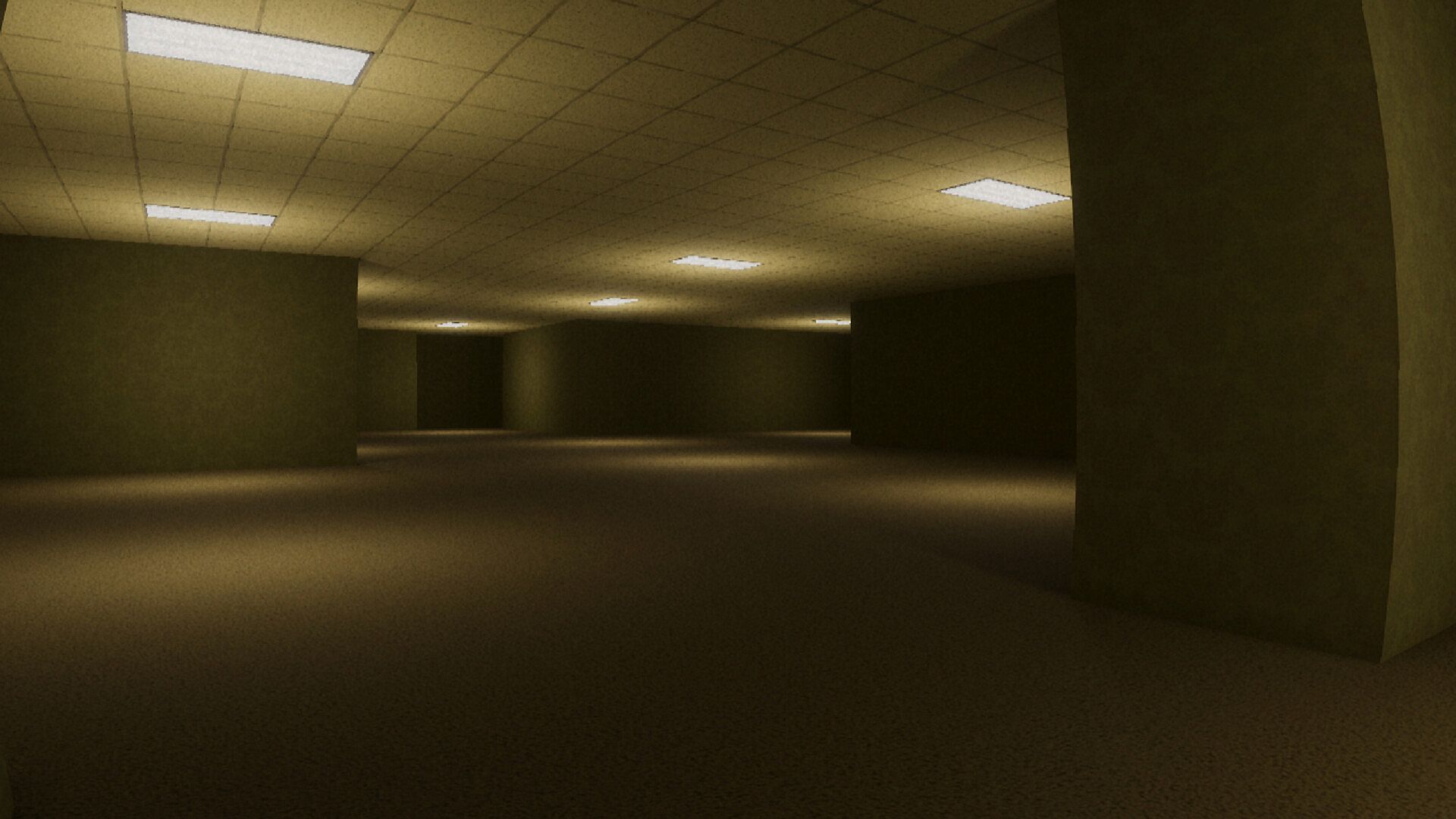
The experience revolves around careful exploration of procedurally stitched handmade sections. Teams must push deeper into the facility despite repeated dangers, as earlier exits only delay the inevitable assignment to return. Movement feels deliberate in the low-poly PSX style geometry and low-resolution textures, with lighting that emphasizes shadows and limited visibility. Optimization keeps focus on CPU performance so the game runs smoothly even during extended sessions.
Key threats include the Mimic, which copies a team member's movements, habits, voice, and responses after studying the group. It waits for moments when the team stops counting heads before striking. The Mannequin remains frozen when observed but moves with extreme speed once attention shifts. Insanity builds during isolation, causing peripheral movement that vanishes on direct look, voices from the walls that misdirect, and a general erosion of trust in one's own senses. Staying close to the group helps maintain reality, yet tracking six people in tight spaces proves difficult.
Game Modes
Apollyon supports 1-6 player co-op. Players join a friend's lobby to form a team that must coordinate to survive and progress. The structure encourages staying together for sanity and awareness, while separation quickly introduces sensory unreliability and increased risk. No other distinct modes exist beyond this cooperative framework, where the goal remains locating the deepest exit that ends the cycle rather than taking the nearest way out.
Core Mechanics and Atmosphere
Procedural stitching of handmade level sections creates variety without repeating identical layouts each run. The visual style draws from classic low-poly aesthetics while adding modern lighting touches that heighten tension in dark corridors. Sound design plays a critical role, as copied voices and distant calls can lead players astray. The emphasis on group dynamics means every decision about splitting up or pushing forward carries immediate consequences for the entire team.
Trust becomes the central resource. A single missing teammate may go unnoticed until the impostor reveals itself through subtle behavioral differences. Lights cutting out can turn a stationary Mannequin into an immediate lethal threat. These systems combine to reward patient, observant play over reckless advancement.
Is It Worth Playing?
Apollyon suits players who enjoy co-operative horror focused on tension, observation, and group management rather than combat or fast action. The 1-6 player setup works well for small groups or solo runs with AI considerations implied by the mechanics, though the design clearly prioritizes human coordination. Those drawn to atmospheric exploration in repeating, unreliable spaces will find the handmade-yet-procedural levels and specific enemy behaviors provide consistent pressure across multiple attempts. The option to take earlier exits offers some flexibility, but the game's intent pushes teams toward the final exit for a complete resolution. With its emphasis on low-poly visuals and strong CPU optimization, the title runs accessibly on modest hardware while delivering a focused horror experience centered on mimicry and isolation.