

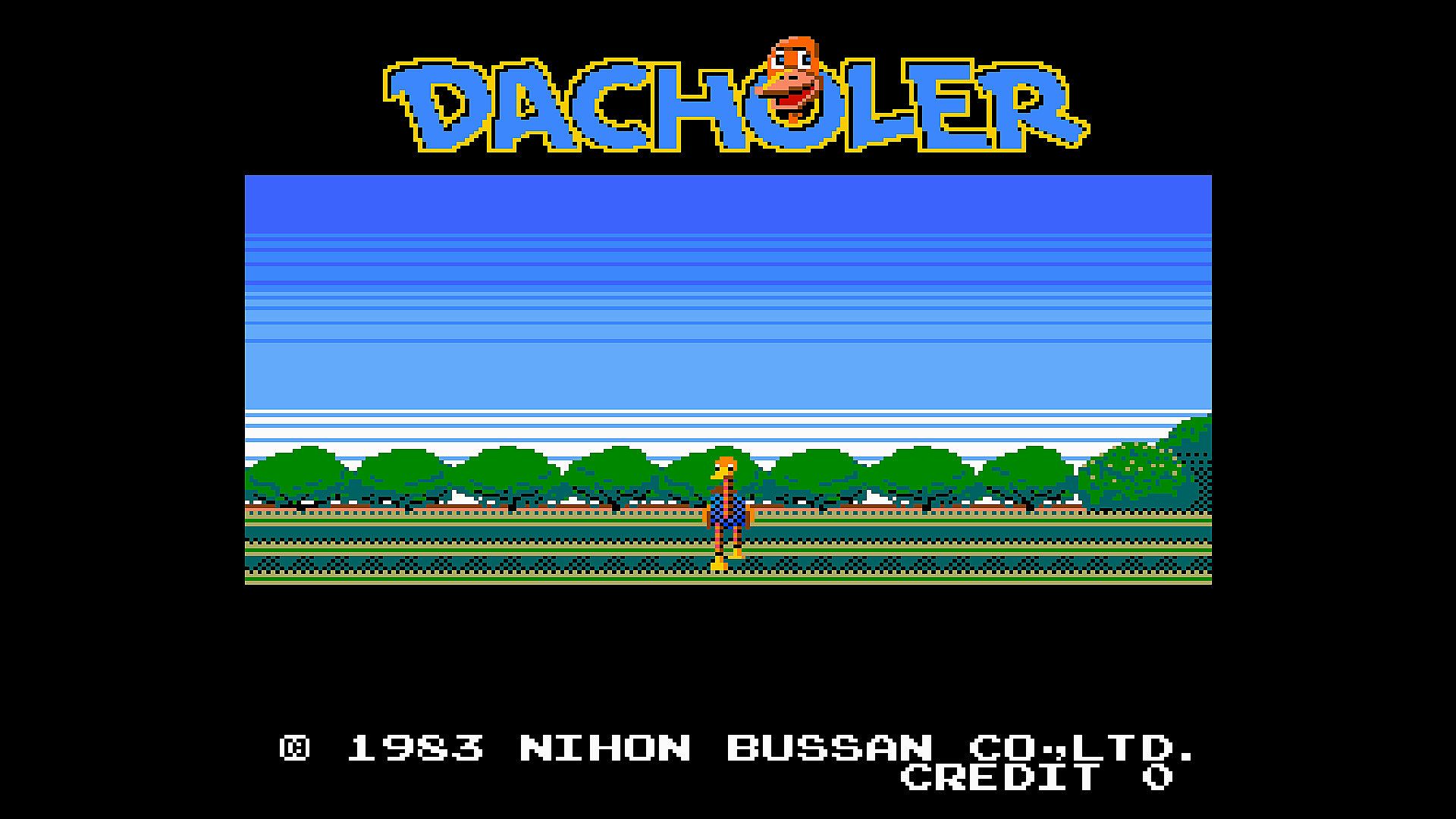
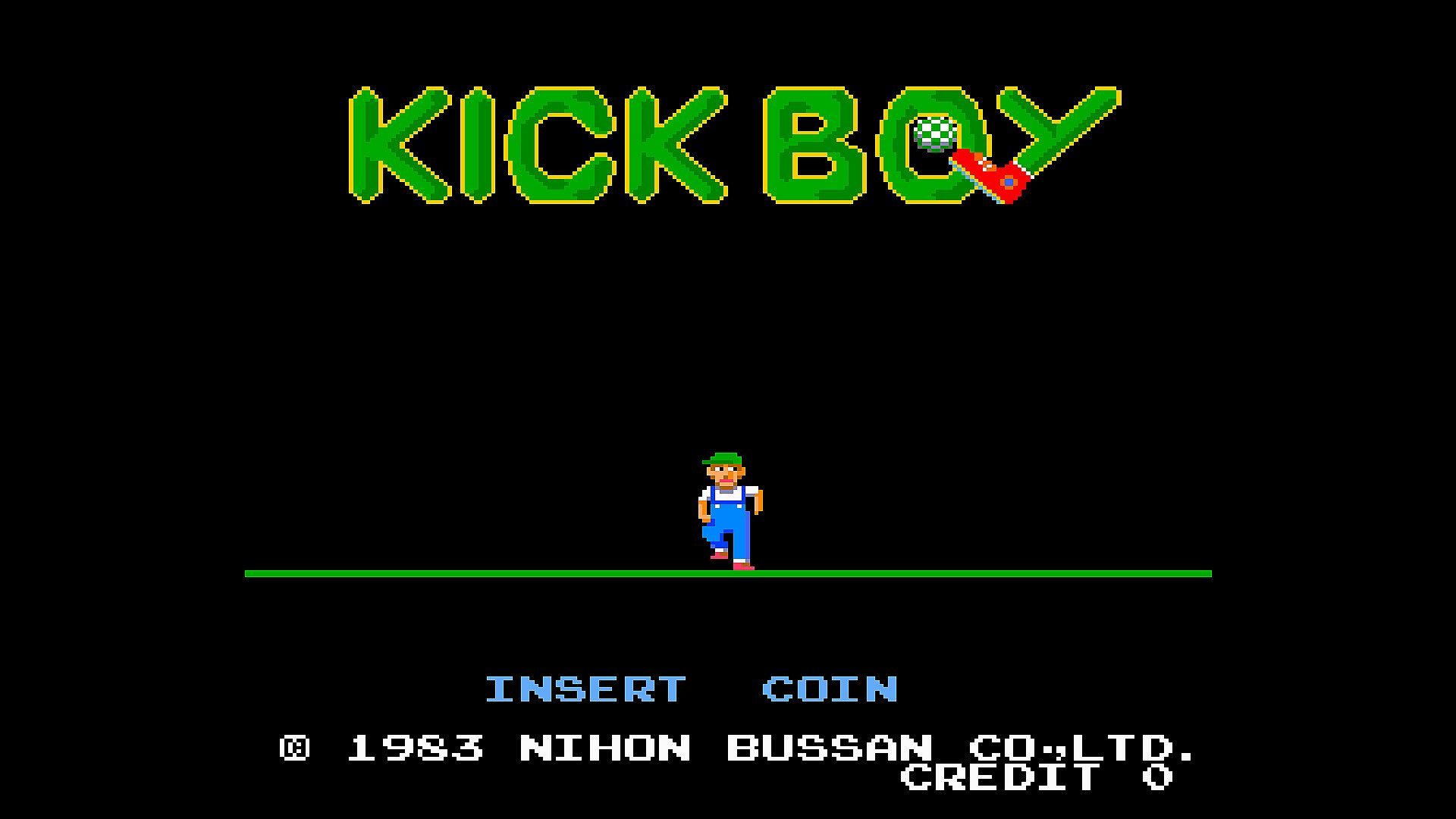
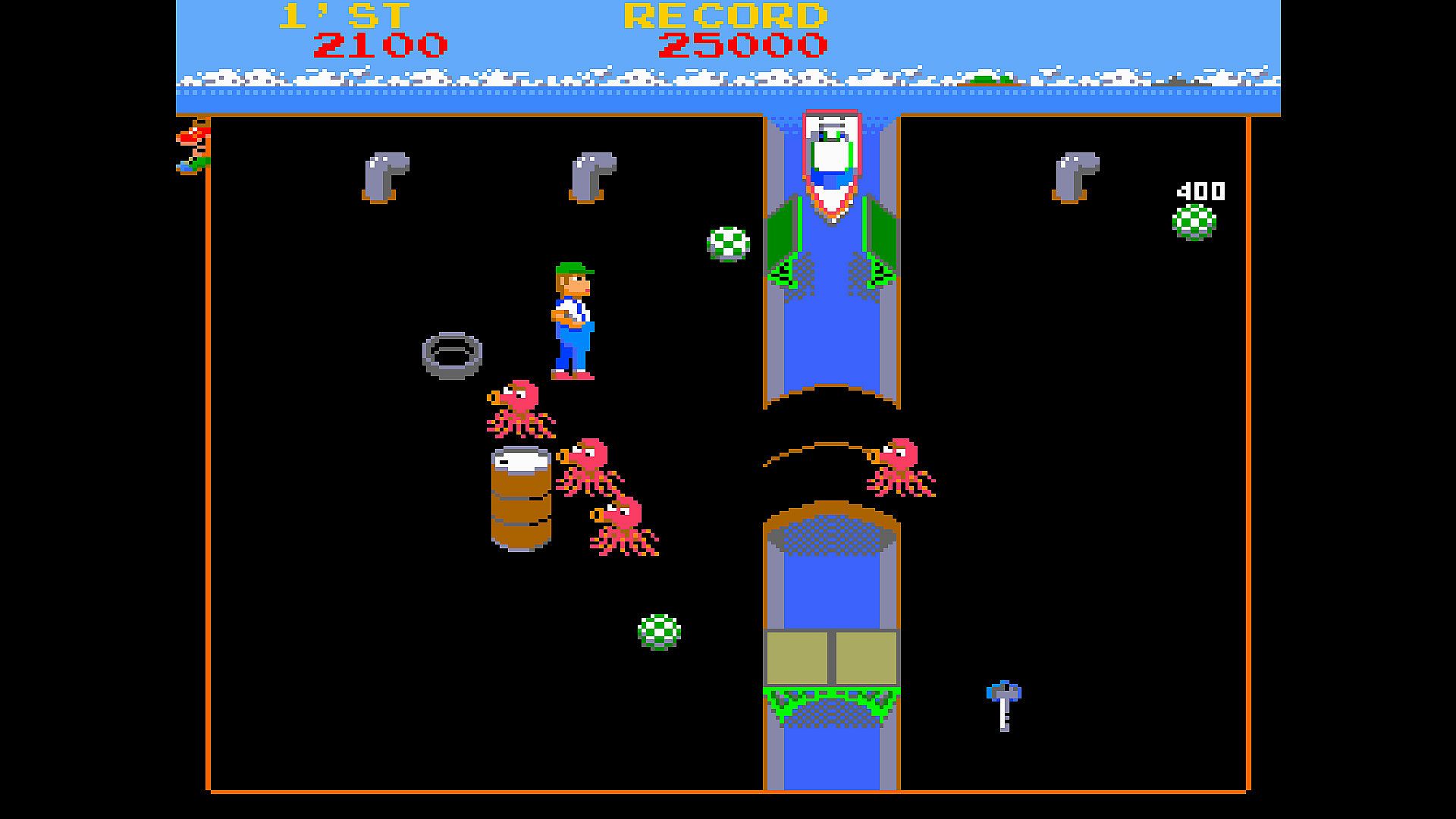
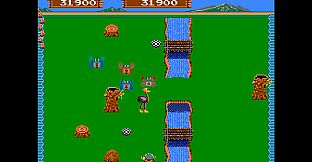
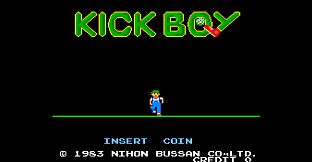
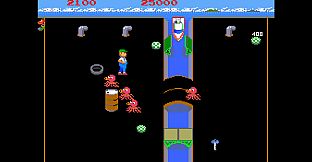
Arcade Archives 2 DACHOLER is an action game that revives a 1983 Nichibutsu arcade title for Xbox Series consoles and Windows PC. Players take control of an ostrich character who clears stages by kicking enemies off the screen while dodging sudden hazards. The release also bundles a modified variant called Kick Boy, which alters visuals and shifts some gameplay details for variety within the same core loop.
Gameplay
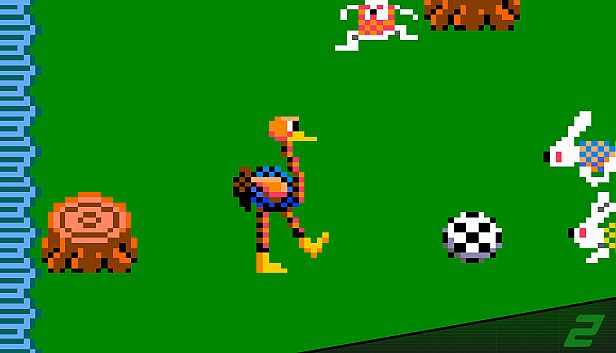
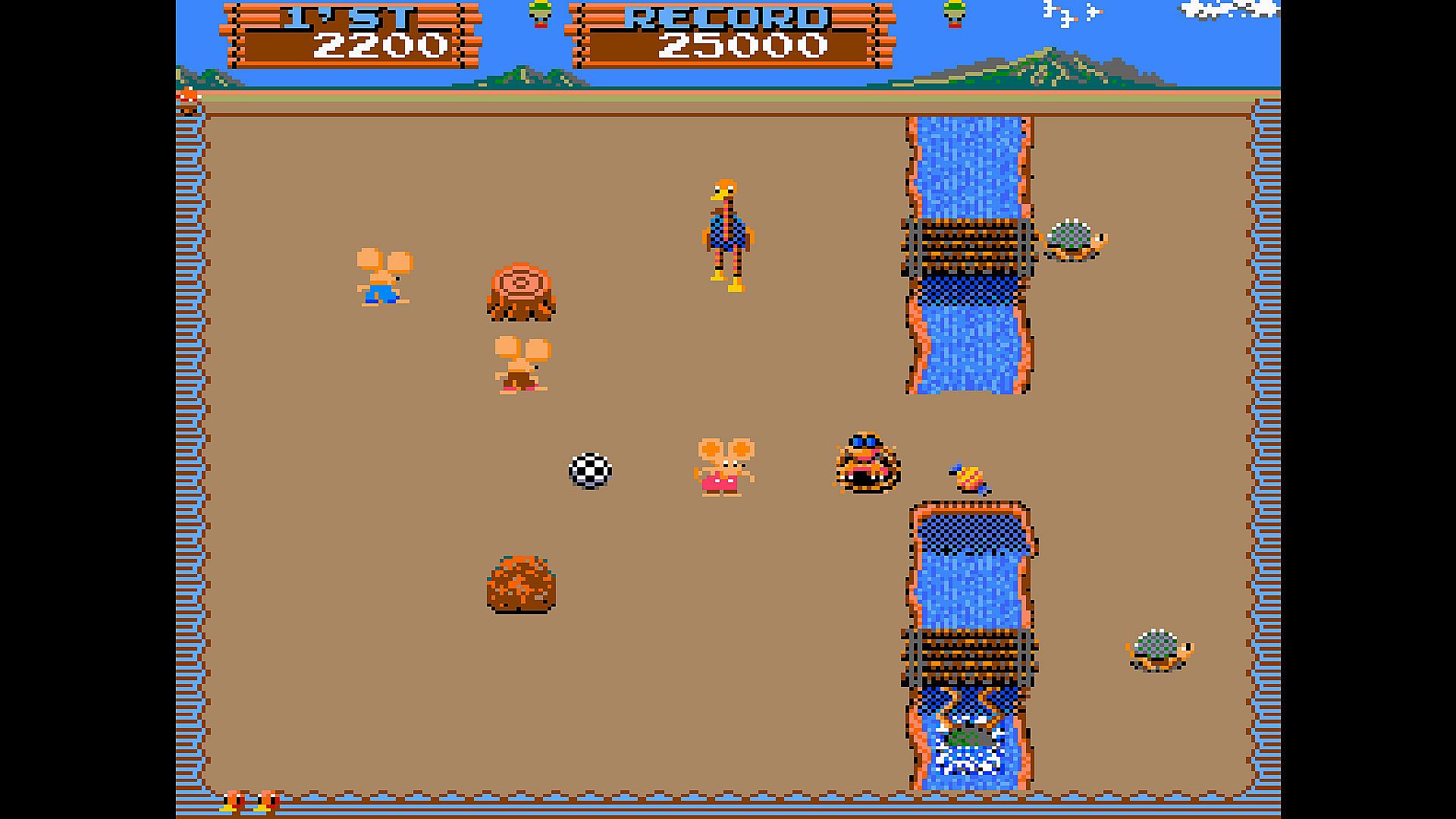
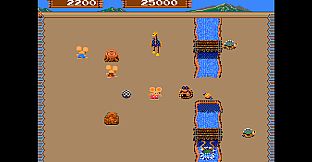
The core loop centers on precise positioning and timing. The ostrich moves across a fixed screen filled with turtles, ducks, mice, and other small creatures. A single kick sends these enemies flying off the edge, clearing the stage once all threats are removed. Enemy paths prove unpredictable, forcing constant adjustments to avoid collisions. A kappa that leaps from the river adds a sharp hazard that can interrupt runs and end attempts quickly. Controls remain straightforward with movement and a dedicated kick action, emphasizing reflexes over complex inputs. The ostrich's powerful legs deliver satisfying feedback on successful hits, while the simple pixel art keeps focus on the action.
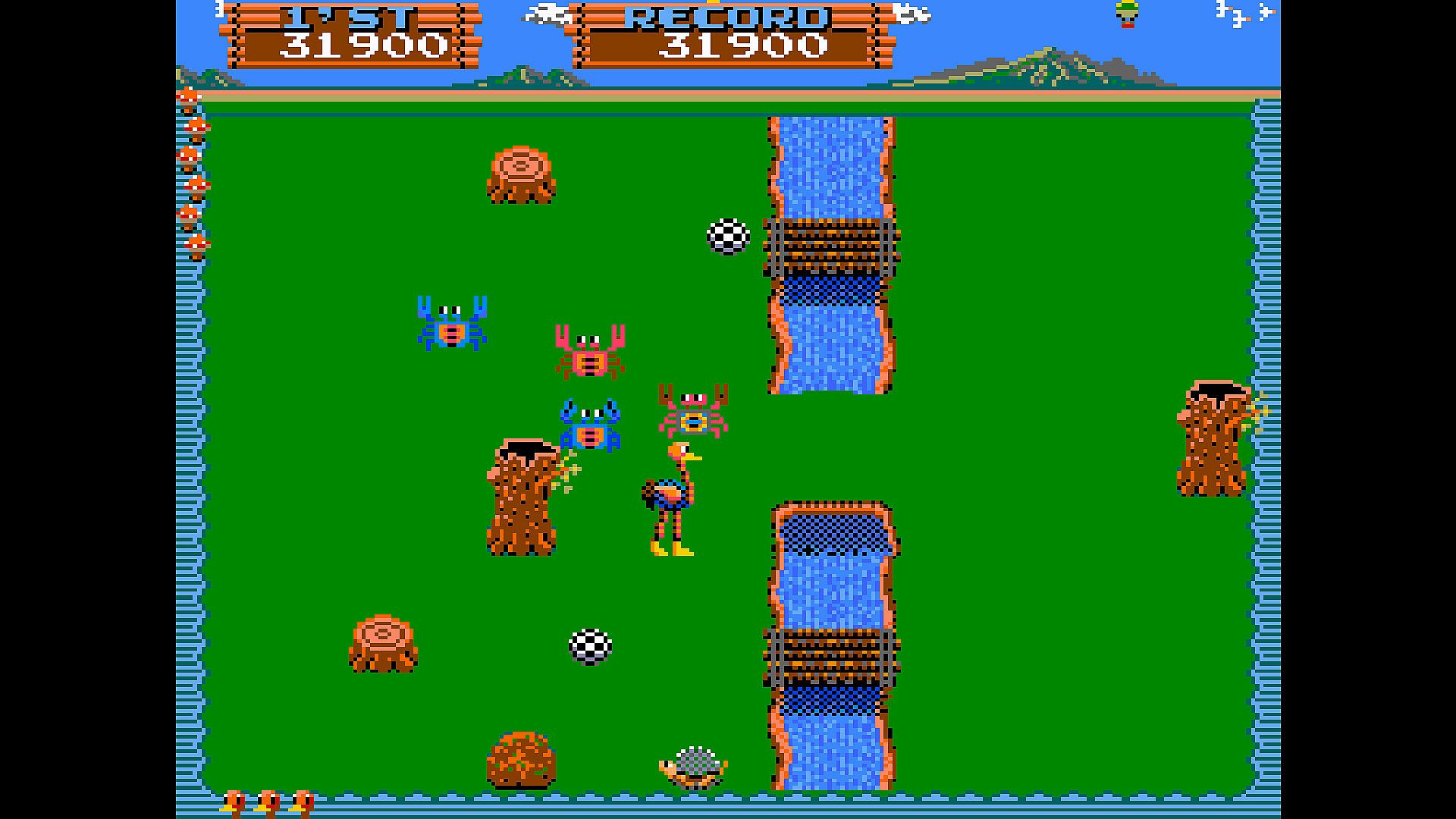
Kick Boy introduces noticeable changes to character appearance and enemy behavior patterns. These tweaks create fresh challenges without altering the fundamental kicking mechanic or stage structure. Both versions support local two-player alternating turns, allowing friends to trade attempts on the same machine setup.
Game Modes
Four distinct modes shape the experience. Original Mode delivers the unaltered arcade version with full access to adjustable difficulty, screen settings, rewind, rapid-fire options, and multiple save slots. Hi Score Mode restricts players to a single credit run aimed at posting the highest possible points for online leaderboards. Caravan Mode imposes a five-minute time limit on scoring, testing efficiency under pressure while still feeding into global rankings. Time Attack Mode, added specifically for the Arcade Archives 2 line, shifts the goal to the fastest clear time regardless of points accumulated, with checkpoints marking progress toward a speed-focused record.
Online rankings integrate across the competitive modes, letting players compare results worldwide. Variable refresh rate support enhances smoothness on compatible displays, bringing the original hardware feel closer to modern setups.
The Arcade Archives 2 Experience
Faithful emulation forms the foundation, preserving the original 1983 design while layering practical tools. Difficulty sliders let newcomers ease into the punishing arcade challenge, and screen filters recreate period CRT aesthetics. Rewind and save slots reduce frustration during repeated attempts at high scores or fast clears. Rapid-fire assists with sustained kicking sequences. These additions keep sessions accessible without diluting the tight, one-more-try appeal of the source material.
Local multiplayer remains limited to alternating play, matching the original cabinet style. The package stays compact, focusing entirely on the two included versions and their mode variants rather than expansions or additional content.
Is It Worth Playing?
This release suits players who enjoy short, intense arcade sessions and retro preservation efforts. The kicking mechanics deliver immediate feedback, and the kappa hazard keeps tension high across quick runs. Modern conveniences such as rewind and adjustable settings lower the barrier for those new to 1980s titles, while leaderboard competition appeals to score chasers. Time Attack Mode adds a fresh speedrun angle that complements the traditional high-score focus. At a modest price point with no ongoing updates required, the game provides solid value for fans of fixed-screen action and historical arcade ports. Those seeking deeper progression systems or modern multiplayer may find the experience limited, but the core loop and faithful presentation reward repeated short plays.