

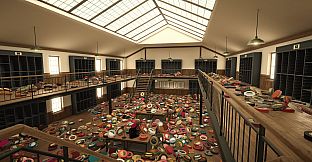
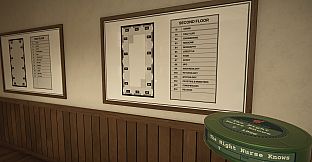
Archivist: Tidy Up Film Archive is a first-person simulation game focused on restoring order to a disorganized film collection. Players step into the role of an archivist tasked with sorting and shelving thousands of scattered film cans according to their labels and proper locations. The experience emphasizes calm, methodical work in a single-player setting on PC, appealing to those who enjoy casual organizing tasks and incremental progress toward a tidy result.
Gameplay
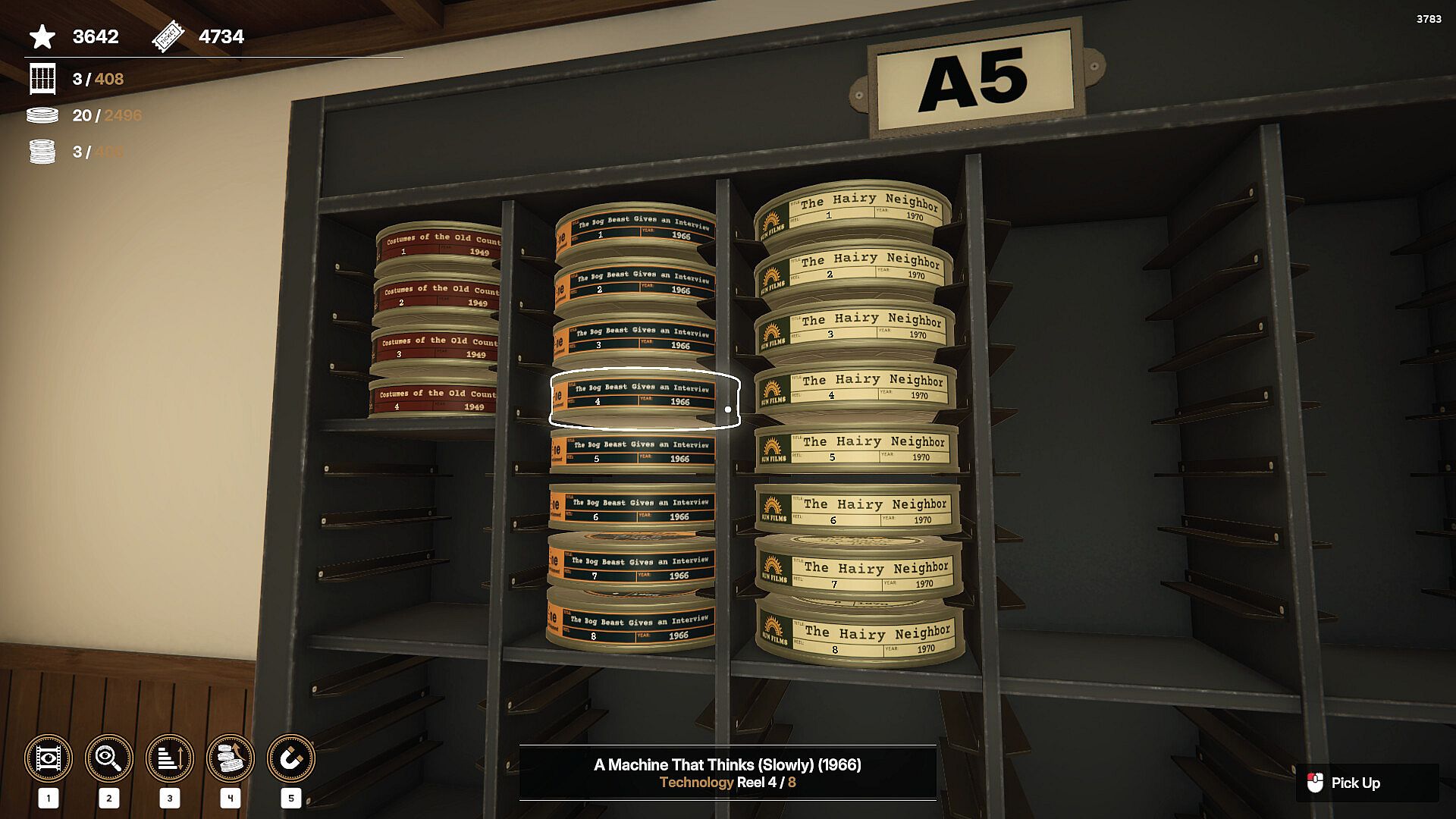
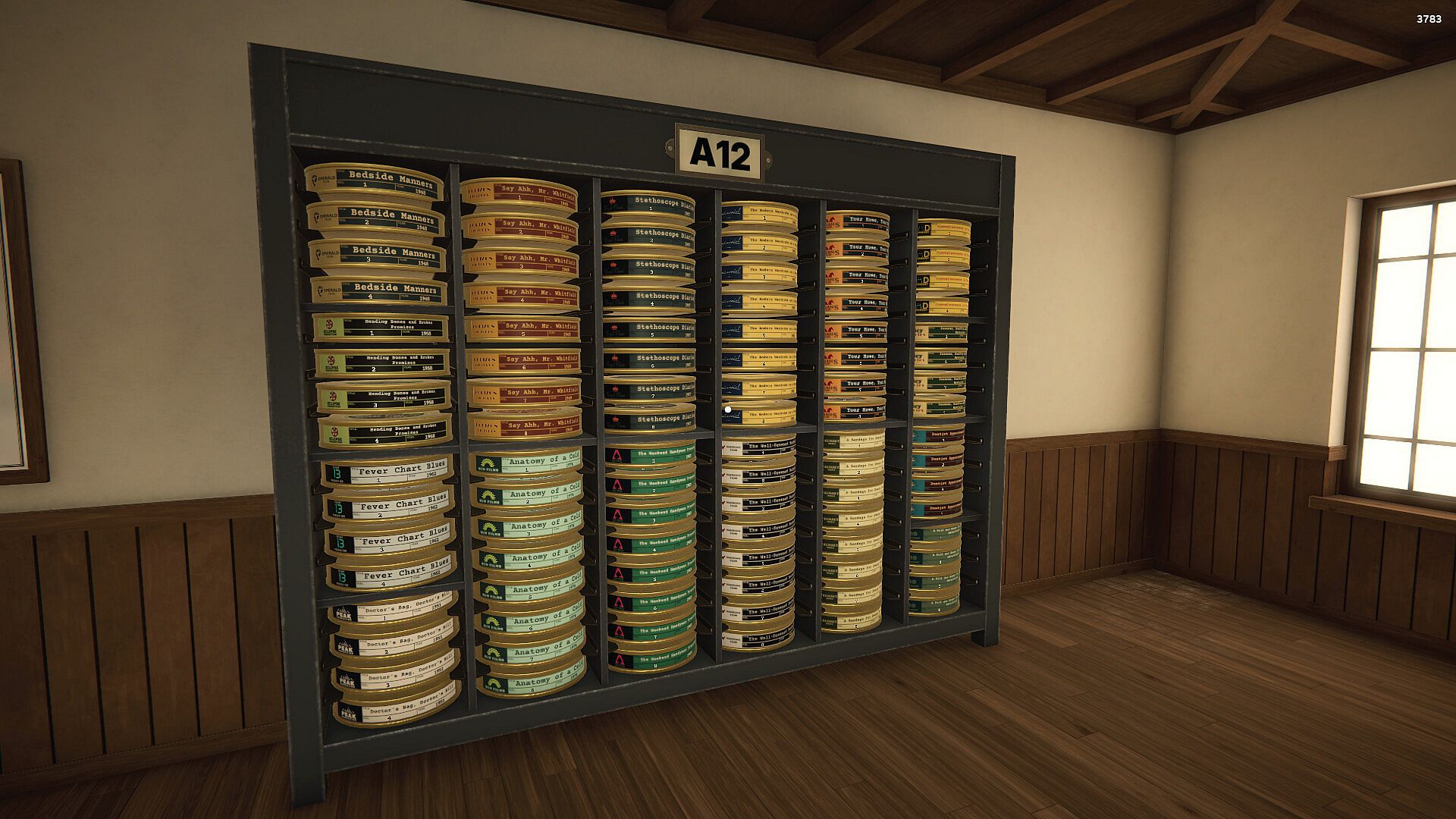
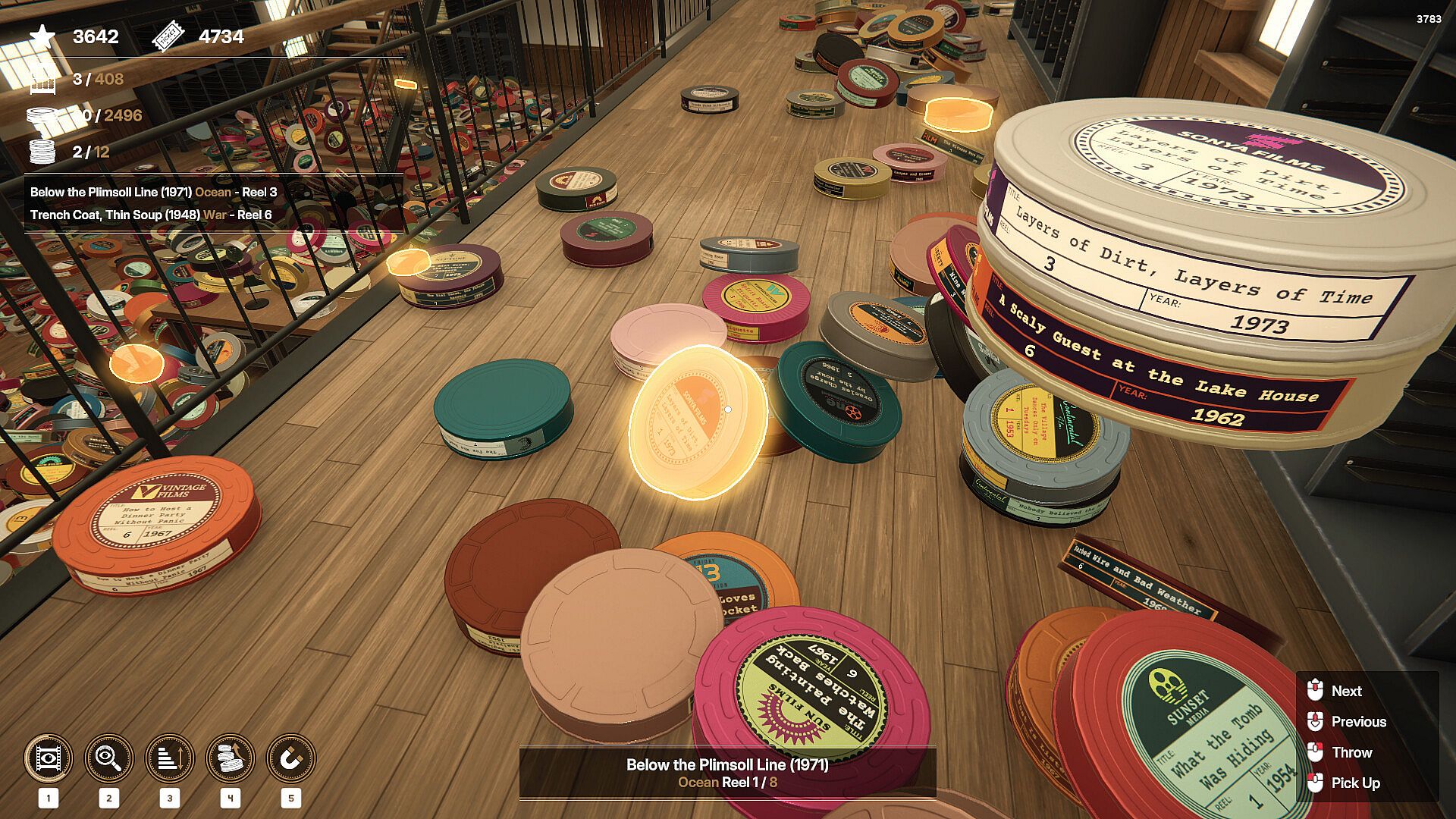
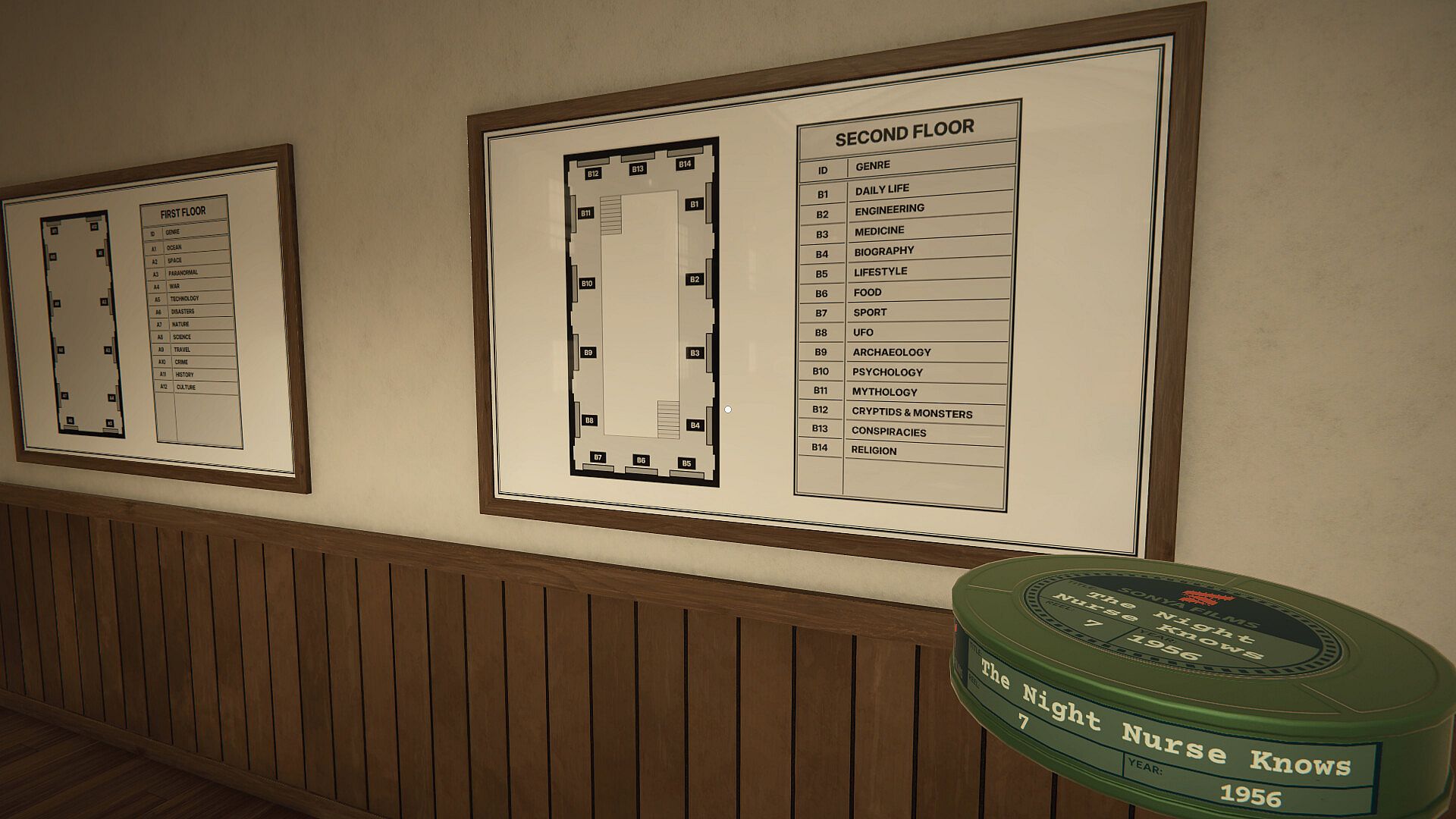
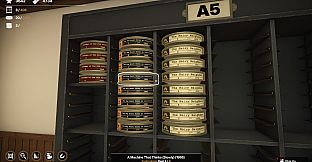
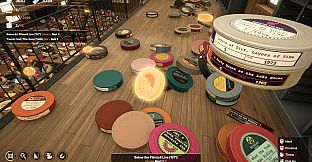
The core loop centers on locating scattered film cans, examining their labels to determine the correct shelf position, and transporting them in stacks for placement. Each can returned reduces the overall clutter in the archive, creating a steady sense of accomplishment as sections fill up. Handling multiple cans at once requires careful movement to avoid dropping items, and the process encourages attention to detail when matching labels to the archive's organizational system.
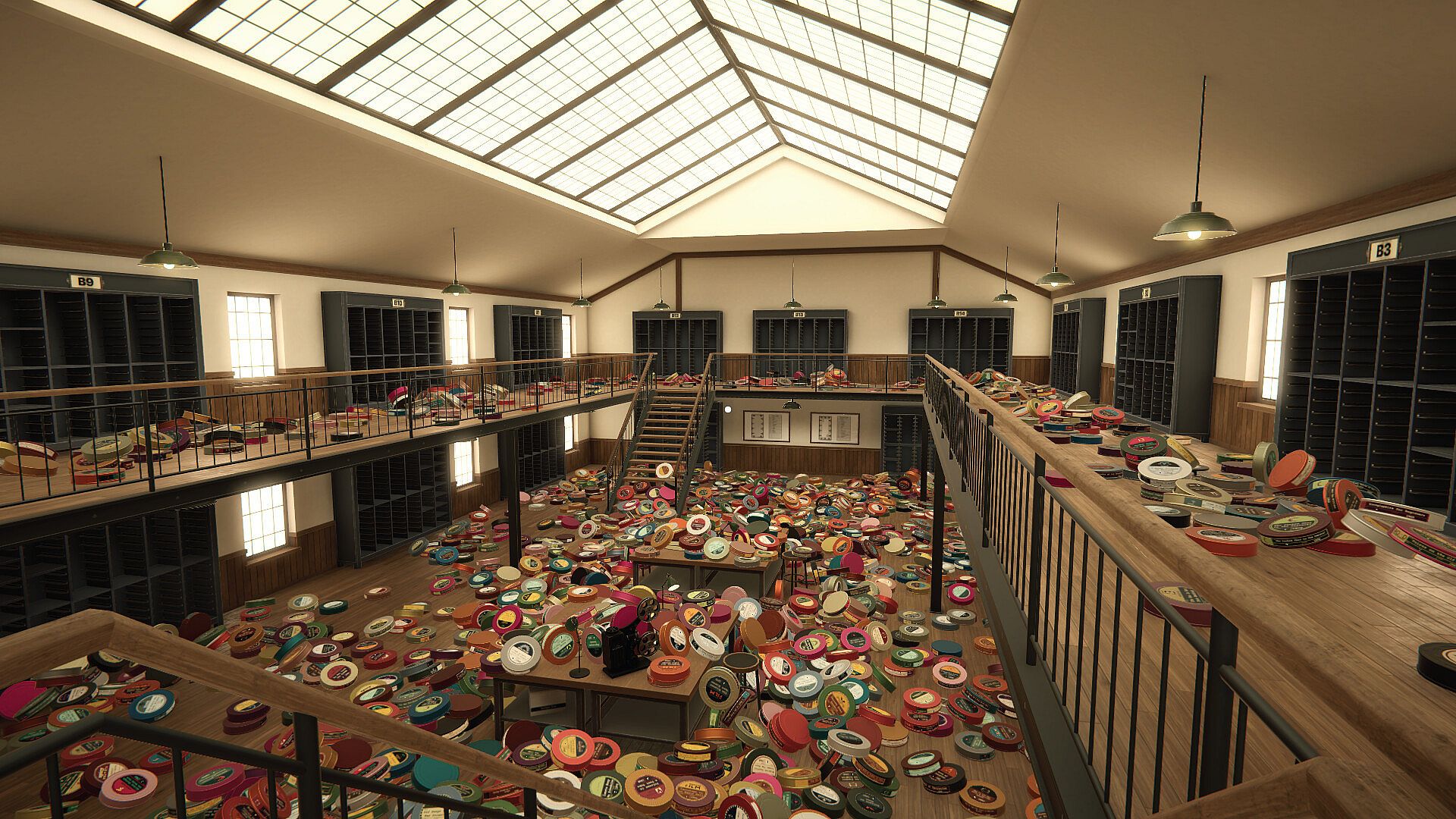
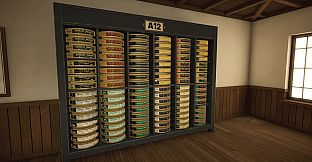
Progress comes through repeated sorting sessions that gradually clear the space. The environment starts in complete disarray with 2,496 film cans spread across the floor and surfaces. Players gather items, carry manageable loads, and return them one stack at a time, watching the archive transform from chaos into an orderly collection.
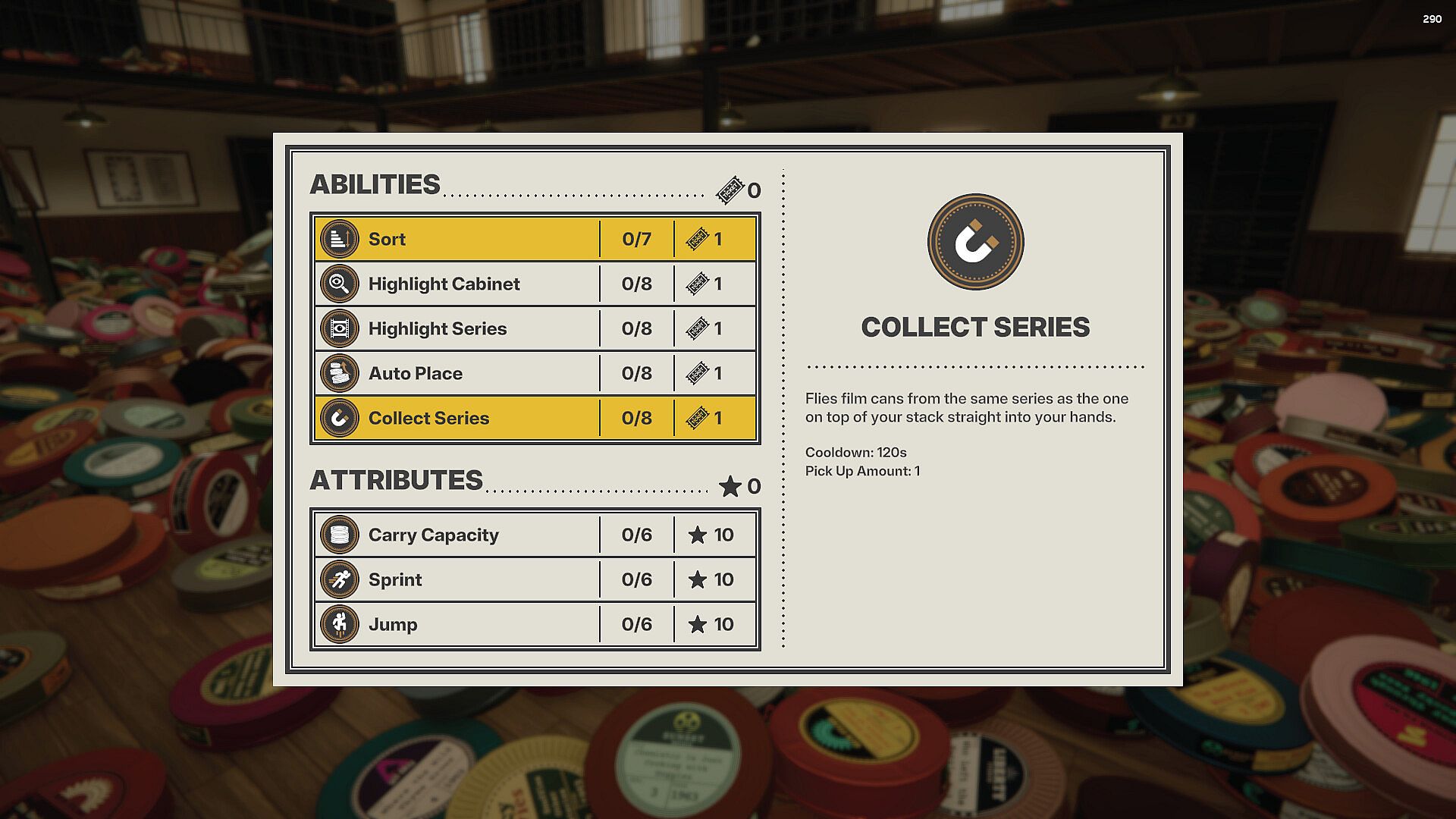
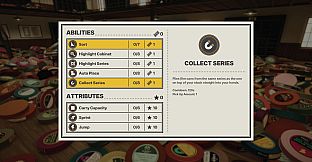
Skill unlocks provide practical improvements to efficiency. These upgrades allow players to carry larger stacks or speed up the return process, making it easier to tackle the remaining cans without altering the fundamental sorting challenge. The upgrades integrate directly into the workflow, rewarding consistent play by reducing the time needed for larger volumes of work.
Game Modes
The game structures its content around focused sorting sessions that mirror real archive work. Players receive instructions for each area, which may emphasize different criteria such as category, date, or sequence when placing items. Completing tasks in one section opens access to further areas, maintaining a clear path of progression through the collection.
Tasks build on one another, requiring players to process incoming materials, locate misplaced items, and maintain organization across multiple shelves. The emphasis remains on accurate placement rather than speed alone, though efficiency tools help manage the scale of the job.
Progression and Upgrades
Unlocking new abilities forms the main advancement system. Each upgrade targets specific pain points in the sorting process, such as increasing carry capacity or streamlining placement. These changes accumulate over time, allowing players to handle the full scope of 2,496 cans with greater ease while preserving the satisfying manual work of reading labels and positioning each item correctly.
The progression feels incremental and tied directly to the archive's state. As more cans find their homes, the available tools expand in ways that support continued cleanup without introducing unrelated mechanics.
Is It Worth Playing?
This title suits players who appreciate relaxed, repetitive tasks with visible results, similar to other organizing simulations. The single-player focus keeps the experience self-paced, with no competitive or time-limited elements to disrupt the flow. Demo feedback highlights the satisfying nature of the work and the appeal for those who enjoy methodical cleanup games.
Support for the project continues through updates that refine handling and add quality-of-life features based on player input. The game remains in active development ahead of its full release, with a demo available for those wanting to test the sorting mechanics firsthand. It delivers a straightforward, low-pressure experience centered on restoring order, making it a solid choice for fans of casual simulation titles that reward patience and attention to detail.