



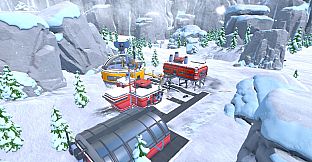


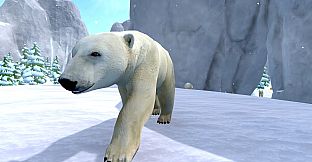
Arctic Research: Dig Them Out! is a single-player indie simulation adventure game set in a frozen Arctic wilderness. Players take on the role of a researcher tasked with excavating prehistoric fossils, managing a remote research station, and navigating a landscape that blends scientific discovery with lingering Cold War intrigue. The experience centers on hands-on digging, specimen analysis, equipment progression, and base upkeep, all while contending with harsh weather conditions that influence movement and visibility.
Gameplay
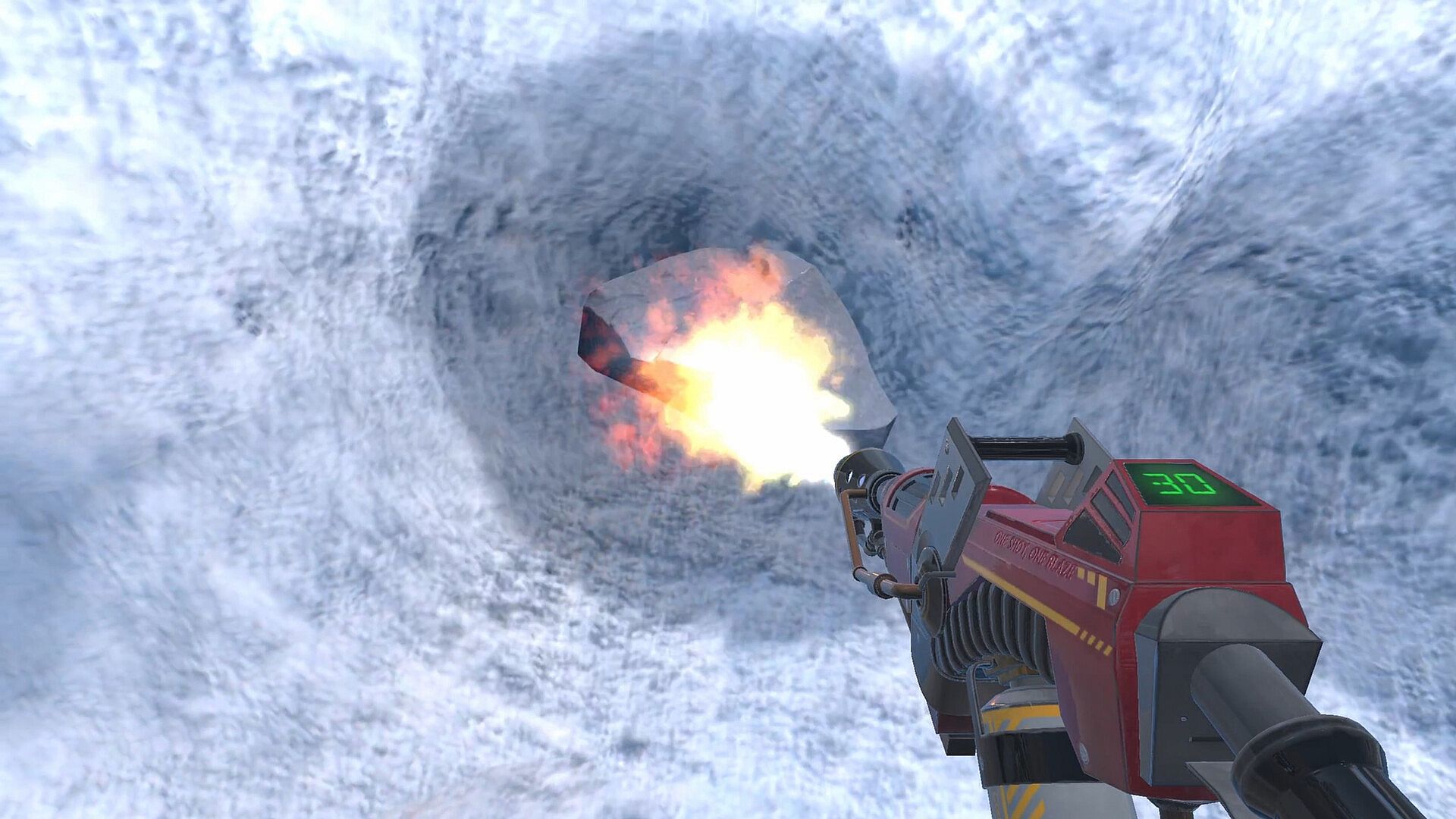
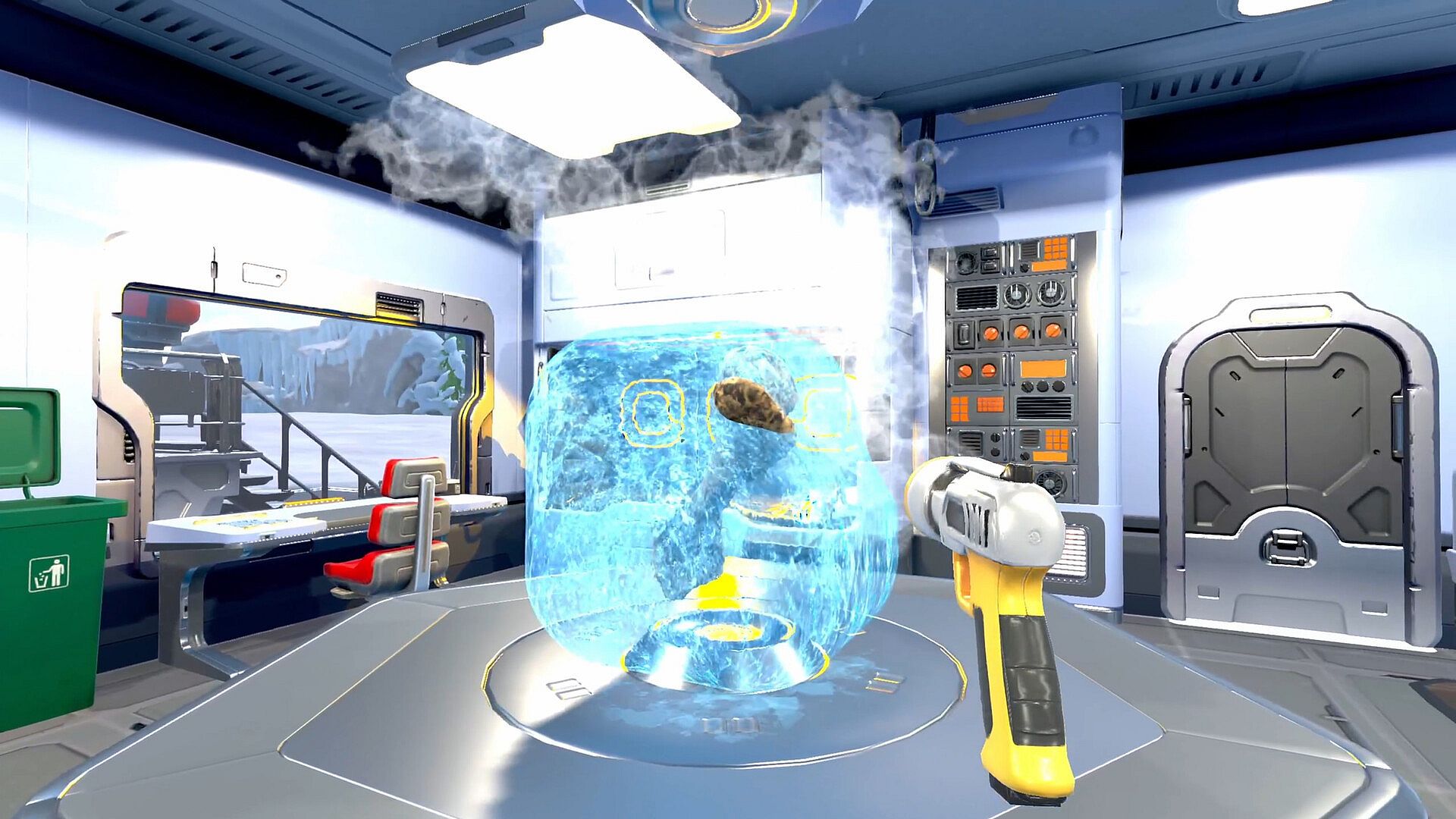
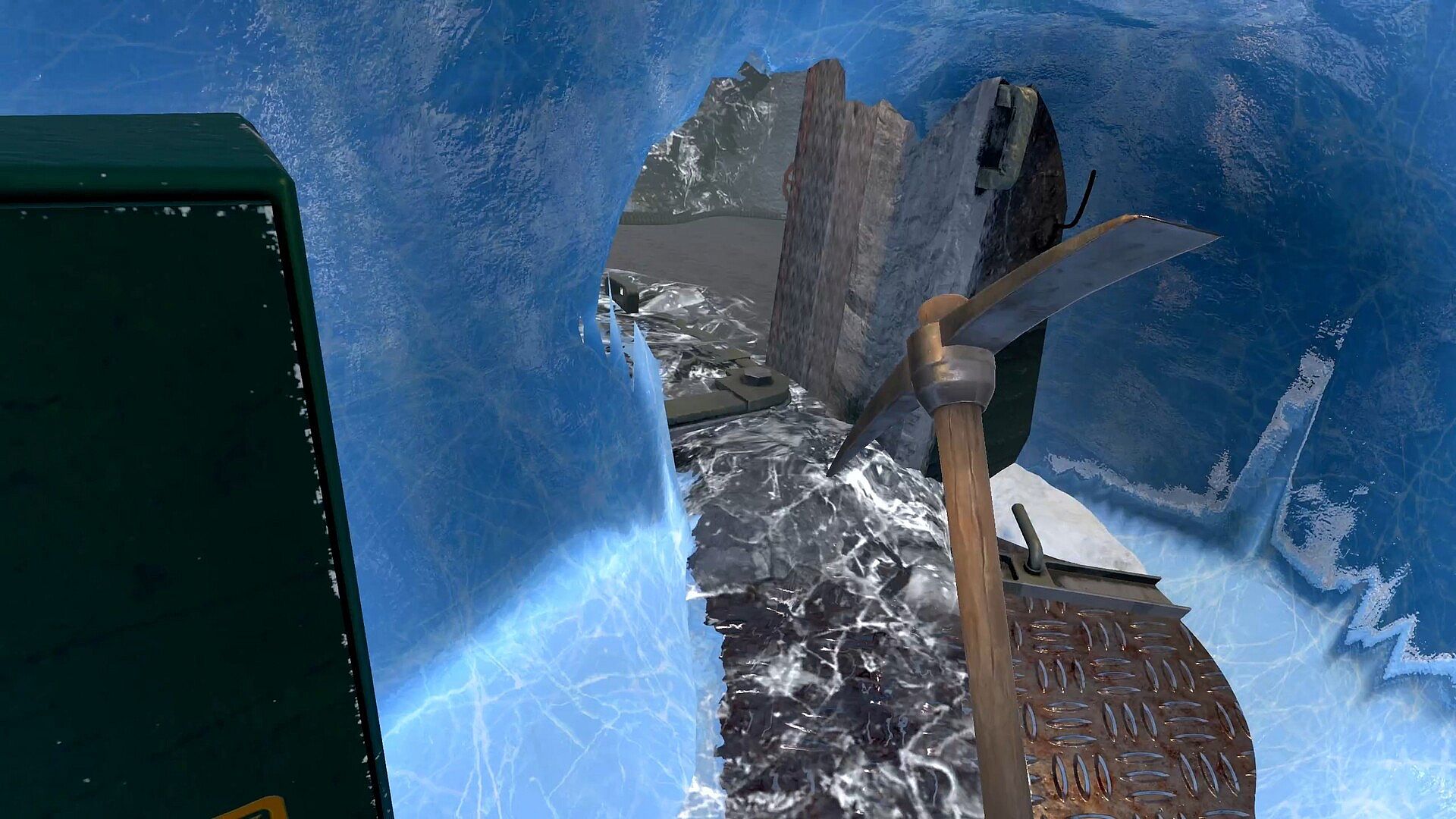
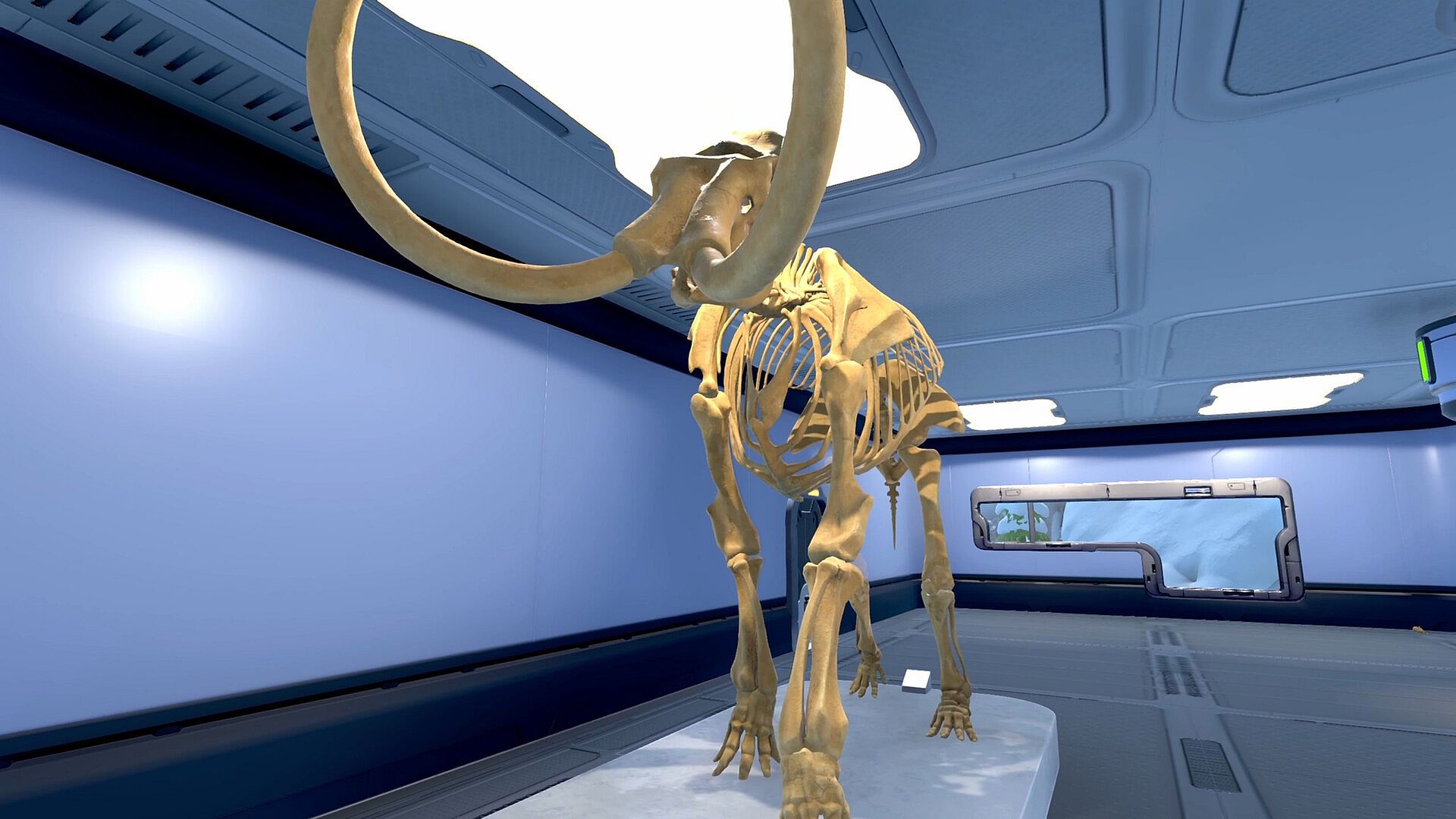
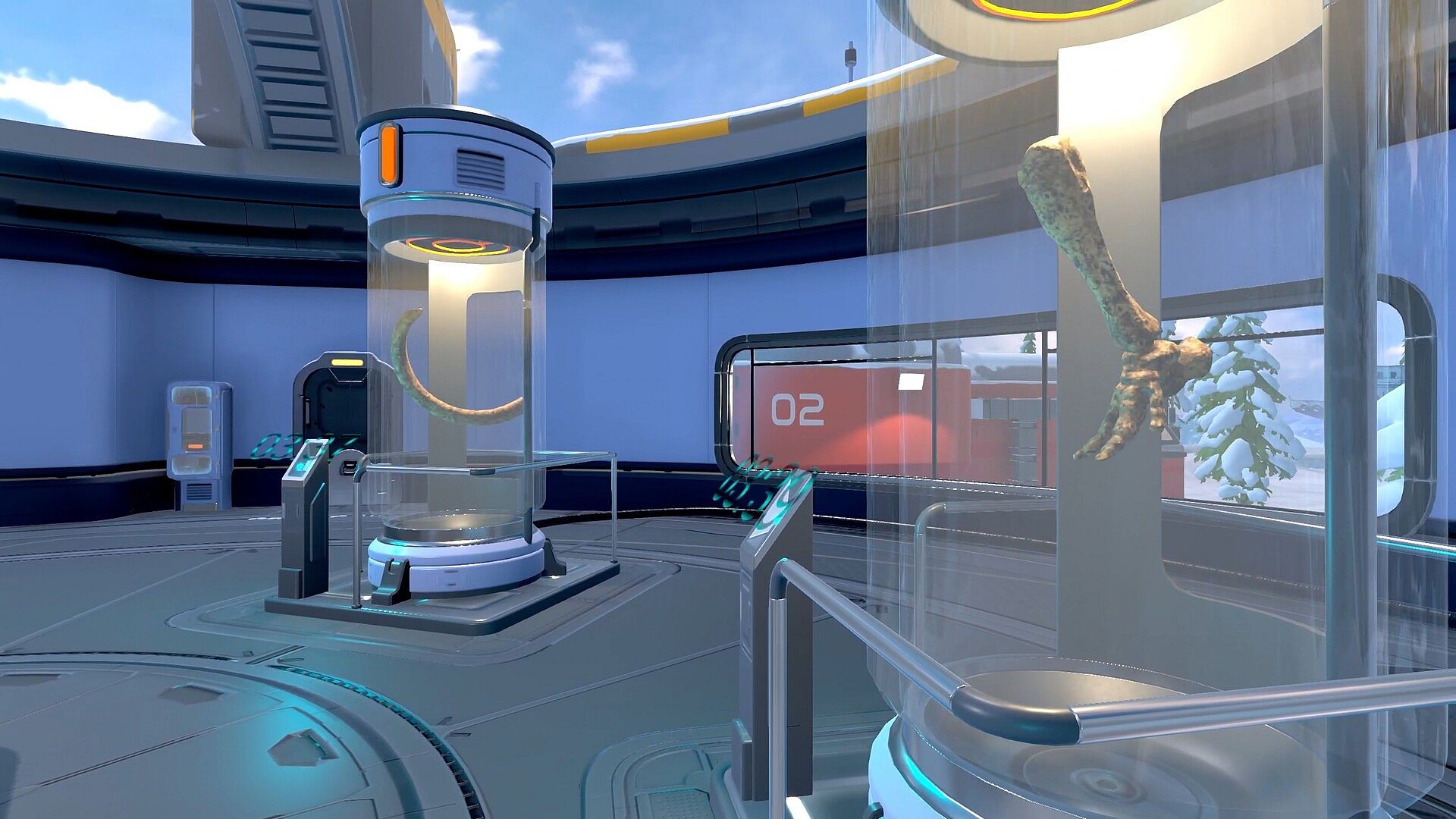
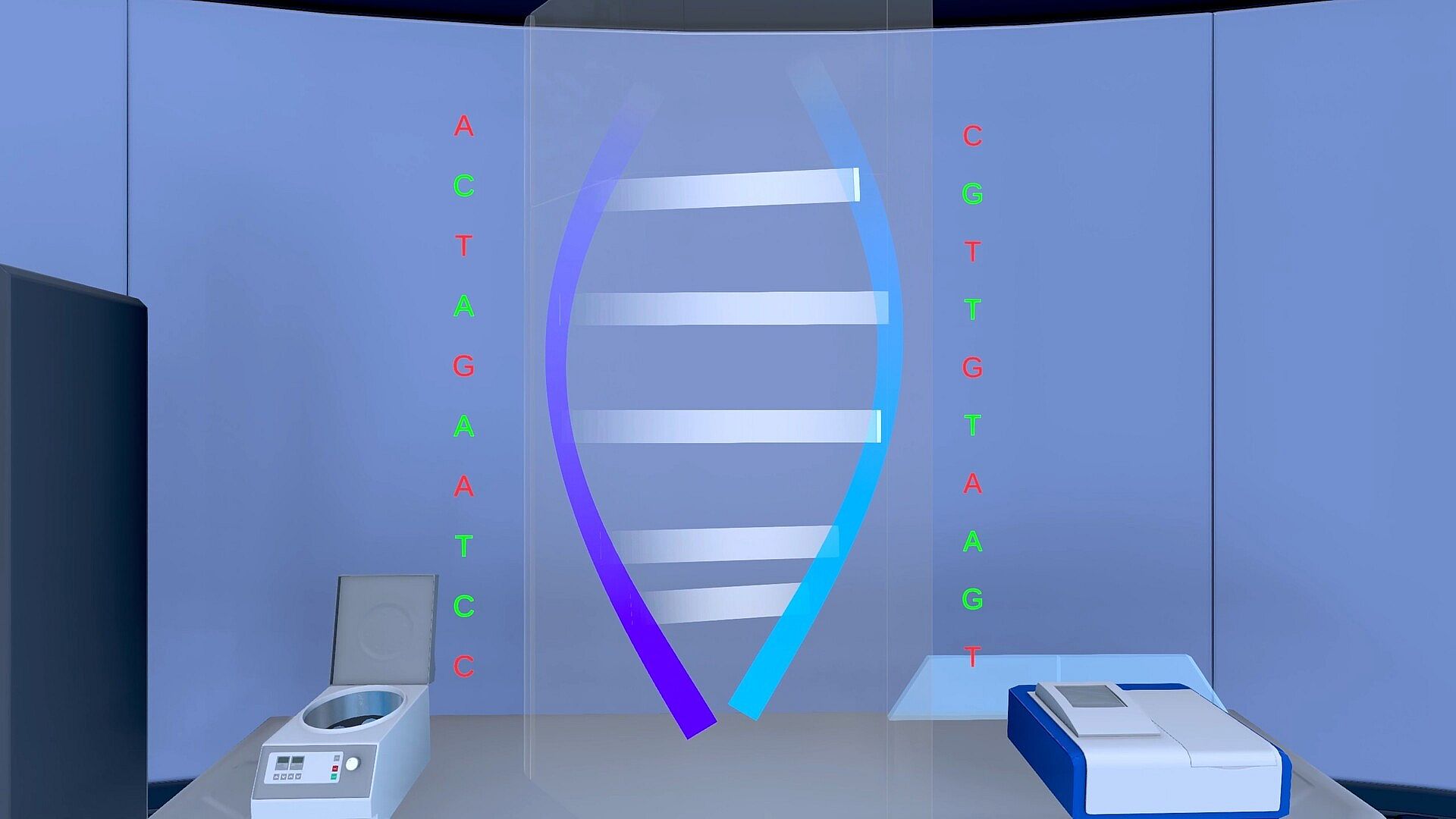
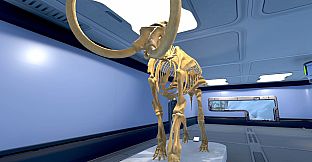
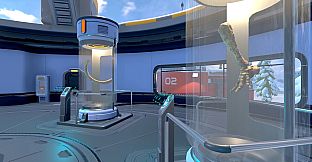
The core loop revolves around excavation and research. Players use tools such as shovels and pickaxes to physically remove layers of snow and ice, with the terrain responding directly to each action. Deeper finds require breaking through solid ice blocks that must then be transported back to the laboratory. Once there, specimens undergo thawing, cleaning, and DNA analysis through a genetics-based minigame that identifies the species. Completed skeletons can be assembled and displayed in customizable dioramas that reward further upgrades.
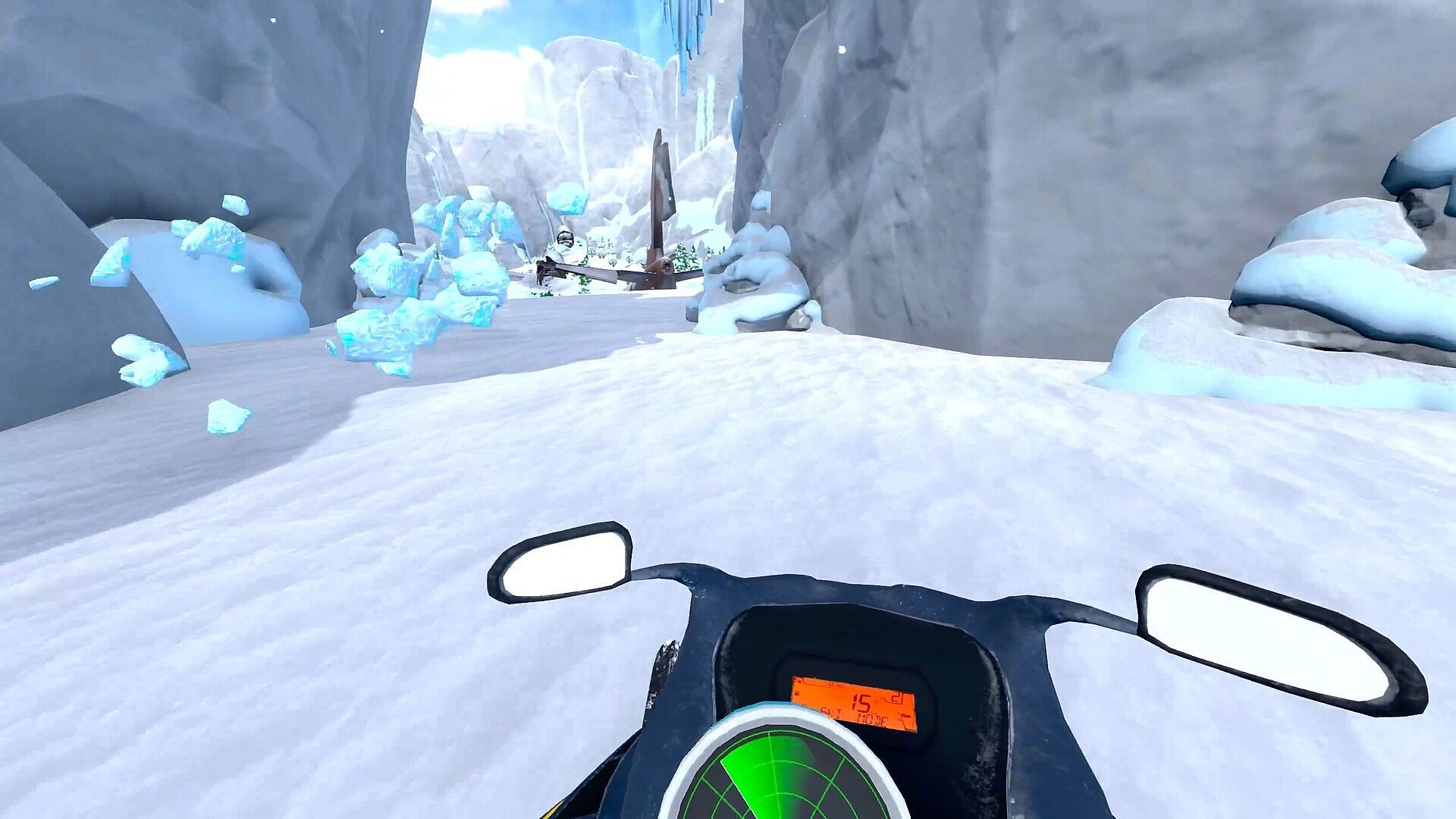
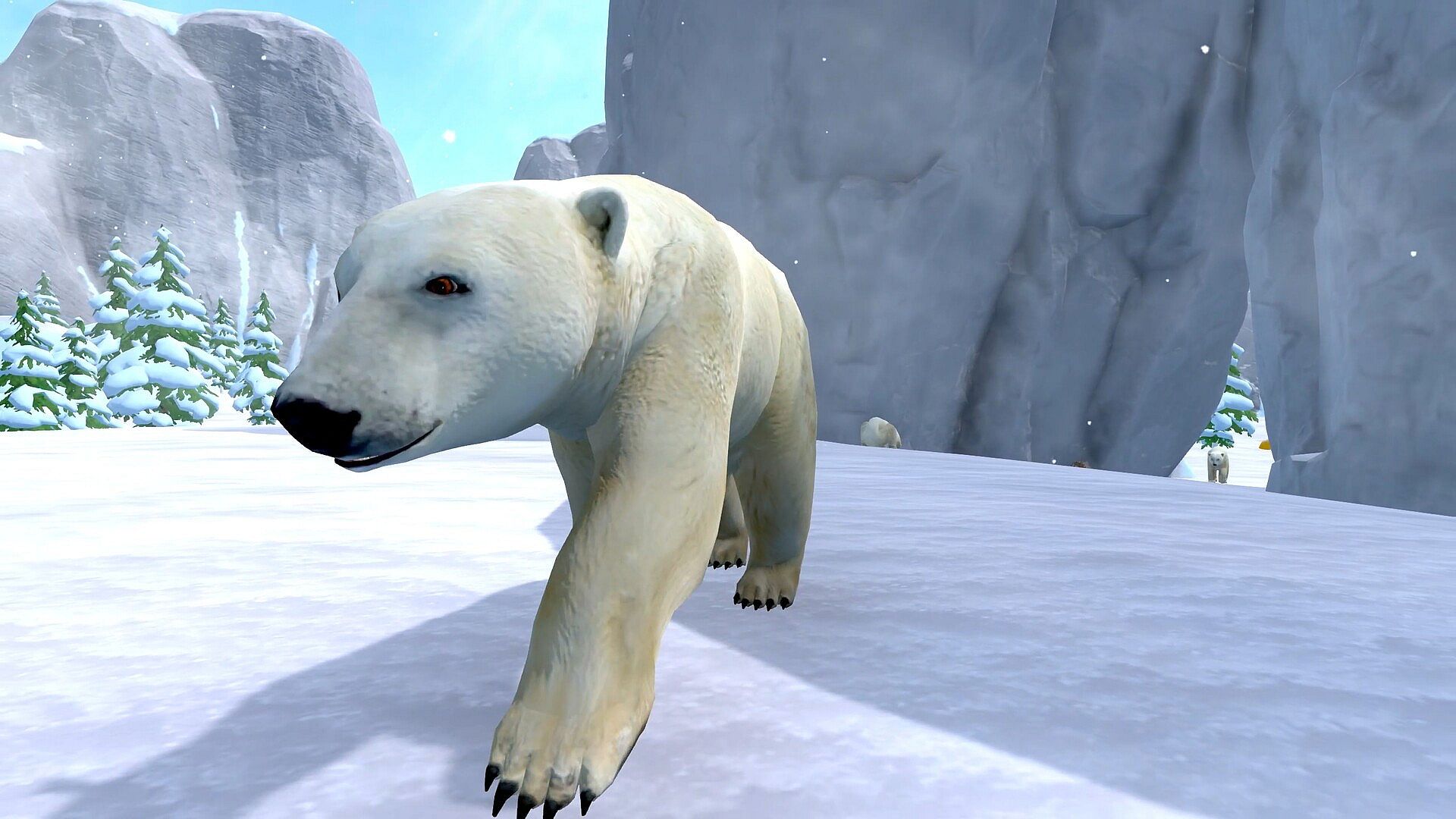
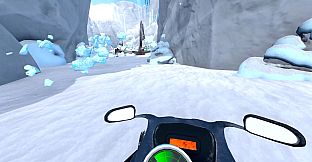
Exploration extends beyond the station via an upgradeable snowmobile that carries tools and recovered items across a large snowy map. Mineral deposits provide additional resources for analysis and collection, while scientific assignments involve helping local wildlife or completing research tasks. Cold temperatures affect player performance, requiring furnace maintenance at base and occasional shelter construction during longer trips. Equipment progression unlocks improved tools, automation options, expanded storage, and faster research processes to streamline expeditions.
Game Modes
The game operates entirely in a single-player format with no separate multiplayer or competitive modes. All activities occur within one continuous campaign-style experience that combines excavation sessions, station management, open-world exploration, and narrative decision-making. Players progress at their own pace through layered objectives that include fossil recovery, mineral research, and reputation-building with external factions. The structure encourages repeated visits to excavation sites and iterative upgrades rather than distinct playlists or match-based formats.
Research Station and Exploration
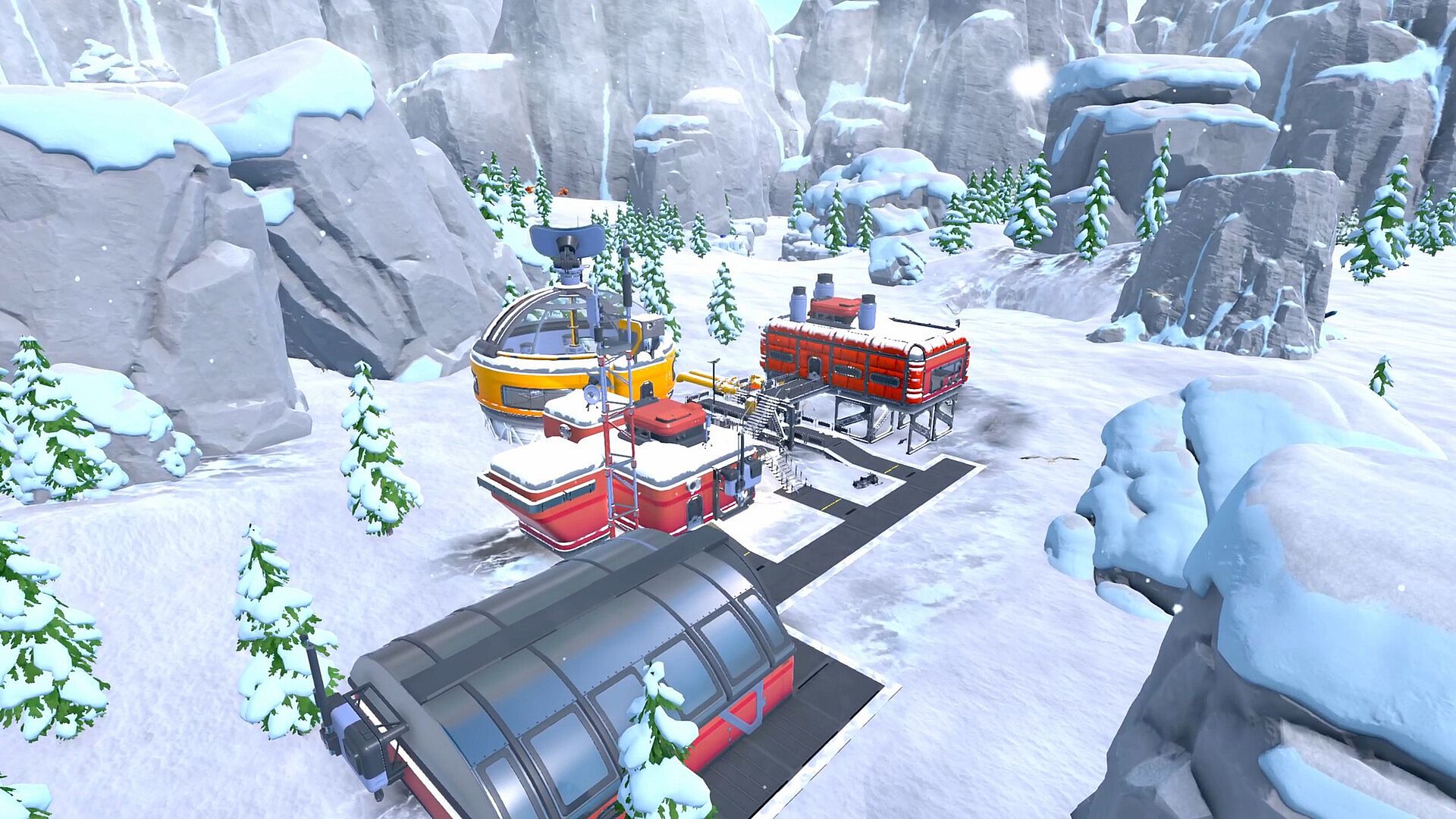
Base management forms a key pillar alongside fieldwork. Players must keep the furnace fueled to maintain workable temperatures and protect equipment from the cold. Laboratory improvements focus on speed, capacity, and convenience features that reduce downtime between digs. The surrounding wilderness offers hidden locations, traces of prior expeditions, and opportunities to gather resources while traveling on the snowmobile. Upgrades to the vehicle increase carrying capacity and efficiency, allowing longer or more productive outings without frequent returns.
Cold War Narrative Elements
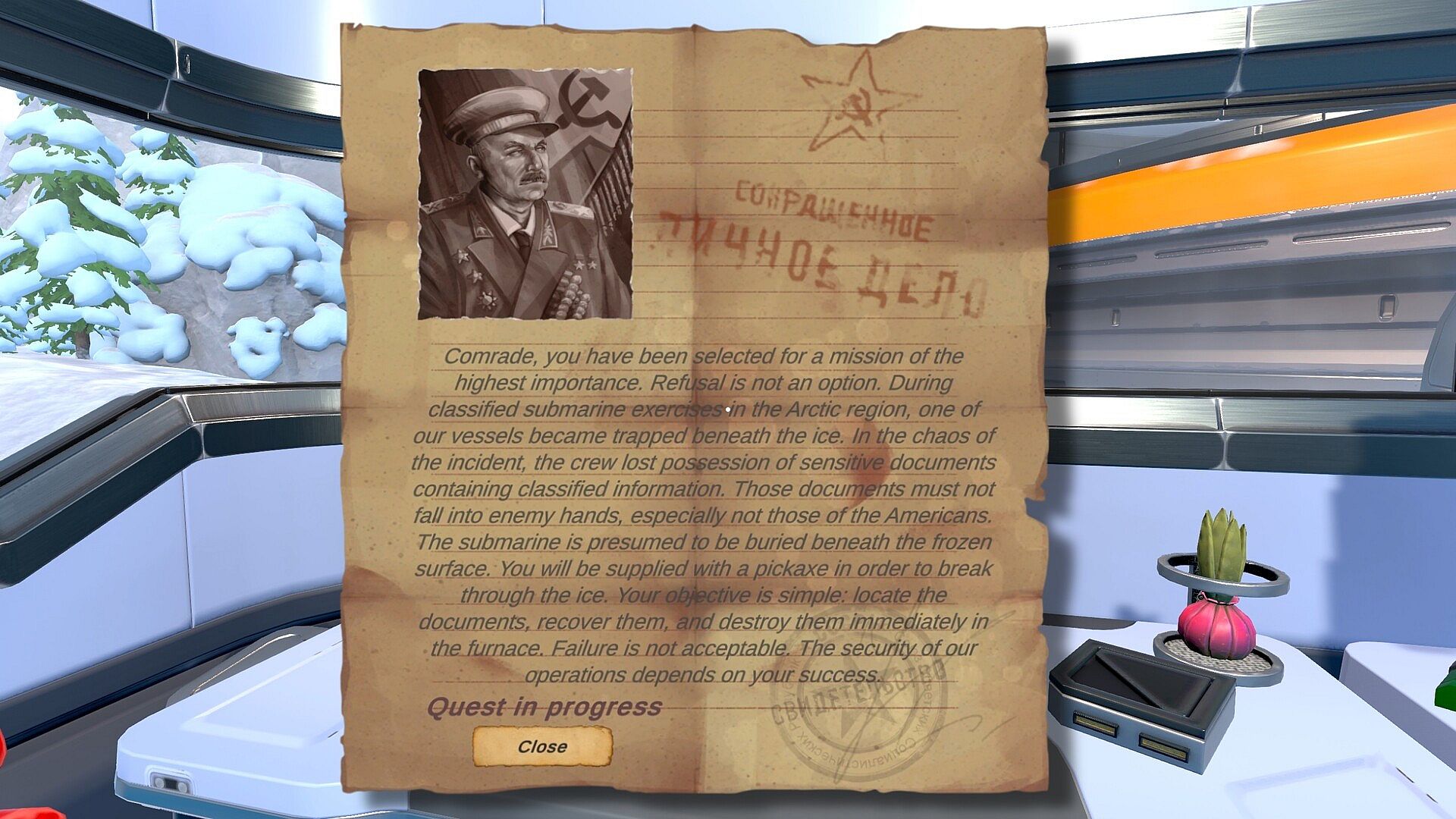
Assignments from the United States and the Soviet Union introduce choice-driven elements. Some tasks place the two sides in direct opposition, and player decisions influence standing with each faction. Exploring mysterious sites and recovering old records gradually reveals a hidden history beneath the ice. These narrative threads integrate with the main research activities without requiring separate playthroughs.
Is It Worth Playing?
Arctic Research: Dig Them Out! targets players who enjoy methodical simulation gameplay centered on digging, crafting, and incremental progress. The combination of physical excavation mechanics, DNA analysis minigames, skeleton assembly, and base upkeep creates a focused loop that rewards patience and planning. Cold management and faction reputation add light tension and replay considerations through different decision paths. As an upcoming title scheduled for 2027 with no current reviews available, its appeal will depend on how well the systems integrate once released. Fans of casual simulation and adventure titles that emphasize exploration and collection over combat or high-speed action will find the most direct match in its feature set. Those seeking quick sessions or multiplayer interaction may want to wait for more details closer to launch.