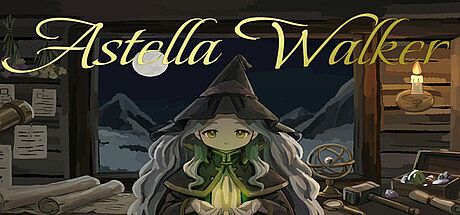


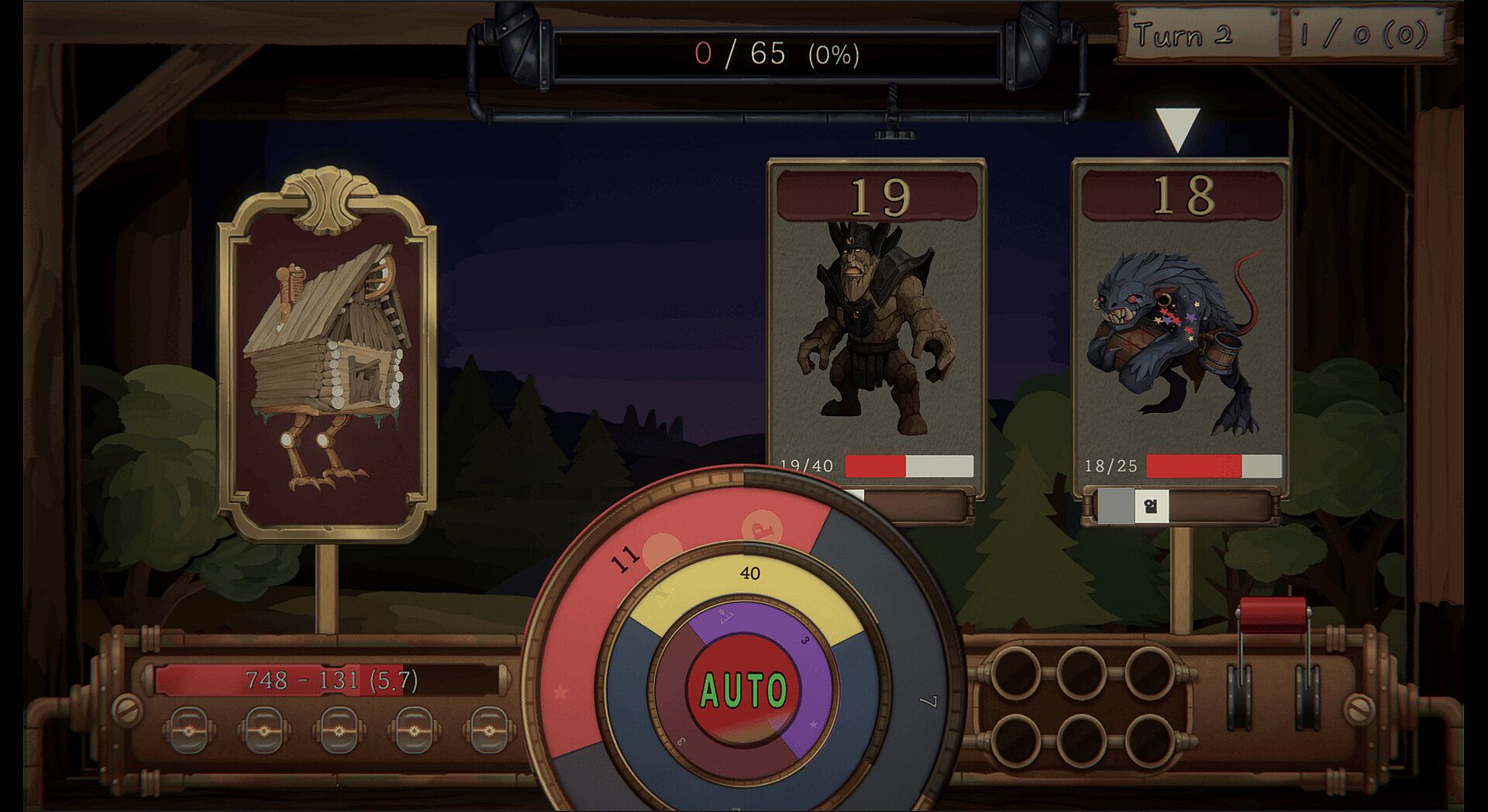
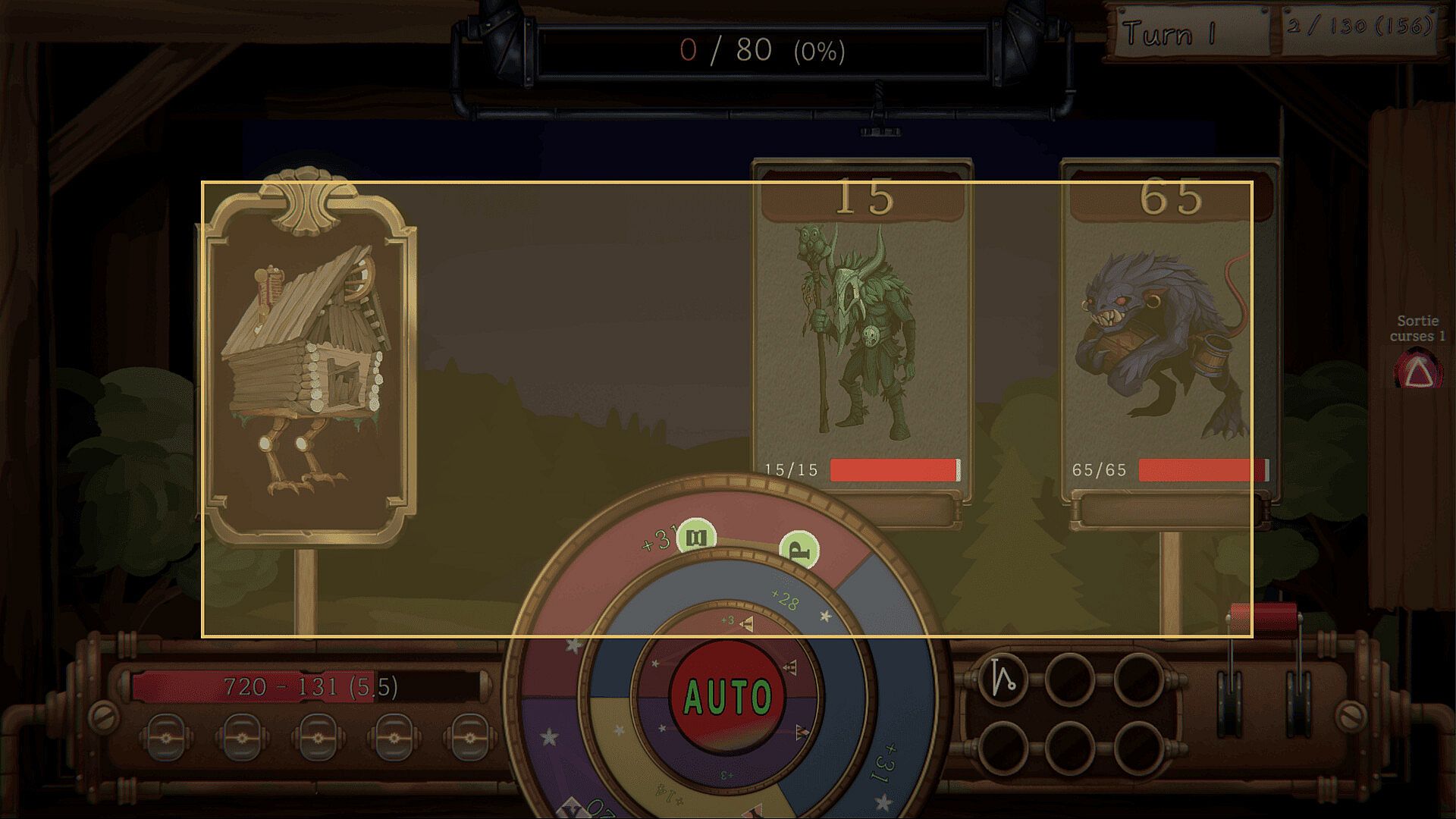
Astella Walker is an indie roguelike adventure game for PC that centers on building and spinning a custom triple-ring roulette wheel to determine combat outcomes. Players shape probabilities through handcrafted mechanics rather than relying on random draws or preset decks. The core loop involves carving wedges into the wheel, selecting strategic modifiers, and deciding how far to push each spin before threats escalate beyond control.
Gameplay
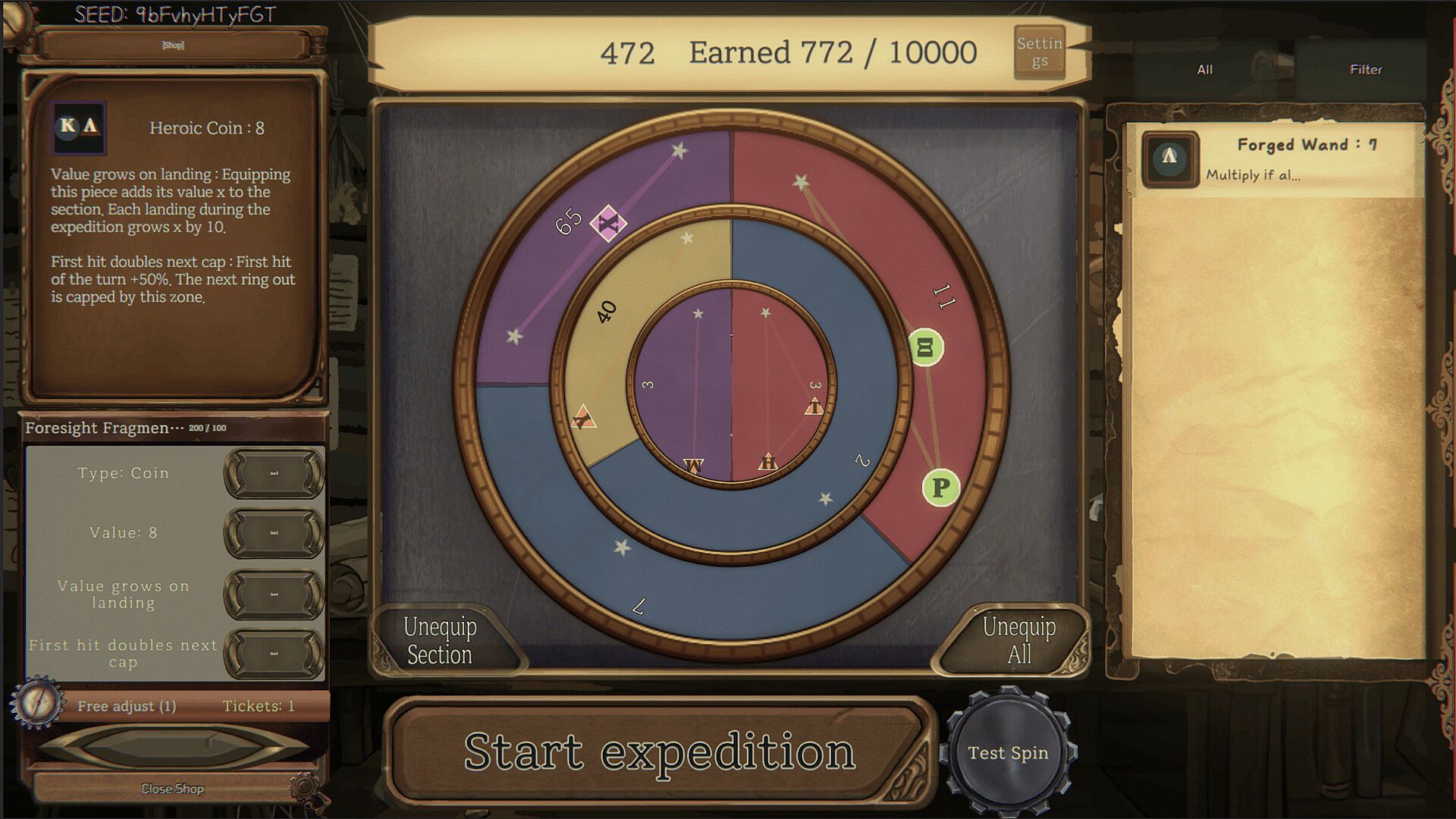
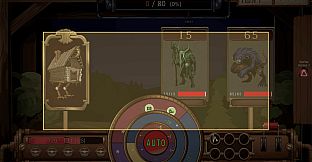
The central system revolves around constructing a probability wheel from procedurally generated Star Fragments. Each run starts with a blank slate where players position segments to create favorable strike angles. When the three rings align, chained effects trigger based on the layout, turning the wheel into a personalized engine for damage, buffs, or debuffs.
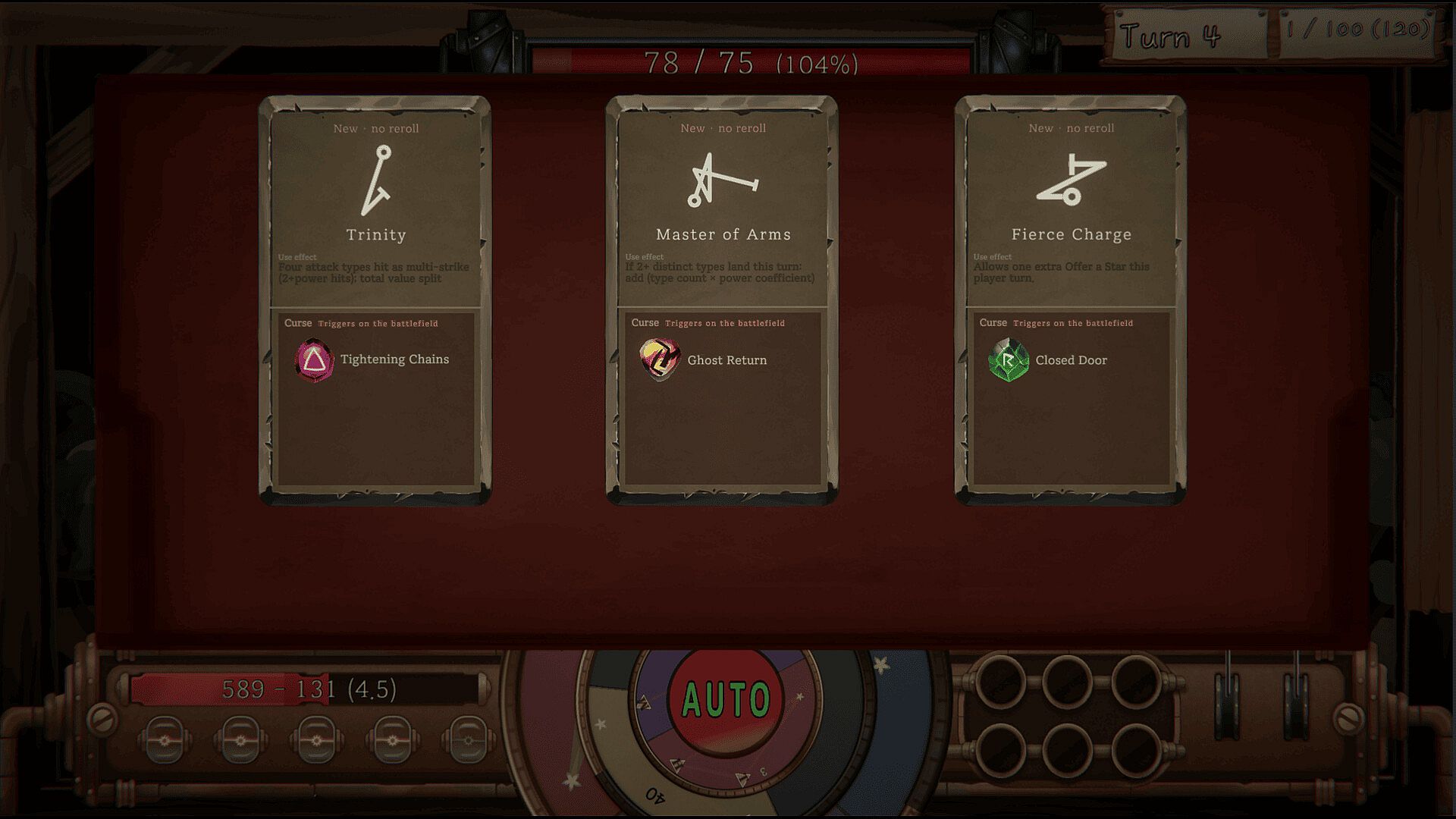
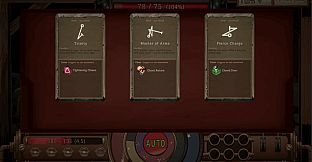
Key strategies include the Eclipse, which blankets sections of the wheel to alter hit chances, the Star Offering that removes a wedge in exchange for immediate tactical gains, and Covenants that function as persistent relics carrying over between spins. These tools allow for layered builds where one modification amplifies another across multiple turns.
Drive serves as the limited resource that powers each spin. Players must balance aggressive pushes against the risk of depleting it entirely. Enemies respond to accumulated Curses, or karma choices, by mutating into stronger variants. This creates a feedback loop where accepting greater hazards unlocks higher rewards but demands precise wheel engineering to survive.
Every run generates a fresh wheel configuration, ensuring no two sessions share identical probability structures. The focus stays on adapting layouts mid-run to counter evolving threats while squeezing maximum value from remaining Drive.
Game Modes
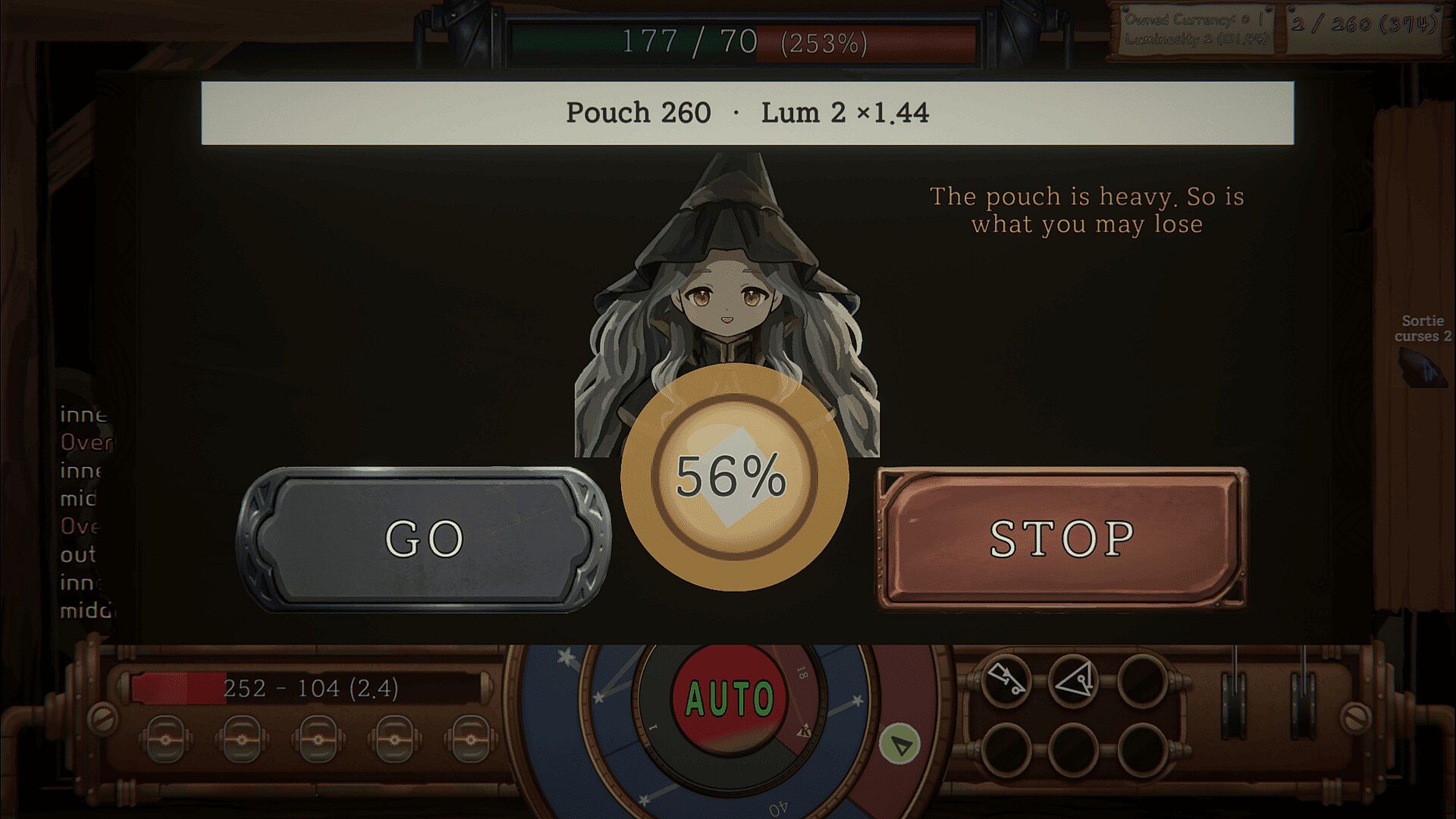
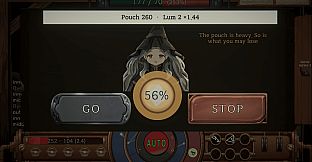
Astella Walker delivers its experience through a single-player roguelike structure. Runs emphasize repeated attempts at deeper progression, with each attempt featuring unique wheel assemblies drawn from the Star Fragments pool. The GO or STOP decision forms the pivotal choice point in every spin sequence, where continuing risks exponential gains against mounting pressure from cursed enemies.
Procedural generation extends to both the wheel components and enemy mutations tied to chosen Curses. This setup encourages experimentation with different carving patterns and Covenant combinations across successive runs rather than fixed stages or separate playlists. No additional modes beyond this core roguelike loop appear in available details.
Core Mechanics and Progression
Progression ties directly to the wheel-building process. Successful spins yield resources that expand available fragments and Covenant options for future attempts. The emphasis lies on discovering synergies between Eclipse placements, sacrificial offerings, and relic effects to handle increasingly ferocious opponents.
Threat scaling comes from the karma system, where players select Curses that reshape enemy behaviors. This forces ongoing calculations about which risks align with a given wheel layout. The result is a gameplay loop centered on iterative refinement of probability control rather than traditional leveling or equipment grids.
Is It Worth Playing?
Astella Walker targets players who enjoy high-stakes roguelike systems built around custom probability management. Its single-player format suits those seeking repeated short-to-medium sessions focused on mechanical experimentation and risk assessment. The absence of user reviews at this stage reflects its upcoming release window in Q1 2027, leaving reception to be determined once it launches.
The game appeals most to fans of roguelikes that reward deliberate construction over pure chance. Those comfortable with managing limited resources like Drive while navigating curse-driven enemy evolution will find the most engagement in its wheel-carving loop. Availability remains limited to PC through standard digital storefronts once it becomes accessible.