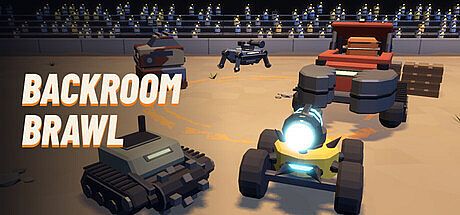


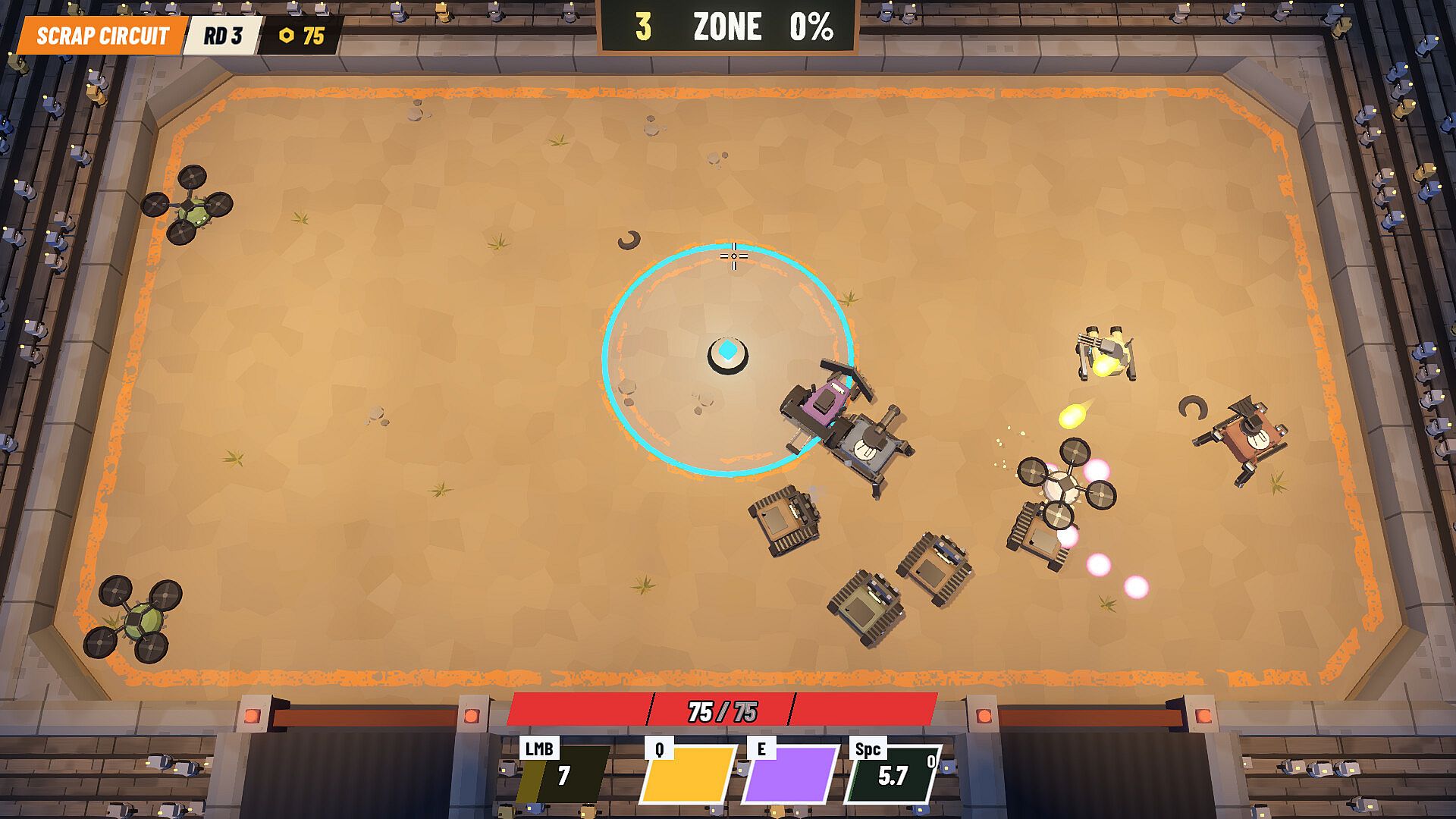
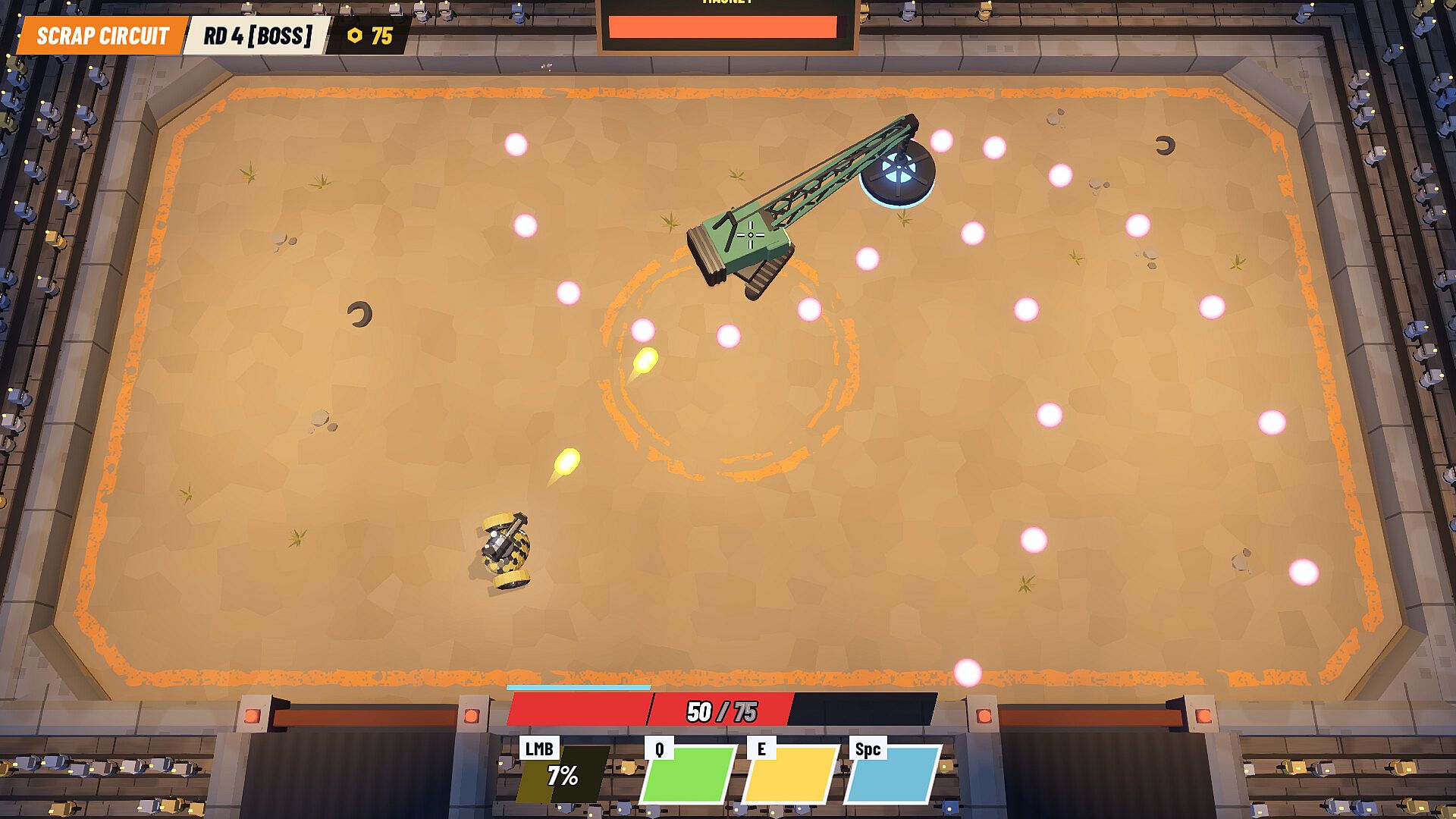
Backroom Brawl is an action game built around roguelike progression and twin-stick shooter combat set in a seedy underground robot fighting circuit. Players construct and upgrade scrap-built machines, then test them in high-stakes bouts where every decision carries risk. The core loop revolves around pushing luck at the bookie's table, assembling modular parts, and surviving escalating encounters against rival machines.
Gameplay
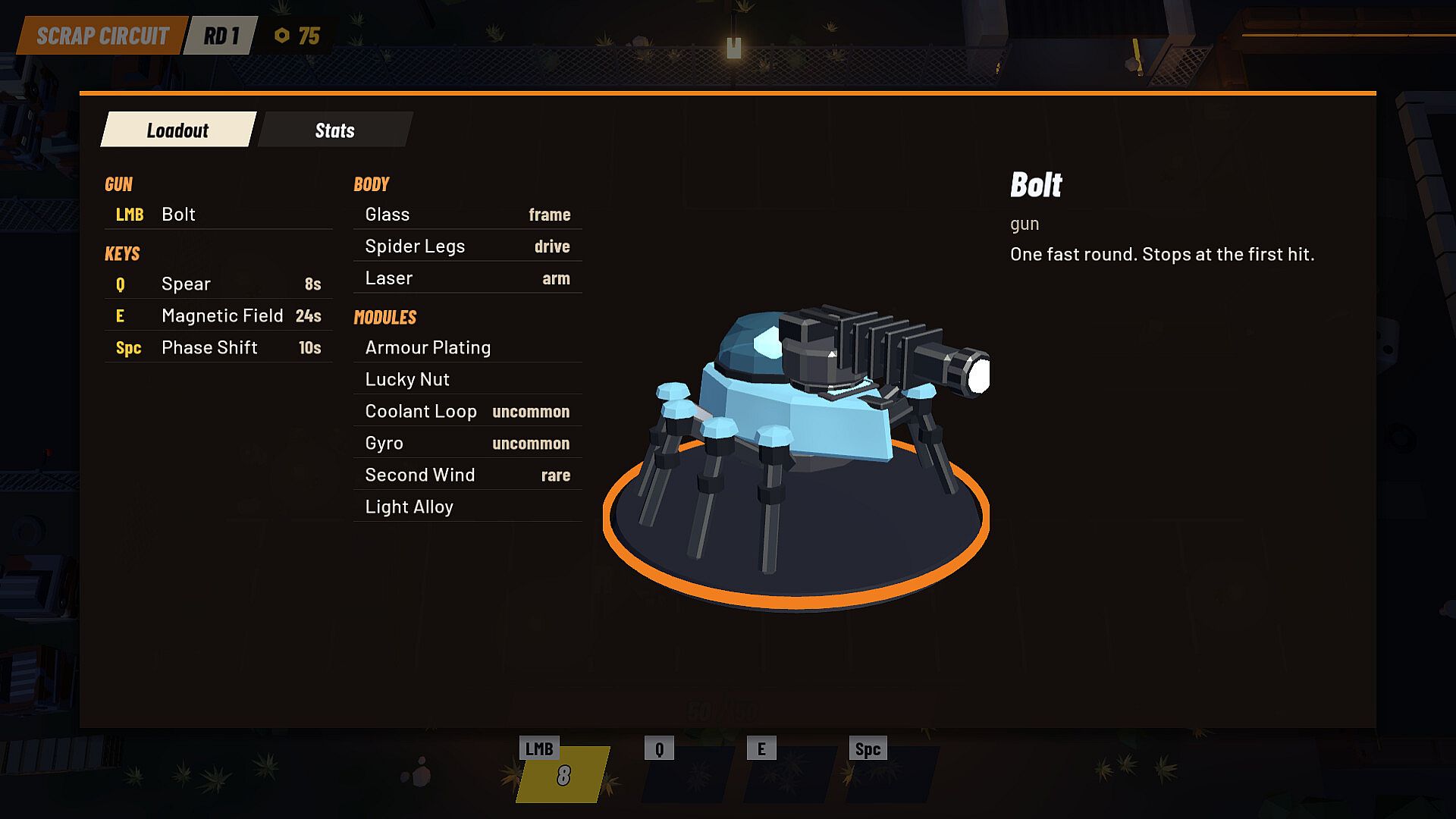
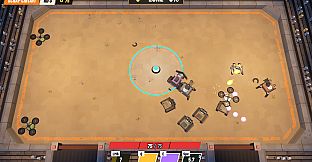
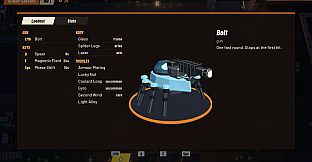
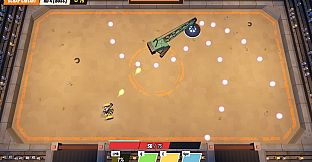
Combat takes place in fast, close-quarters arenas where precise movement and timing determine outcomes. Players control their robot directly, dodging incoming attacks while lining up shots with weapons that can be modified on the fly. Parts such as spider legs for mobility or rocket skates for bursts of speed change how the machine handles, while frames and arms alter durability and reach. Weapons transform through attachments that turn a basic gun into a shotgun spread, a ricochet projectile, or a piercing rail shot. Additional abilities fill hotkeys with grenades, arc lightning, or ion beams that clear groups or punish single targets.
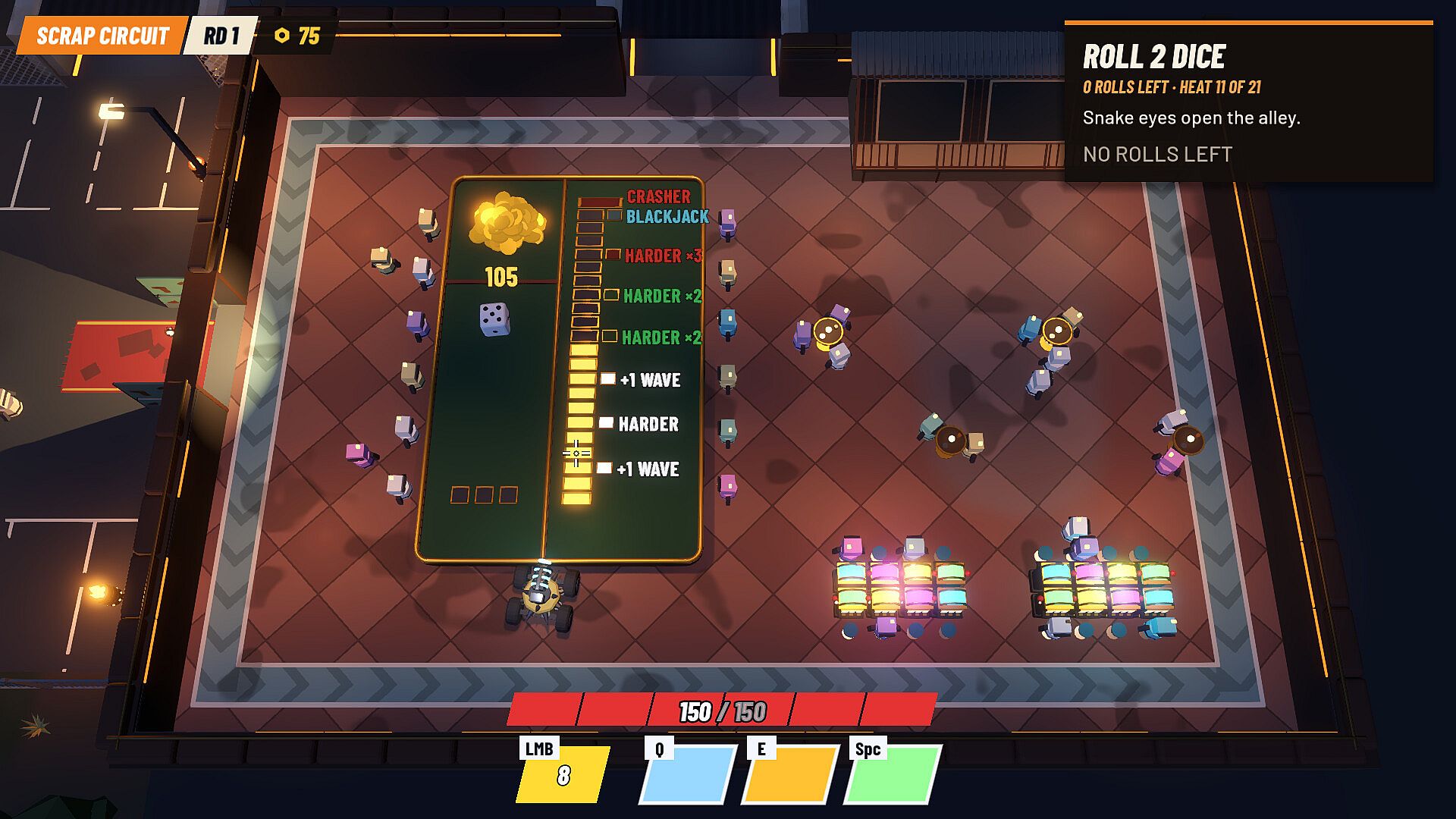
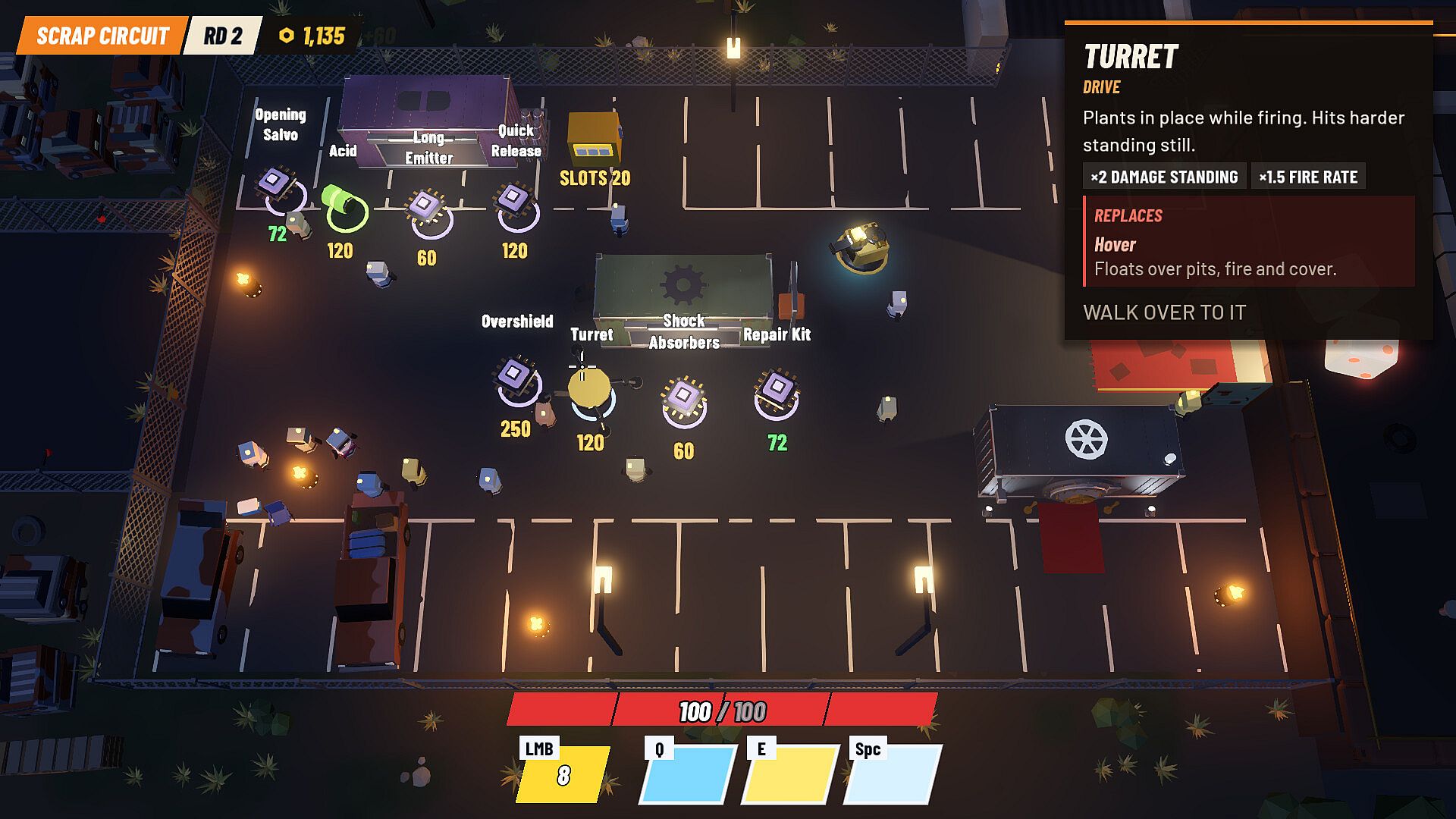
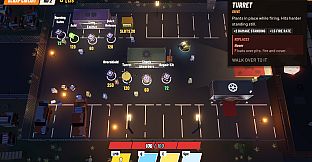
Between rounds the emphasis shifts to preparation and risk management. At the bookie's table a dice roll raises the prize pool but also increases the number and difficulty of opponents waiting in the next fight. Stopping early locks in the current payout, while continuing adds more waves and tougher machines to the roster. Winnings fund purchases of new drives, frames, and arms that permanently expand the available build options for future runs. A shady dealer offers exclusive upgrades not found in standard shops, and a blackjack table provides another avenue to grow resources through direct play.
Game Modes
The primary structure centers on league progression. Fighters start in the Scrap Circuit, facing a growing roster of opponents in single bouts that test builds under increasing pressure. Success against the circuit champion opens access to the Steel League stadium, where larger crowds and higher stakes await. Each league presents a ladder of encounters that reward consistent performance and smart risk assessment at the dice table.
Online play supports group sessions where participants handle their own league runs independently. Between individual fights the group enters paired duels that play out live on a television screen within the shared lot environment. These duels emphasize direct robot-versus-robot skill without the dice element, focusing instead on reading opponent tells and executing precise dodges and counters.
Robot Construction and Risk Systems
Every run begins with a fresh assembly of junk components. Drives determine base movement and energy, frames set overall toughness, and arms dictate weapon mounting and reach. Mixing these elements creates distinct playstyles, from agile hit-and-run machines to heavy hitters that absorb punishment while delivering charged beams. Item modifications further specialize the loadout, turning standard fire into area denial or multi-target ricochets.
The dice mechanic ties directly into the roguelike nature of each attempt. Higher rolls multiply the prize but stack additional enemies and stronger variants onto the upcoming bill. Successful exits with the prize allow permanent upgrades that carry forward, while failure resets the current build. This creates repeated cycles of experimentation where players learn which combinations survive longer against the expanding enemy roster.
Is It Worth Playing?
Backroom Brawl targets players who enjoy roguelike decision-making layered onto twin-stick combat. The combination of modular robot building, dice-driven risk escalation, and league climbing offers a clear loop of preparation, execution, and incremental improvement. Online duels add a competitive layer for those who want direct confrontation without the full roguelike structure. Because the game remains in pre-release with a planned 2027 launch, no player reviews or long-term update history exist yet. Those drawn to tense resource gambles and customizable arena fighters will find the described systems align closely with that preference. Availability will depend on the final release window and any early access options that may appear closer to launch.