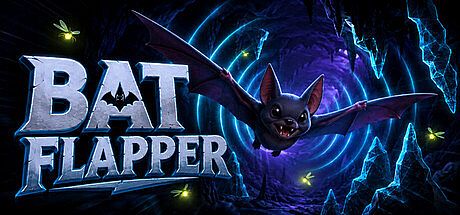


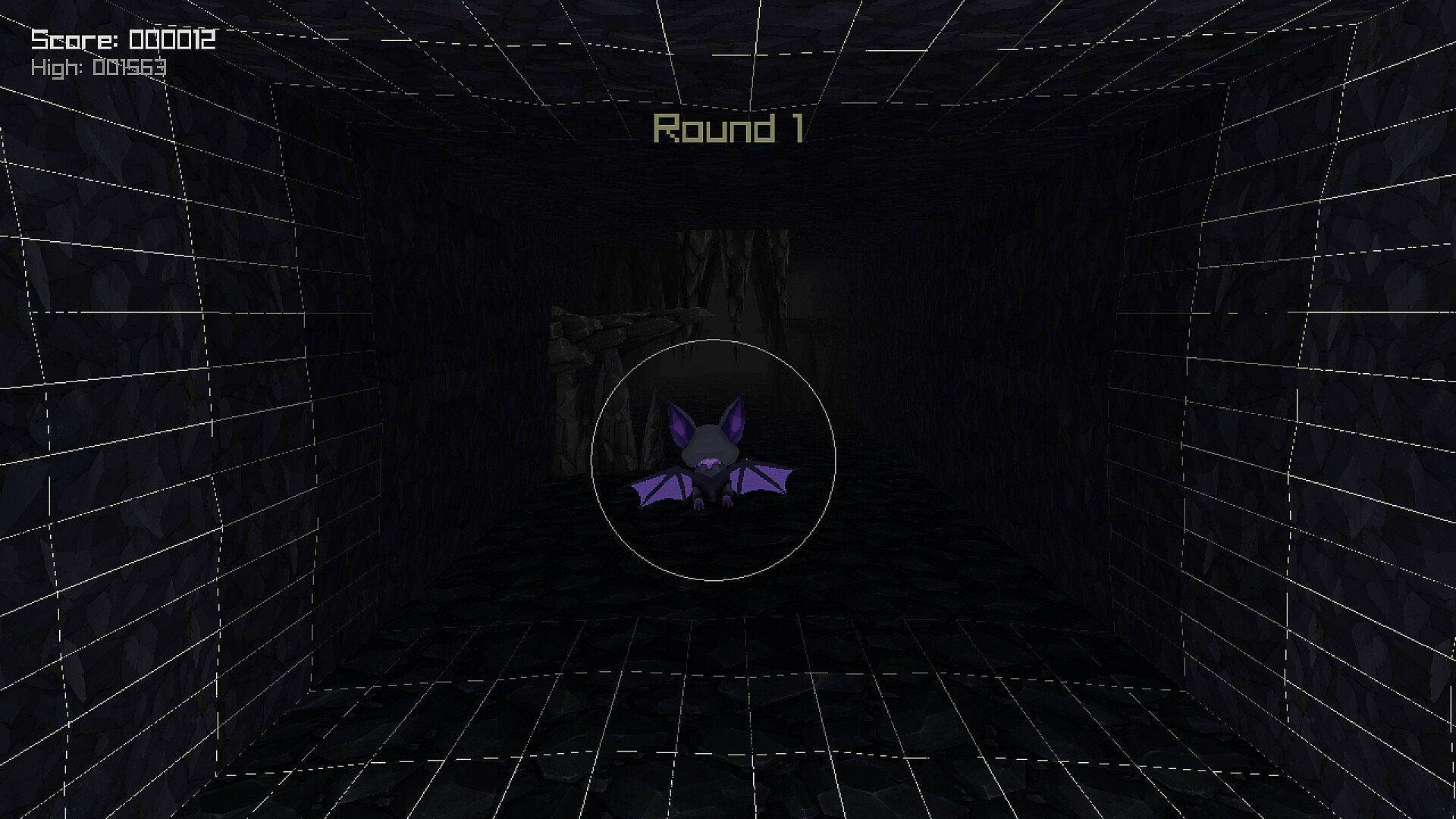
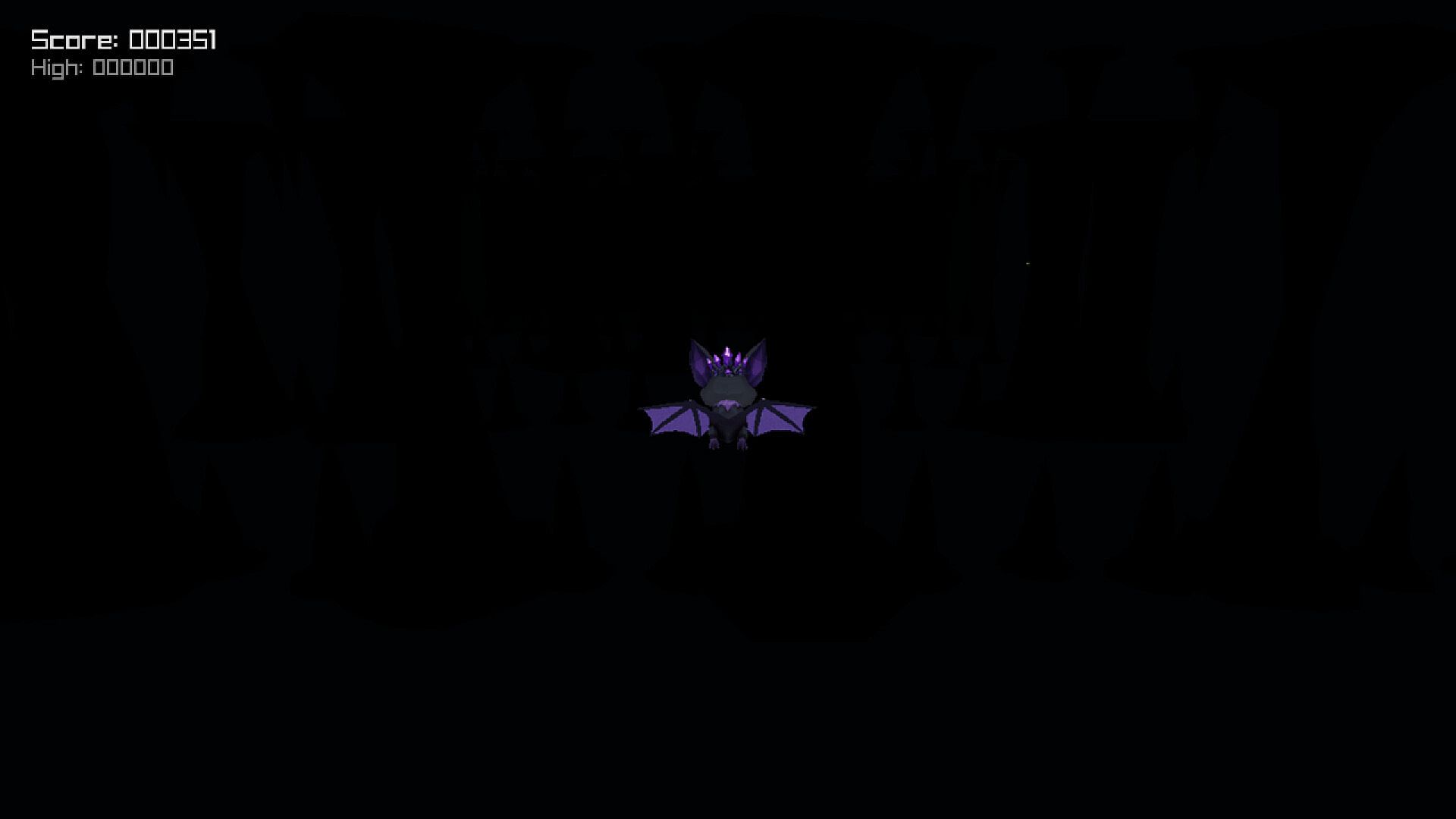
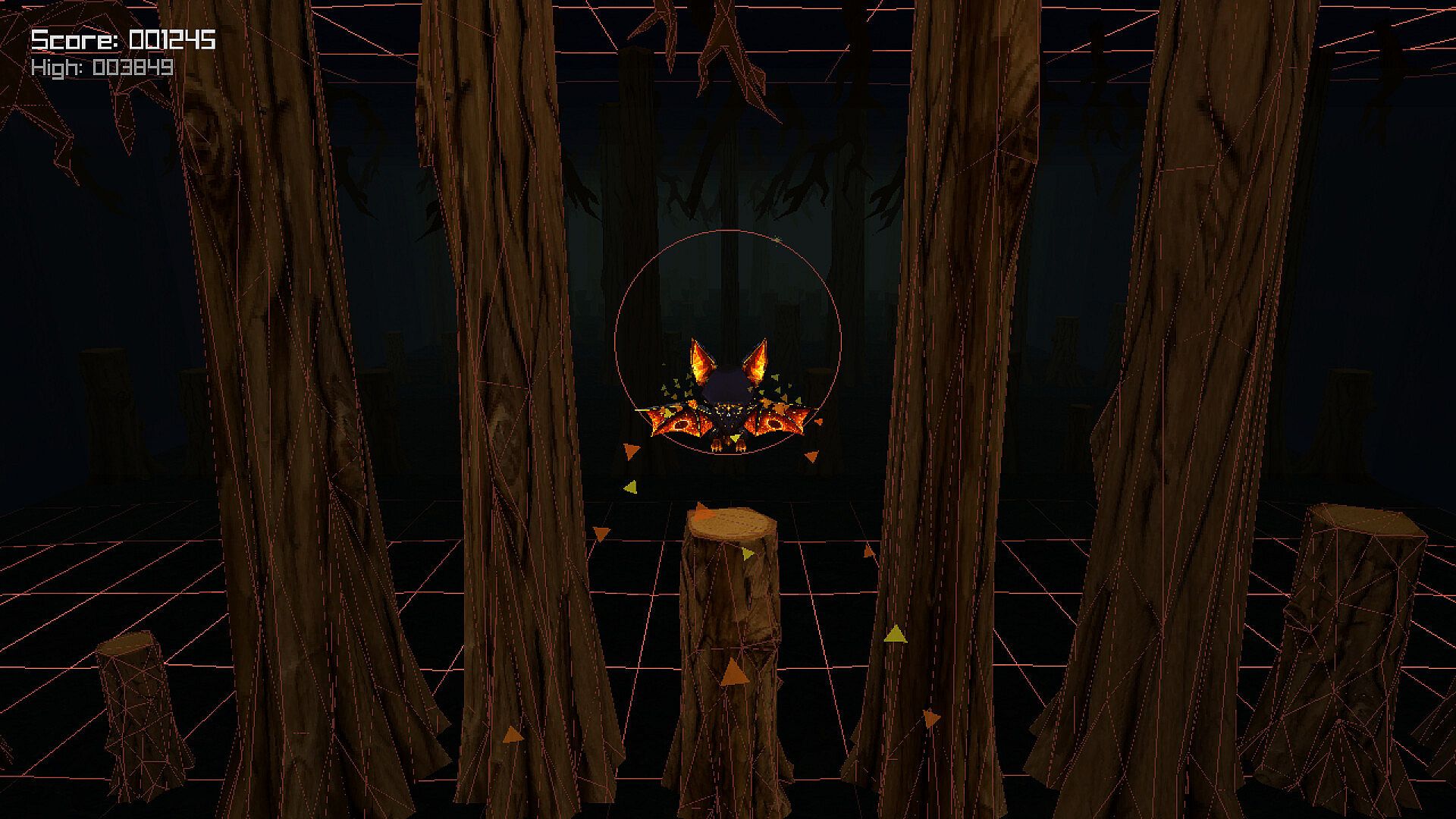
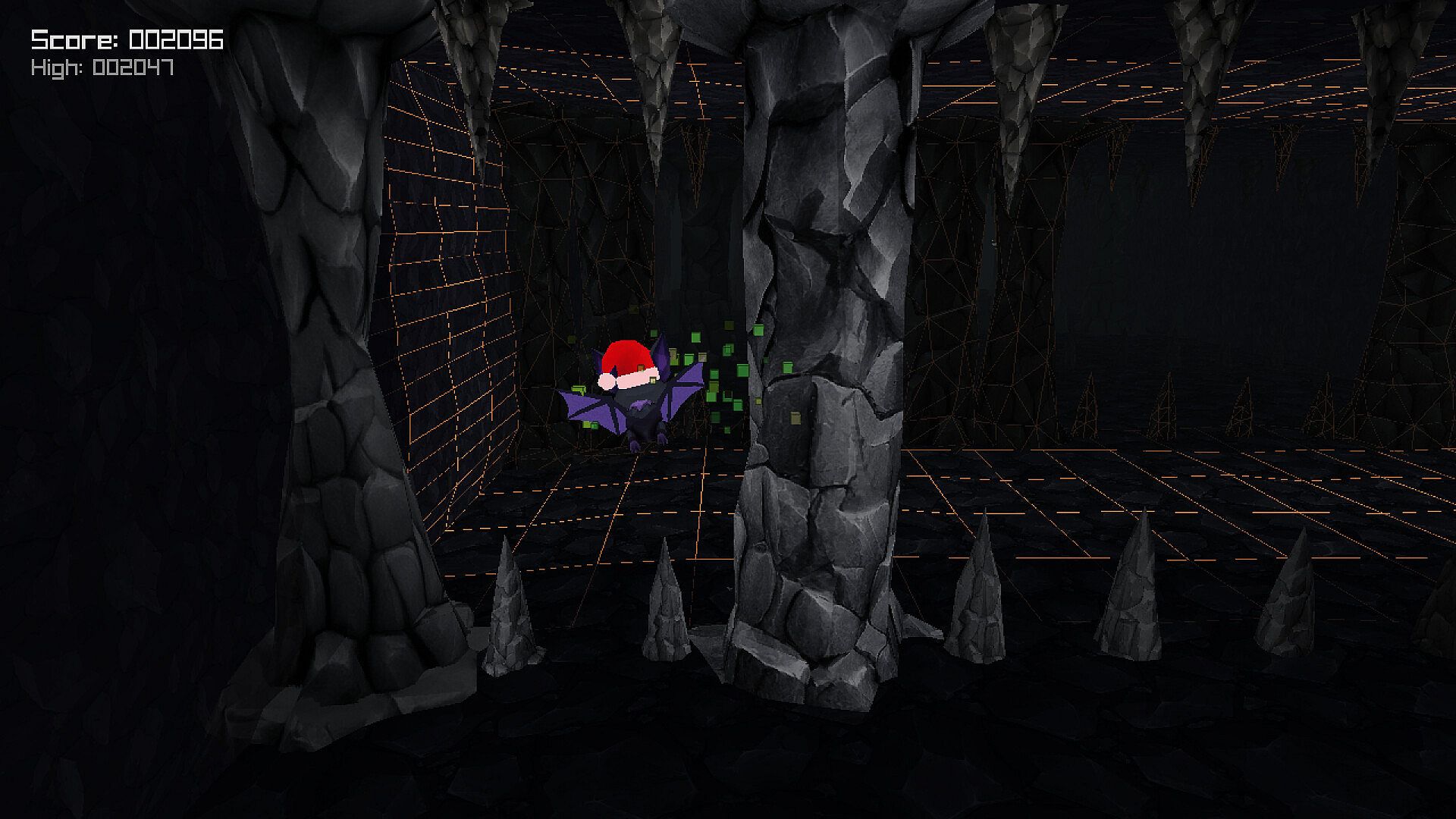
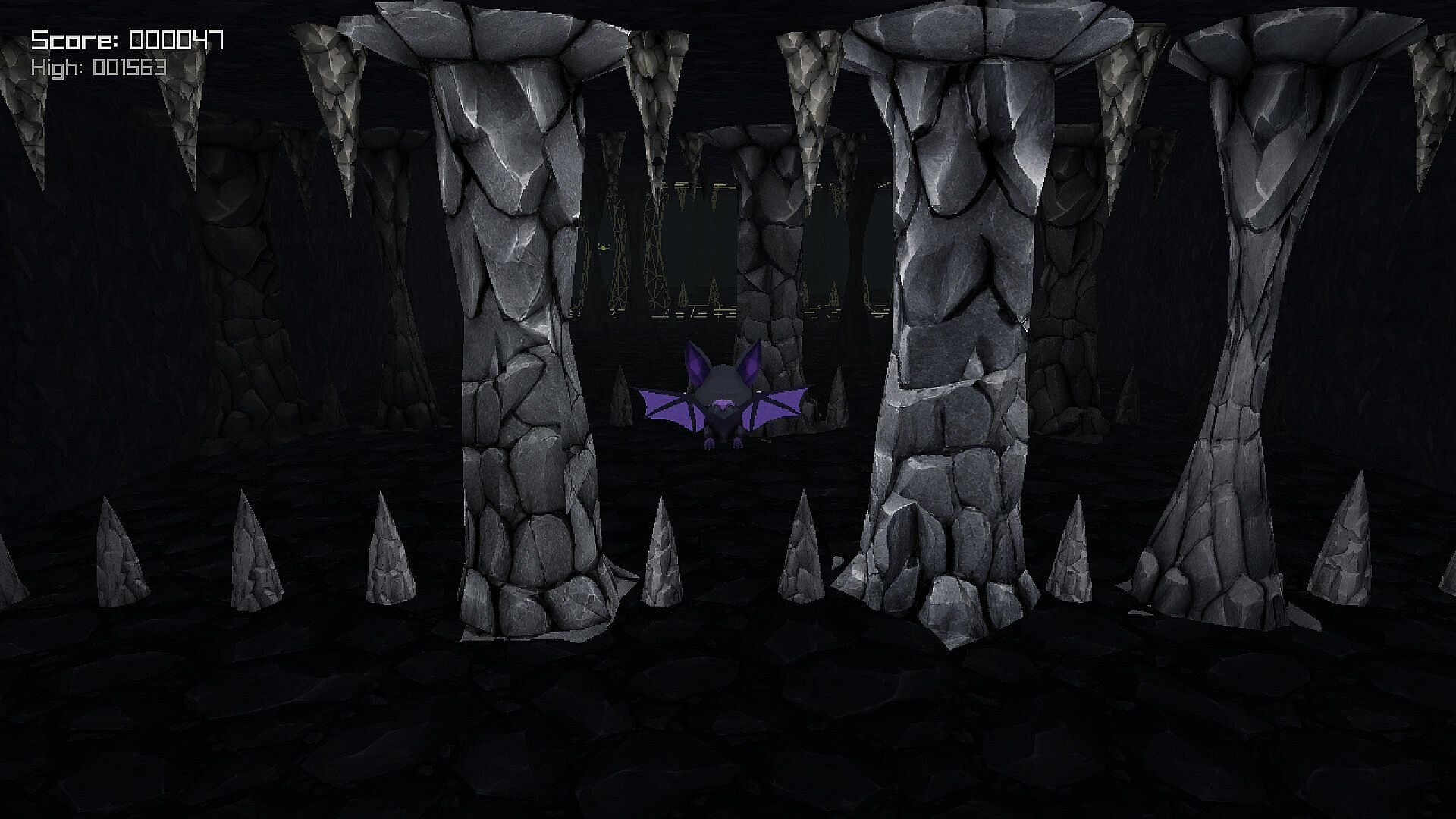
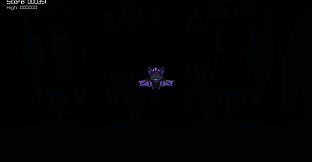
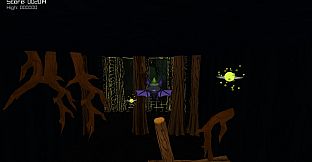
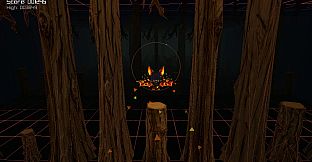
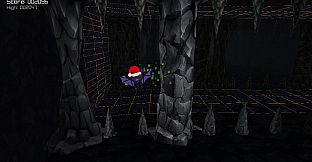
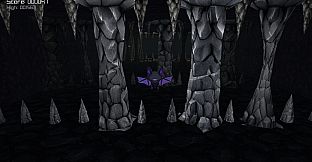
Bat Flapper is a single-player 3D arcade action runner built around tension between limited visibility and constant forward movement. Players control a bat navigating pitch-black cave tunnels where sight offers no help and survival depends on active sonar pulses that briefly illuminate the path ahead.
Gameplay
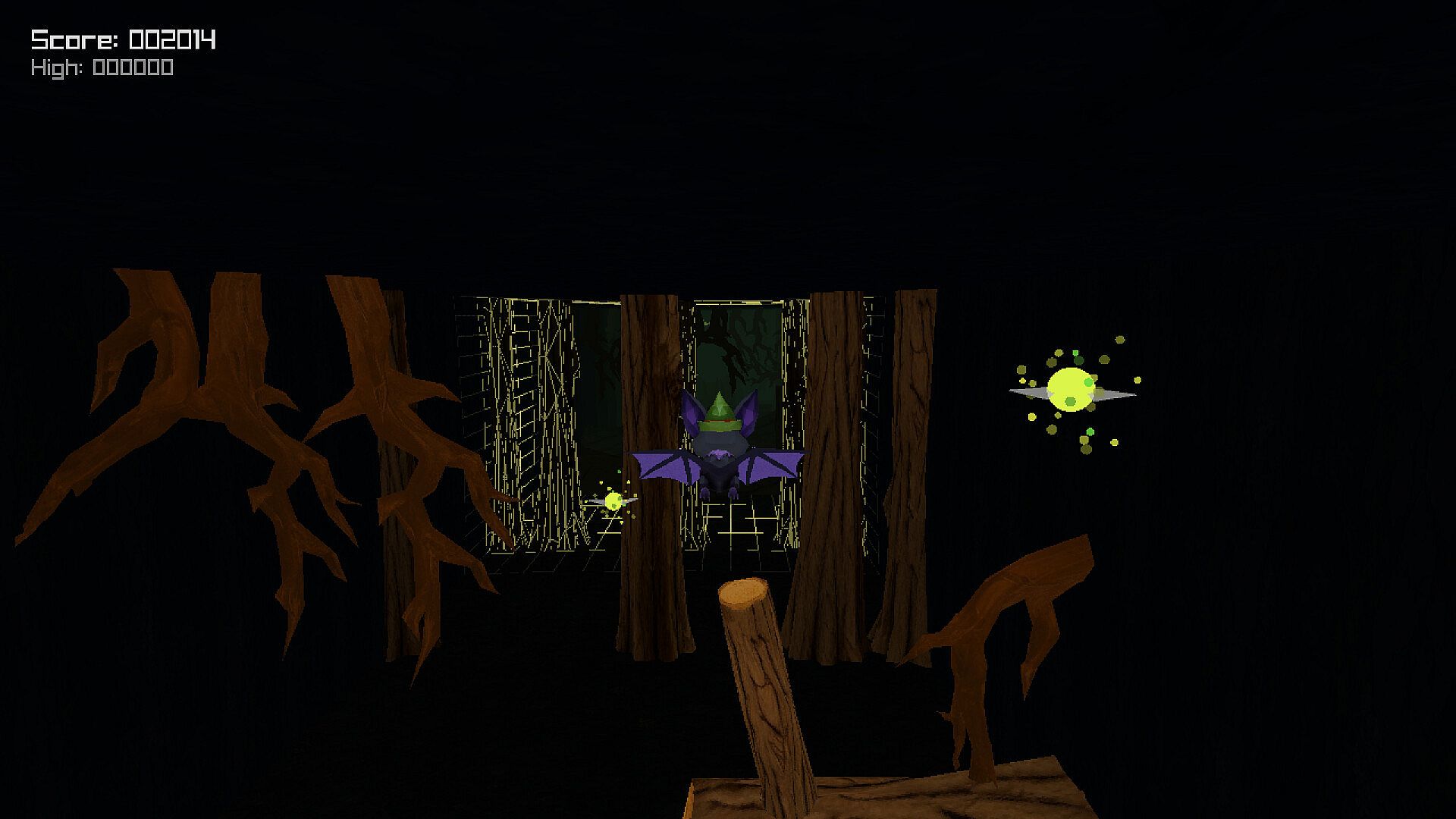
The core loop revolves around managing a draining sonar resource while dodging obstacles that remain invisible without active pulses. Each pulse reveals sections of the tunnel but consumes energy that must be replenished by collecting glowing bugs. These collectibles often sit off the safest route, creating repeated decisions about whether to stay on a clear path or risk unknown hazards for a recharge.
Controls remain minimal to keep focus on timing and path choices rather than complex inputs. Quick restarts encourage repeated attempts at extending runs and improving distance or score. The environment stays consistent in its darkness, so every new attempt tests the same fundamental skill of balancing sonar use against forward progress.
Sound design plays a central role because obstacles produce audio cues once revealed by sonar. Players learn to react to these sounds even when visual confirmation fades, turning the experience into one of auditory awareness layered on top of spatial navigation.
Game Modes
Bat Flapper operates as a single-player experience centered on score-chasing runs through procedurally arranged cave sections. No separate competitive or cooperative modes exist. The entire game funnels into repeated attempts at the same core challenge, with progress measured by personal distance traveled and obstacles avoided per run.
Simple restart mechanics keep sessions short and focused. Each attempt resets the player at the start of the tunnels with full sonar energy, allowing immediate focus on optimizing the next sequence of pulses and bug collections. This structure supports quick sessions or longer streaks of refinement without additional layers or objectives.
Core Systems and Progression
Progression stays tied to player skill rather than unlocks or upgrades. Mastery comes from recognizing patterns in obstacle placement and learning efficient sonar timing that stretches energy reserves. The constant drain forces active management instead of passive flight, and bug placement rewards calculated risks over straight-line safety.
System requirements list modest hardware needs, with the game running on Windows 10 or 11 and basic OpenGL support. This accessibility aligns with the straightforward controls and short-run format that suits repeated practice without demanding high-end performance.
Is It Worth Playing?
Bat Flapper targets players who enjoy arcade-style runners that introduce a resource constraint to the usual endless forward motion. The sonar mechanic adds a distinct layer of decision-making that sets it apart from pure reaction-based titles. Those who appreciate tension built from limited information and the satisfaction of extending a run through careful resource use will find the loop engaging.
Because the game remains in a pre-release state with no player reviews available yet, expectations rest on the described systems alone. The single-player focus and emphasis on personal improvement suit anyone looking for a compact, repeatable challenge rather than expansive campaigns or multiplayer competition. Fans of short-session arcade games that reward precision and risk assessment should find the premise appealing once it launches.
- Resource management through sonar pulses and bug collection creates ongoing choices during every run.
- Darkness and sound cues shift emphasis toward auditory timing alongside visual reactions.
- Quick restarts support focused practice on improving distance and score.