

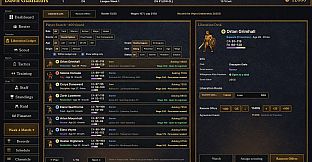
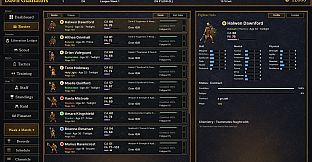
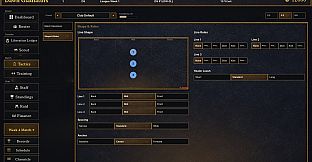
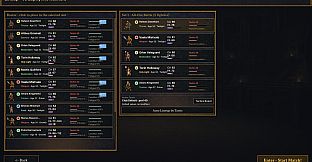
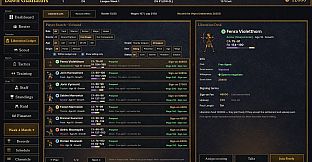
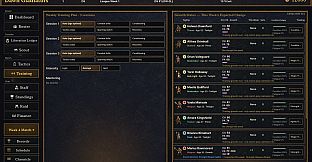
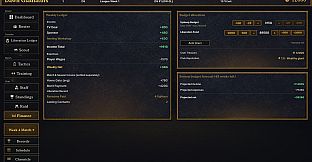
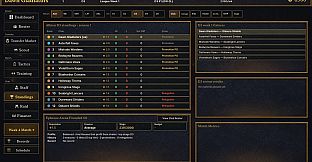
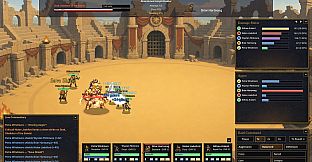
Beasts of Ephesus combines strategy, simulation, and sports management elements in a single-player experience on PC. Players take on the role of manager for the gladiator company Dawn in a setting inspired by Nero-era Ephesus, where the focus lies on arena competitions, financial decisions, and building a team through negotiated contracts rather than ownership.
Gameplay
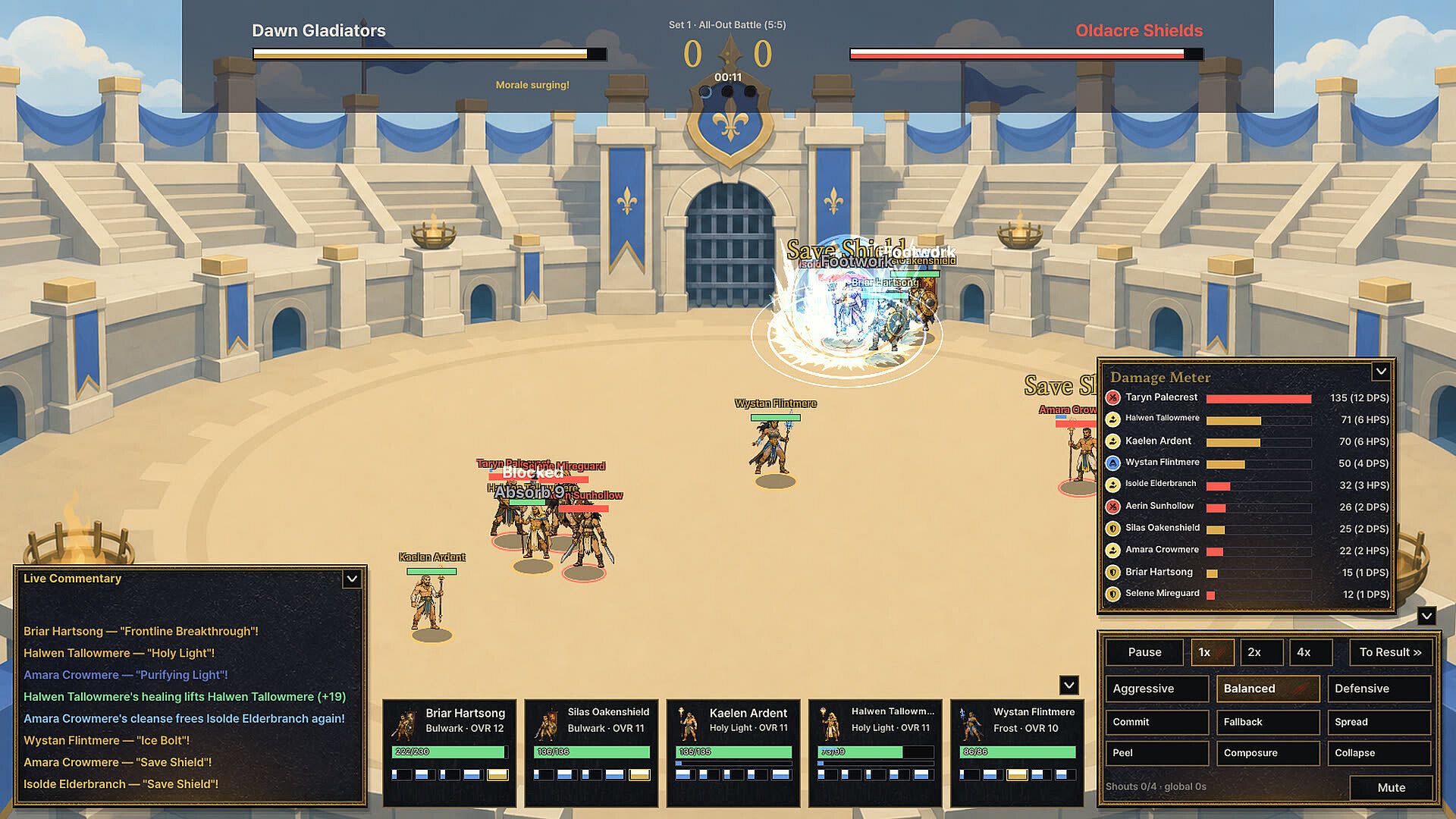
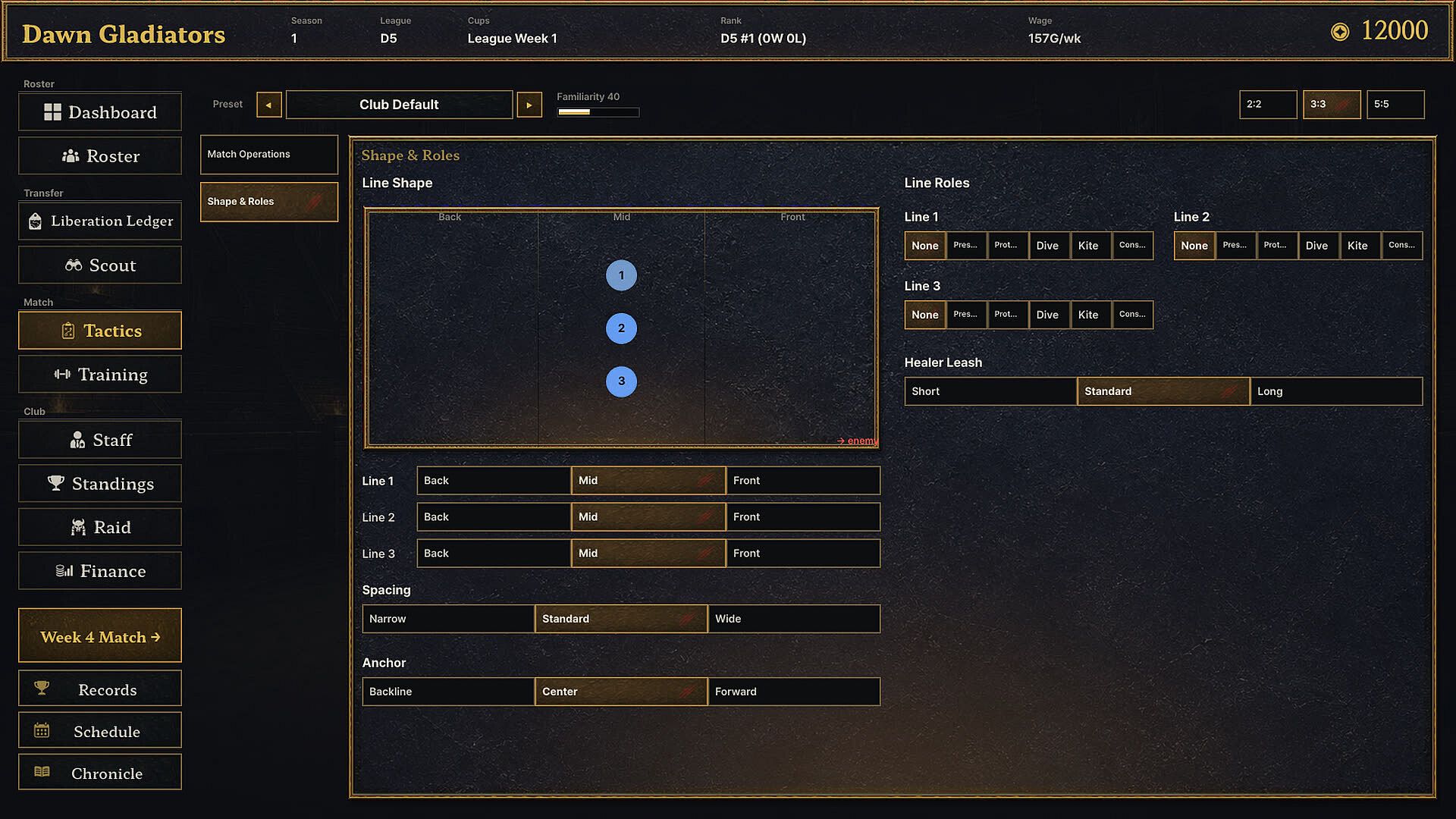
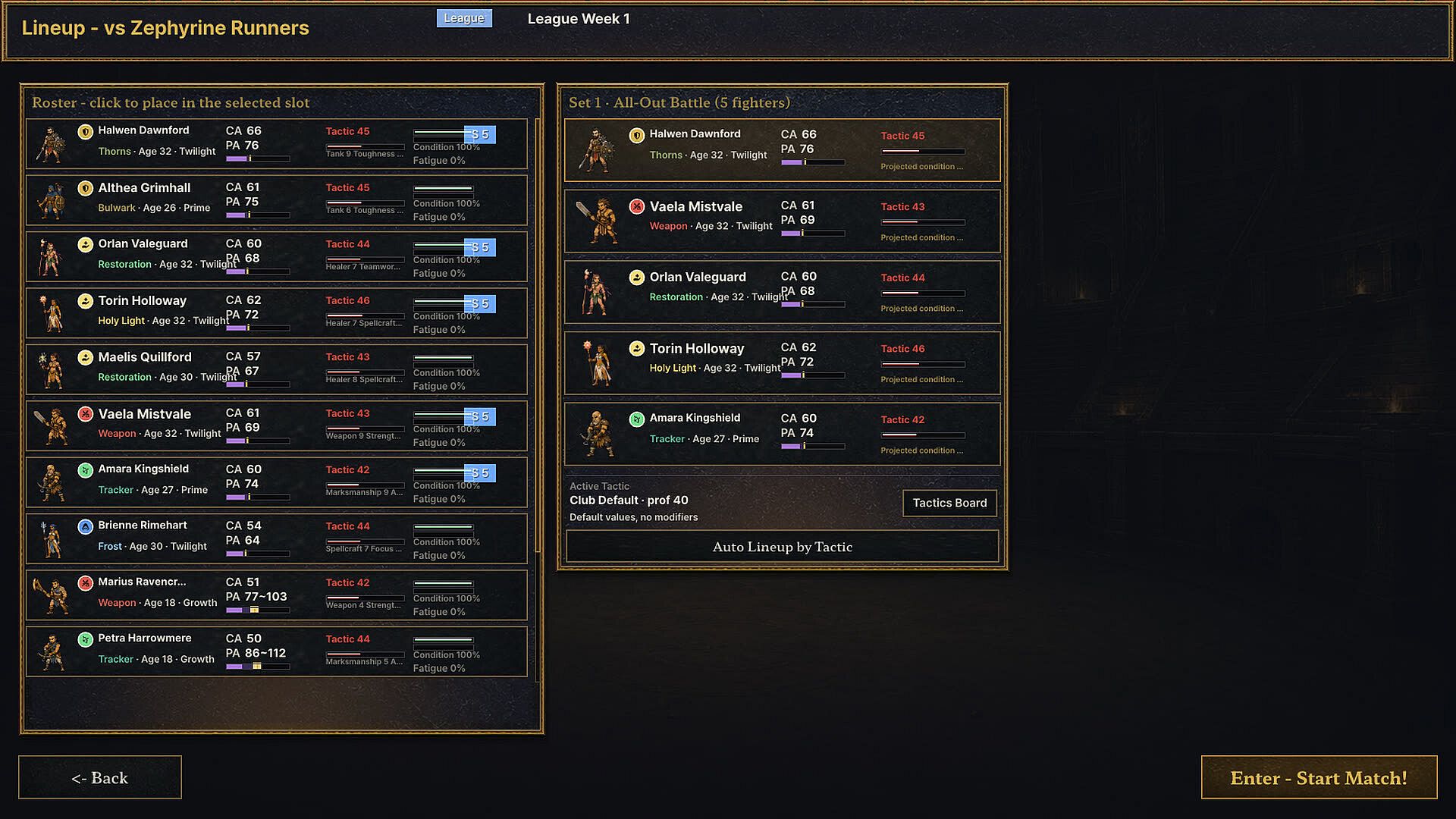
The core loop revolves around preparing fighters for matches while balancing the club's finances and development. Matches unfold as best-of-three sets that begin with a 5v5 all-out battle, move to a 3v3 formation fight, and conclude with a 2v2 decider if needed. Managers select lineups for each set, factor in fatigue from repeated participation by key fighters, and issue real-time adjustments such as shifting between attacking, balanced, or defensive approaches, designating focus targets, and tweaking formations or individual orders.
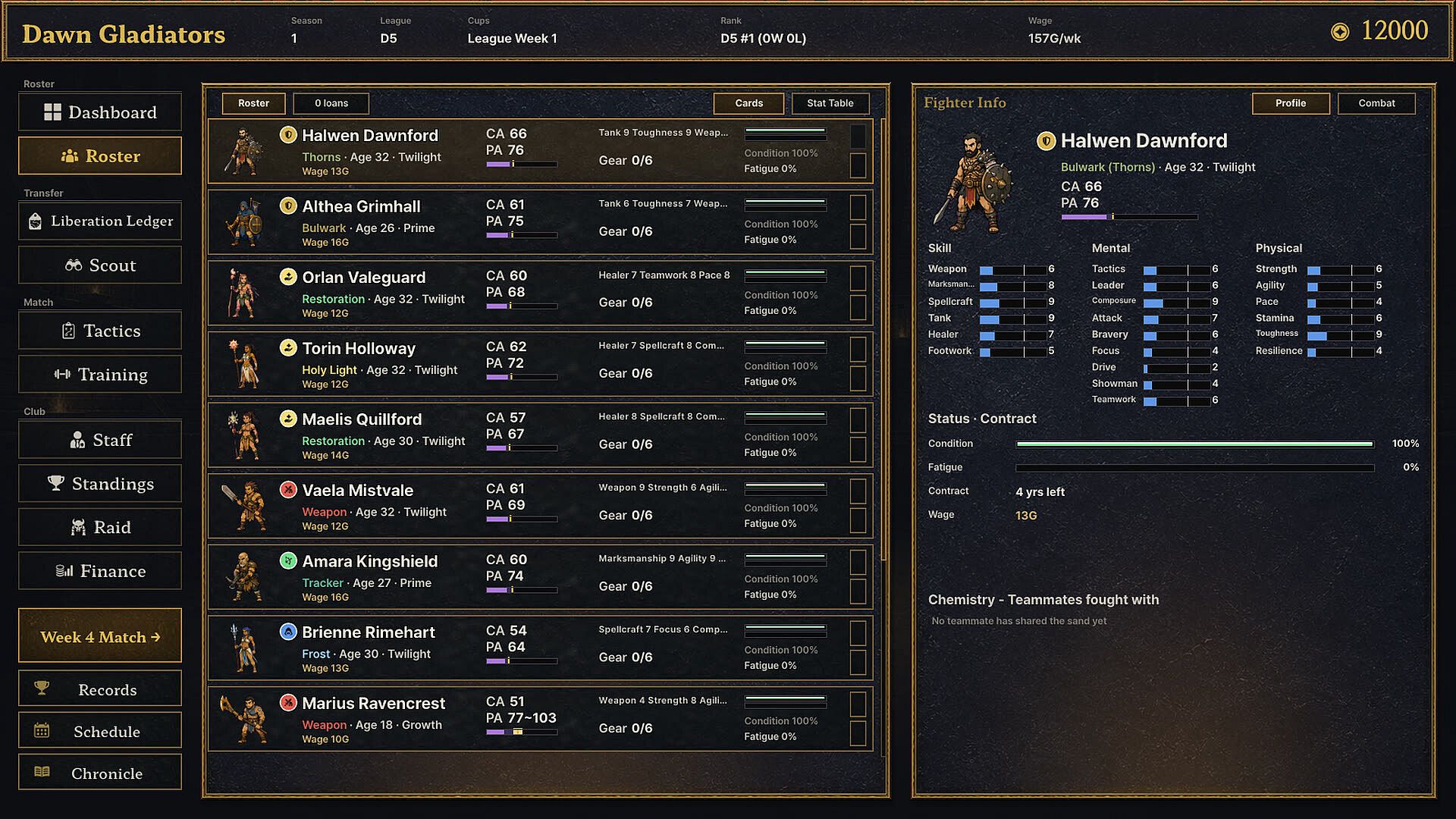
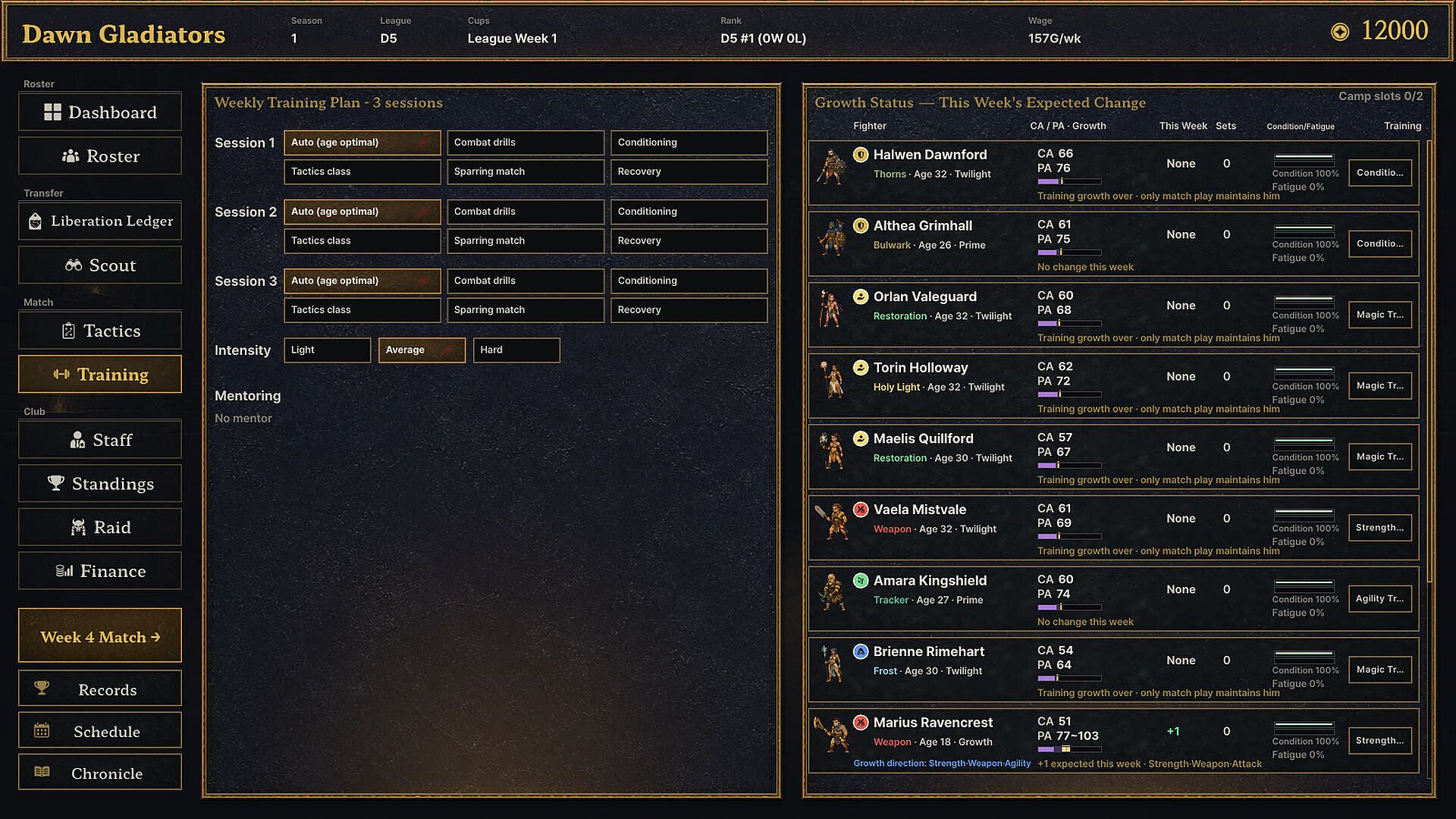
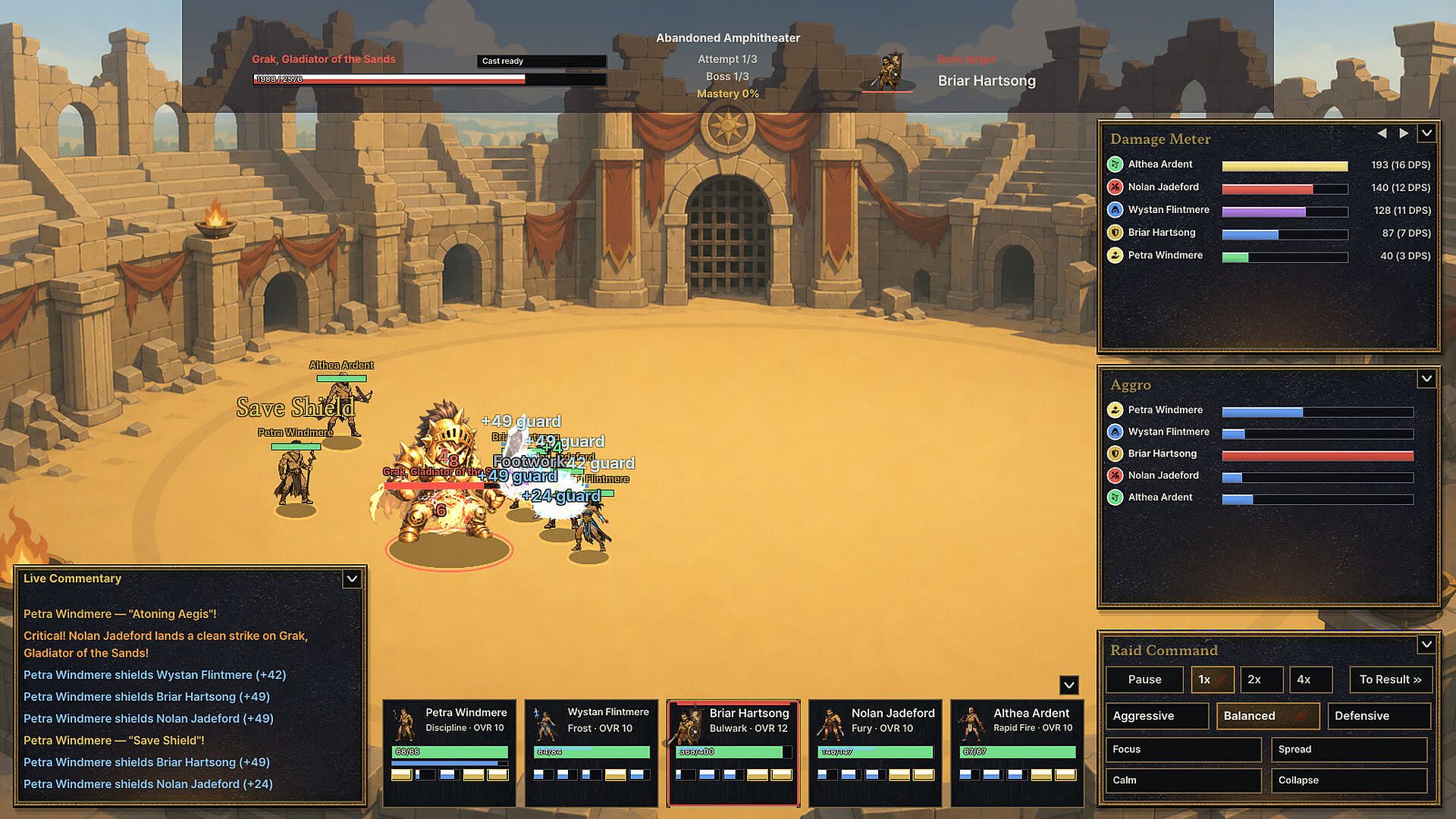
Combat observation occurs at adjustable speeds of 1x, 2x, or 4x, allowing intervention when momentum shifts. Performance metrics including damage dealt, healing provided, kills secured, set victories, and MVP selections contribute to ongoing season records. Outside matches, 21 attributes along with current and potential ability ratings guide long-term growth for each companion. Scouting reports reveal accurate potential ceilings that otherwise remain uncertain, while separate tactical setups apply to the different set sizes.
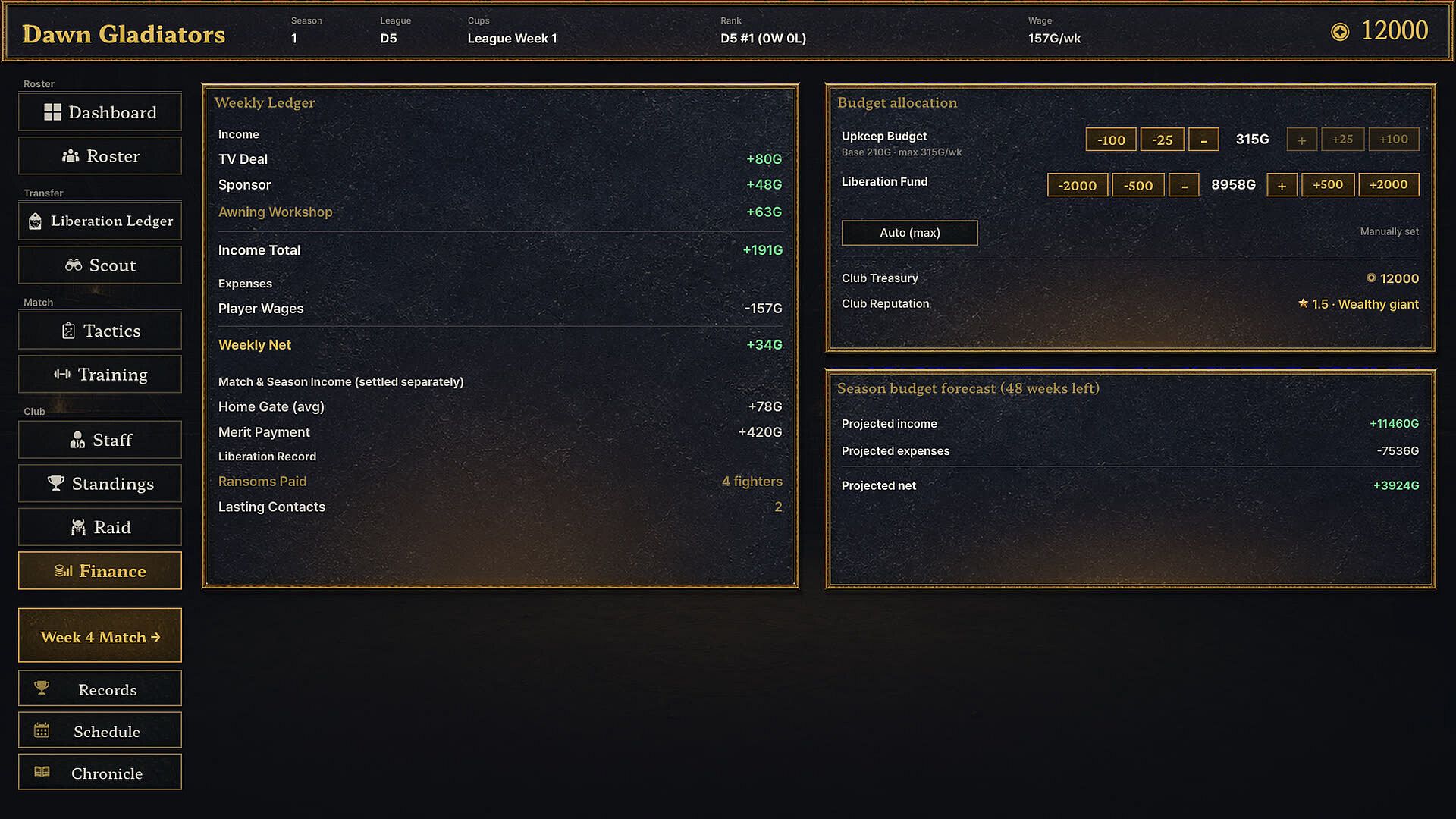
Resource management ties training sessions, coaching staff, contract negotiations, equipment purchases, fatigue recovery, and general upkeep into a cohesive seasonal plan. The club's awning workshop generates steady income through weekly contracts that support the broader liberation efforts.
Game Modes
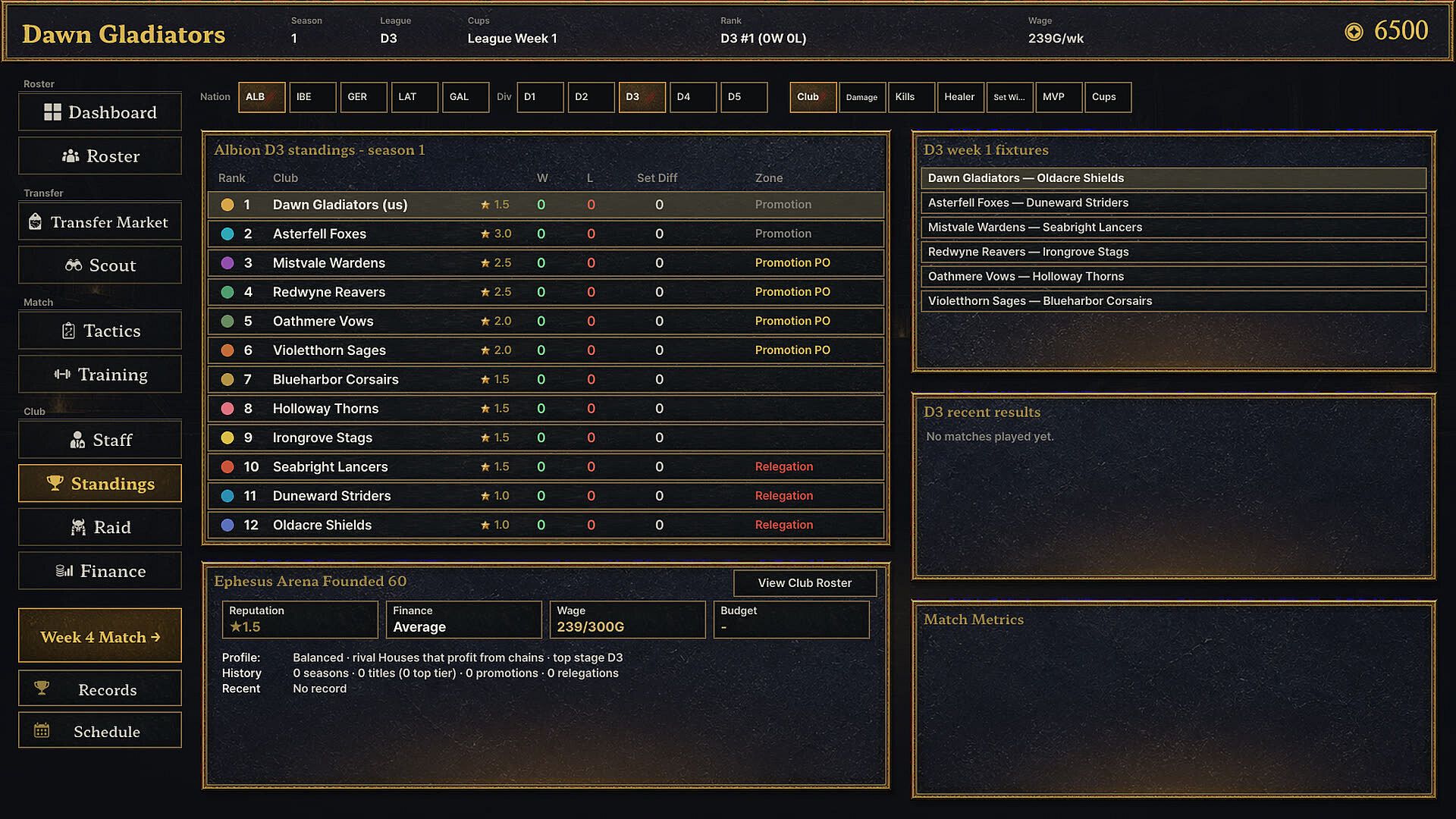
League competition forms the backbone of progression, with five nations each hosting five divisions of twelve clubs. Teams advance through regular season play, promotion and relegation battles, playoffs, domestic cups, and continental events on the path toward the highest stage in Ephesus. Success generates prize money and increases renown, which in turn improves access to negotiations and scouting opportunities.
Raids provide additional challenges between league fixtures, featuring five- or ten-person encounters that require balanced compositions of tanks, healers, and damage dealers. Players manage threat levels and adapt to multi-stage boss mechanics, with unsuccessful runs still contributing to mastery development and potential equipment gains that carry over to arena matches.
Story mode integrates narrative progression through seasonal events such as the return of a key figure from the company's origins, rivalries, and external pressures that influence the calendar and available funds. Enoch serves as a permanent founding companion who cannot be transferred or released, anchoring the squad while all others operate under consent-based contracts.
Recruitment and Team Building
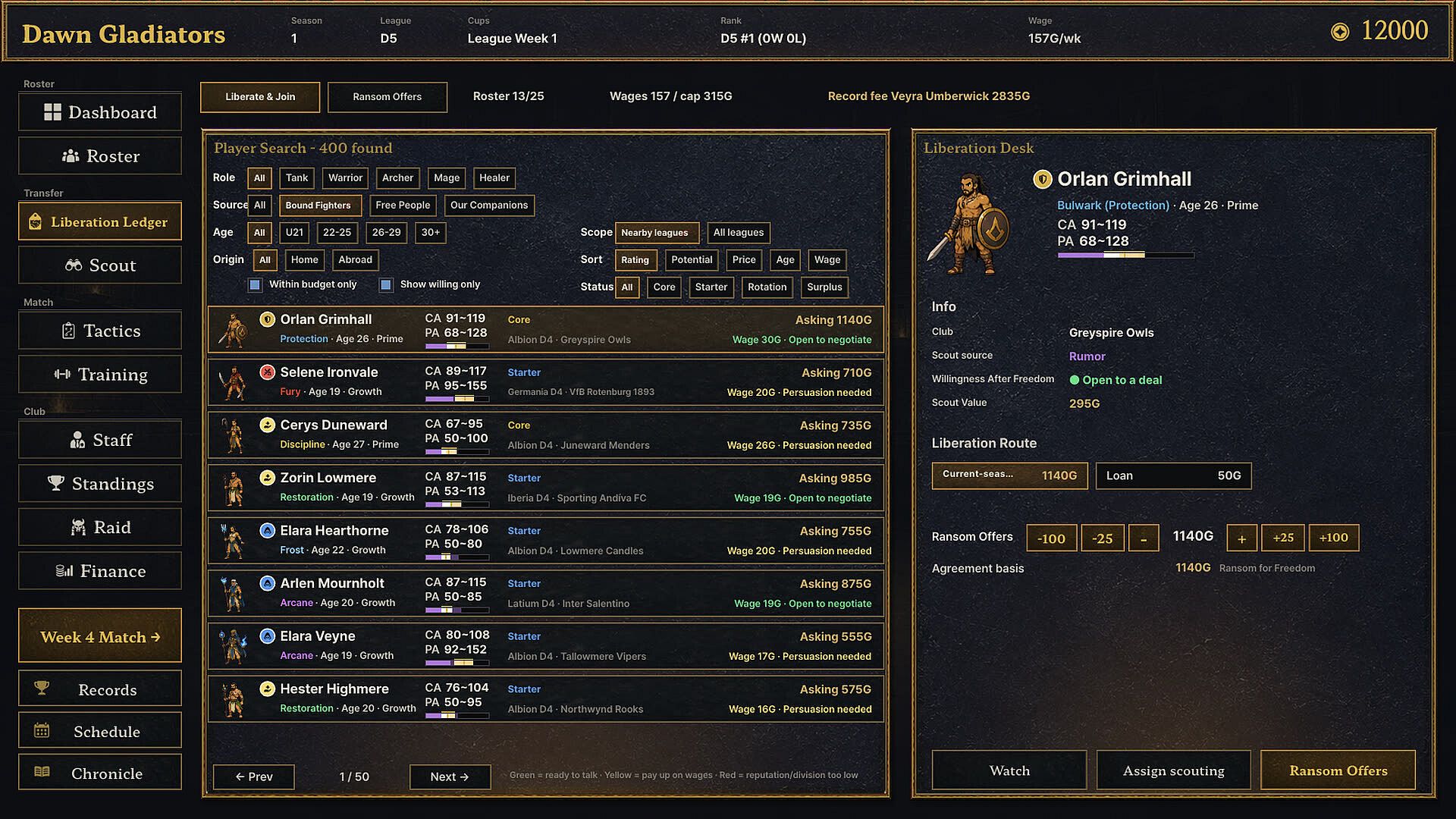
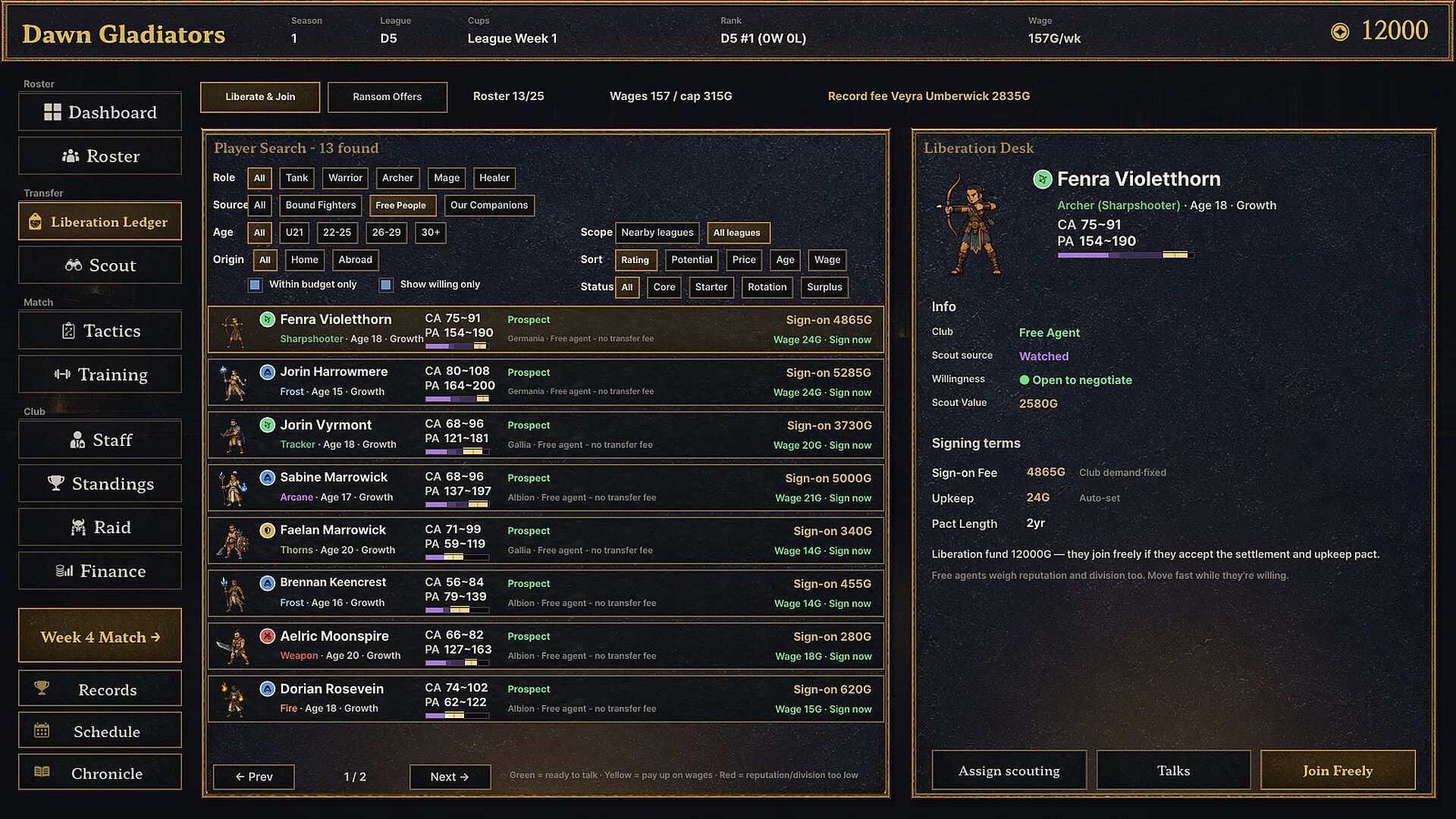
Recruitment emphasizes freedom and consent. Managers negotiate ransoms directly with owners to free bound fighters, after which the individual decides whether to join Dawn or depart. Those who stay negotiate wages, signing bonuses, roles, and contract durations as free companions. Transfers between clubs involve fees that compensate remaining contracts but never treat people as property, and the companion must approve any move.
Development paths differ for each fighter based on roles and combat specializations. Positioning, spacing, target priorities, and overall match strategies receive dedicated planning for 5v5, 3v3, and 2v2 formats. Loans and equipment further expand options for squad customization over multiple seasons.
Is It Worth Playing?
Beasts of Ephesus targets players who enjoy deep management simulation combined with tactical combat in a sports-like league structure. The emphasis on consent-driven contracts, attribute-driven progression, and multi-set arena battles creates a distinctive loop that rewards careful planning across matches, raids, and seasonal objectives. With a planned release in Q4 2026 and a current playtest available, the game remains in development, so prospective players can monitor updates for refinements to the systems described. Those drawn to strategy titles that blend team building, financial oversight, and competitive progression without traditional ownership mechanics will find the core concepts align closely with that preference. The single-player focus and achievement support further suit extended campaigns from division five upward.