















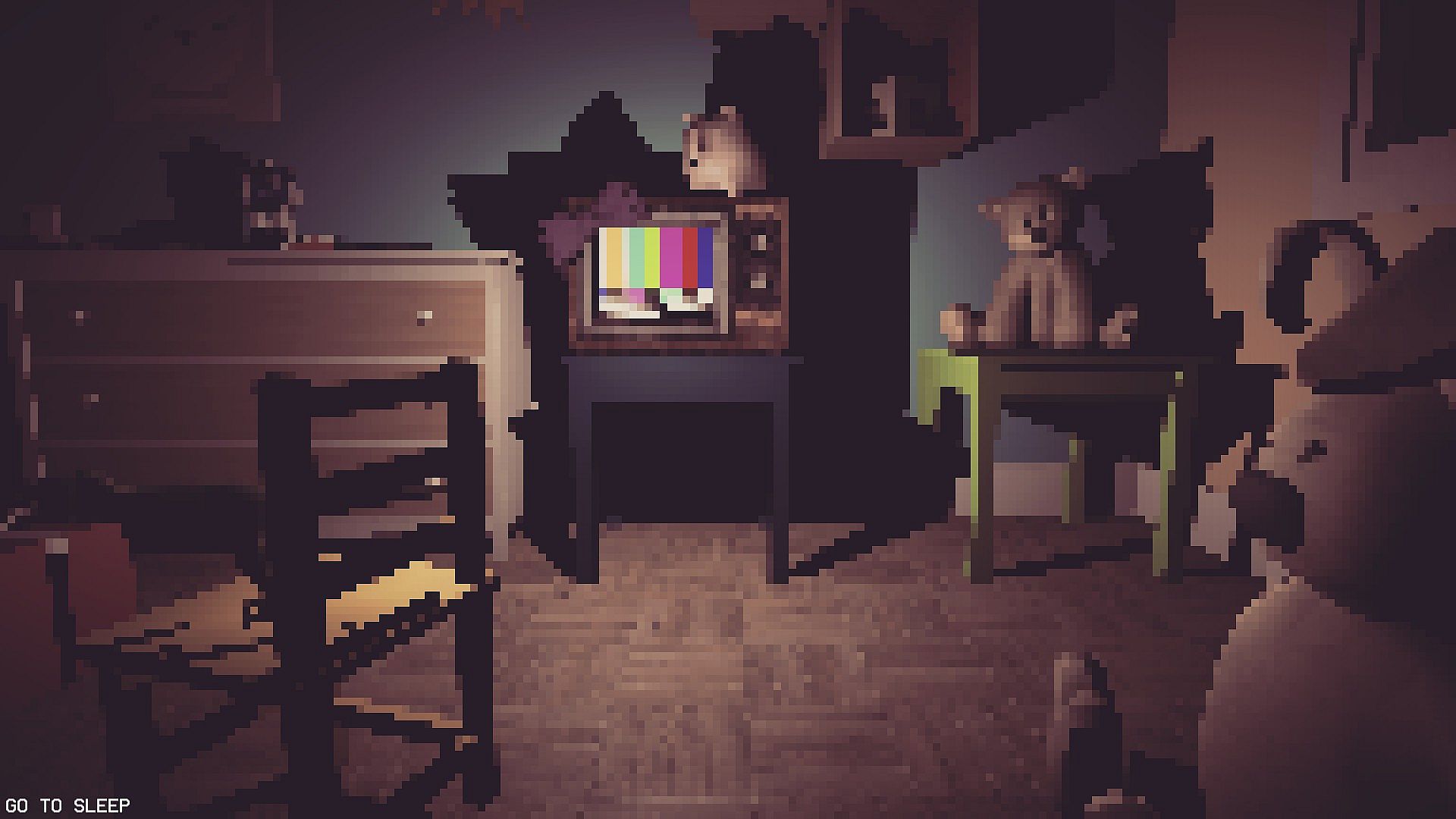
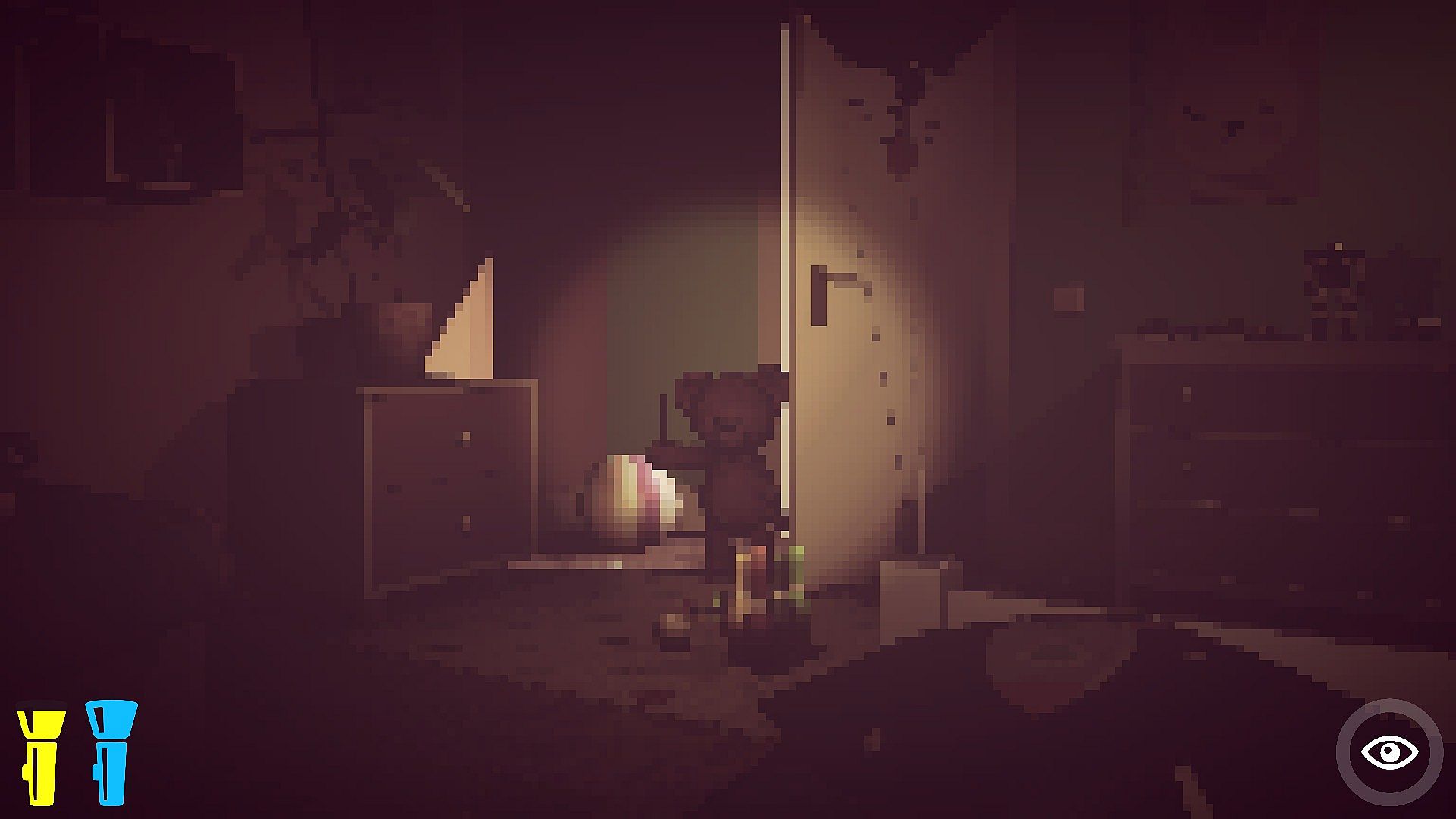
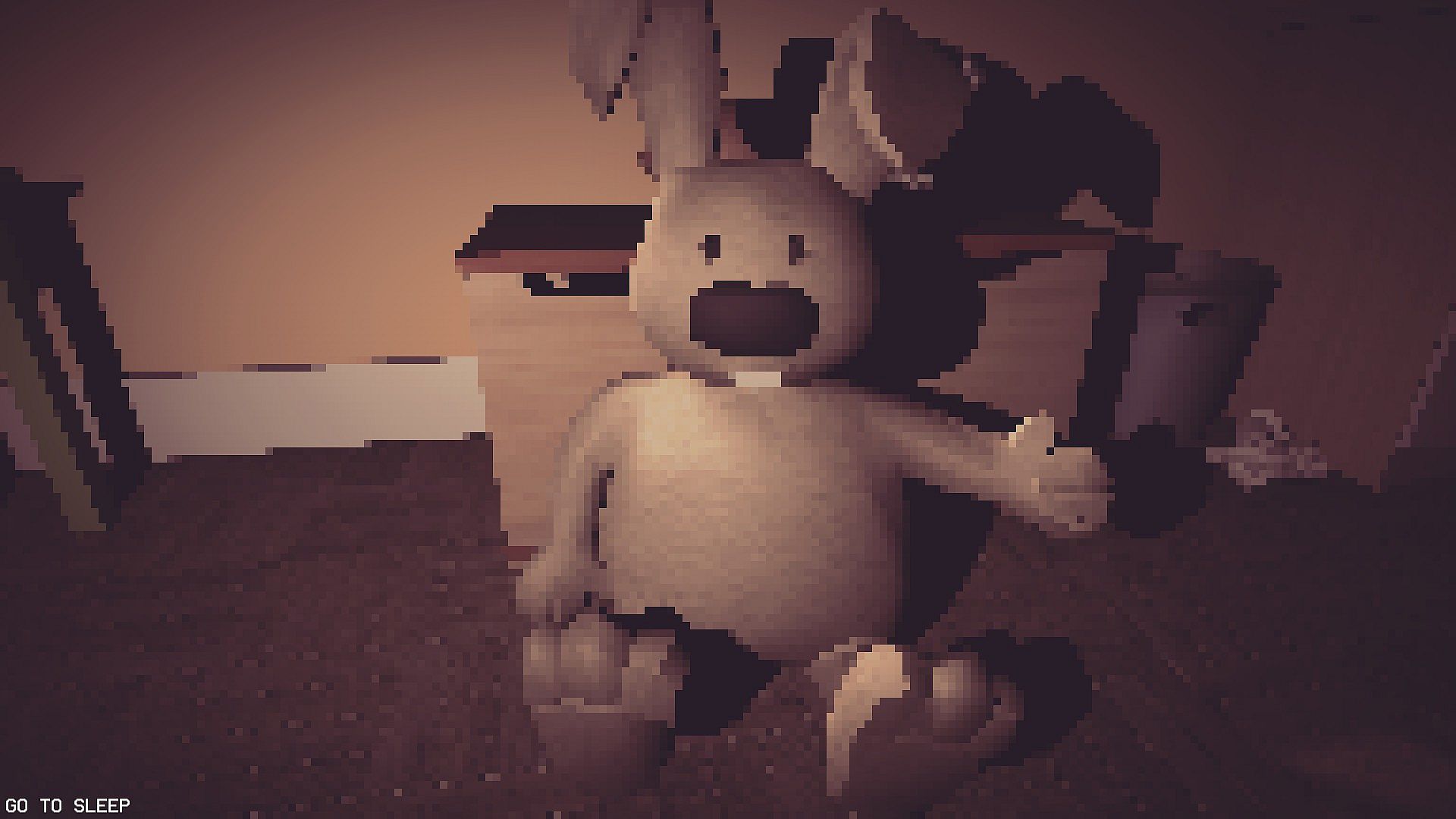
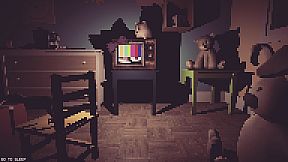
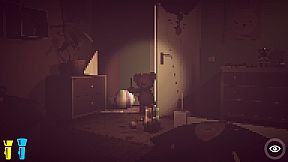

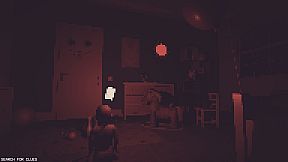
Bedtime Blues is a pixel-art survival horror game in the action, indie, and casual genres available on PC. Players take on the role of a child navigating a bedroom at night where everyday objects turn threatening, centered around a teddy bear that has gained awareness and hostile intent.
Gameplay
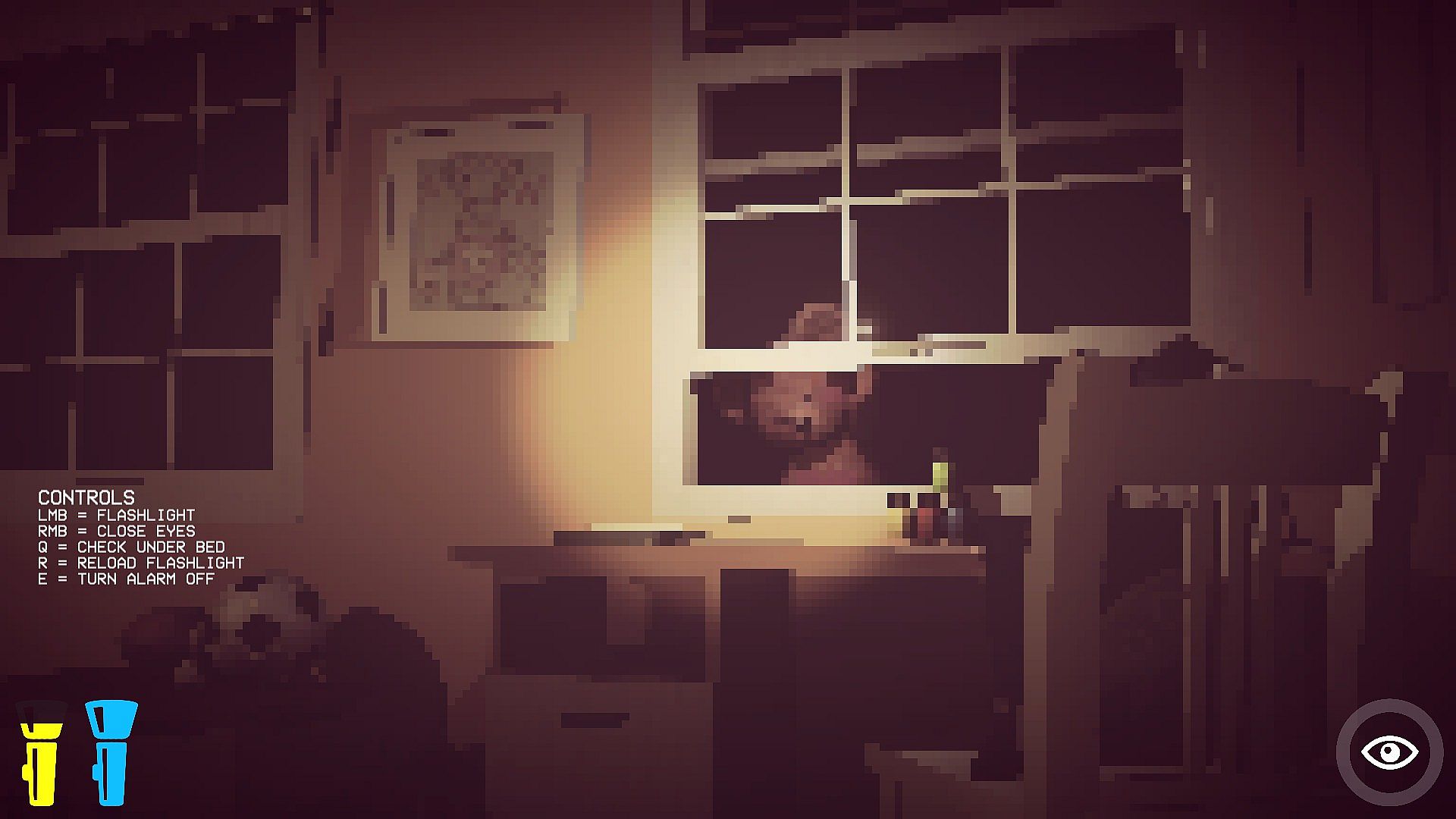
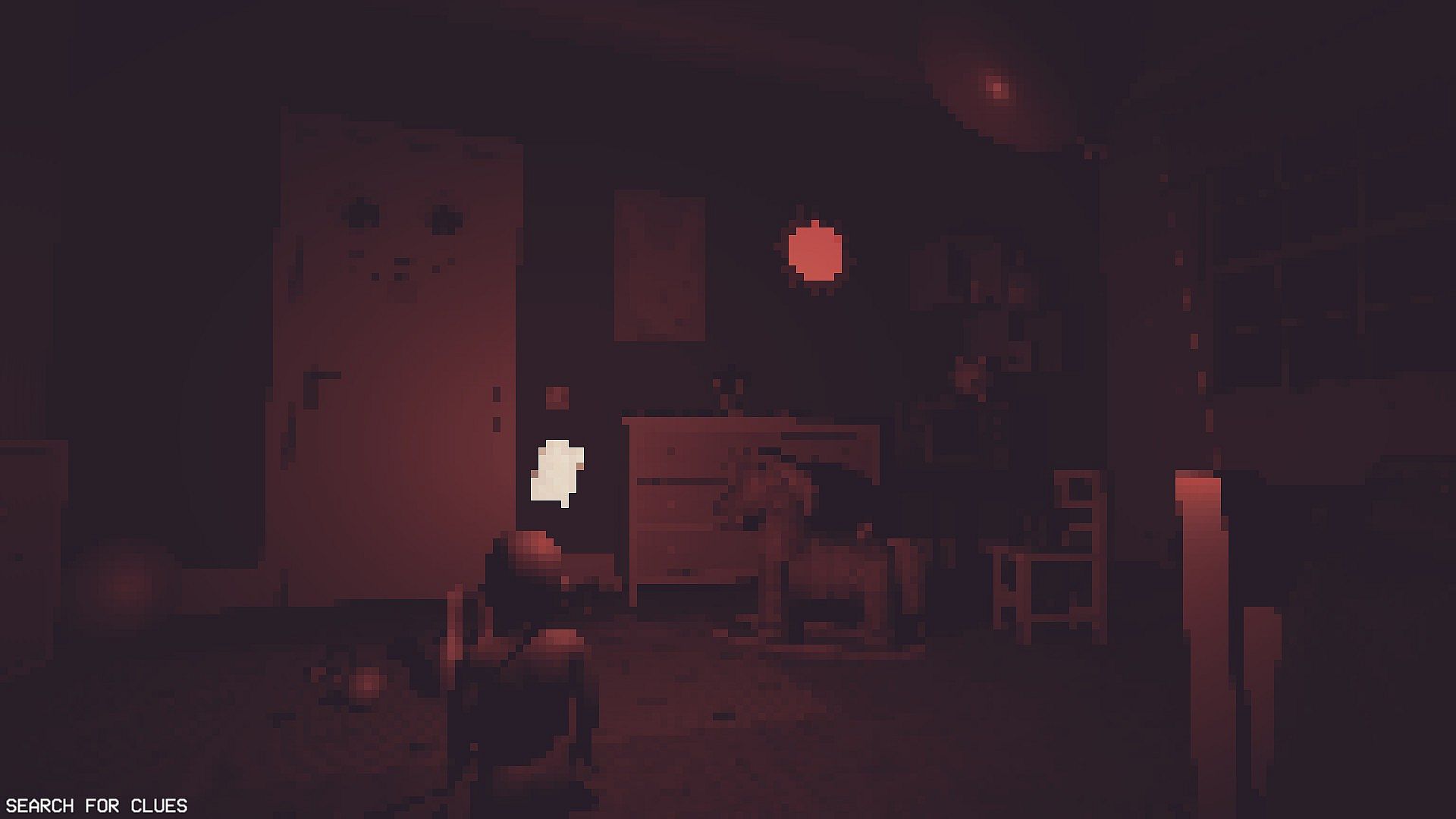
The core loop involves free movement through a single bedroom environment while hunting for story clues scattered around the space. The room undergoes gradual transformations with each passing hour, altering layouts and introducing new elements that demand constant attention. Audio cues signal approaching threats, prompting use of a flashlight to repel the teddy bear when it draws near. Additional hazards include checking under the bed to handle other monsters that may appear. Simple controls keep focus on observation and timing rather than complex inputs, while randomized AI ensures the teddy bear's behavior varies across play sessions.
Game Modes
Bedtime Blues presents its experience as a single cohesive survival scenario without separate named modes or variations. The emphasis stays on one continuous night of exploration and defense within the ever-shifting bedroom setting, supported by the randomized AI that alters threat patterns each time.
Key Features
Pixel-art visuals define the entire presentation, creating a retro aesthetic that matches the intimate scale of the bedroom setting. The ever-changing world mechanic ensures the environment does not remain static, forcing players to adapt to new configurations and potential hiding spots or obstacles. Randomized AI governs enemy movement and timing, adding replay value through unpredictable encounters. Free roam allows unrestricted navigation of the available space to locate clues and manage threats at the player's pace.
Is It Worth Playing?
Bedtime Blues suits players interested in short, atmospheric horror experiences with straightforward mechanics and a focus on tension rather than action intensity. Its limited review count on major platforms reflects a niche release from 2019 with no documented ongoing updates or additional content since launch. Those seeking pixel-art indie horror with free-roam exploration and basic survival elements may find value in its concise design, though the small player base and lack of further development mean expectations should align with an older, self-contained title. The game remains available for purchase on PC without free trials or seasonal content.