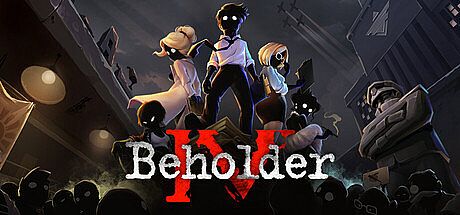














Beholder 4 is an indie simulation adventure game set in a grim totalitarian state. Players step into the role of a young Ministry official who appears loyal to the regime while secretly serving the underground resistance. The experience centers on balancing official duties with covert sabotage, all while managing personal risks and moral dilemmas in a world of constant surveillance.
Gameplay
The core loop involves daytime work at the Ministry, where the player processes citizen files, signs orders, and advances through the bureaucratic ranks. Real objectives emerge after hours through exploration of restricted offices and halls. Mechanics include eavesdropping on conversations, peering through keyholes to gather intelligence, stealing keys, cracking safes, forging documents, and planting listening devices on colleagues.
Each employee follows personal routines and harbors individual weaknesses or secrets that can be exploited for blackmail or assistance to the resistance. Assignments from both the State and the underground often conflict, forcing choices about which side to support on any given task. The player maintains a hidden agenda even from resistance comrades, adding layers of deception to every interaction.
Evening returns home bring sudden police searches. Limited seconds allow hiding stolen documents in vents, under mattresses, or other spots, or destroying evidence that cannot be recovered. Officers may be deceived through lies, excuses, or appeals to rank, though repeated raids grow more thorough. Romantic options add further complexity through relationships with four distinct women who hold differing loyalties and personal struggles.
Game Modes
Beholder 4 operates as a single-player narrative experience without separate multiplayer or competitive modes. All content integrates into one continuous campaign driven by the double-agent premise. Progression occurs through career advancement at the Ministry alongside underground operations, with no distinct side activities or seasonal content confirmed at this stage.
Decision-making shapes the entire session. Actions determine character fates, alliance outcomes, and story branches across multiple playthroughs. The absence of a straightforward ethical option means every choice carries trade-offs that affect relationships, operations, and personal standing.
Story and Choices
The narrative unfolds in a dystopian Ministry where loyalty remains fluid. The player receives conflicting directives, such as hunting a traitor for superiors while aiding that same individual for the resistance. Promotions unlock new access but demand direct involvement in arrests or other repressive acts. Personal motives may override both factions, leading to paths that prioritize self-interest or deeper inquiries into the regime itself.
Outcomes vary significantly based on accumulated decisions. Helping the resistance might advance one operation while endangering another. Saving or condemning individuals alters available opportunities and character interactions in subsequent runs. The game tracks these elements to deliver different results on replays.
Is It Worth Playing?
Beholder 4 targets players who appreciate choice-heavy simulation adventures with dystopian themes and branching consequences. Its mechanics of espionage, evidence concealment, and divided loyalties create sustained tension around daily routines and home security. The romantic elements and faction conflicts add personal stakes without simplifying the central moral gray areas.
Those drawn to games where decisions reshape alliances and character arcs will find strong alignment here. The title remains in development following its November 2026 announcement, with no release date or player reception data available yet. It suits individuals comfortable with deliberate pacing and repeated playthroughs to explore alternate outcomes.