






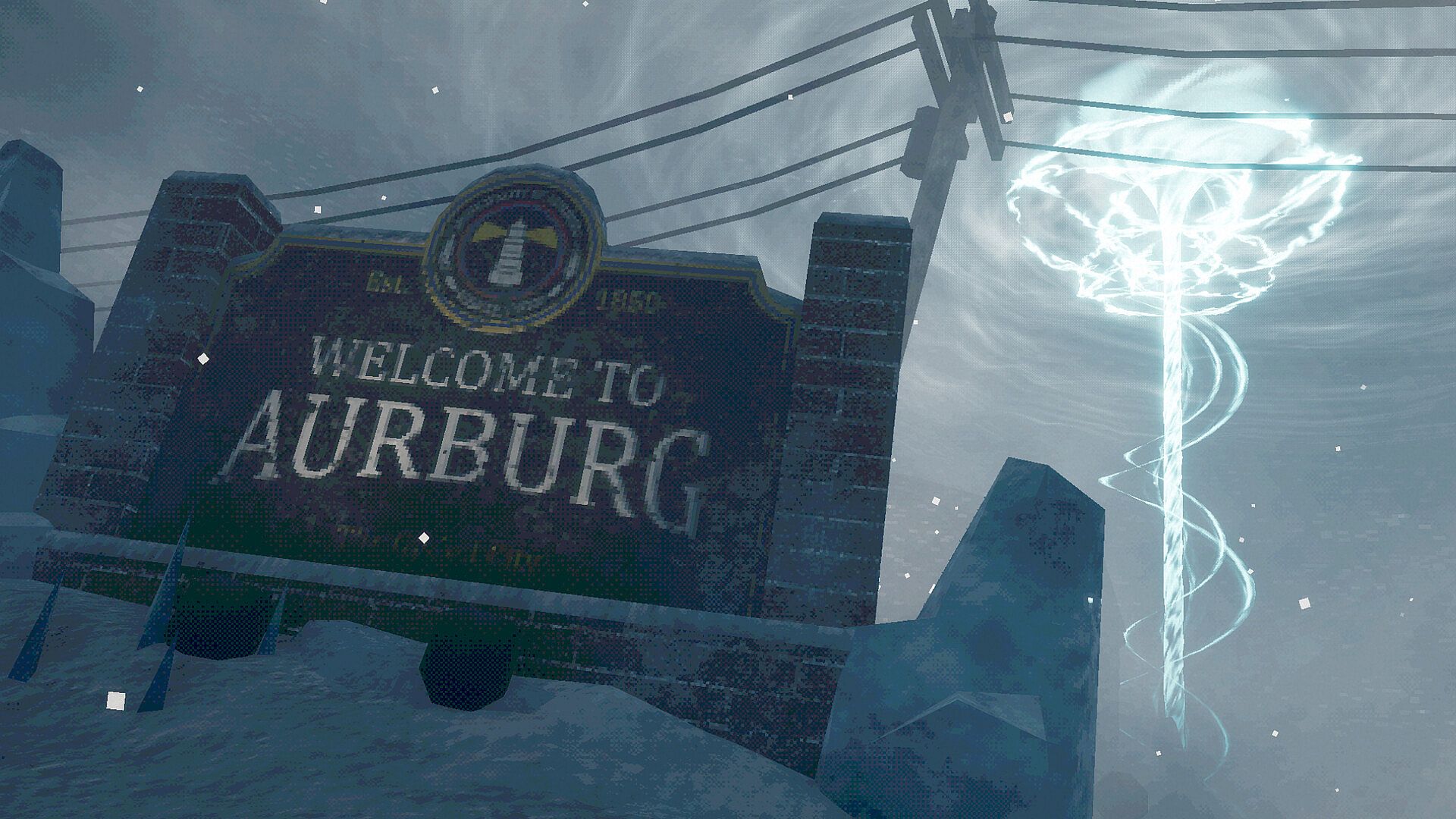
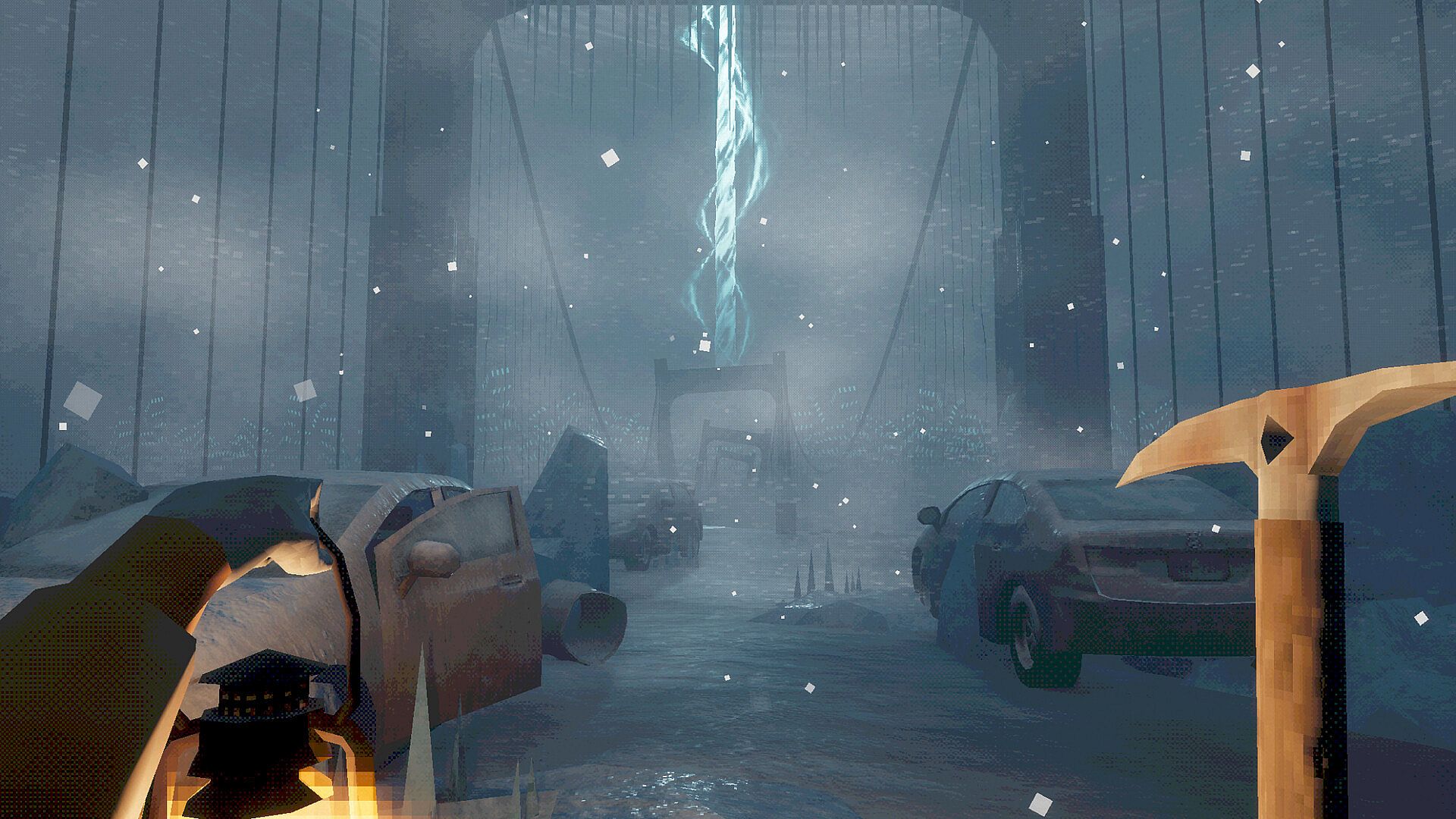
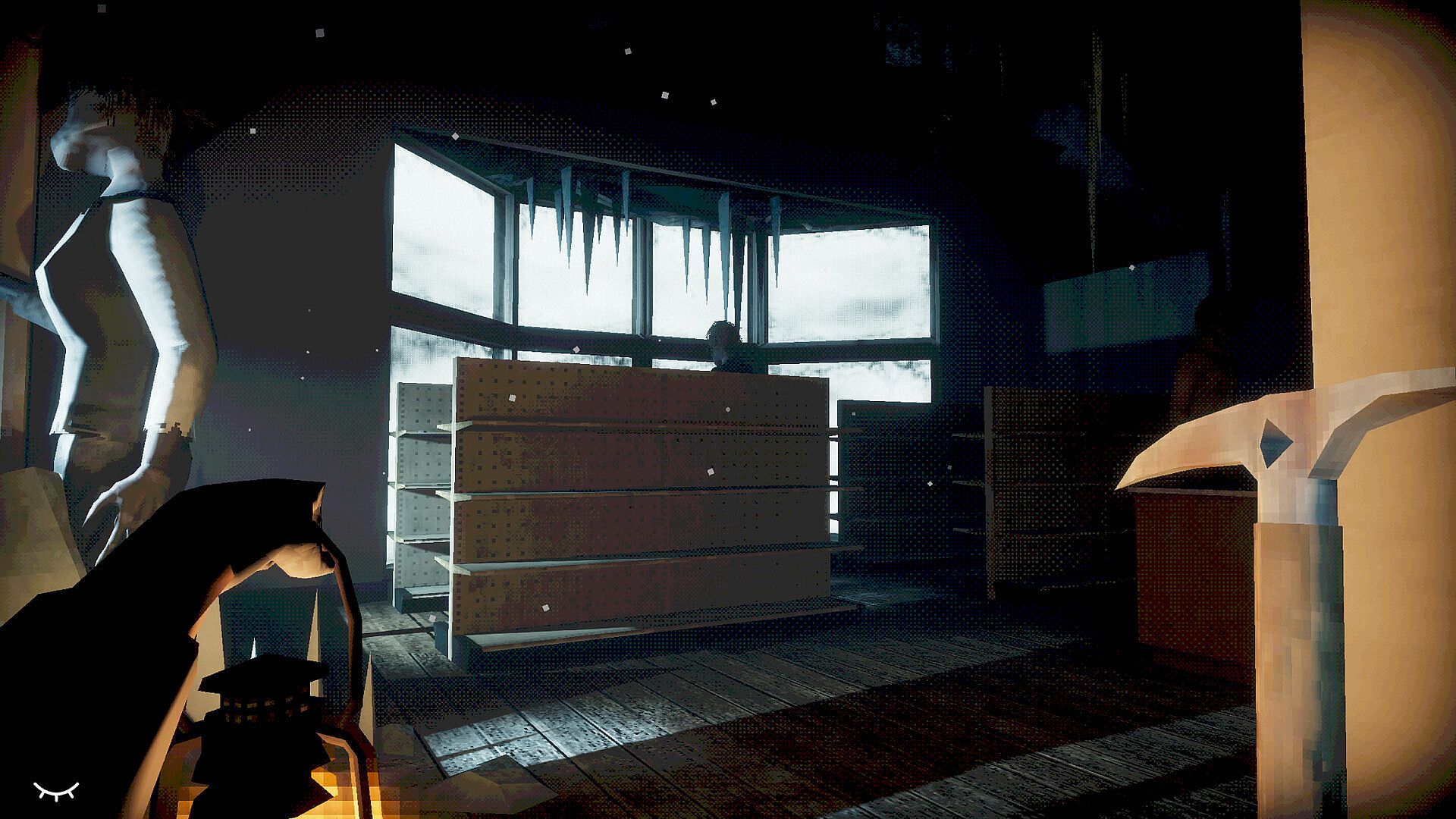
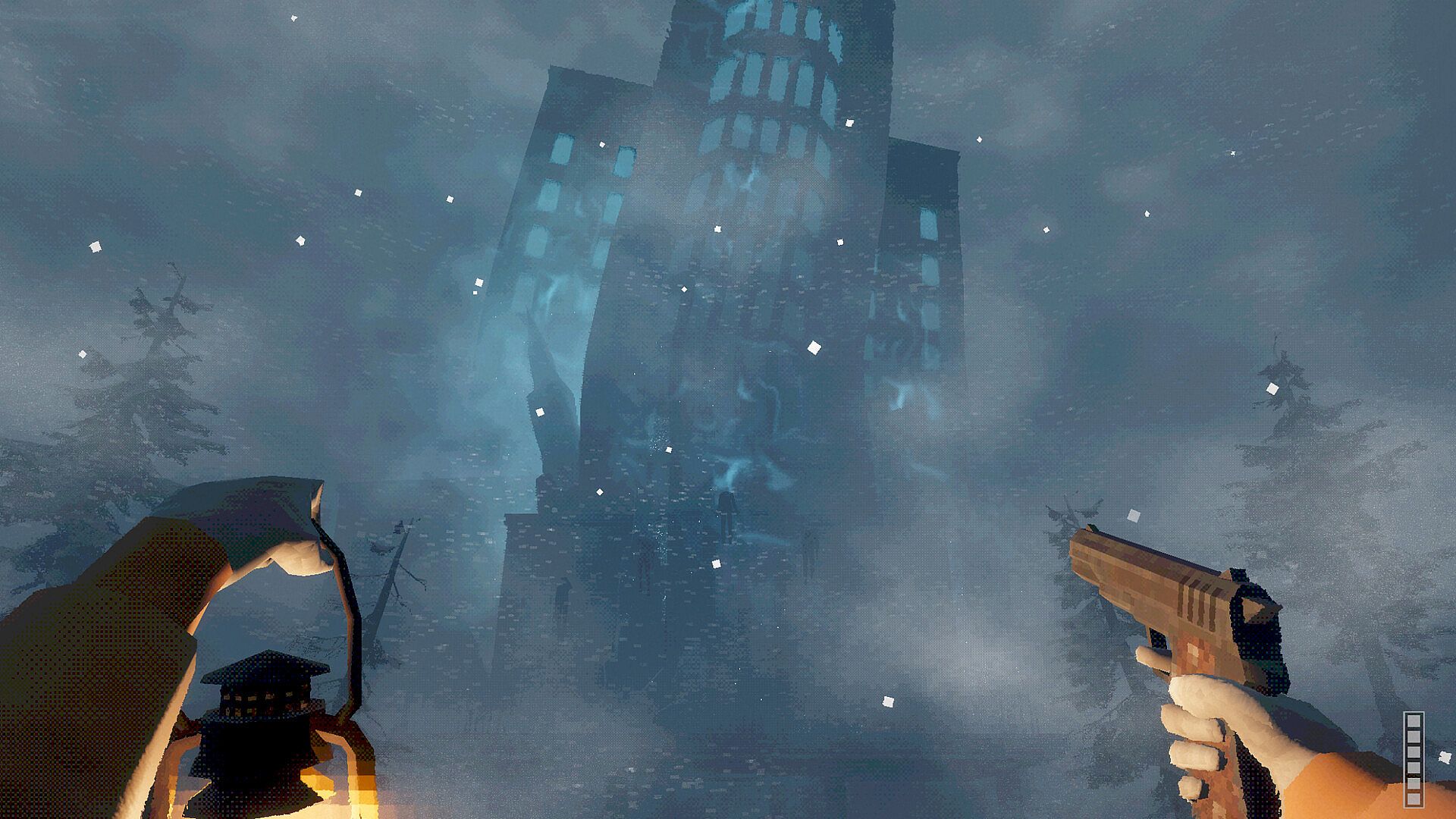
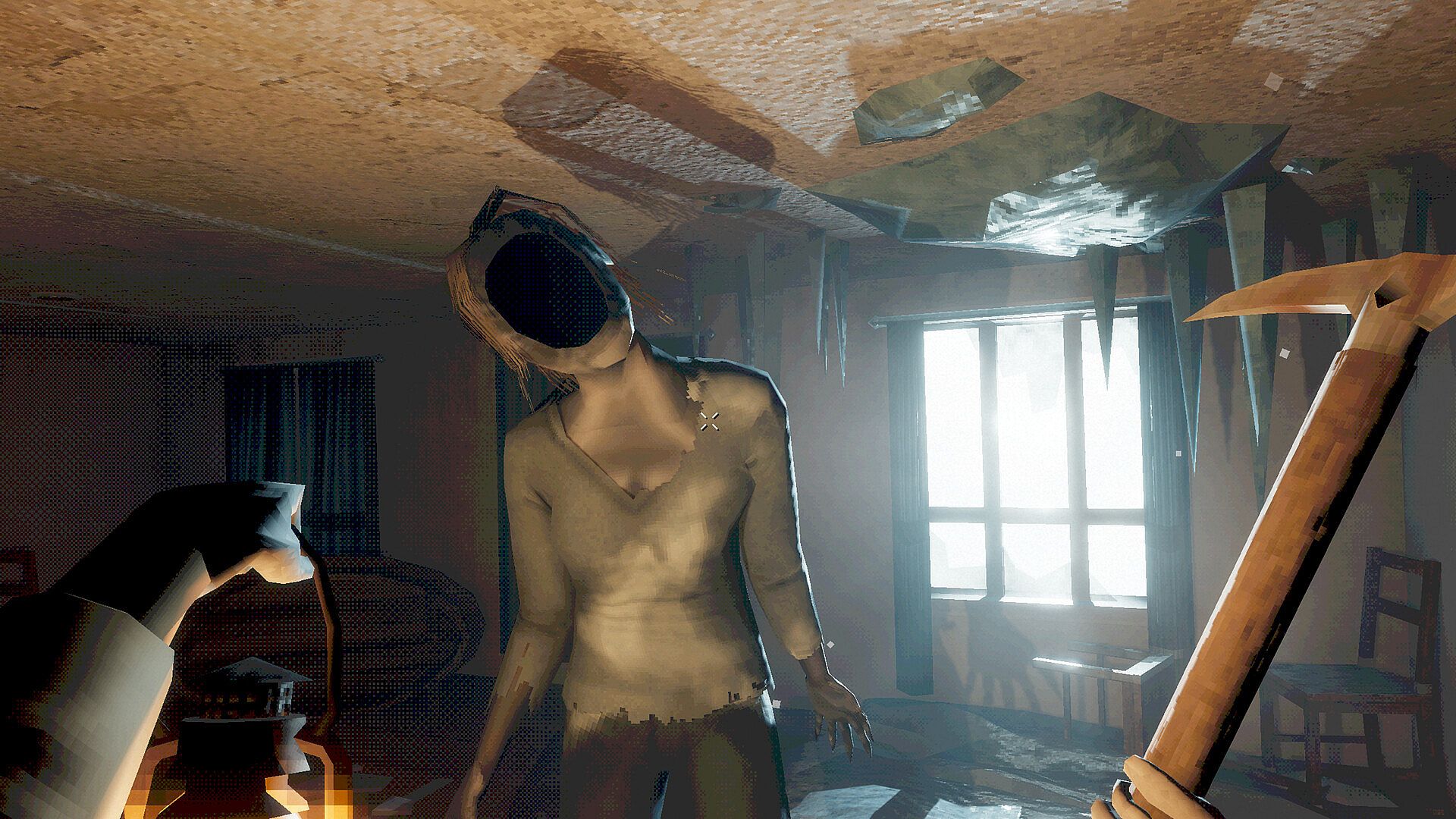
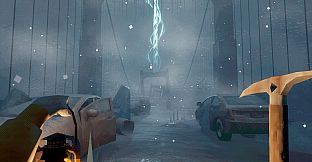
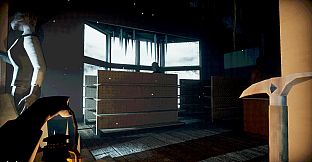
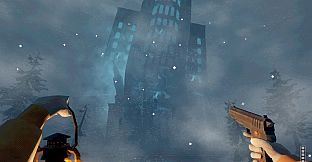
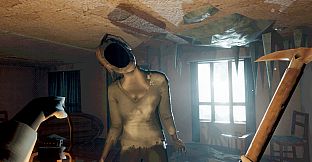
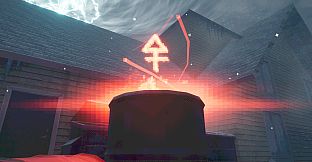
Beneath the Permafrost is a single-player survival action game set in a frozen post-apocalyptic world where endless cold has wiped out most life and transformed the dead into hostile entities. Players take on the role of a survivor seeking the legendary Fountain as the only path to defy death and protect their family. The core experience revolves around resource scarcity, temperature regulation, and combat against the undead in a fractured urban environment known as Aurburg.
Gameplay
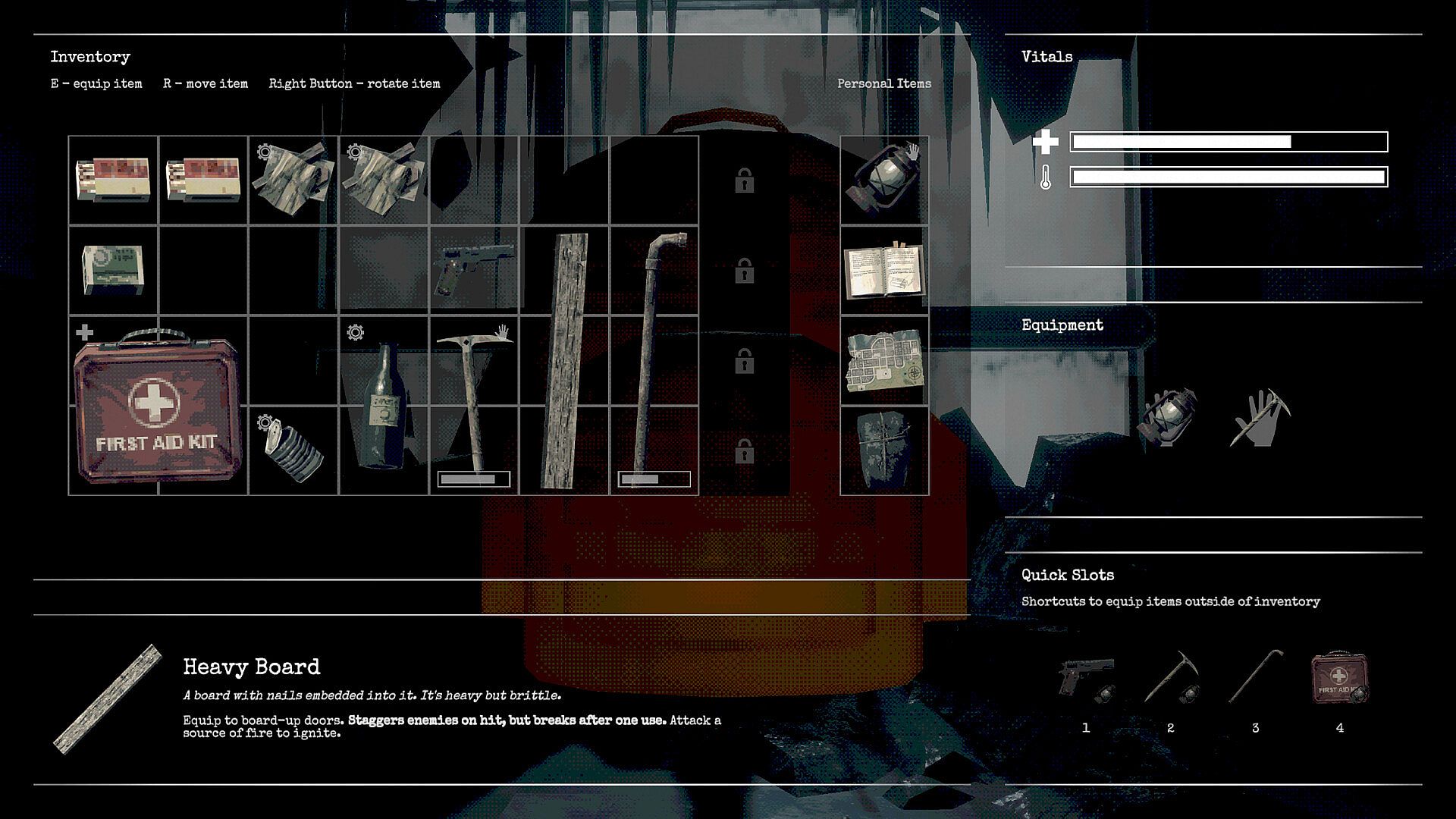
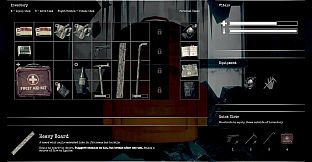
The gameplay centers on survival mechanics that demand constant attention to heat and supplies. Time spent in the blizzard drains body temperature, forcing players to create temporary shelters by lighting fires or locating rest spots before pushing deeper into dangerous areas. Inventory space remains limited, so every scavenged item requires careful evaluation for its immediate or long-term value in sustaining progress.
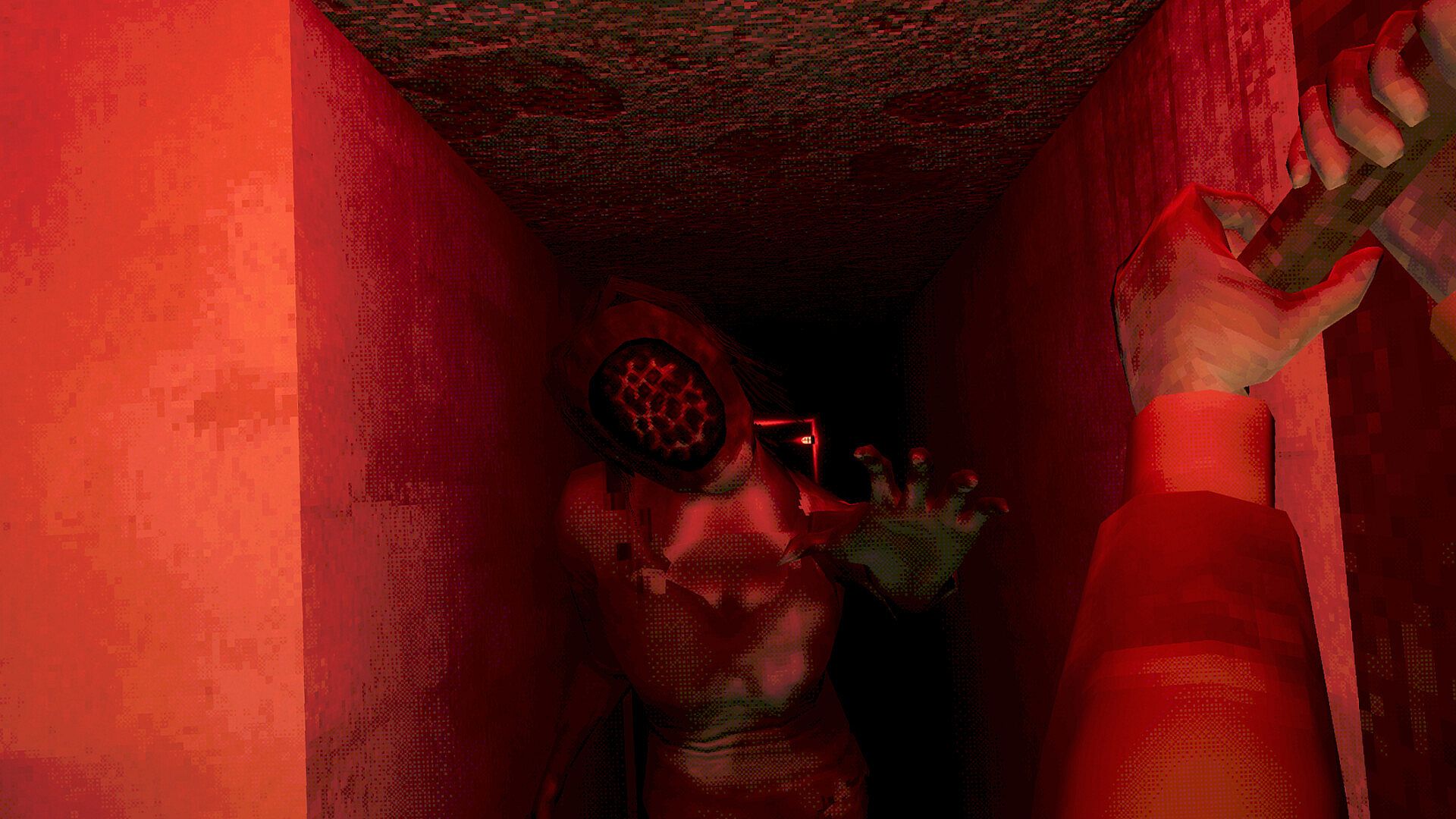
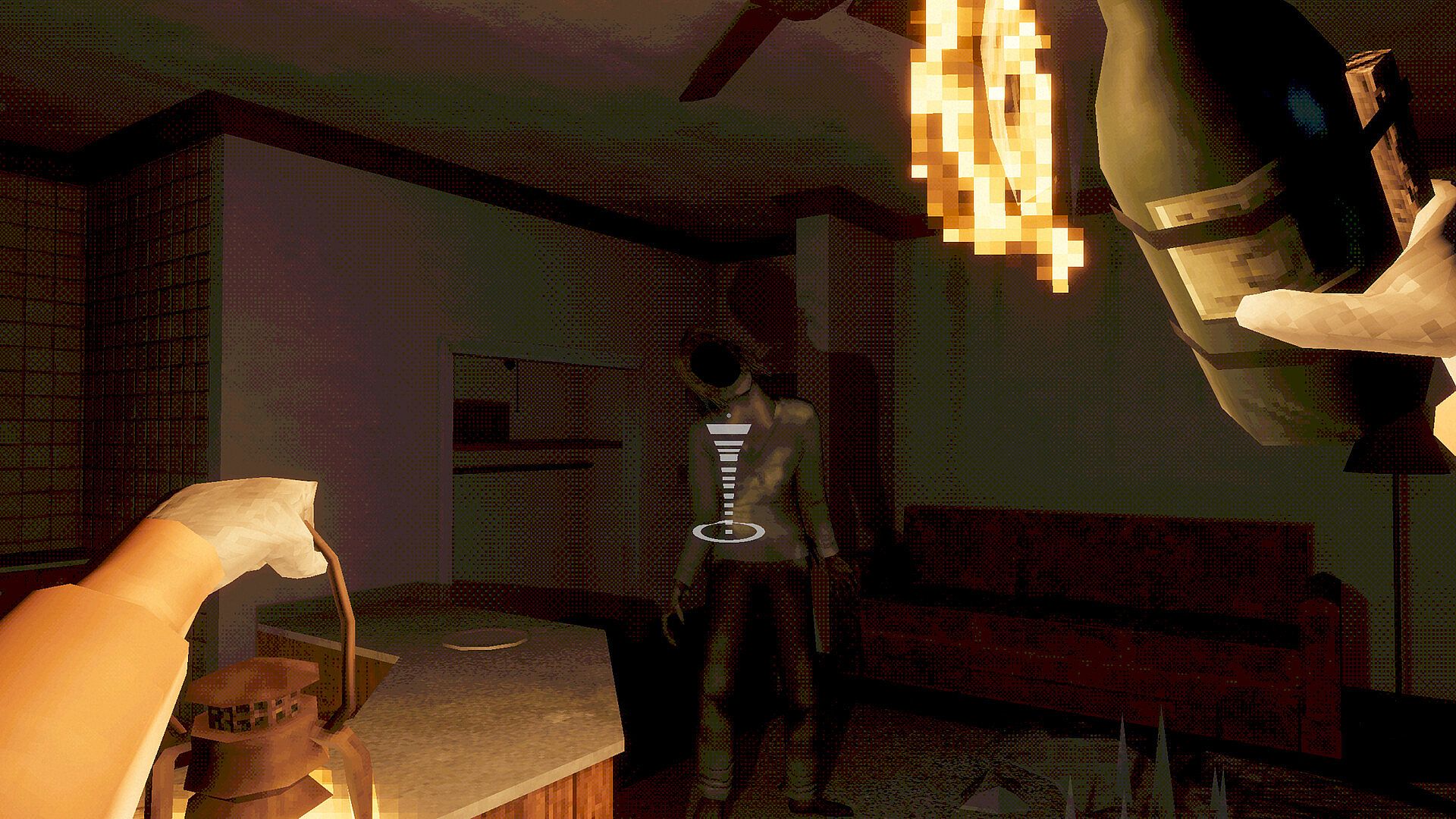
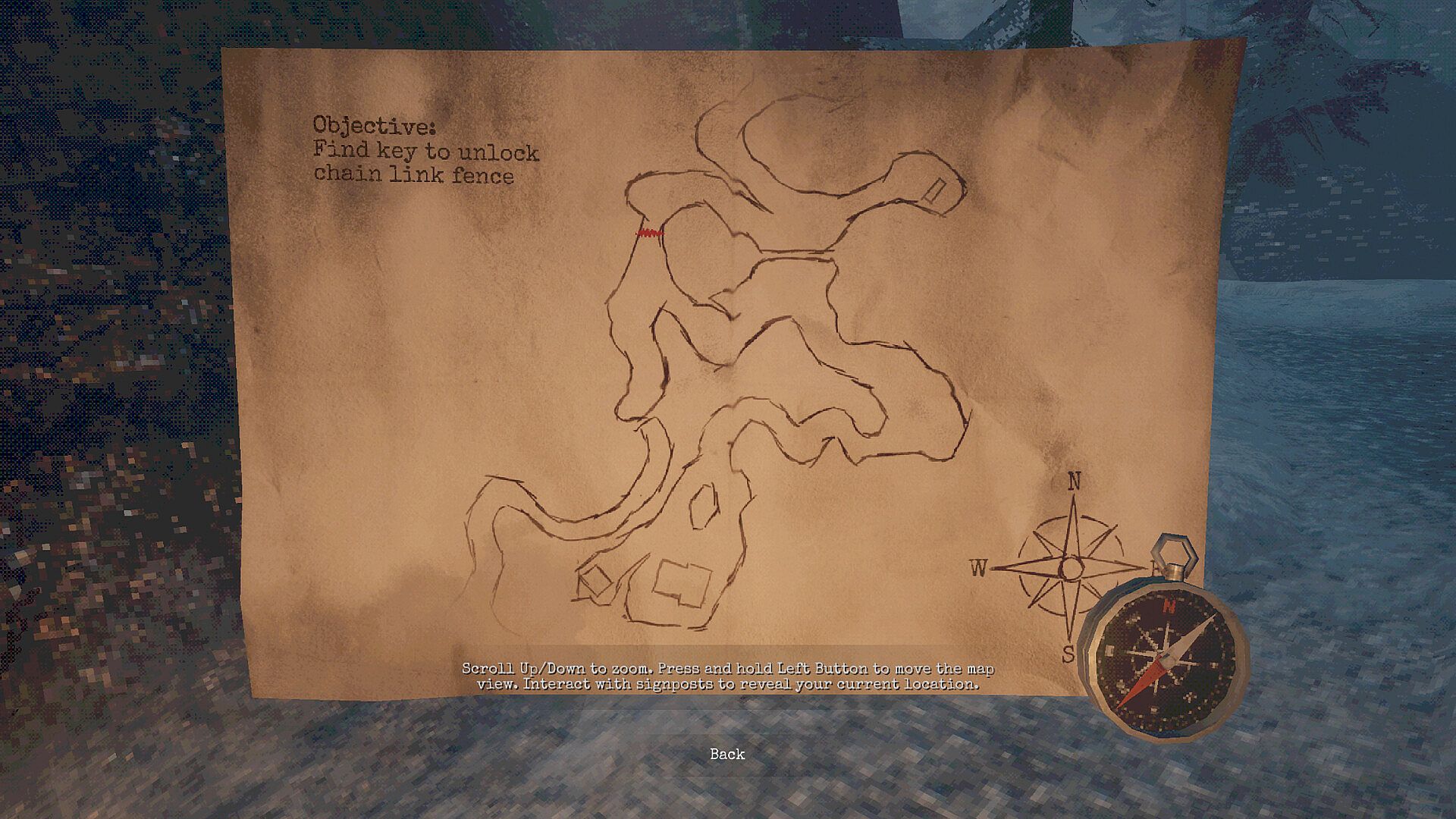
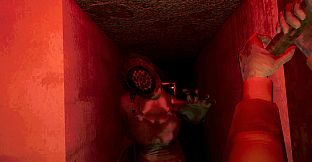
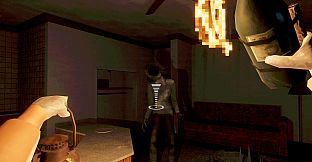
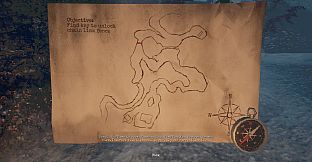
Exploration involves using a map and environmental cues to navigate the puzzling, fragmented layout of the town. Abandoned locations yield tools, weapons, and consumables that support further travel, but poor planning quickly leads to shortages. Combat occurs against Husks, reanimated corpses that pursue the living and require weapons to repel temporarily while only specific methods deliver a lasting defeat.
Resource management ties directly into movement and decision-making. Bullets, matches, and other essentials must be rationed because replacements are never guaranteed. The loop encourages short forays into hostile zones followed by retreats to warmer pockets, building tension through the persistent threat of freezing or running out of essentials before reaching key objectives.
Game Modes
Beneath the Permafrost operates as a focused single-player experience without additional modes or multiplayer options. The entire campaign unfolds through the survival journey toward the Fountain, where every session builds on the same interconnected systems of temperature control, scavenging, navigation, and combat. Progress depends on adapting to the blizzard's demands and the layout of Aurburg rather than switching between distinct game types.
Players advance by chaining survival decisions across repeated expeditions, with failure states tied to cold exposure or resource depletion resetting attempts in the current area. This structure keeps the emphasis on personal strategy and route planning instead of competitive or cooperative elements.
Core Survival Systems
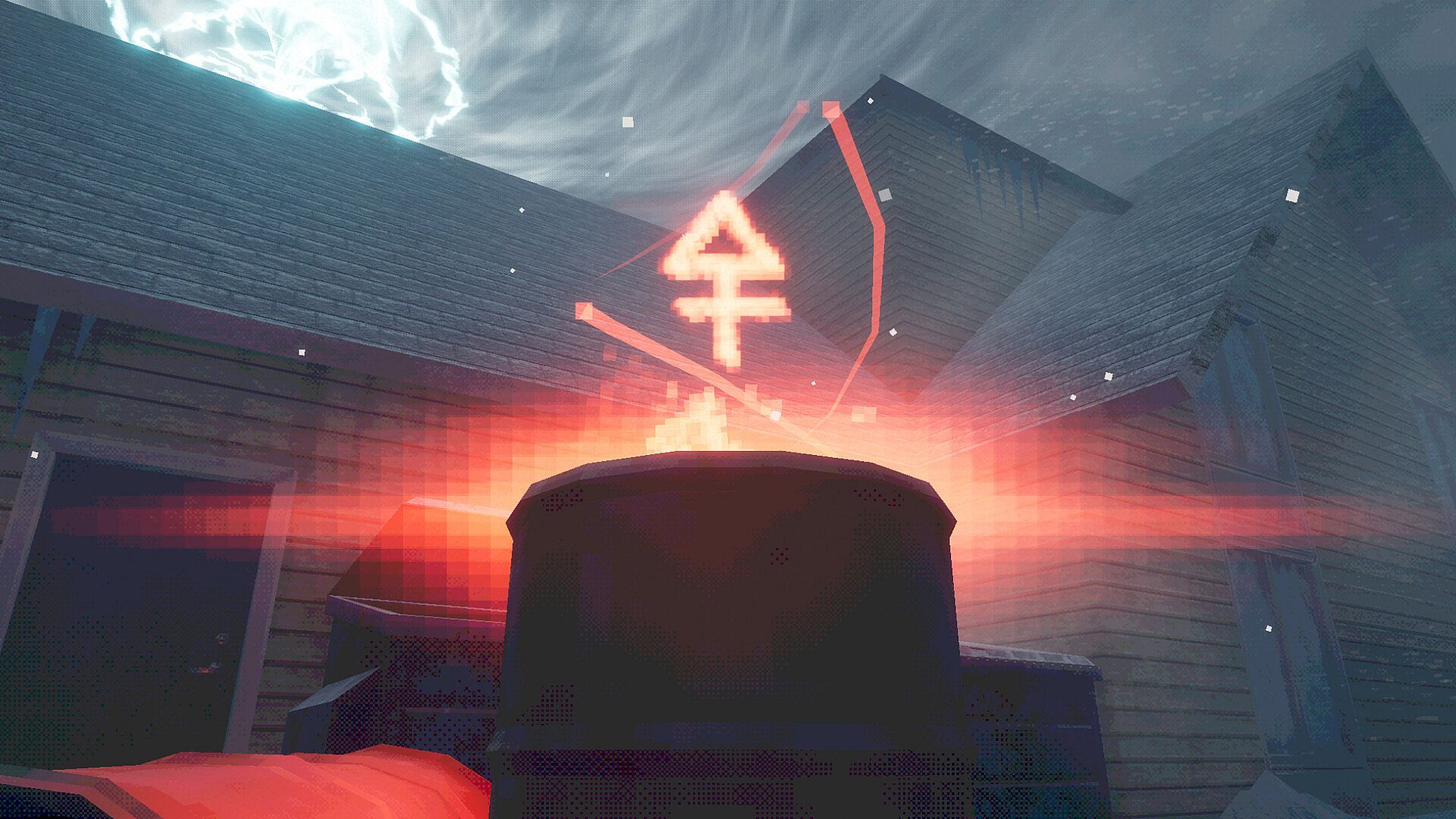
Temperature management forms the backbone of every outing. Lighting fires creates brief safe zones that restore warmth and allow planning the next stretch, but these spots consume limited matches and must be placed strategically. The blizzard itself acts as a constant timer, pushing players to balance exploration depth against the need to return to shelter.
Scavenging rewards methodical searching of buildings and streets for items that extend survival windows. Limited carrying capacity means discarding lower-priority finds to retain matches, ammunition, or medical supplies. Route planning on the map helps identify clusters of potential loot while avoiding unnecessary exposure to open, wind-swept sections of town.
Combat against Husks integrates with the resource economy. Weapons provide temporary relief from attacks, yet permanent solutions require specific actions that consume additional supplies. This keeps fights short and purposeful rather than prolonged engagements.
Is It Worth Playing?
Beneath the Permafrost suits players who enjoy deliberate, resource-driven survival games with a strong emphasis on environmental hazards and inventory choices. The single-player structure delivers a consistent loop of scavenging, warming up, and advancing through a hostile setting without distractions from other modes or online features.
Those drawn to tense decision-making around limited supplies and temperature will find the mechanics rewarding, as every match or bullet spent carries clear consequences for the overall goal of reaching the Fountain. The indie action focus keeps the experience streamlined around these core tensions rather than expanding into unrelated systems.
Because the game remains in development with no released updates or player data available yet, interest depends on tolerance for the described survival loop and patience for potential refinements before full release on PC. The concept aligns well with fans of isolated, atmospheric survival challenges set in extreme conditions.











