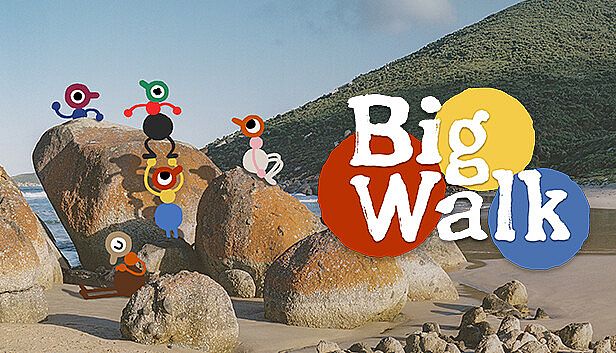








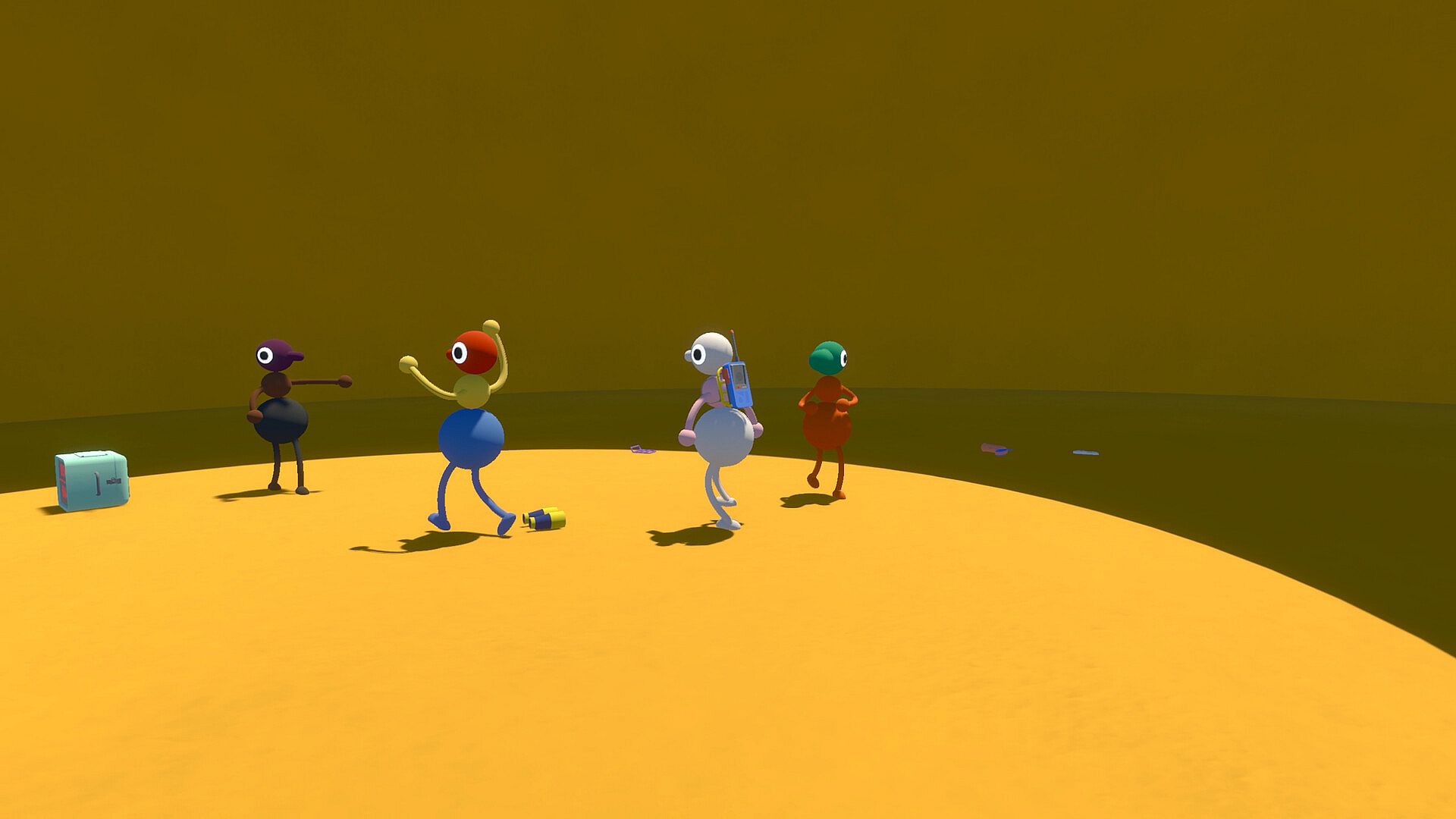
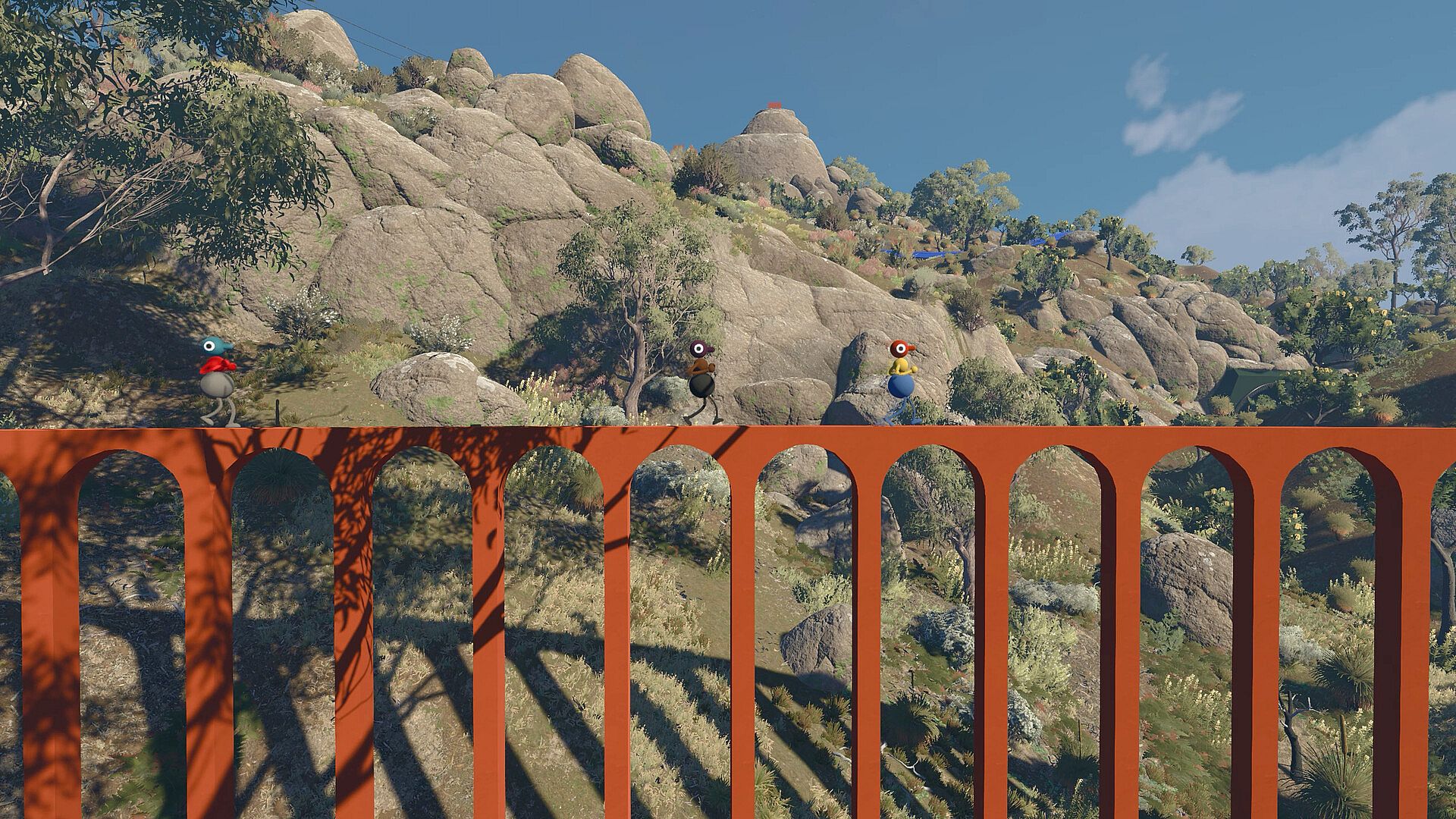
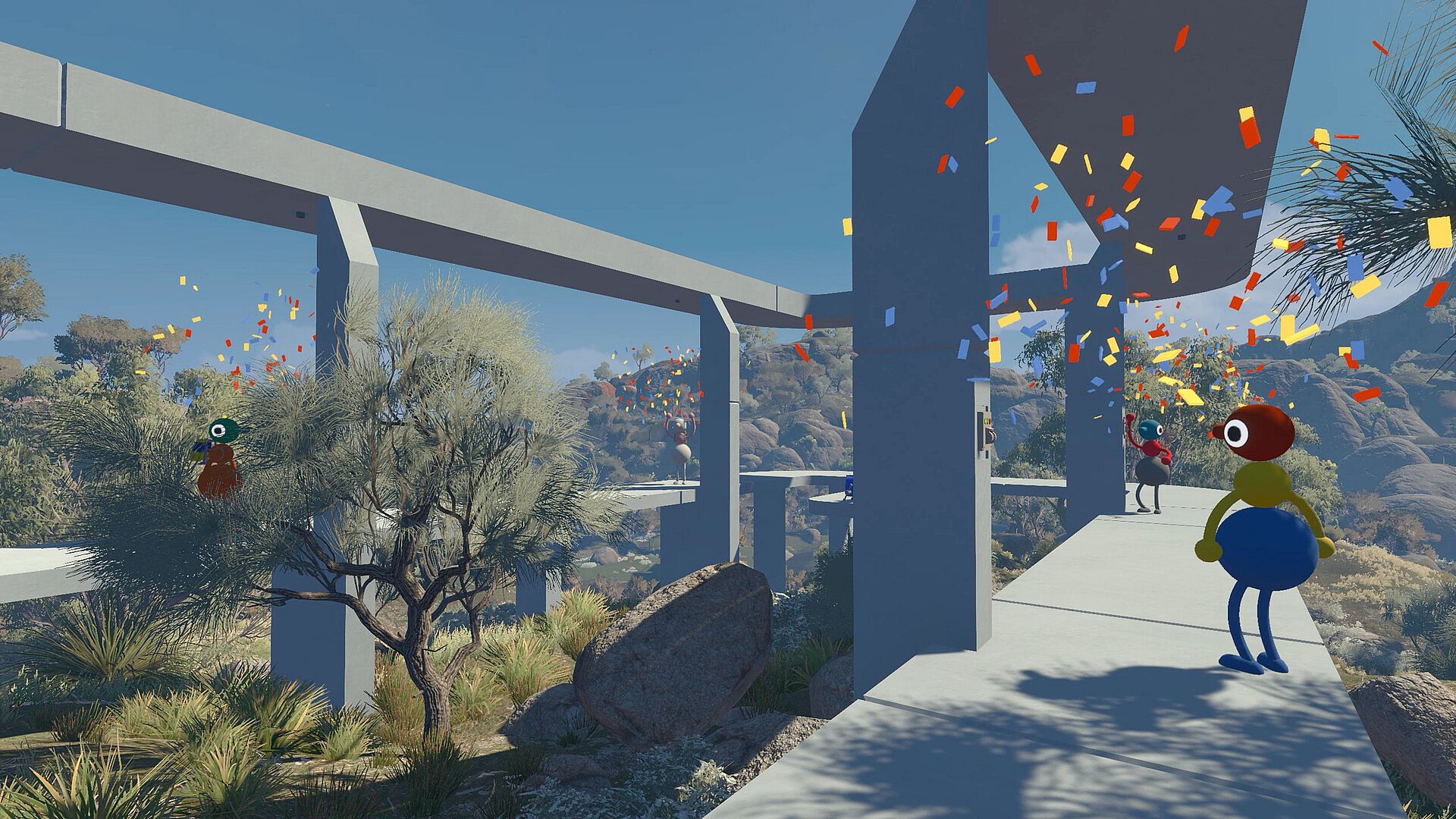
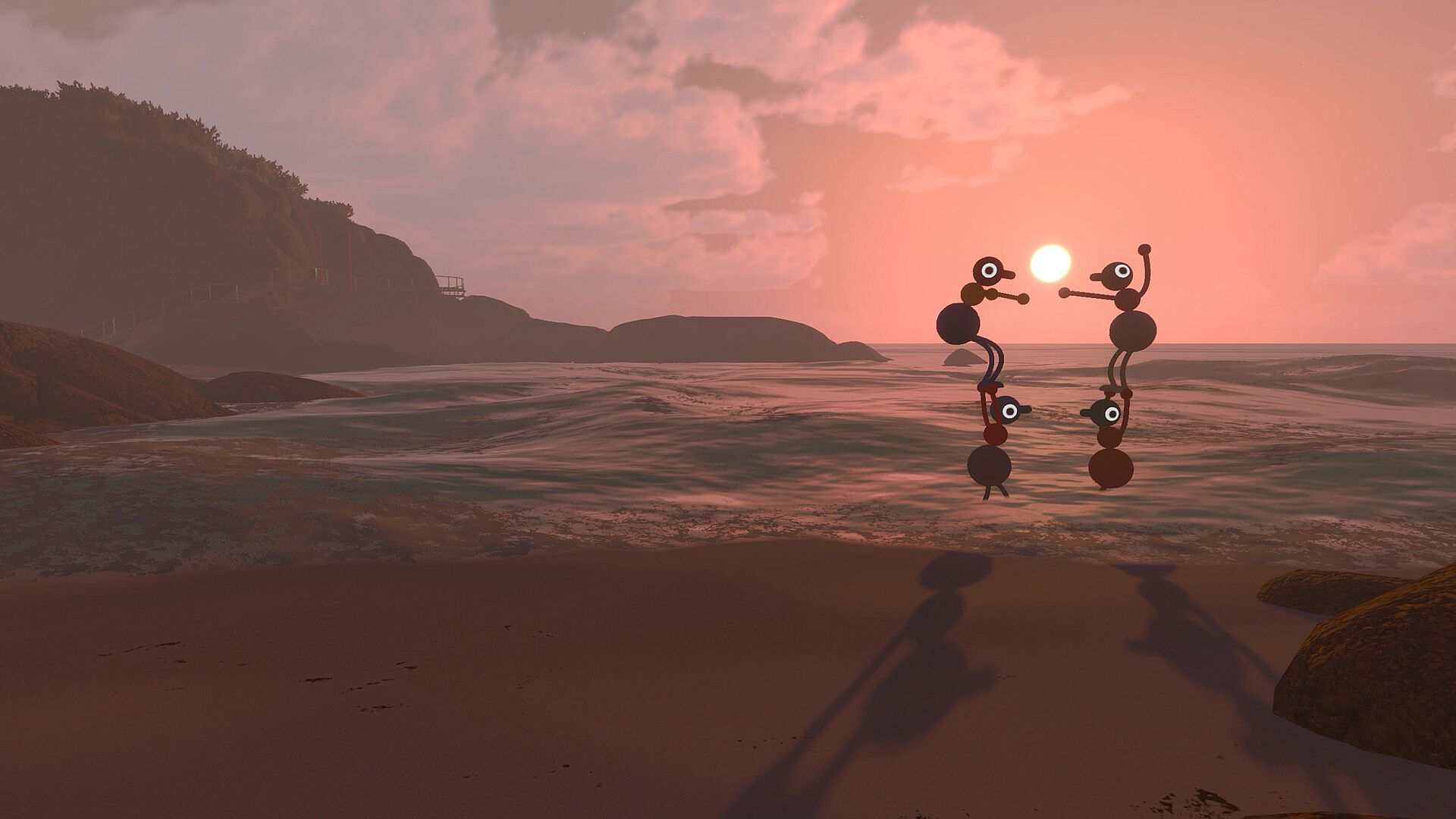
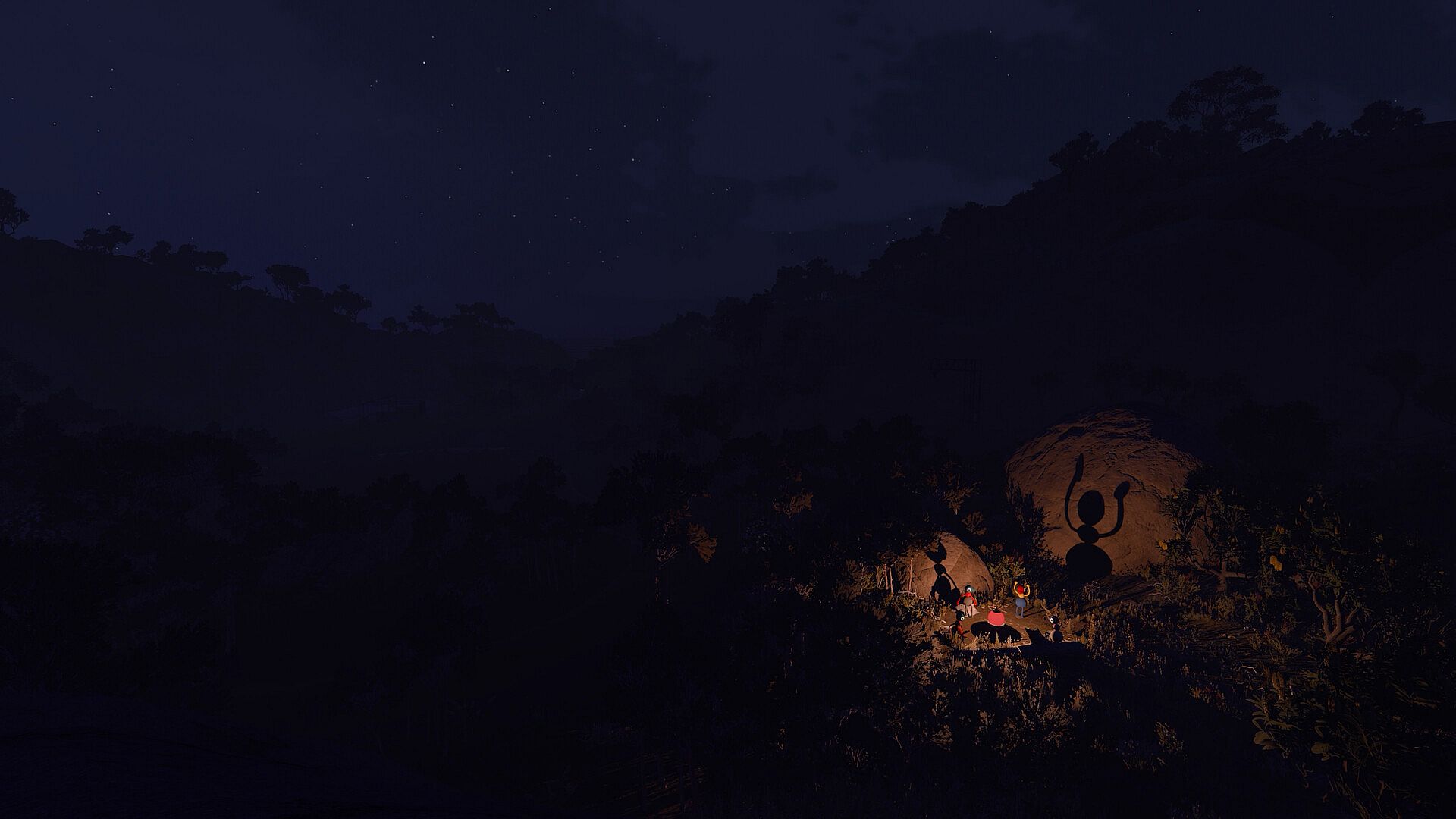
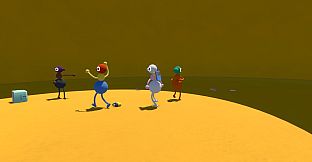
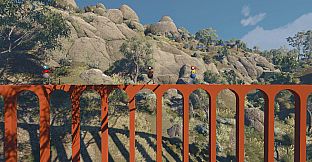
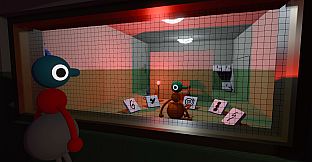
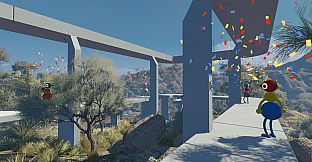



Big Walk stands out as a cooperative multiplayer adventure game designed for PC, where the emphasis falls on teamwork, communication, and lighthearted exploration. Developed by House House, the team behind Untitled Goose Game, this title invites groups of friends to navigate a vast island as quirky birdlike characters, tackling puzzles and uncovering secrets together. With its blend of problem-solving and casual hangout moments, it targets players who enjoy collaborative experiences without high-pressure competition.
Gameplay
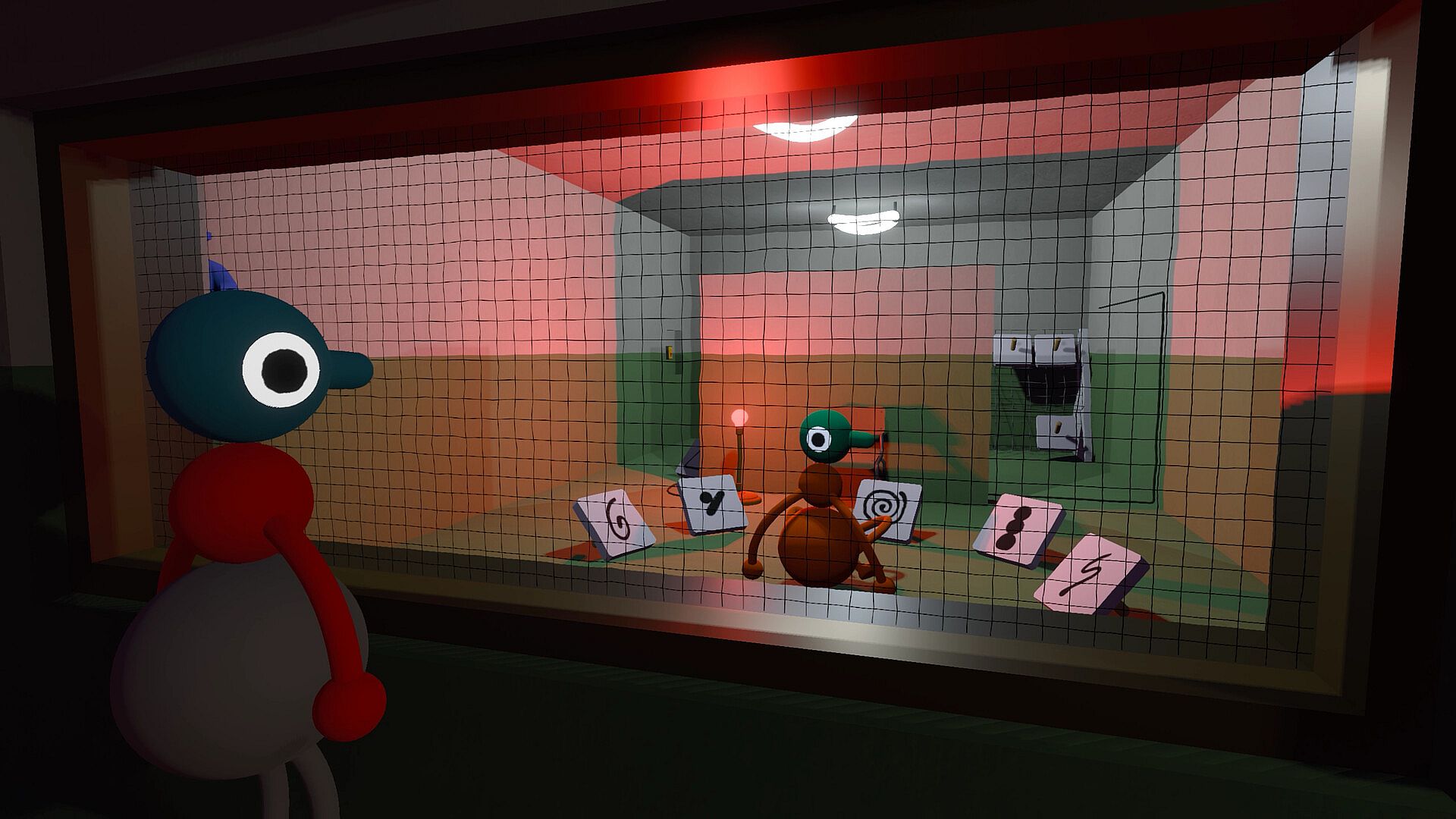
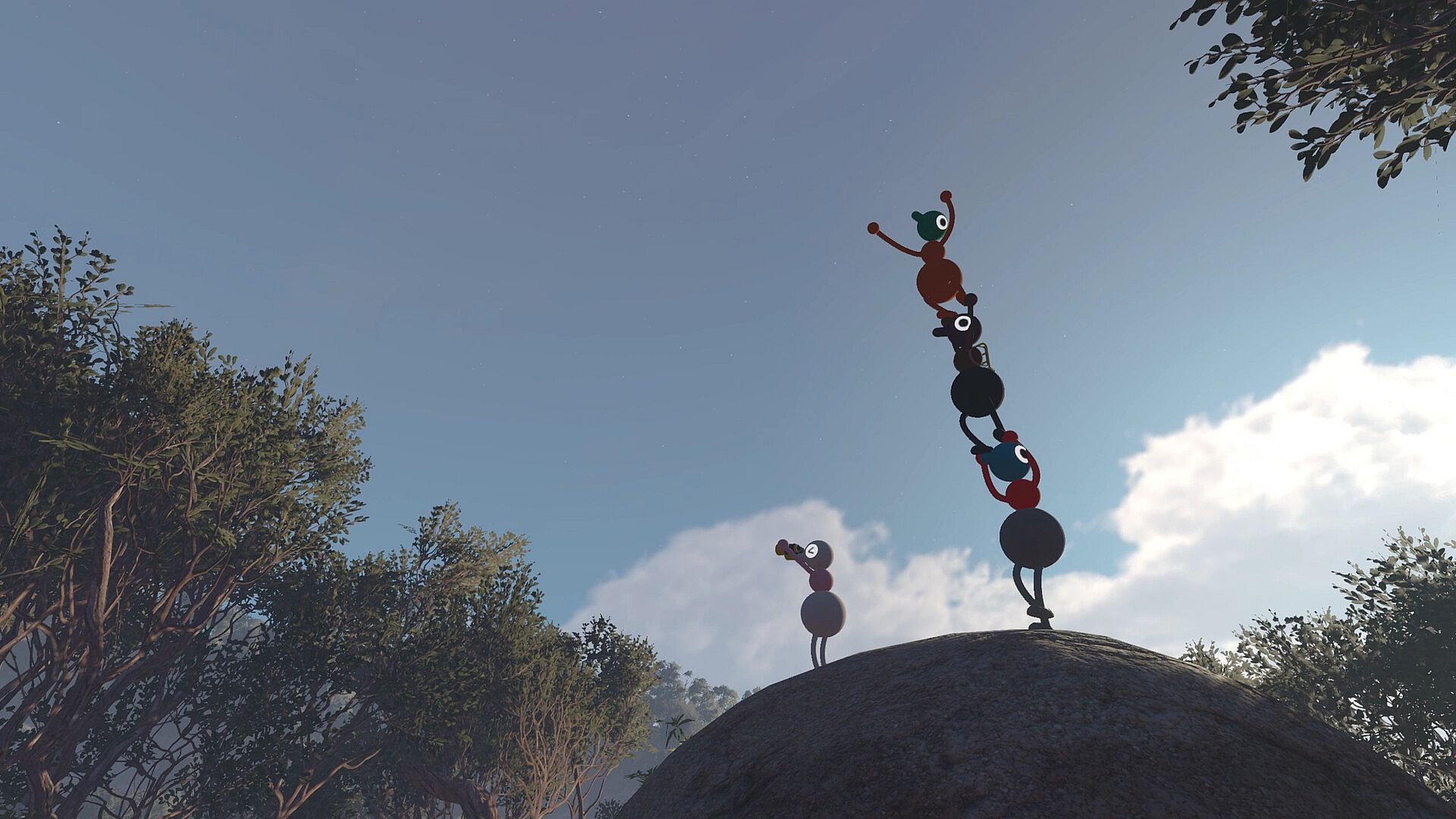
In Big Walk, the core experience revolves around groups of 2 to 4 players controlling birdlike creatures on a sprawling island. You explore the environment, hunt for hidden oblong key items, and solve puzzles that demand close coordination. For instance, one puzzle might require describing hieroglyphs to a teammate who enters a code, while another involves stacking characters to access elevated spots. The game adapts puzzle difficulty to the number of players, adjusting elements like button heights or the need for simultaneous actions to ensure everyone contributes.
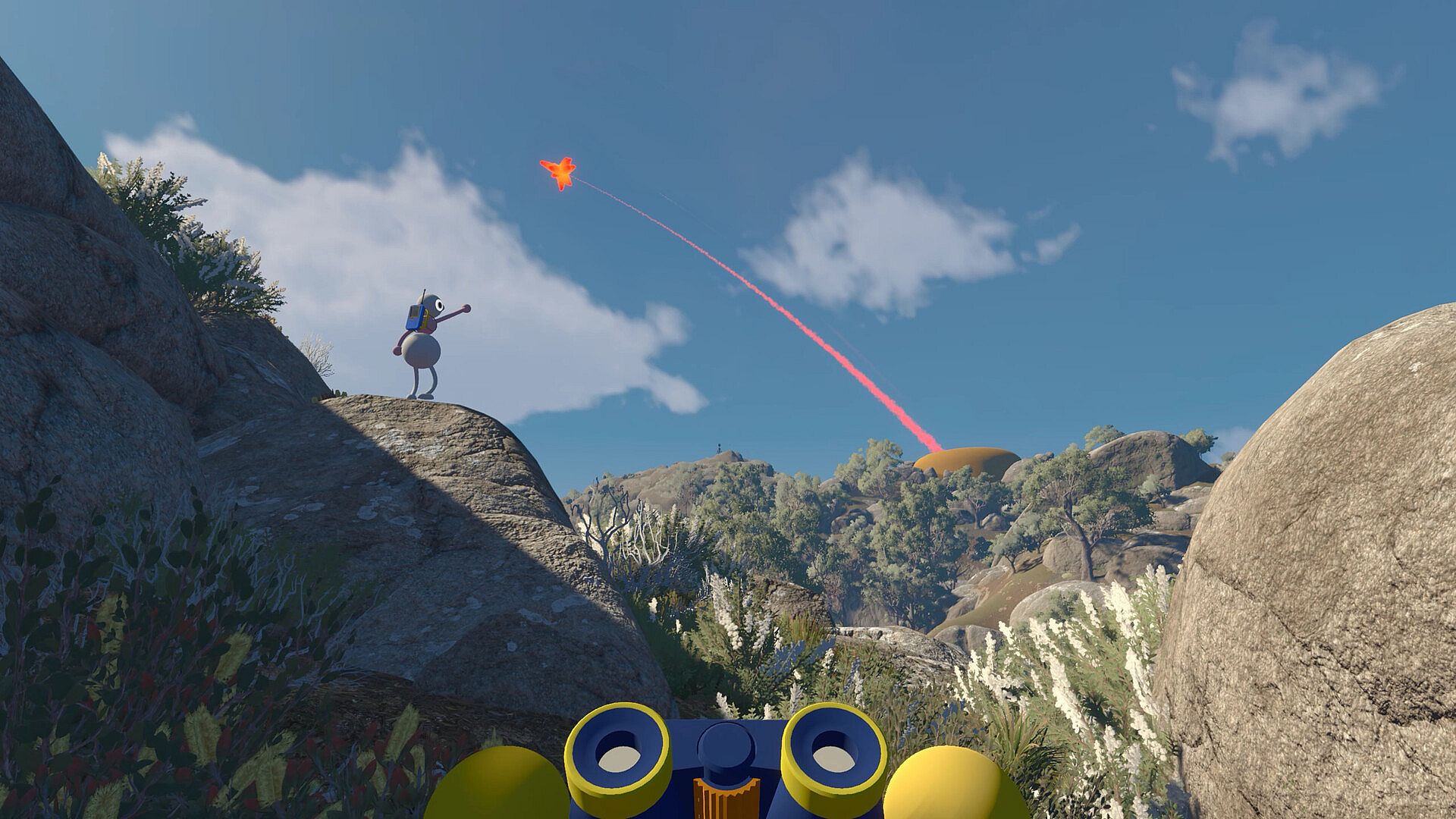
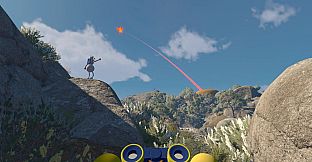
Communication plays a central role, limited to proximity chat where voices fade with distance, forcing reliance on non-verbal methods. Tools include hand signals, arm movements such as raising or pointing, and signs to convey ideas when separated. Exploration feels open-ended, with opportunities to wander, use items like binoculars for scouting, or engage in playful antics like painting your character's colors with a brush. The overall loop encourages creativity in a low-stakes setting, blending puzzle-solving with moments of absurdity and relaxation.
Game Modes
Big Walk centers on a single cooperative mode, where players team up online to progress through the island's challenges. There are no distinct named modes like competitive or solo options; instead, the focus remains on multiplayer collaboration for 2 to 4 participants. Puzzles and tasks scale dynamically with group size, making each session feel tailored to the team's composition.
This setup promotes shared discoveries and problem-solving, without branching into separate playlists or variants. If you're playing with fewer friends, the game adjusts accordingly, but the essence stays rooted in group interaction across the open world.
Key Mechanics and Features
Several mechanics enhance the cooperative nature of Big Walk. Non-verbal communication tools, such as specific left or right arm controls for combinations, become essential when voice chat isn't viable due to distance. Items like binoculars allow remote verification of actions, adding layers to split-group scenarios.
Features for downtime include rest stops with ambient music and scenic views, perfect for watching sunsets or simply chatting. Playful elements, such as stealing a friend's binoculars and tossing them into the ocean, inject humor and encourage mischief. The game's world supports these interactions, with a roughly 10-hour duration that balances structured puzzles and free-form exploration.
Is It Worth Playing?
Based on early previews from major outlets like IGN and Game Informer, Big Walk shows strong promise for those who appreciate cooperative puzzle games with a silly twist. Critics highlight its emphasis on teamwork and creative communication as refreshing, especially in a low-pressure environment that fosters fun over frustration.
If you enjoy titles that prioritize hanging out with friends while solving light puzzles, this could be a solid pick upon release in 2026. However, with the game still upcoming and no player reviews available yet, its appeal hinges on your interest in multiplayer adventures. Solo players might find it less engaging due to the co-op focus, but groups looking for a relaxed, collaborative experience will likely find value here.