




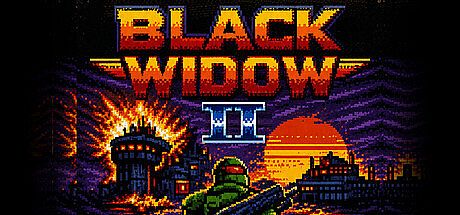


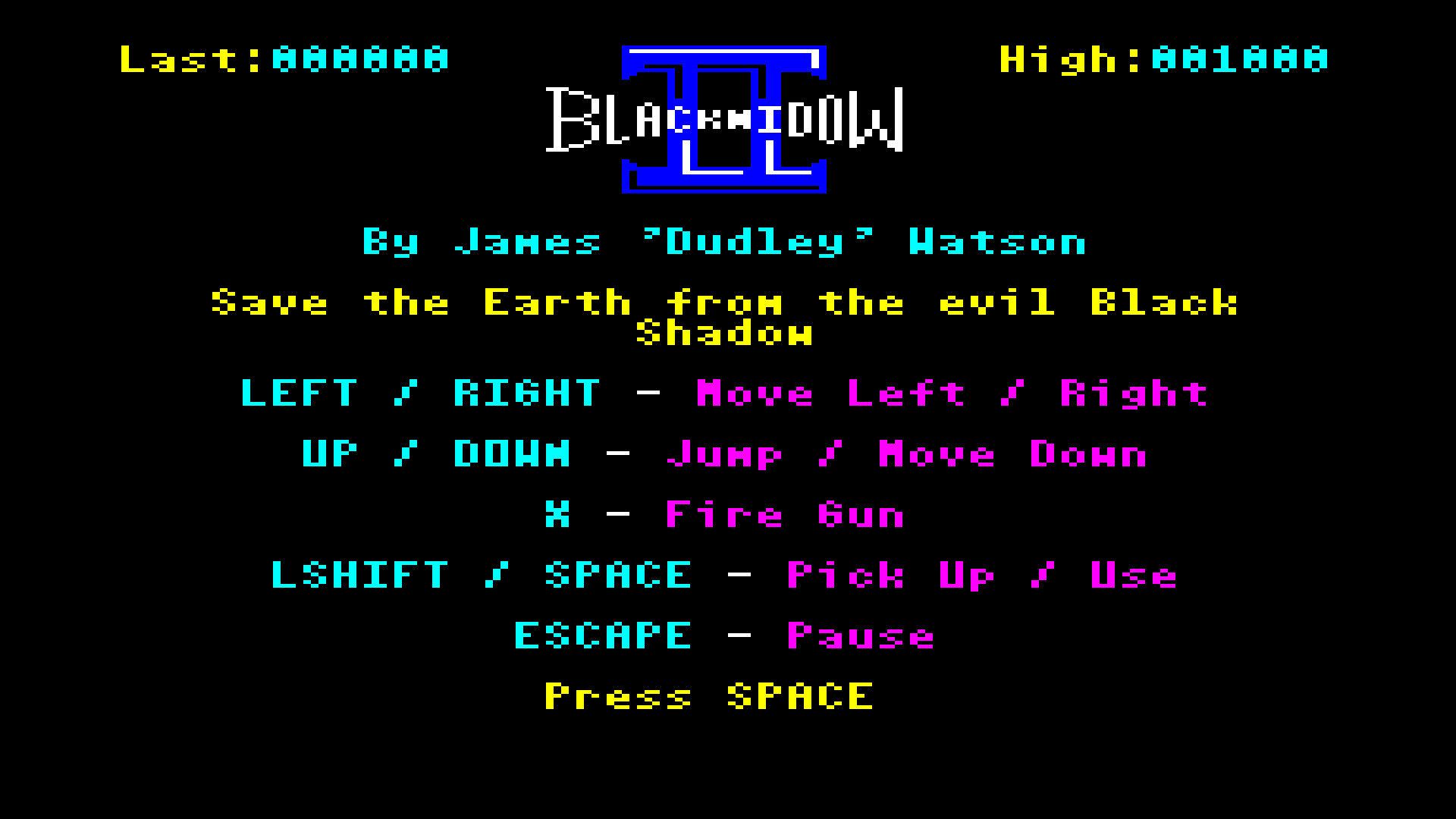
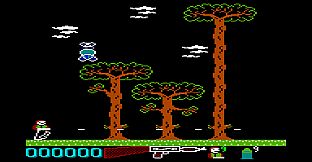
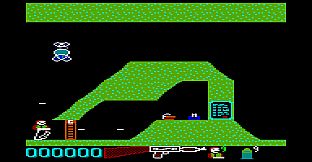
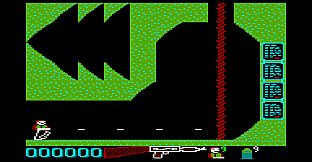
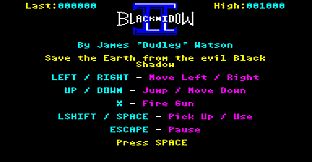
Black Widow II is a single-player action-adventure platform game set in a retro-inspired underground base infiltration scenario. Players control the Black Widow on a mission to locate and neutralize a criminal threat known as the Shadow, who plans to release a deadly virus unless demands are met. The experience blends exploration, combat, and puzzle-solving elements drawn from its origins as a 1994 BBC Micro title, now updated with modern enhancements while preserving the core loop.
Gameplay
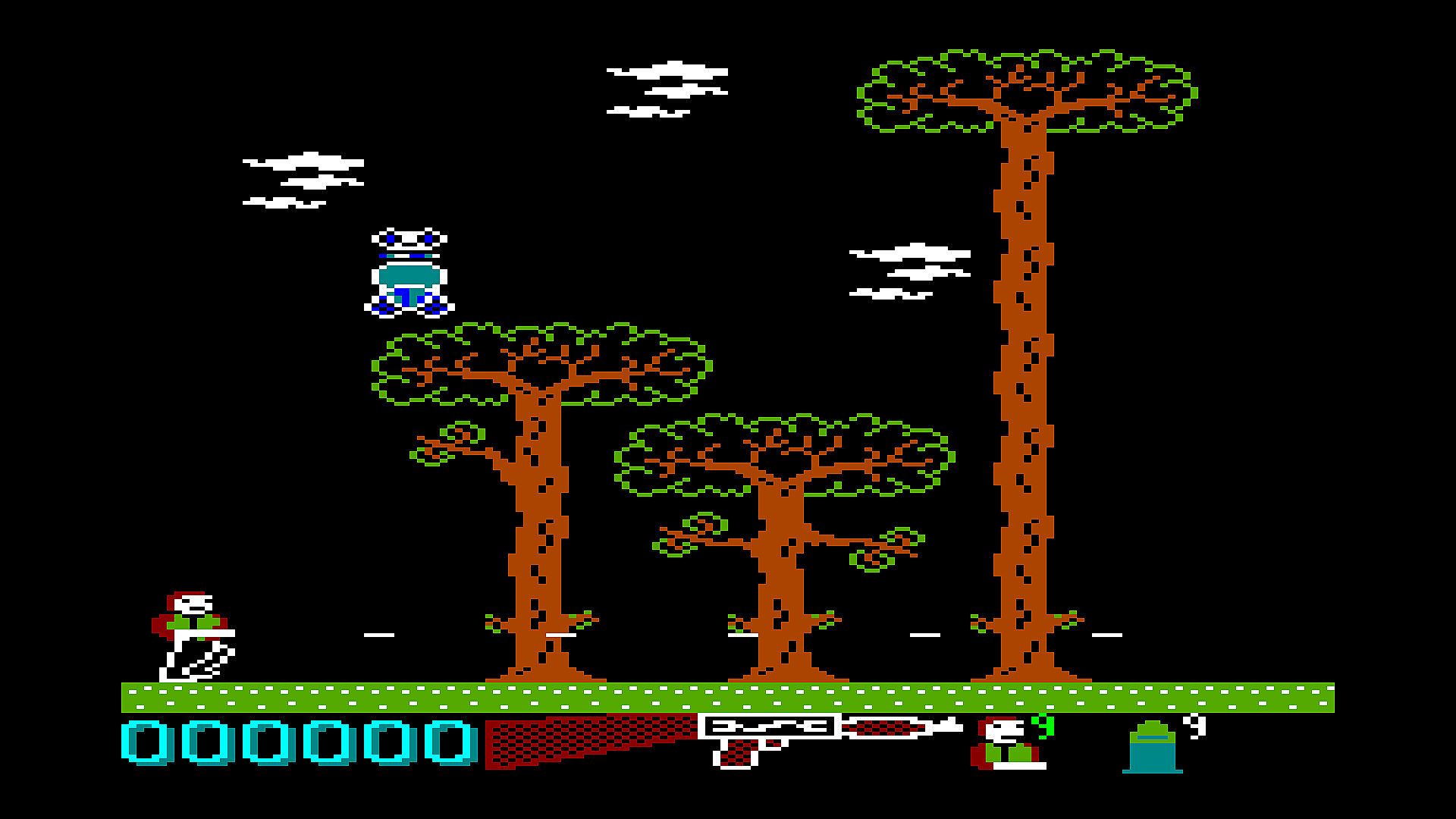
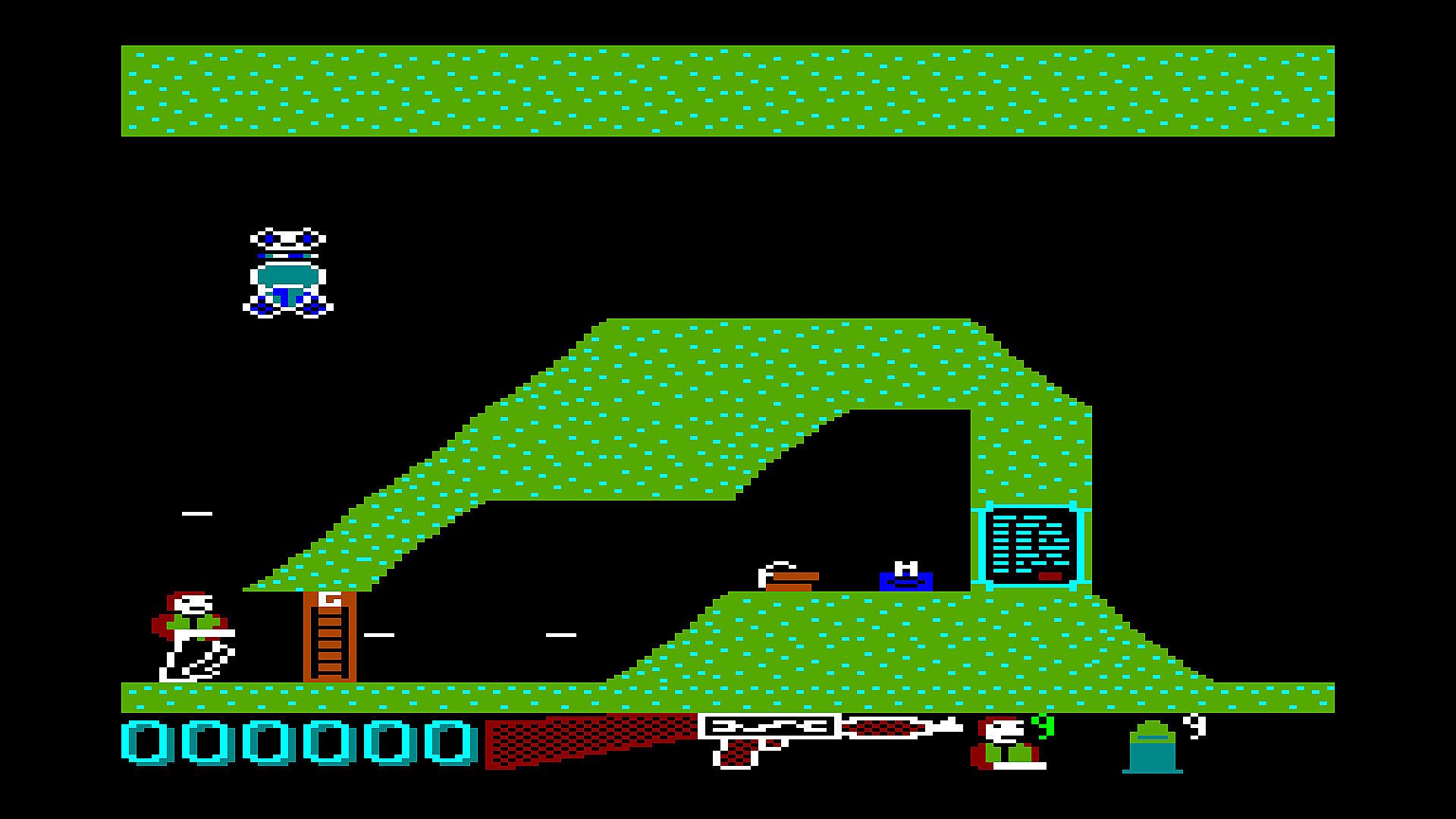
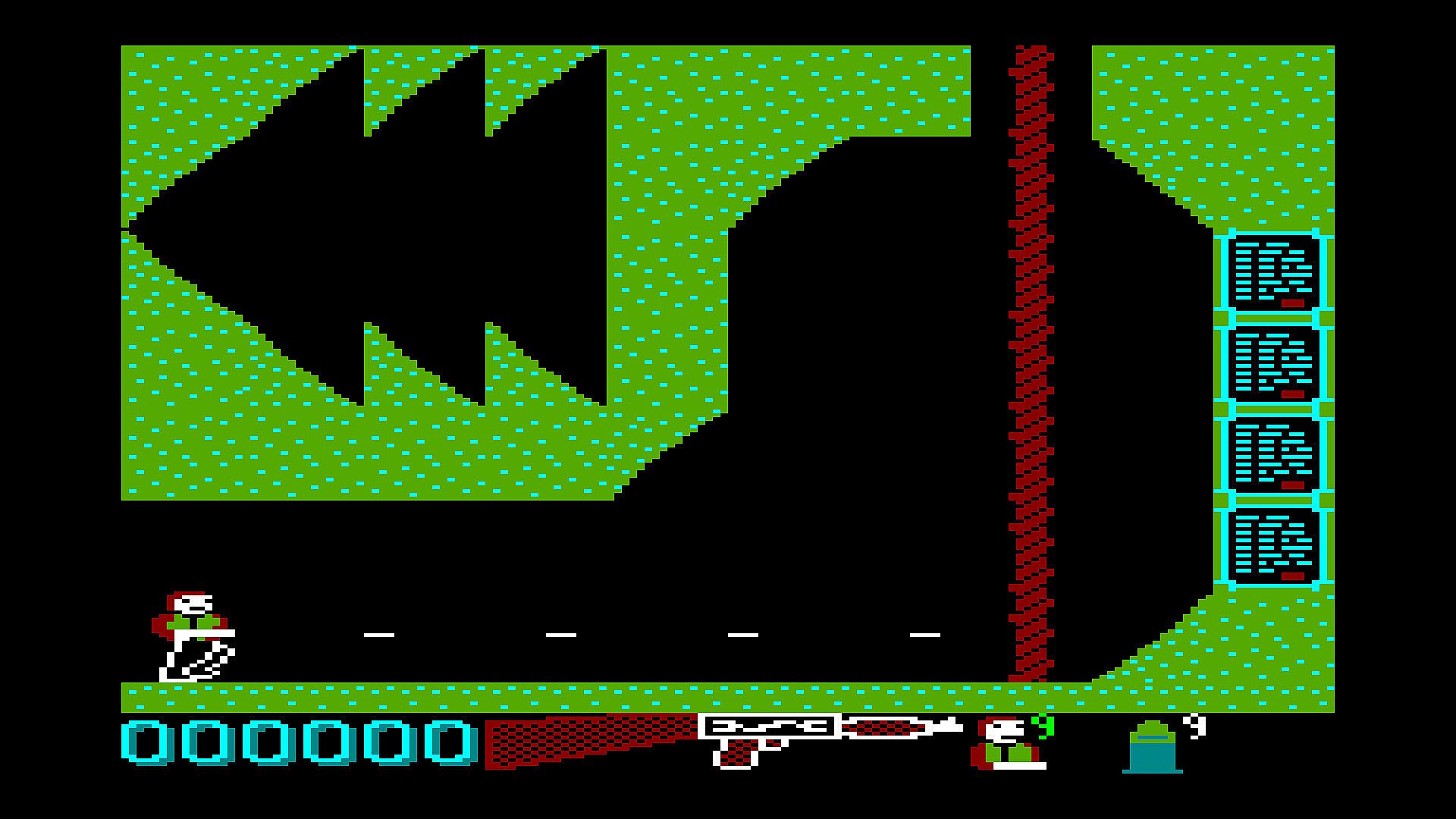
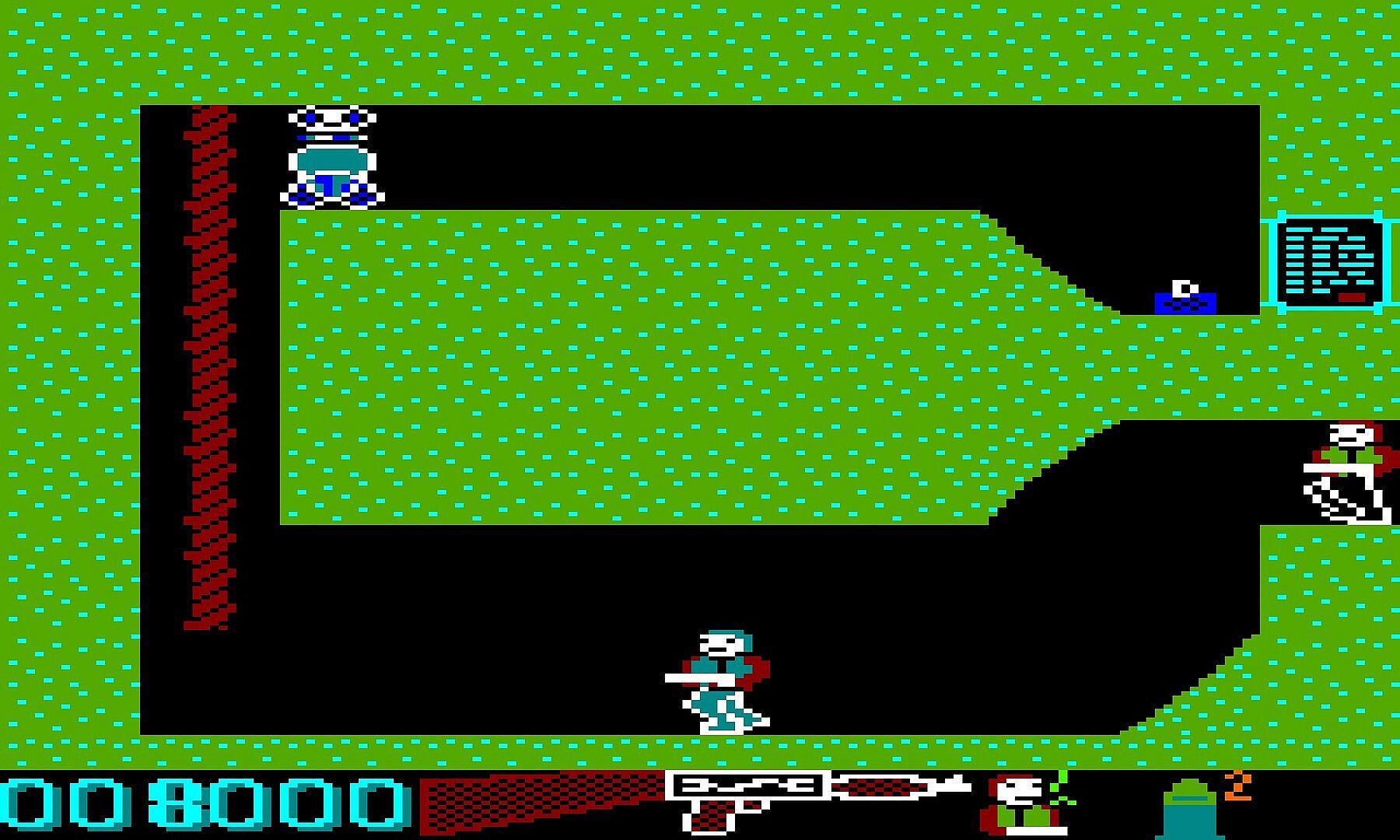
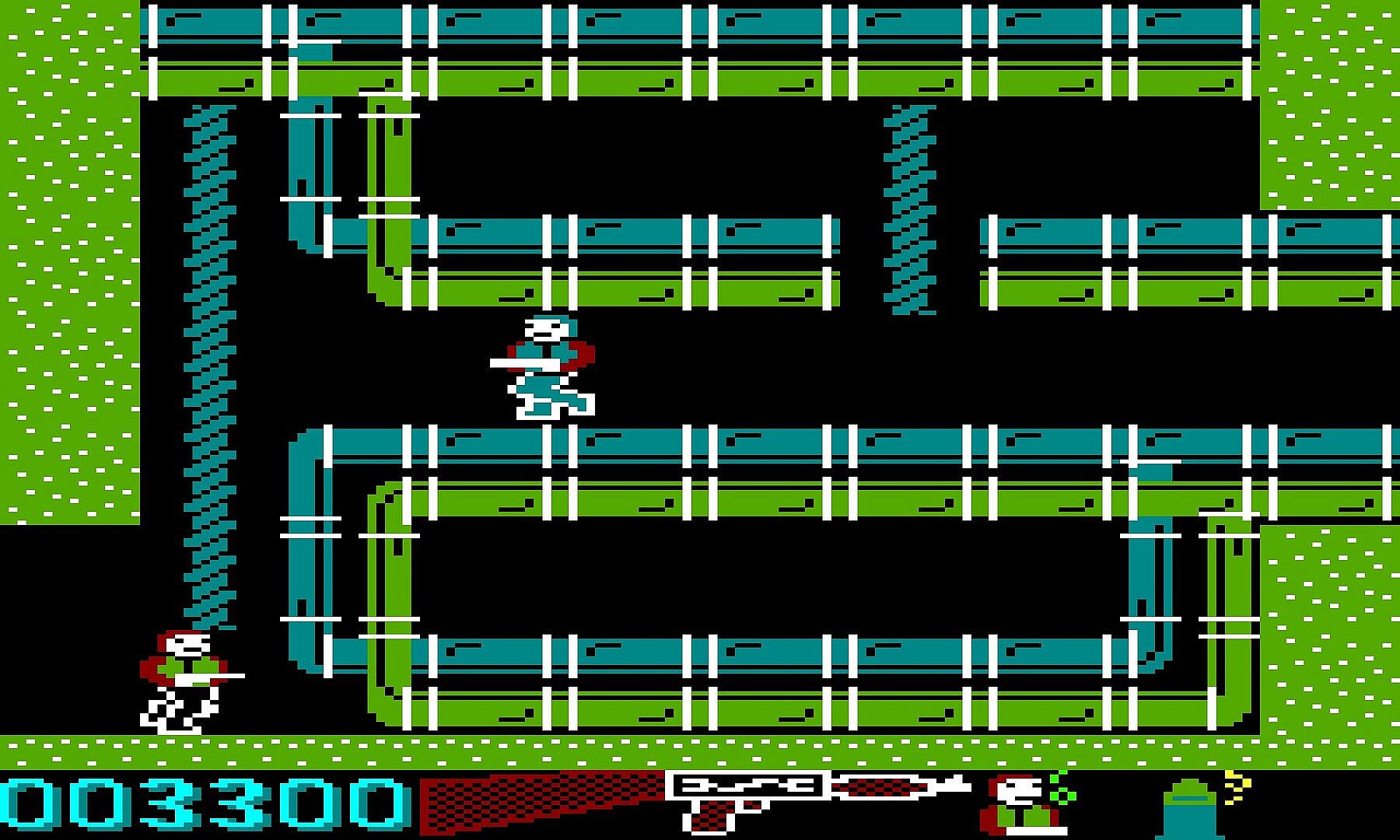
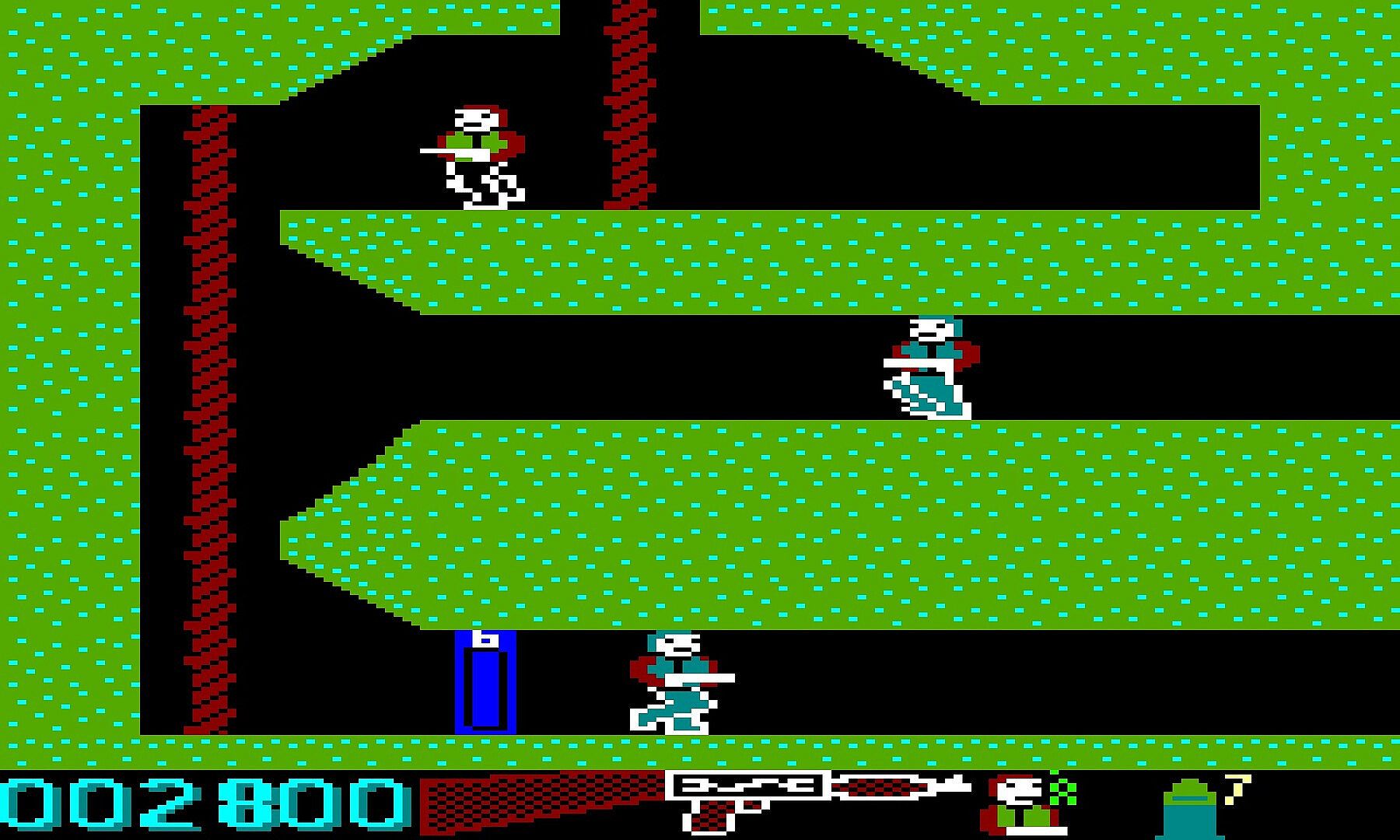
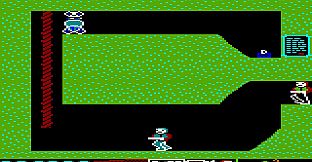
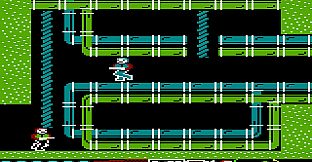
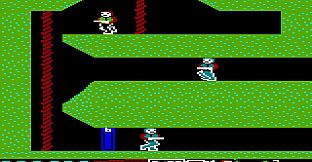
The central loop involves navigating interconnected screens in a side-scrolling format with free movement in multiple directions, including the ability to climb ropes. From an above-ground starting point, the player must breach layered defenses by locating key cards that grant access to deeper sections of the base. Strategic positioning matters during gunfights, as enemy projectiles can intersect and disrupt incoming shots from guards and bombers.
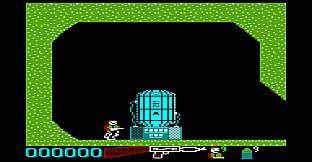
Resource management forms a key part of survival. Ammo crates and first aid kits scattered throughout the environment replenish supplies, while players are limited to carrying two items at a time for use in puzzles or progression. Collision detection supports precise shooting, and a score system tracks performance across runs. The original design limited the palette to four colors at once, but the modern port expands options without altering core mechanics.
Additional systems include save states for resuming progress, a high score table, integrated achievements, and optional cheat modes. These features position the release as a definitive edition that builds on the 1994 version originally published via Acorn Computing subscription disc.
Game Modes
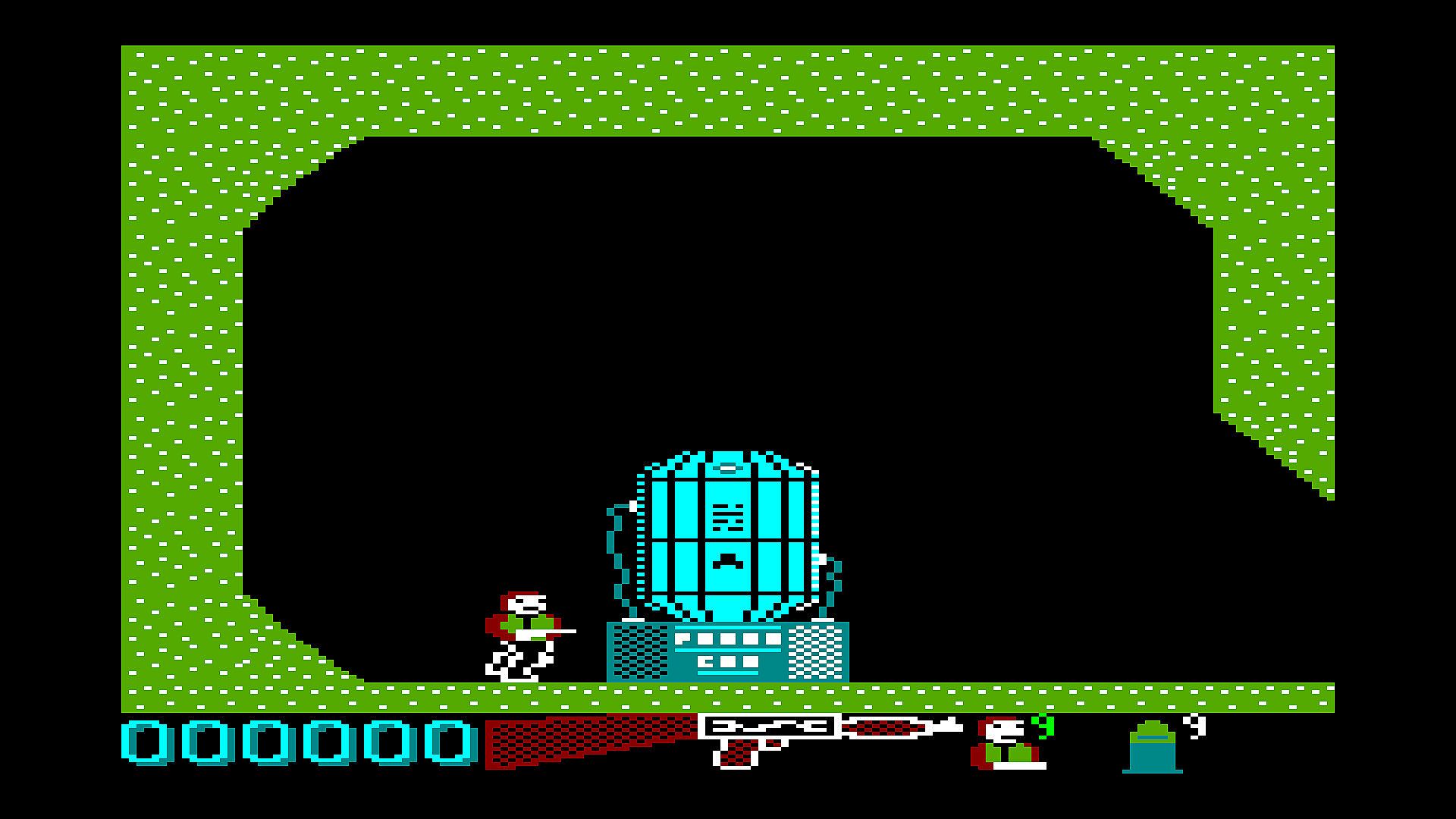
Black Widow II operates as a single-player experience with no multiplayer components. The primary mode centers on the base infiltration mission, where success requires penetrating defenses, collecting key cards, placing explosives, and escaping before the virus threat materializes. Different graphics configurations provide visual variety while keeping gameplay identical across all versions.
Four distinct visual options are available. The classic BBC Micro look recreates the original 1994 presentation. A VideoNULA expanded palette variant offers an updated retro aesthetic. The enhanced edition introduces additional colors and revised text, supporting either the standard BBC Micro palette or the expanded VideoNULA option. All configurations maintain the same enemy behaviors, item placement, and progression requirements.
Development and Updates
Development began in 1989 but paused during university studies before completion in 1994. The modern C++ implementation using LibSDL2 expands on an earlier 2022 prototype created for SmileBASIC on Nintendo Switch, which included a 6502 emulator and BBC Micro simulator. This PC version adds a front-end interface, expanded color support, and quality-of-life features such as save states without changing the fundamental action-adventure structure.
The game remains in a coming-soon state on its primary distribution platform, with the developer focusing on delivering a faithful yet accessible revival of the platform genre title. No seasonal content or post-launch updates have been detailed beyond the built-in graphics and feature options.
Is It Worth Playing?
Black Widow II appeals to players interested in retro platformers that combine shooting, exploration, and light puzzle elements within a compact single-player campaign. Its emphasis on resource scavenging, precise combat positioning, and multi-directional navigation offers a focused experience suited to those who enjoy methodical infiltration gameplay rather than open-world freedom or competitive modes.
With no user reviews available at launch and a release date still pending, reception remains untested in the broader market. The inclusion of multiple graphics modes, achievements, and modern conveniences like save states makes it a solid choice for enthusiasts of 1990s BBC Micro and Acorn titles seeking an updated take on the original. Those preferring fast-paced action or multiplayer features may find the deliberate pace and single-player focus less engaging, while fans of classic platform-adventure hybrids will appreciate the preserved mechanics and visual flexibility.











