


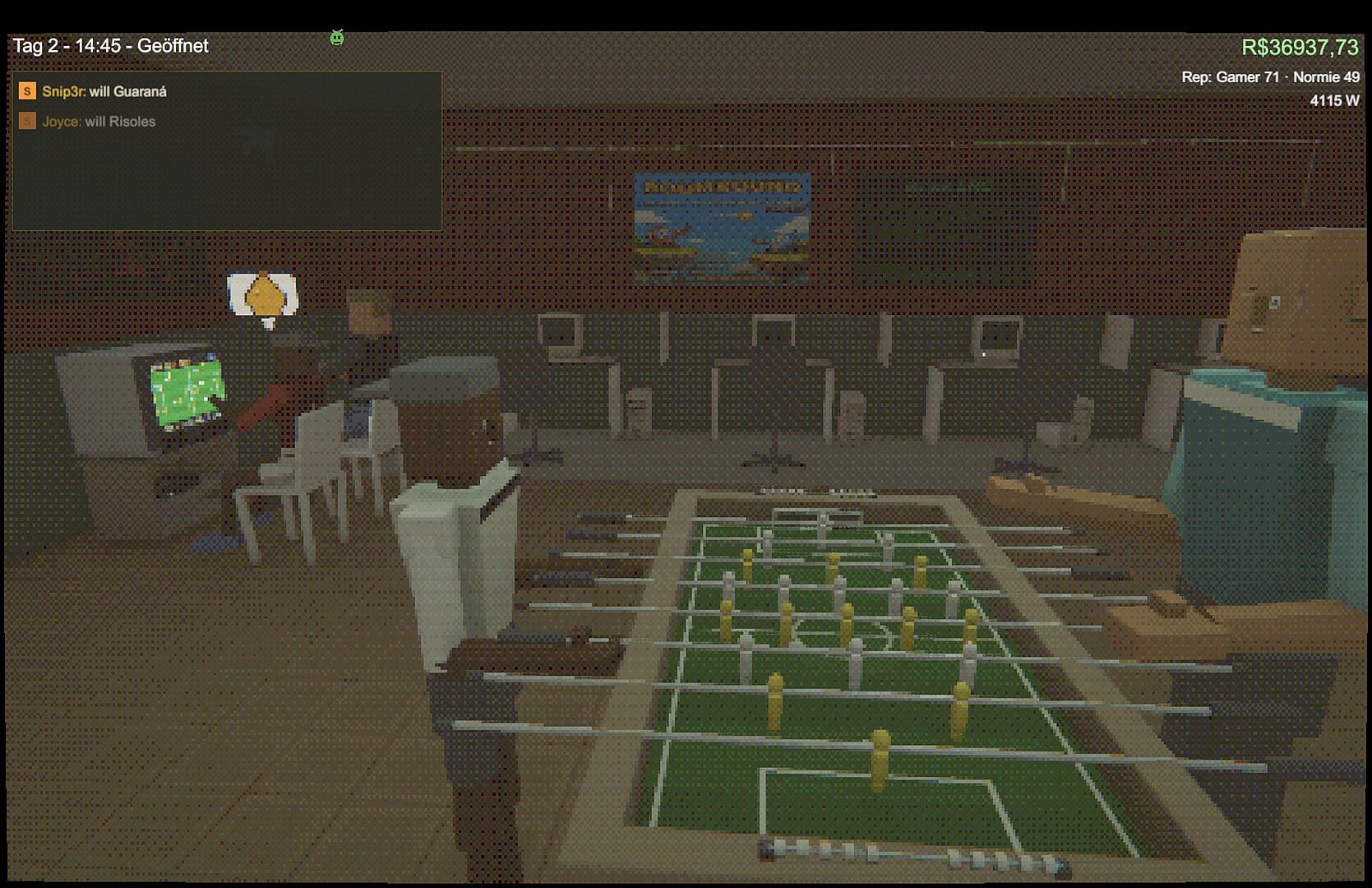
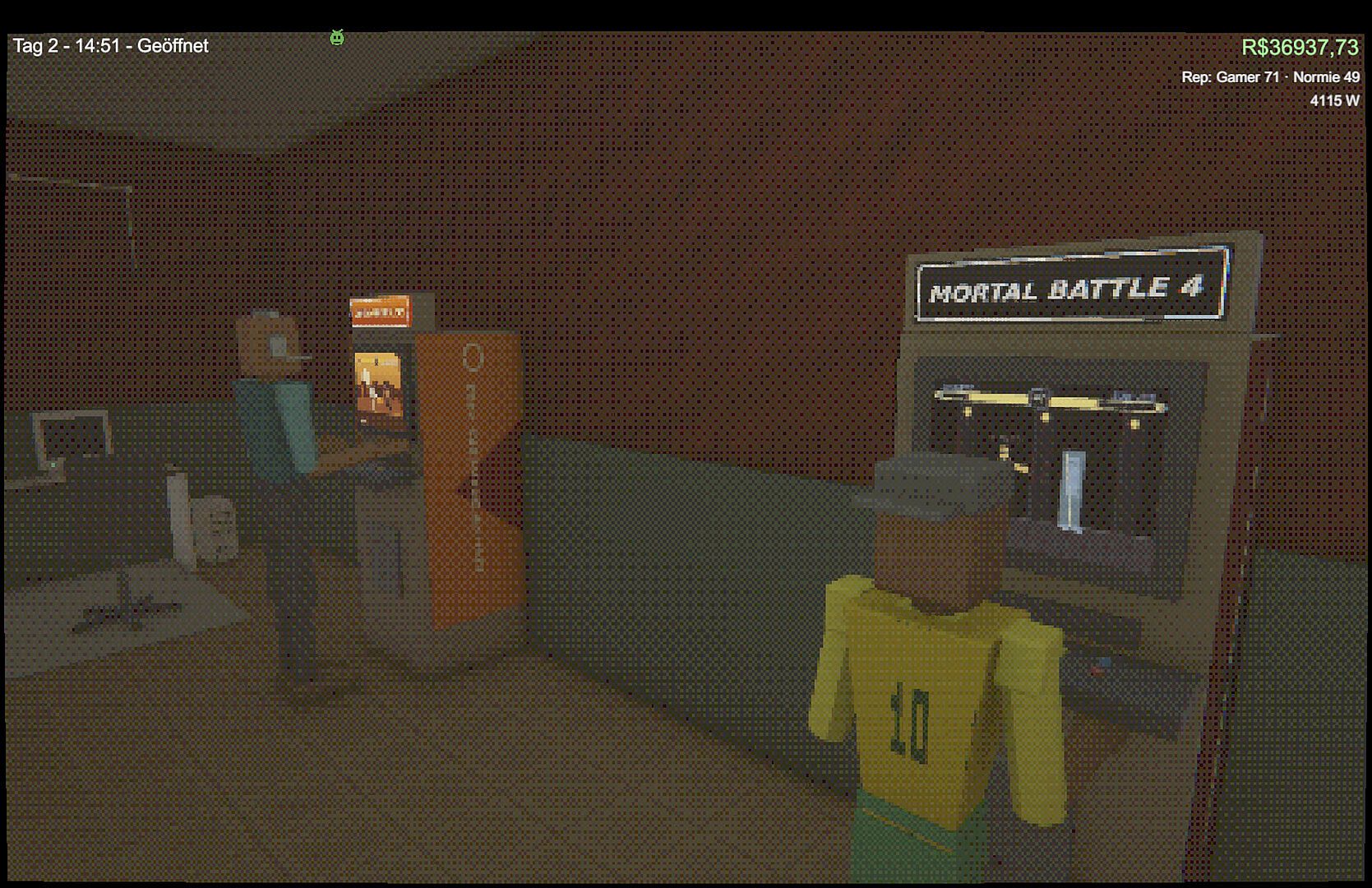
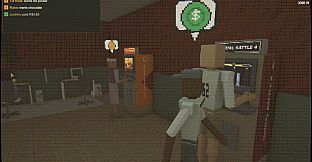
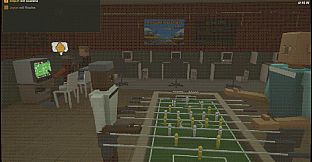
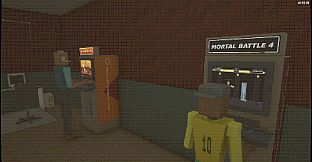
Brazilian LAN House 2003 is an indie simulation game set in Brazil during the early days of broadband internet. Players take on the role of running a small LAN house business with a handful of beige PCs, charging customers R$2 per hour while balancing cash payments and credit tabs recorded in a caderninho notebook.
Gameplay
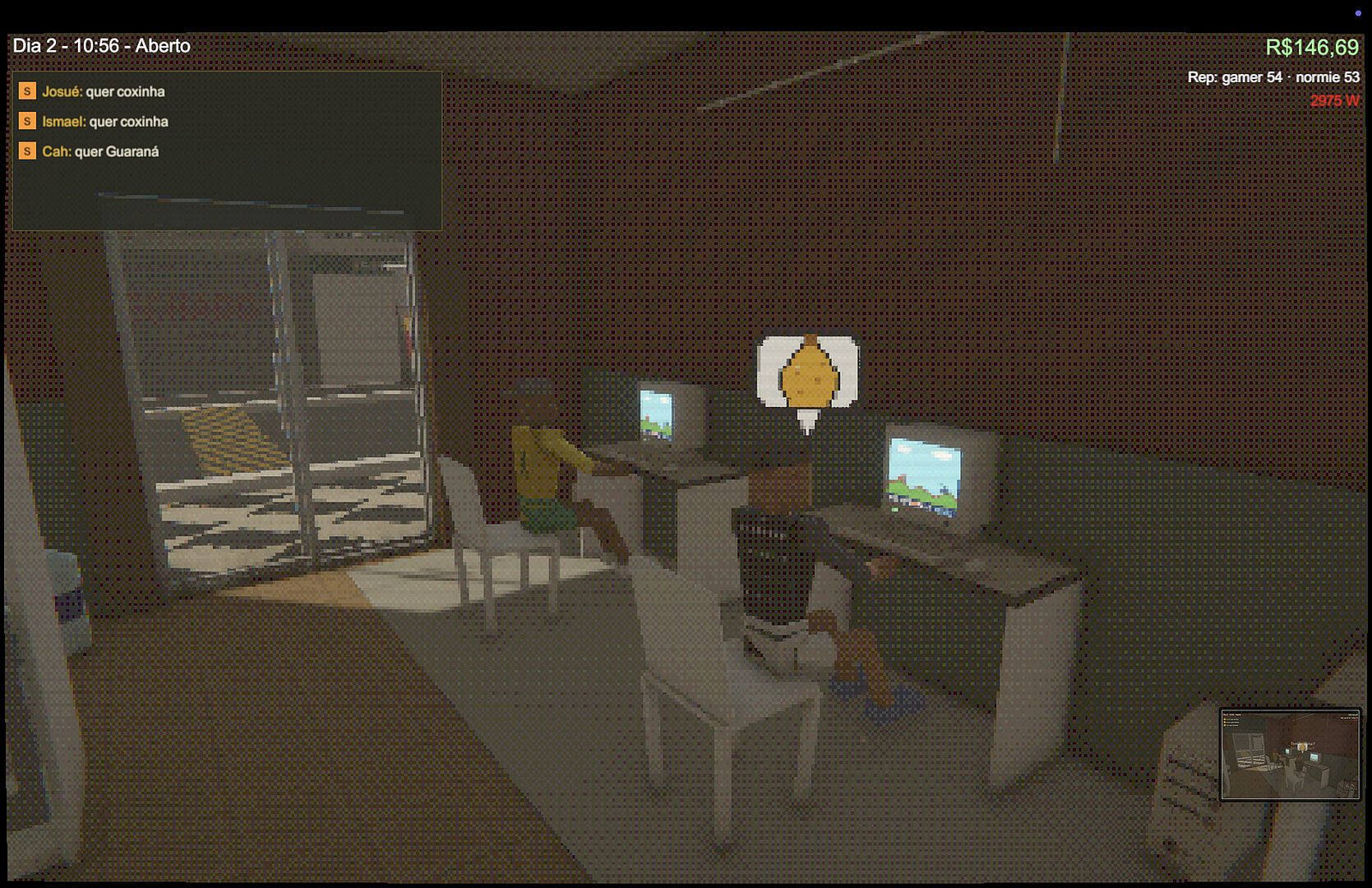
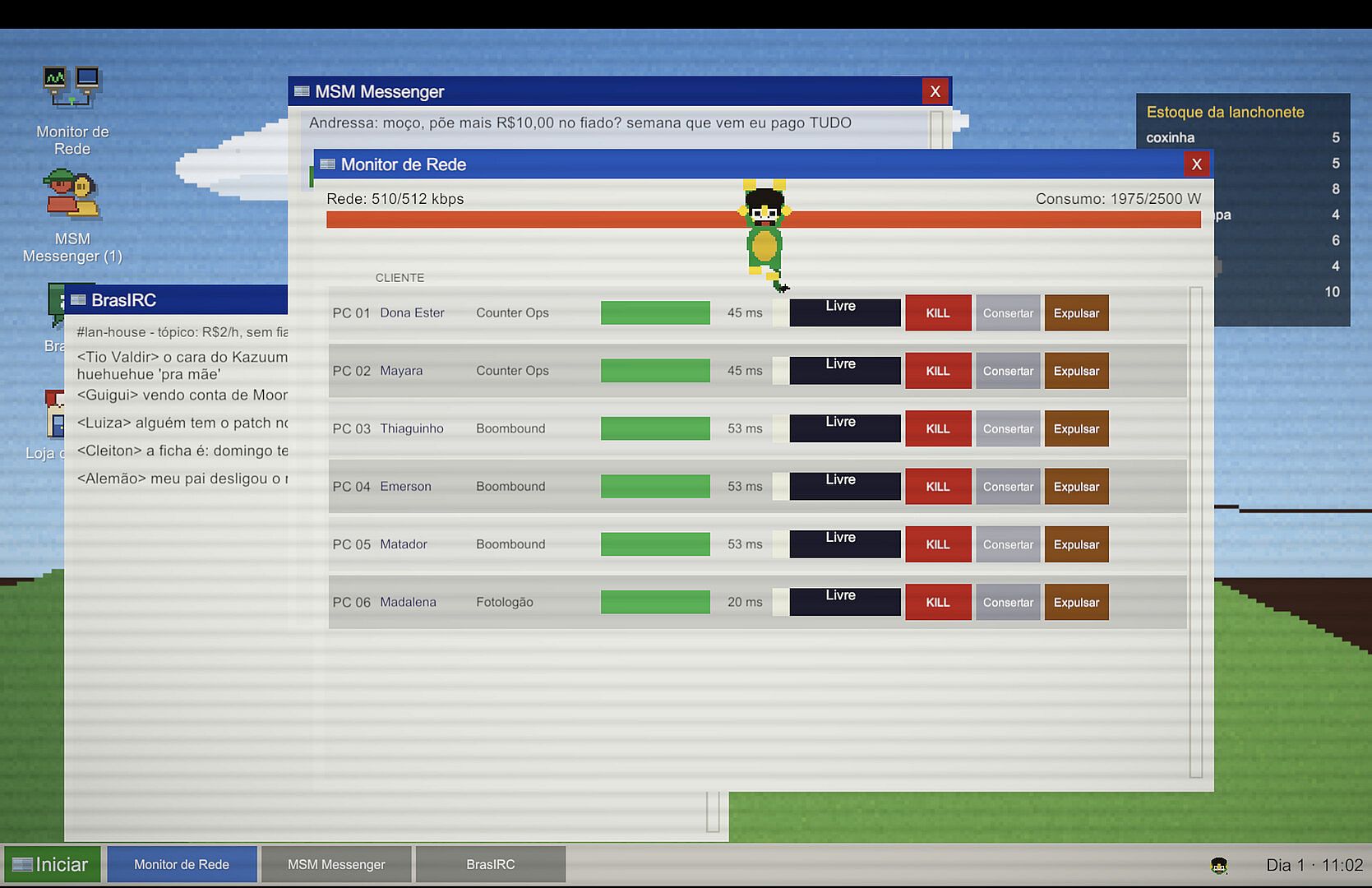
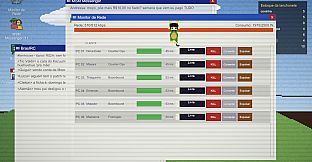
The core loop centers on day-to-day operations inside a modest room equipped with six computers sharing a single 512 kbps modem connection. Each customer arrives with specific needs, from competitive gaming sessions to casual browsing on sites like Orkontro, Fotologão, or MSM Messenger. Managing the shared bandwidth forms a constant challenge, as one large file download can slow the entire network and cause lag for others. Decisions about throttling connections, banning disruptive users, or physically intervening with cables become necessary to maintain service quality.
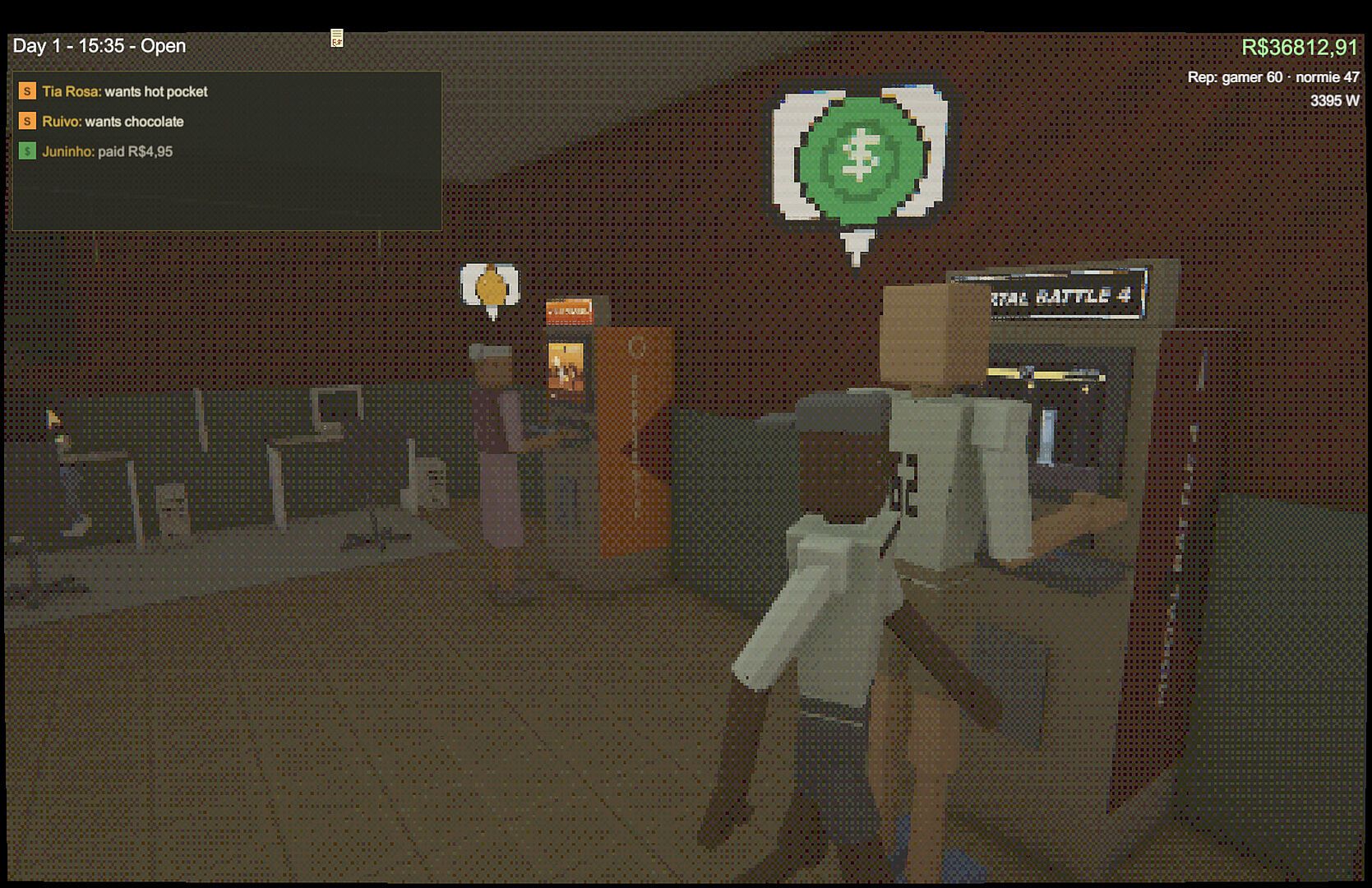
Customer relationships add another layer. Regulars are known by name and nickname, and extending credit requires judgment calls that affect whether they return or vanish. The physical environment also demands attention, with risks like overloaded circuits, jammed printers, and everyday interruptions such as stolen mouse balls. Growth involves reinvesting earnings to add more machines, open a second room, and upgrade wiring, all while keeping the business viable without external guidance systems or tutorials.
Game Modes
Play revolves around freeform management sessions that incorporate scheduled events like Saturday tournaments for gamers seeking low ping and organized competition. These tournaments draw crowds focused on titles such as Counter Ops, while normie customers continue their social and media activities on the same limited connection. Balancing the two groups requires ongoing adjustments to keep the room running smoothly across different times of day and customer mixes.
Progression emerges naturally through business expansion rather than linear stages. Starting with basic hardware and a single modem, successful management allows scaling to additional PCs and rooms, provided the caderninho credit system supports the cash flow. No separate competitive or story-driven modes exist beyond these integrated operational challenges.
Setting and Atmosphere
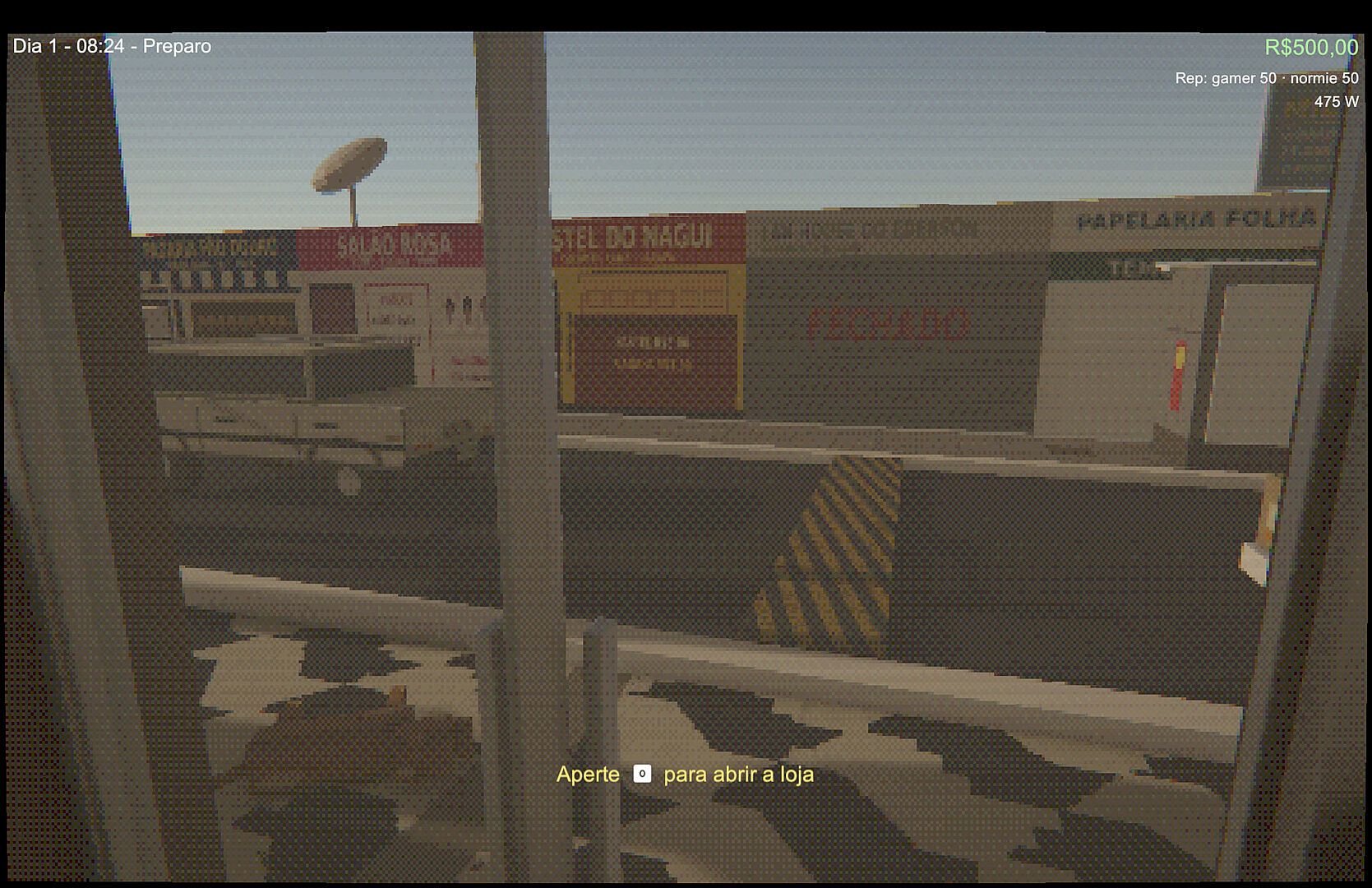
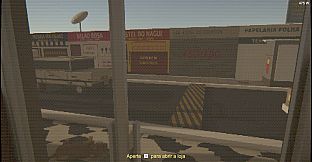
The game captures the unfiltered reality of 2003 Brazil through details like street food options such as pamonha, cash-only transactions, and the social dynamics of a neighborhood LAN house. Everything operates on one shared electrical circuit, making power stability a practical concern during peak hours. The absence of modern conveniences or hand-holding mechanics reinforces the period feel, where players must observe patterns and experiment to find workable strategies.
Is It Worth Playing?
This simulation suits players who prefer open-ended management experiences without explicit instructions or short tutorials. The emphasis on resource juggling, customer judgment, and incremental growth appeals to those interested in casual indie titles that reward observation and adaptation. As a recently released title with no confirmed updates or seasonal content yet, it stands as a self-contained experience focused on the described mechanics. Those drawn to realistic small-business simulations set in a specific historical and cultural context will find the core systems align closely with the provided setup of limited hardware and shared connectivity.