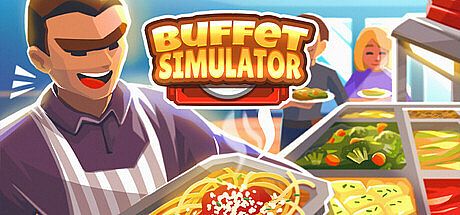


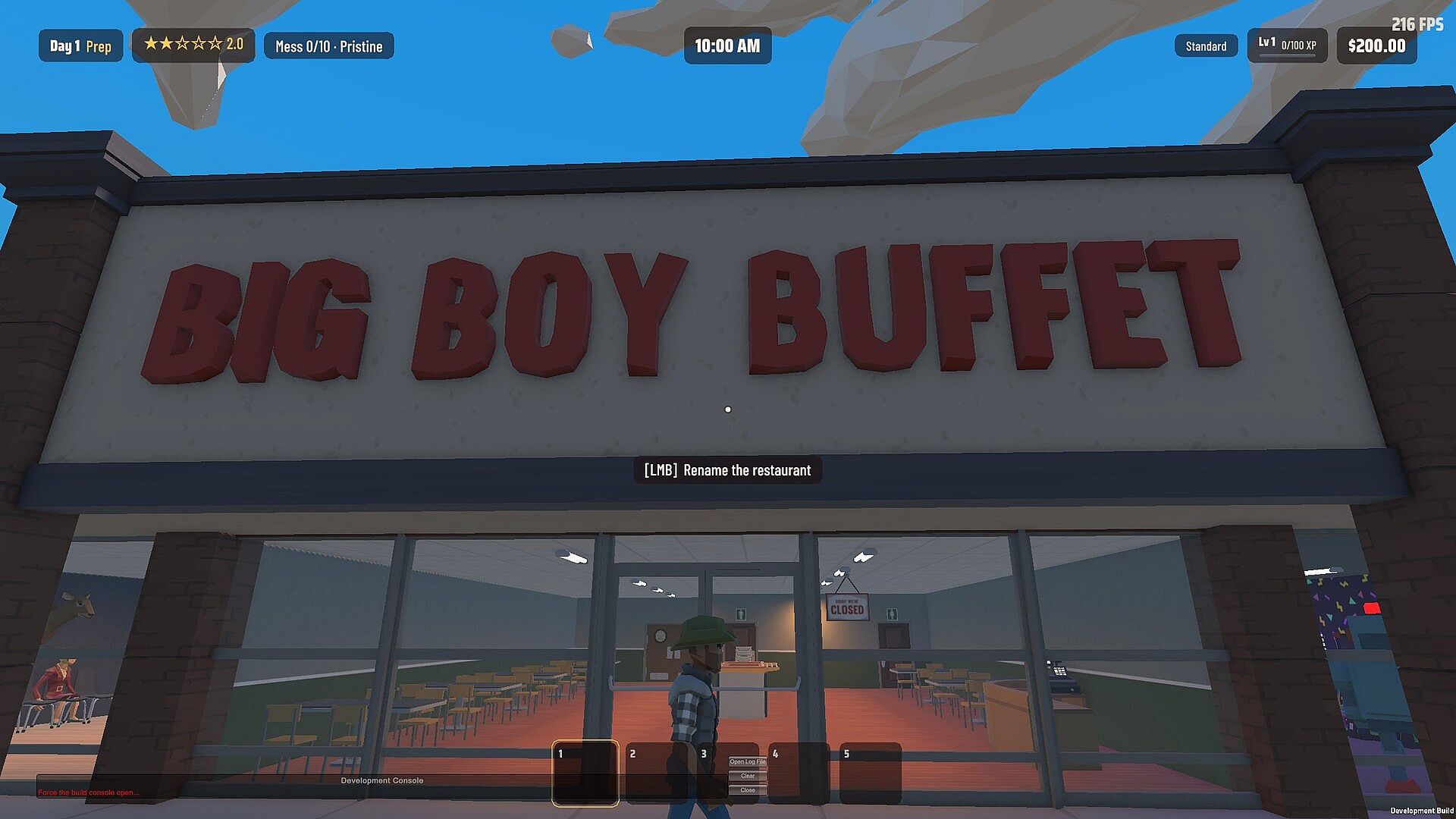
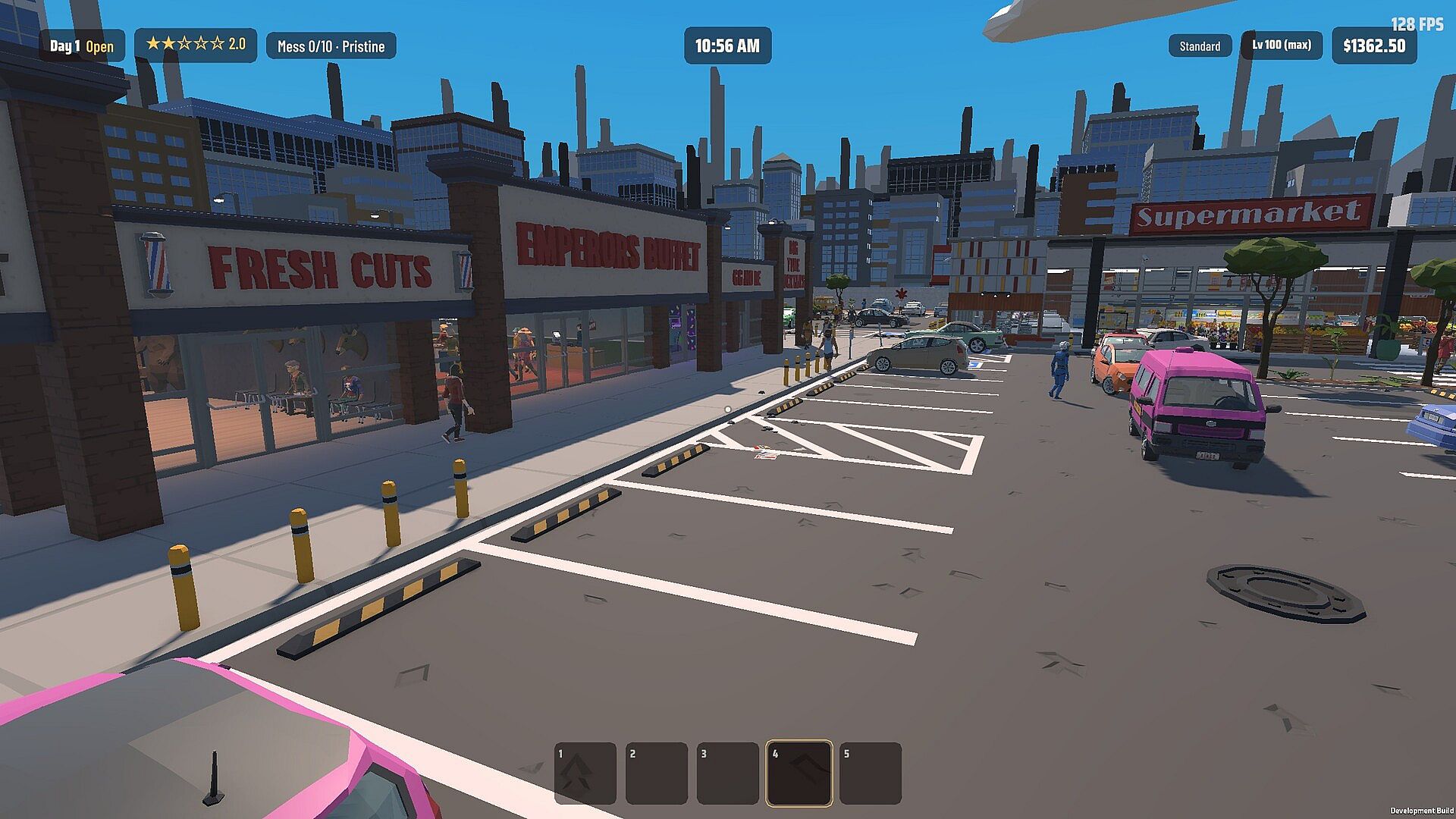
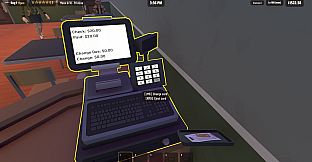
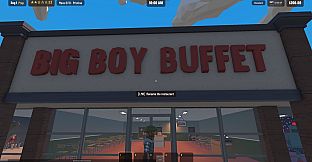
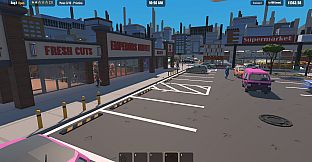
Buffet Simulator is an indie casual simulation game for PC where players build and manage an all-you-can-eat buffet restaurant. The core experience centers on expanding a small operation into a thriving business that serves a wide range of customer preferences through careful planning and daily operations.
Gameplay
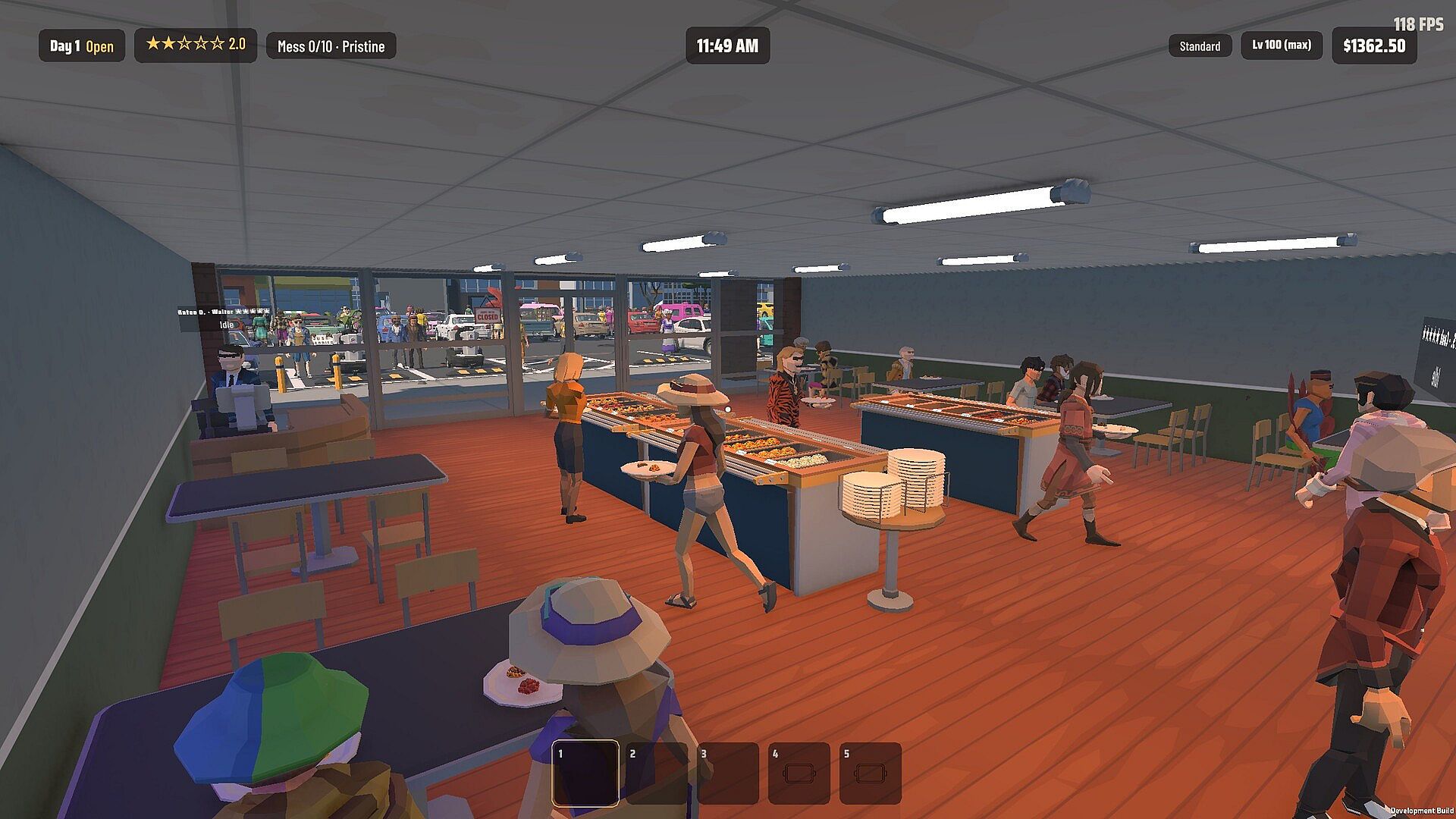
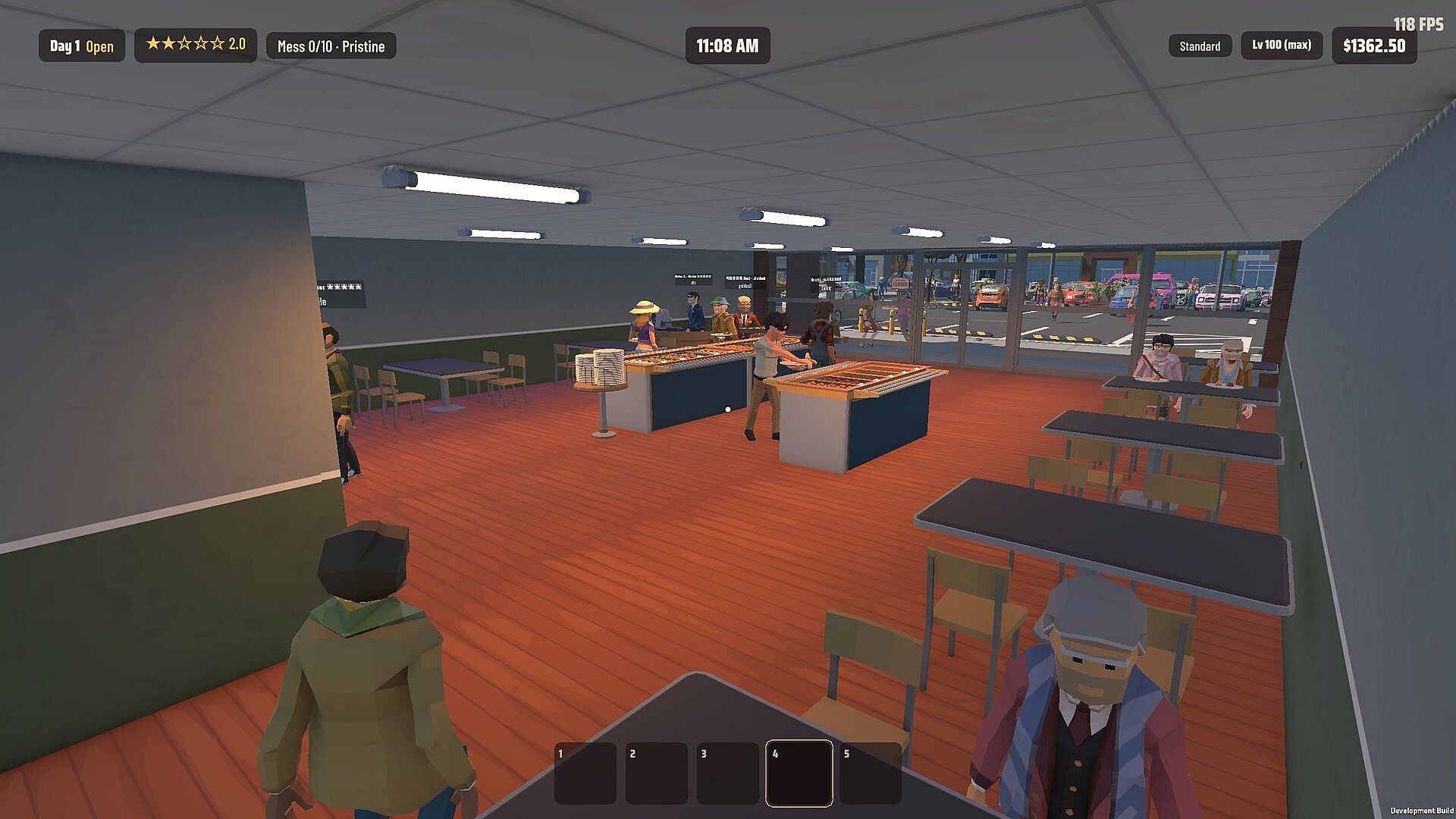
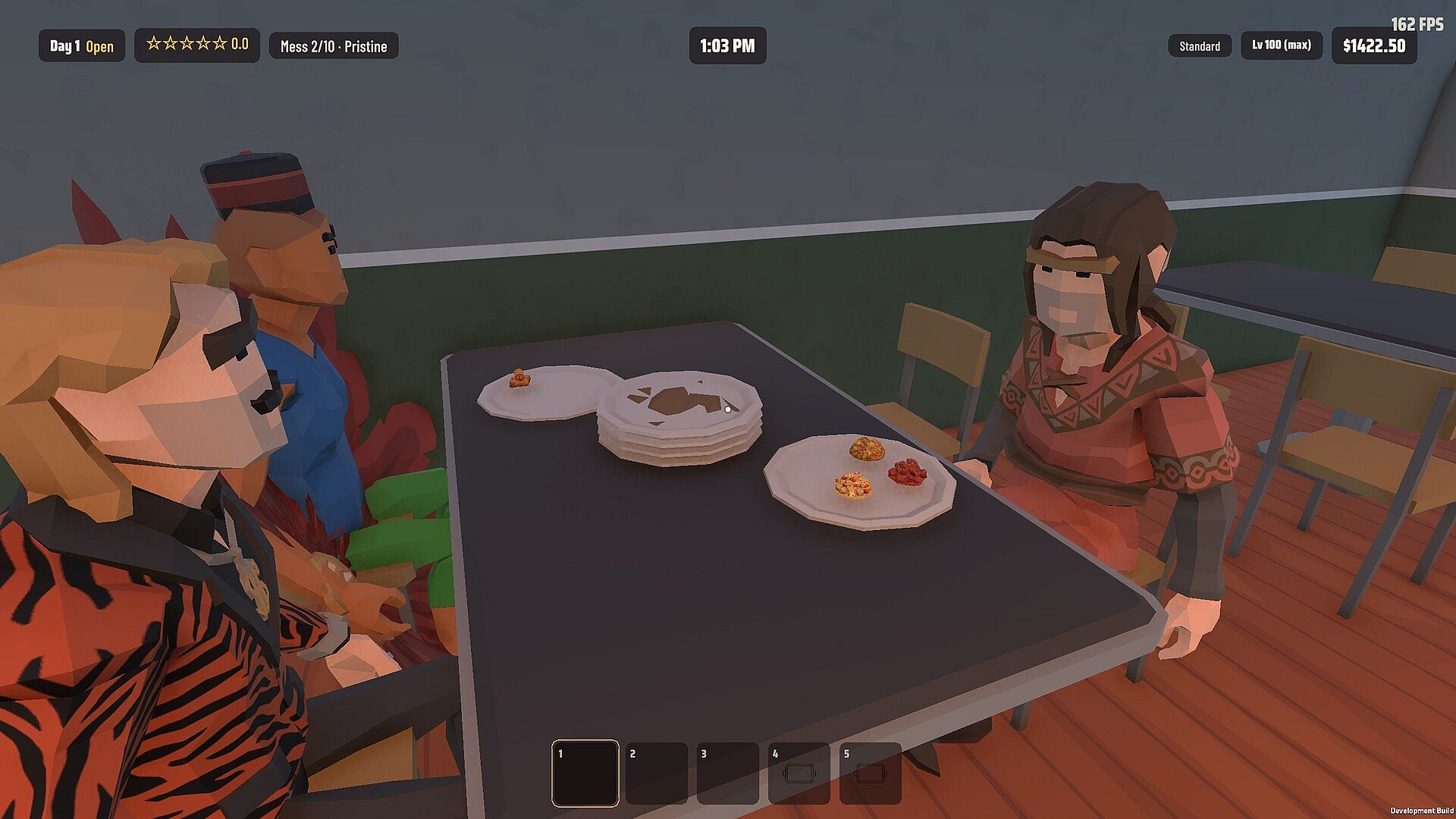
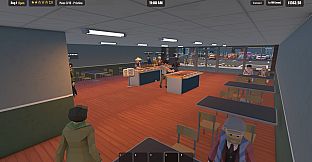
The central loop involves selecting and preparing dishes while keeping the dining area functional and appealing. With more than sixty options spread across five distinct food styles, choices determine the overall character of the buffet and how well it attracts repeat visitors. Players place food stations, tables, and other elements to create an efficient flow that lets customers serve themselves without bottlenecks.
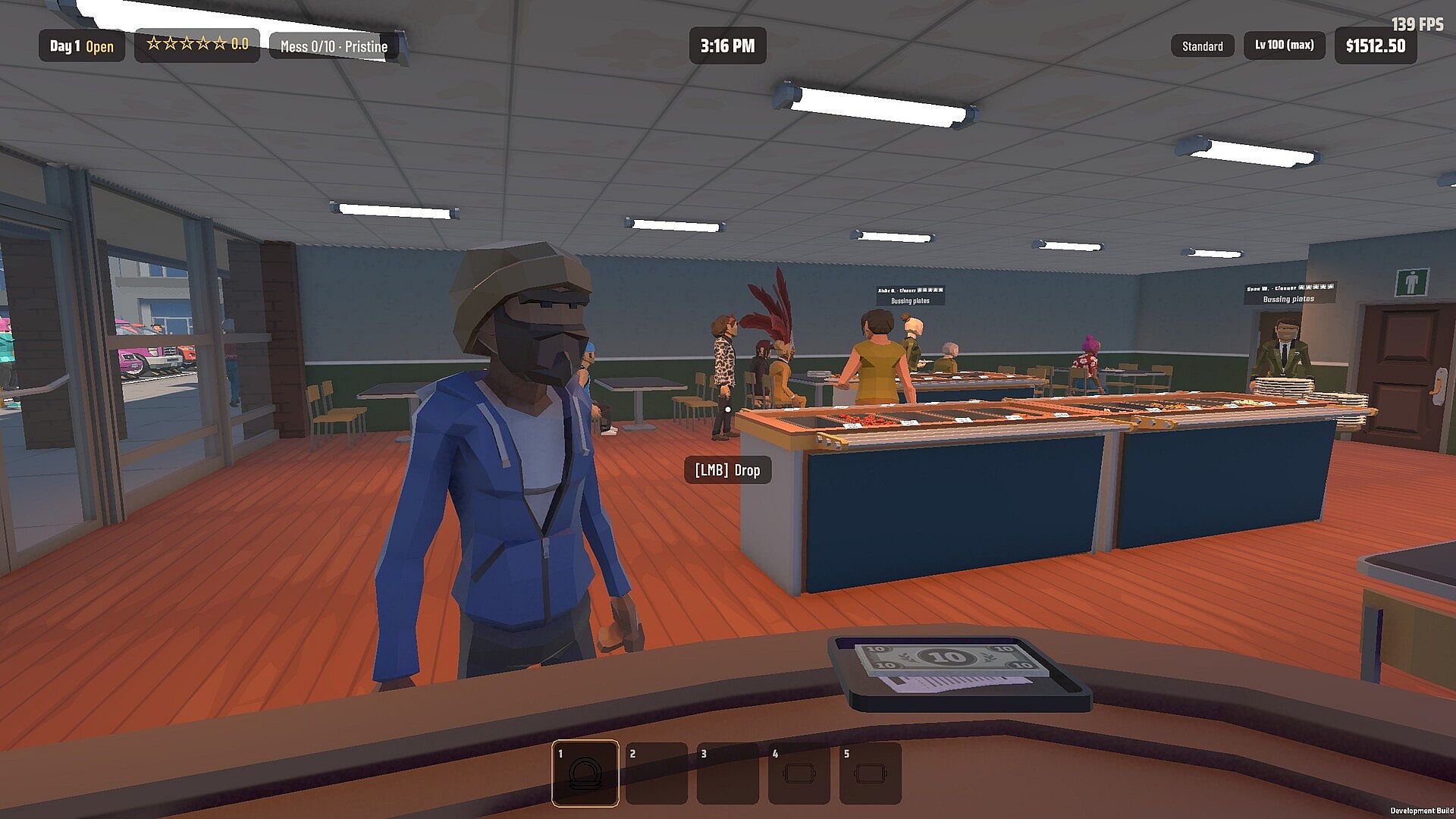
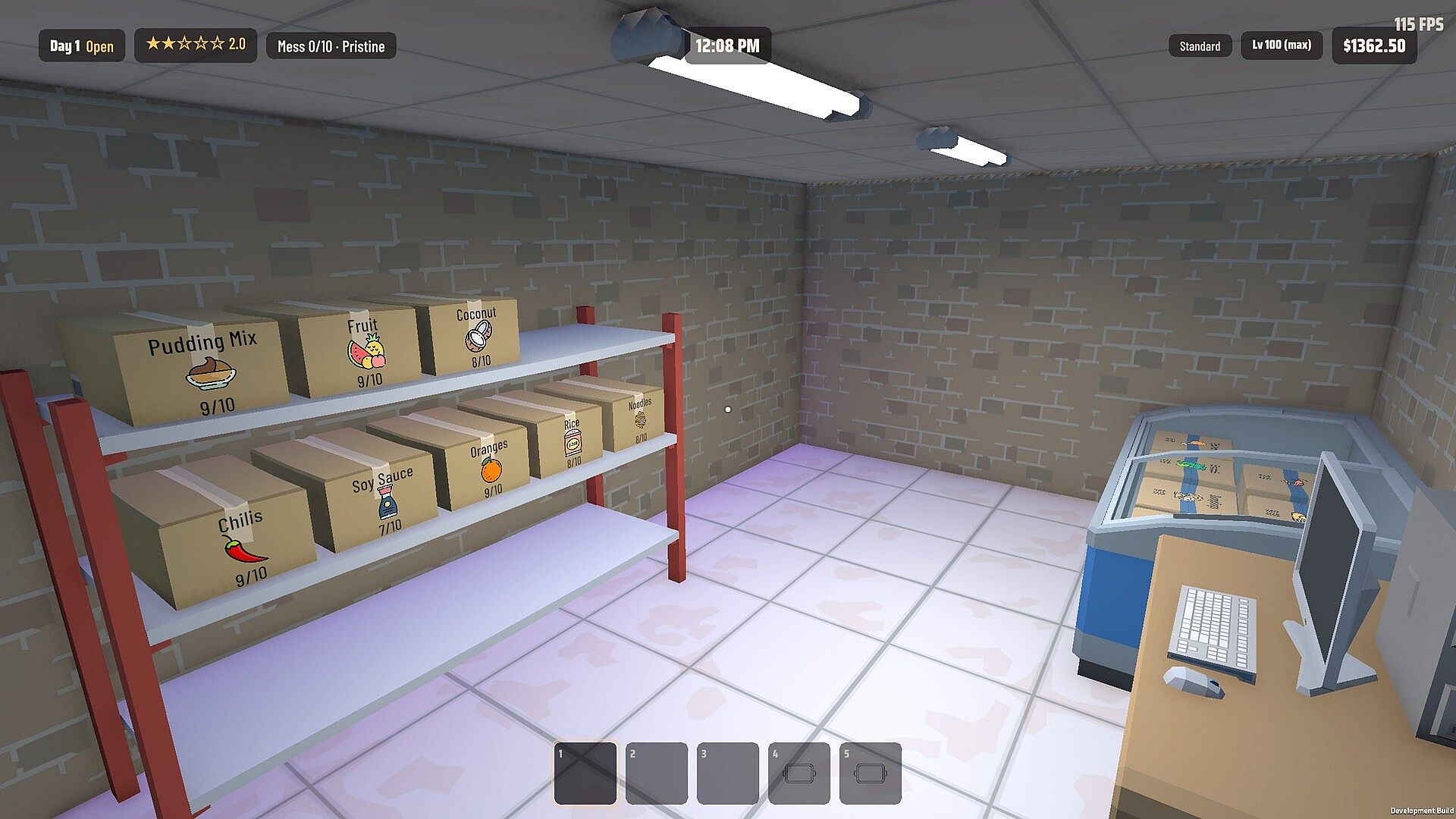
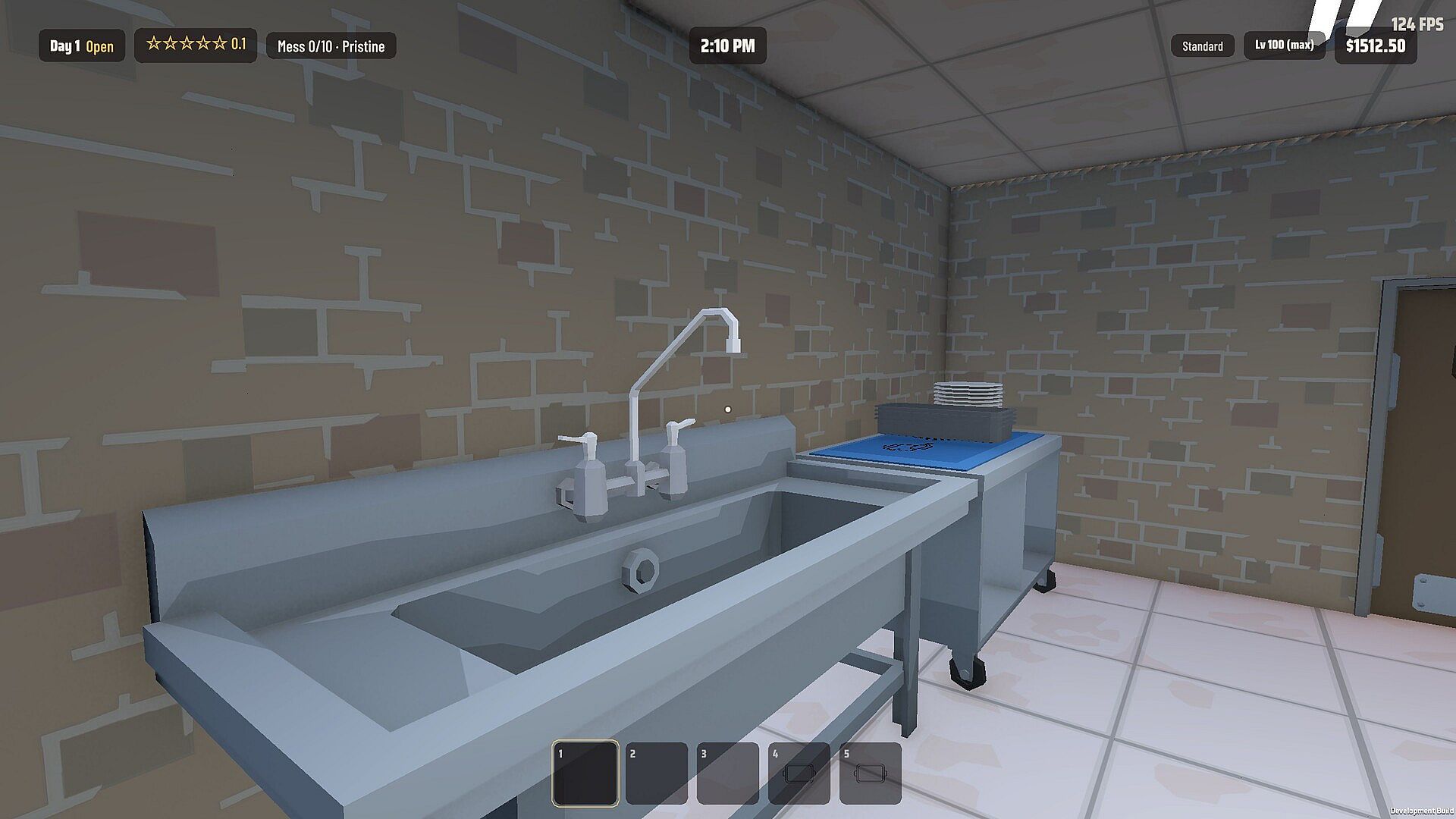
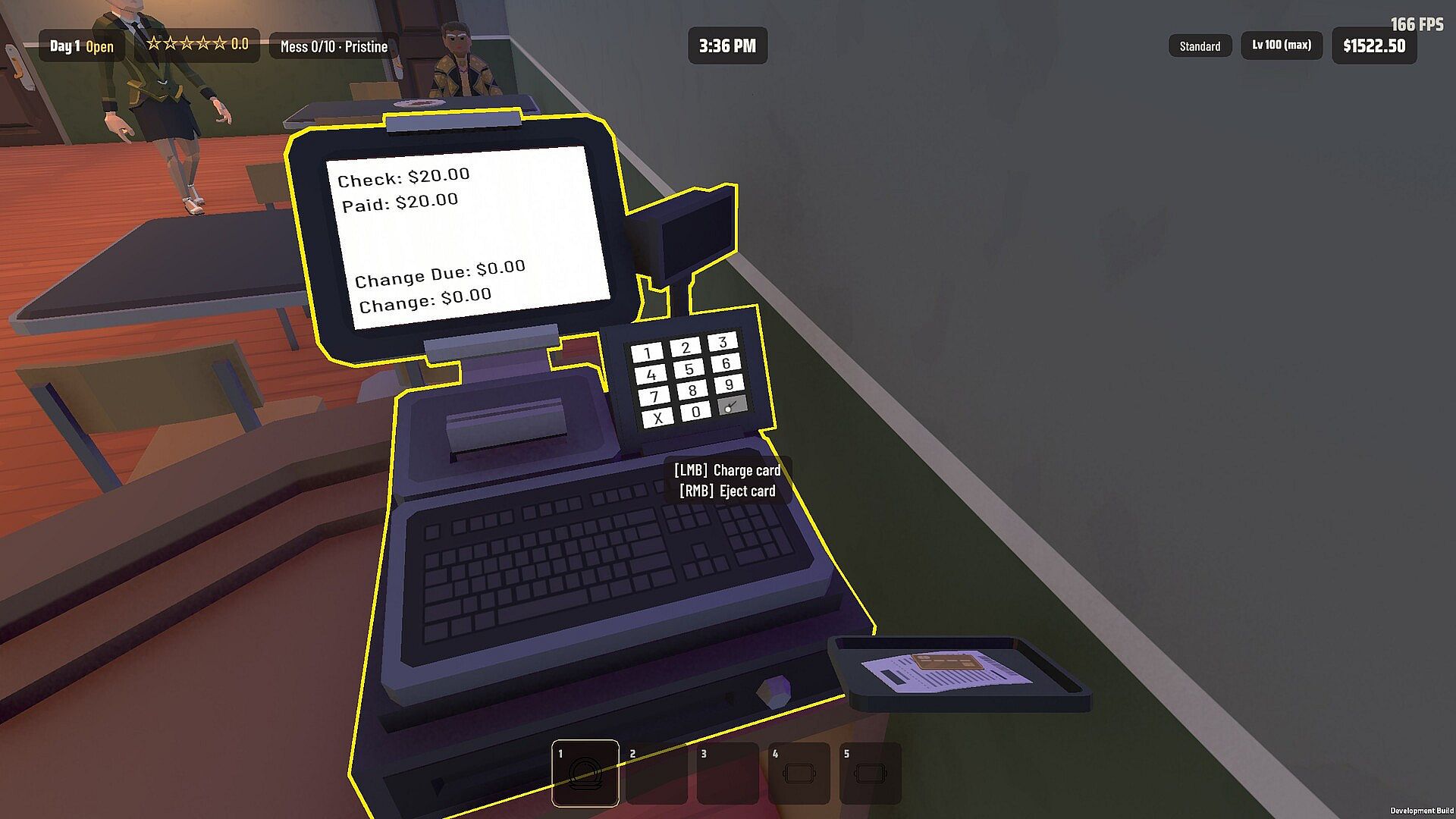
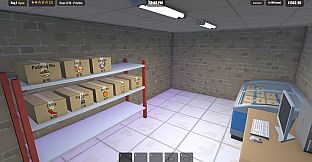
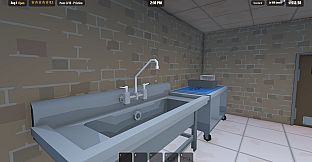
Daily tasks include stocking items to prevent shortages, clearing used plates, and responding to the steady stream of arrivals. Staff automation handles repetitive work such as restocking or basic cleaning, freeing attention for layout adjustments and customer flow management. Progression comes from expanding the menu, unlocking new furniture and appliances, and scaling the physical space to accommodate larger crowds.
Customization plays a key role. The layout can be rearranged at any time, provided enough room remains for guests to move between stations and return for additional servings. This flexibility supports different approaches, whether the focus stays on a compact efficient setup or a sprawling variety of offerings.
Game Modes
Buffet Simulator supports both solo play and cooperative sessions with up to four participants. In single-player mode, one person oversees every aspect of service, from food preparation to customer assistance and staff direction. The experience emphasizes personal decision-making and steady growth without external coordination.
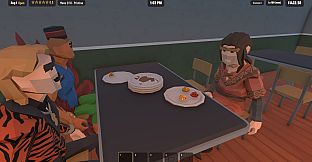
Multiplayer sessions allow friends to divide responsibilities across the same buffet floor. One player might focus on kitchen tasks while others manage the dining area or customer interactions. Shared control makes it possible to handle larger rushes and experiment with more ambitious layouts that would be difficult to maintain alone.
Both approaches revolve around the same core systems of menu building, automation, and spatial design. The difference lies mainly in how tasks are distributed and how quickly the business can expand under varying levels of player input.
Progression and Customization
Growth occurs through incremental improvements to the restaurant itself. New dishes become available as the business levels up, encouraging players to balance popular staples with specialty items from the five food styles. Each addition influences customer satisfaction and the overall pace of service.
Staff recruitment reduces the manual workload over time. Automated helpers take over routine duties, allowing the player or team to concentrate on strategic elements such as menu variety and physical expansion. This shift marks a transition from hands-on operation to higher-level oversight.
Layout tools remain available throughout, so the restaurant can evolve alongside the menu. Players adjust station positions and open new areas as revenue permits, always ensuring clear paths for customers to reach the buffet repeatedly.
Is It Worth Playing?
Buffet Simulator appeals most to players who enjoy relaxed management simulations with a focus on restaurant operations and light cooperation. The combination of menu variety, staff automation, and free-form layout design creates a steady sense of building something tangible without overwhelming complexity.
Those who prefer solo experiences will find a complete loop in single-player mode, while groups looking for casual co-op can share the workload and experiment together. The game rewards consistent attention to customer needs and efficient space use rather than fast reflexes or competitive scoring.
Its casual tone and emphasis on creative freedom make it suitable for short sessions or longer planning periods. Players interested in simulation titles that blend business growth with everyday service tasks will likely find the systems engaging and repeatable.