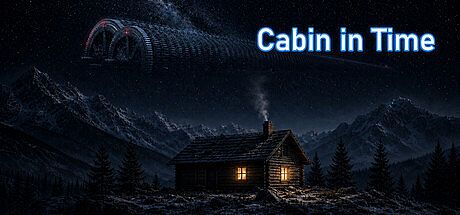


Cabin in Time is an incremental game developed for PC that places players in charge of an enormous mechanical project. The experience centers on constructing a mountain cabin through layers of automated progress that span unimaginable scales of time and space. As a casual indie title, it appeals to players who enjoy methodical advancement and long-term planning rather than fast-paced action or narrative-driven quests.
Gameplay
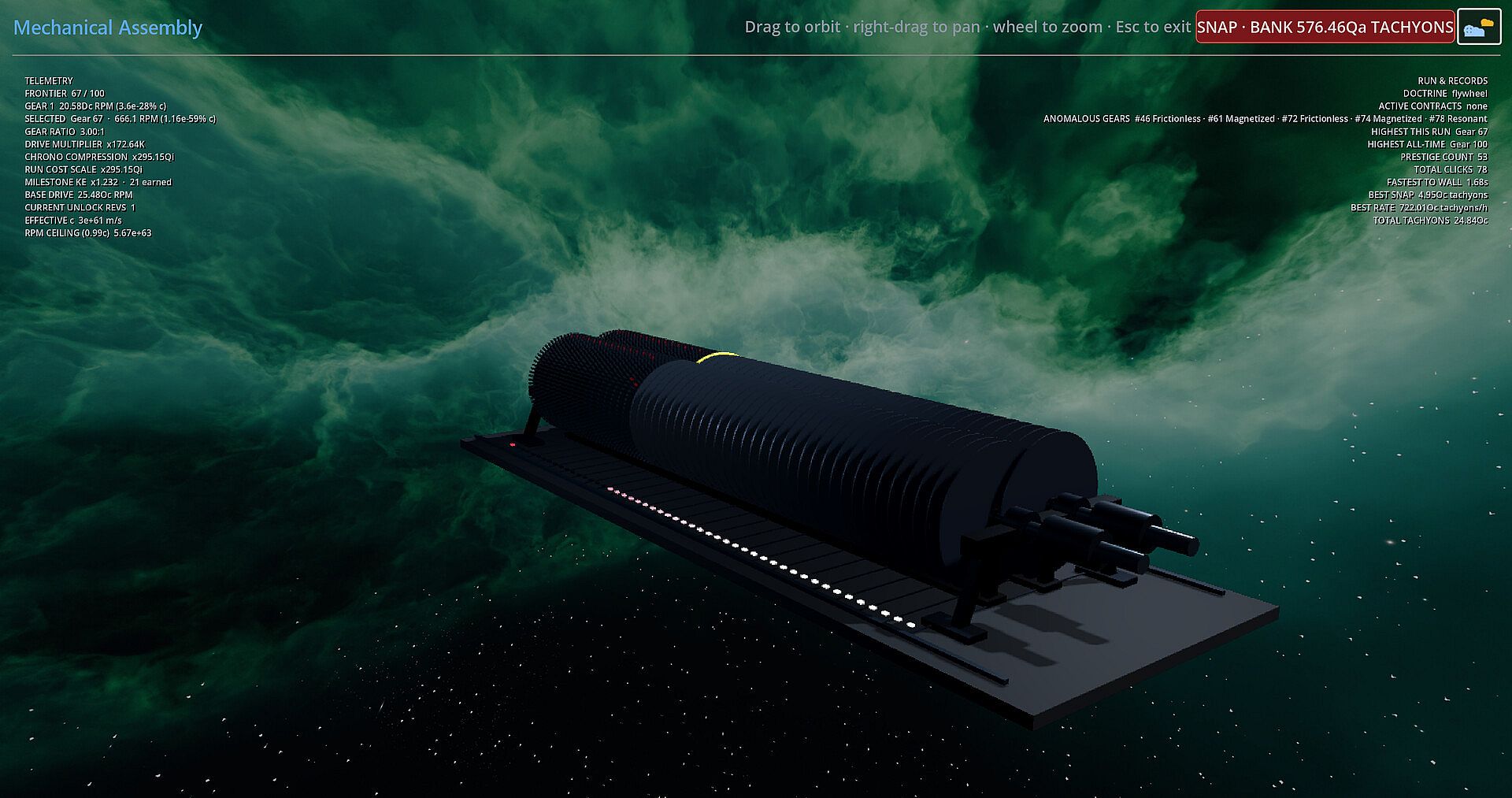
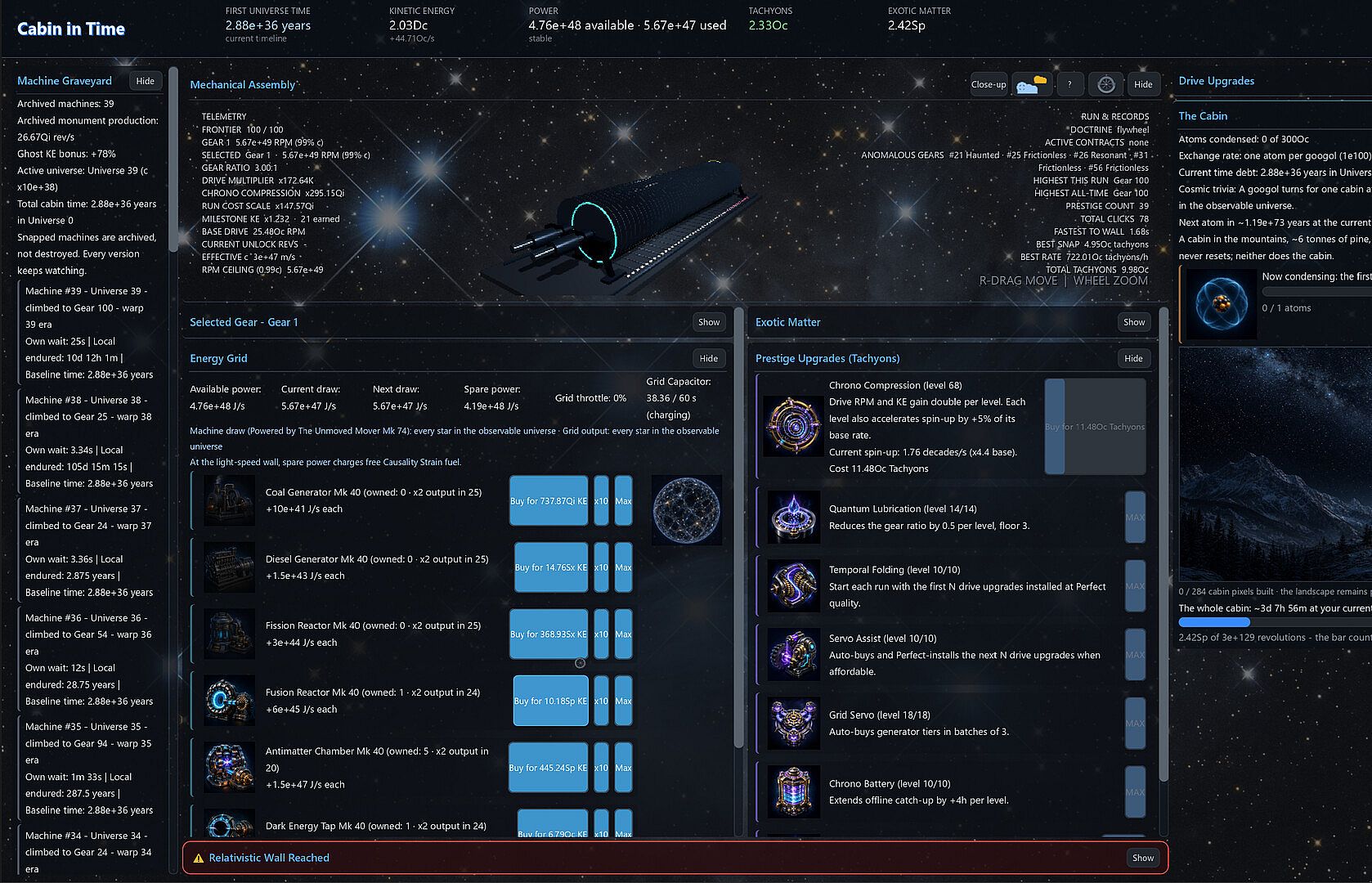
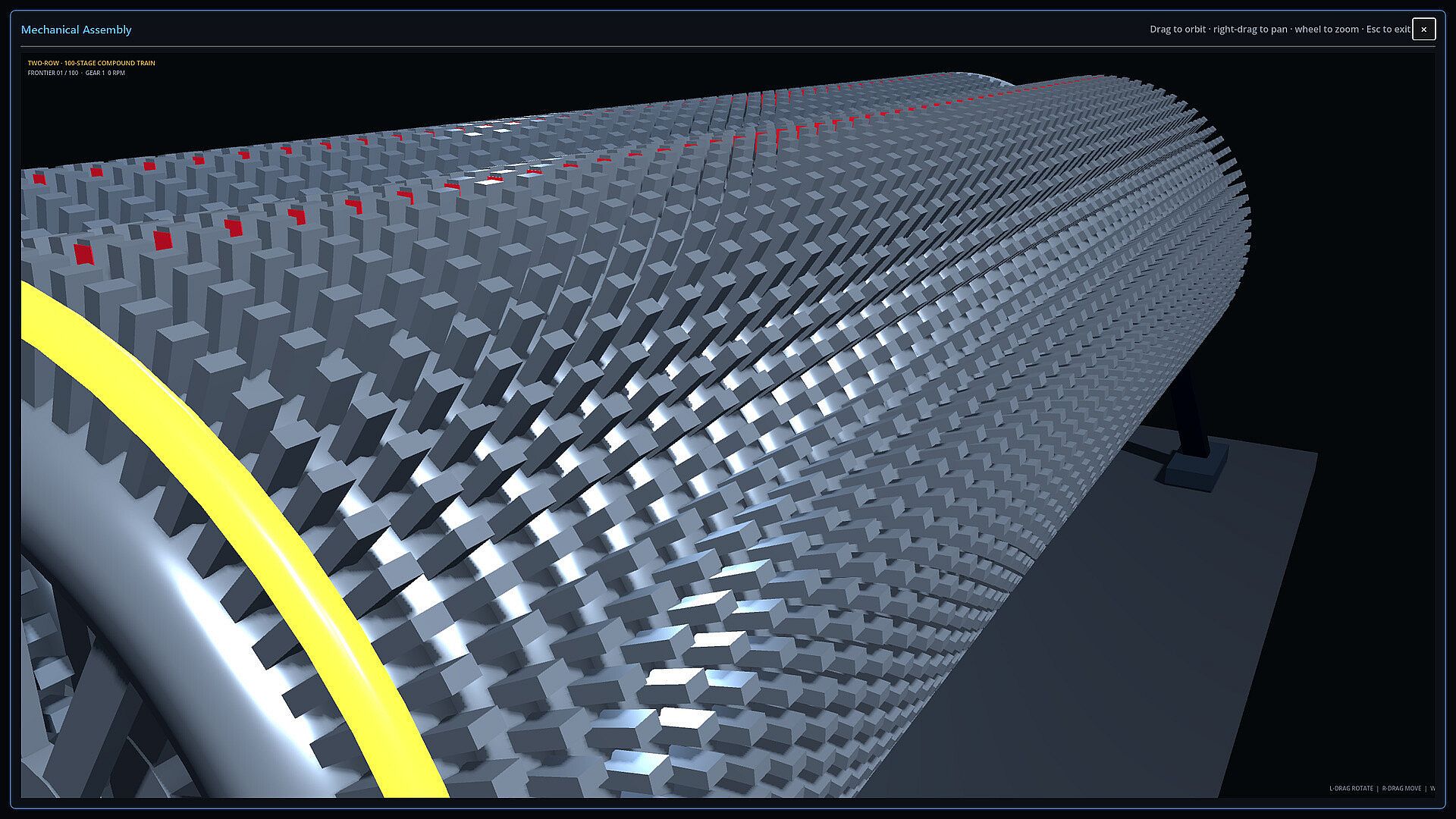
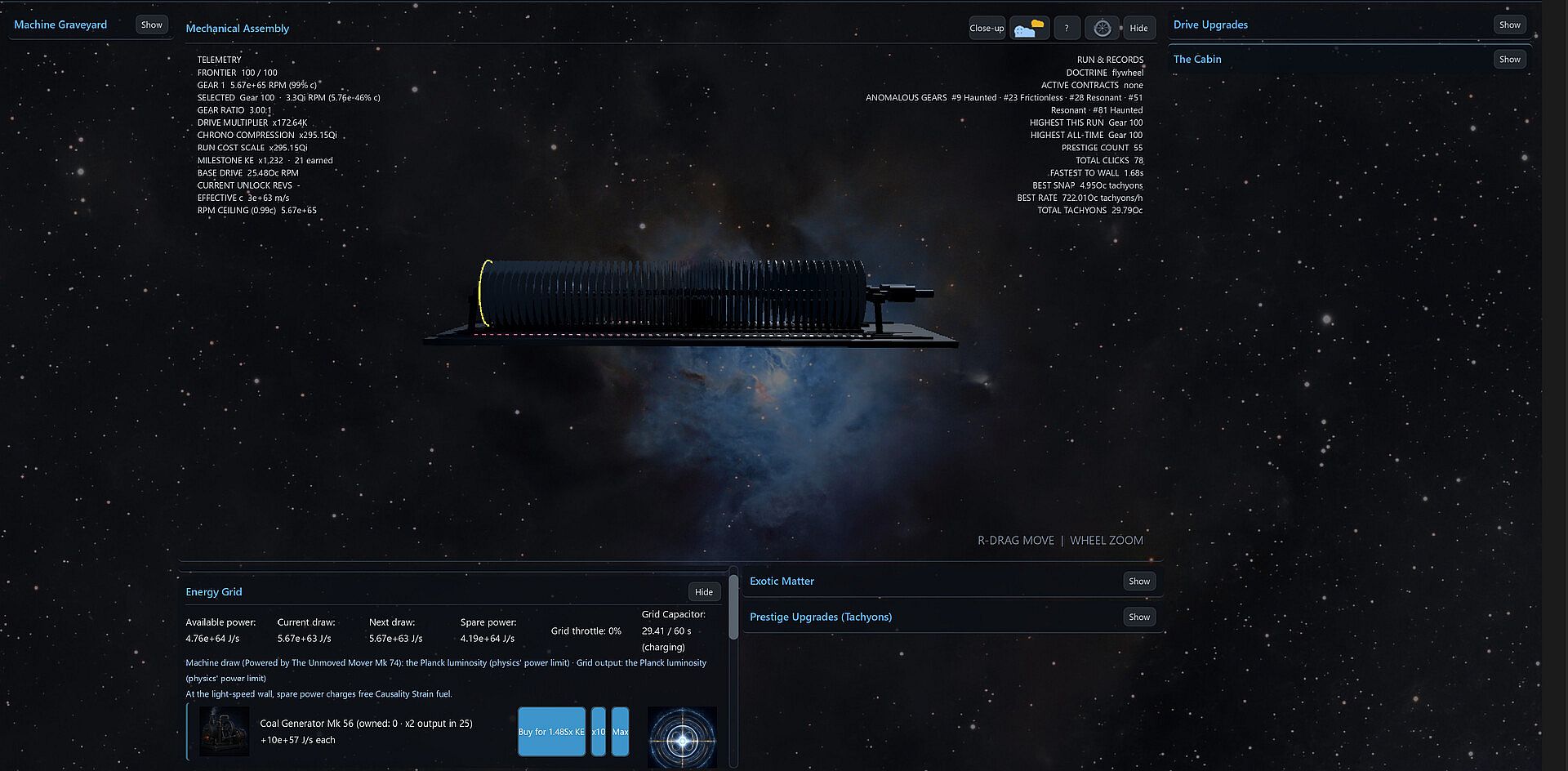
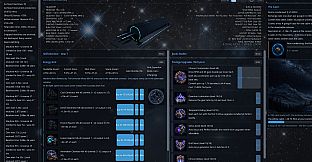
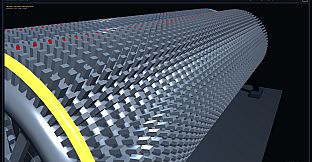
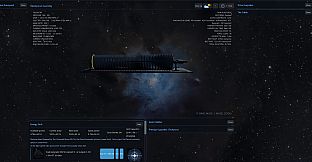
The core of Cabin in Time revolves around a googol-gear machine built with a strict 10:1 ratio between each stage. Players begin by manually cranking the first gear. From there, the system expands as new drivers are unlocked to power subsequent gears while preserving the ratio, meaning ten revolutions on one gear produce a single revolution on the next. Power generators must be added and upgraded to sustain the drivers, and these upgrades continue until the setup reaches the physical boundaries of the current universe.
At that limit, the process shifts to creating an entirely new universe that incorporates an improved version of the googol machine. This cycle repeats across multiple universes. The ultimate objective requires the final gear to complete a googol number of spins, each spin contributing a tiny fraction toward a single atom needed for the cabin. The construction therefore demands enormous cumulative effort measured across cosmic timescales.
Game Modes
Cabin in Time operates as a single continuous experience without separate named modes or branches. All progression occurs within the same mechanical framework, where players manage gear ratios, driver upgrades, and generator improvements in sequence. The absence of distinct modes keeps the focus on steady, layered advancement rather than switching between different rulesets or objectives.
Progression and Scale
Early stages involve direct manual input to start the first gear turning. As drivers and generators come online, the system begins to run with less intervention, yet players must still oversee upgrades to maintain efficiency. Each new layer respects the 10:1 ratio across up to 99 gears, creating a chain that grows exponentially in complexity. When universal limits are reached, the reset into a fresh universe resets certain constraints while carrying forward the knowledge of prior upgrades. This structure rewards consistent attention to optimization across repeated cycles.
The end goal remains fixed: generate enough atoms through the final gear's rotations to complete the cabin. Because a googol spins are required for even one atom, the project stretches across vast periods, turning the game into a record of the longest construction timeline imaginable within its fictional multiverse.
Is It Worth Playing?
Cabin in Time suits players who appreciate incremental systems that emphasize patience and incremental gains over immediate rewards. The gameplay loop of starting with manual cranks, unlocking automated drivers, scaling generators, and repeating the process across universes provides a clear sense of layered achievement. Those drawn to casual titles that unfold over extended sessions will find the steady mechanical expansion engaging, while anyone seeking quicker resolutions or varied activities may find the singular focus too narrow. The title remains available on PC as a straightforward indie experience centered on its unique gear-based progression.