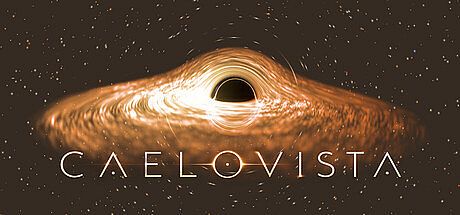


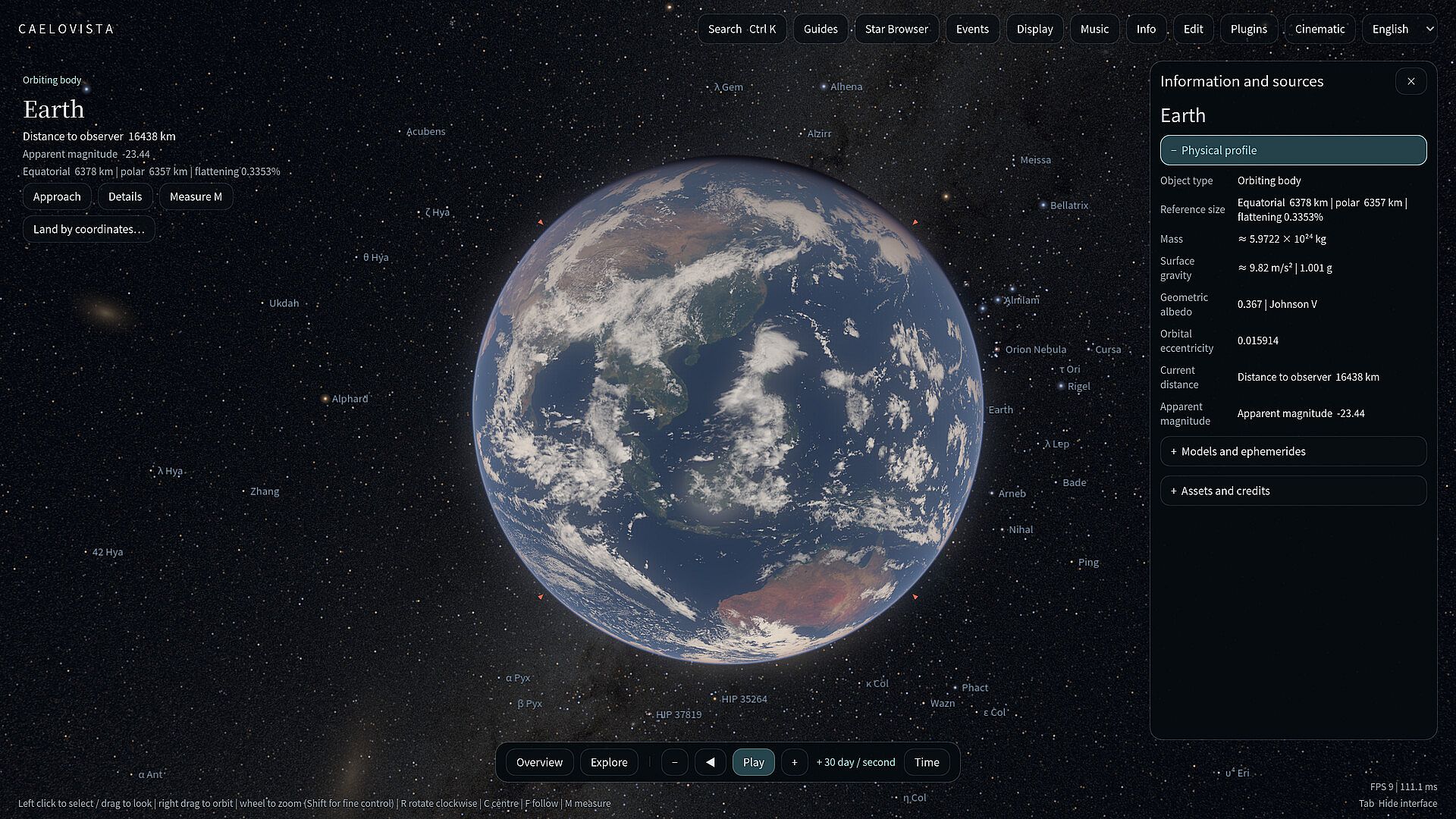
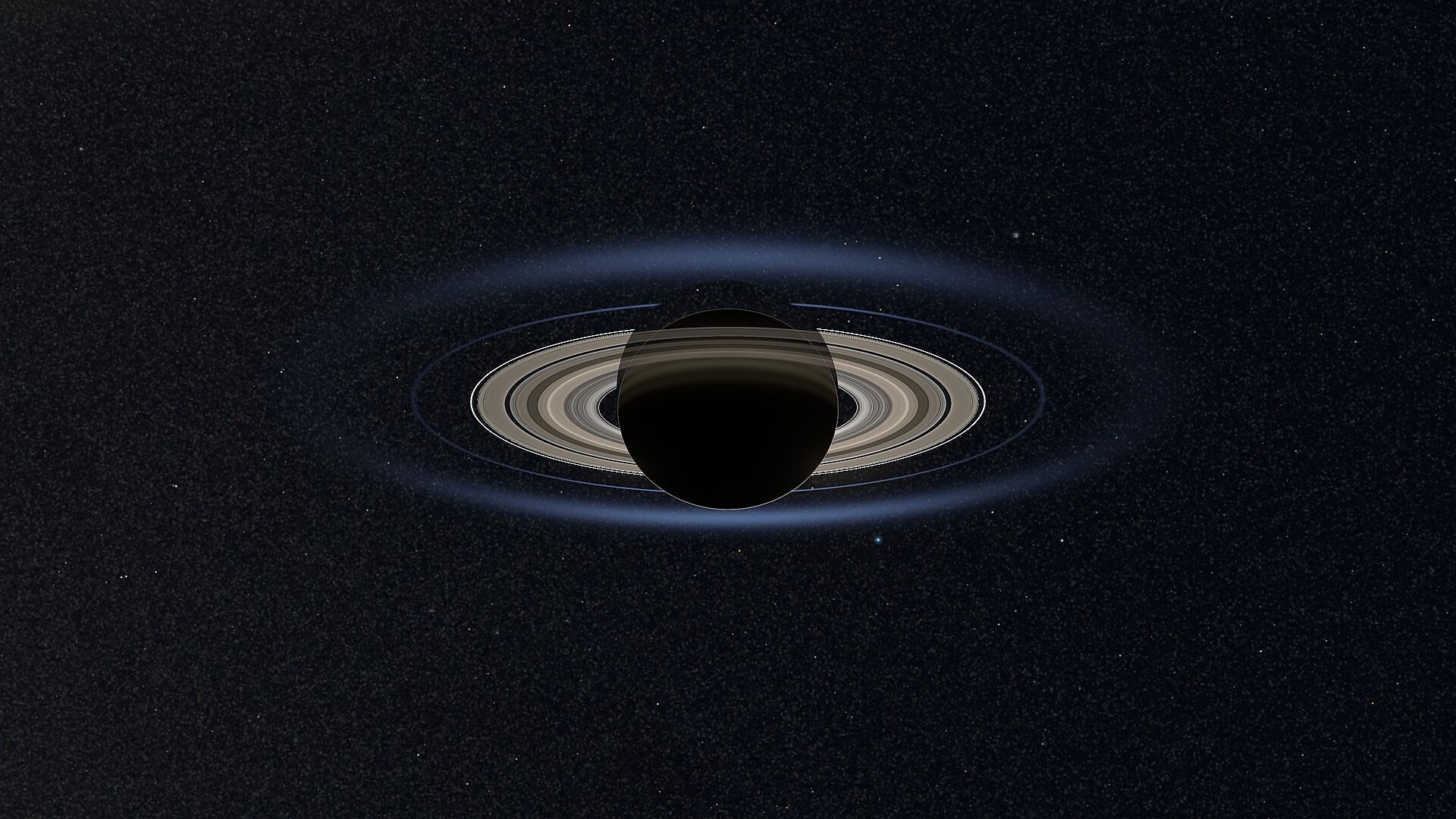
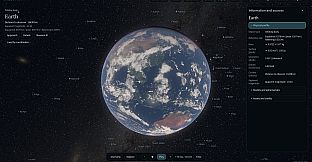
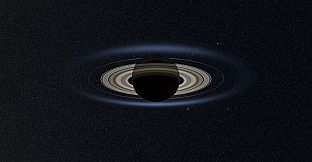
Caelovista is an indie casual simulation game built around freeform exploration of the universe on PC. Players move through space at varying scales, from planetary surfaces to galactic views, using real astronomical concepts as the foundation for movement and observation.
Gameplay
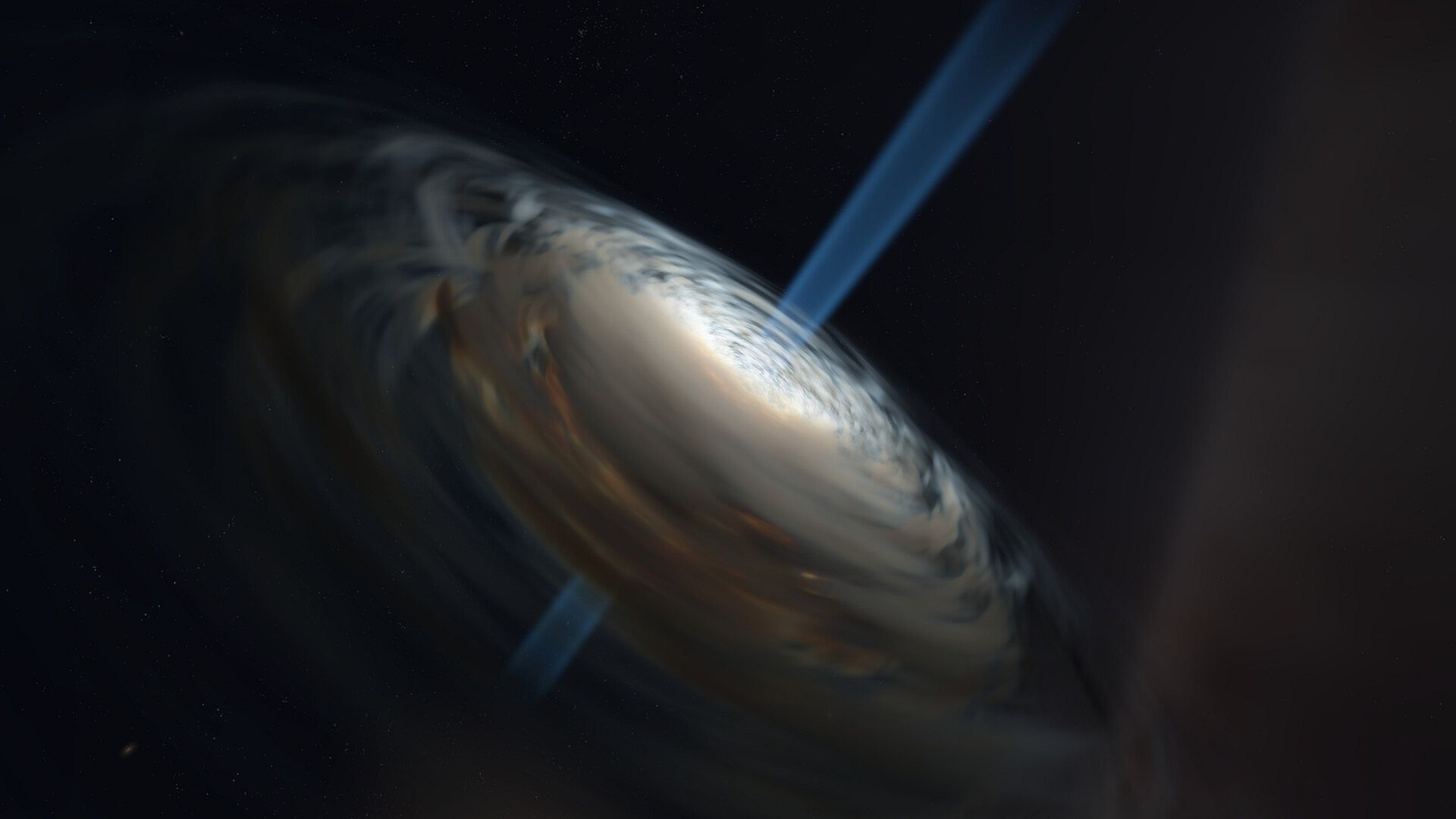
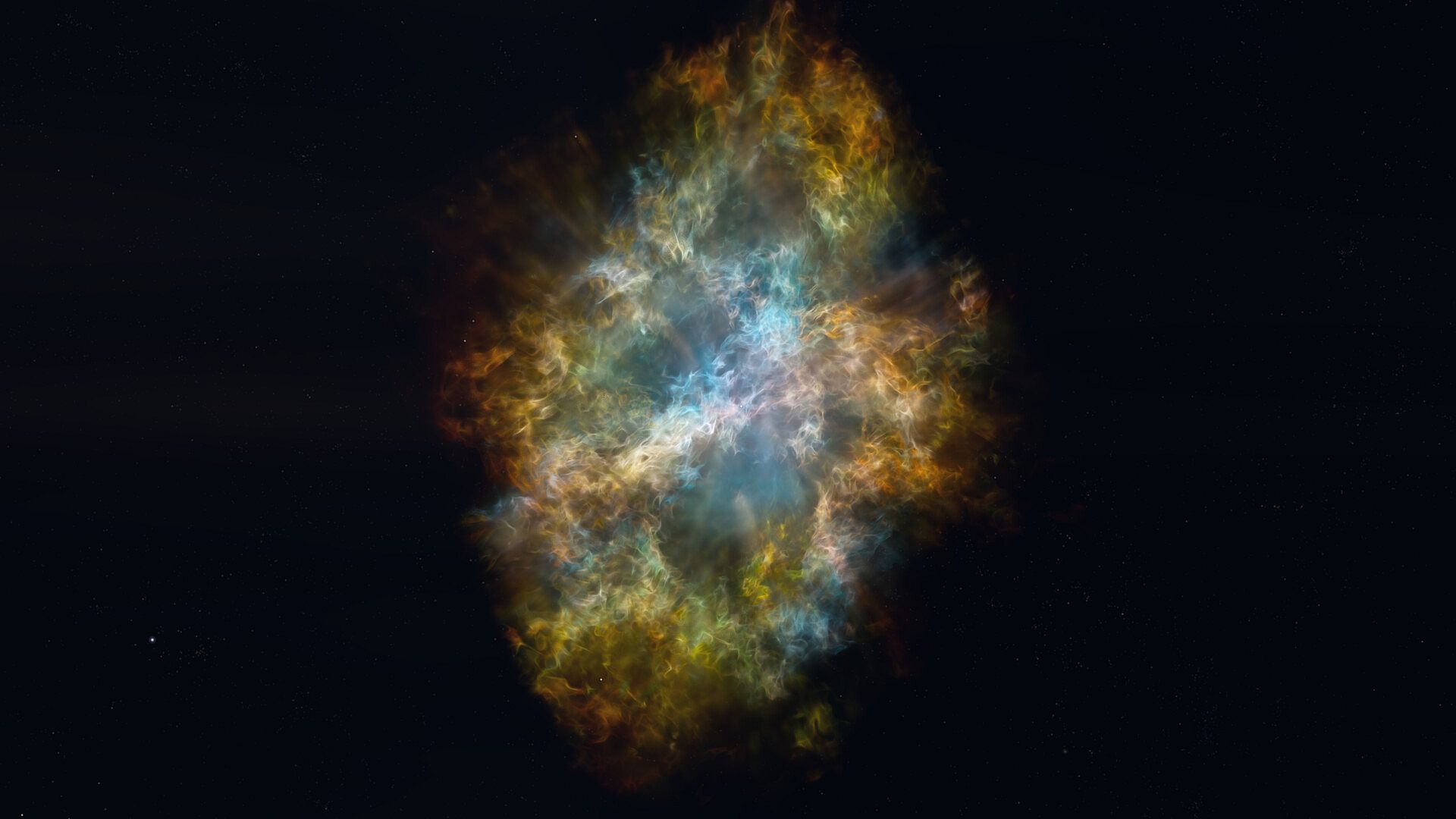
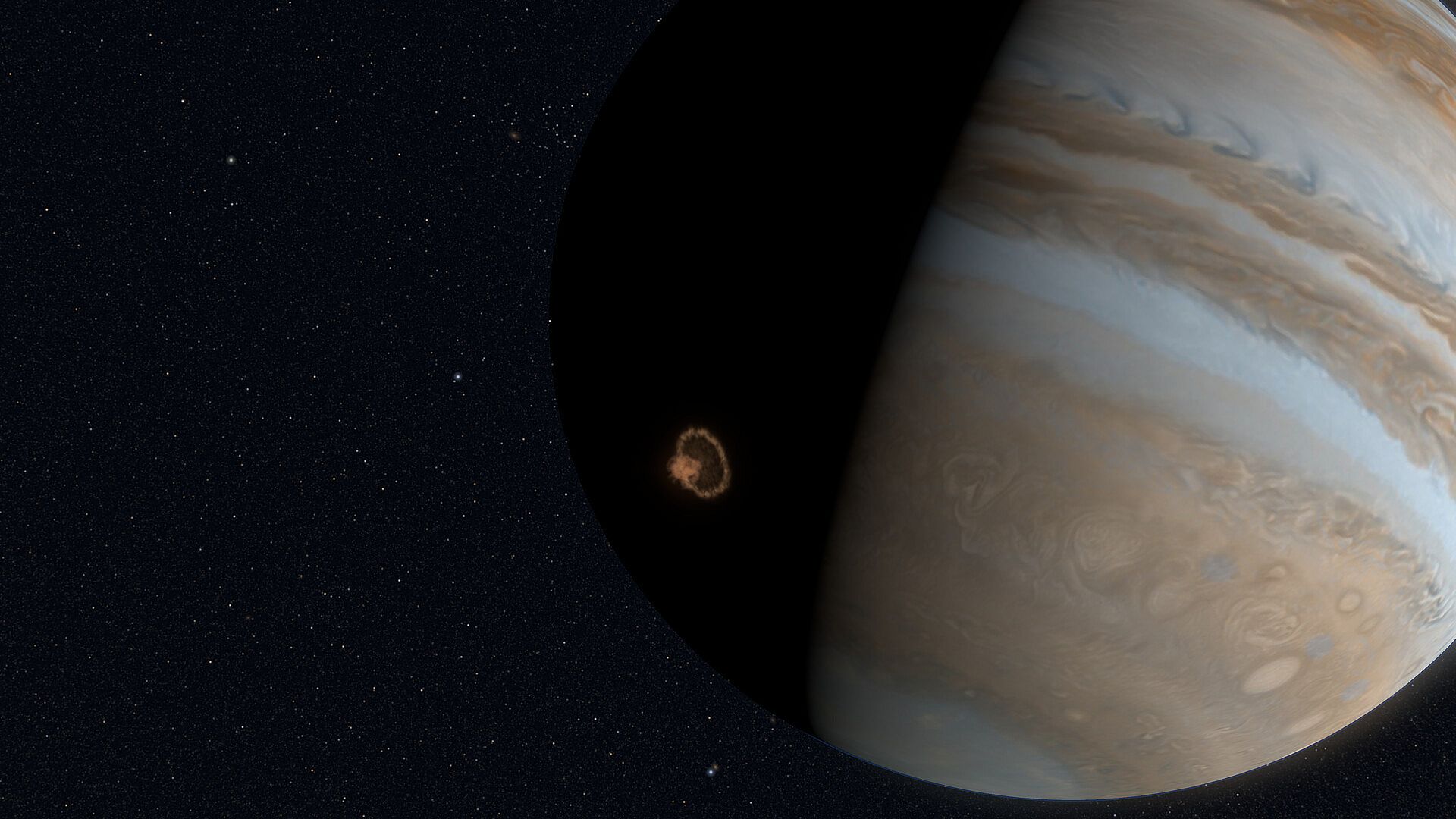
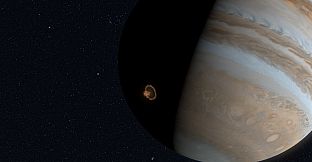
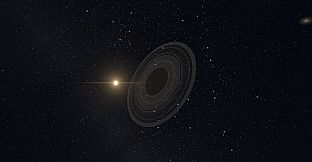
The core loop centers on choosing destinations and adjusting perspective to study celestial bodies. Search for objects by name to travel directly to them, then orbit or follow their paths through space. Views range from detailed close-ups of planets to broad sweeps across star fields, highlighting differences in size and distance.
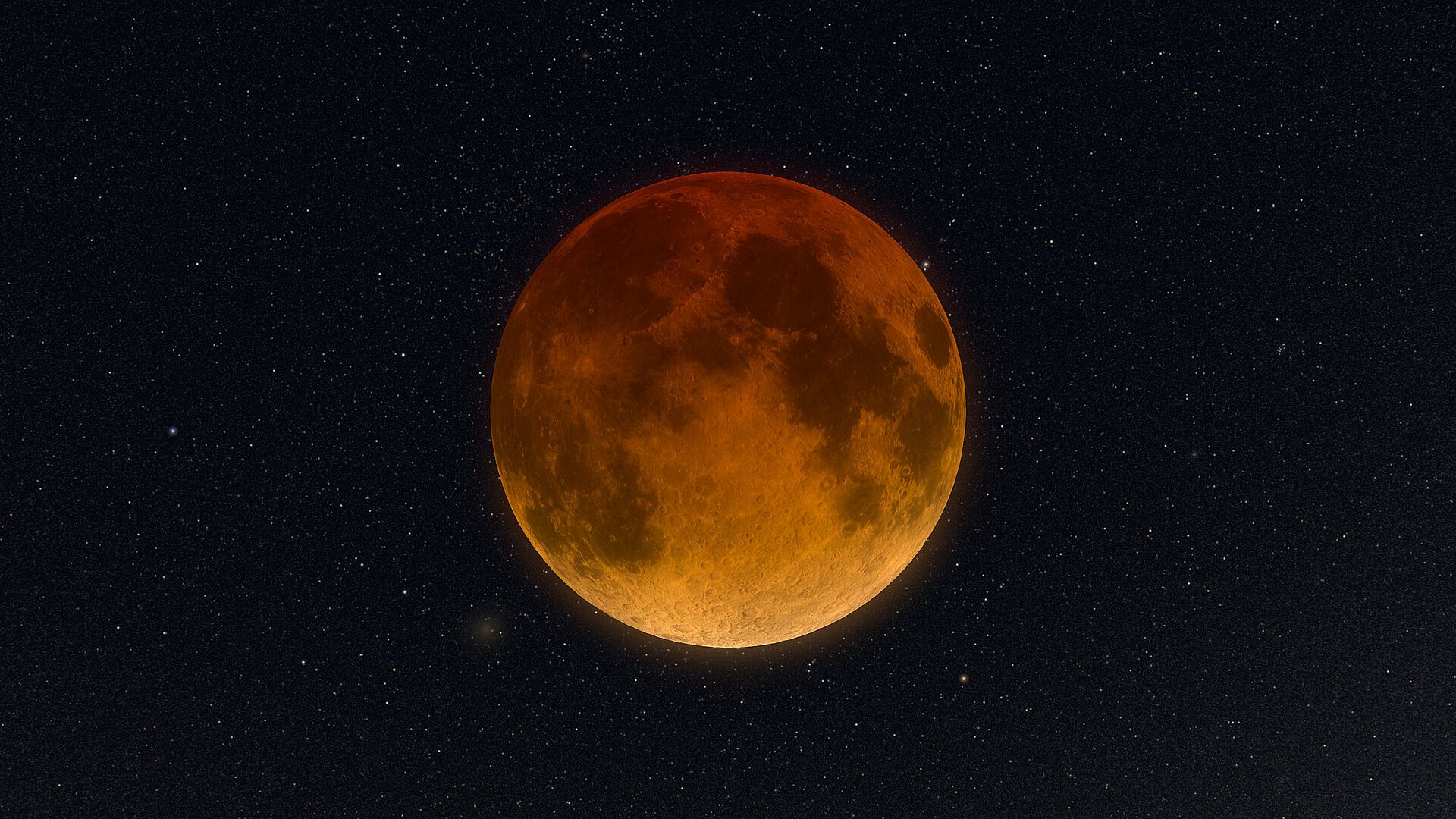
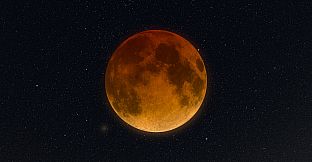
Time simulation forms another key system. Pause, speed up, or reverse the clock to watch rotations, orbits, eclipses, and other events unfold. The same phenomenon can be observed from multiple locations to connect cause and effect in orbital mechanics and lighting.
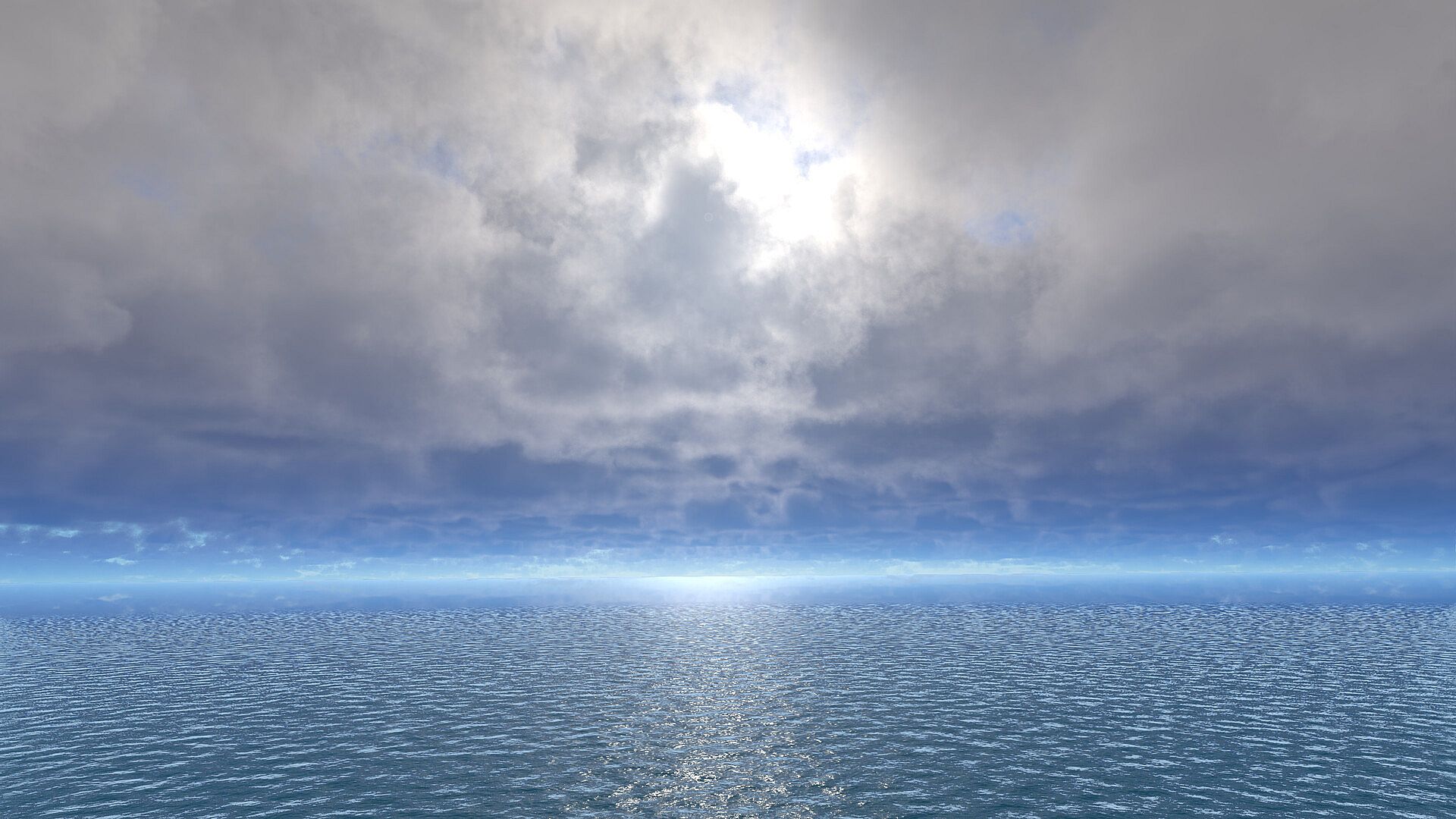
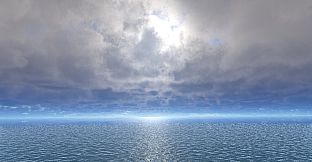
Surface exploration adds a grounded layer. On suitable worlds, select landing sites, move across terrain, and observe the sky from the horizon. Adjust the time of day to see the Sun or stars move overhead while staying in one spot.
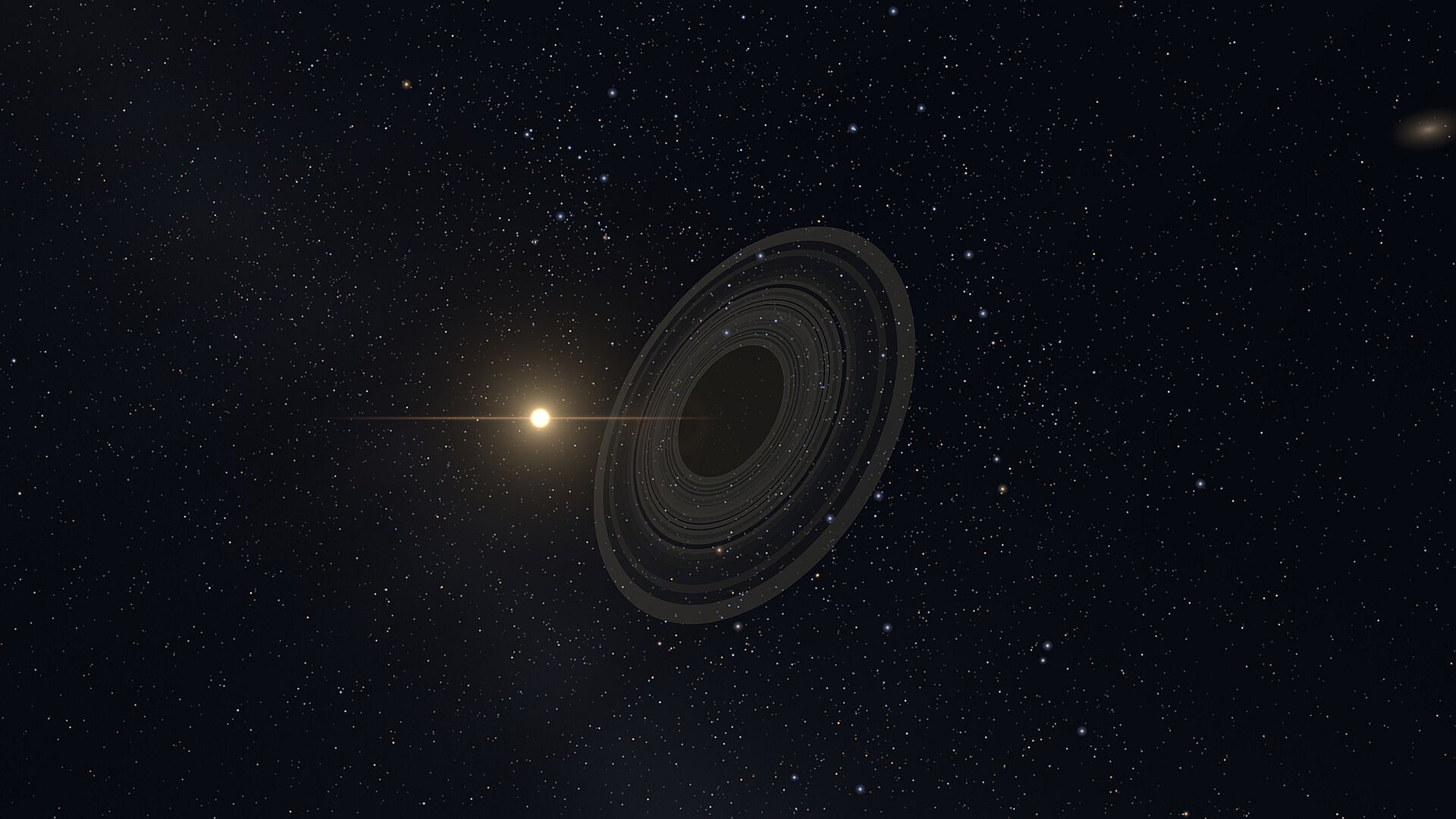
Additional tools support measurement and learning. Calculate distances and angular separations between objects. Access information panels that note whether details come from direct observation, inference, or procedural generation. Black hole regions demonstrate gravitational lensing effects on light and background stars as the viewpoint shifts.
Game Modes
Caelovista does not feature traditional competitive or story-driven modes. Instead, engagement comes through flexible approaches to the same simulation space. One approach focuses on direct travel and close inspection of named objects. Another emphasizes time manipulation to study dynamic events like planetary motion or occultations.
A third style involves surface landings and horizon-based sky watching on worlds that allow it. Guided tours introduce controls and topics while leaving room for free movement. Recording tools let players set camera keyframes and scripts to capture specific moments without interface elements visible.
These approaches overlap naturally. A session might begin with a galactic overview, shift to time-lapse observation of an eclipse, then move to a planetary surface for a different vantage point on the same event.
Exploration Tools and Features
Search functions allow instant relocation to stars, planets, or galaxies of interest. Orbital controls let players examine appearance and motion from any angle. Procedural visuals fill gaps where real data remains limited, always marked clearly as illustrative rather than observed fact.
Information layers provide context without interrupting the view. Sources for each object appear alongside measurements, helping connect visual scenes to scientific models. The distinction between verified data and generated content remains visible throughout.
Camera and recording options extend sessions beyond live play. Hide the interface for clean captures of sunrises, planetary silhouettes, or star fields. Keyframe systems and scripts support planned sequences that turn explorations into shareable videos.
Is It Worth Playing?
Caelovista suits players who enjoy slow, observational simulation experiences focused on astronomy. The emphasis on scale, time control, and viewpoint changes turns abstract concepts into repeatable visual scenes. Those seeking structured goals, combat, or narrative progression will find little to engage with here.
The game runs on PC and draws from a mix of real data, models, and clearly labeled procedural elements. Its casual pace and sandbox freedom reward repeated visits to the same locations under different conditions. Availability remains limited to the base experience described in the source materials, with no additional modes or updates confirmed beyond the core systems.