







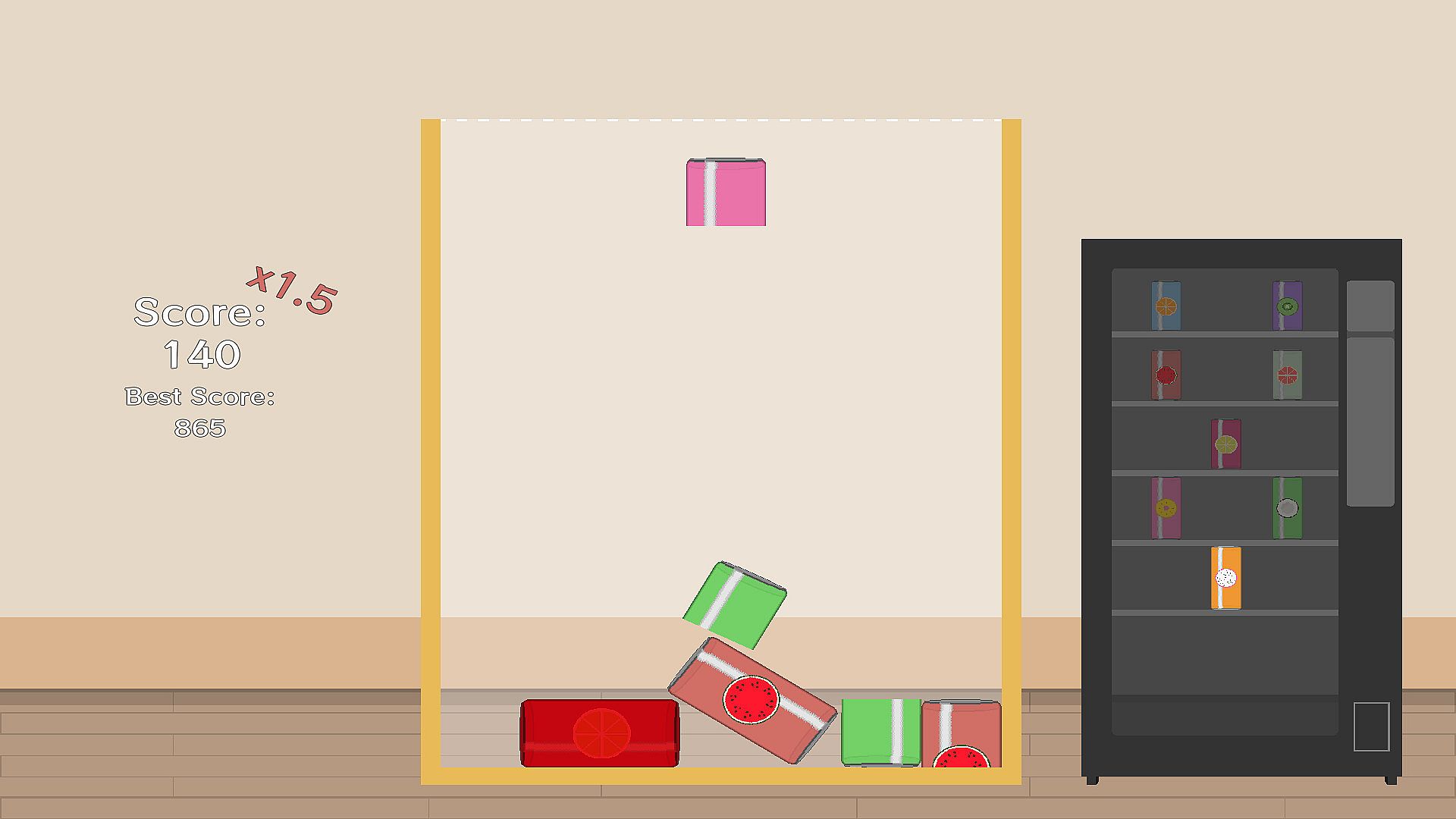
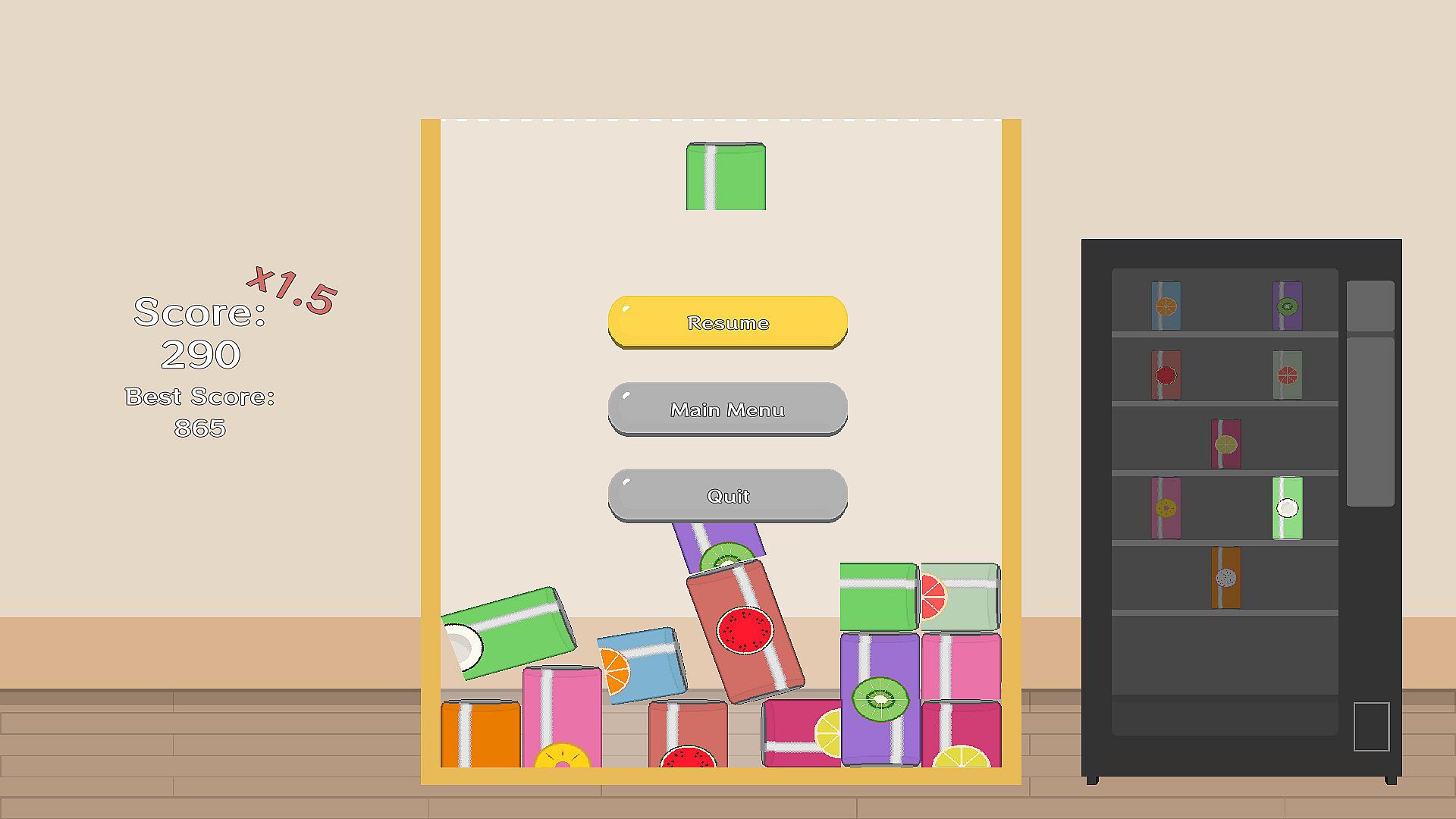
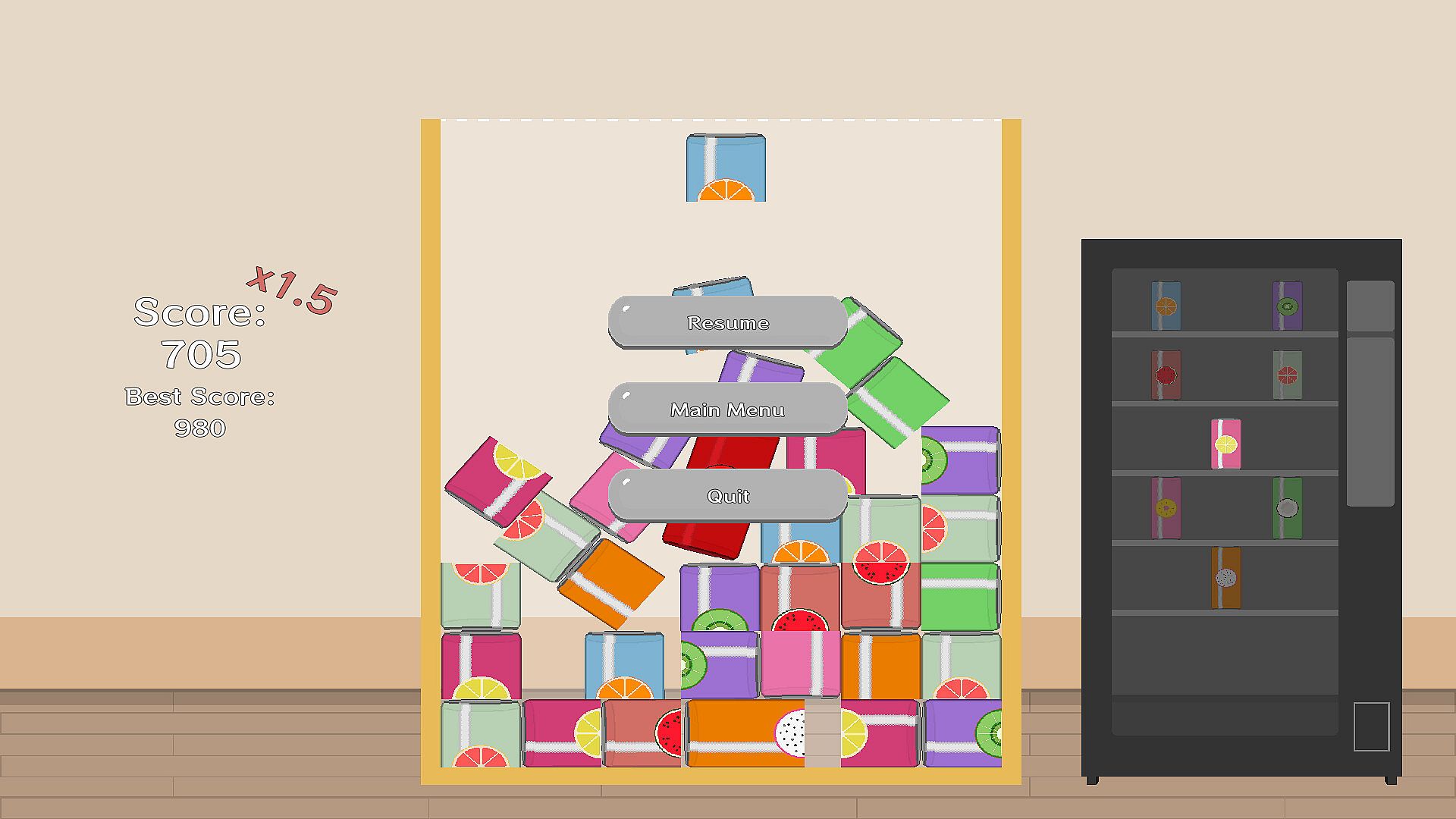
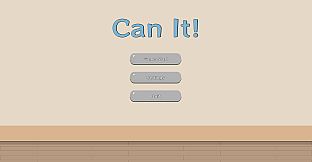
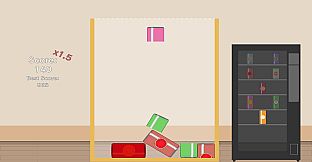
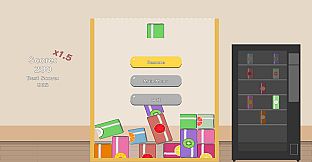
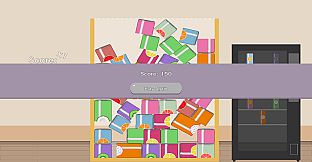
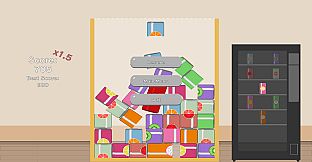
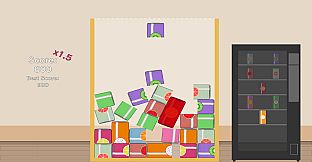
Can It! is a casual action indie game for PC that challenges players to match and assemble can halves in a physics-based puzzle environment. The core experience revolves around connecting identical pieces to clear space and build complete cans while preventing the stack from reaching the top of the screen. Released details emphasize single-player score chasing without any multiplayer components or additional named modes.
Gameplay
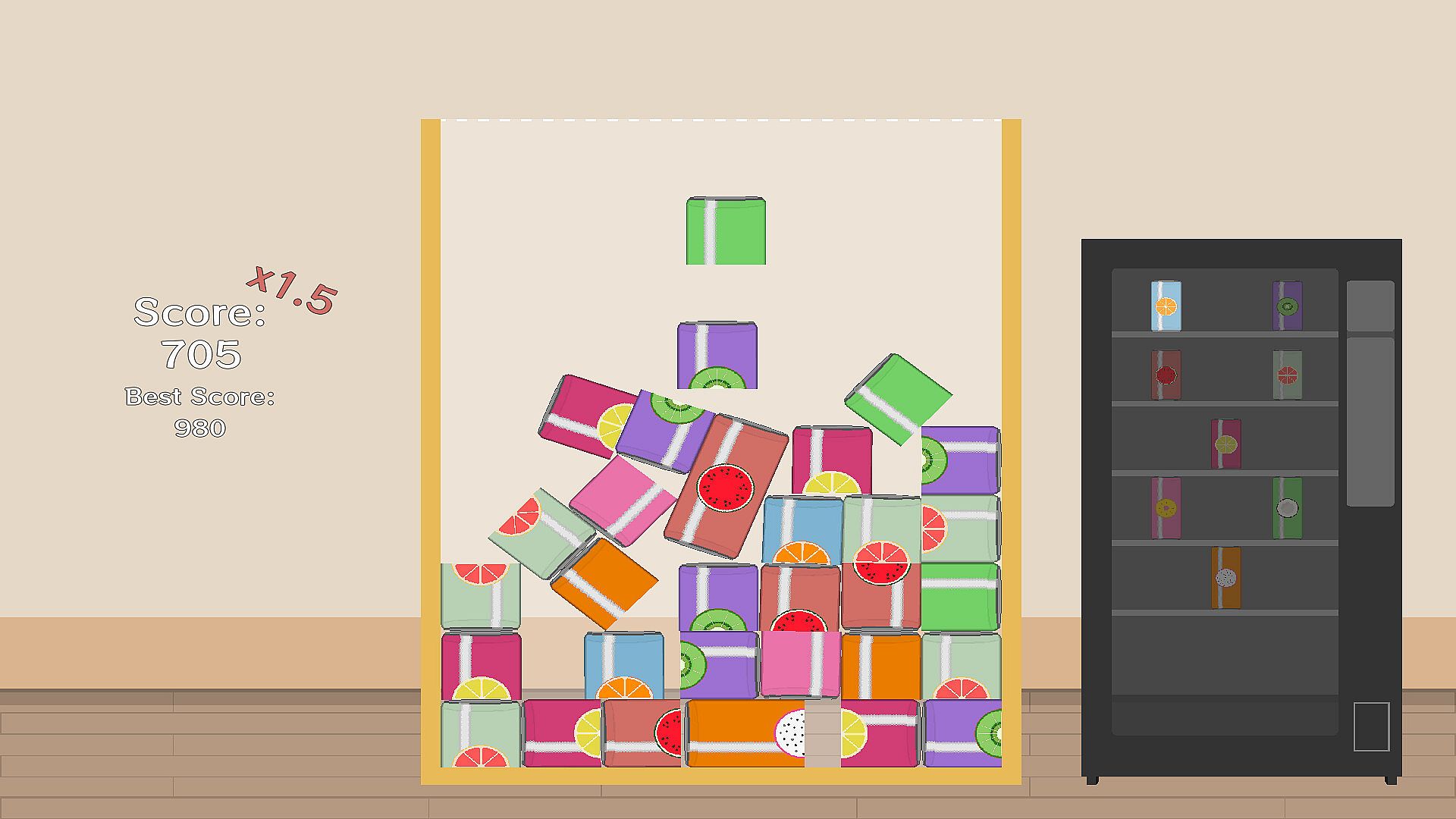
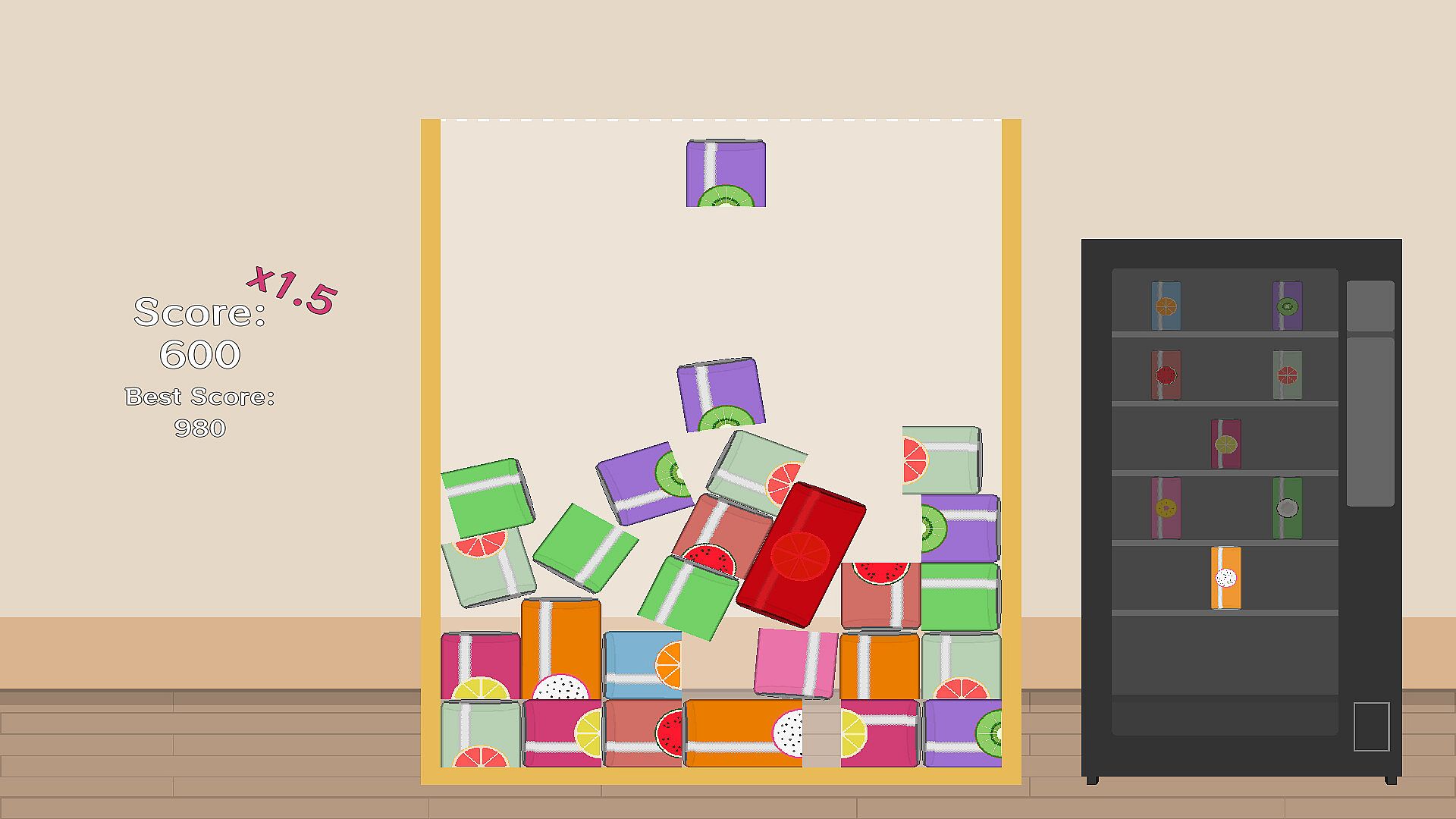
The central loop involves dragging matching can parts together to form complete cans. Players manipulate falling or positioned halves on screen, combining two or more identical pieces into one finished can. Once formed, matching can parts connect and disappear from the play area, freeing up room for continued play. This process relies on precise timing and spatial awareness as pieces descend at increasing speeds tied directly to the current score.
Score multipliers activate when players create more than one identical can in succession. Each consecutive match builds on the previous one, rewarding strategic planning to chain formations and maximize points per session. The physics element adds unpredictability to how pieces settle and interact, requiring players to anticipate movements rather than rely on static grids. As the score climbs, the drop rate accelerates, forcing quicker decisions and forward planning to maintain control over the board.
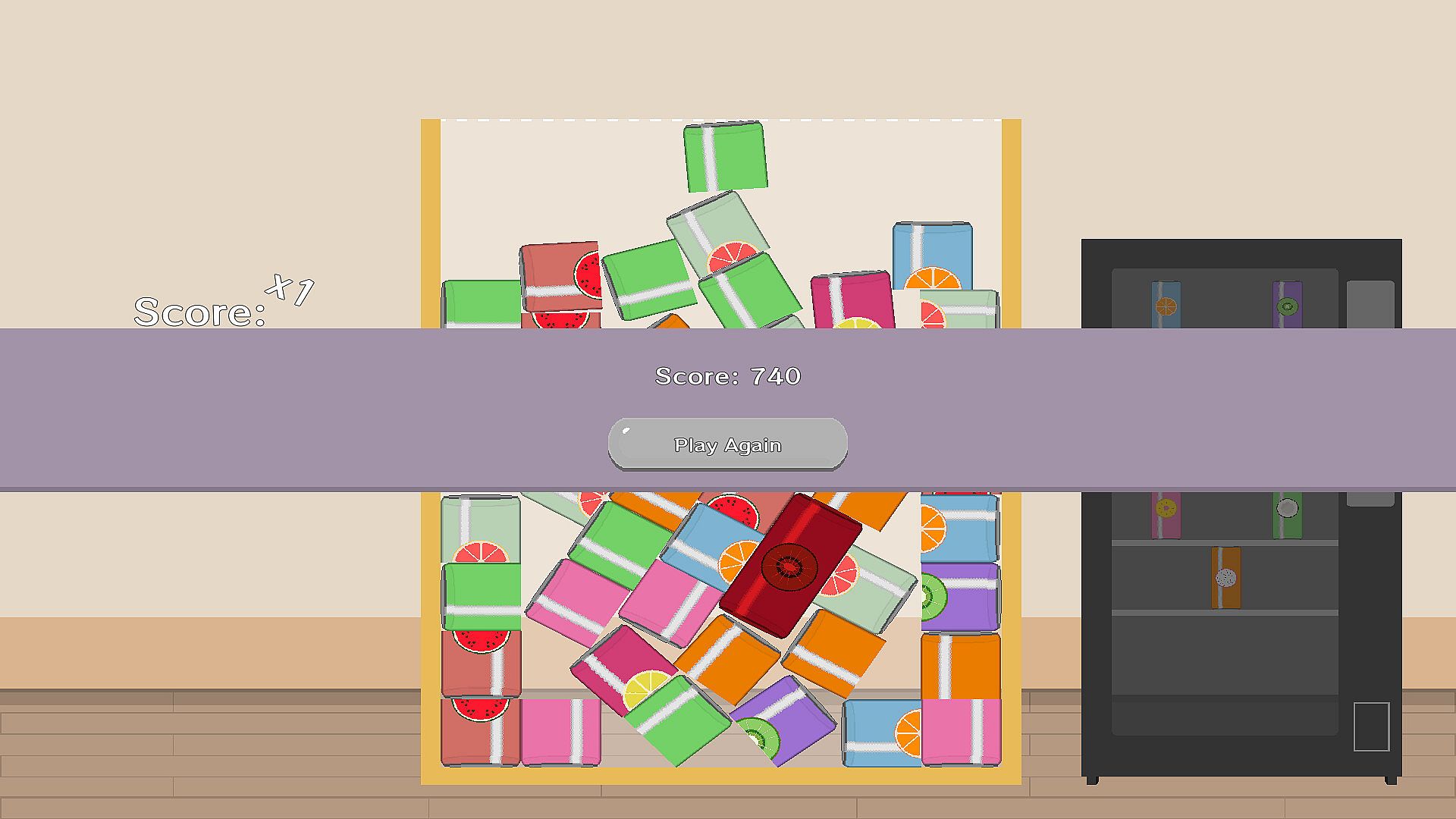
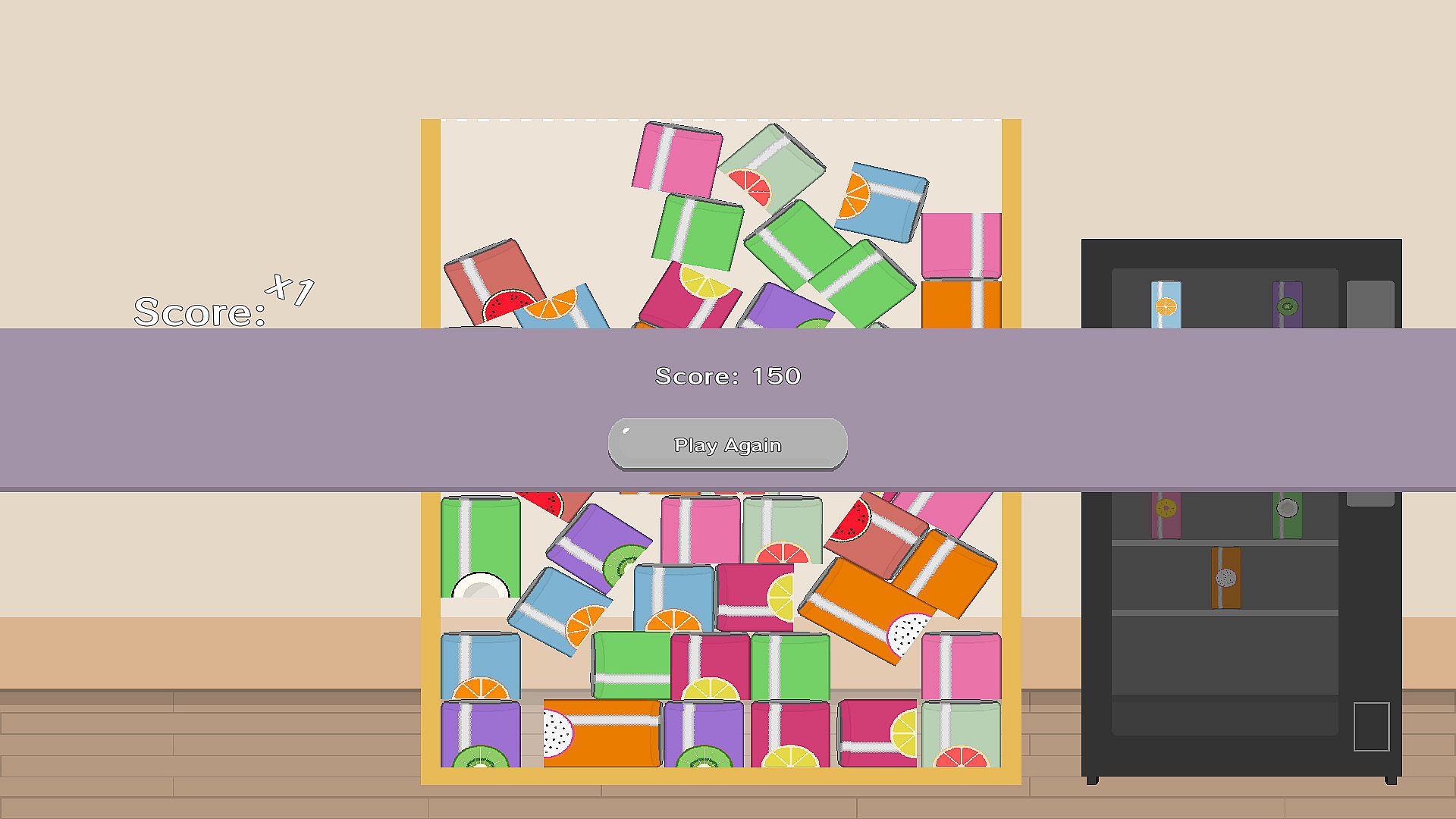
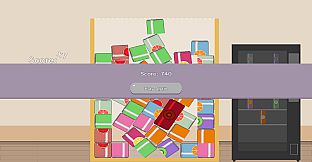
Failure occurs when any assembled can or loose piece reaches the top boundary, ending the run. The system encourages repeated attempts to beat personal high scores through better multiplier management and efficient clearing. No complex progression systems or external elements appear in the confirmed mechanics.
Game Modes
The game centers on a single score-chasing experience designed for repeated high-score attempts. Players compete against their own previous results by stacking multipliers and adapting to faster piece drops. This mode forms the entirety of the verified gameplay structure, with no separate named variants, campaigns, or cooperative options listed.
Endless runs continue until the top is reached, emphasizing endurance and pattern recognition within the physics rules. The focus remains on individual performance improvement rather than external leaderboards or timed challenges beyond the core loop.
Core Mechanics and Strategy
Basic controls center on mouse or touch dragging to join pieces, with visual feedback for matching identical halves. The disappearance rule applies only when two or more matching parts connect after can formation, clearing space efficiently. Attention to the upper screen area becomes critical as speed ramps up, since overflow ends the session immediately.
Effective play involves prioritizing chains that trigger multipliers while clearing potential blockers early. The increasing pace demands constant scanning of the field to identify upcoming matches before they pile up. These elements combine into a straightforward yet demanding casual puzzle system suited for short or extended sessions on PC.
Is It Worth Playing?
Can It! targets players who enjoy casual action and indie physics puzzles focused on score improvement and quick reflexes. The mechanics deliver a clean loop of matching, clearing, and chaining without unnecessary additions, making it accessible for short play periods. With a planned release in November 2026 and single-player availability confirmed, the game appeals to those seeking straightforward high-score challenges on PC.
Current information shows no user reviews or post-launch updates available yet. Individuals drawn to multiplier-based progression and escalating difficulty will find the core systems align with that preference. Those preferring narrative depth, multiple distinct modes, or social features may want to evaluate after release based on the described physics matching. The title stands as an independent casual experience built around repeated personal best attempts.











