






Cartagol: Football Card Career is a strategy simulation sports game that places players in the role of a footballer building a professional path through card-driven matches rather than traditional controls or sliders. The experience centers on managing a full career across multiple leagues while handling every fixture through deliberate card play on a tabletop setup.
Gameplay
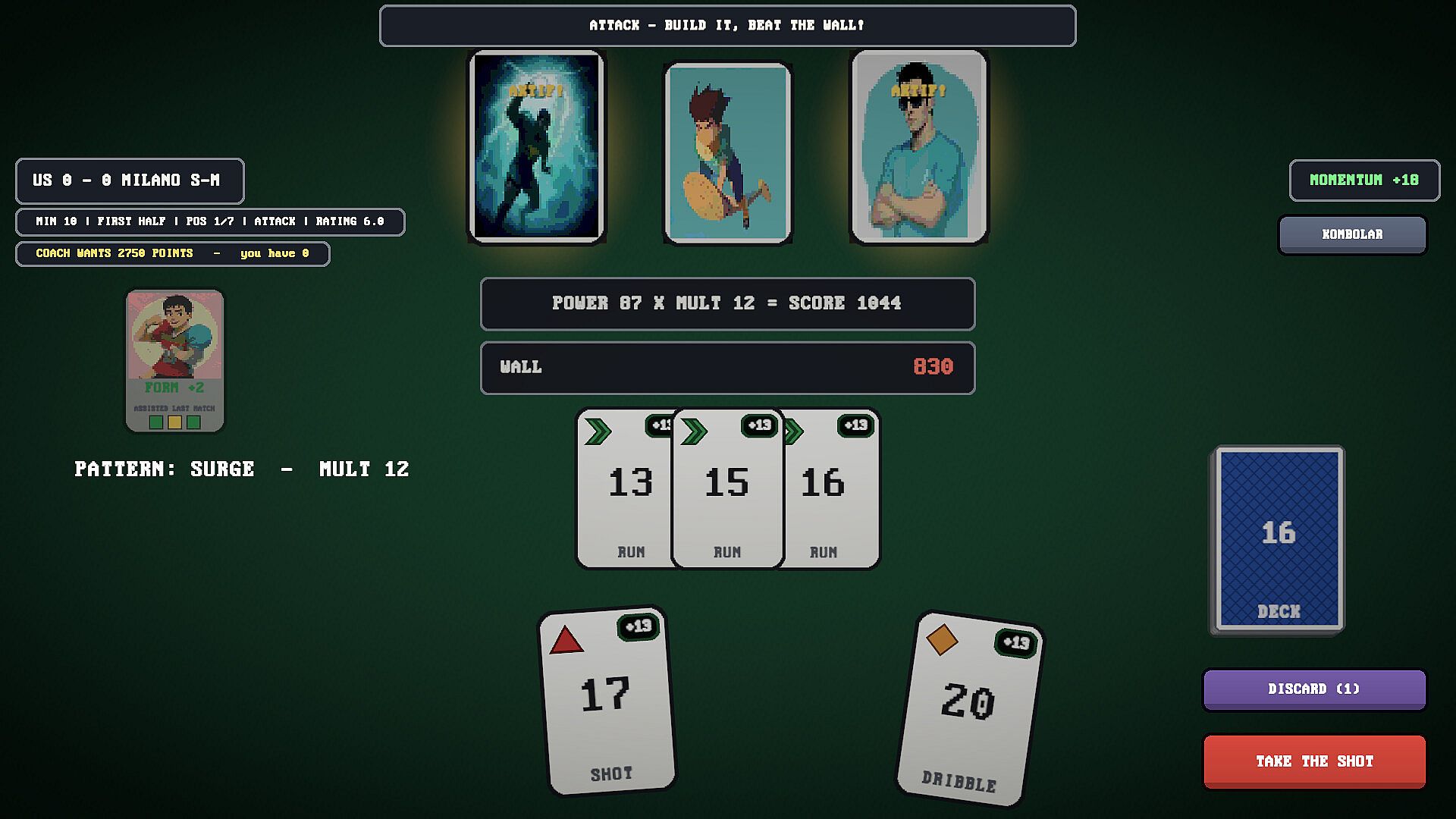
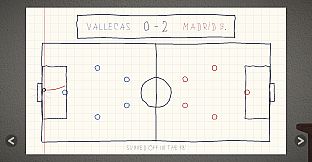
Matches unfold entirely through card mechanics. Players draw a hand and select up to three cards for each position on the pitch. Scoring relies on power multiplied by chosen multipliers, with opportunities to chain sequences such as tiki-taka, counter-attack, or solo run for additional bonuses. Momentum shifts between attack and defense require active decisions, and finishing chances depends on the cards played rather than automated outcomes. Two-legged European ties add layers of planning, while level scores lead to penalty shootouts resolved card against card.
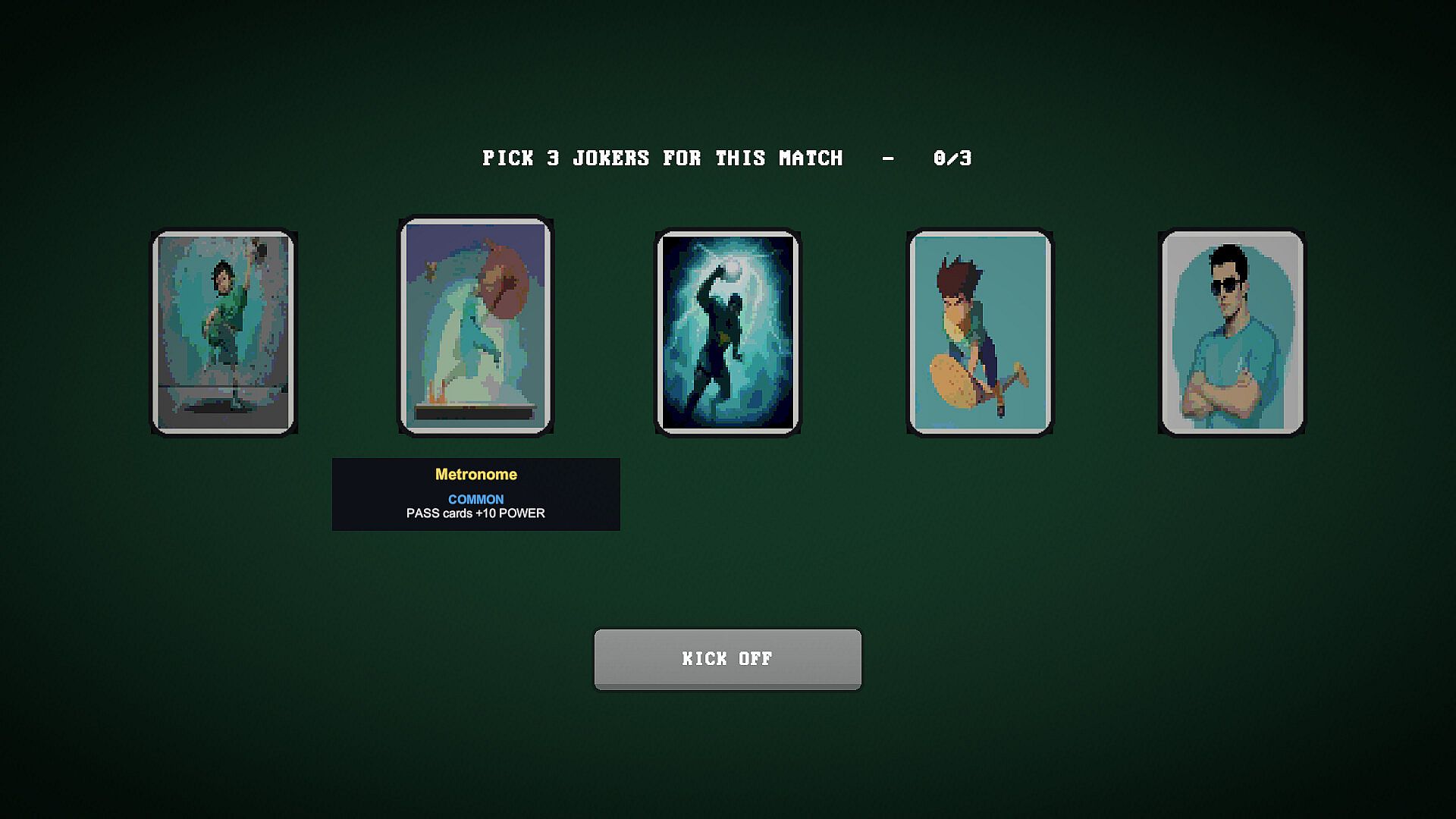
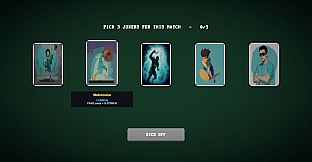
Progression ties directly to performance in these matches. Experience points come only from playing, which unlocks card packs and allows collection of 34 jokers spread across three rarity tiers. Each joker alters match rules in distinct ways, supporting different playstyles such as sequence specialists, multiplier-focused builds, or defensive setups. A training area offers card-based puzzles to refine these choices before competitive fixtures.
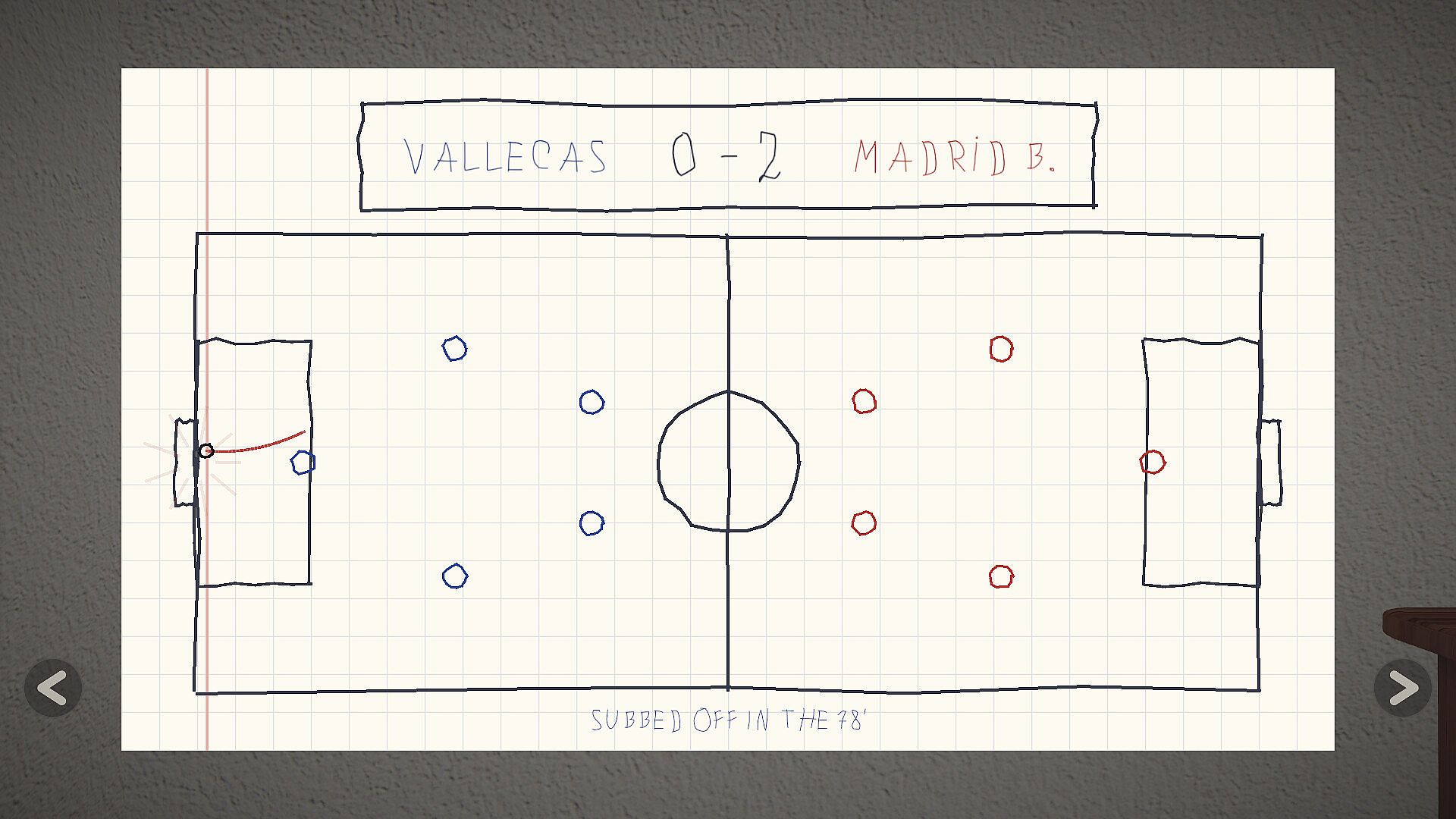
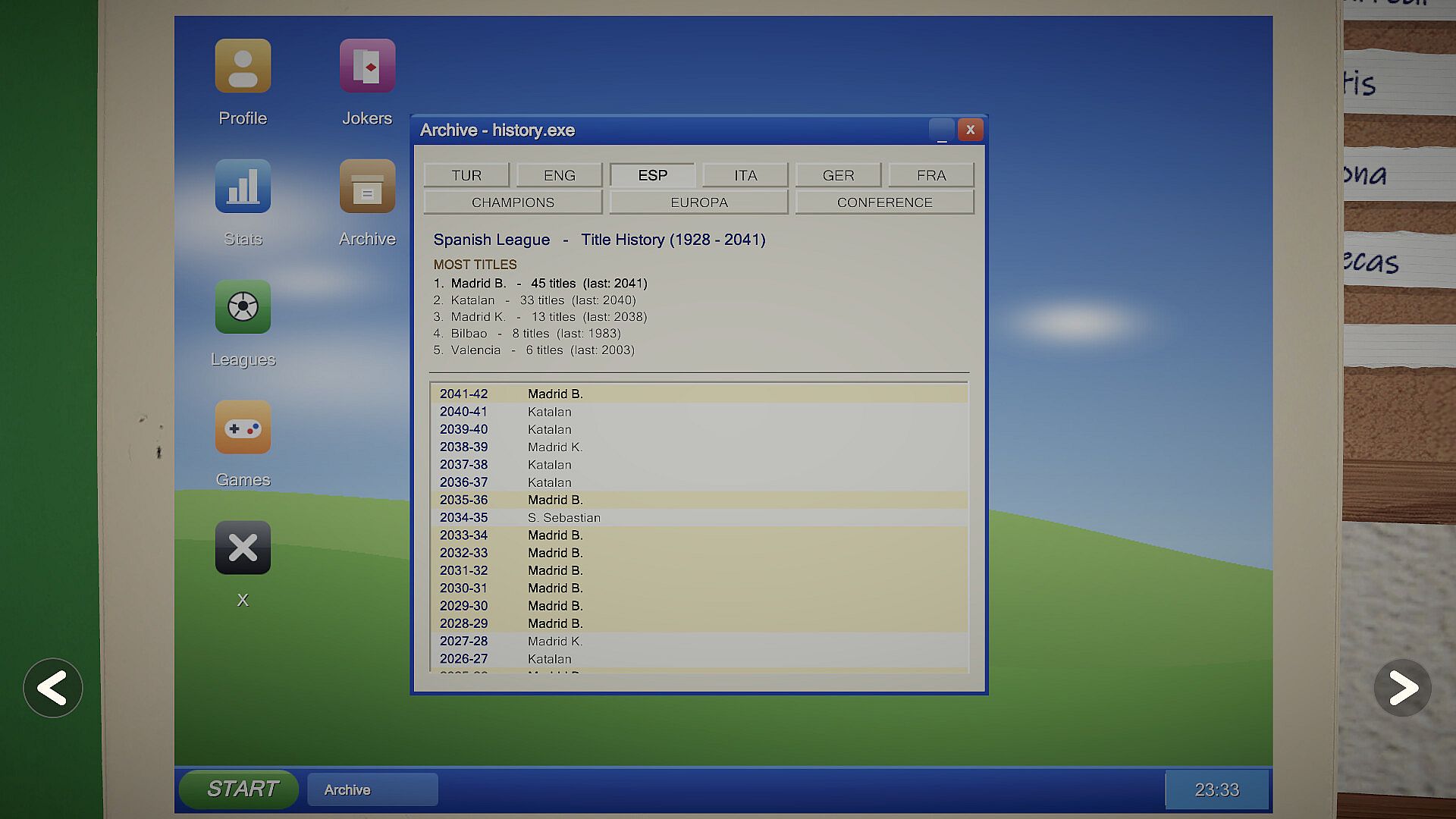
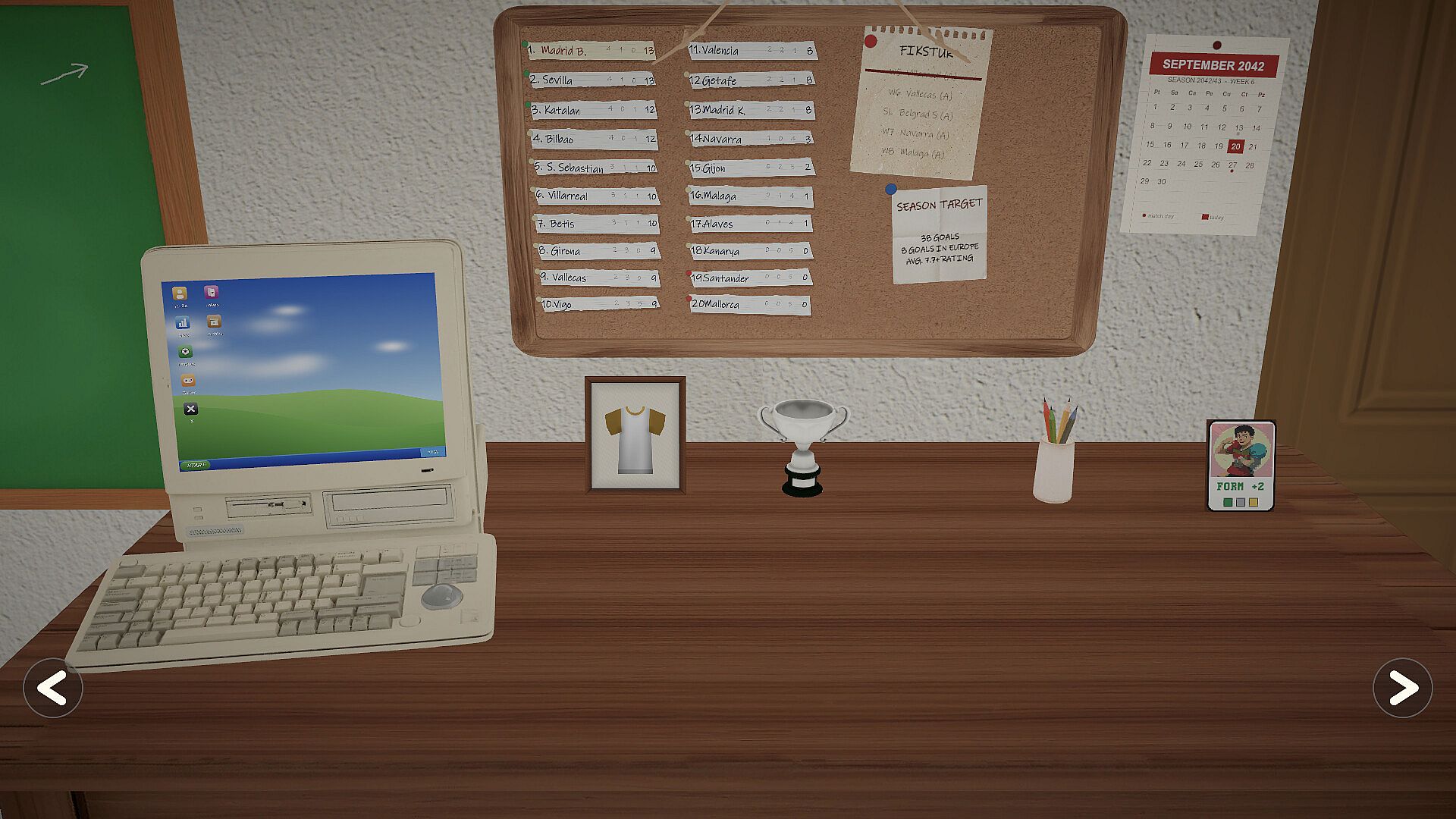
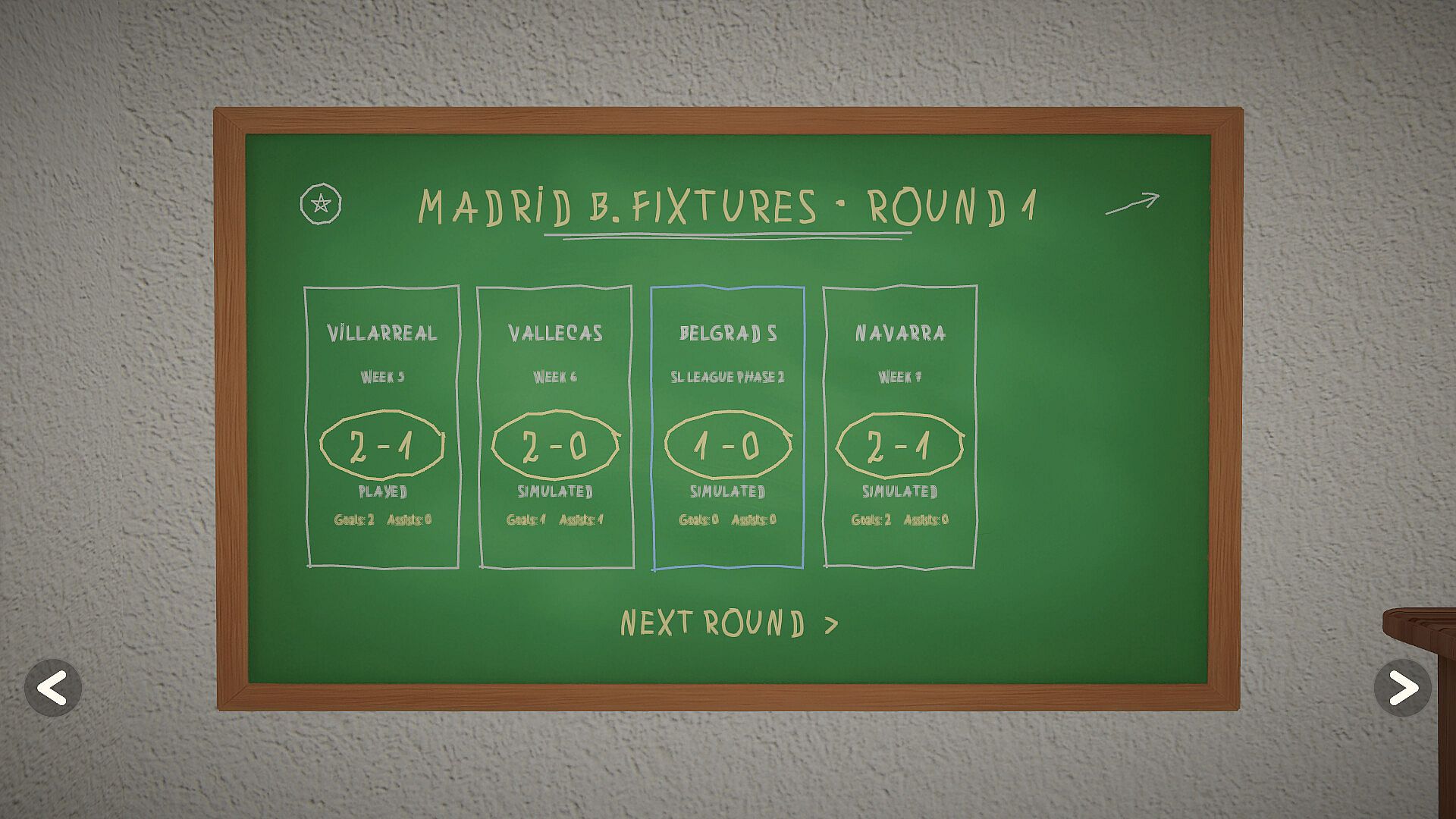
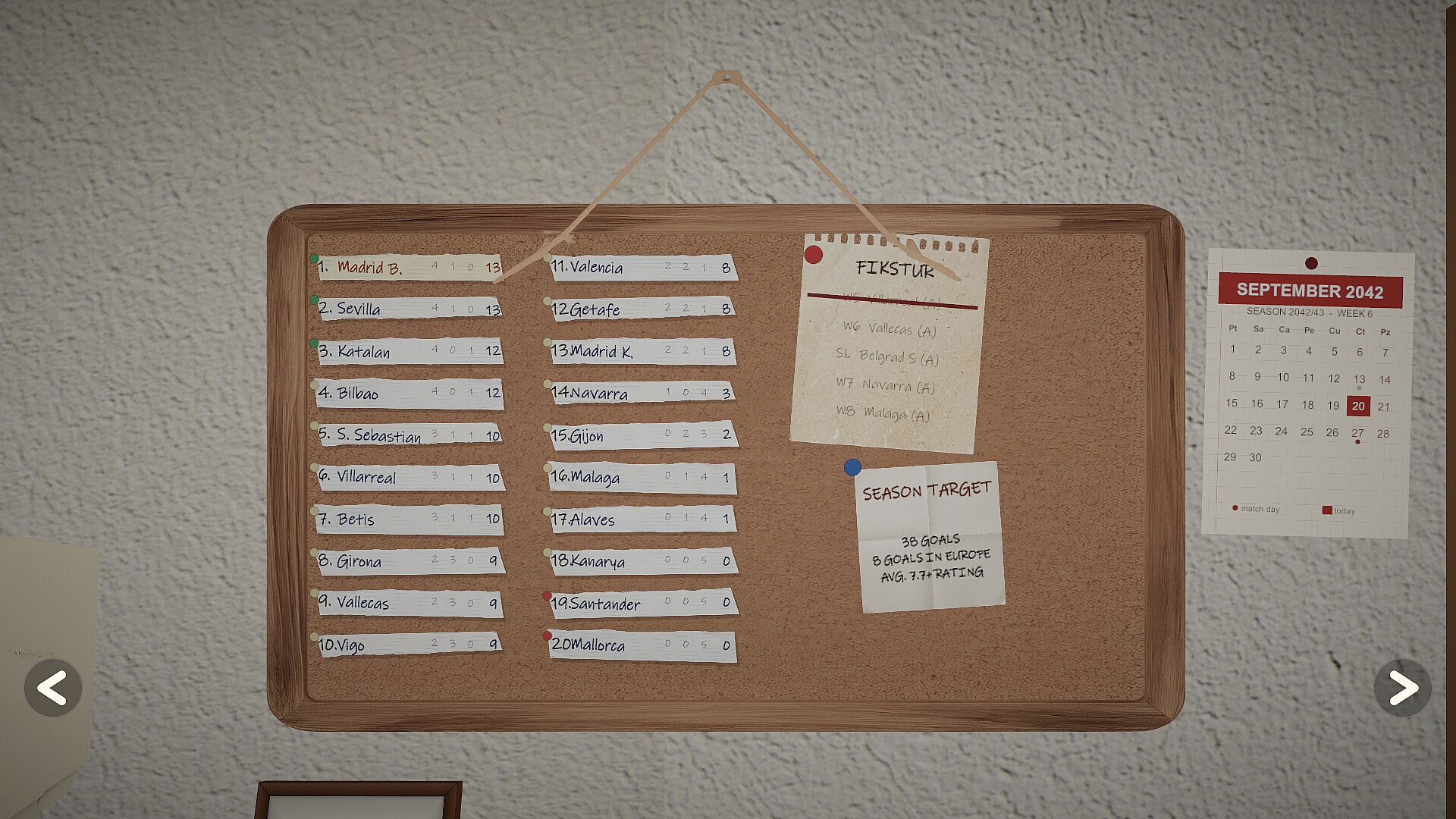
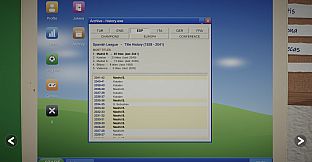
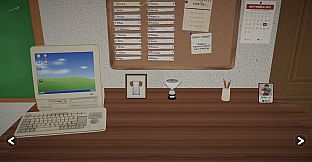
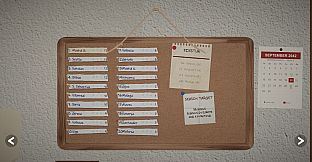
The career hub reinforces immersion through physical objects in a personal room. A cork board displays league standings and fixture notes. A match ticket on the desk initiates play. A retro computer provides access to statistics, the transfer market, joker management, and historical archives. Transfers involve negotiation timing with offers that can arrive, linger, or withdraw, alongside contract and wage discussions.
Game Modes
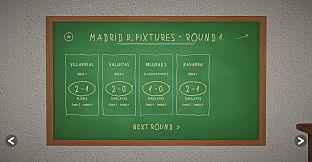
The core structure revolves around a single-player career spanning six top leagues plus their second divisions, covering promotion, relegation, and more than 100 clubs. A season calendar tracks matches week by week, incorporating group phases, knockout rounds, and finals in European competitions. All competitive encounters use the card battle system, ensuring consistency from domestic fixtures to continental ties.
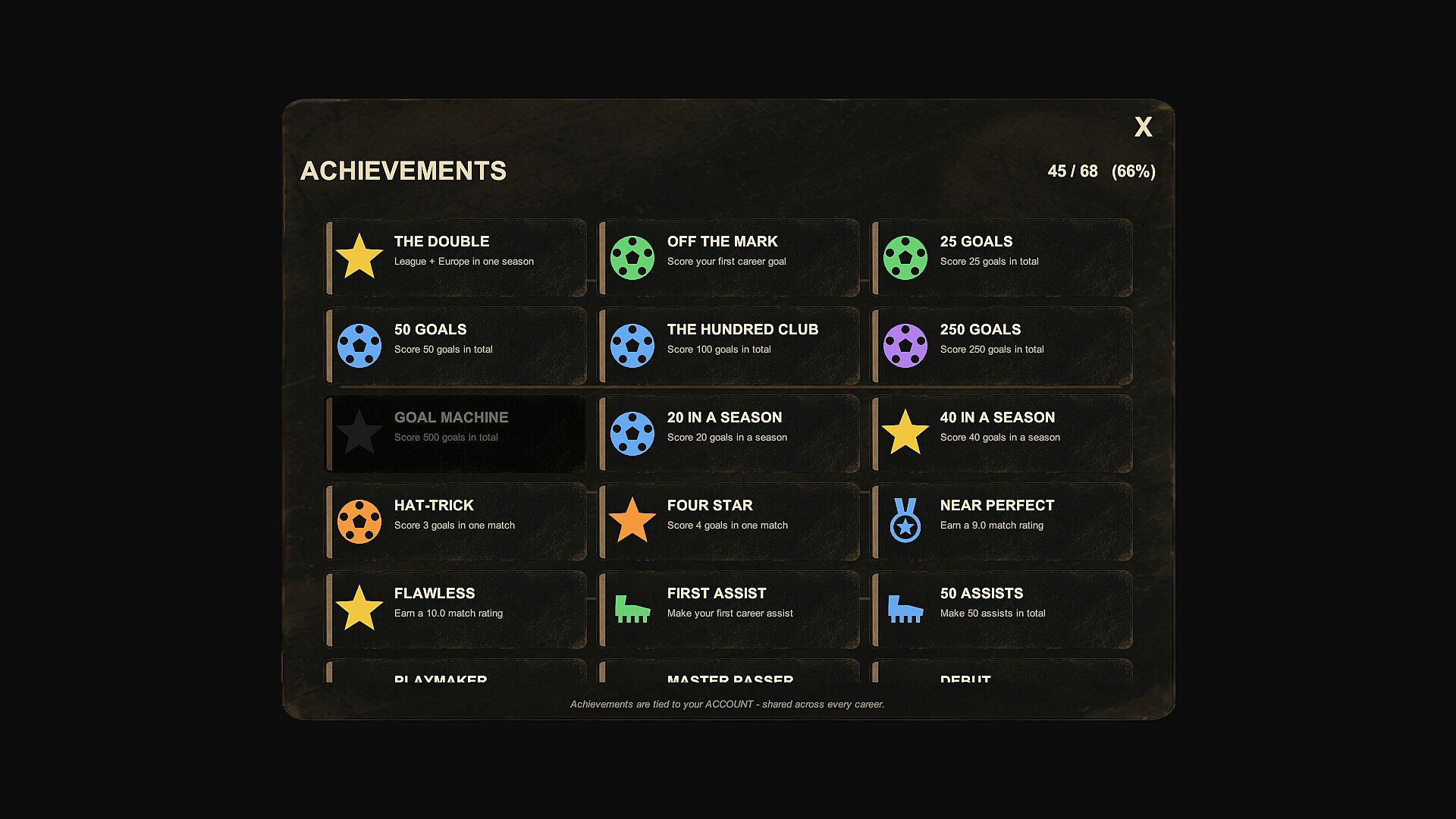
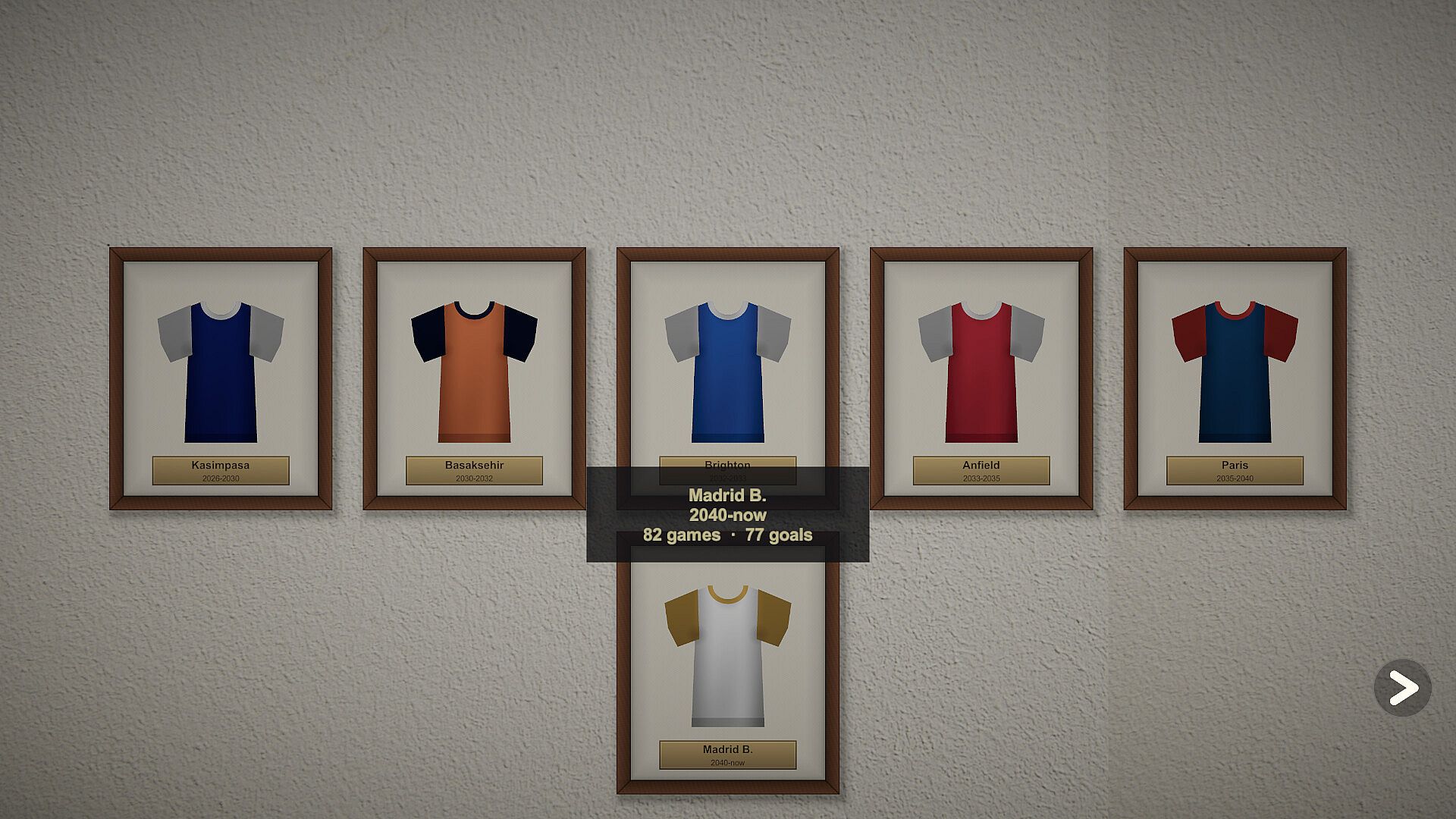
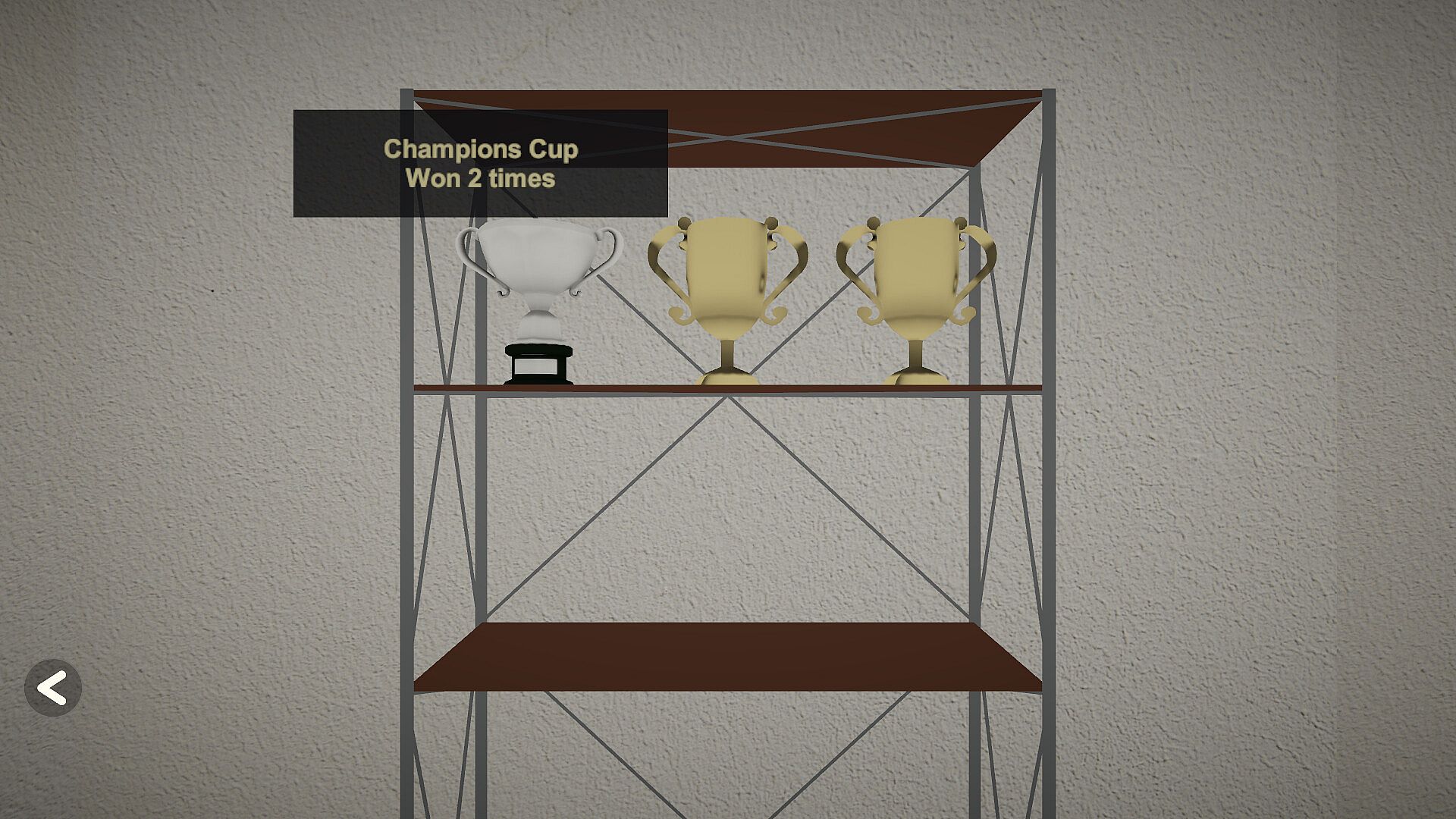
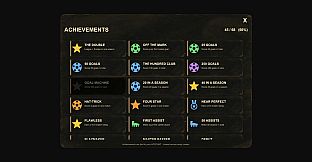
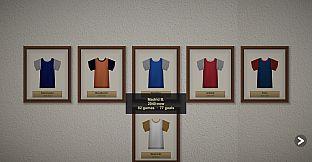
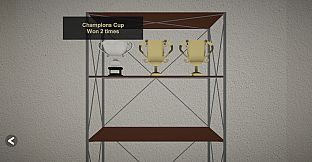
Player actions influence external reactions through a social media feed where supporters respond to form, alongside press coverage and market value fluctuations tracked on a graph. Success builds a trophy cabinet gradually, reflecting achievements earned through consistent card play and career decisions. The system supports starting from modest beginnings and advancing based on results in the card matches.
Career Progression and Management
Transfers and boardroom elements add depth beyond the pitch. Real-time negotiation drama plays out with incoming offers that require decisions under time pressure. Contracts and wage talks factor into long-term planning, while league standings on the cork board guide fixture preparation. The archive on the computer allows review of past seasons and historical context for informed choices.
European campaigns introduce two-legged formats that demand sustained performance across multiple card sessions. Penalty resolutions maintain the card focus even in decisive moments. This setup creates a rhythm where weekly matches build toward larger objectives like promotion or continental success.
Is It Worth Playing?
Cartagol: Football Card Career suits players who enjoy blending strategic card mechanics with simulation elements in a sports context. The absence of automated sliders or auto-play means every goal stems from explicit card selections and combo planning. Those drawn to indie strategy titles that emphasize personal decision-making over visual spectacle will find the room-based hub and reactive world elements rewarding for extended sessions.
The game appeals particularly to fans of card collection and build experimentation alongside football career arcs. With support for full seasons including relegation battles and European progression, it offers depth for those willing to engage with the tabletop-style match resolution. Availability on PC positions it for players seeking a focused, single-player experience without reliance on multiplayer components.











