

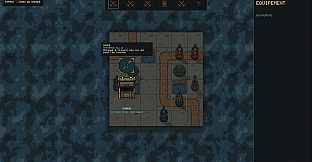
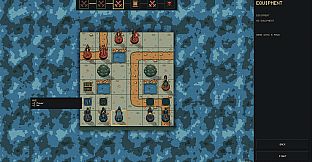
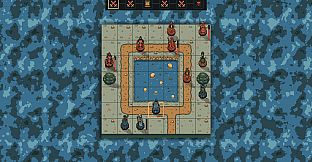
Chess Army is a tactical turn-based strategy RPG that blends roguelike progression with chess-inspired movement on a grid-based battlefield. Players command an army of soldiers, mages, cavalry, and spearmen across a campaign of permanent decisions and high-stakes positioning. Each unit follows chess piece movement patterns, yet the game emphasizes resource management, recruitment from fallen foes, and terrain interaction rather than traditional chess rules. The experience centers on building and evolving a unique force through repeated battles where losses carry lasting consequences.
Gameplay
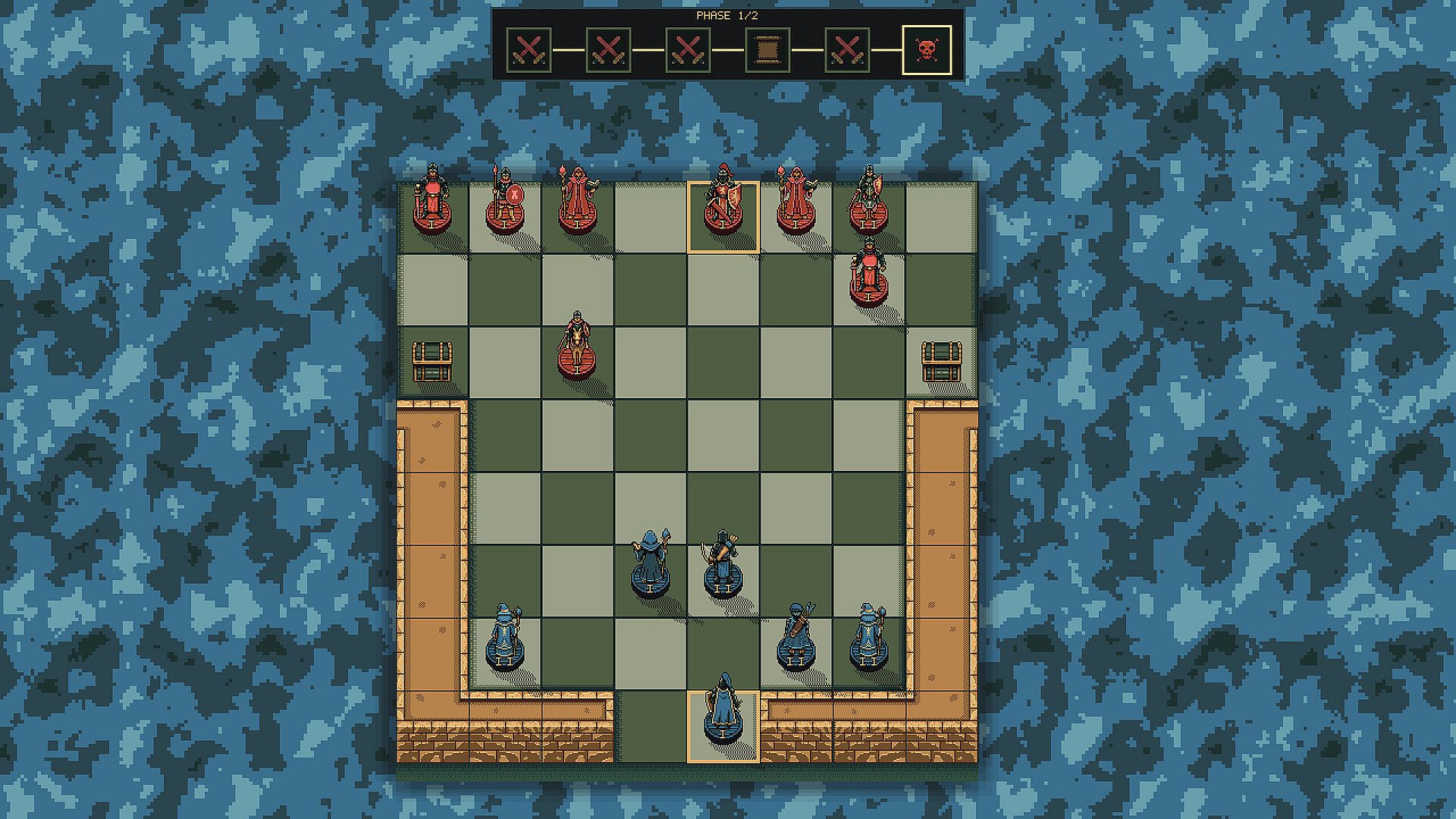
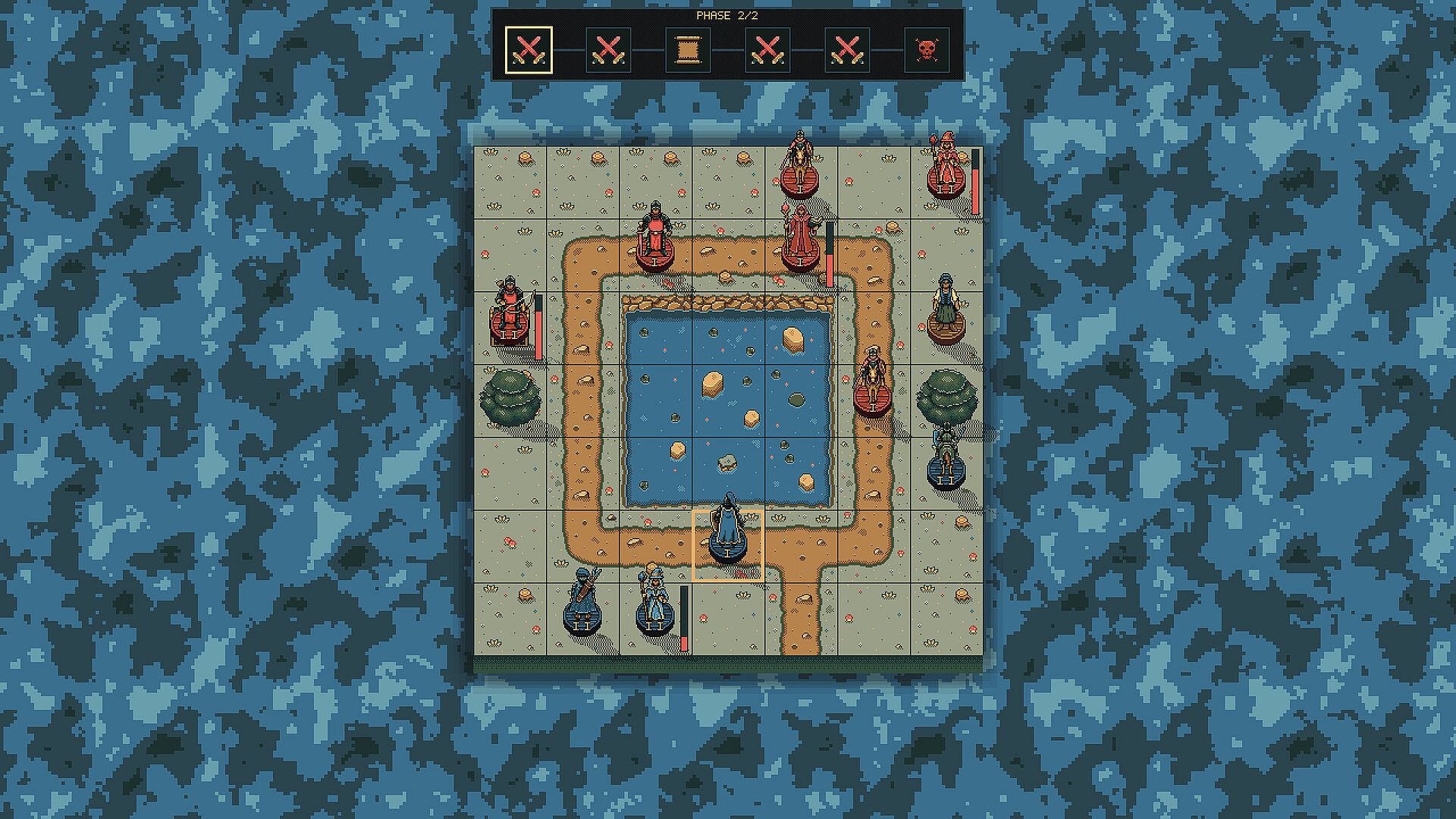
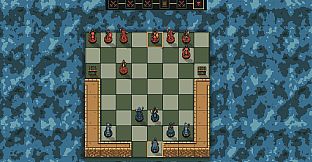
Combat unfolds on a grid where every move counts and positioning often outweighs raw power. Units belong to one of four army corps that dictate their traversal of the field. Mages advance diagonally like bishops for ranged strikes. Cavalry executes L-shaped leaps similar to knights to bypass obstacles. Spearmen and guards push forward in straight lines like rooks while controlling lanes. Infantry operates in all eight directions like queens, serving as the flexible core of most formations. One action per turn forces careful planning, and the commander unit cannot be replaced if eliminated.
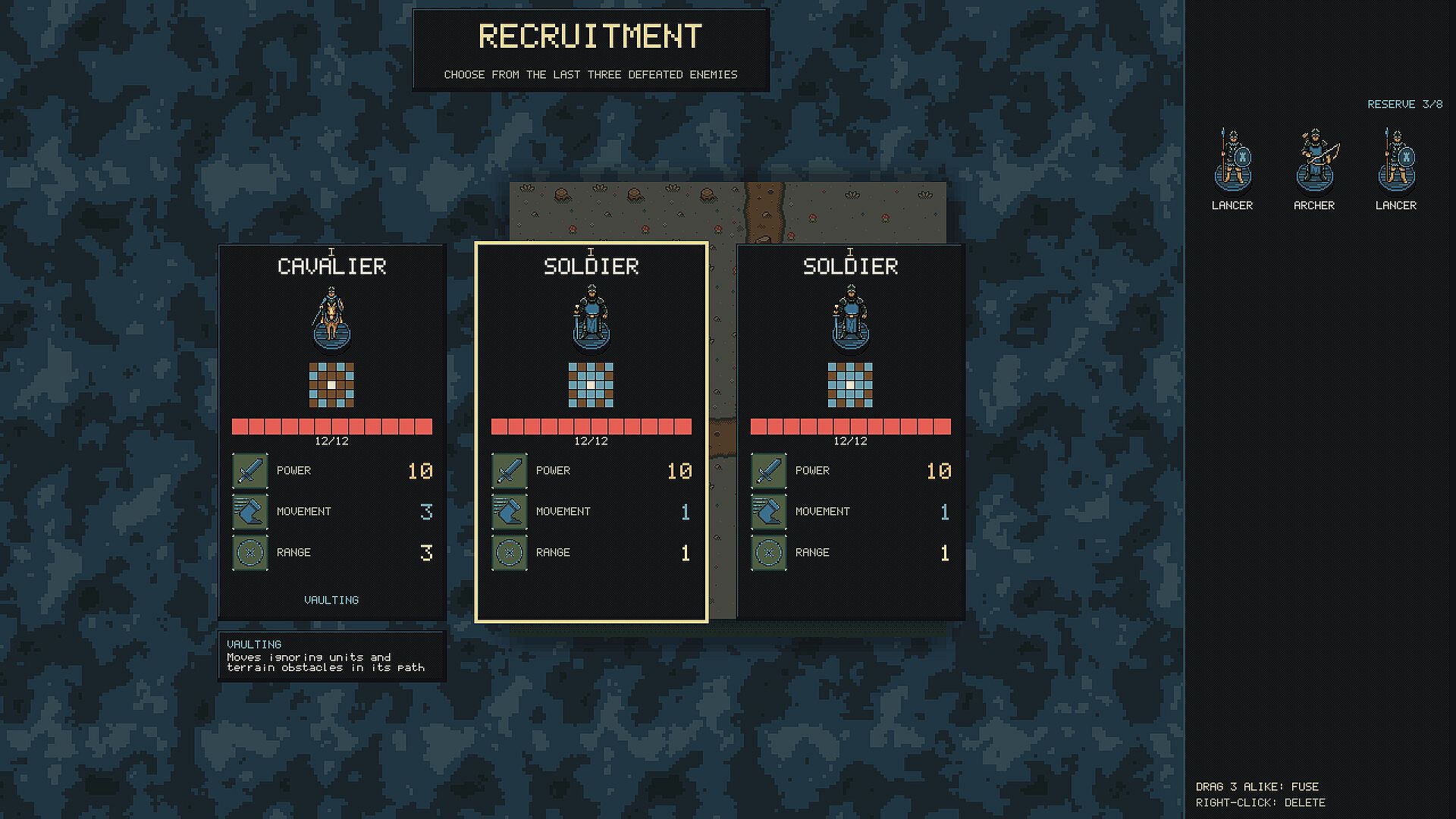
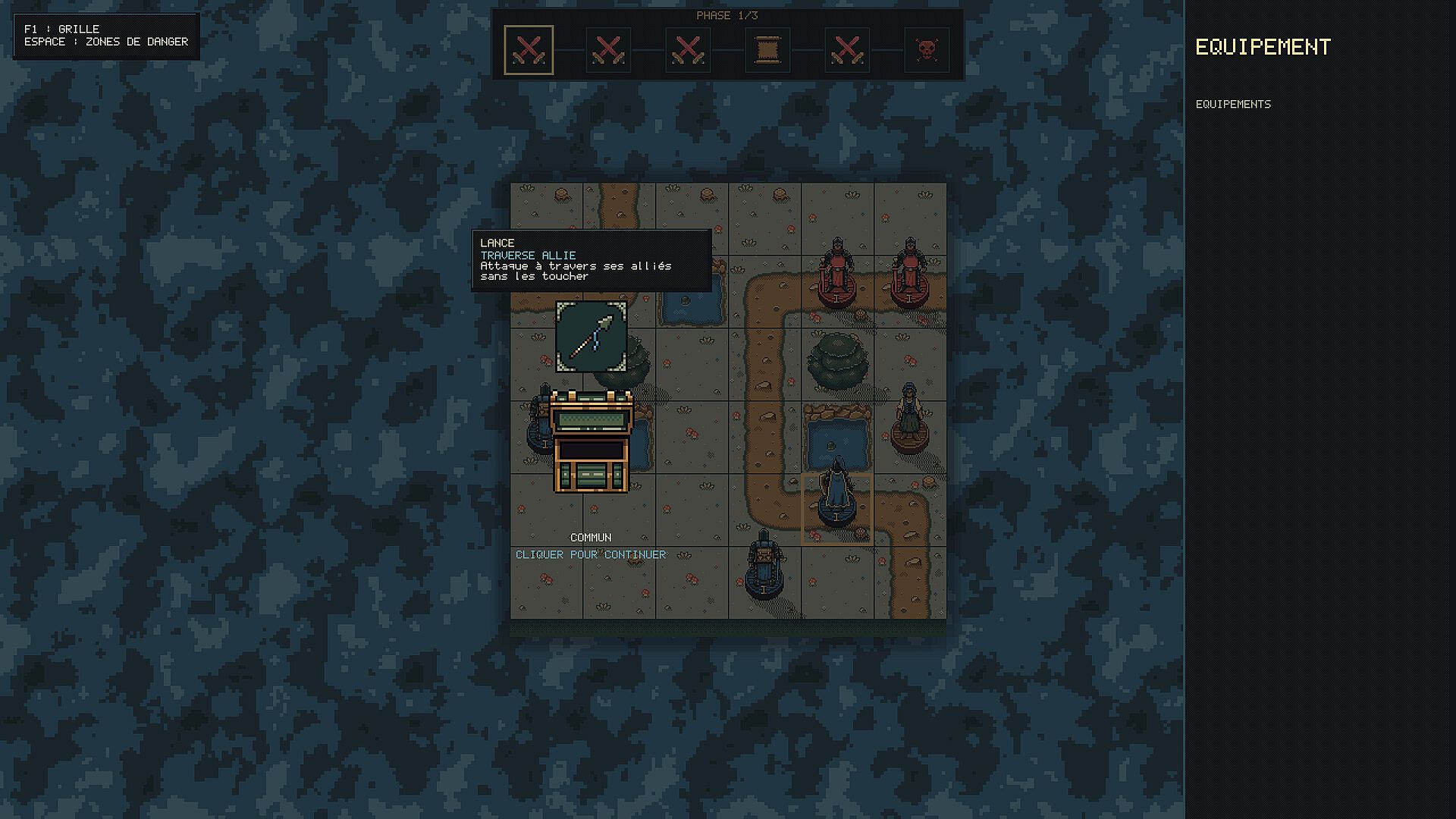
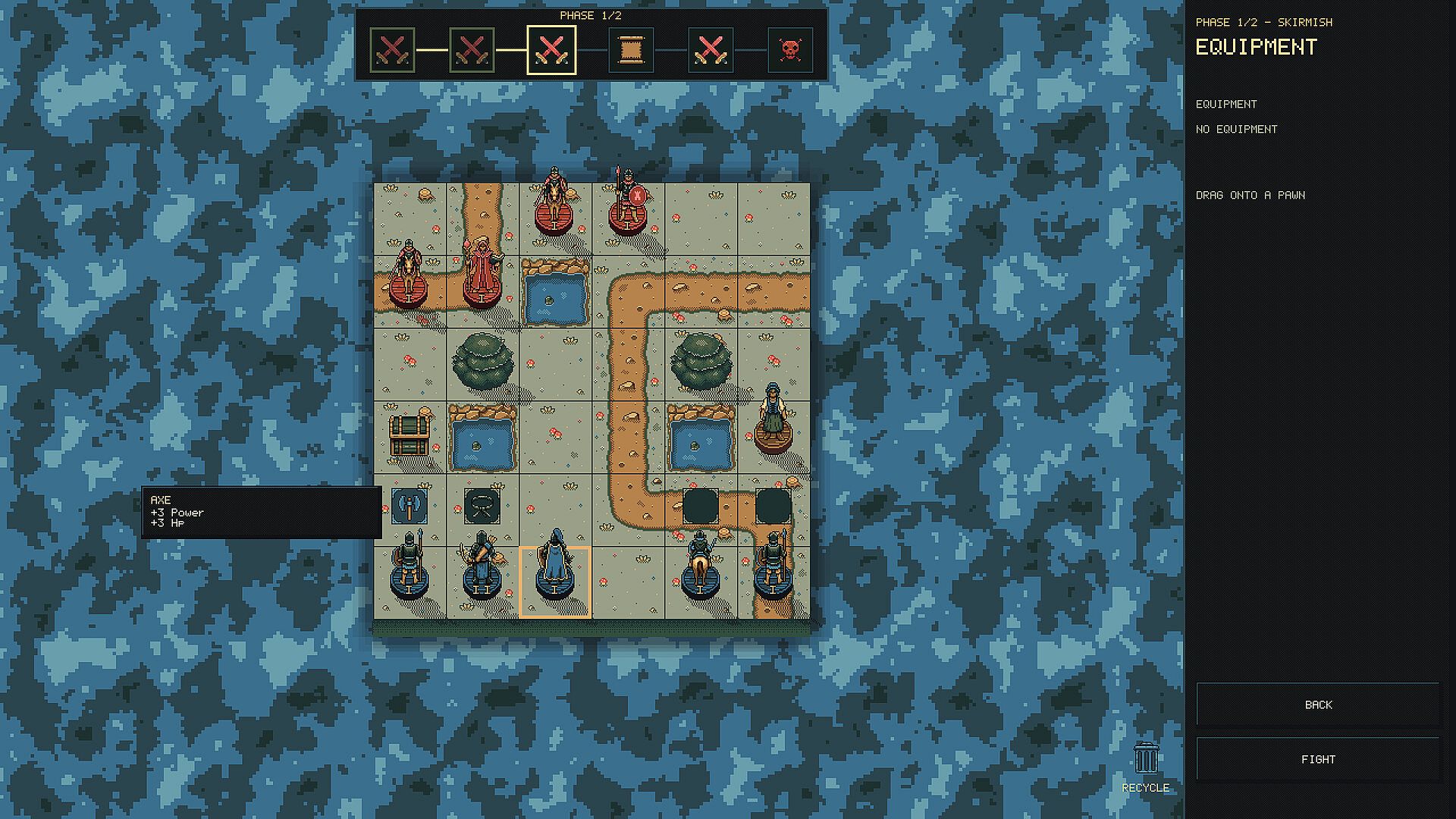
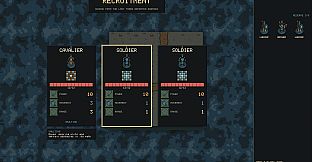
Recruitment forms the heart of long-term strategy. After each encounter, players select one of the last three defeated enemies to add to their ranks. Between fights, three identical base units can be fused to unlock advanced forms. This system yields twenty-eight distinct classes across branching specialization paths. A basic soldier might evolve into a barbarian focused on aggression or a weapon master emphasizing precision. Mages branch toward protective roles or blood-draining abilities. Equipment from chests further customizes each soldier with common, rare, or legendary items that grant targeted advantages.
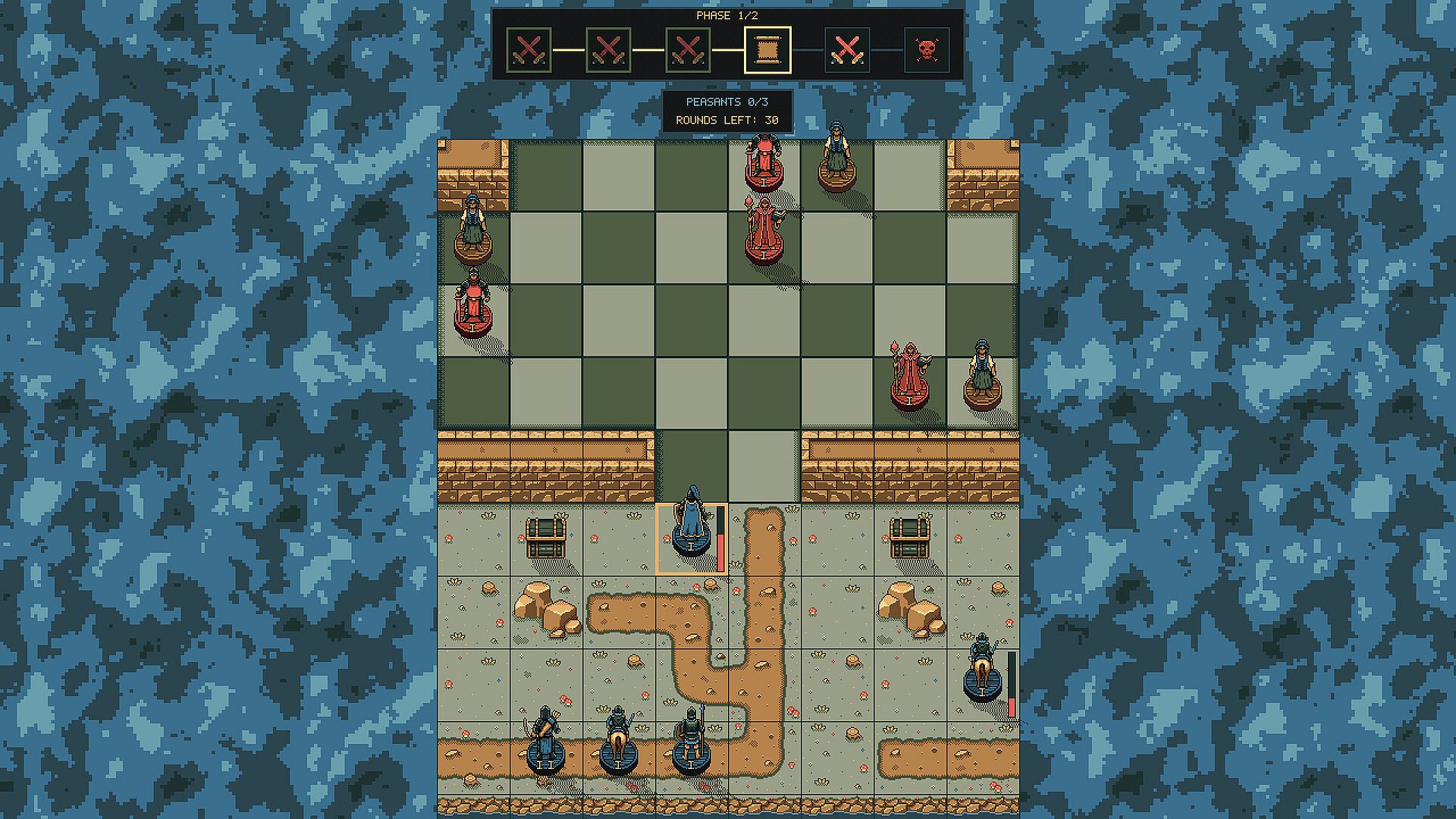
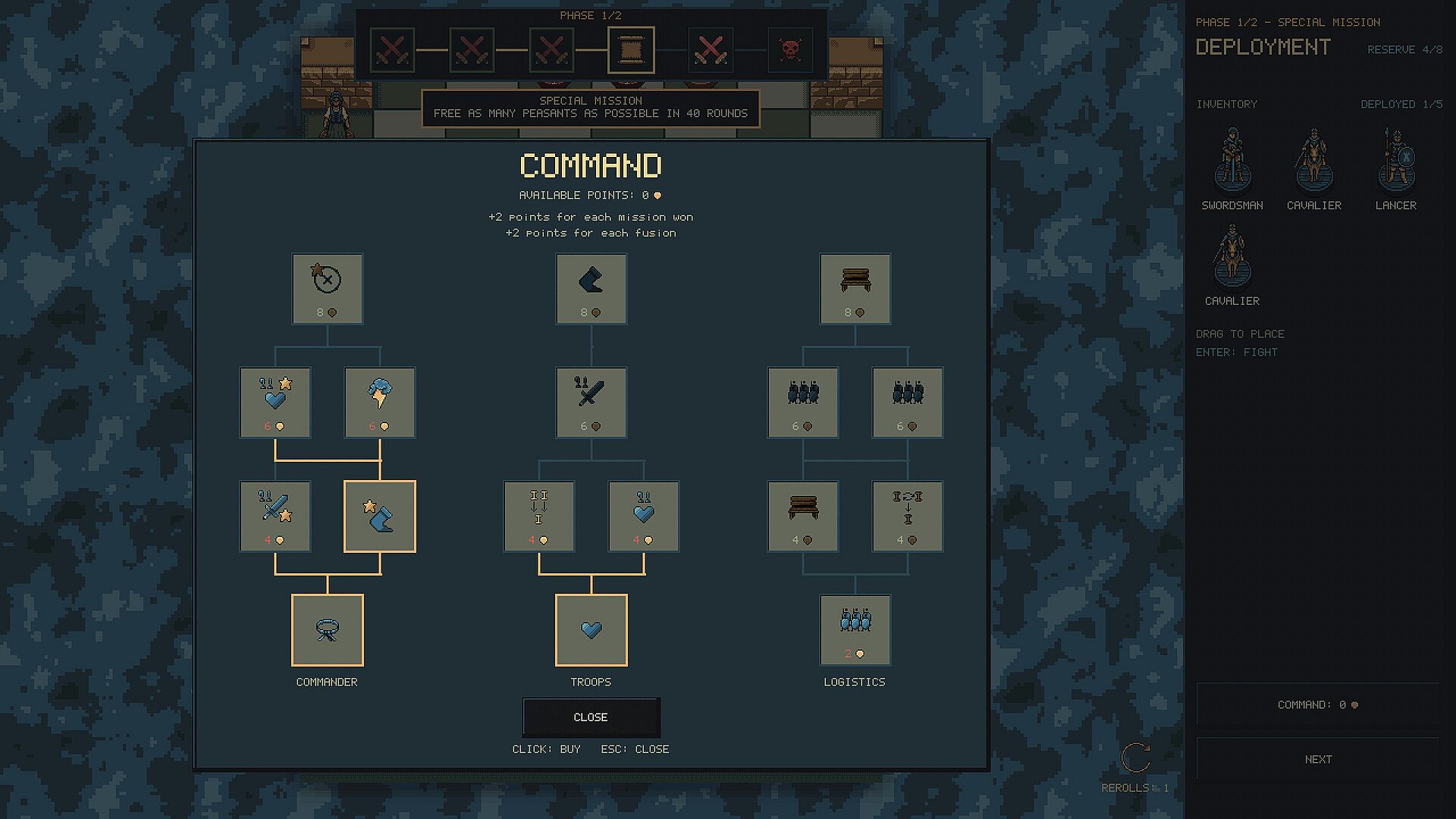
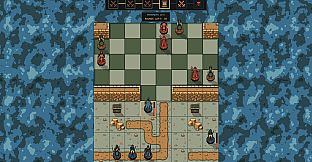
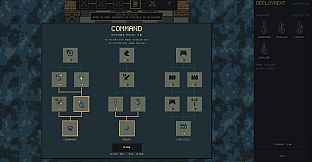
Terrain shapes every engagement. Bushes absorb incoming damage, boulders interrupt sight lines, and water alters movement options. Unit traits interact with these elements to reward thoughtful placement over aggressive charges. Command points earned between battles upgrade a chosen leader through a personal skill tree that influences army size, unit durability, or deployment flexibility. The result is a loop of scouting, fighting, recruiting, and refining that builds momentum across an entire run.
Game Modes
The primary experience revolves around a single-player campaign divided into three phases of six missions each. Skirmishes serve to reduce enemy numbers and gather recruits. A central special mission in every phase introduces unique challenges before a concluding boss encounter. Each phase features a distinct warlord opponent whose tactics scale in difficulty as progress continues. Victory requires surviving all eighteen battles while managing the permanent loss of units and the ever-present risk to the commander.
Reserve slots allow stashing reinforcements for later deployment, adding another layer of preparation before each fight. No separate multiplayer or endless modes appear in the core design. The structure instead emphasizes repeated campaign attempts with evolving armies shaped by prior victories and defeats. This focused approach keeps attention on tactical adaptation and army sculpting rather than varied side activities.
Core Mechanics and Progression
Permadeath applies strictly to the commander, ending the run upon their defeat while individual soldiers remain lost once fallen. This creates tension around every engagement and encourages conservative positioning when possible. The fusion mechanic for class evolution rewards consistent use of the same unit types, turning early pawns into late-game specialists with unique strengths. Command trees attached to different leaders offer replay variety by altering priorities such as logistics expansion or troop hardening.
Pixel art presentation keeps the focus on clear grid visibility and unit silhouettes. Line-of-sight rules and trait interactions further differentiate encounters, making cover and elevation factors that can turn a disadvantaged fight into a favorable one. Players who enjoy methodical planning find satisfaction in how small terrain choices compound over multiple turns.
Is It Worth Playing?
Chess Army suits players who appreciate deliberate, grid-based tactics combined with roguelike army building and permanent consequences. The chess-movement foundation provides an accessible entry point while the recruitment, fusion, and equipment layers add depth for repeated runs. Those drawn to single-player campaigns with escalating bosses and meaningful positioning decisions will find the eighteen-battle structure engaging. The absence of multiplayer options keeps the experience tightly focused on personal strategy refinement. If the combination of chess patterns, unit evolution, and high-stakes commander protection aligns with preferred playstyles, the game delivers consistent tactical challenge across its phases.