




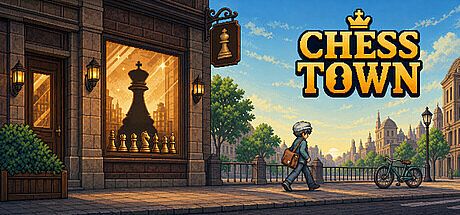


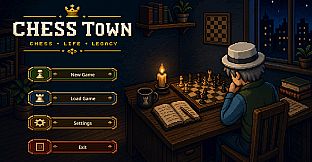
Chess Town is a strategy and simulation game that blends chess matches with career management on PC. Players guide an aspiring chess player through tournaments and everyday jobs, where decisions on and off the board shape long-term progress in a single-player experience focused on steady improvement rather than quick wins.
Gameplay
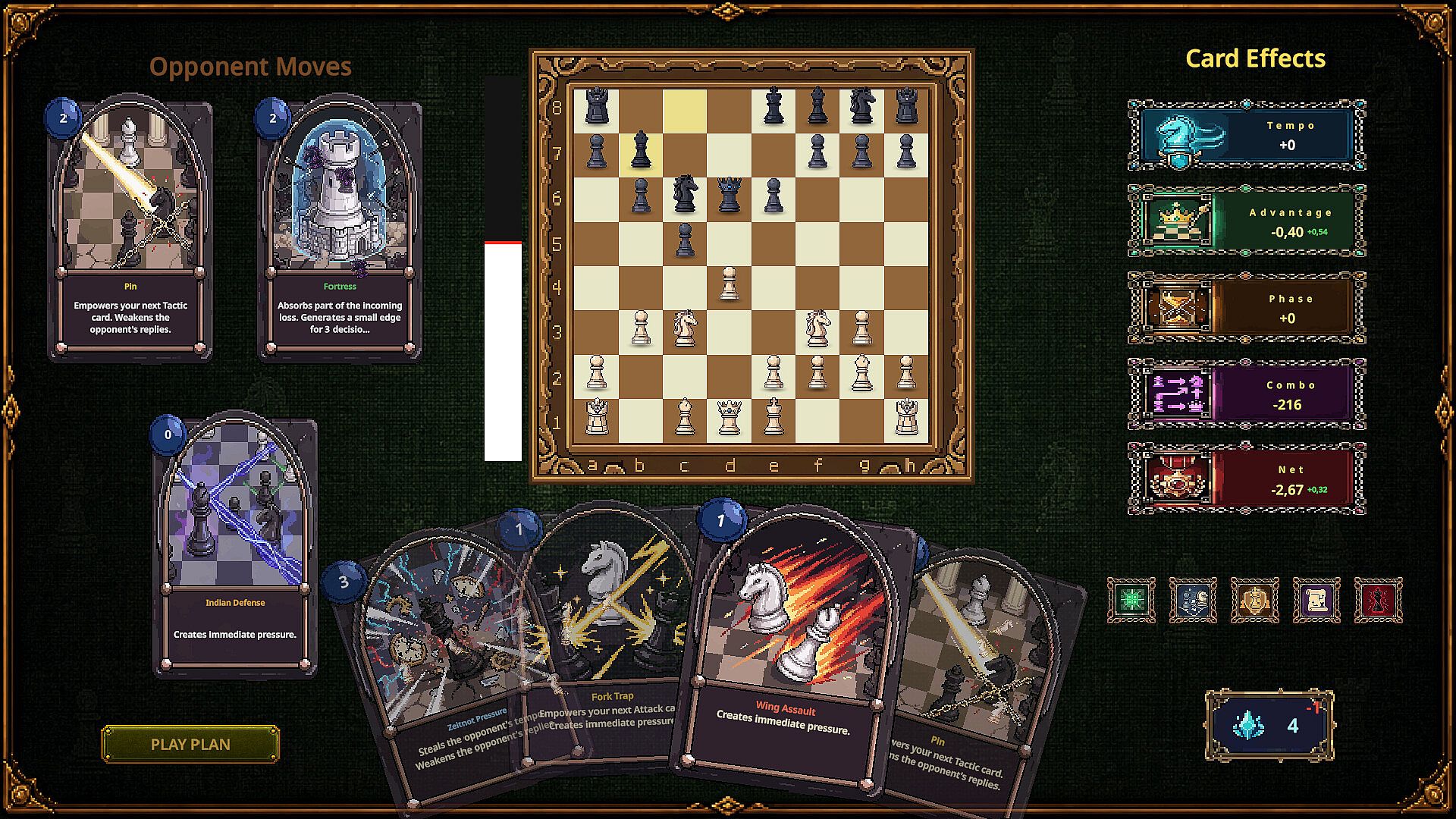
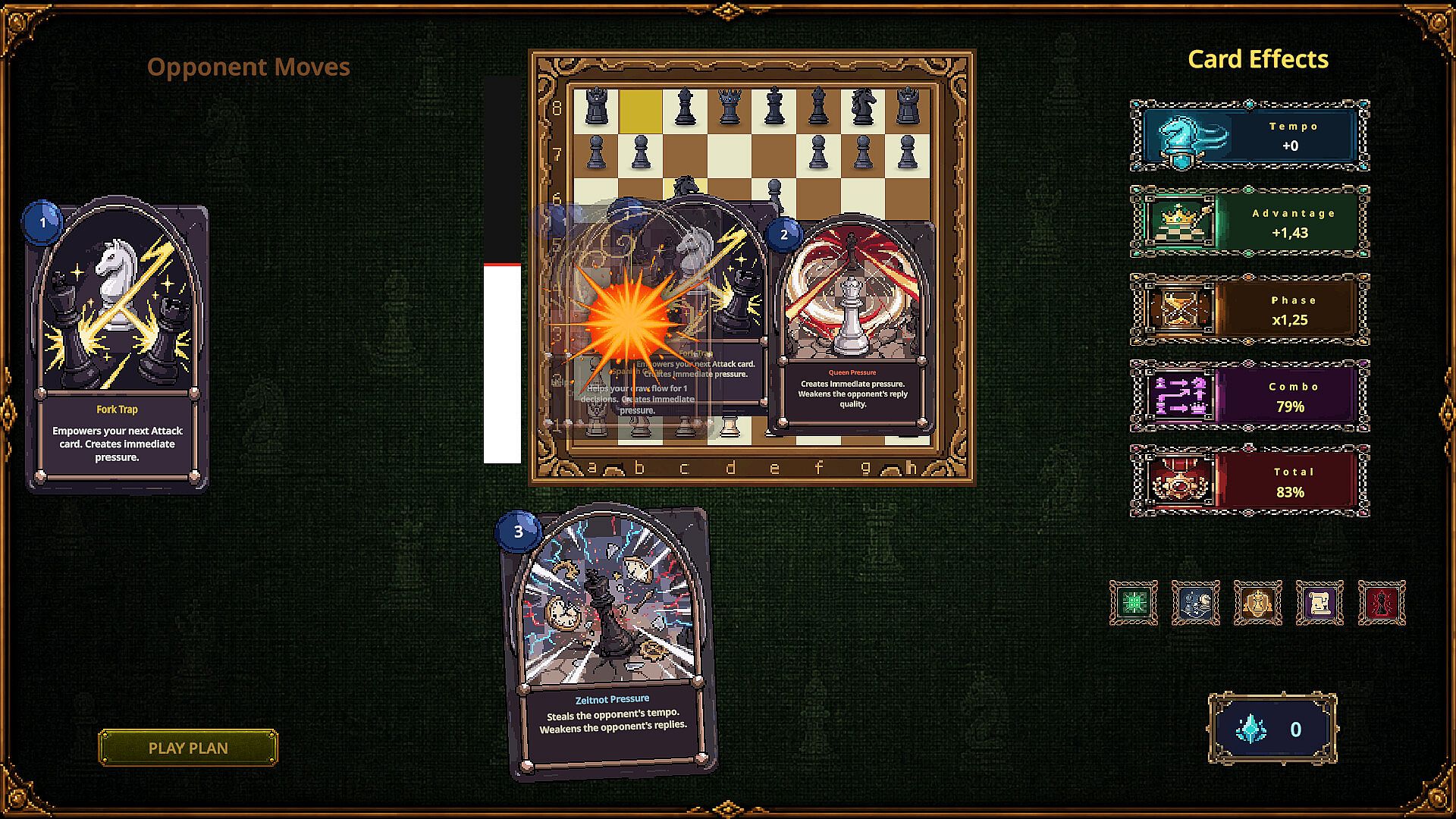
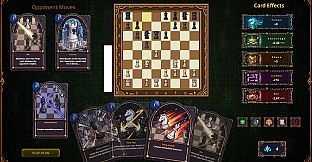
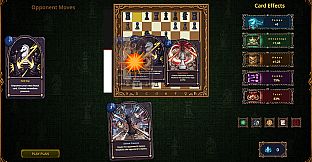
The core loop centers on chess matches that incorporate decision cards to define a player's overall plan. These cards influence how positions are approached, allowing anticipation of opponent moves, responses to threats, and commitment to specific lines of play. Pieces move according to standard chess rules, yet the cards add layers of strategy by building tactical momentum over the course of a game.
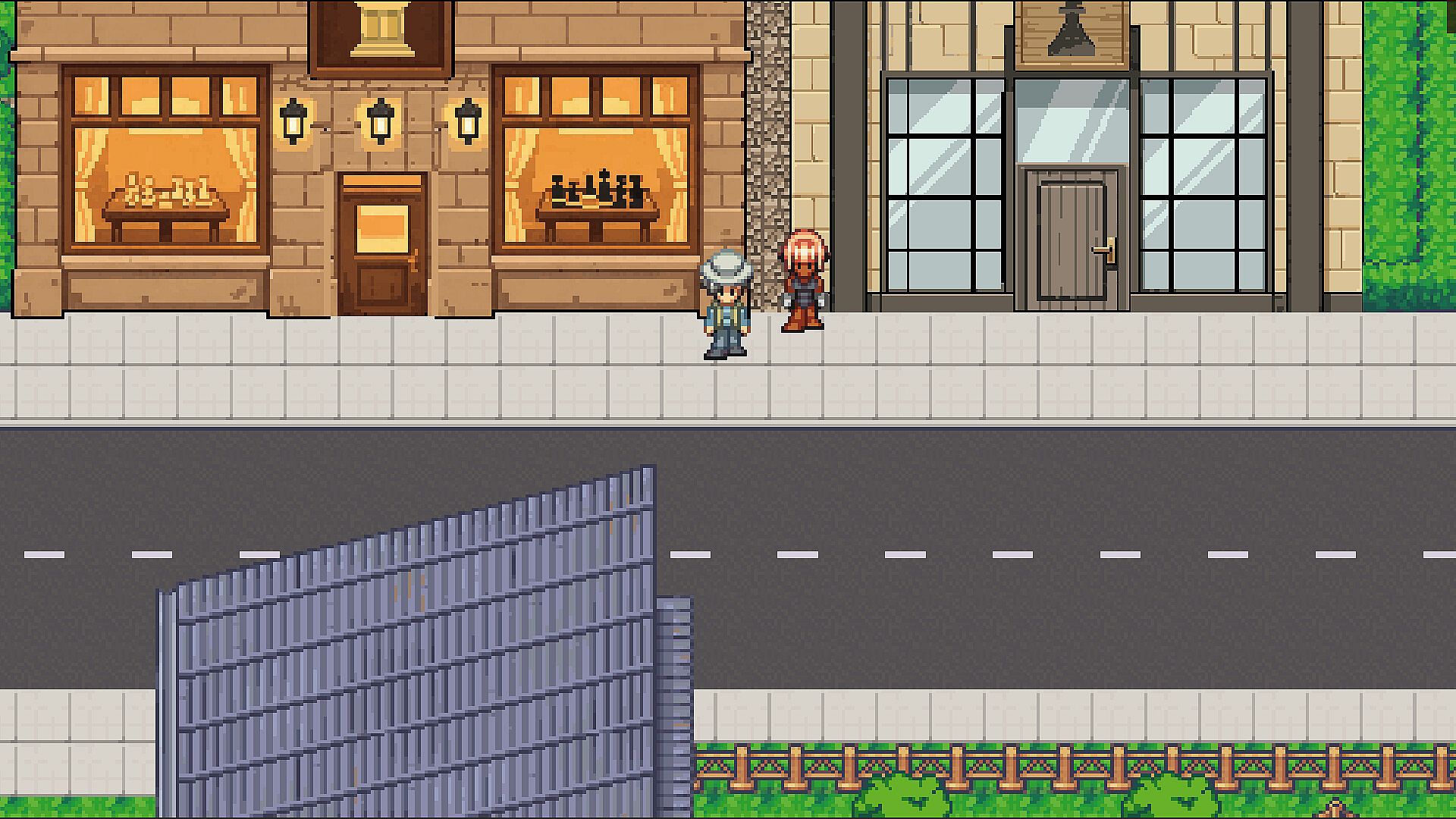
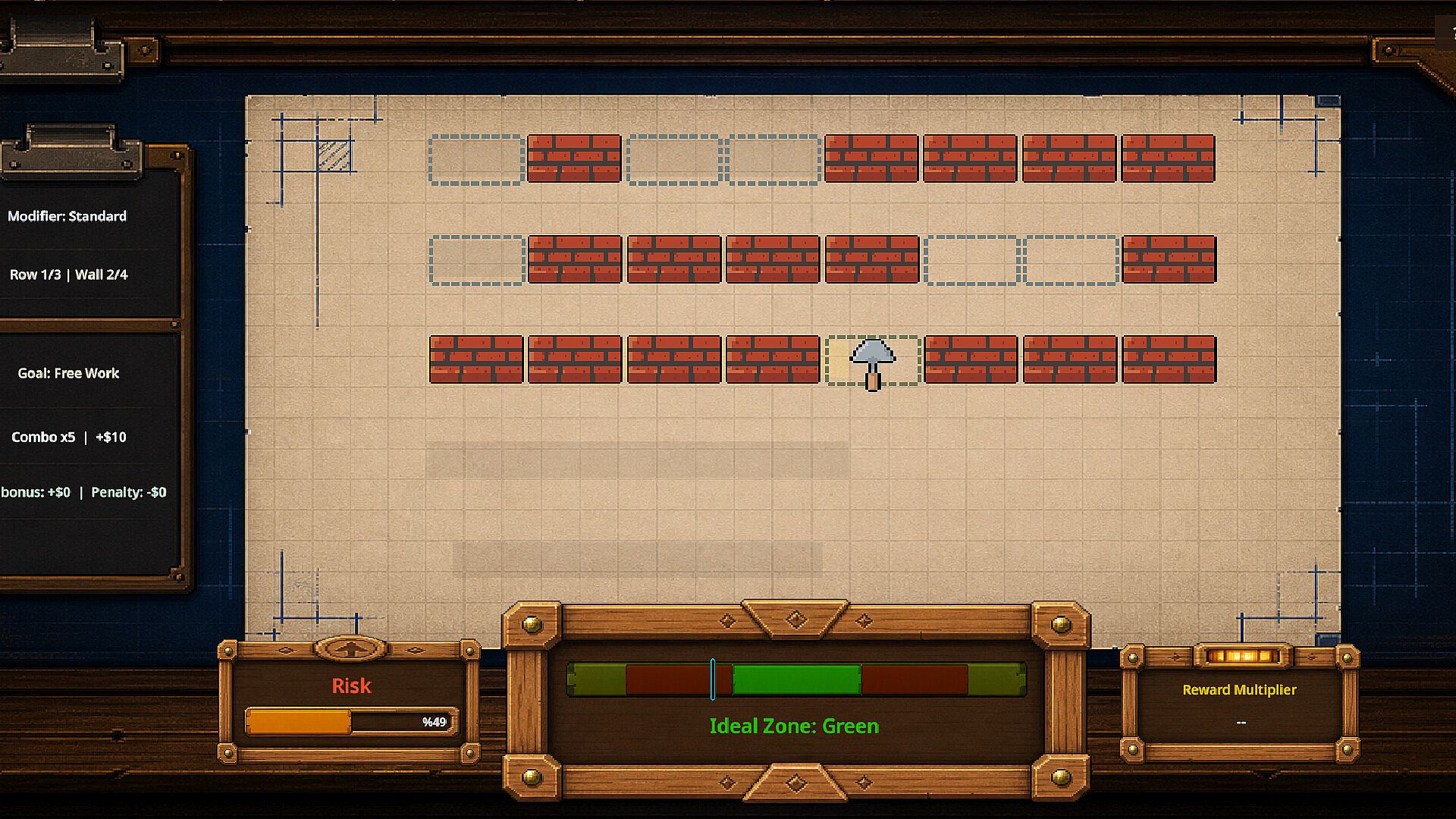
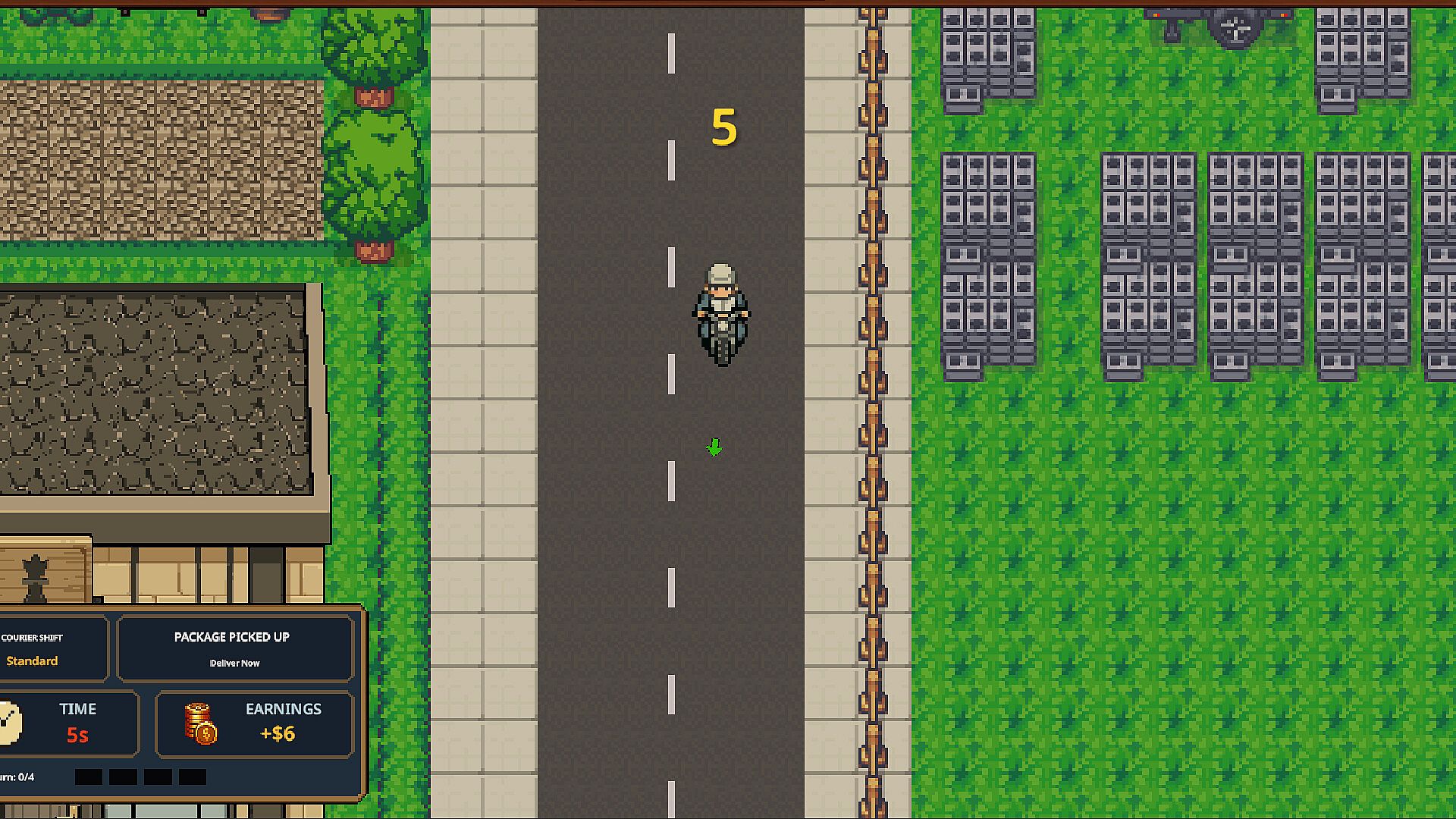
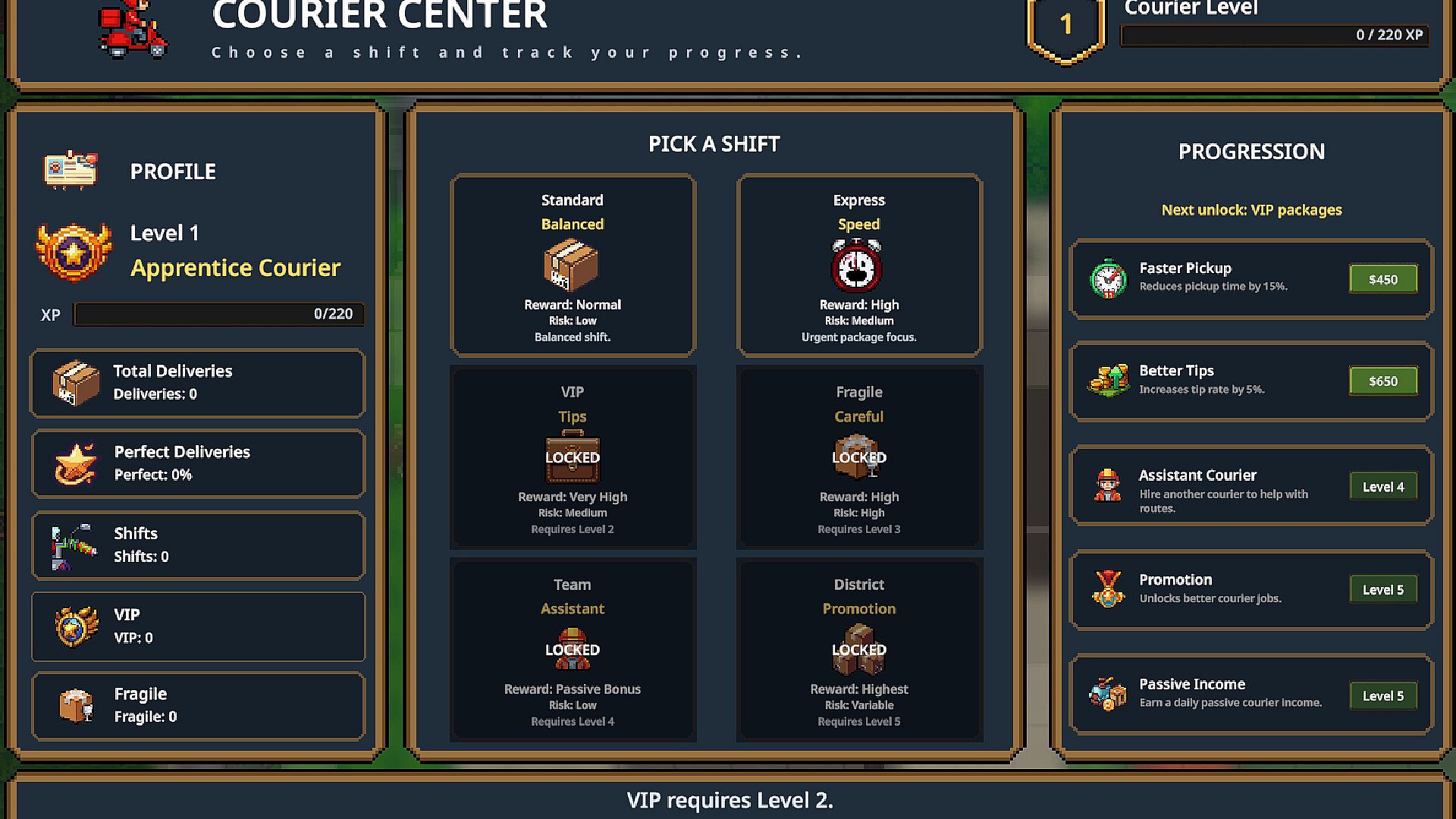
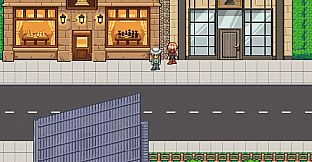
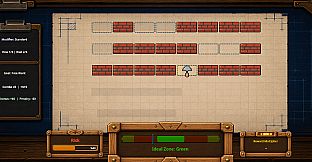
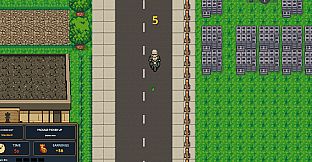
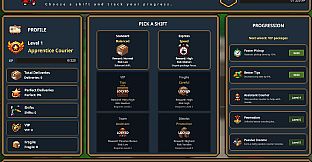
Outside of matches, time splits between tournament preparation and side work that funds continued play. Construction jobs require quick reactions to changing site conditions and careful risk assessment to earn steady pay. Courier deliveries add time pressure, as players navigate the town streets to complete urgent shifts before deadlines expire. Each choice in these activities directly supports entry into higher-level events and better equipment or preparation for chess.
Progress feels deliberate. Strong results in events open new opportunities, while consistent job performance keeps the career afloat during slower periods. The simulation emphasizes balance between sharpening chess skills and handling practical demands that every player faces when pursuing the game seriously.
Game Modes
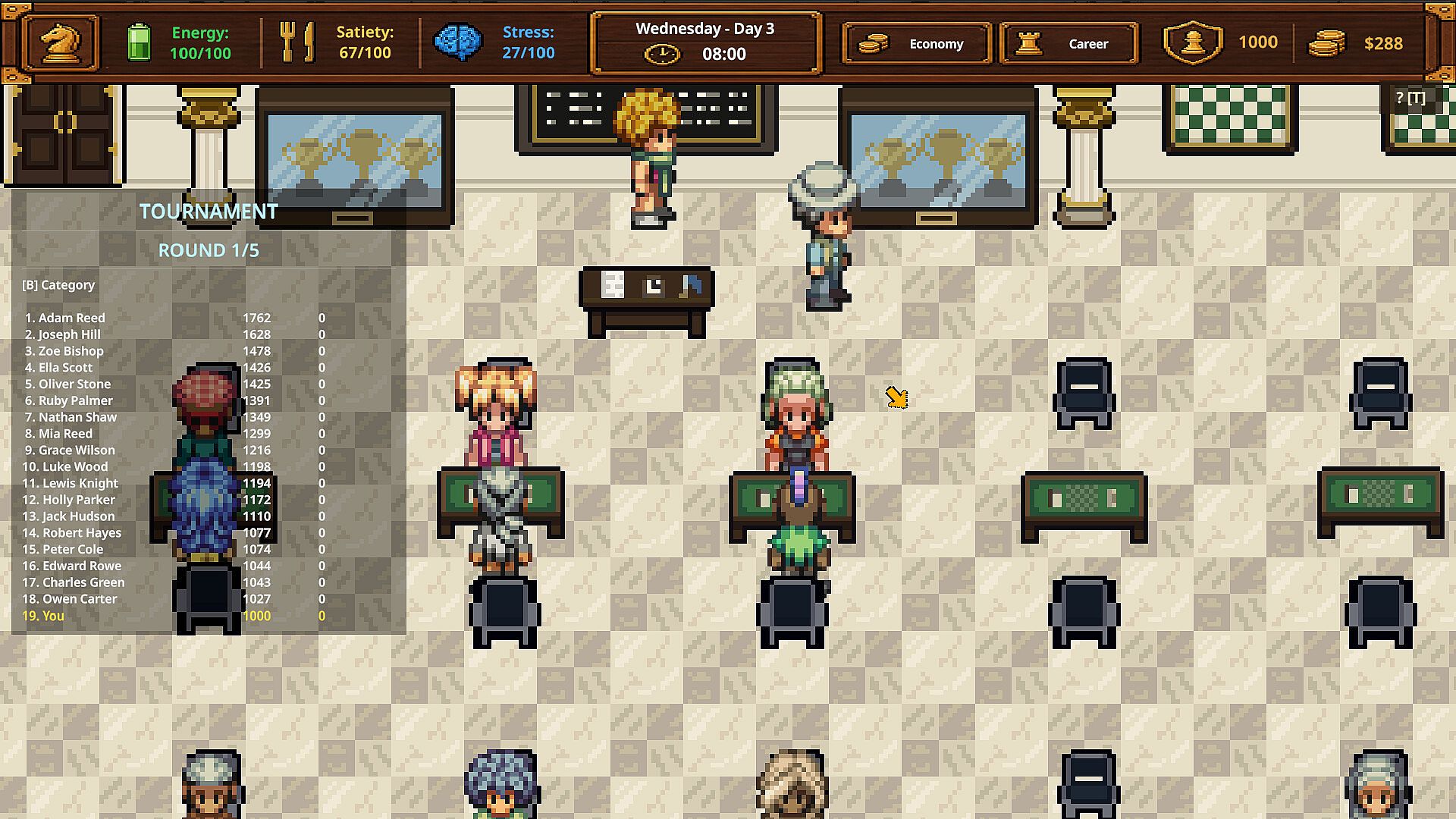
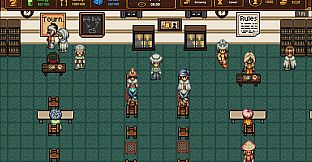
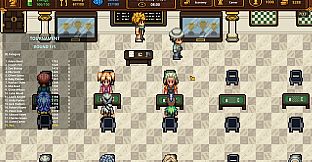
Local tournaments form the main competitive structure. Players enter events, track standings, and face successive opponents across multiple rounds. Performance here determines advancement toward larger stages and titles, with each tournament testing preparation and composure under pressure.
Job activities operate as parallel modes that run alongside the chess schedule. Construction tasks focus on hands-on problem solving and resource management at work sites. Courier runs emphasize speed and route efficiency through the town layout. Both provide income that unlocks further chess opportunities without interrupting the central focus on matches and rankings.
The overall structure stays single-player, with daily routines built around preparing for events, completing work shifts, and reviewing match outcomes to refine future card choices and strategies.
Daily Life and Career Building
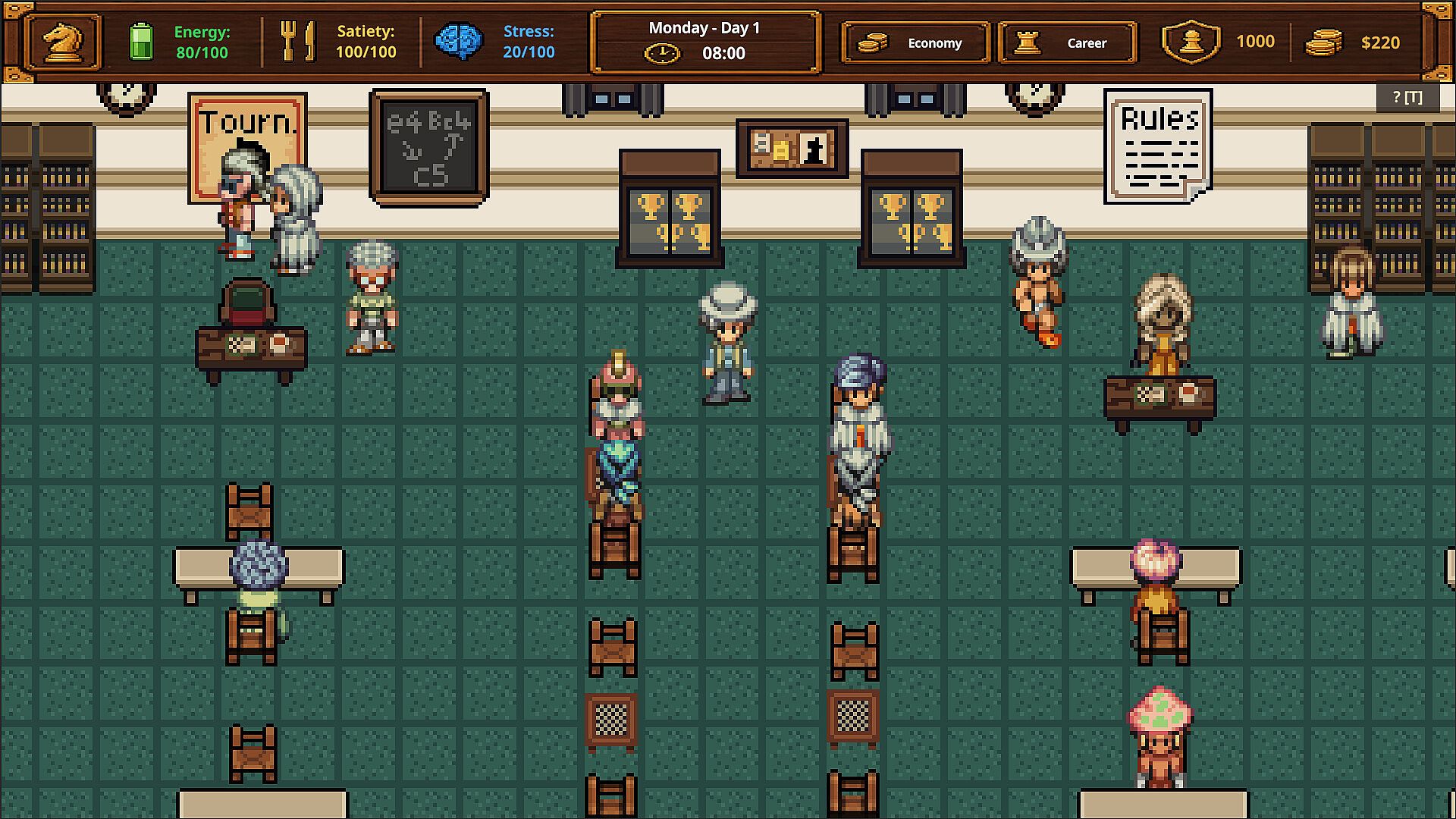
Every day presents a mix of chess study, tournament commitments, and financial tasks. Players decide how to allocate limited time between these areas, knowing that neglect in one area affects the others. A strong tournament run might require extra preparation funded by recent deliveries, while a string of construction shifts can provide the buffer needed to enter a more demanding event.
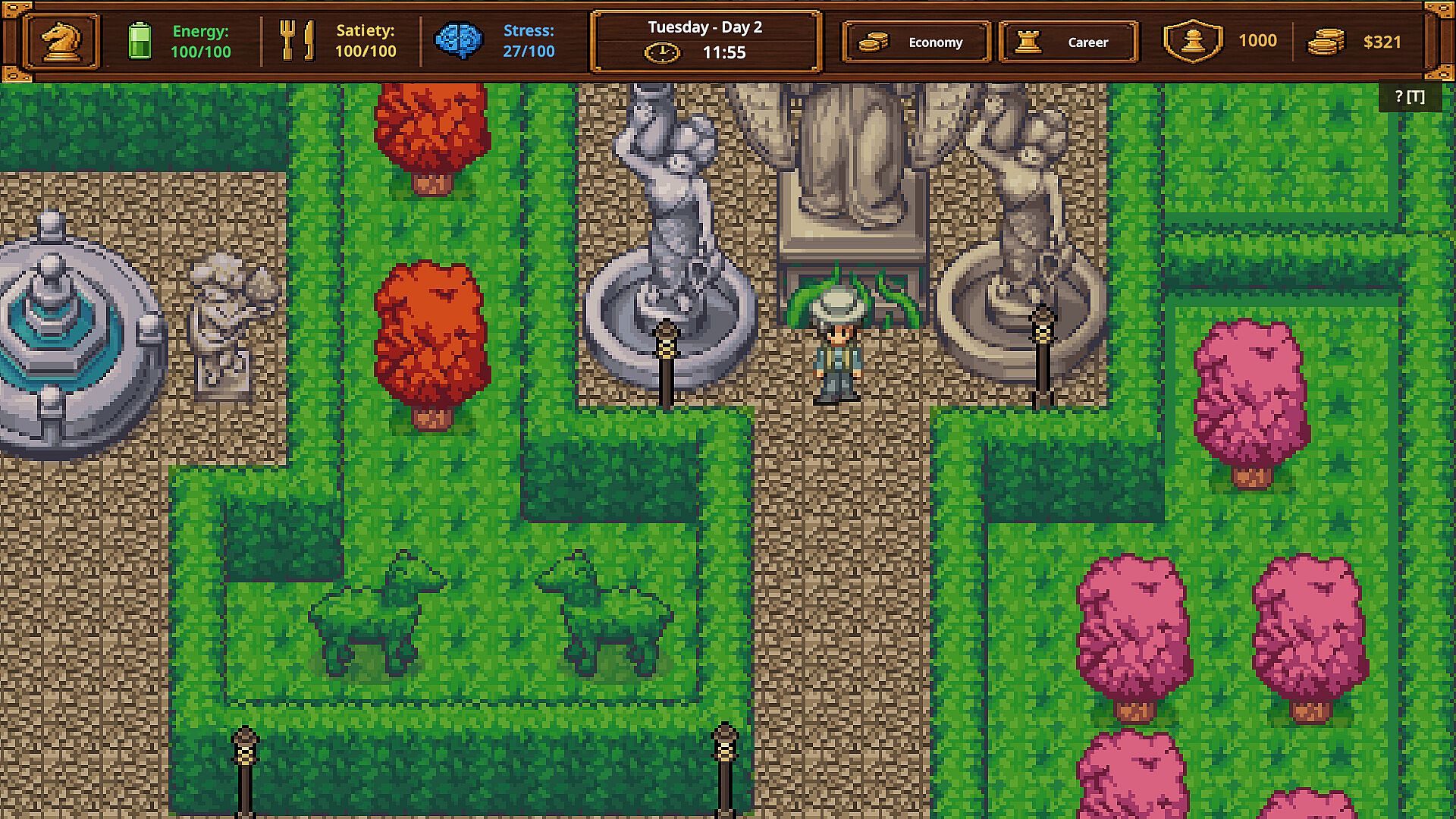
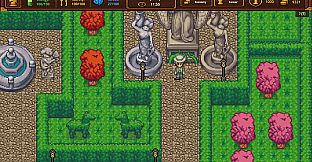
The town itself serves as the setting for these activities, with streets used for deliveries and work sites for construction. Opponents in tournaments vary as the career advances, presenting fresh challenges that reward adaptive card use and position reading. The simulation rewards consistent attention to both chess improvement and practical support systems rather than any single dominant path.
Is It Worth Playing?
Chess Town suits players who enjoy deliberate strategy games combined with light life simulation elements. Those interested in chess will find familiar rules enhanced by decision cards that encourage planning beyond individual moves. The addition of job mechanics adds a layer of resource management that feels integrated rather than tacked on.
Progression relies on personal choices across matches and work, creating a sense of ownership over the career arc. Without external pressure from multiplayer rankings or seasonal events, the experience remains focused on individual growth at a comfortable pace. Fans of indie strategy titles that reward careful planning over reflexes will likely appreciate the steady rhythm of tournaments, jobs, and incremental improvements.











