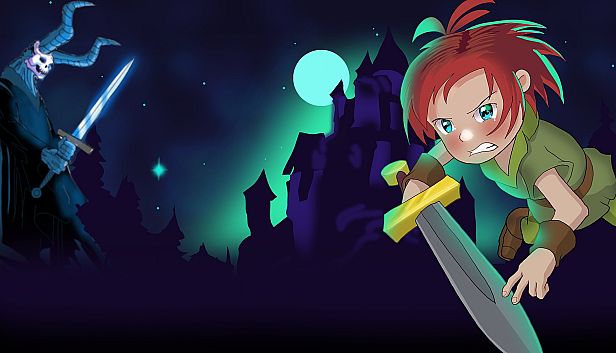


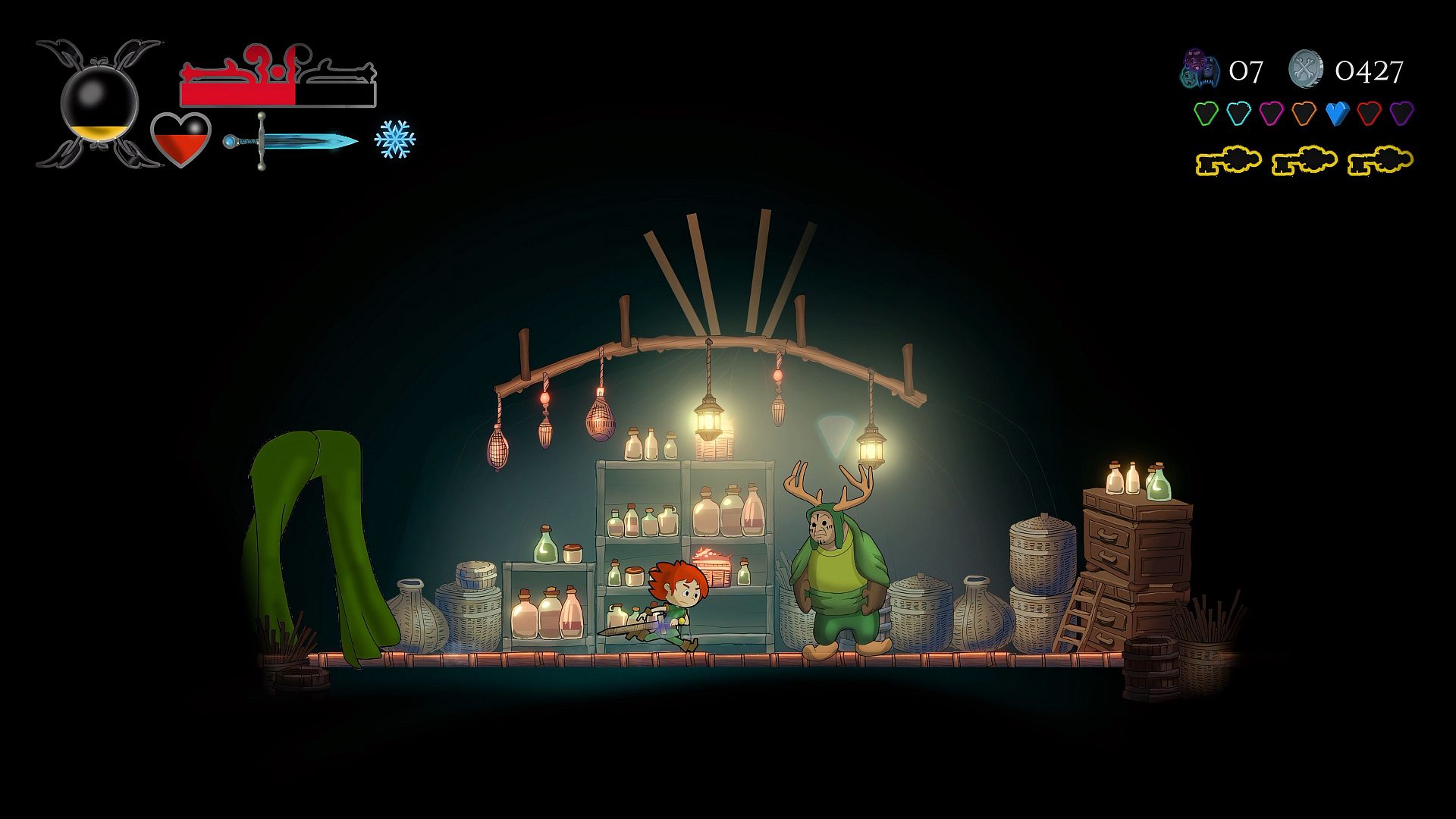
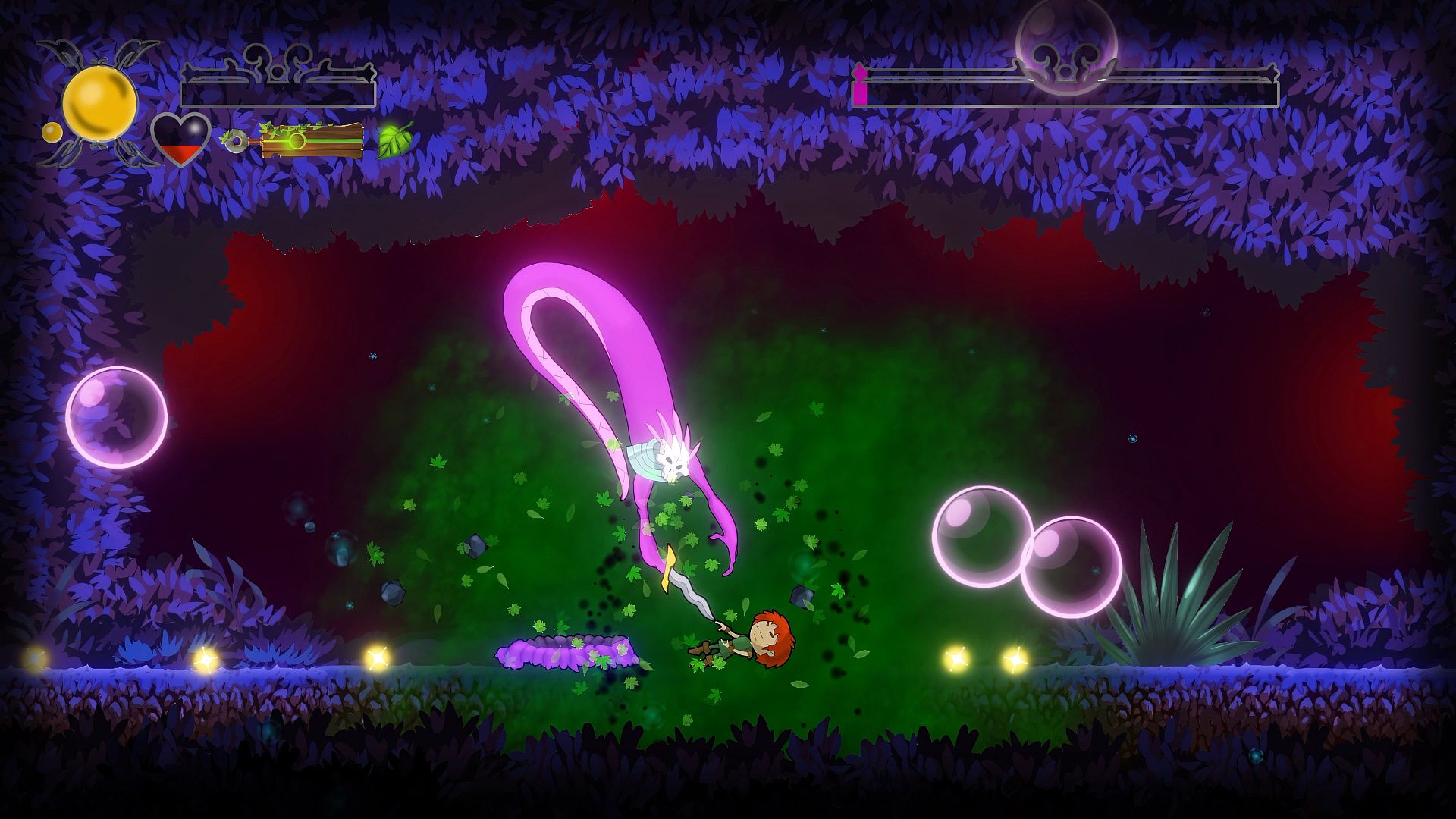
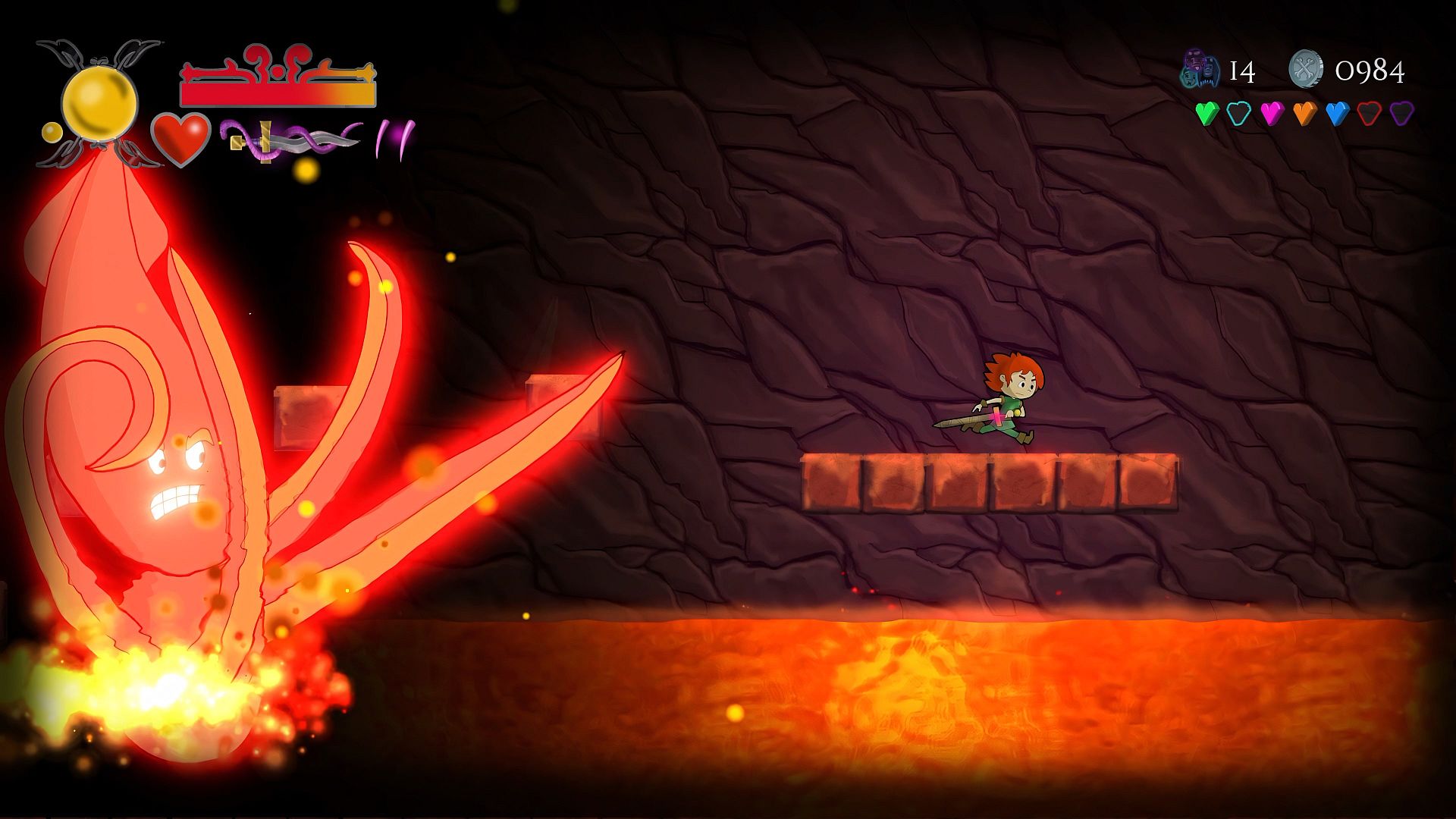
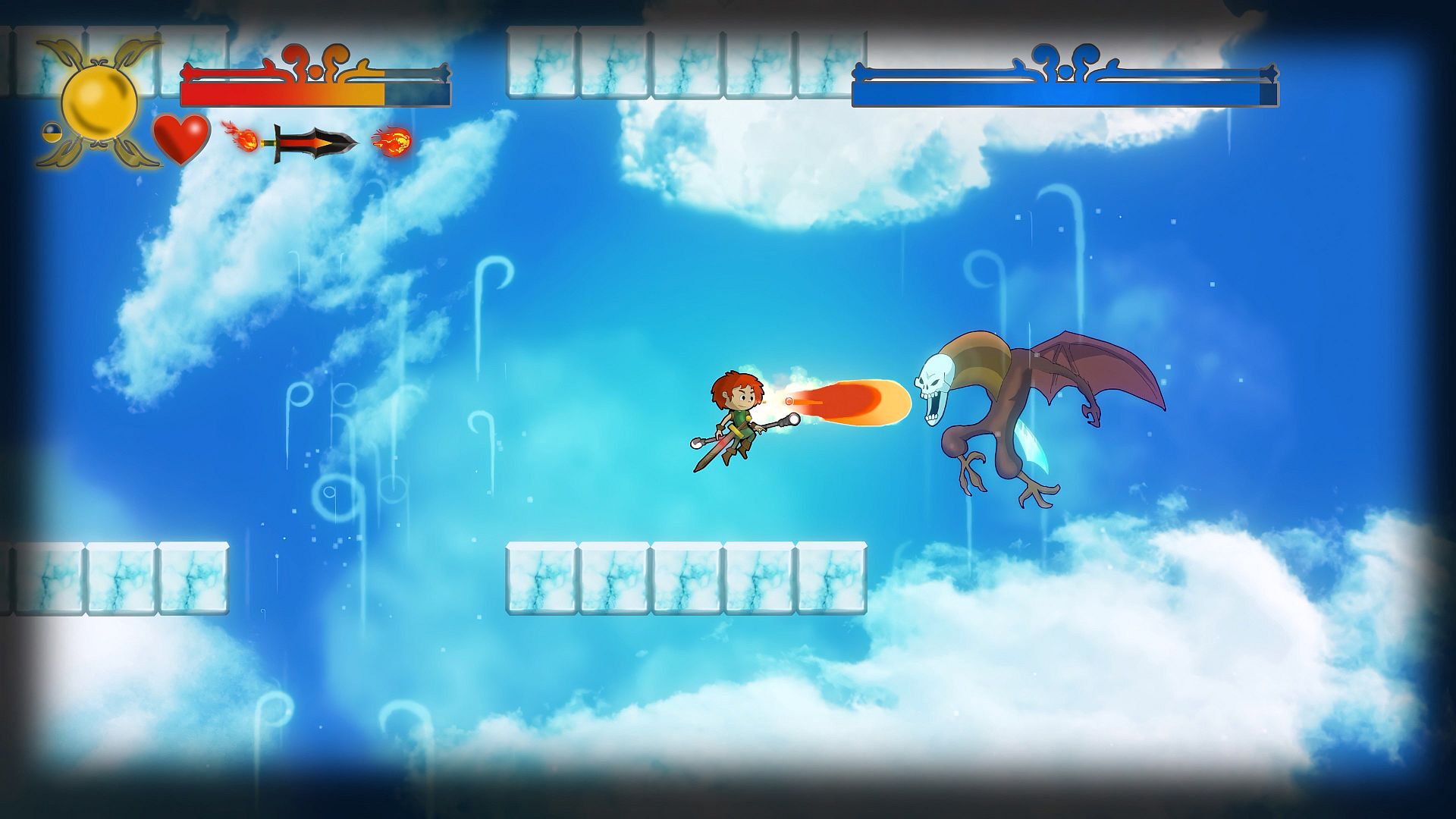
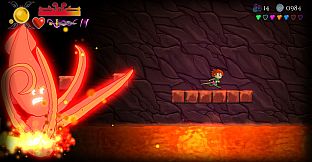
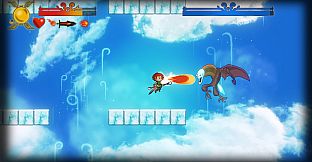
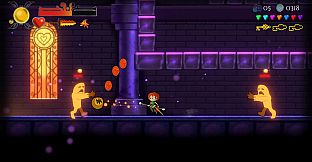
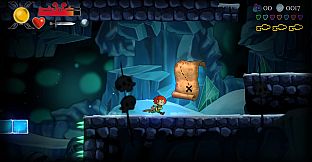
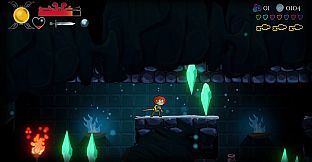
Clarity: The Seven Demons of Vanguardia is a 2D side-scrolling action platformer adventure game available on Xbox and PC. Players take control of a young hero seeking revenge after a lightning demon kills his father. The core experience centers on traversing seven distinct worlds while collecting and using demon magic called Clarity to defeat enemies and bosses.
Gameplay
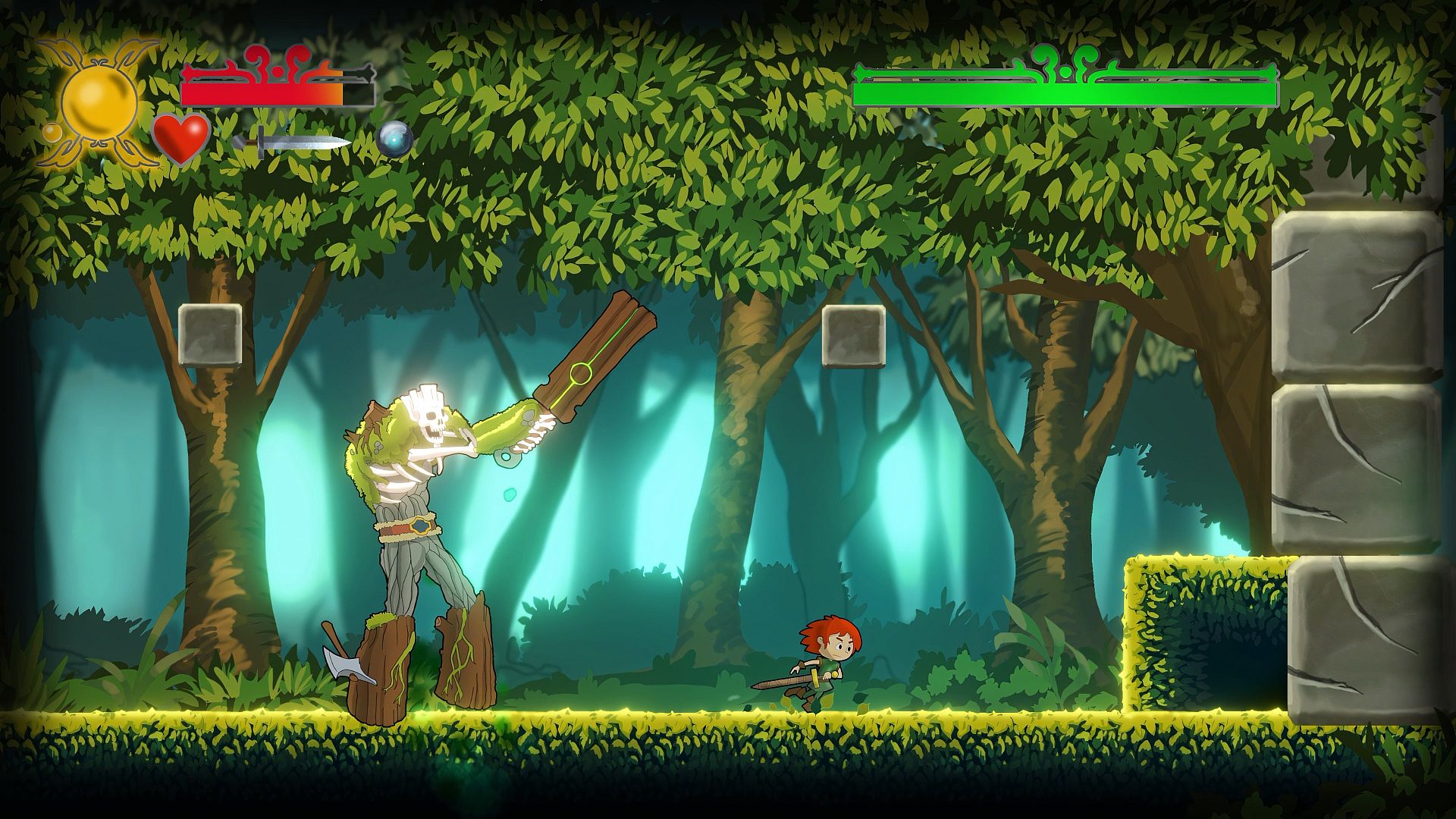
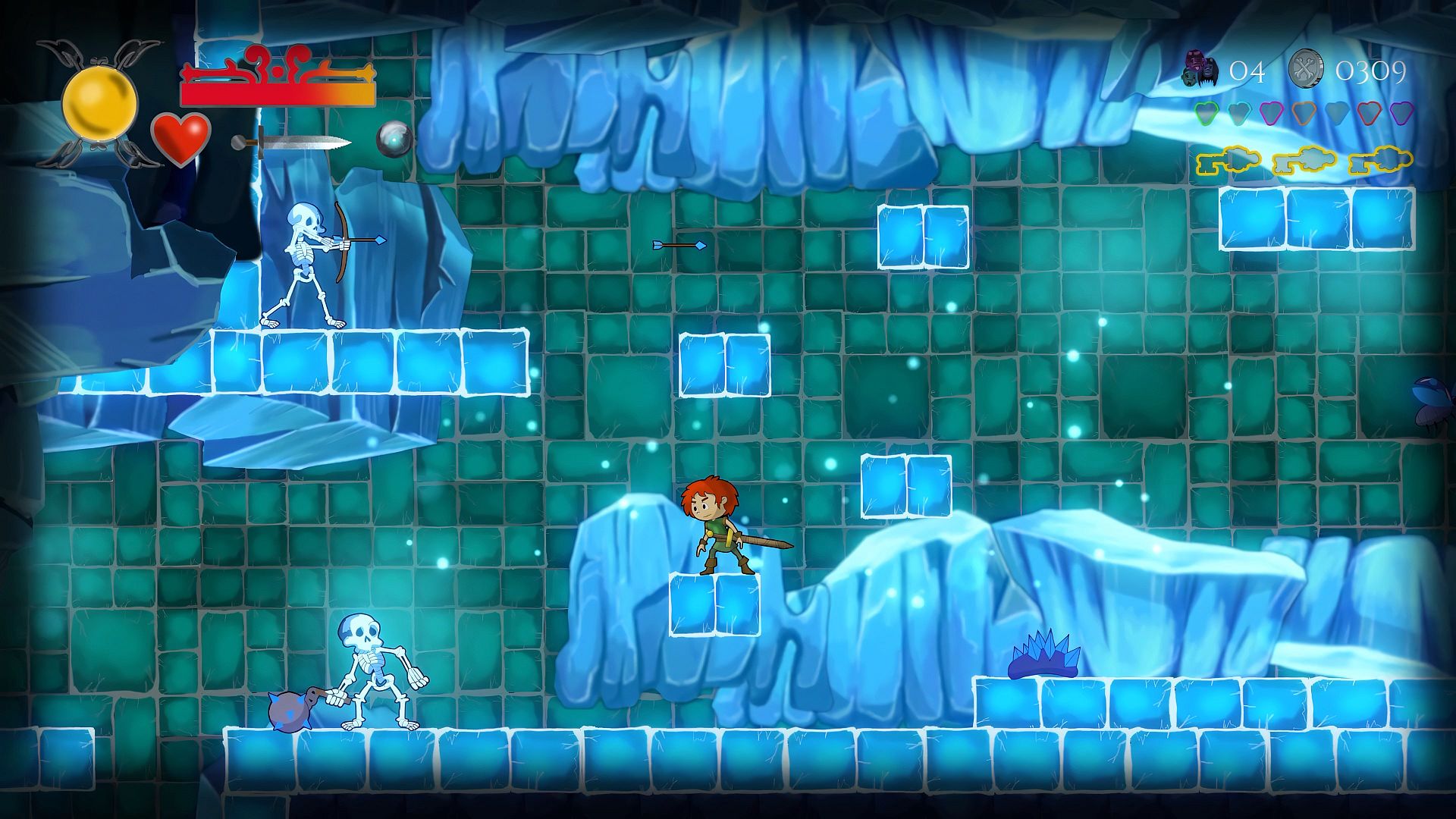
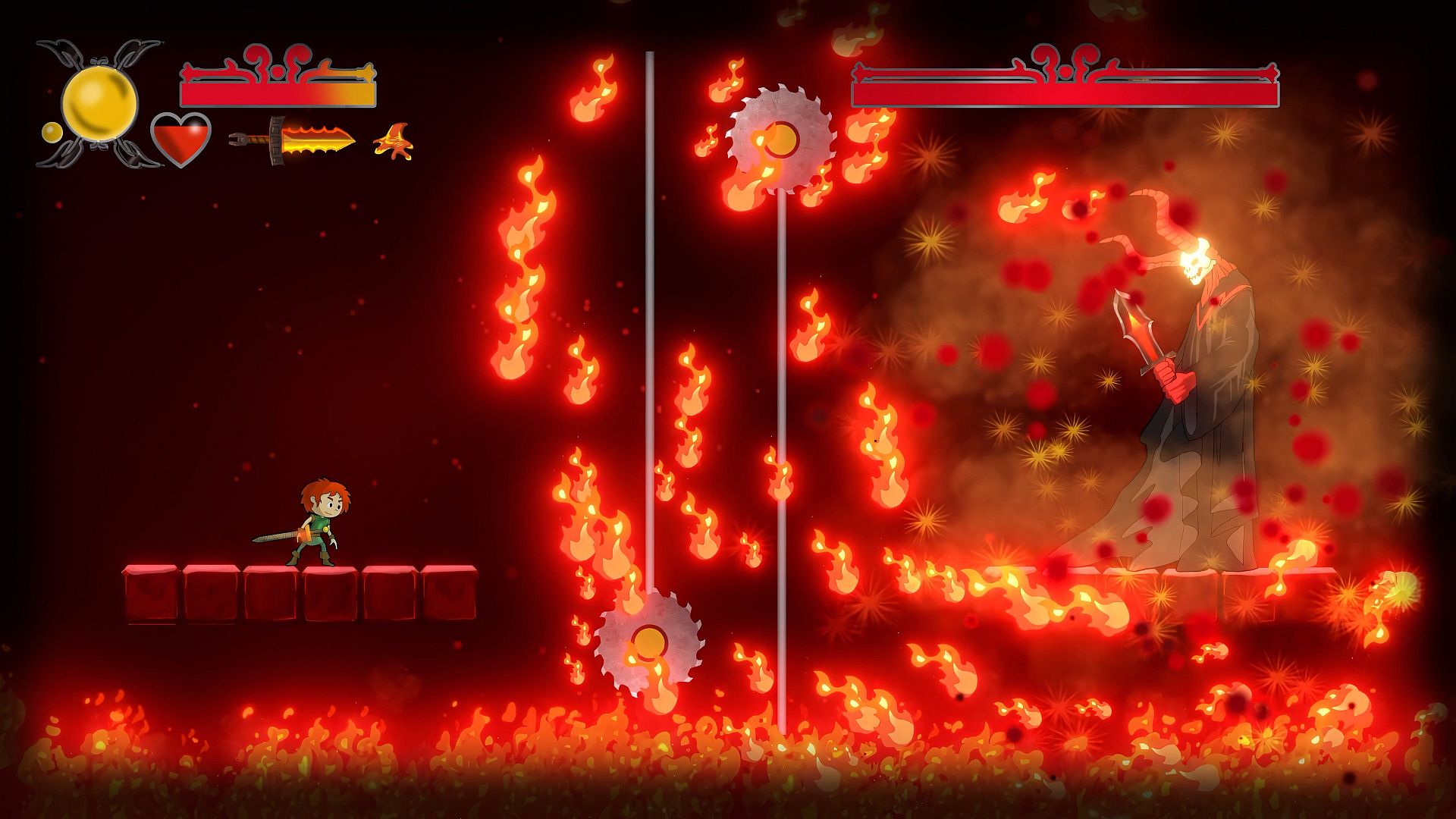
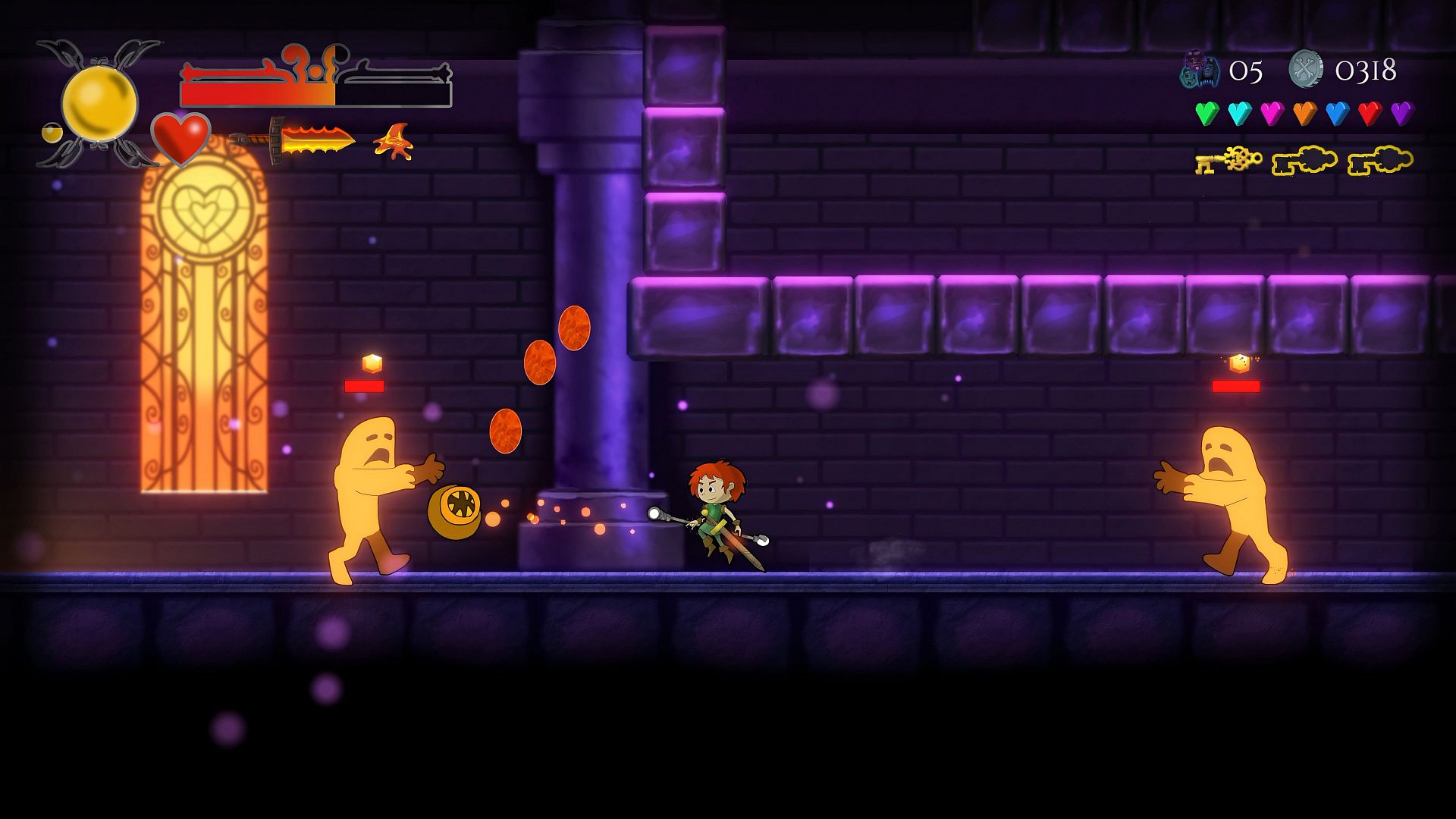
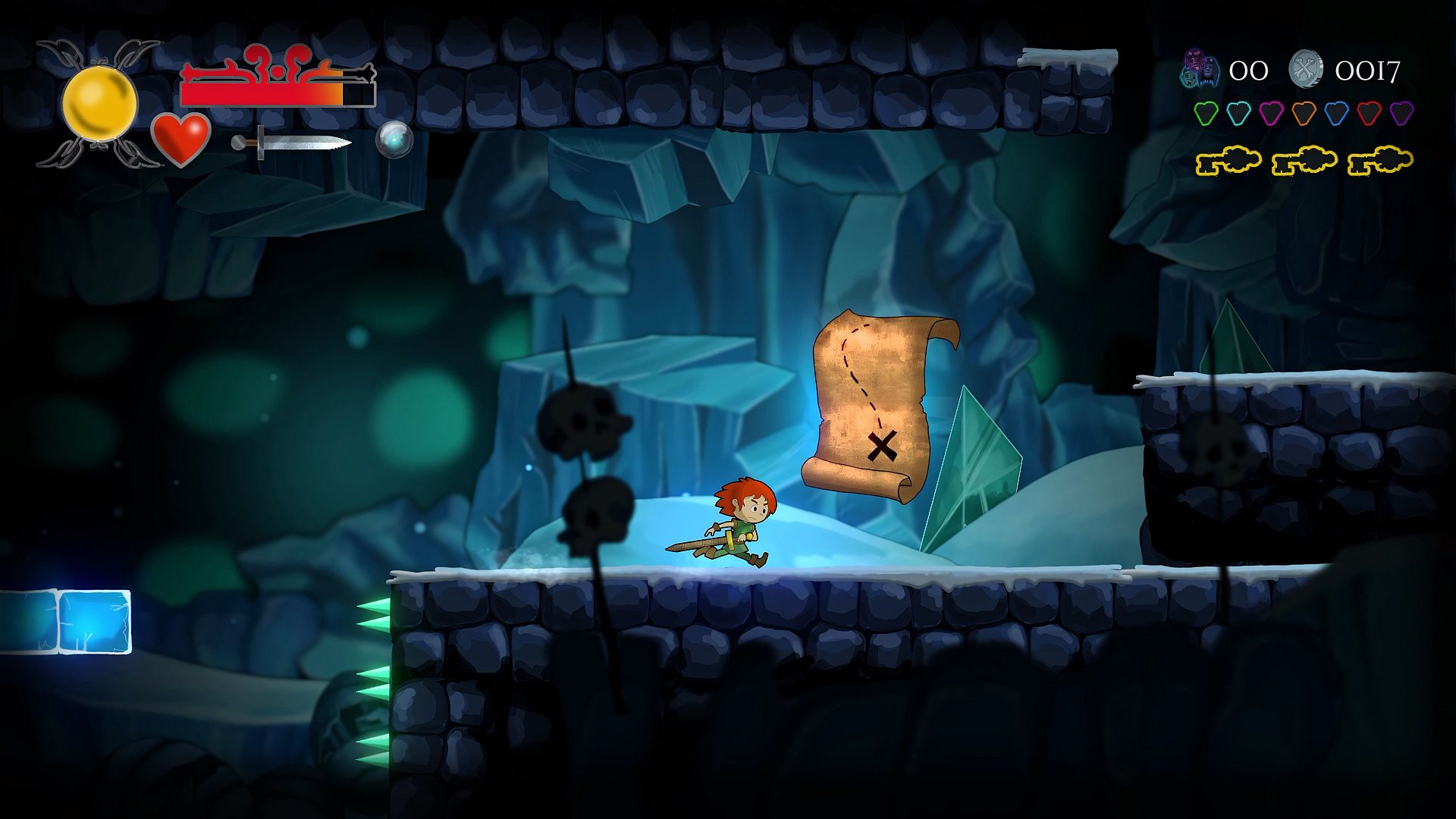
The gameplay revolves around classic side-scrolling platforming mechanics combined with light combat and progression choices. Players run, jump, perform an air dash, and swing a sword to navigate levels filled with lesser demon spawn and environmental traps. A staff allows casting spells that consume Clarity gathered from defeated foes. Each of the seven bosses yields a demon sword upon defeat, and these swords carry elemental properties that can be exploited for advantages in later encounters. The order in which bosses are challenged affects available abilities, encouraging players to plan their route through the stages for better strategic positioning. Multiple difficulty settings let players adjust the challenge level to suit their preference. The game emphasizes thoughtful reward through exploration of expansive dungeons supported by a map system, though it remains a straightforward platformer without Metroidvania-style backtracking or Souls-like difficulty spikes.
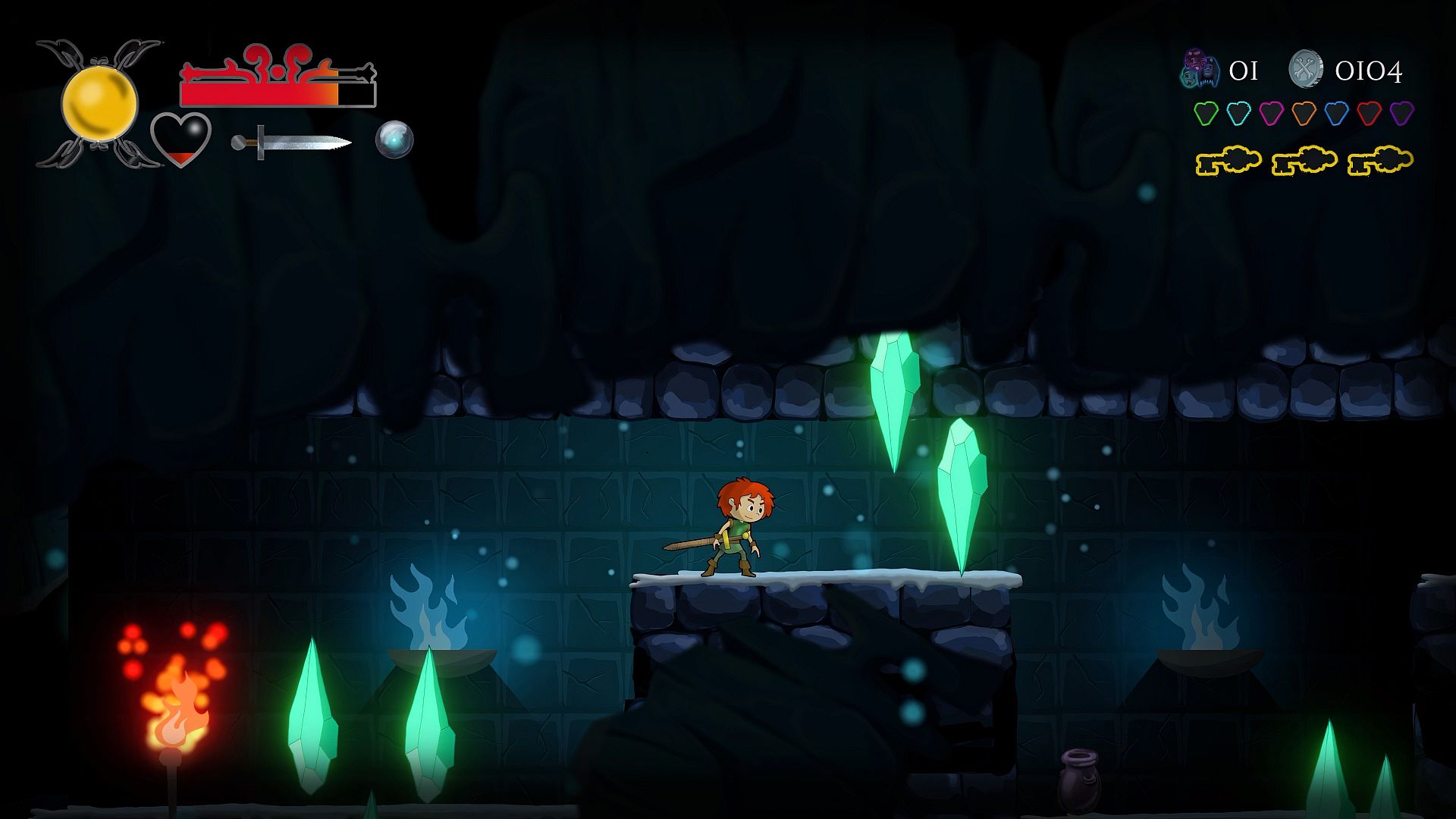
Controls focus on fluid movement and combat. Double jumps and dashes help cross gaps and avoid hazards, while sword attacks handle close-range threats. Spells provide ranged options when Clarity is available. Levels feature unique designs tied to each demon's theme, requiring precise timing to avoid traps and reach the end-of-stage boss fights.
Game Modes
Clarity: The Seven Demons of Vanguardia operates as a single-player experience with no separate multiplayer or competitive modes. The main campaign allows free selection of which boss stage to attempt first, creating a non-linear structure within the seven-world framework. Progress depends on defeating bosses to unlock new swords and Clarity abilities that open alternate paths in other stages. This choice-based progression forms the primary variation in play sessions, as different boss orders lead to different ability sets for tackling remaining content. There are no additional modes such as time trials, endless runs, or co-op elements confirmed in the game's design.
Story and Setting
The narrative follows a boy's quest for vengeance in the world of Vanguardia after his father's death at the hands of a powerful lightning demon. The story unfolds through the seven stages, each tied to one of the demons the hero must confront. Clarity serves as both a gameplay resource and a thematic element, representing the magic harvested from fallen enemies to empower the protagonist. The plot remains focused on this revenge arc without extensive side stories or branching narratives beyond the order of boss encounters.
Visuals and Presentation
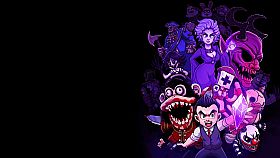
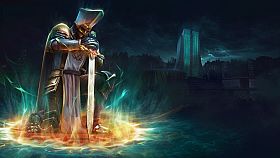
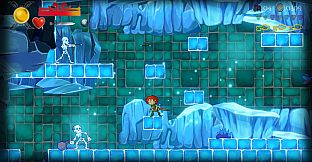
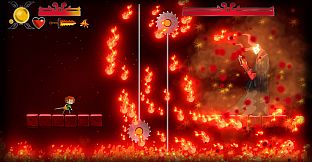
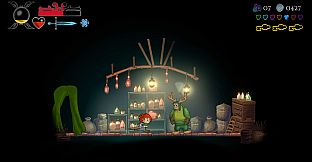
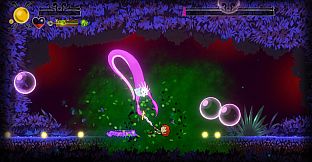
The game uses hand-drawn HD artwork to depict its seven worlds and characters. Each stage presents a distinct visual theme aligned with its boss demon, creating variety in environments and enemy designs. Animations support the platforming actions with clear feedback for jumps, dashes, and attacks. The overall style keeps the presentation clean and readable, suiting the casual platformer tone.
Is It Worth Playing?
Clarity: The Seven Demons of Vanguardia delivers a concise 2D platforming adventure suited to players who enjoy straightforward side-scrollers with some ability-based progression. Its short length and adjustable difficulty make it accessible for those seeking a lighter experience rather than intense challenges. The boss order system adds a layer of strategic planning that rewards experimentation across playthroughs. Reviews describe it as a standard but competent entry in the genre, with solid controls and clear level design. It appeals most to fans of classic action platformers who value quick sessions and revenge-driven stories over complex systems or long campaigns. Availability on Xbox and PC provides straightforward access for those platforms, and the single-player focus ensures a complete experience without ongoing requirements.